Rotala sp. 'Vietnam'
Rotala sp. 'Vietnam'
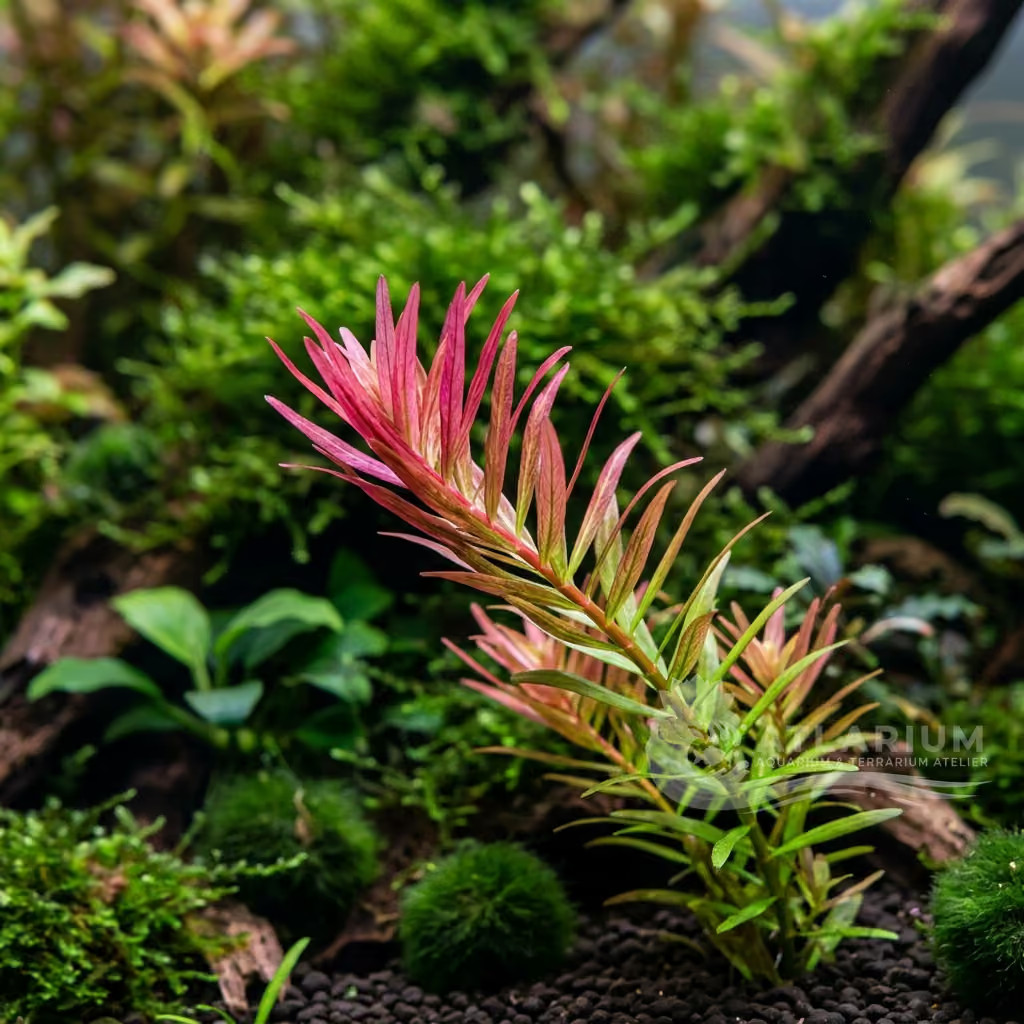
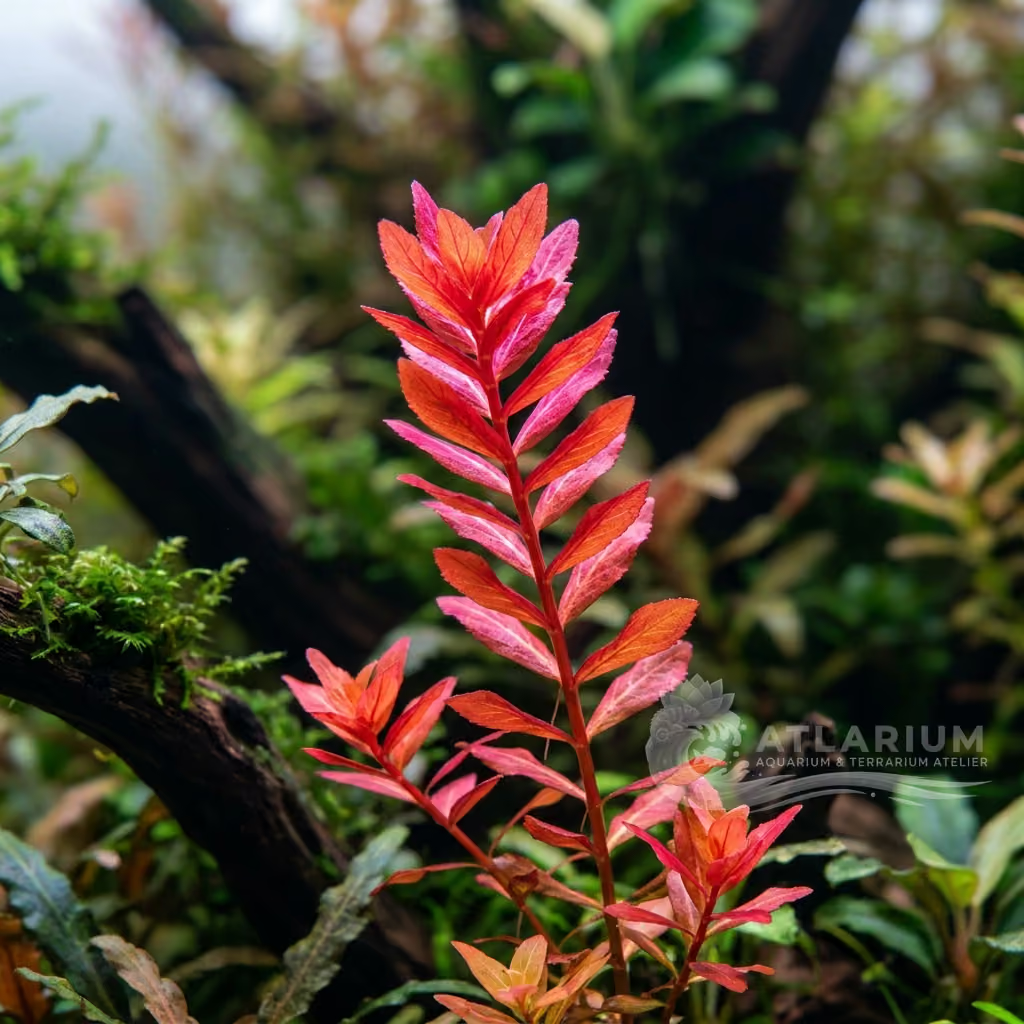
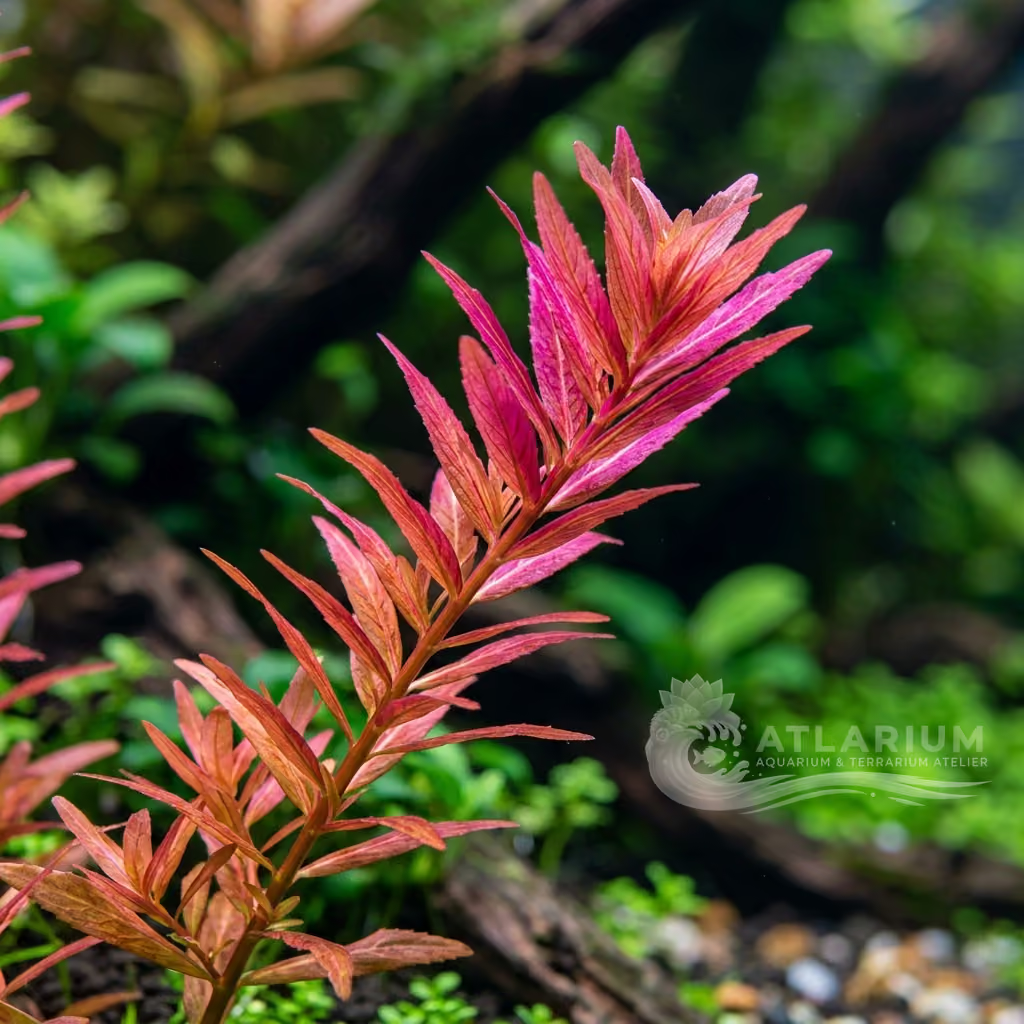
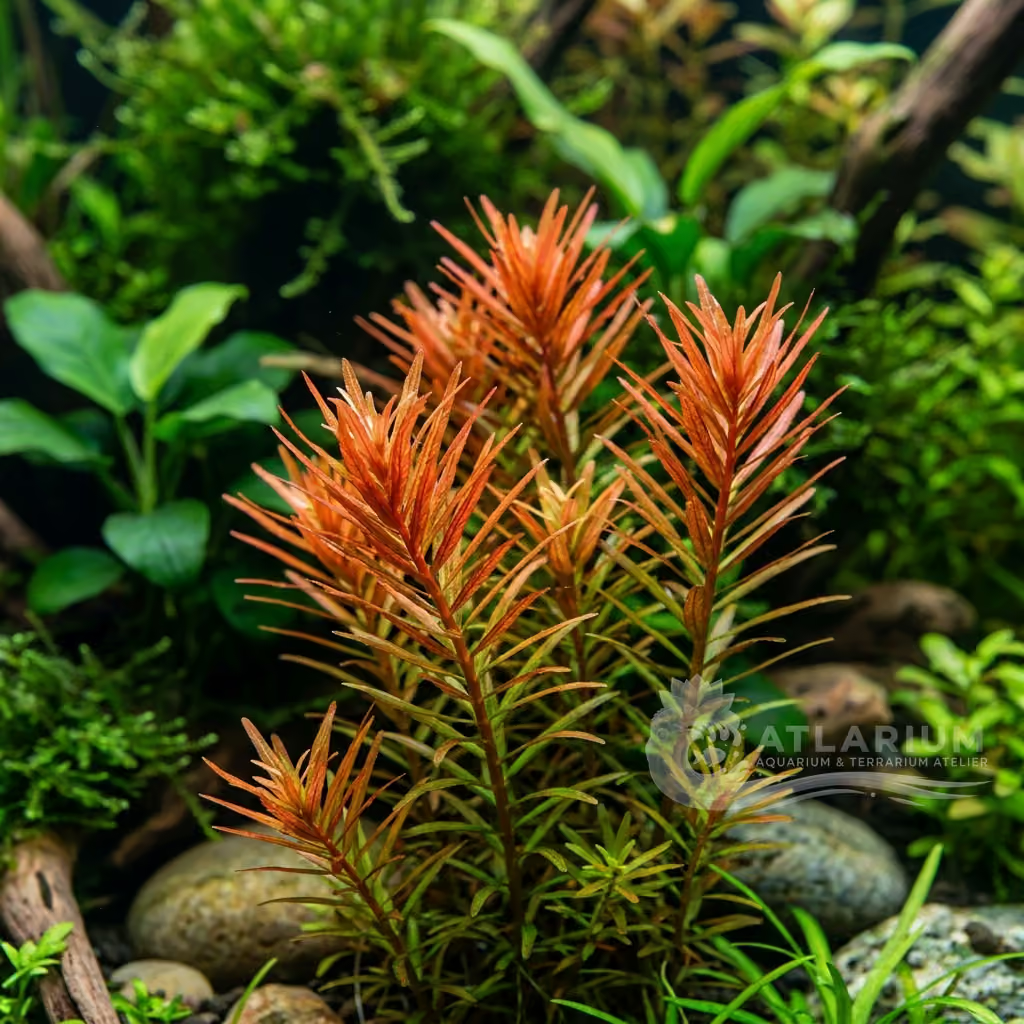
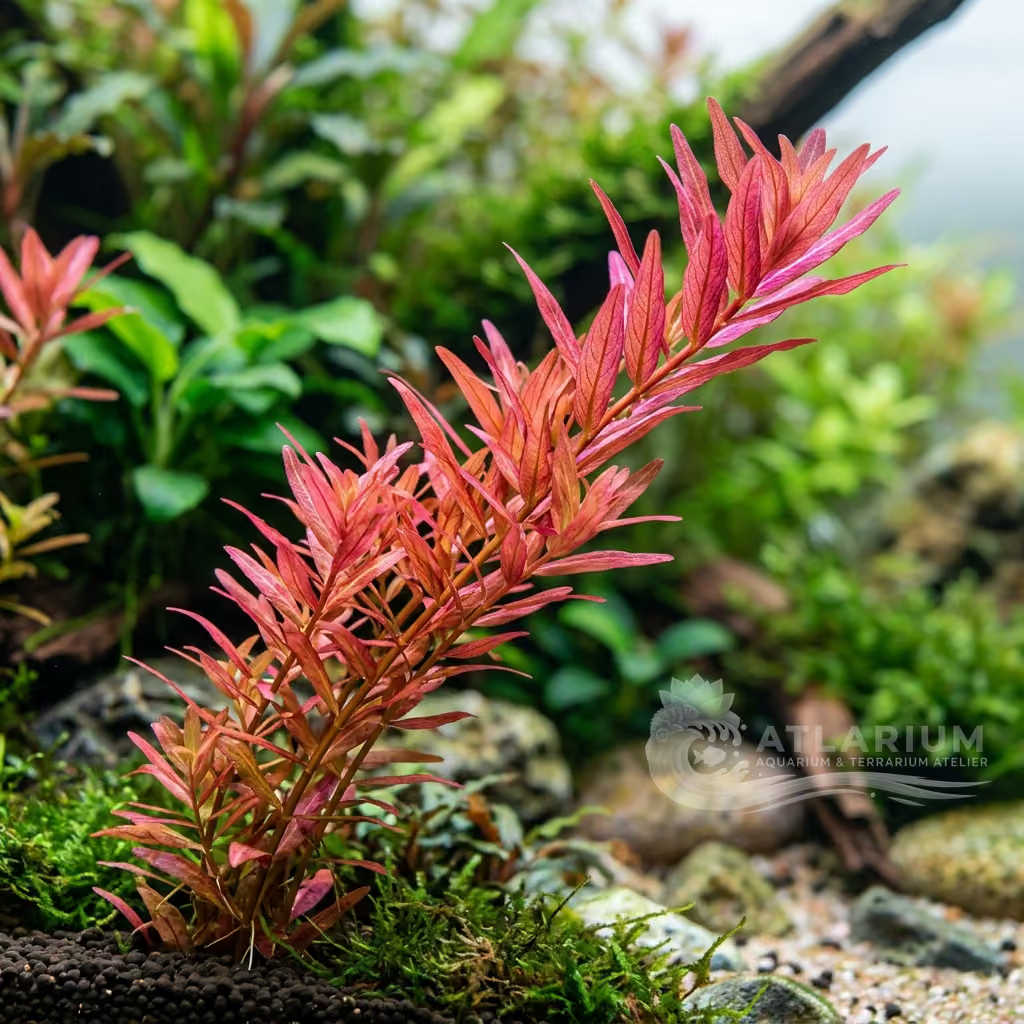
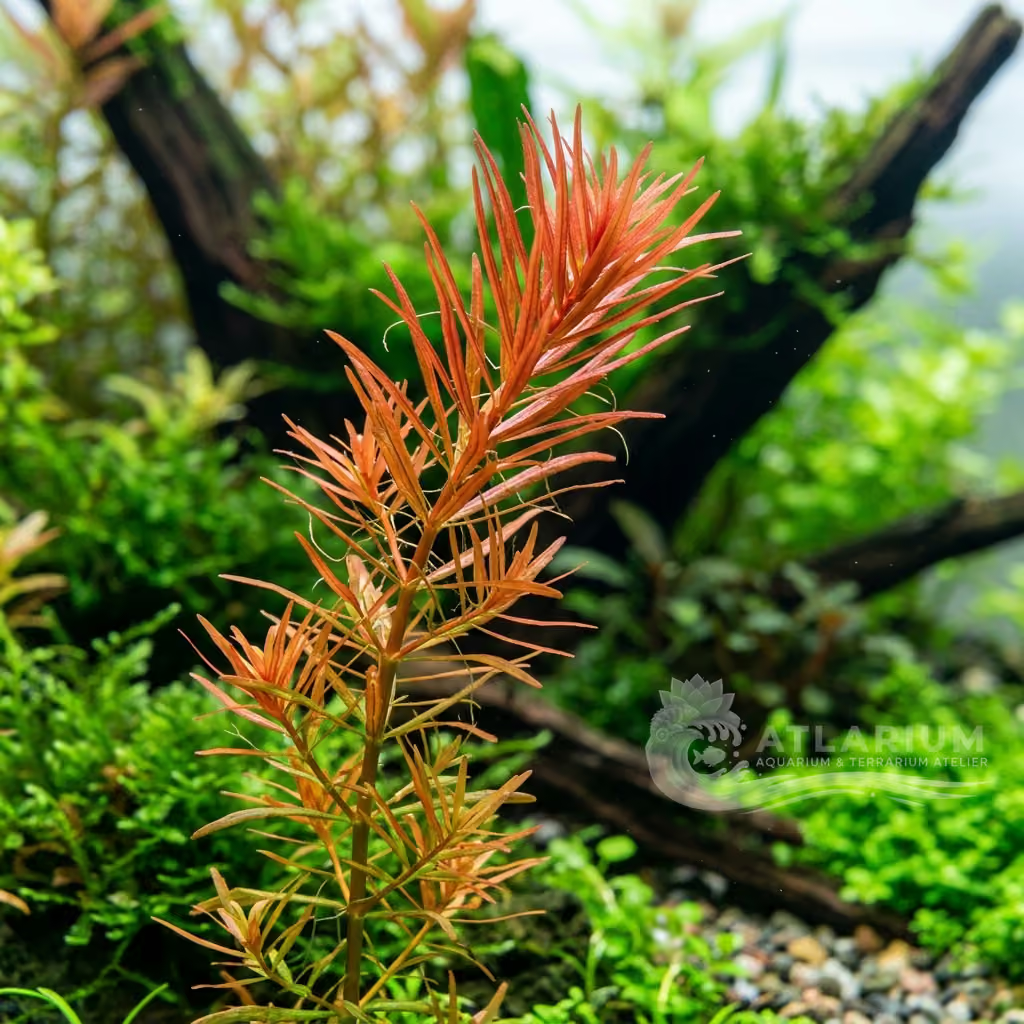
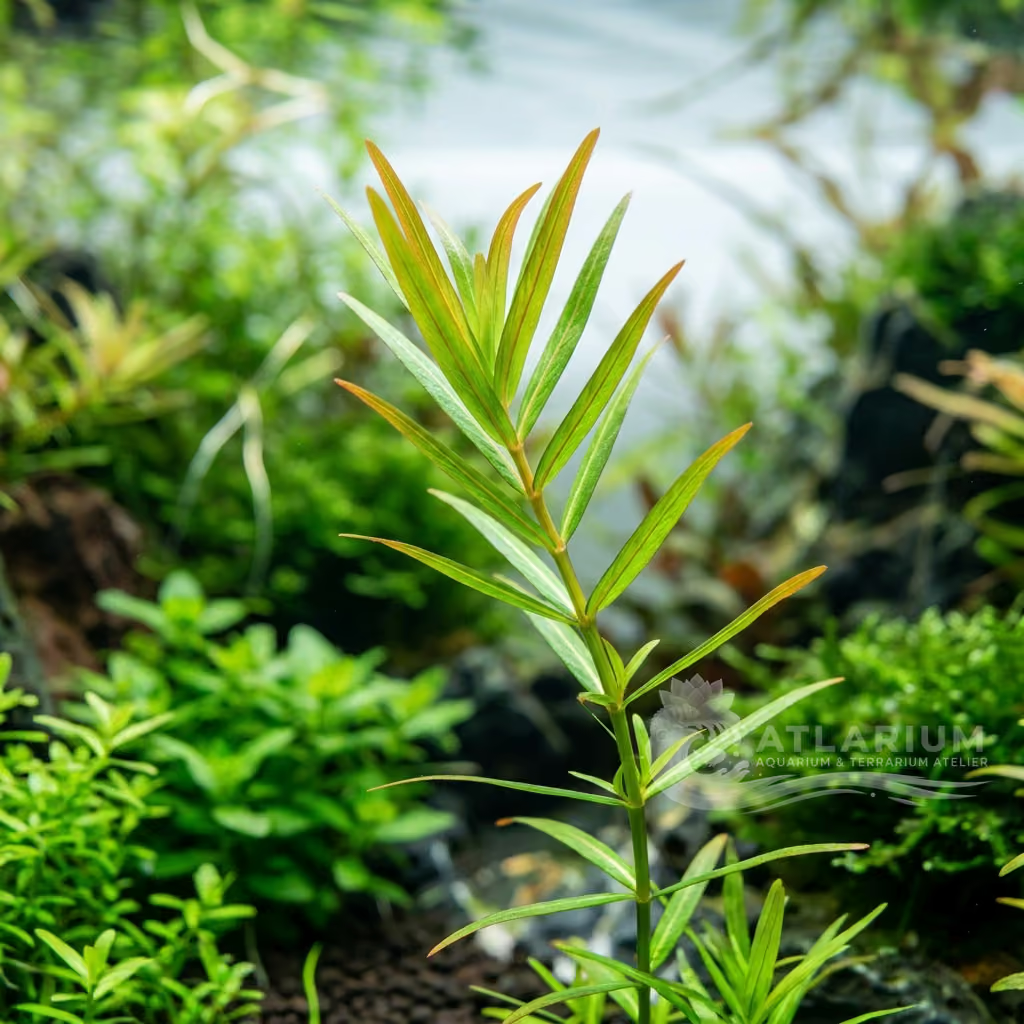
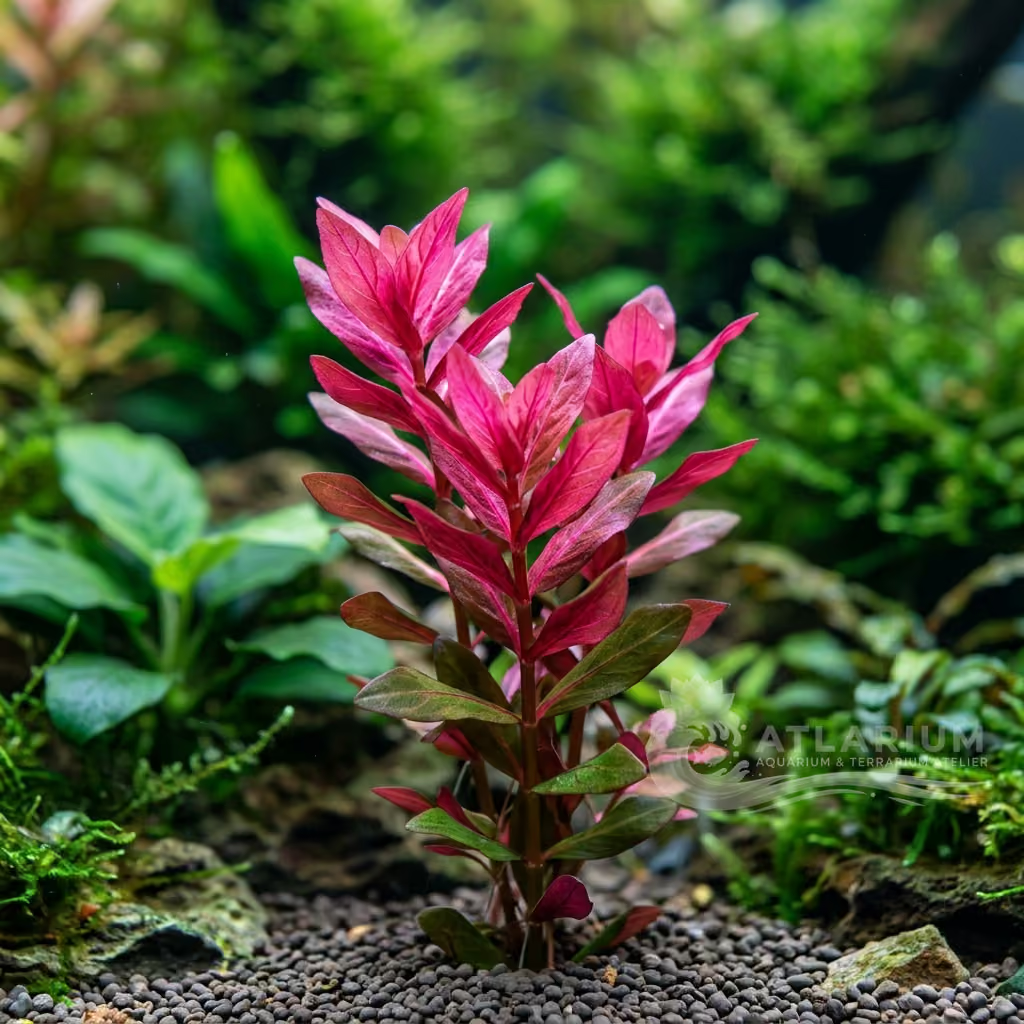
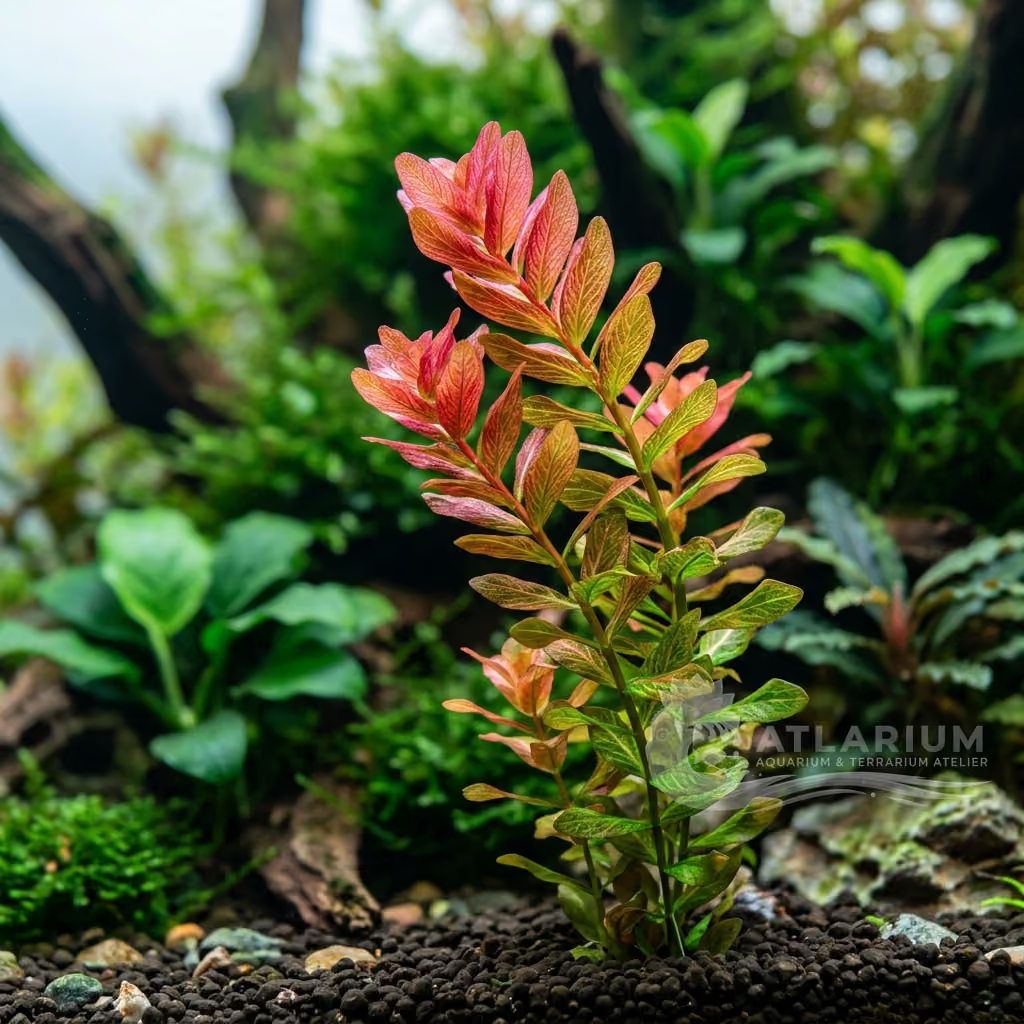
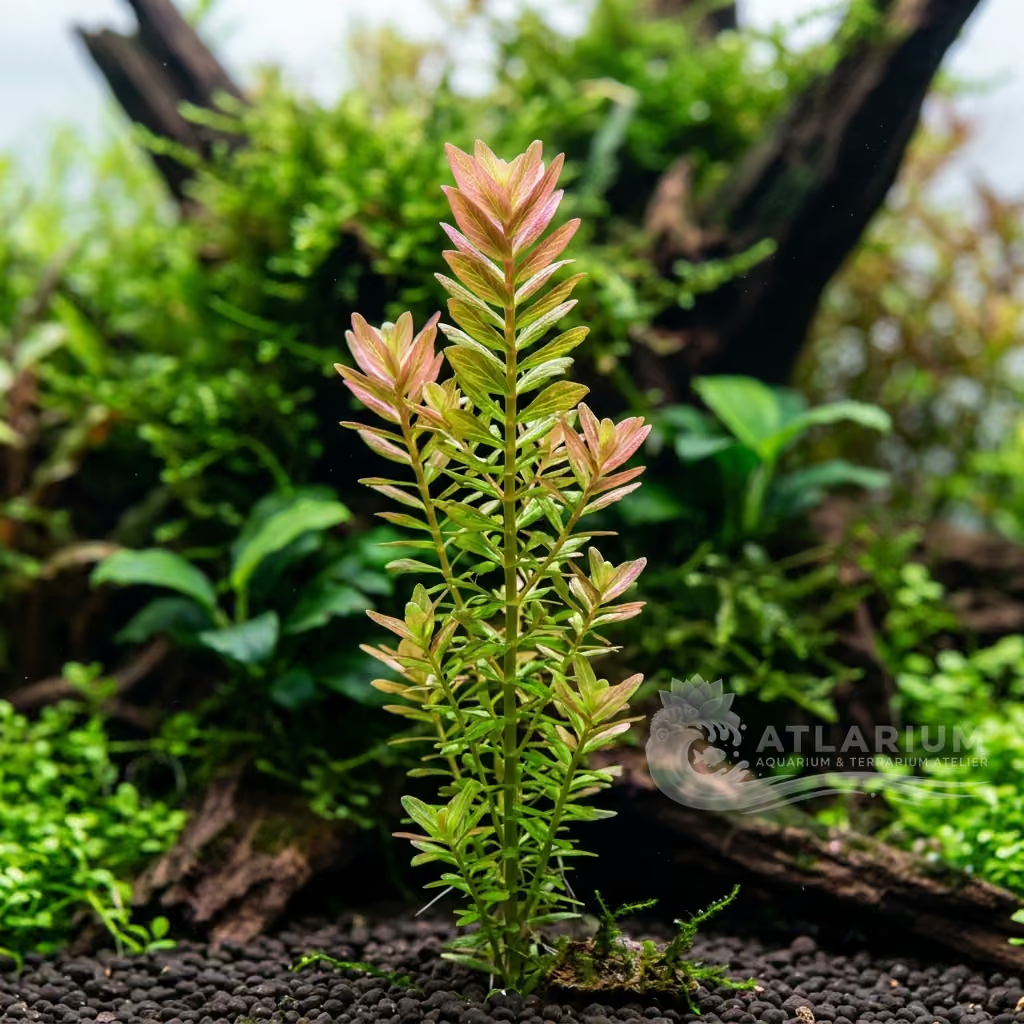
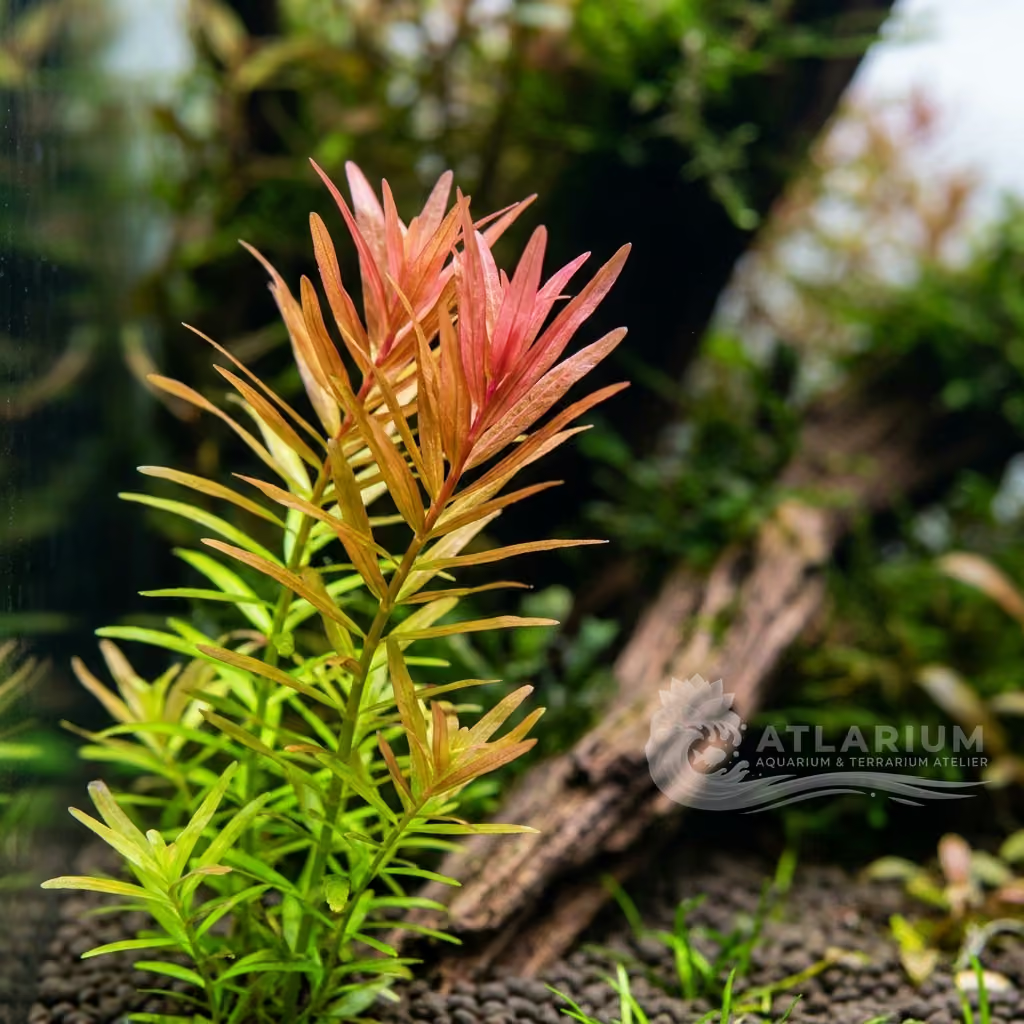
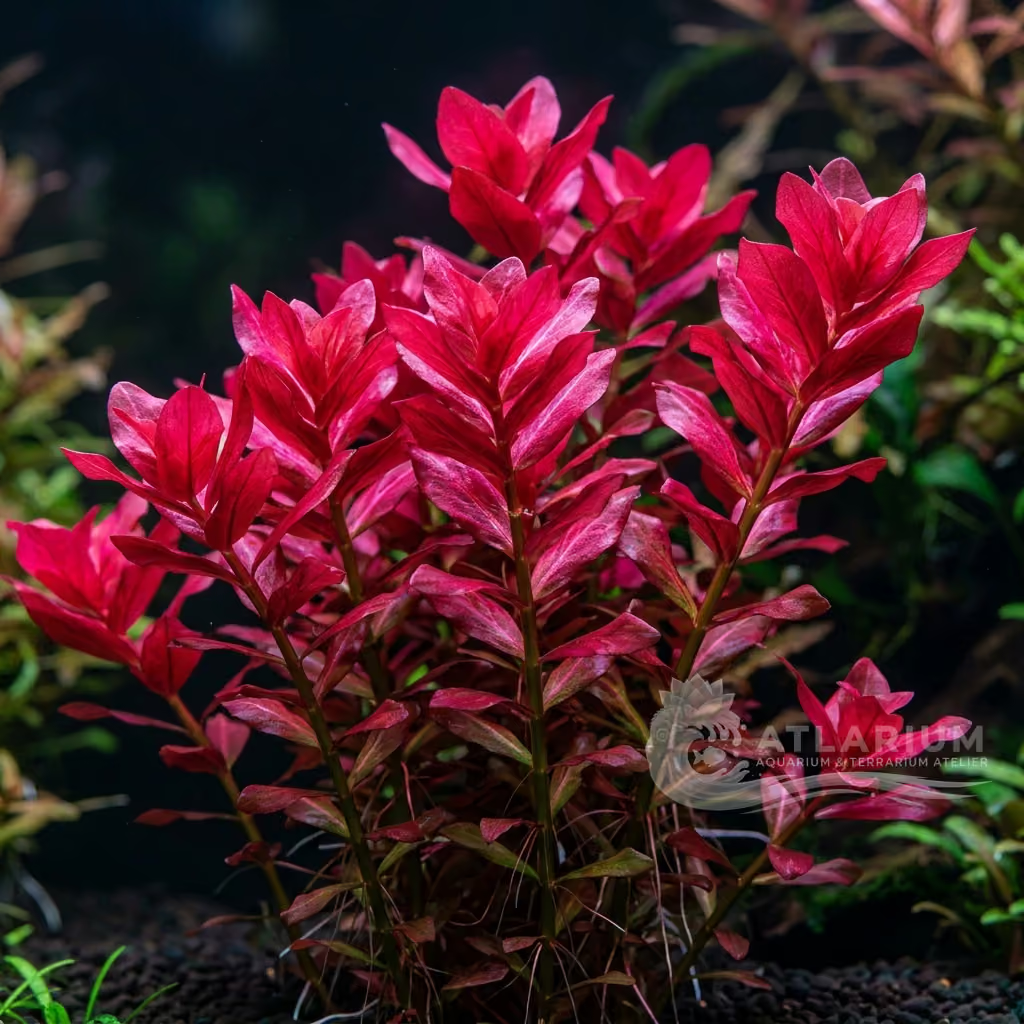
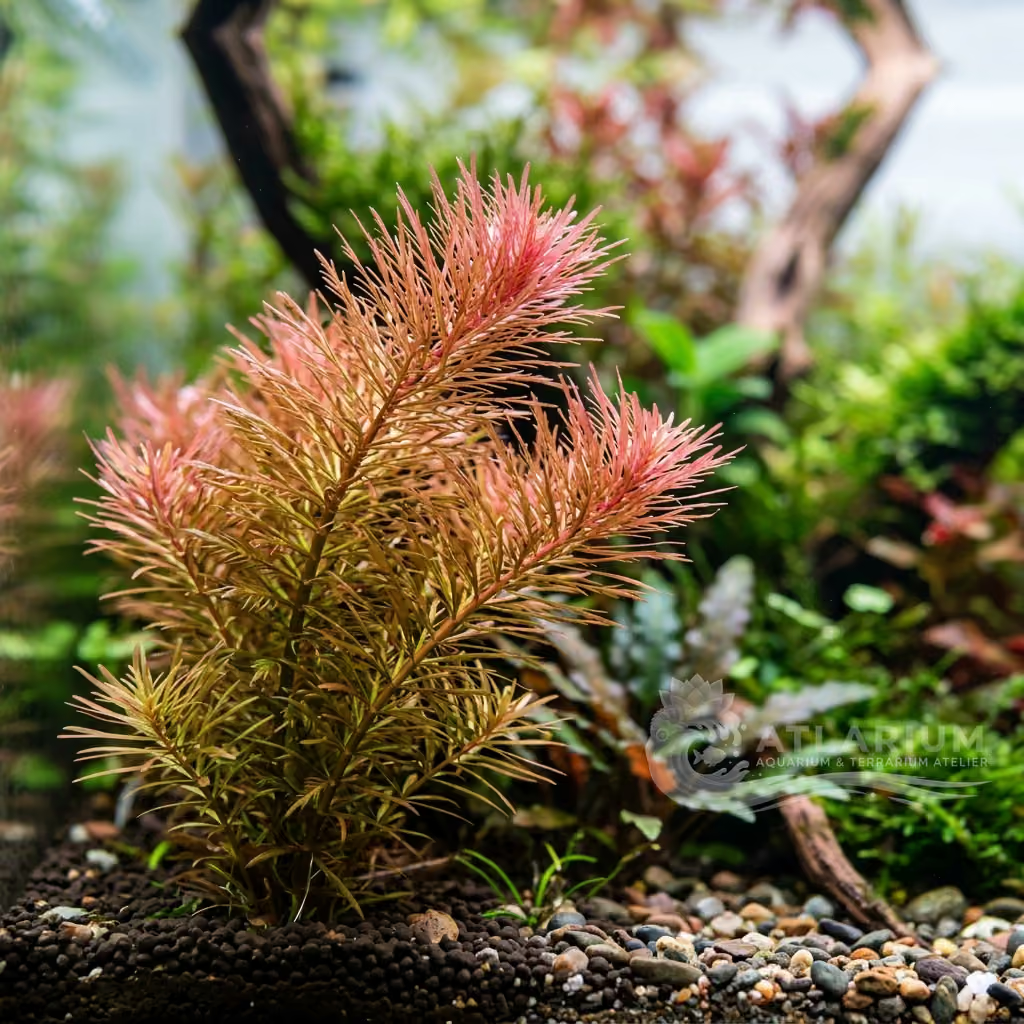
Rotala sp. 'Vietnam' displays finely needle-like, pink-red foliage. This sought-after plant requires medium-high light and CO2 to showcase its spectacular coloration.
Water Temperature
15 - 30 °C
pH Value
4.5 - 7
Water type
Freshwater
Light
Medium to High
CO2
High
Expected height
50 cm
KH
0 - 12 dKH

Species description
Geographical Origin and Habitat: Rotala sp. 'Vietnam' is an enigmatic and highly sought-after aquatic plant, whose name alludes to its presumed geographical origin, though its precise taxonomic classification remains a subject of ongoing scientific discussion. It is widely believed to originate from the diverse aquatic ecosystems of Southeast Asia, particularly Vietnam, where it thrives in shallow, slow-moving rivers, marshes, and inundated areas. In these native habitats, the plant adapts to fluctuating light conditions and nutrient-rich substrates, environmental factors that are crucial for successful cultivation in aquariums.
Taxonomy & Genetics: As a member of the Lythraceae family, Rotala sp. 'Vietnam' shares characteristics with other Rotala species but is distinctly recognized by its unique morphological features. The 'sp.' designation signifies that it is either an undescribed species or a distinct variant of an existing one, differentiating it from fully classified plants. While its genetic relationship to Rotala rotundifolia and other similar species is often debated, its characteristic fine, needle-like leaves and specific growth habits set it apart, making it a unique and valued addition to the aquascaping world.
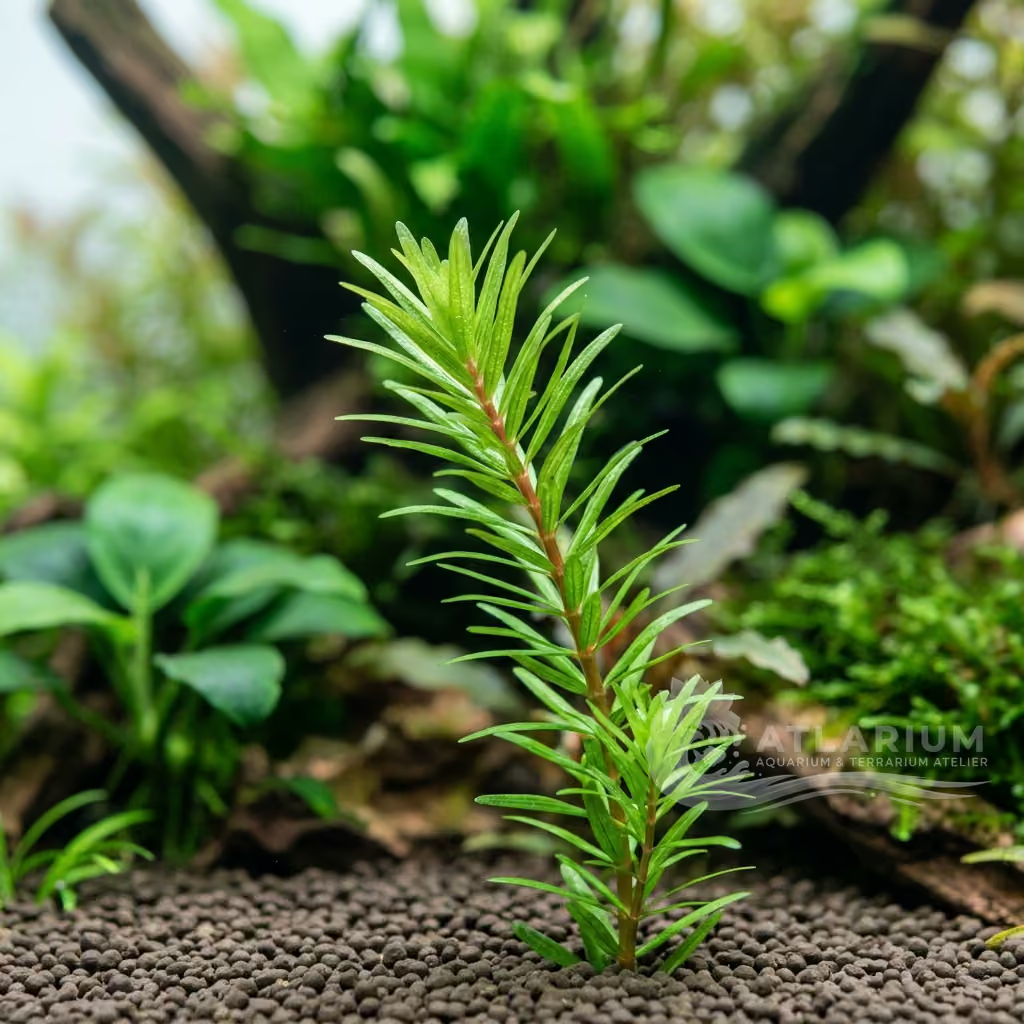
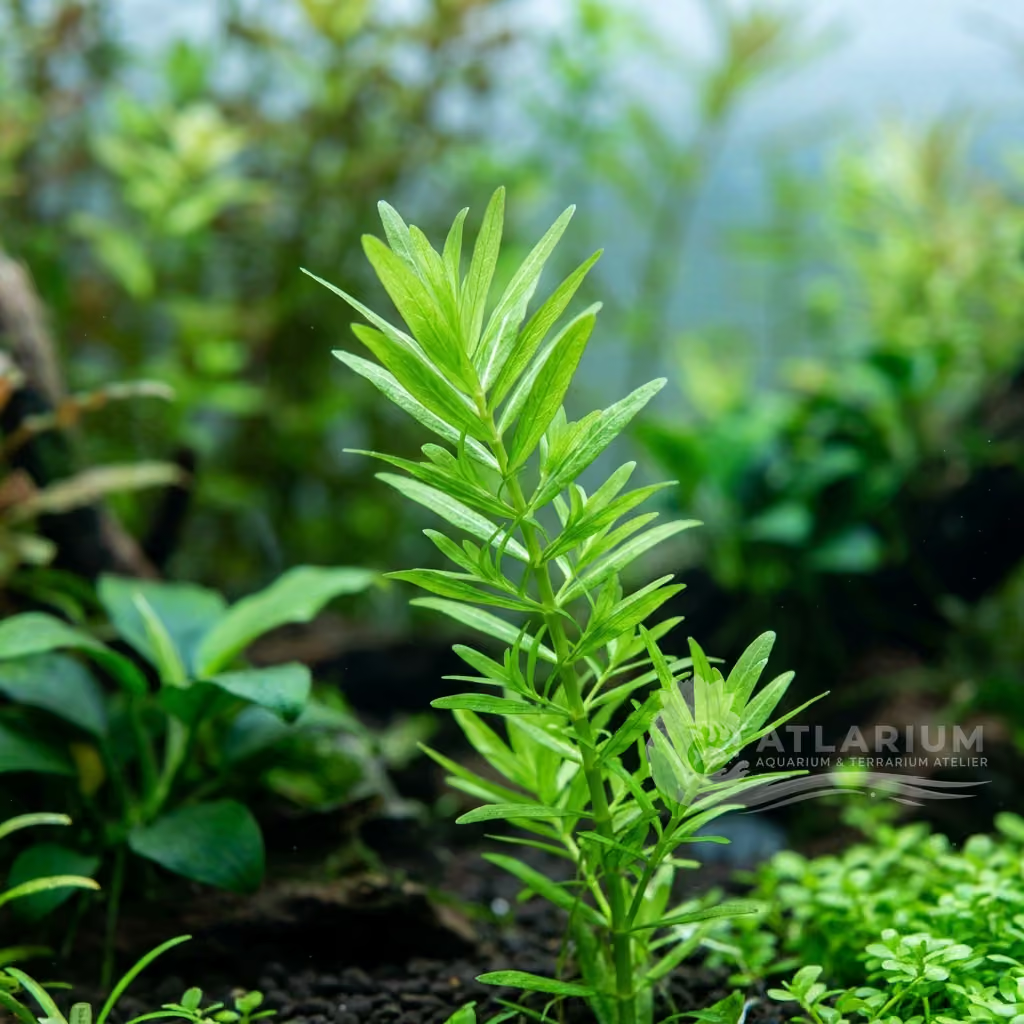
Physical Structure: Rotala sp. 'Vietnam' develops an erect stem that can reach significant heights if left untrimmed, alongside a tendency for dense lateral branching under optimal conditions. Its most striking feature is its delicate, needle-like leaves, which are typically arranged in whorls or opposite pairs along the stem, giving the plant a feathery, luxurious appearance. With adequate care, the plant establishes a robust root system that anchors it firmly, while maintaining relatively short internodes to promote a compact and bushy growth habit, highly prized in aquascaping.
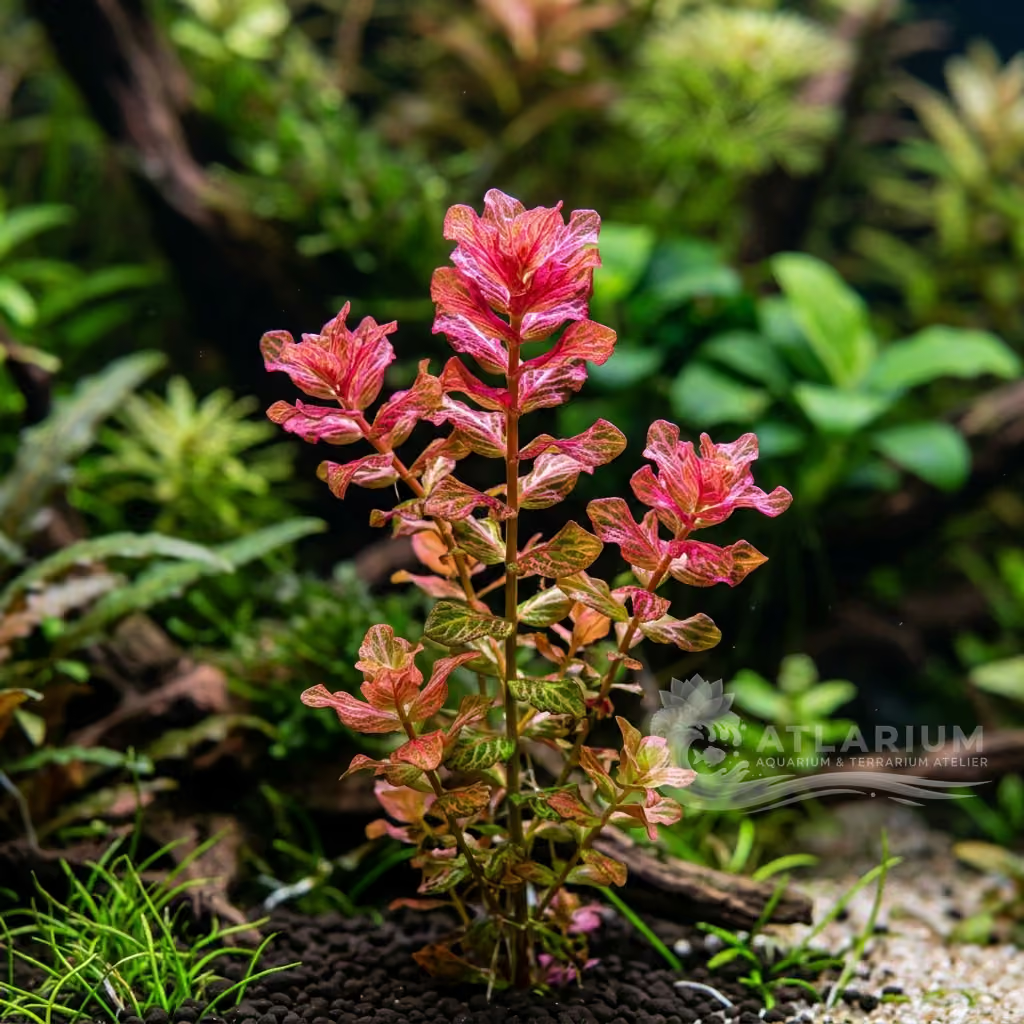
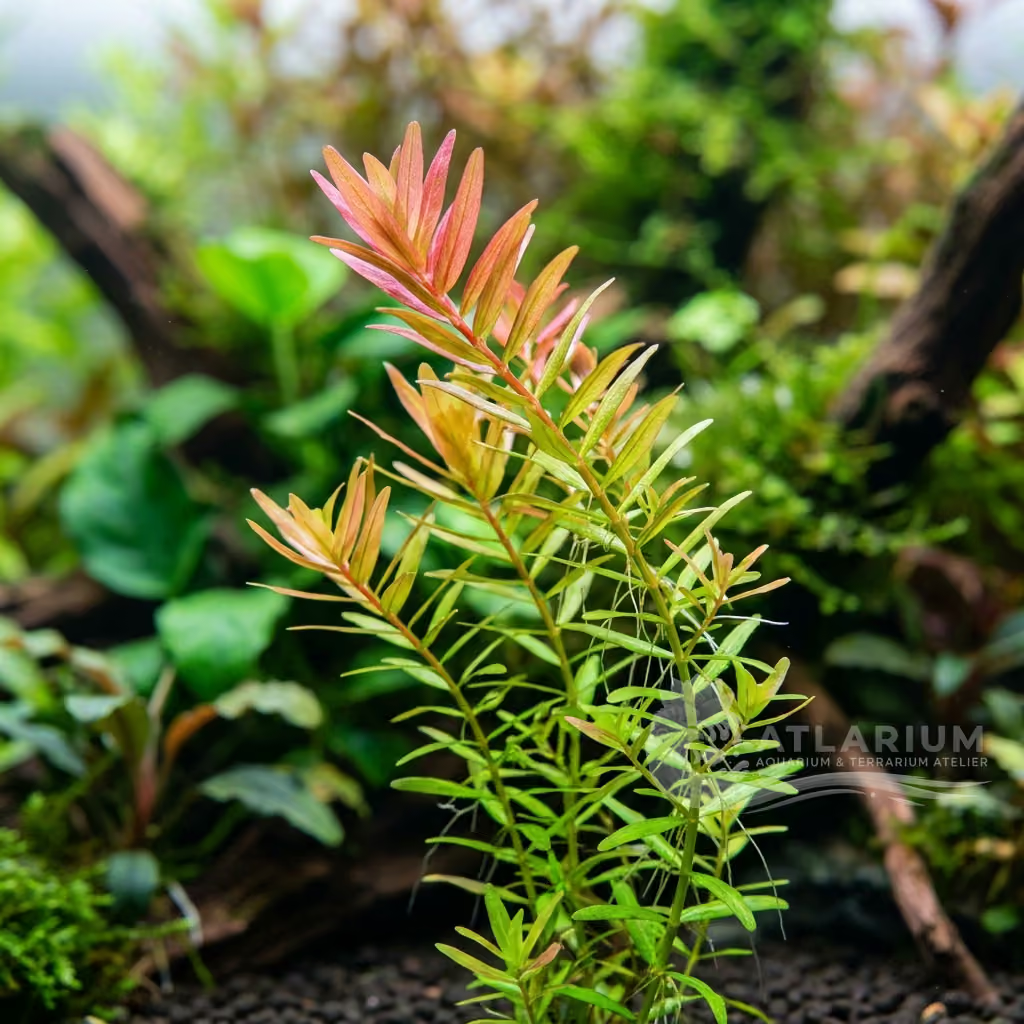
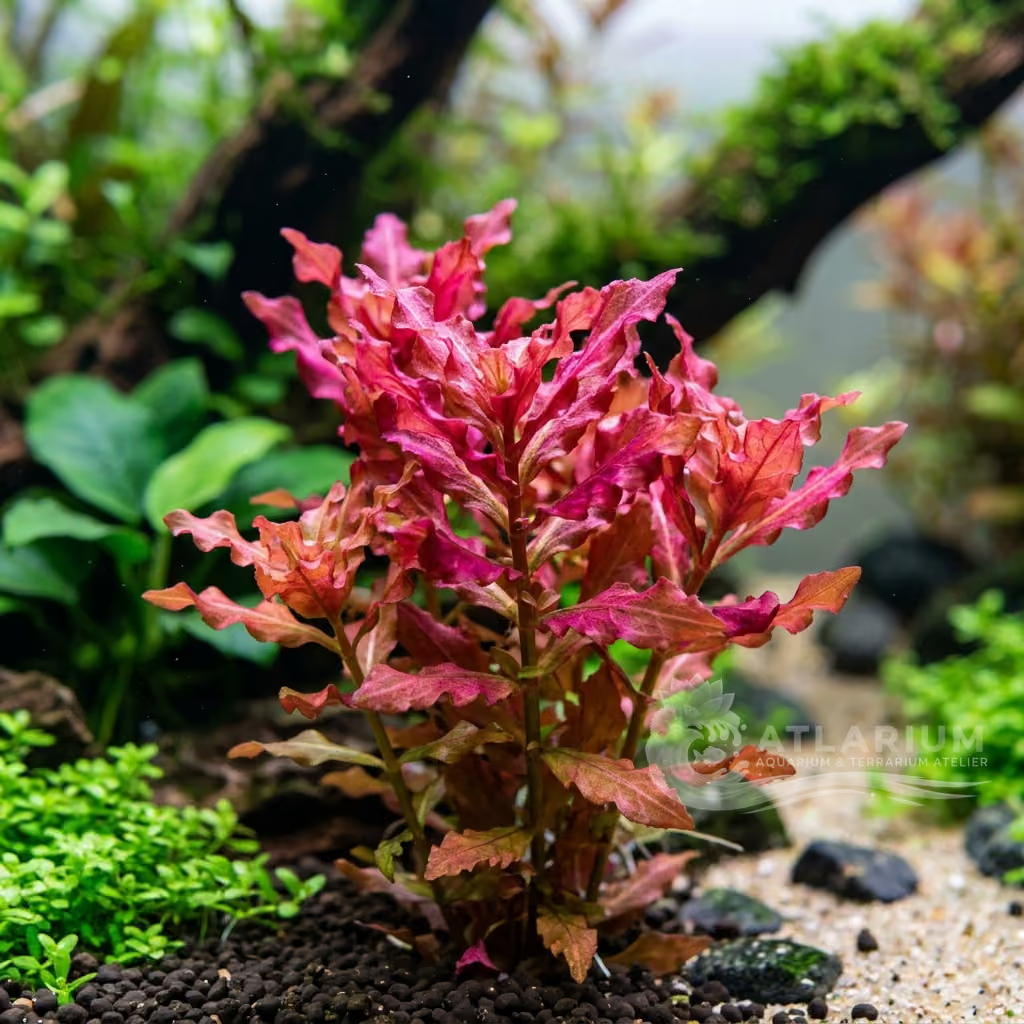
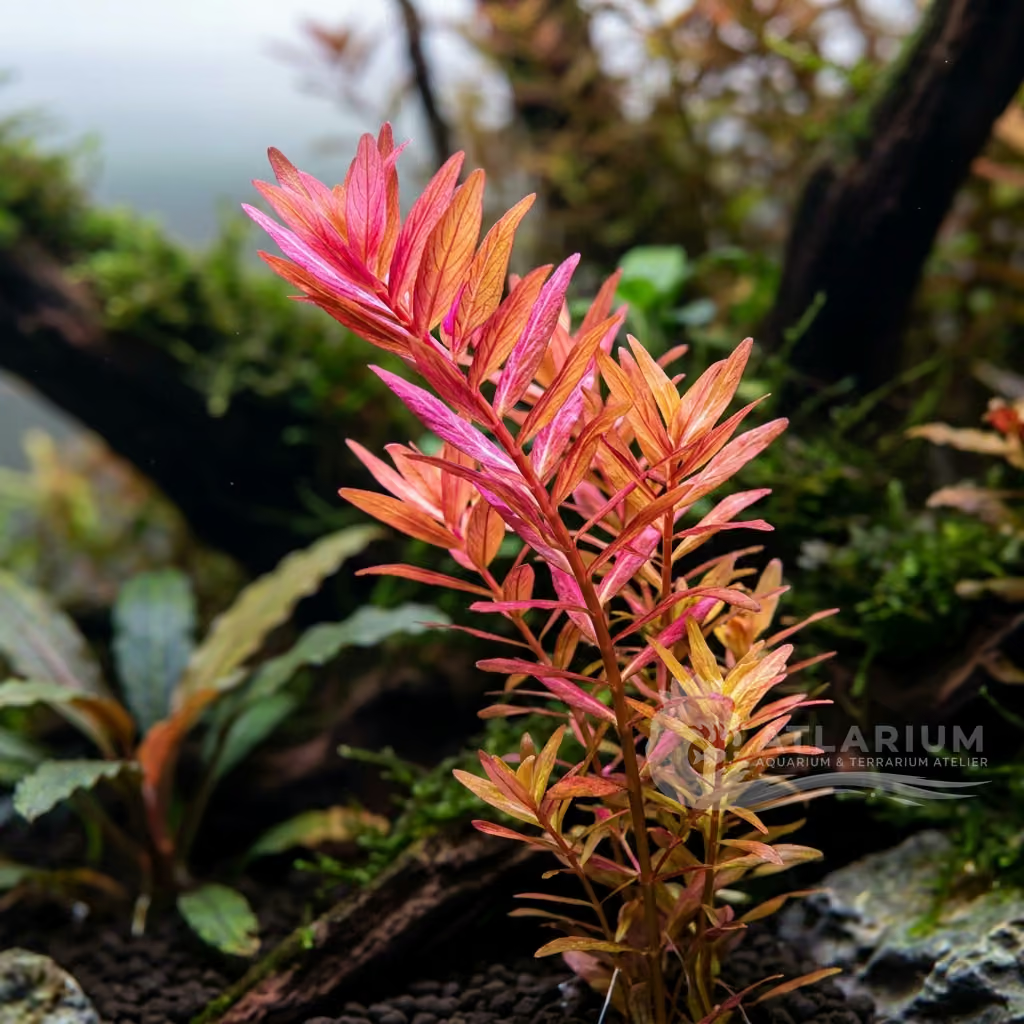
Color & Texture: Under moderate lighting, the foliage of Rotala sp. 'Vietnam' displays a vibrant, fresh green hue, but its true chromatic potential is unleashed with increased light intensity. When exposed to high light and sufficient CO2, the tips of the stems and upper leaves transform into stunning shades ranging from salmon pink to deep crimson red, creating a breathtaking contrast with the lower green foliage. The texture of its leaves is remarkably fine and delicate, imparting an ethereal and sophisticated aesthetic to the underwater landscape.

Care, breeding and tankmates
Lighting & CO2: For optimal growth and to encourage its spectacular red and pink coloration, Rotala sp. 'Vietnam' demands medium to high-intensity lighting. Strong illumination is the primary catalyst for stimulating the production of red pigments, transforming its green foliage into vibrant crimson tones. Consistent carbon dioxide (CO2) injection is almost indispensable to support its rapid growth rate and ensure full color expression, making it an excellent choice for well-maintained, high-tech planted aquariums.
Nutrition & Substrate: While Rotala sp. 'Vietnam' primarily absorbs nutrients from the
Water Chemistry: This Rotala variety is adaptable to a broad range of water parameters, flourishing in temperatures between 15.0 and 30.0 °C. It prefers soft to moderately hard water, with a KH range of 0.0 to 12.0, and a pH spanning from 4.5 to 7.0, favoring slightly acidic to neutral conditions. Maintaining stable water parameters is more critical than hitting specific values at the extremes of the range, as abrupt fluctuations can stress the plant, hinder growth, or induce melting.
Space Management & Placement: Due to its tendency to form dense bushes and its overall lush appearance, Rotala sp. 'Vietnam' is perfectly suited for midground placement in planted aquariums of various sizes. It can be strategically utilized to create a harmonious transition between shorter foreground plants and taller background species, or as a distinctive focal point within the aquascape. Its rapid growth allows for quick filling of spaces, establishing a vibrant green or red mass effect that adds significant depth and dimension to the overall layout.
Pruning: The vigorous growth rate of Rotala sp. 'Vietnam' necessitates frequent and regular pruning to maintain its desired shape and prevent excessive density. Pruning actively encourages the plant to produce new lateral shoots, contributing to a bushier and more compact appearance. It is advisable to remove approximately one-third to half of the upper stem's height to promote horizontal growth and prevent shading of the lower sections, which might otherwise deteriorate due to insufficient light.
Risks & Diseases: Like many fast-growing plants with delicate foliage, Rotala sp. 'Vietnam' can be susceptible to nutrient deficiencies if the fertilization regimen is inadequate or inconsistent. Algae, particularly Black Beard Algae (BBA), may emerge if there are imbalances in CO2 or nutrient levels within the aquarium. Although not prone to specific diseases, prolonged stress or poor water conditions can weaken the plant, making it more vulnerable to general aquatic plant health issues such as stunted growth or leaf deterioration.

Geographic origin and distribution
Rotala sp. 'Vietnam' is an enigmatic and highly sought-after aquatic plant, whose name alludes to its presumed geographical origin, though its precise taxonomic classification remains a subject of ongoing scientific discussion. It is widely believed to originate from the diverse aquatic ecosystems of Southeast Asia, particularly Vietnam, where it thrives in shallow, slow-moving rivers, marshes, and inundated areas. In these native habitats, the plant adapts to fluctuating light conditions and nutrient-rich substrates, environmental factors that are crucial for successful cultivation in aquariums.
Origin
South and Southeast Asia

Plant profile
- Placement
- Midground
- It is an exceptional choice for the midground or background of the aquascape, where it can be trimmed into a dense, colorful bush. Due to its fine texture, it creates an excellent visual contrast against broad-leaved green plants. To achieve its best color, it must be placed directly beneath high-intensity lighting, entirely free from shading.
- Botanical form
- Stem
- The plant displays exceptionally fine, needle-like leaves arranged in whorls around a delicate central stem. When grown in optimal conditions, the stem and the tops of the leaves take on a beautiful golden to intense red-orange color. The overall appearance is highly textured, light, and airy, gracefully swaying with the water current.
- Growth
- Fast
- Under high light and CO2, Rotala sp. 'Vietnam' grows very quickly, aggressively reaching towards the water surface. Its fast growth rate necessitates frequent trimming to maintain a compact bush shape and prevent the lower stems from deteriorating due to lack of light. Without CO2 injection, growth slows significantly, and stems may become sparse.
- Substrate
- Low
- A commercial aquasoil is the ideal substrate, providing the acidic and nutrient-rich base this plant prefers. While it can be grown in sand or gravel, the addition of comprehensive root tabs is mandatory to support healthy root development. A fertile substrate strongly encourages robust lateral branching and thicker primary stems.
- Column fertilization
- Recommended
- Liquid fertilization is absolutely essential; the plant absorbs the majority of its nutrients directly from the water column. Regular dosing of iron and trace elements is the secret to unlocking its striking golden-red coloration. Maintaining a steady supply of potassium and phosphorus prevents the delicate lower leaves from blackening and falling off.
- Root fertilization
- None
- Though a heavy column feeder, a nutrient-rich root zone provides stability and buffers against slight inconsistencies in liquid dosing. Using an active soil substrate generally negates the need for constant root tab replenishment. However, in older tanks, refreshing the substrate with root capsules can revitalize tired, stunted stems.
- Trimming
- Occasional
- Tolerates aggressive trimming well, responding by producing multiple side shoots. Regular topping is necessary to maintain bushiness and prevent the lower stems from becoming bare. Old stems can be uprooted and replaced with fresh tops.
- Propagation
- Cuttings
- Propagating Rotala sp. 'Vietnam' is easily achieved by snipping the upper portion of the stem and replanting it into the substrate. The remaining bottom section will quickly sprout multiple side shoots, naturally increasing the density of the plant group. To form a thick bush, it is highly recommended to frequently trim and replant the tops.
- Sensitivity
- Moderate
- Susceptible to stunting if CO2 levels fluctuate or drop significantly. It can be a target for hair algae if light intensity is high but nutrients or CO2 are lacking. Generally hardier than some of the more delicate Rotala species.
- Layout role
- Midground, Background
- Serves as a fantastic background filler or a vibrant midground focal bush. Its fine texture contrasts beautifully with broad-leaved plants like Anubias or Echinodorus. The golden-red hues add warmth and visual interest to the layout.

Related species
Recommendations grouped by close relatives, companion choices, and similar care.