Rotala mexicana "Goiás"
Rotala mexicana "Goiás"
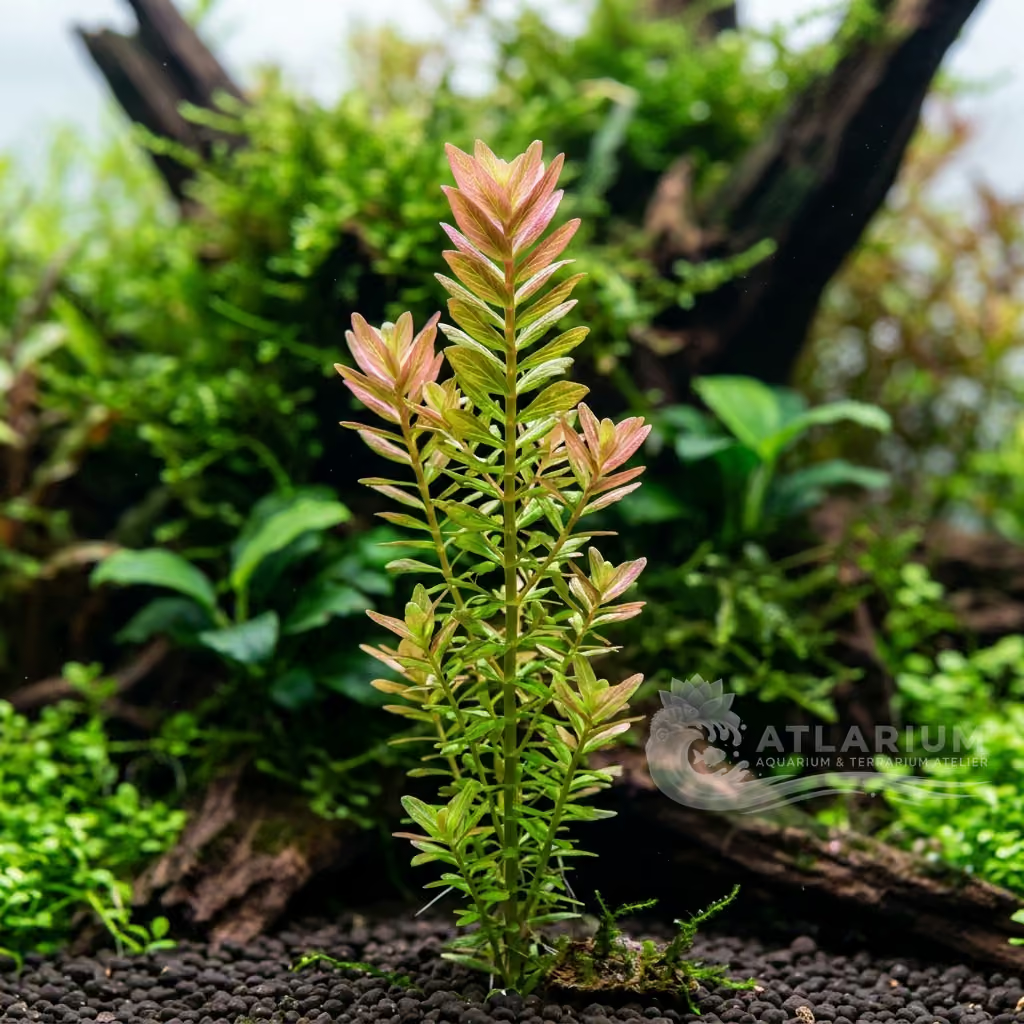
Rotala mexicana "Goiás" is a captivating and fast-growing cultivar, ideal for the aquarium foreground where it can form dense carpets or vibrant compact bushes. This plant demands intense light conditions and careful nutrient management to best express its coloration and compact growth habit.
Water Temperature
18 - 30 °C
pH Value
4.5 - 7
Water type
Freshwater
Light
High
CO2
High
Expected height
10 cm
Expected width
12 cm
KH
0 - 7 dKH

Species description
Geographical Origin and Habitat: Originating from the state of Goiás, Brazil, this variant of Rotala mexicana thrives in tropical aquatic environments, often found at the edges of slow-moving rivers, streams, and swamps with shallow water. Its natural habitat sees it growing in both submerged and emersed forms, adapting to seasonal fluctuations in water levels. This geographical specificity contributes to its unique characteristics and robustness in the aquarium, provided similar native conditions are replicated.
Taxonomy & Genetics: Belonging to the Lythraceae family, the genus Rotala includes numerous species and variants popular in aquascaping, with Rotala mexicana "Goiás" standing out as a specific form. Although the name "mexicana" might suggest a different origin, the suffix "Goiás" clearly indicates its local Brazilian provenance, making it a well-defined cultivar or ecological form. Its classification within the Rotala genus underscores its kinship with other stem plants, sharing common traits while maintaining its own morphological identity.
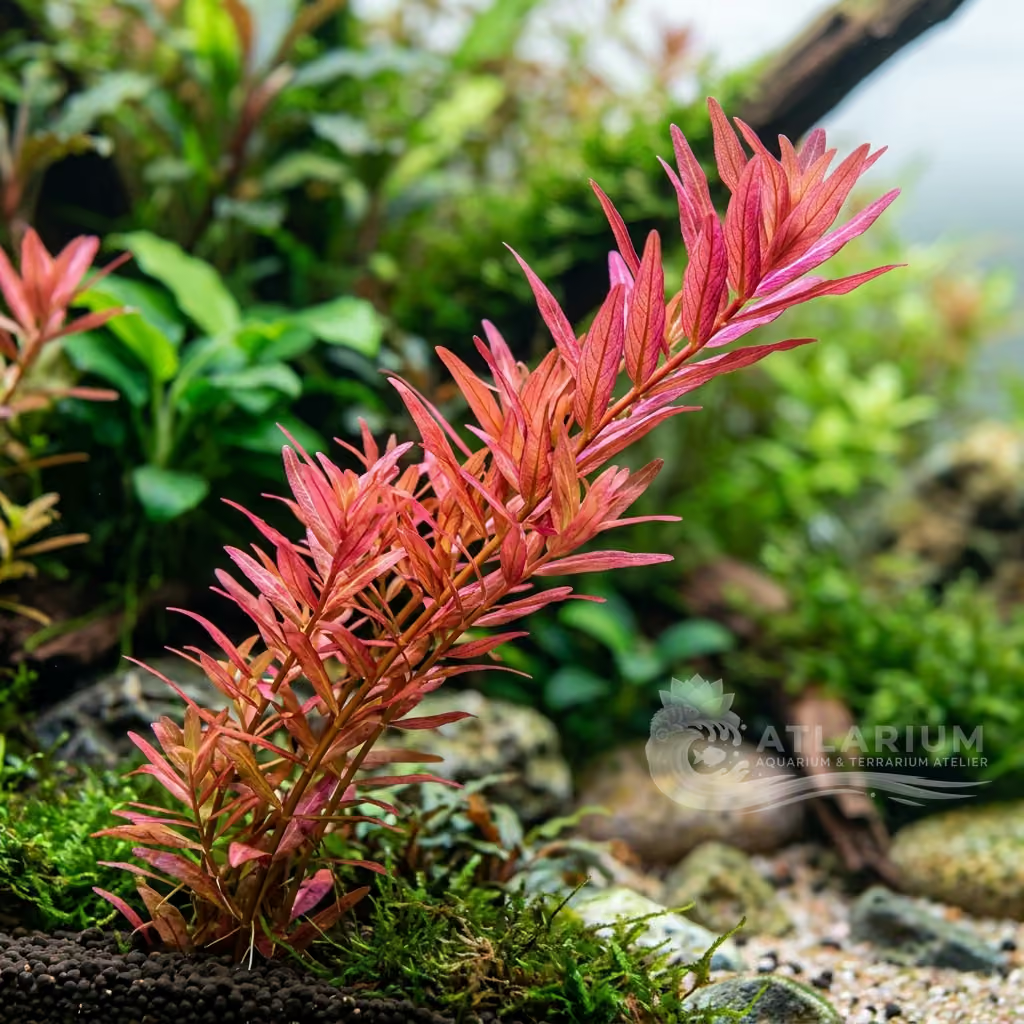
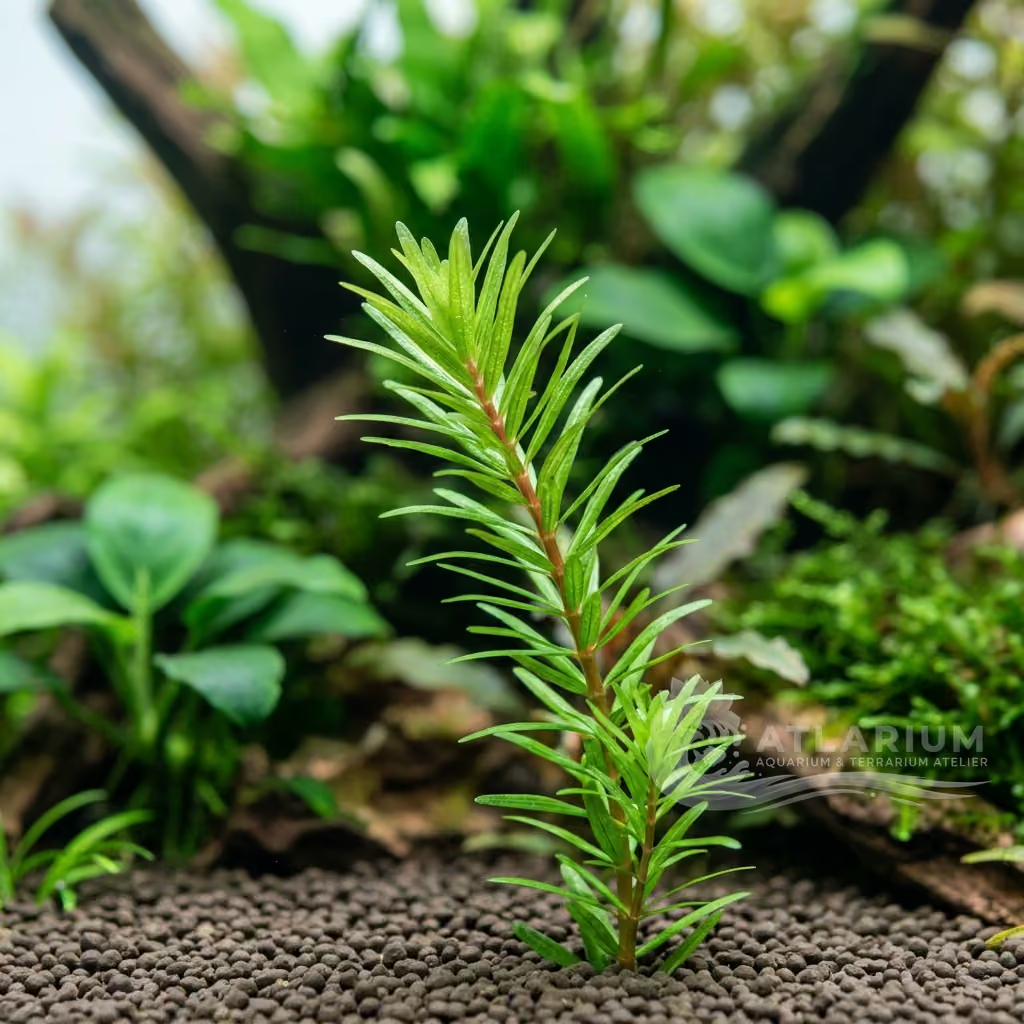
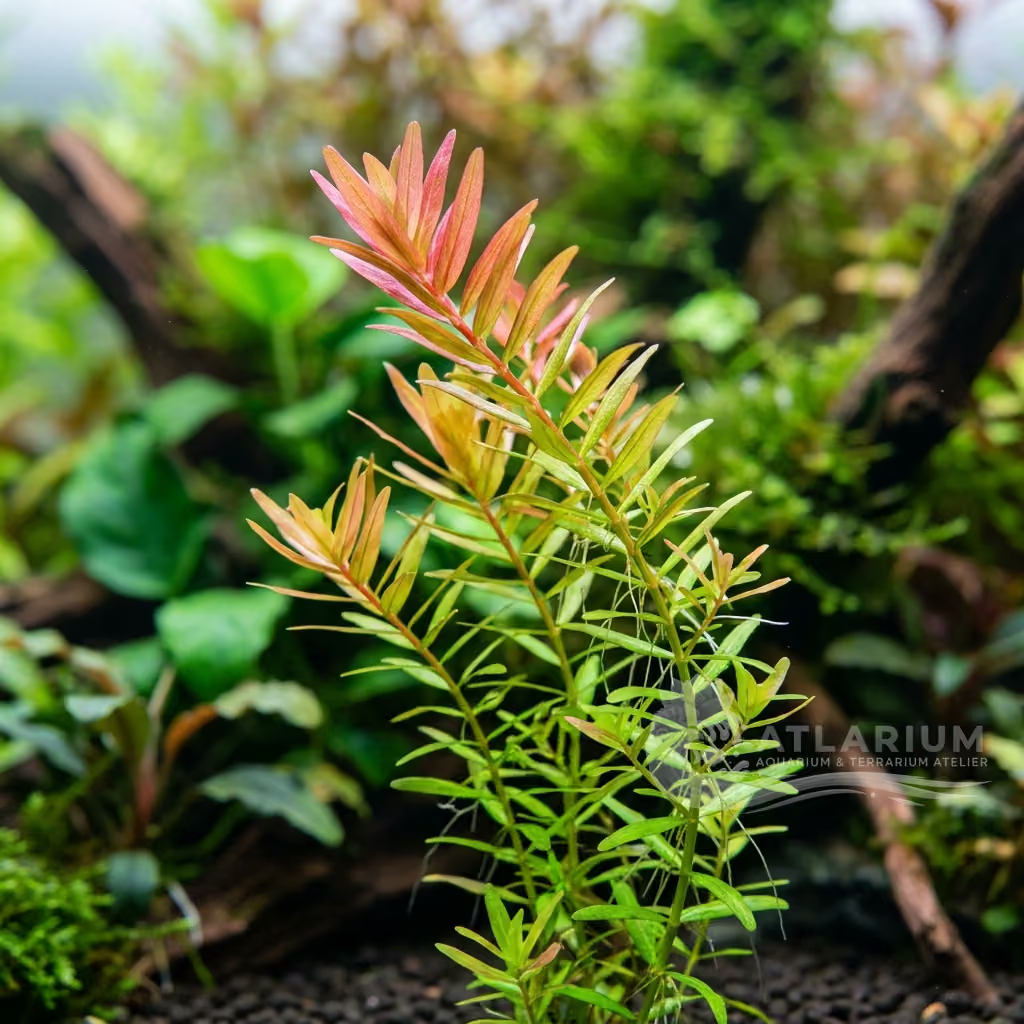
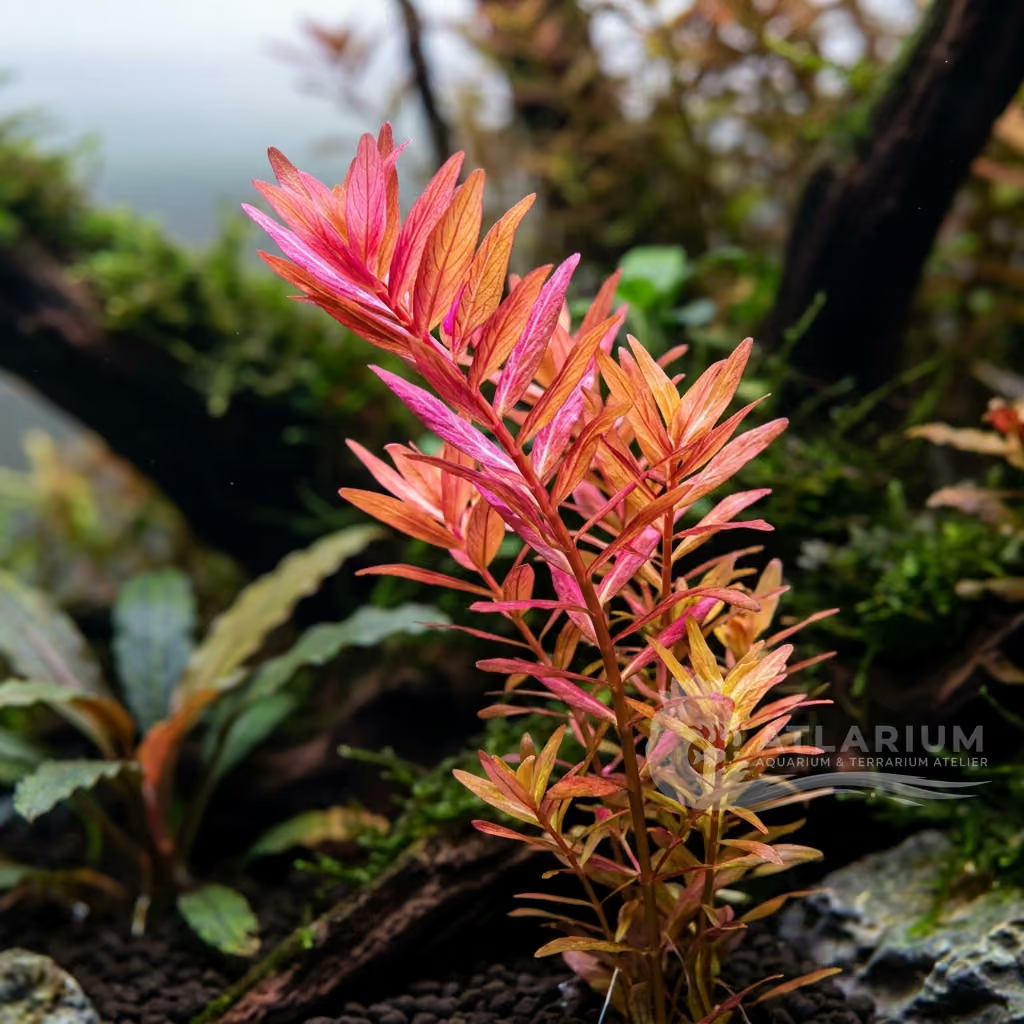
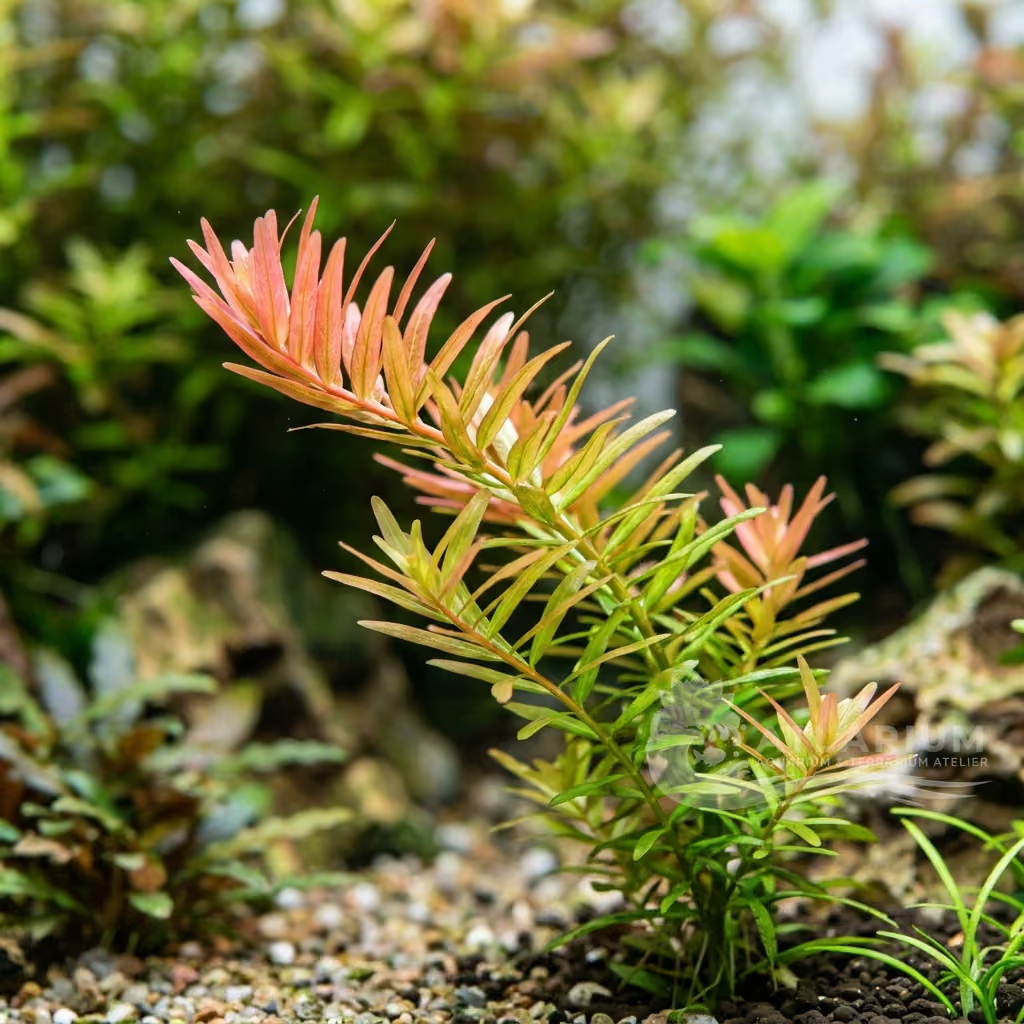
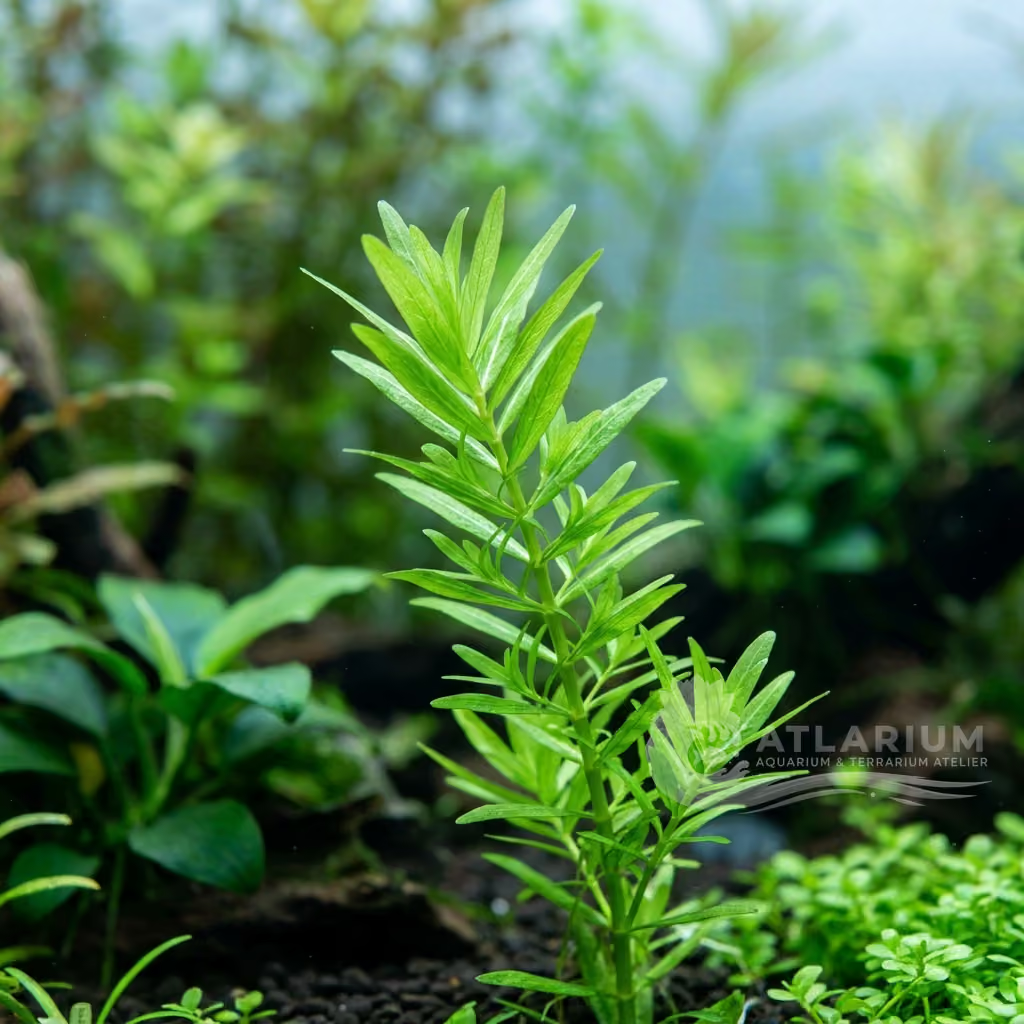
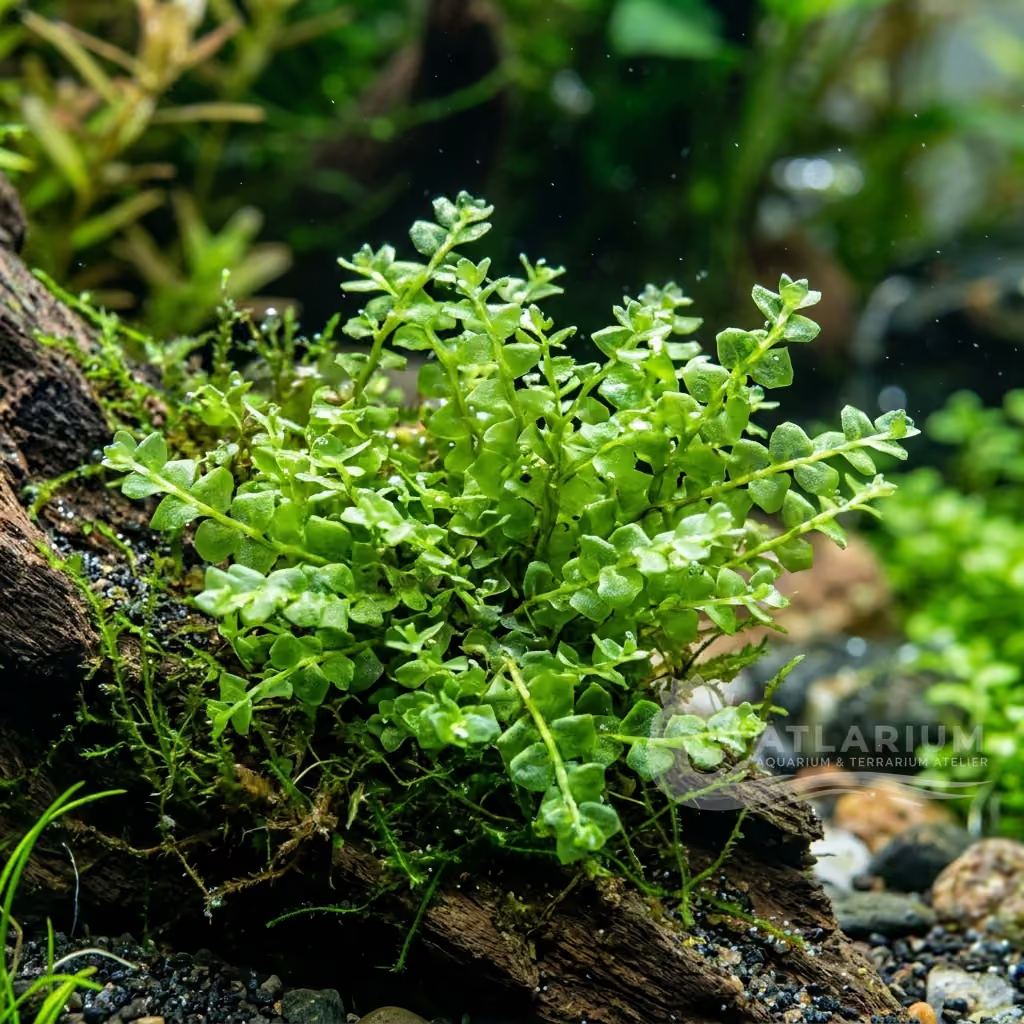
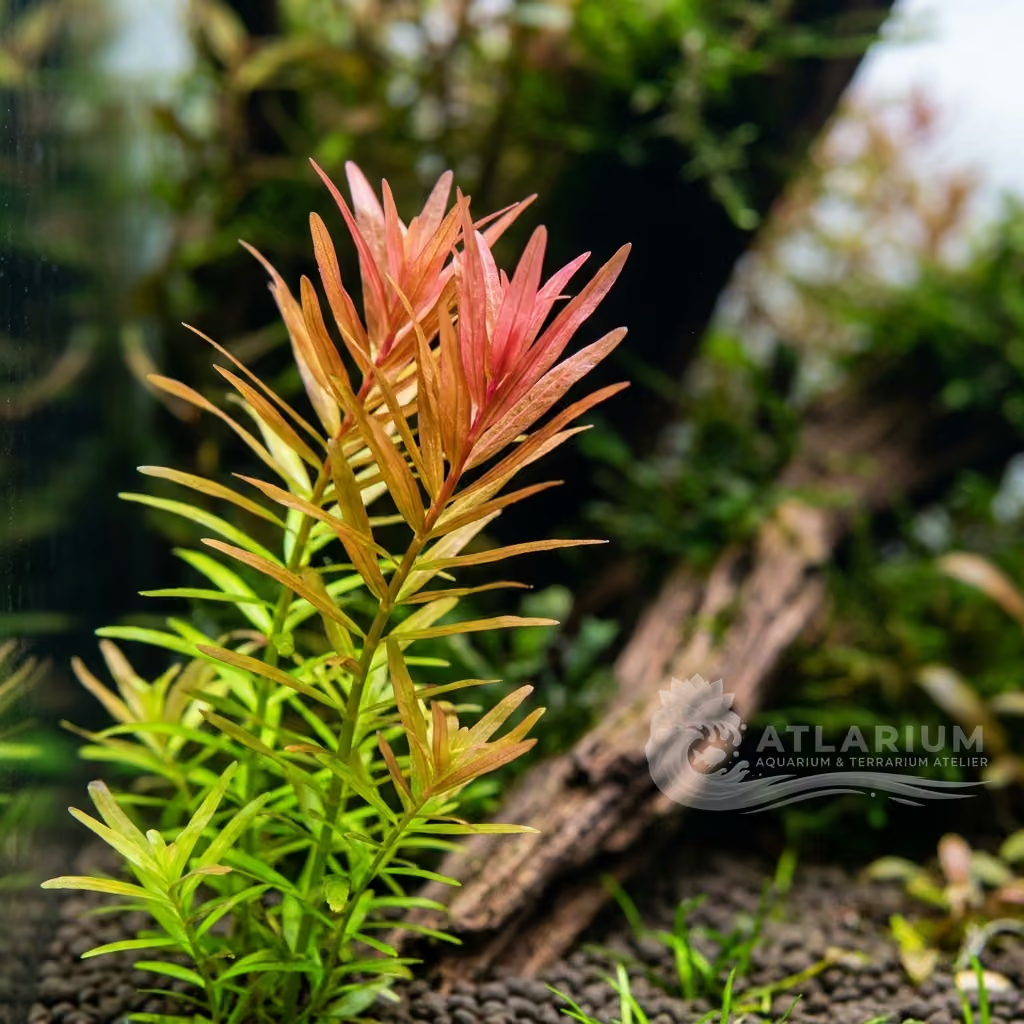
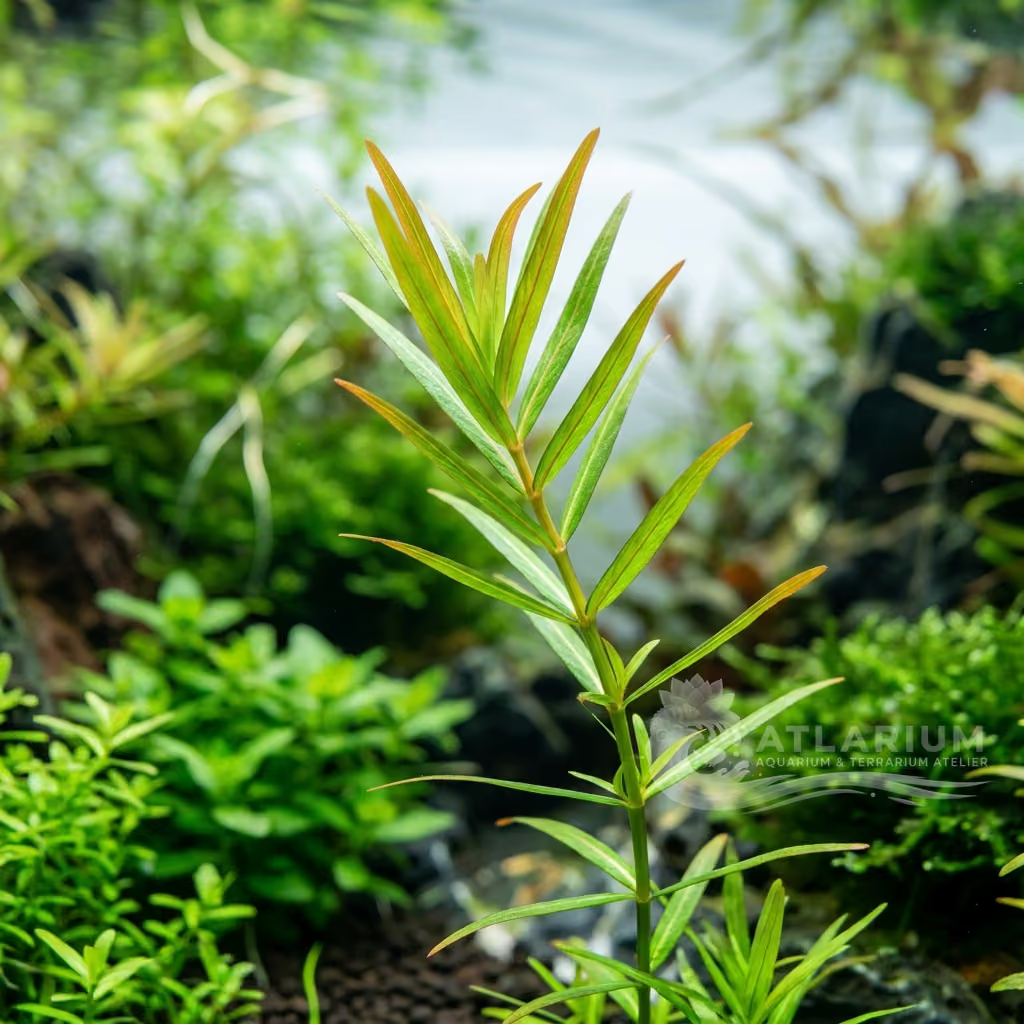
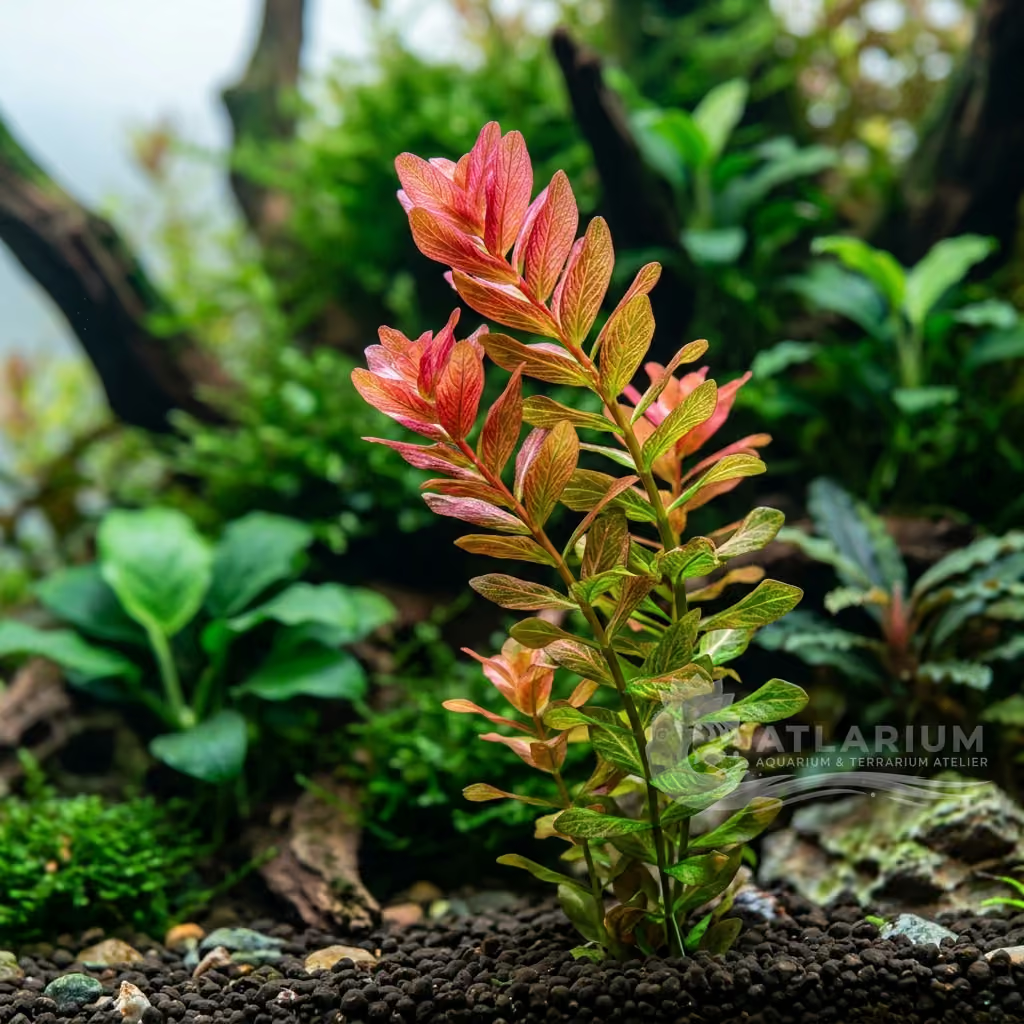
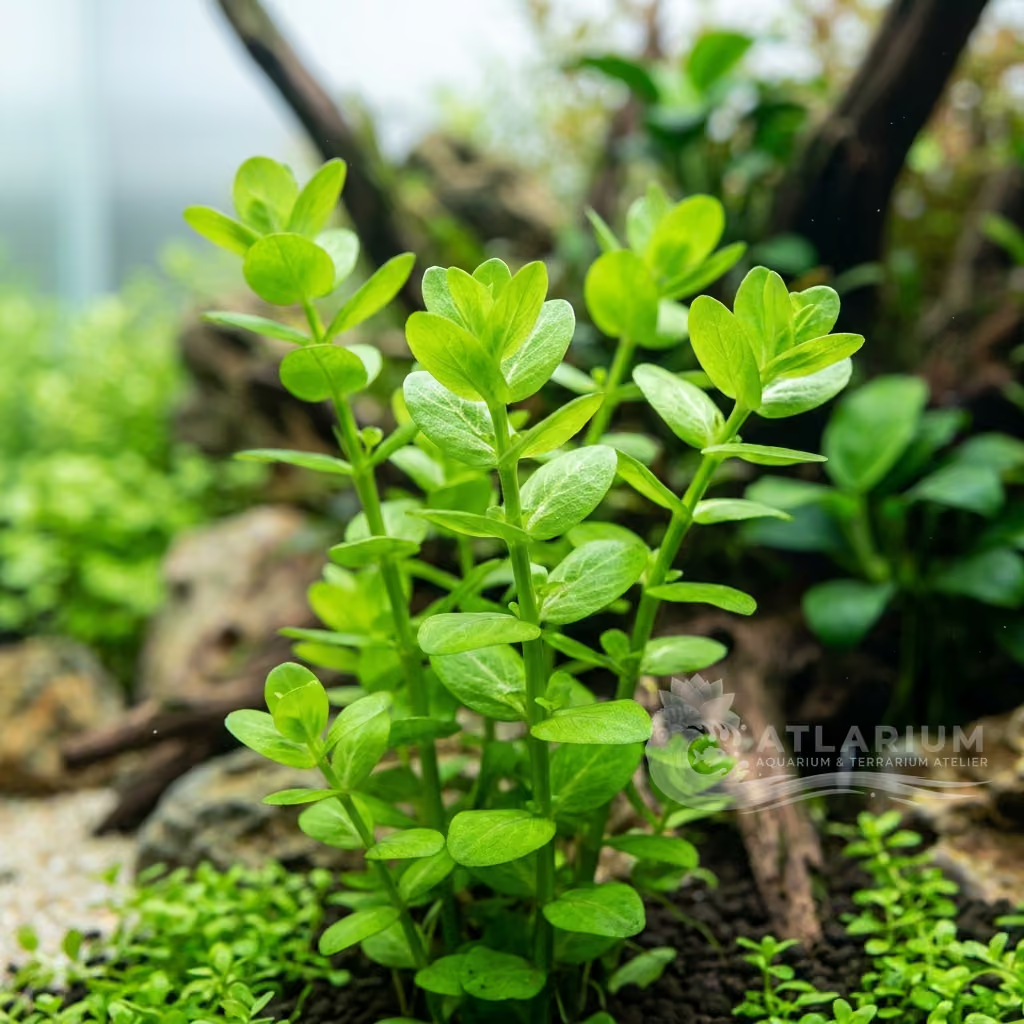
Physical Structure: Rotala mexicana "Goiás" presents with thin, delicate stems that can creep along the substrate or grow upright depending on light intensity and pruning. The leaves are small, oblong or lanceolate, and arranged in whorls or opposite pairs along the stem, giving the plant a fine and dense appearance. Under optimal conditions, internodes remain short, contributing to a compact growth and a desirable "cushion" effect for the foreground.
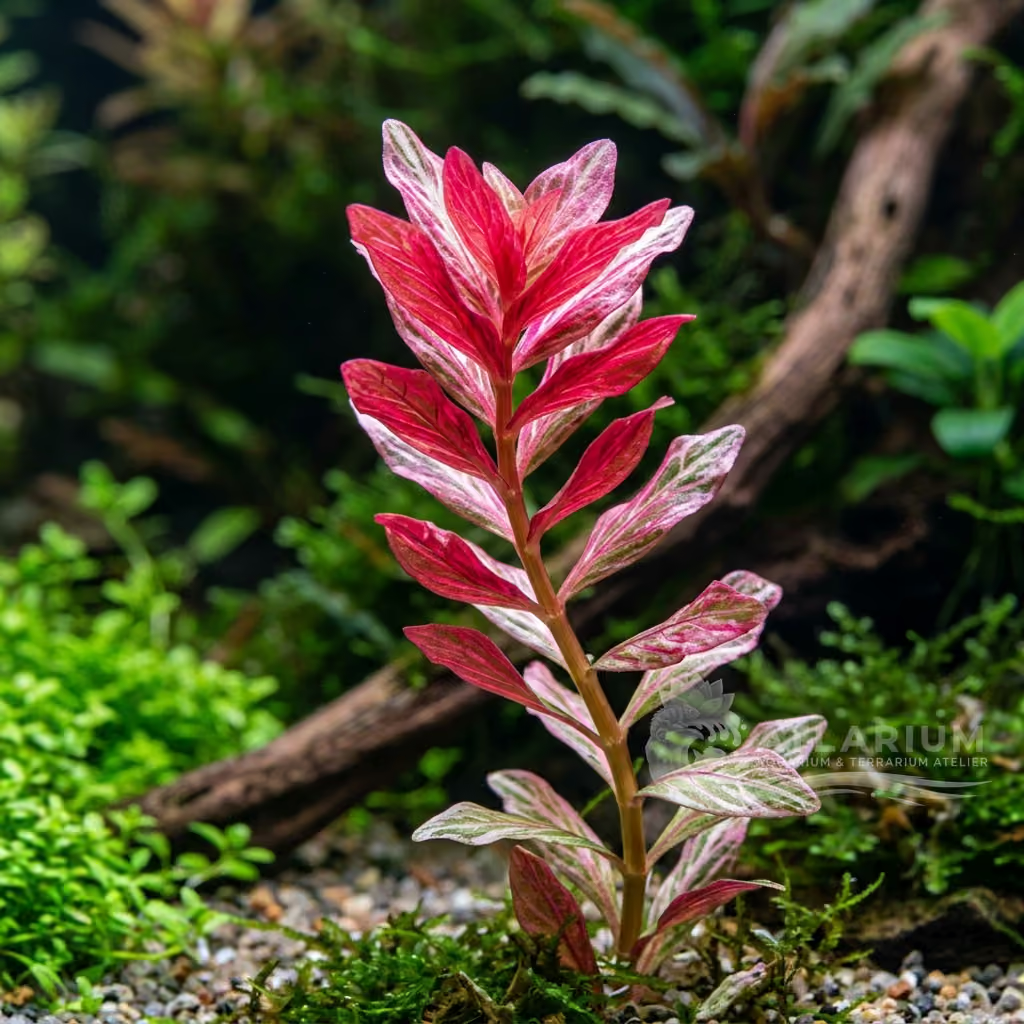
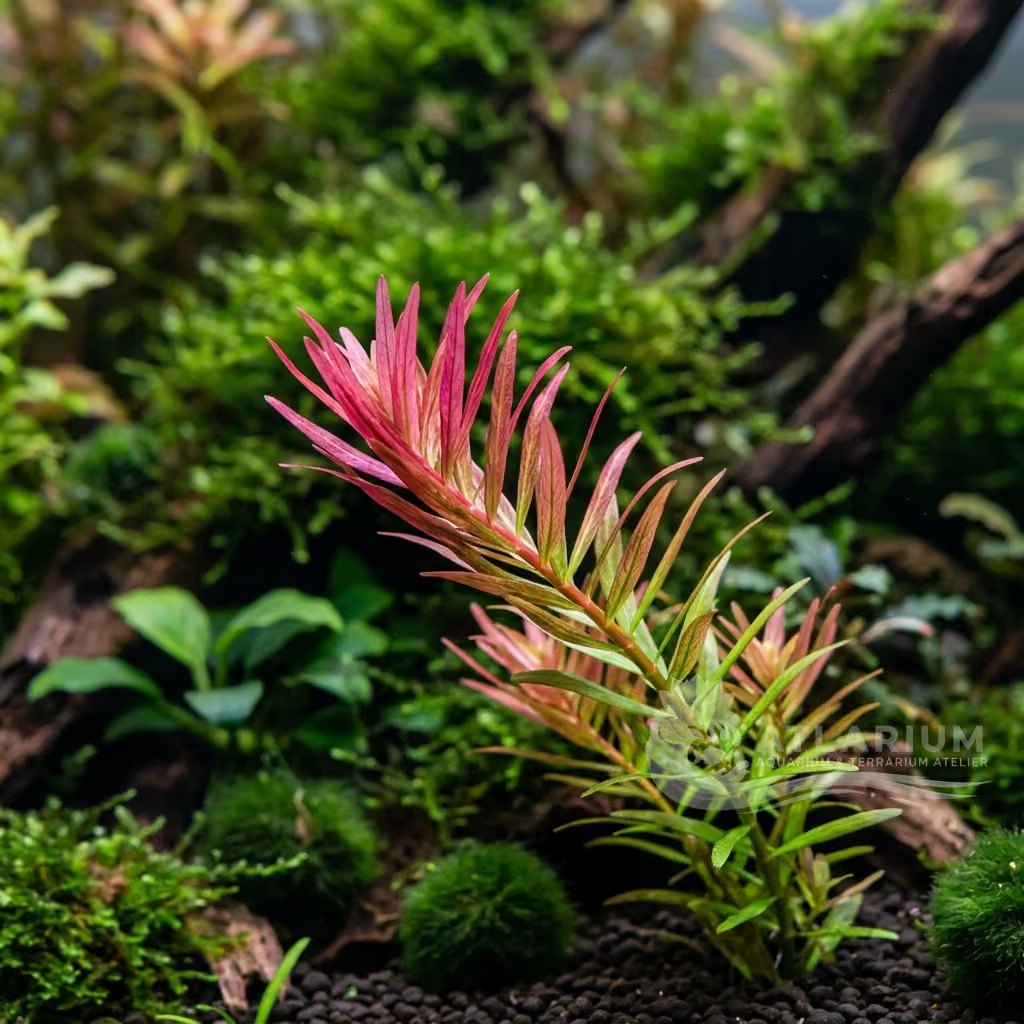
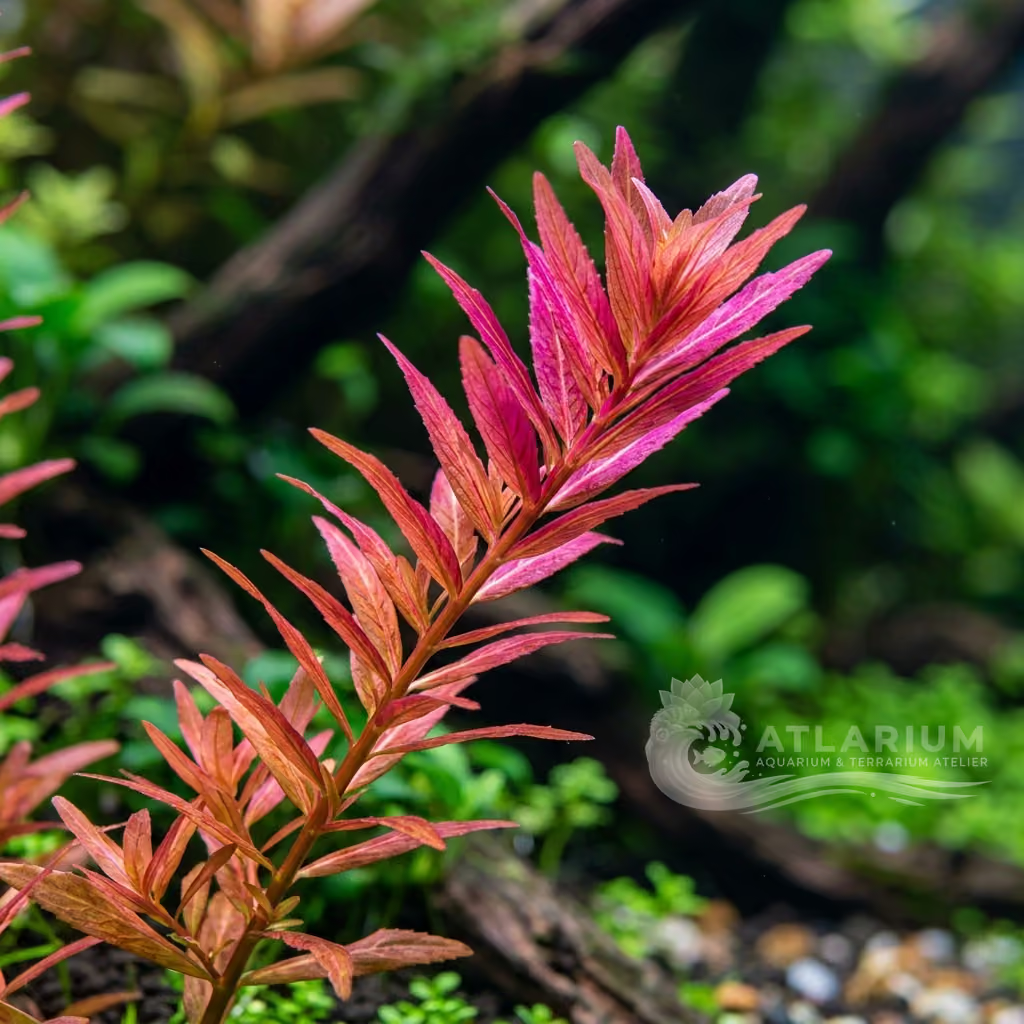
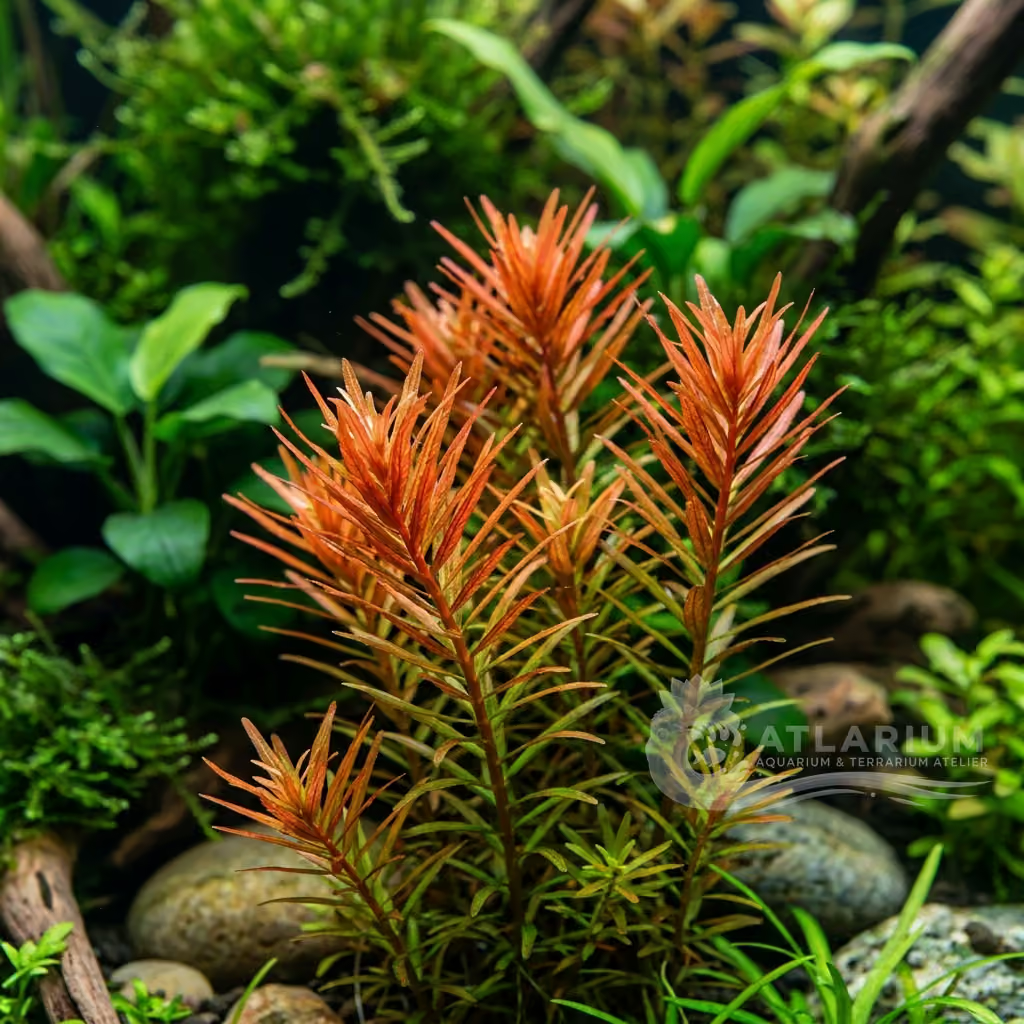
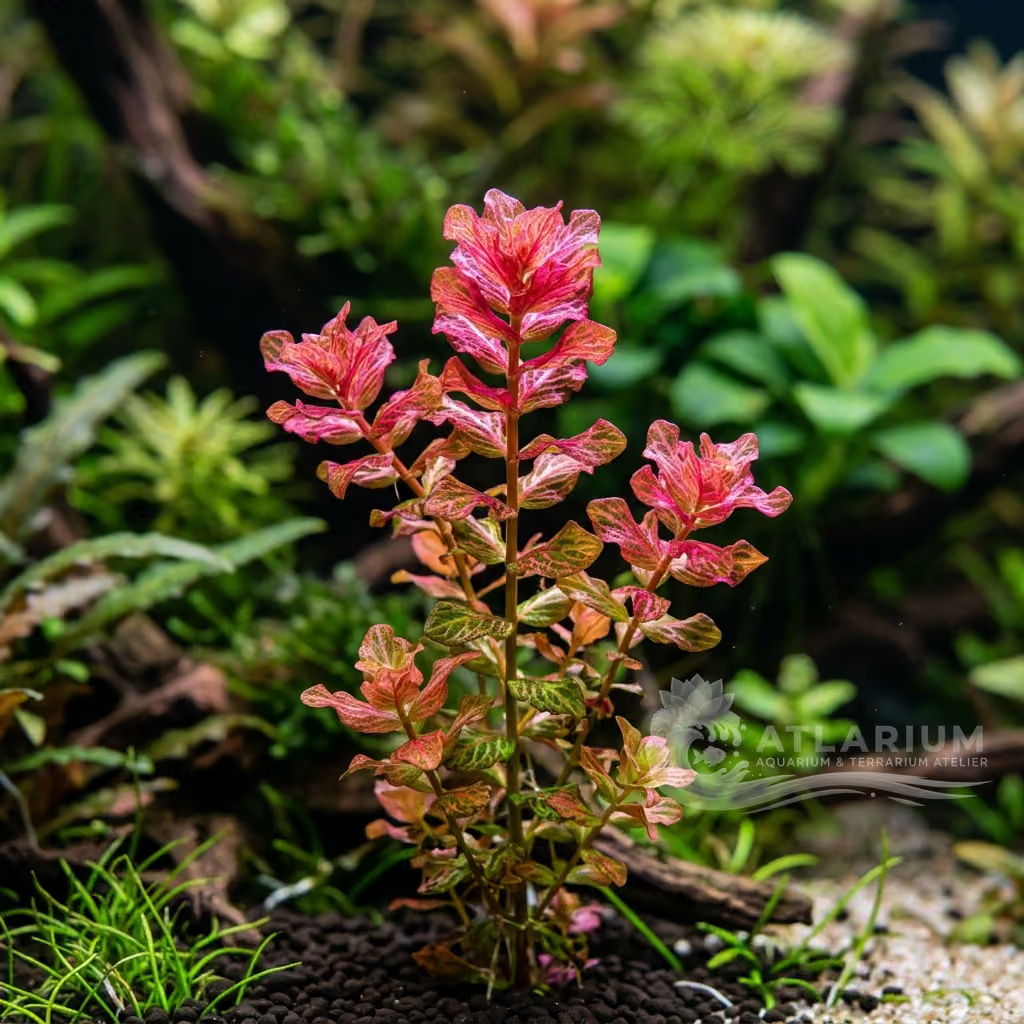
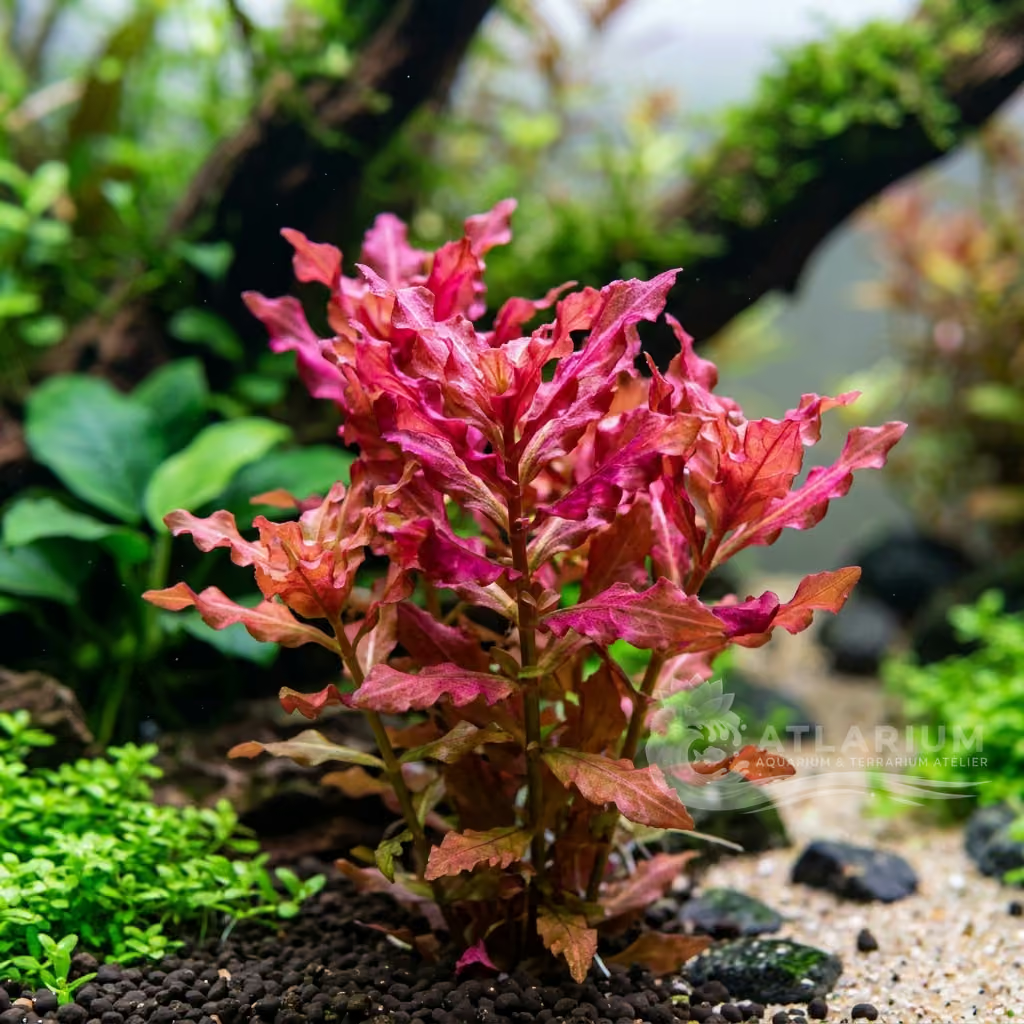
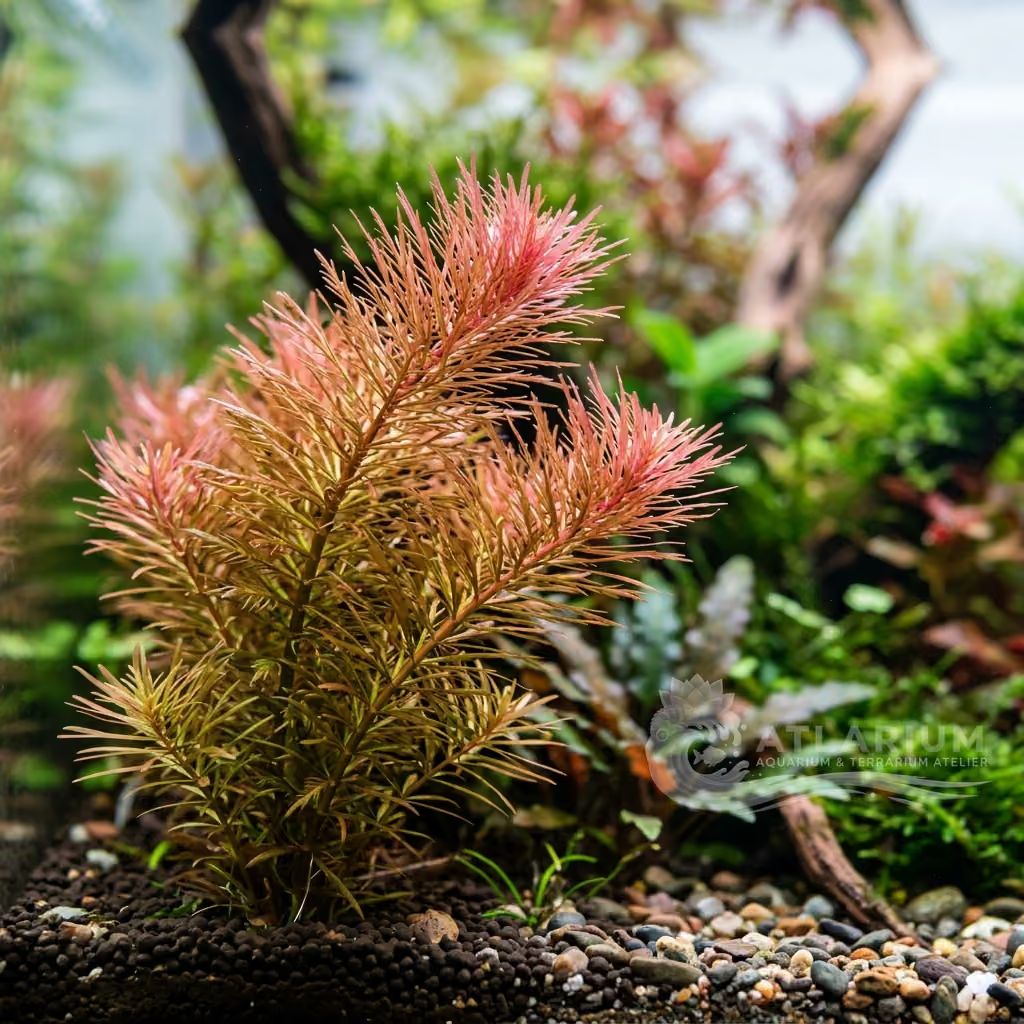
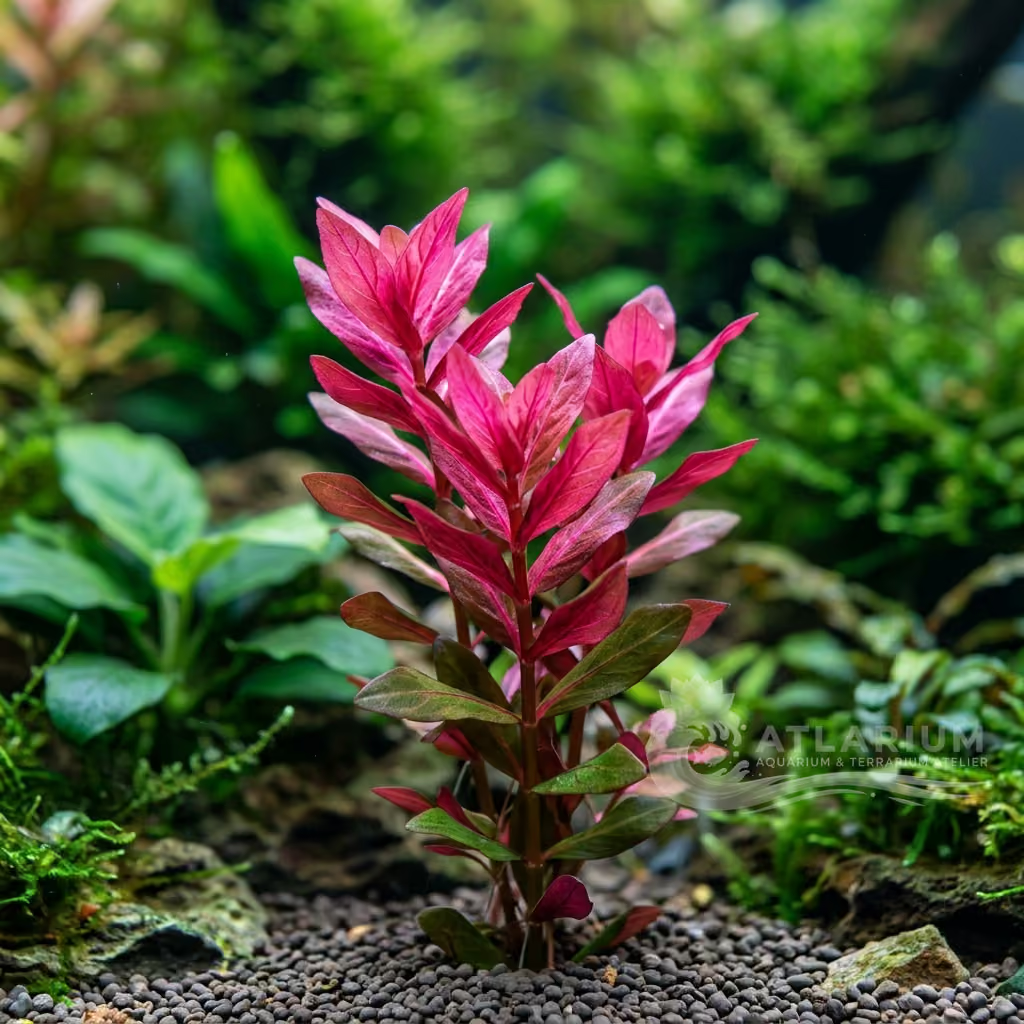
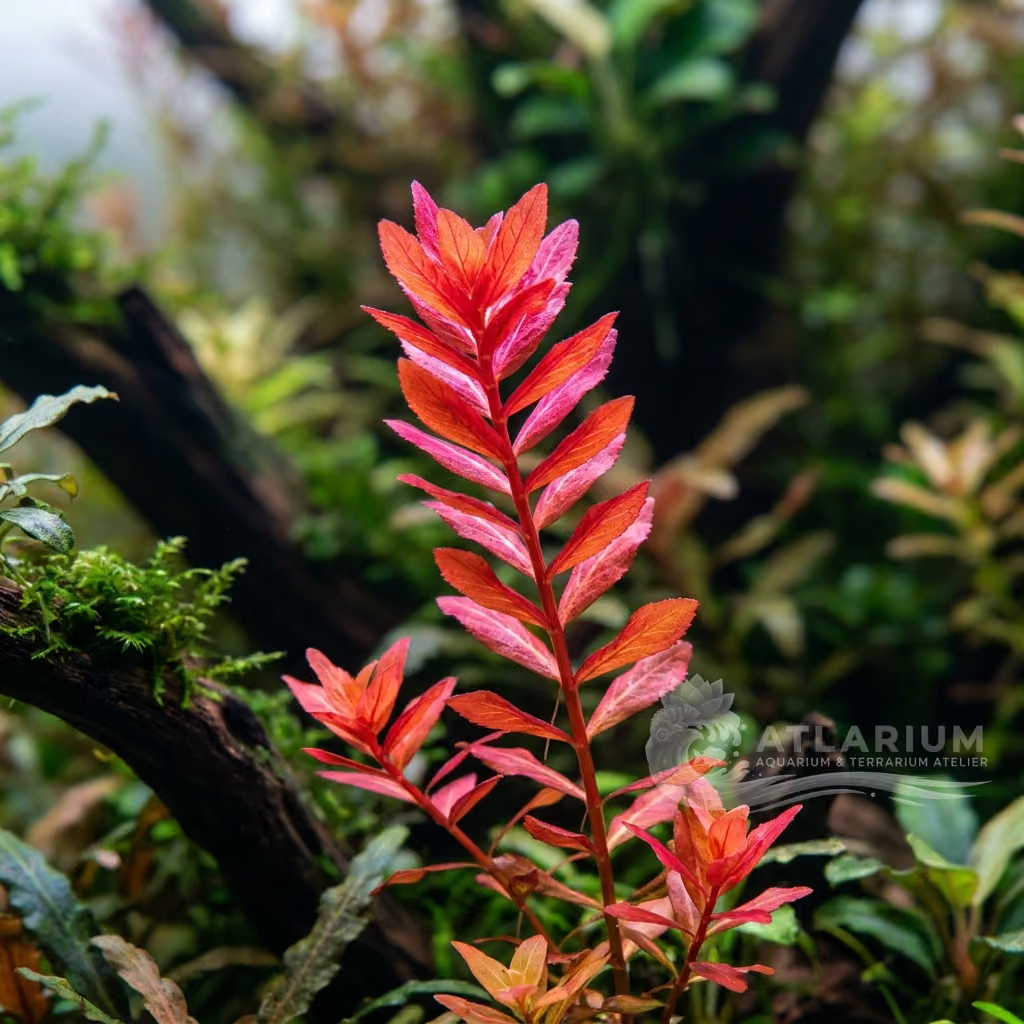
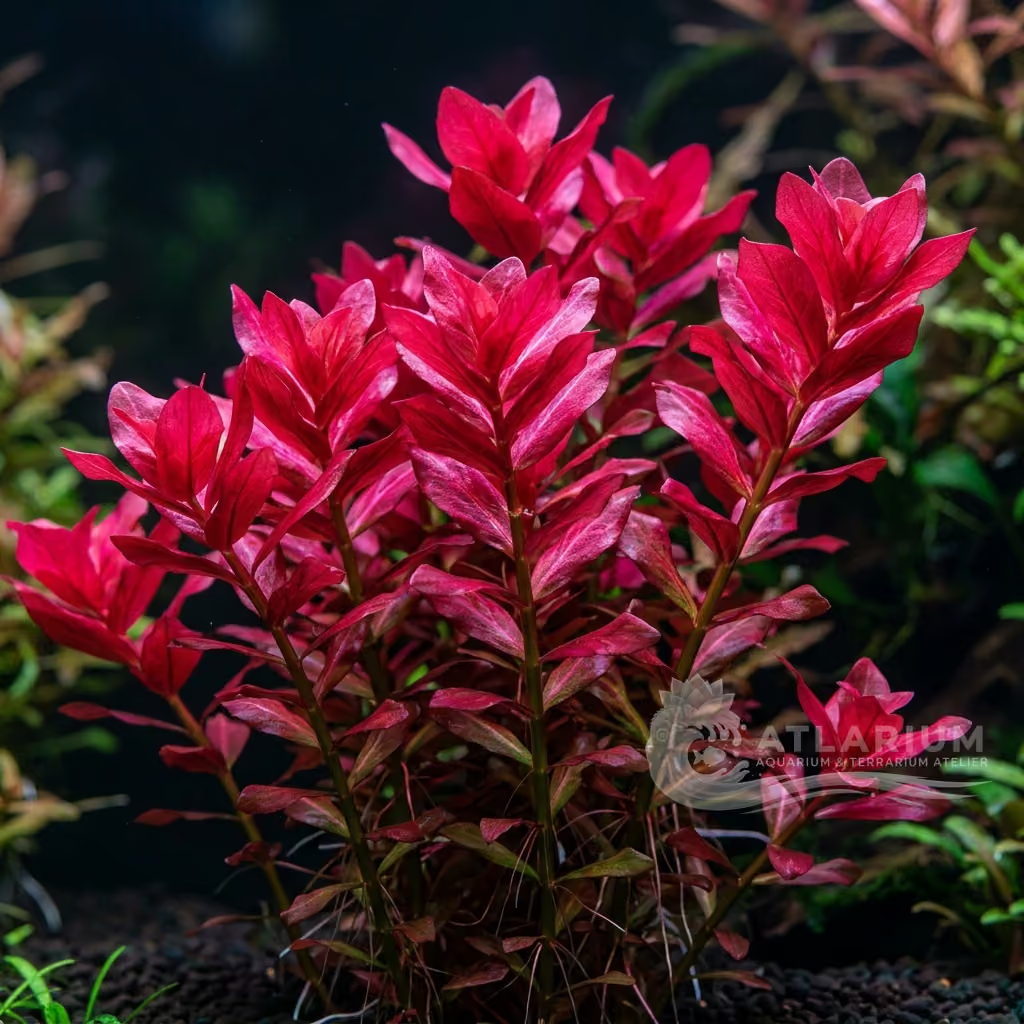
Color & Texture: The coloration of Rotala mexicana "Goiás" is one of its most appreciated features, varying from bright green to intense reddish-pink or orange hues, especially at the stem tips and new leaves. This chromatic metamorphosis is strongly influenced by light intensity and nutrient availability, particularly iron. Its texture is delicate and fine, creating an elegant contrast with larger-leaved plants and contributing to a sense of depth and vibrancy in the layout.

Care, breeding and tankmates
Lighting & CO2: A "High" light demand is crucial for Rotala mexicana "Goiás" to thrive and develop its distinctive reddish coloration. Without intense lighting (above 0.7-1 watt per liter or 50-70 PAR), the plant will tend to stretch, lose its most vibrant hues, and become less compact. CO2 injection is equally crucial; a constant and adequate supply (20-30 ppm) promotes rapid and robust growth, preventing yellowing and deterioration of the lower leaves.
Nutrition & Substrate: While Rotala mexicana "Goiás" primarily absorbs nutrients from the
Water Chemistry: This species prefers soft and acidic waters, with KH ranges between 0.0 and 7.0 and pH between 4.5 and 7.0, replicating conditions found in its natural habitats. Maintaining these parameters helps optimize nutrient absorption and prevent stress, which could manifest as stunted growth or leaf deterioration. Water temperature should be kept between 18.0 and 30.0 °C, ensuring a warm and stable environment for vigorous and uninterrupted growth.
Space Management & Placement: Given its classification as a "foreground" plant and its tendency to creep or grow compactly, Rotala mexicana "Goiás" is ideal for creating dense carpets or low-growing bushes. It is crucial to place it in areas where it can receive abundant light without being shaded by other taller plants. While it can be used as a carpeting plant, its fast growth requires careful space management to prevent it from suffocating nearby species and to maintain the desired form.
Pruning: Regular pruning is essential to maintain the desired density and shape of Rotala mexicana "Goiás," given its rapid growth. Frequent pruning is advisable, cutting the tops of the stems to promote lateral branching and achieve a bushier appearance. The cut portions can be replanted to propagate the plant, while removing less illuminated lower branches prevents debris accumulation and encourages water circulation among the stems.
Risks & Diseases: Rotala mexicana "Goiás" can be sensitive to nutritional imbalances, particularly iron deficiencies which cause yellowing or loss of red color. Insufficient light conditions or lack of CO2 can also lead to stunted growth, stem elongation, and shedding of lower leaves. Like many delicate plants, it is susceptible to algae growth if the light/CO2/nutrient ratio is unbalanced, making constant monitoring of parameters crucial.

Geographic origin and distribution
Originating from the state of Goiás, Brazil, this variant of Rotala mexicana thrives in tropical aquatic environments, often found at the edges of slow-moving rivers, streams, and swamps with shallow water. Its natural habitat sees it growing in both submerged and emersed forms, adapting to seasonal fluctuations in water levels. This geographical specificity contributes to its unique characteristics and robustness in the aquarium, provided similar native conditions are replicated.
Origin
Extra-Amazon South America

Plant profile
- Placement
- Foreground
- This exceptionally creeping variety is best utilized as a foreground or low midground plant. Under strong lighting, it hugs the substrate closely, forming a vibrant reddish-pink carpet or dense foreground bush. It should be placed in areas with unobstructed light to encourage its horizontal growth habit.
- Botanical form
- Stem
- Rotala mexicana 'Goiás' features very small, pointed leaves that exhibit intense red, pink, or orange coloration under high light. Its most defining characteristic is its strong tendency to creep along the bottom rather than growing upright. This creeping nature leads to a very dense, mat-like appearance over time.
- Growth
- Fast
- The growth rate is moderate, heavily dependent on the availability of intense light and pressurized CO2. Instead of growing tall rapidly, it invests its energy into spreading laterally across the substrate. Providing optimal conditions encourages it to cover horizontal space quickly and efficiently.
- Substrate
- Low
- Rotala mexicana 'Goiás' is an adaptable foreground to midground plant that can thrive in a variety of substrates, including fine gravel enriched with root tabs or basic aqua soil. It features a shallow but effective root system that anchors the plant securely while taking in moderate levels of nutrients. Maintaining a substrate thickness of 3 to 4 centimeters is perfectly sufficient for long-term health and creeping growth.
- Column fertilization
- Recommended
- Daily dosing of a complete liquid fertilizer is necessary to sustain its intense colors and creeping growth. Because it stays low to the substrate, ensuring nutrients are well-distributed throughout the water column is essential. It requires stable CO2 injection (30+ ppm) to photosynthesize effectively at the bottom of the tank.
- Root fertilization
- None
- As a creeping plant, it sends roots down into the substrate from almost every node along its stem. Planting it in a rich, active aquasoil is highly recommended for robust health and rapid carpeting. Adding root tabs can significantly boost its growth and help maintain its vivid coloration.
- Trimming
- Occasional
- Trimming is usually done to shape the carpet or prevent it from encroaching on other foreground plants. Instead of topping, it can be pruned by thinning out overgrown sections or cutting horizontal runners. The cut runners can be replanted to fill in gaps and increase the density of the carpet.
- Propagation
- Cuttings
- Propagation is very easy due to its creeping growth habit and tendency to produce numerous side shoots. Simply snip a creeping stem that has developed roots and replant it in the desired location. These cuttings adapt very quickly and continue spreading across the substrate.
- Sensitivity
- Moderate
- This plant is sensitive to shading and will quickly lose its horizontal growth habit and red color if light is insufficient. It requires soft water and is intolerant of poor flow, which can lead to algae accumulation on its small leaves. Sudden changes in water chemistry can cause the delicate stems to melt entirely.
- Layout role
- group, Foreground, Nano
- Rotala mexicana 'Goiás' is highly prized for its ability to create a stunning red foreground carpet. It provides a beautiful color contrast when planted next to traditional green carpeting plants like Hemianthus callitrichoides. Its creeping nature makes it ideal for cascading over small rocks and hardscape details.

Related species
Recommendations grouped by close relatives, companion choices, and similar care.