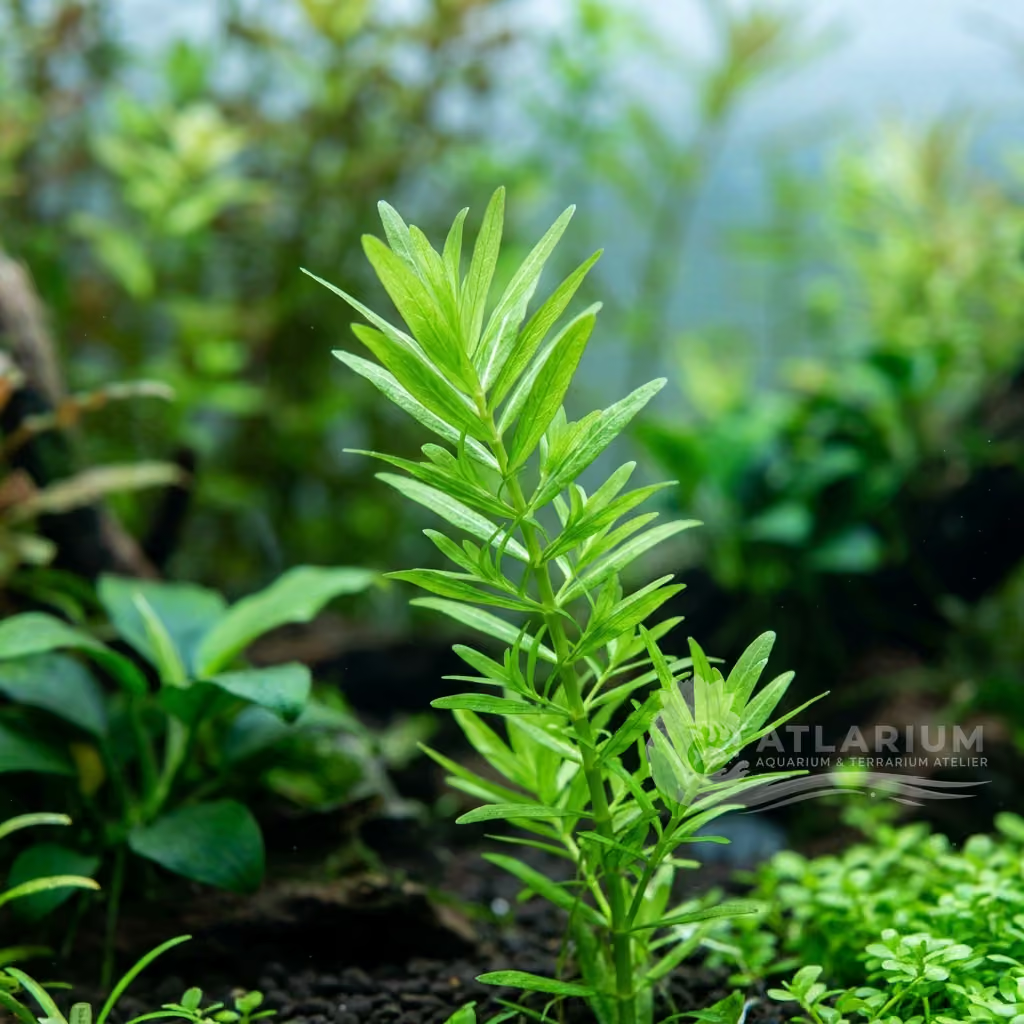
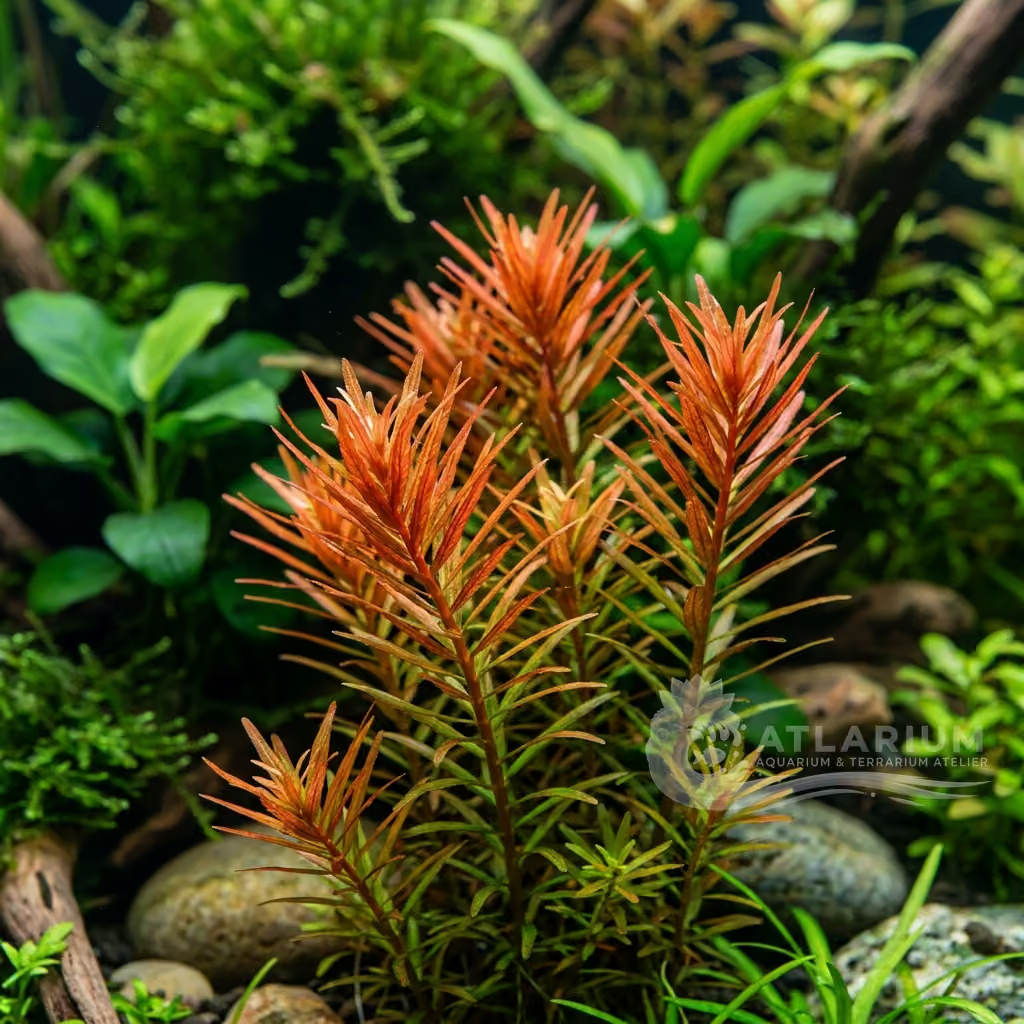
Rotala macrandra 'Mini Type 2'
Rotala macrandra
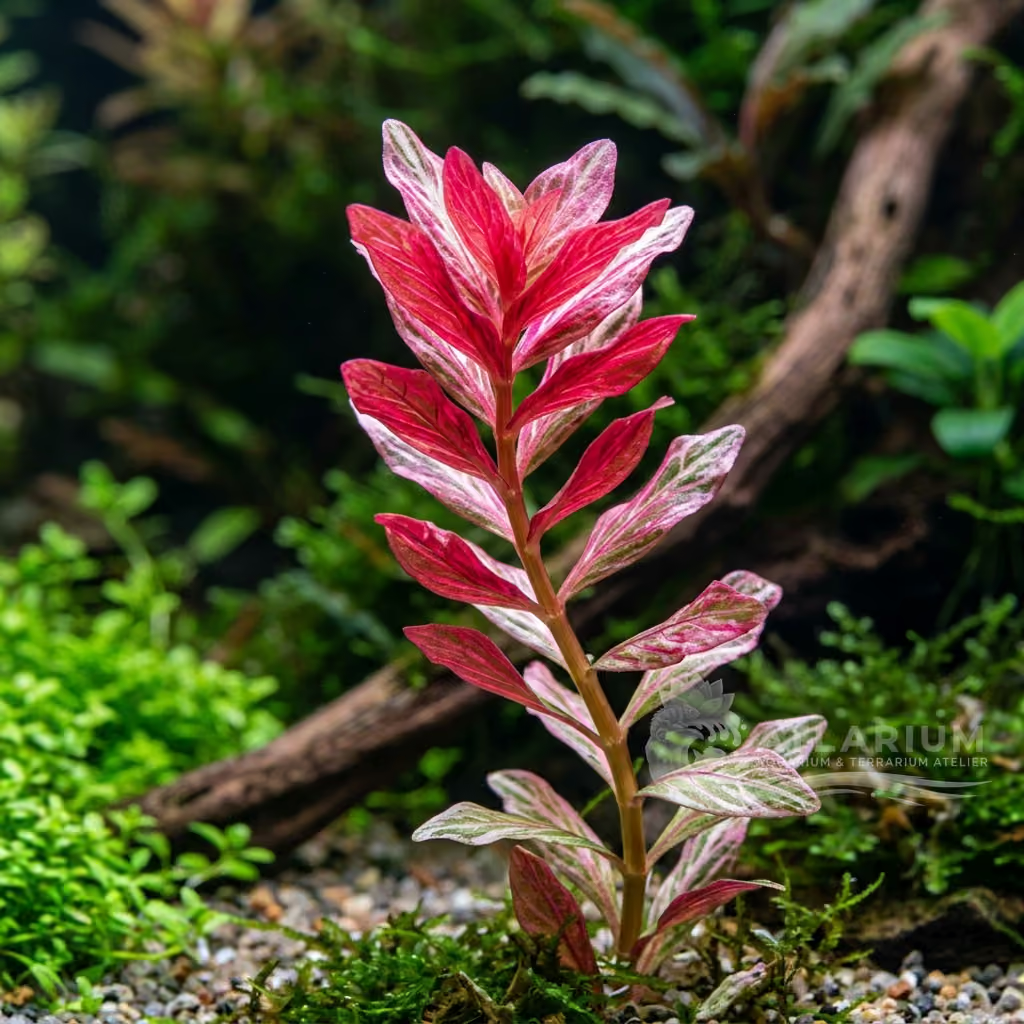
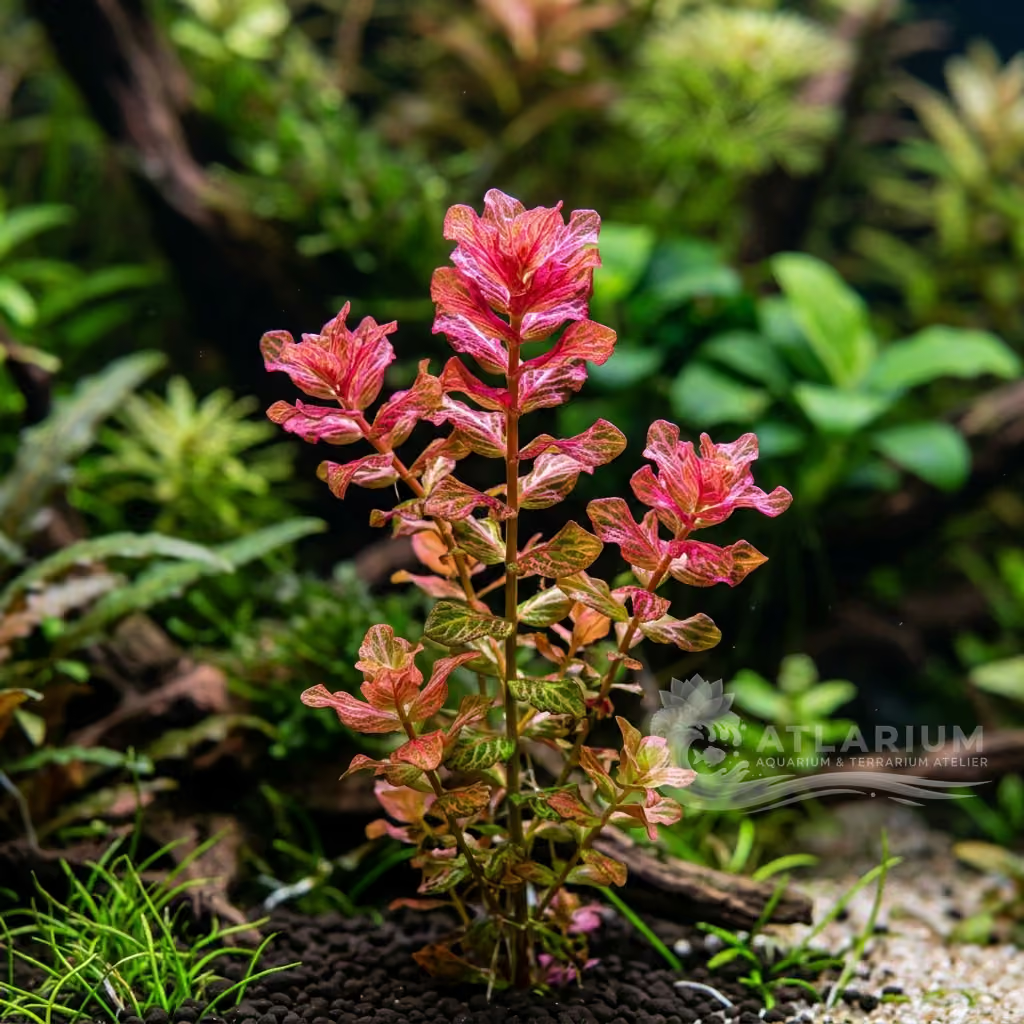
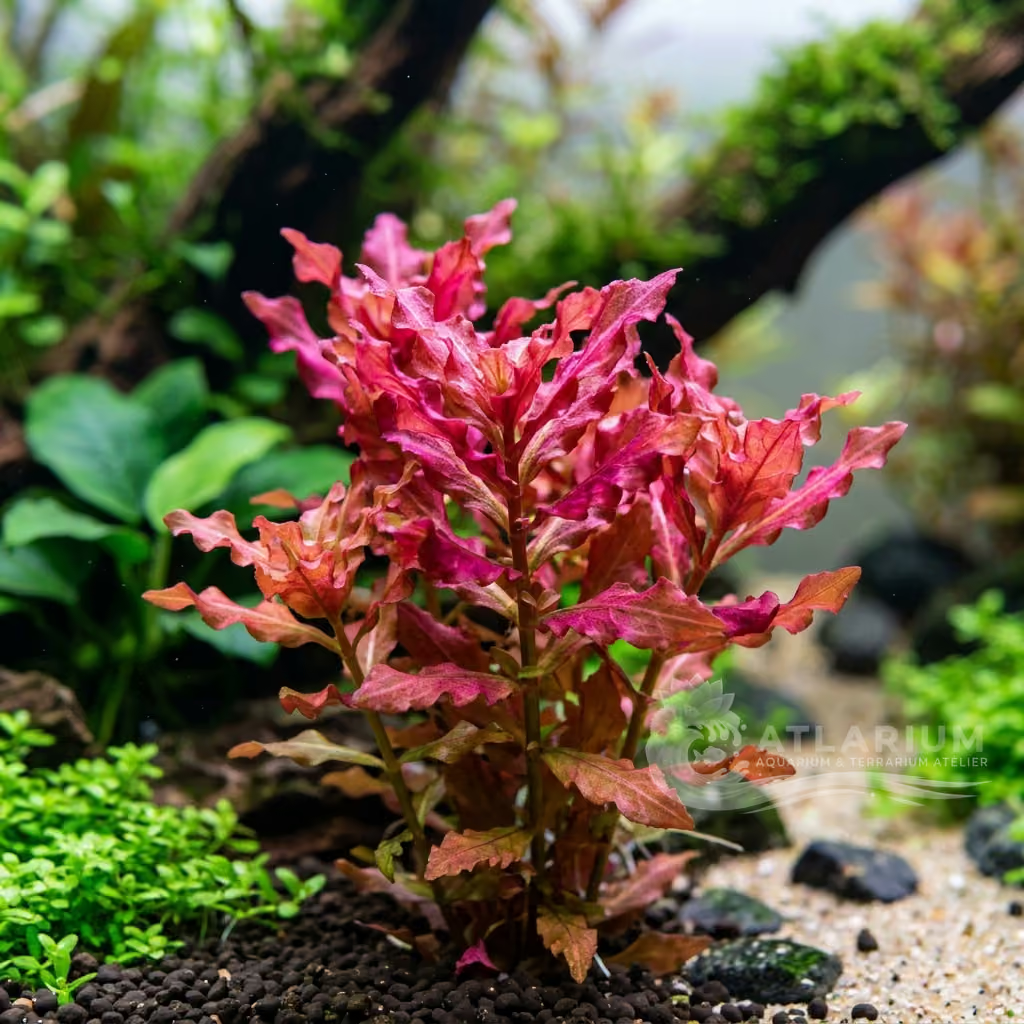
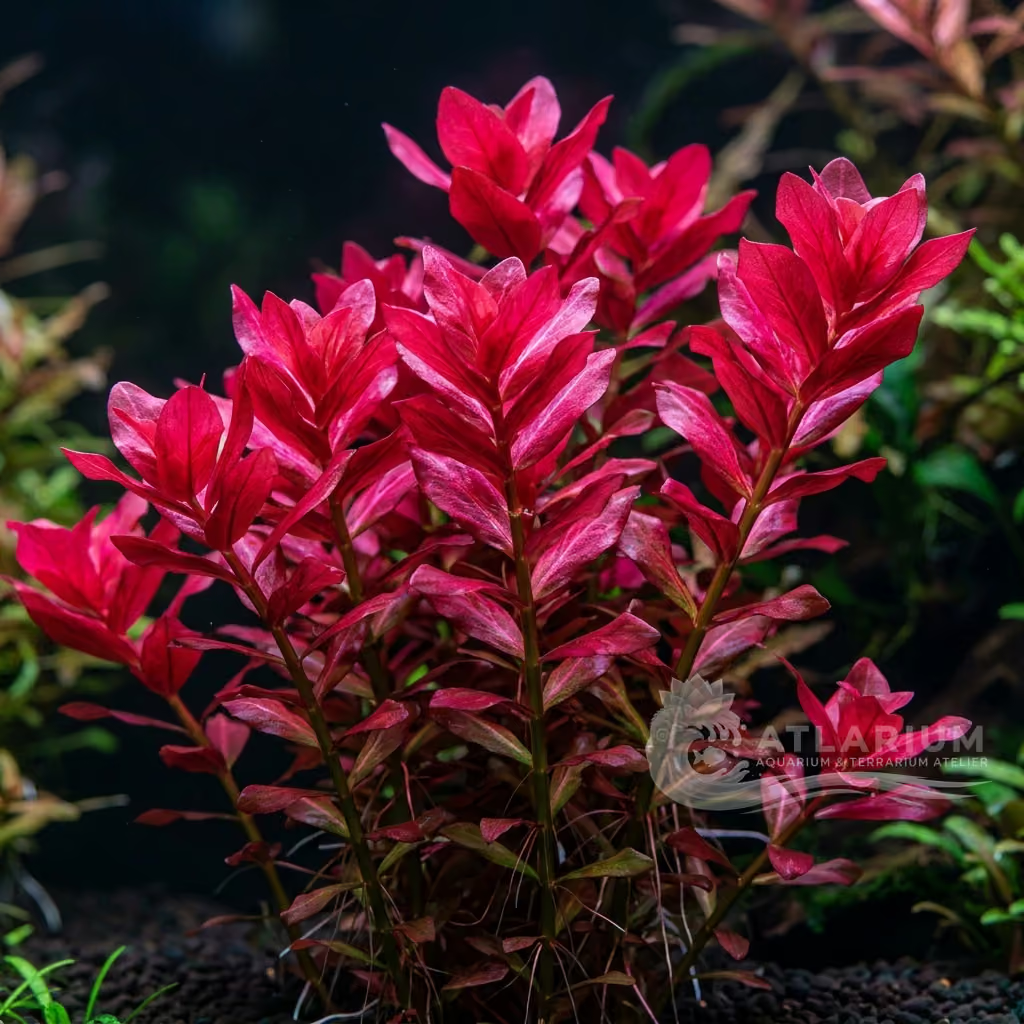
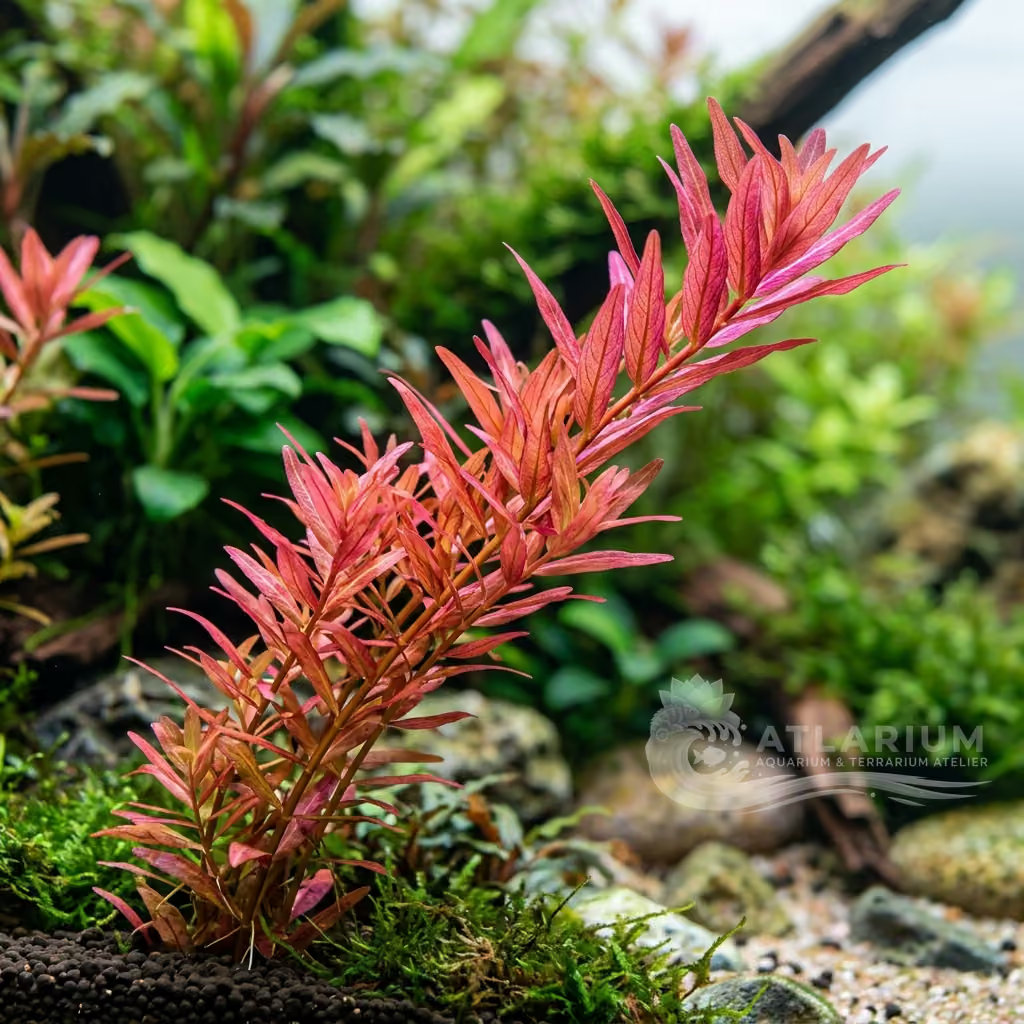
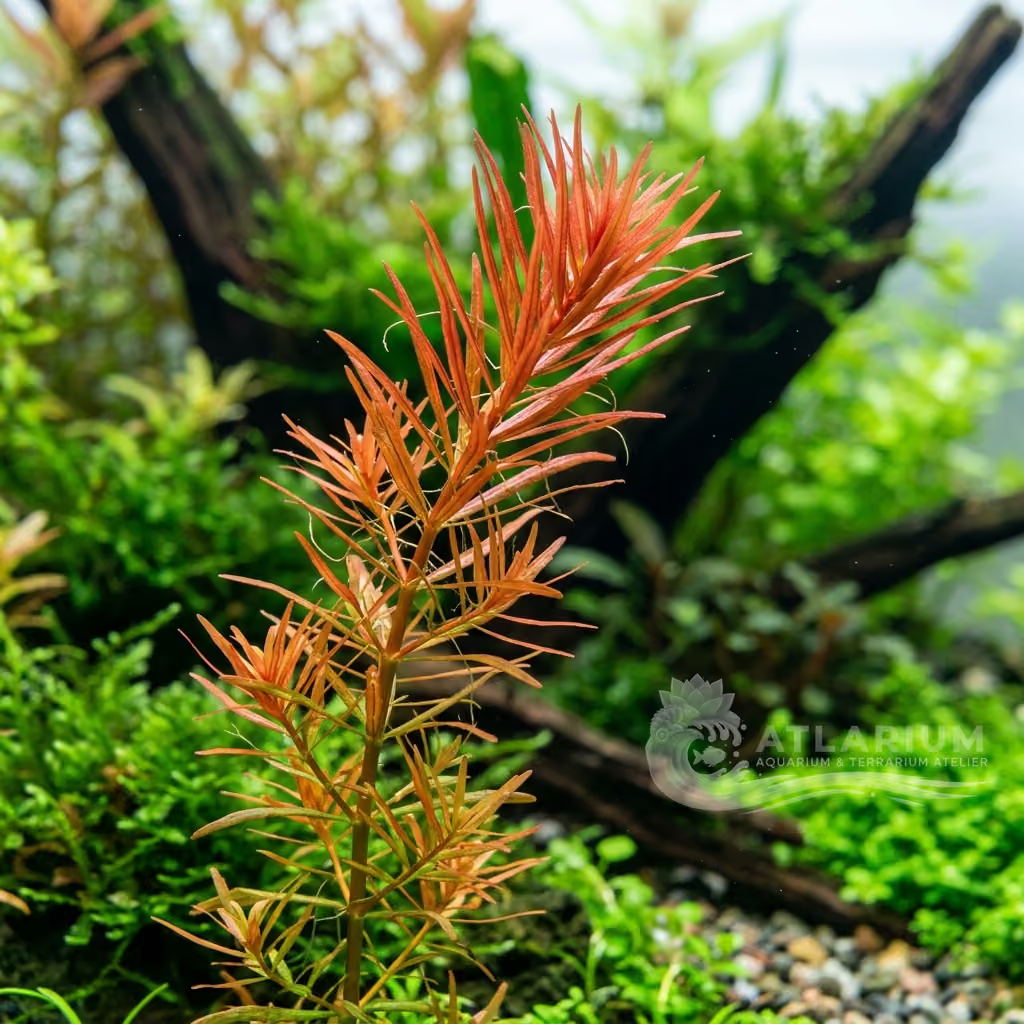
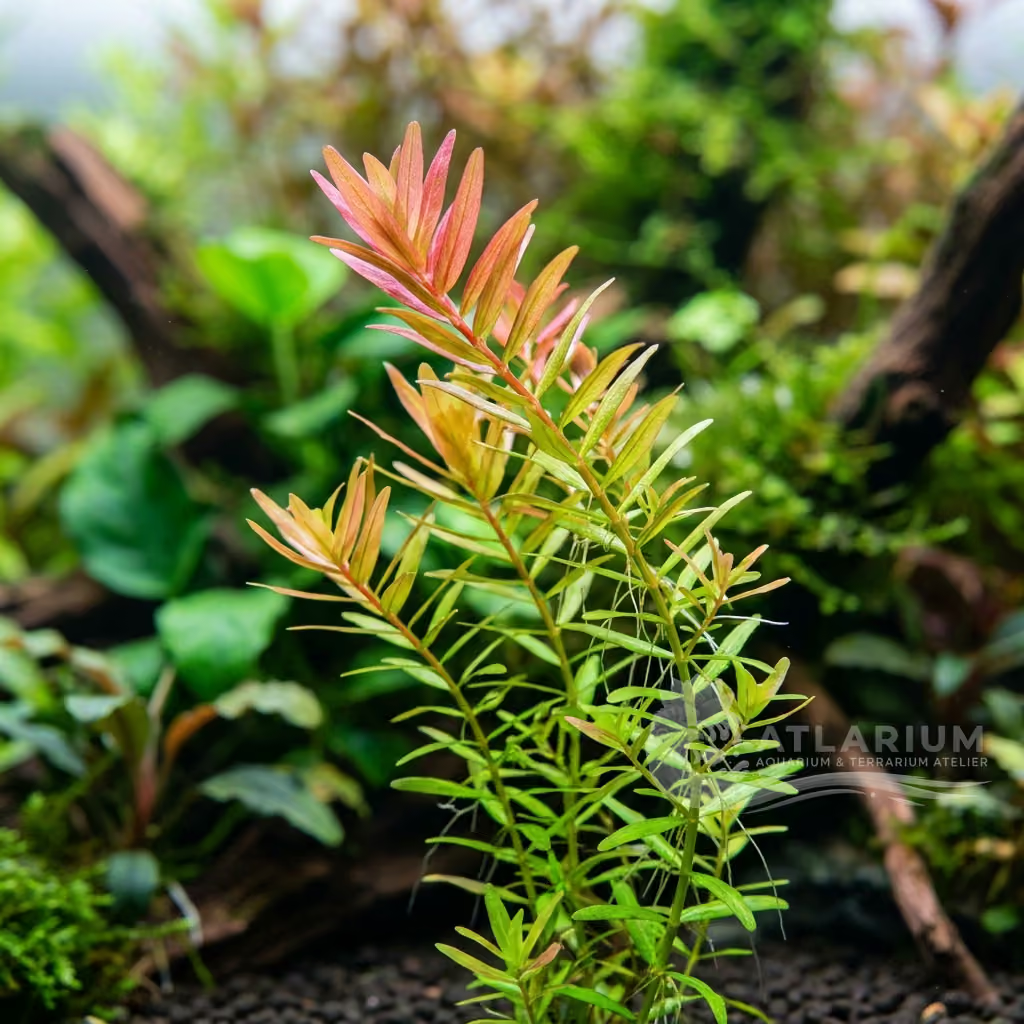
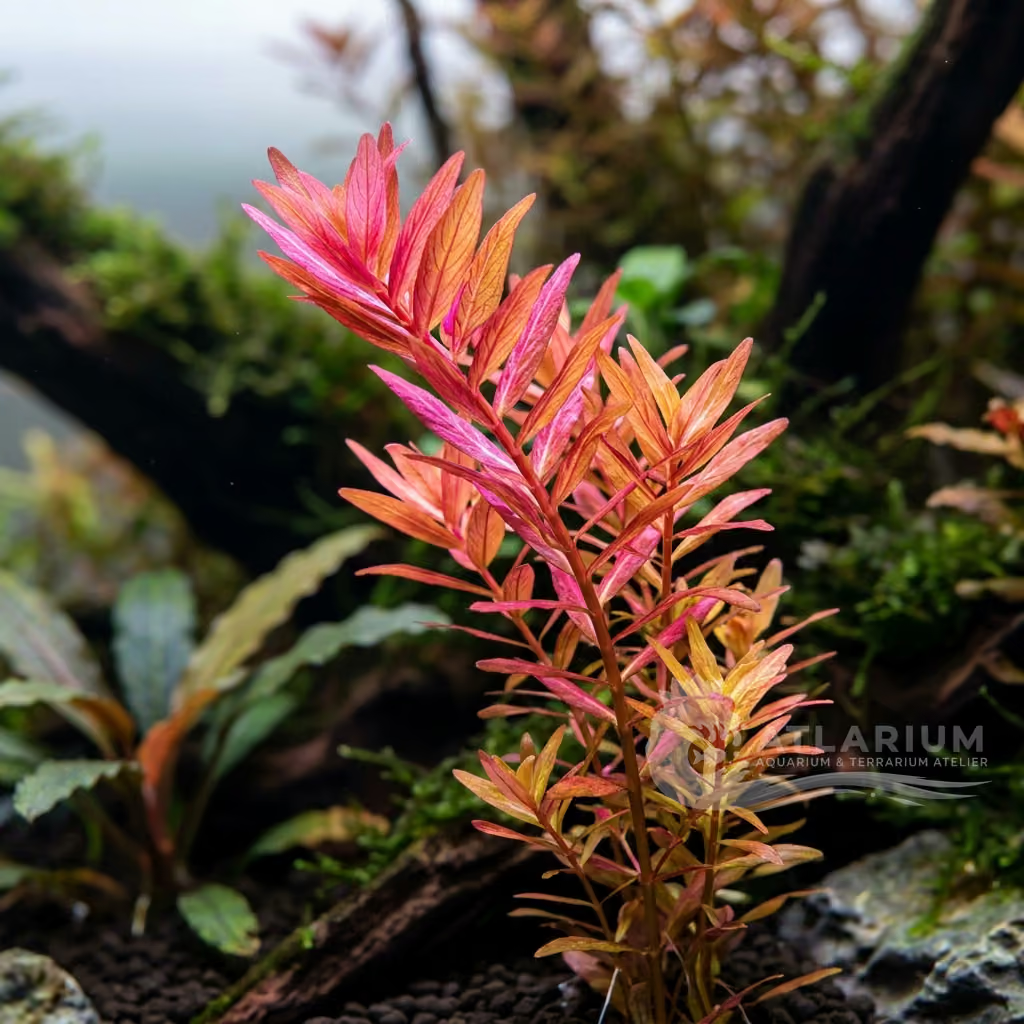
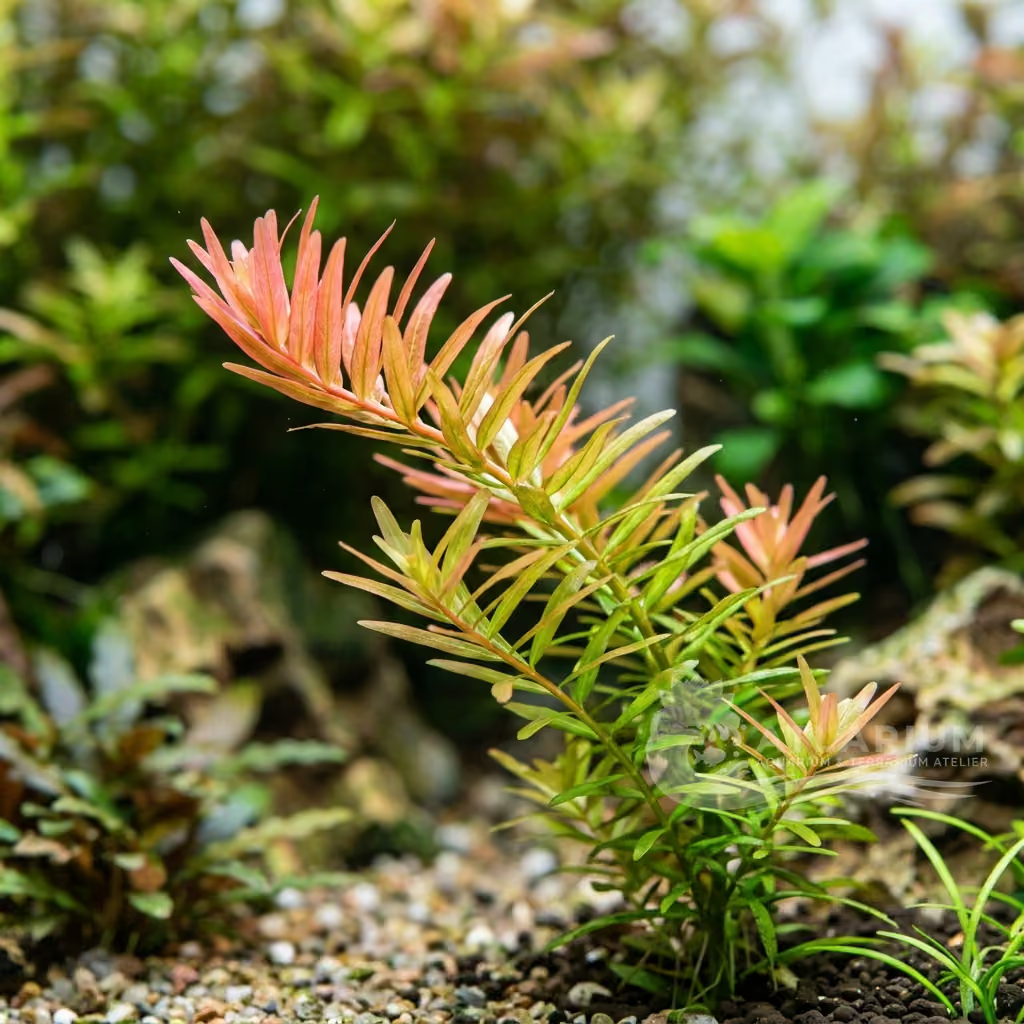
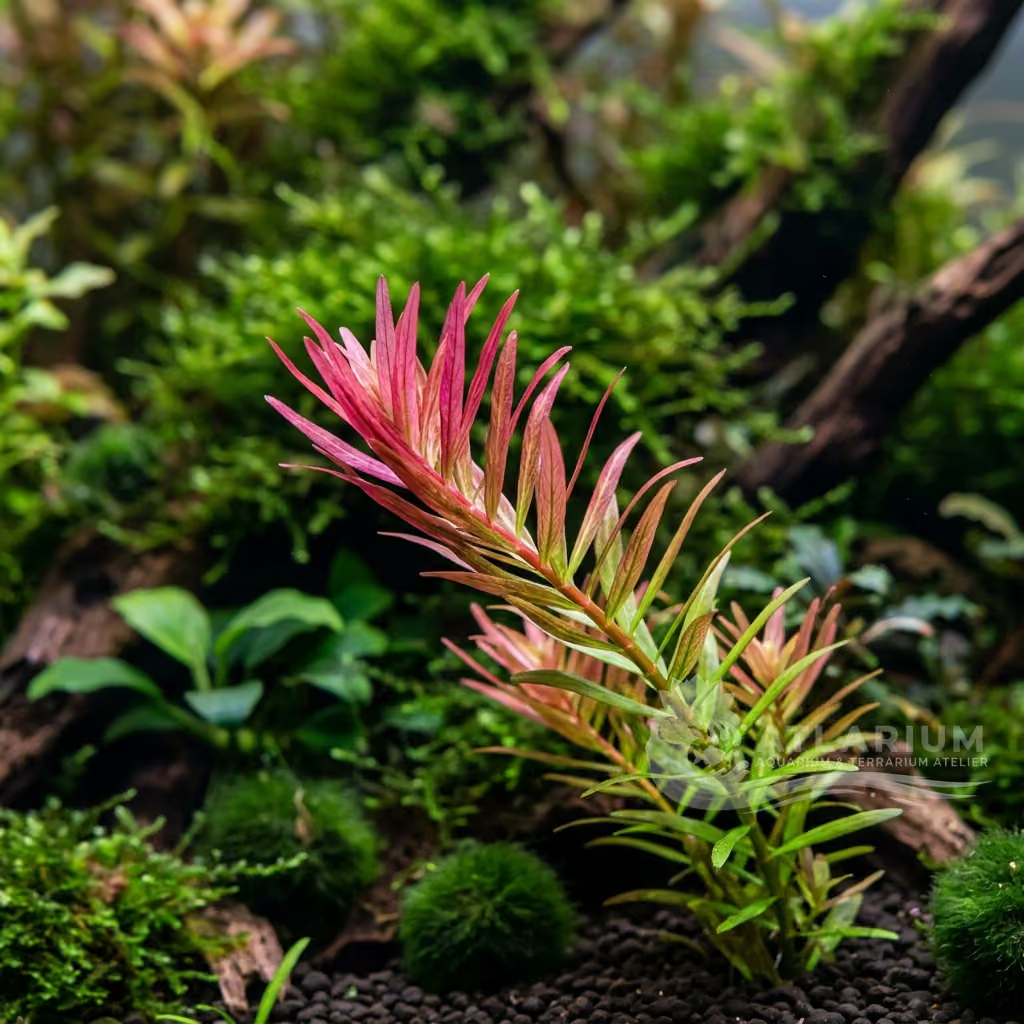
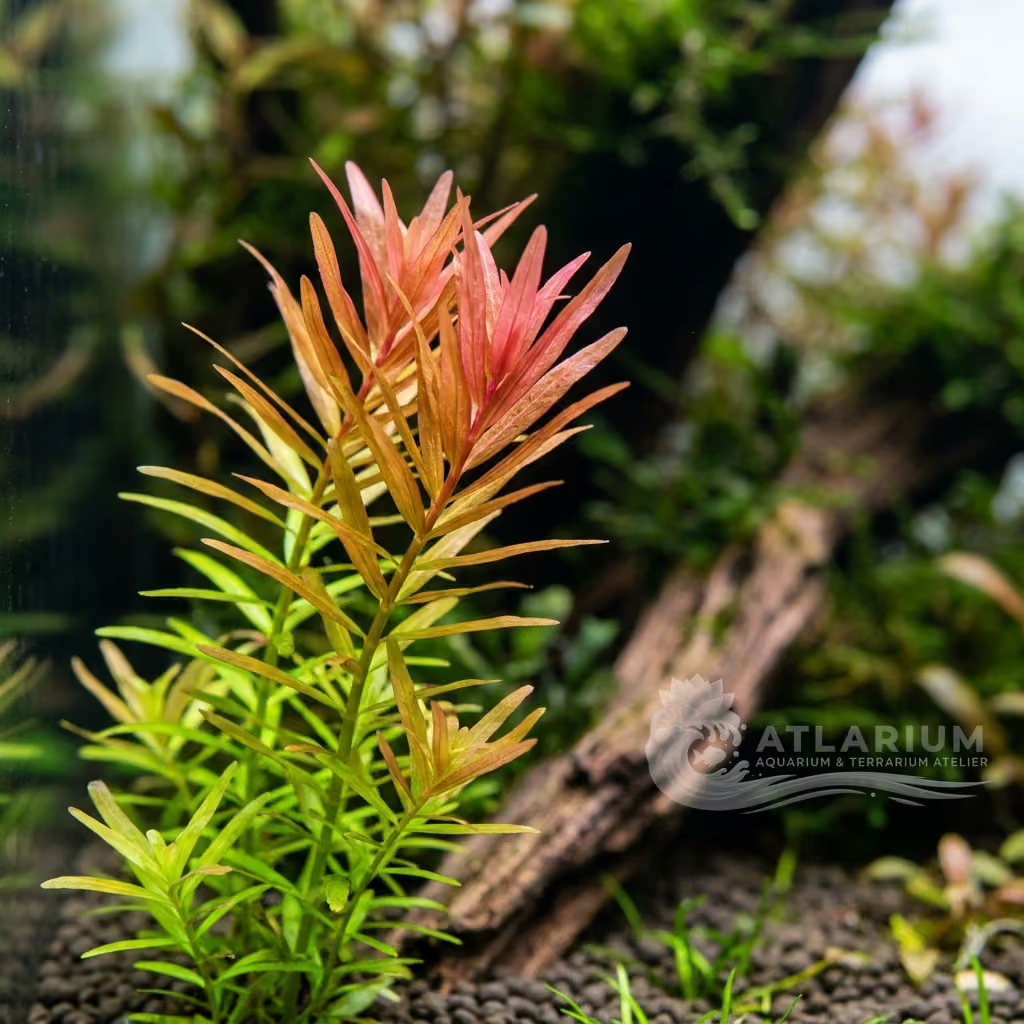
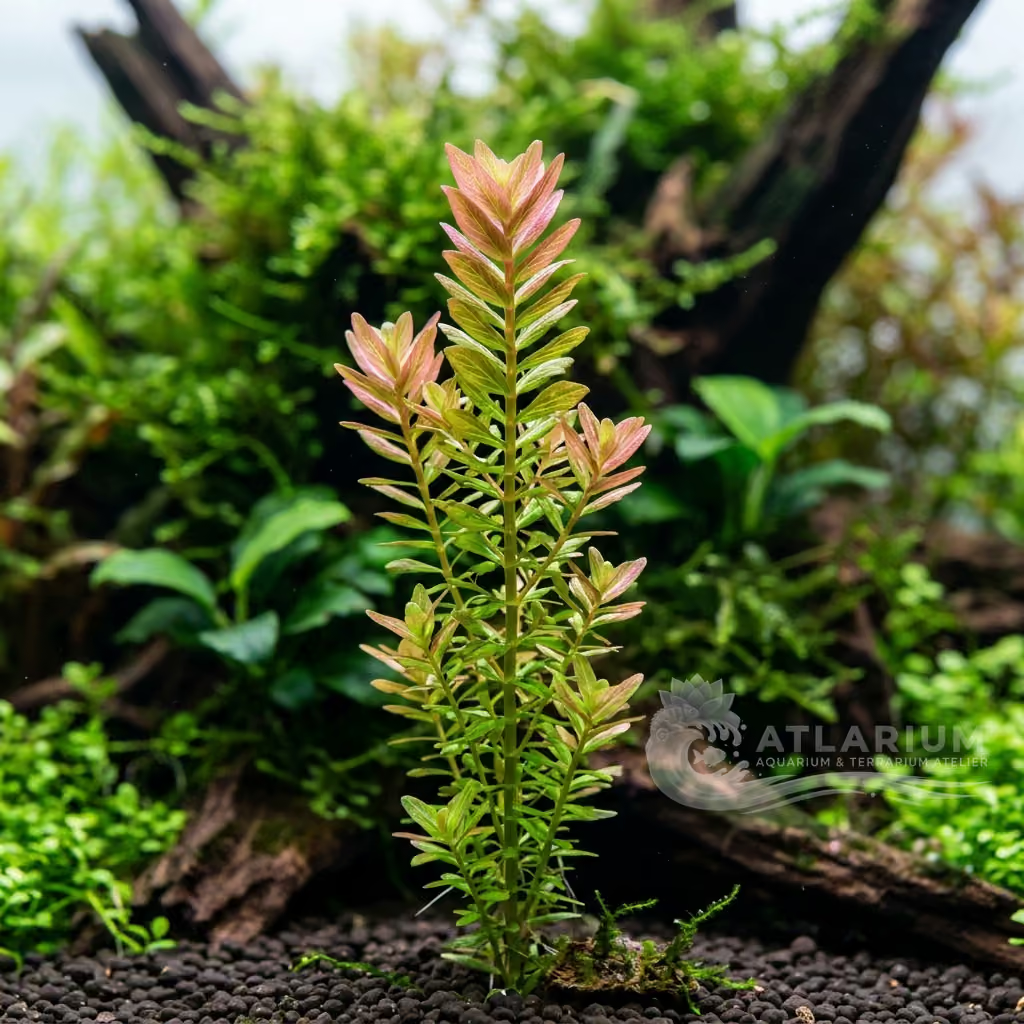
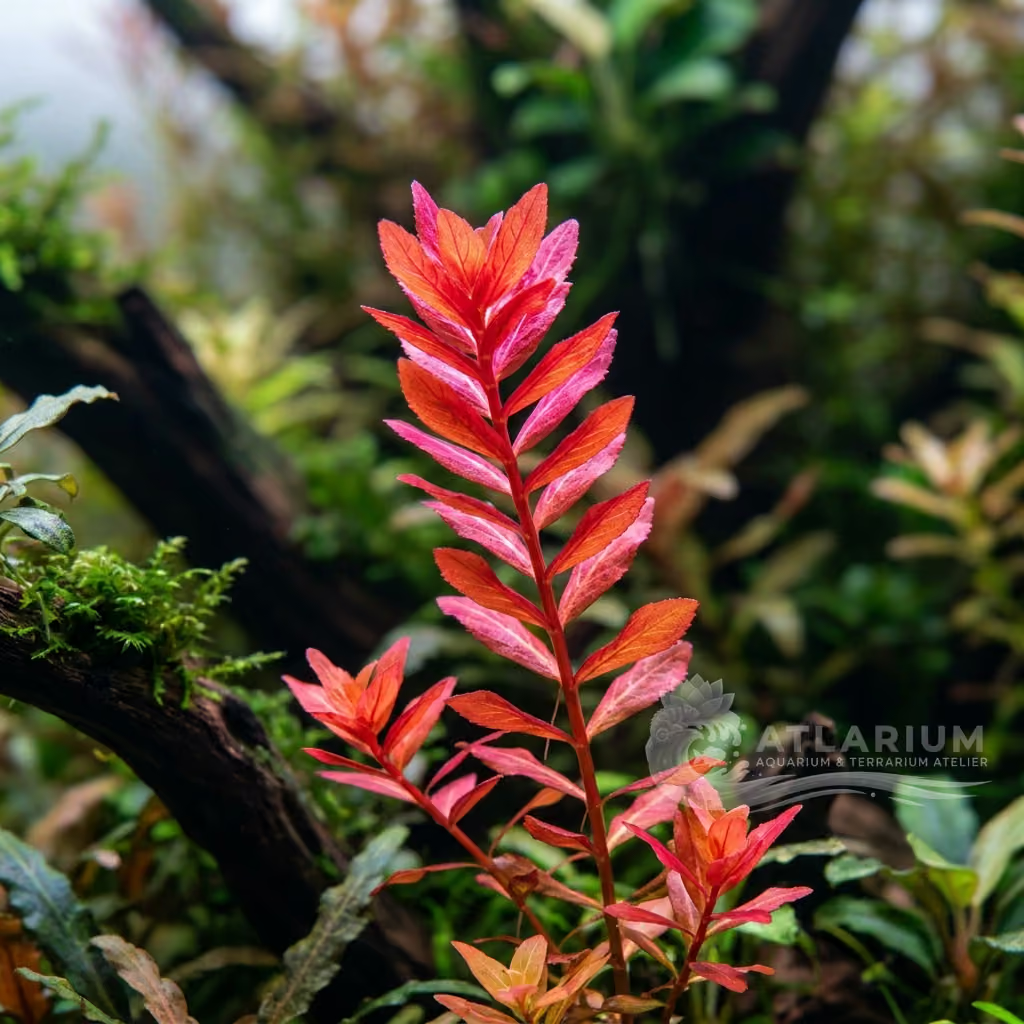
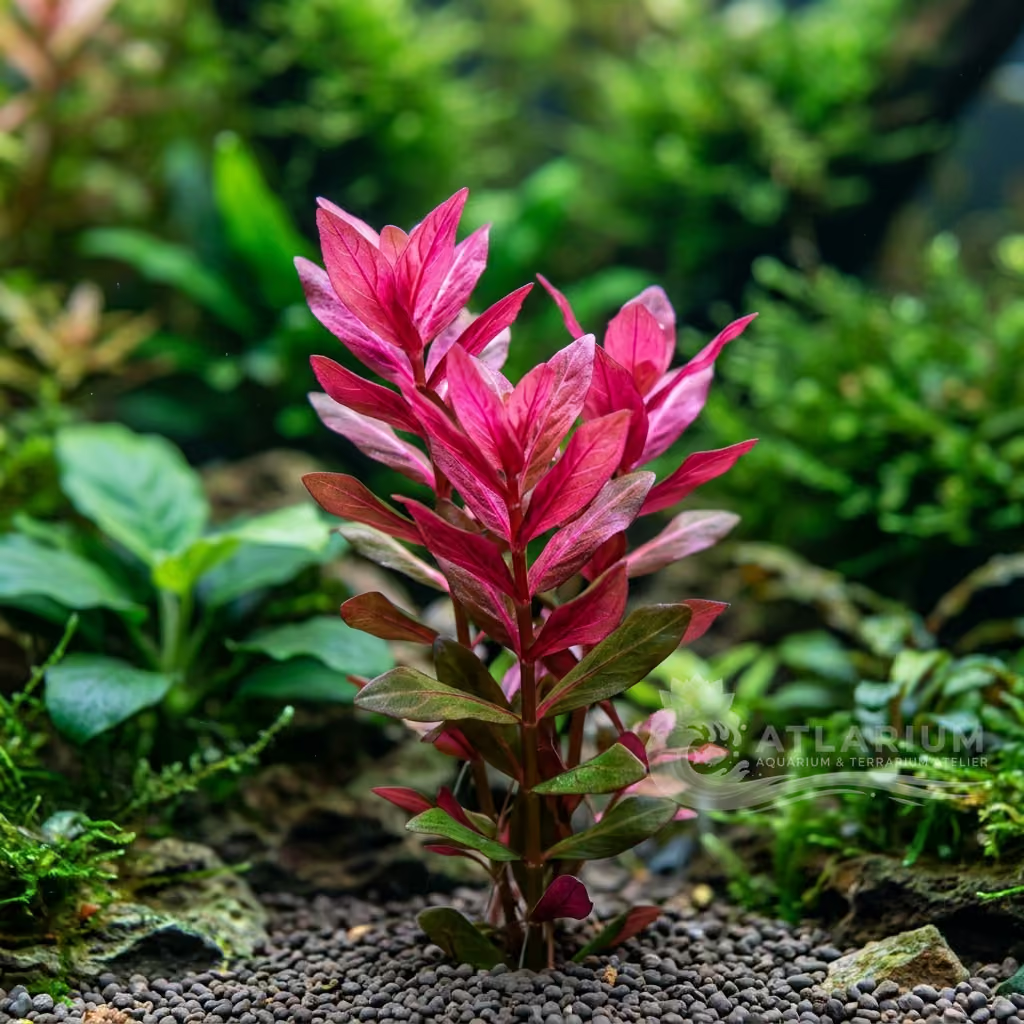
Rotala macrandra 'Mini Type 2' is a highly sought-after aquatic cultivar, perfect for creating vibrant red carpets or dense bushes in the aquarium foreground. Its compact growth and vivid foliage make it a visually striking focal point in any planted tank.
Water Temperature
18 - 30 °C
pH Value
4.5 - 7
Water type
Freshwater
Light
High
CO2
High
Expected height
15 cm
Expected width
6 cm
KH
0 - 12 dKH

Species description
Geographical Origin and Habitat: While Rotala macrandra 'Mini Type 2' is a cultivated form and does not possess a specific natural habitat, its parent species, Rotala macrandra, originates from the marshy regions and riverbanks of Southeast Asia, particularly India and Sri Lanka. In these natural environments, it thrives in soft, often acidic freshwater under intense sunlight, developing its characteristic vibrant
Color & Texture: ation. The 'Mini Type 2' cultivar has been selectively bred to maintain the smaller size and intense red color of the original species, making it perfectly suited for miniature aquascapes.
Taxonomy & Genetics: Rotala macrandra 'Mini Type 2' belongs to the family Lythraceae, a broad group of plants that includes many esteemed aquatic and semi-aquatic species in the aquarium hobby. It is a cultivar, meaning a cultivated variety, specifically selected for distinct characteristics such as its reduced size and enhanced coloration, setting it apart from the wild form of Rotala macrandra. This indicates that the plant is not a standalone species but a stabilized genetic mutation or selection that maintains desirable traits through vegetative propagation, making it unique among its relatives.
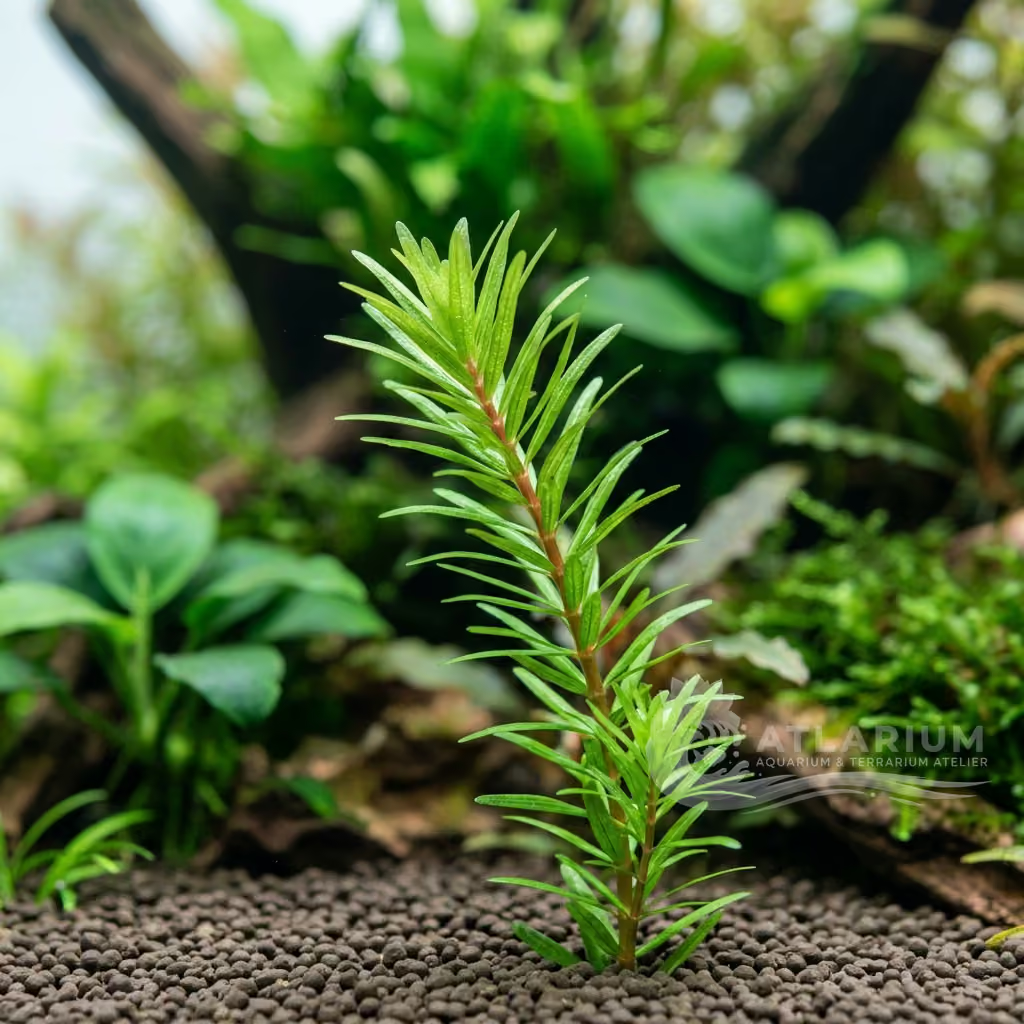
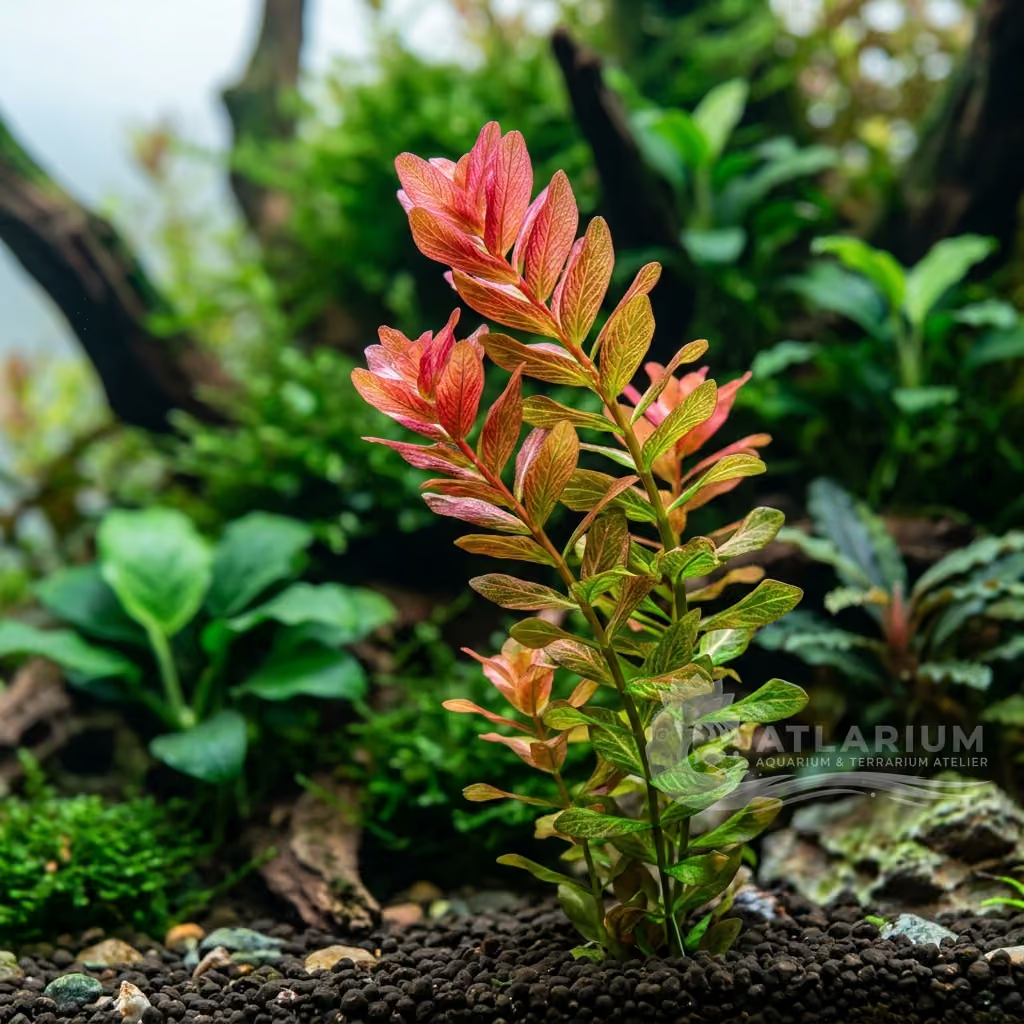
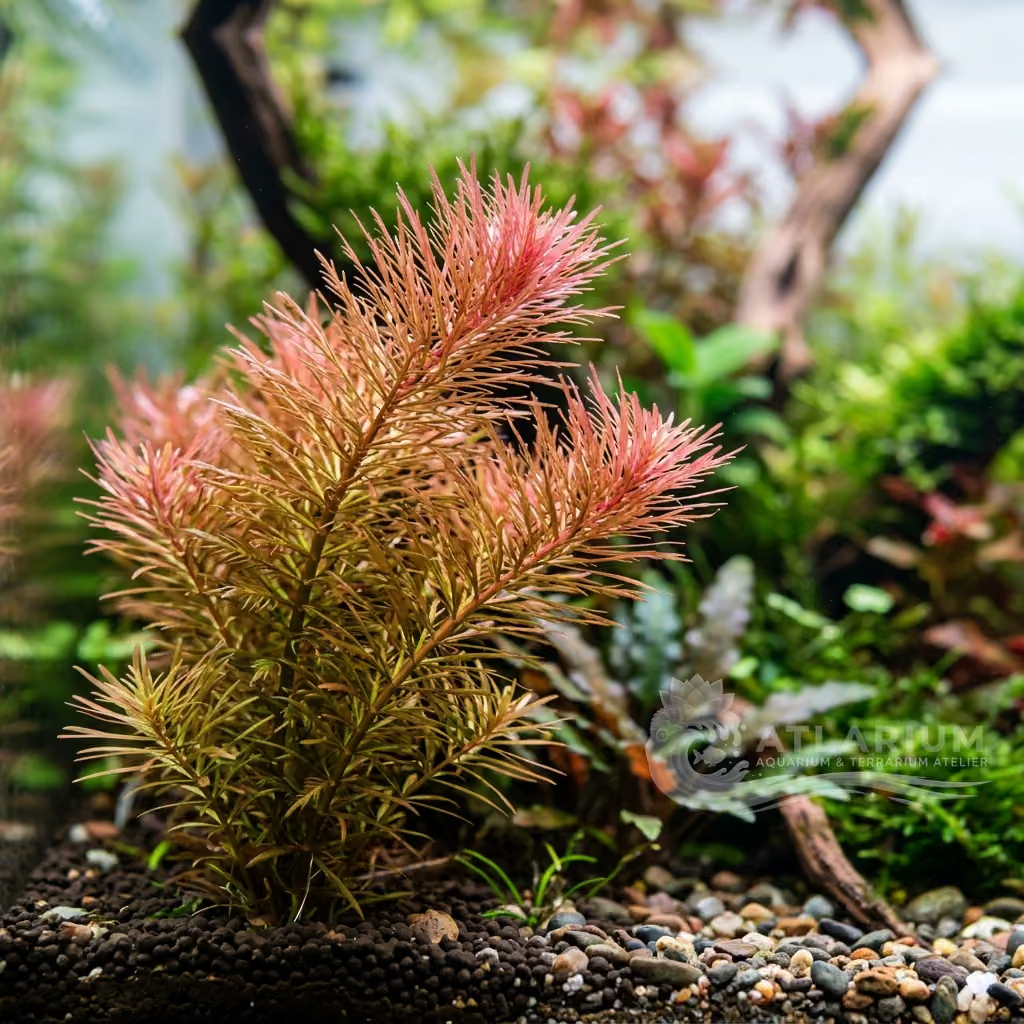
Physical Structure: Rotala macrandra 'Mini Type 2' exhibits slender yet robust stems, on which its leaves are arranged in an opposite or decussate pattern, growing densely to create a bushy appearance. The leaves, typically oval to slightly lanceolate in shape, are notably smaller than those of standard Rotala macrandra, a feature that justifies the 'Mini' designation. This compact structure allows it to form a thick carpet or an intense colored bush when cultivated carefully and pruned regularly, making it an ideal choice for the foreground or midground of small to medium-sized aquariums.
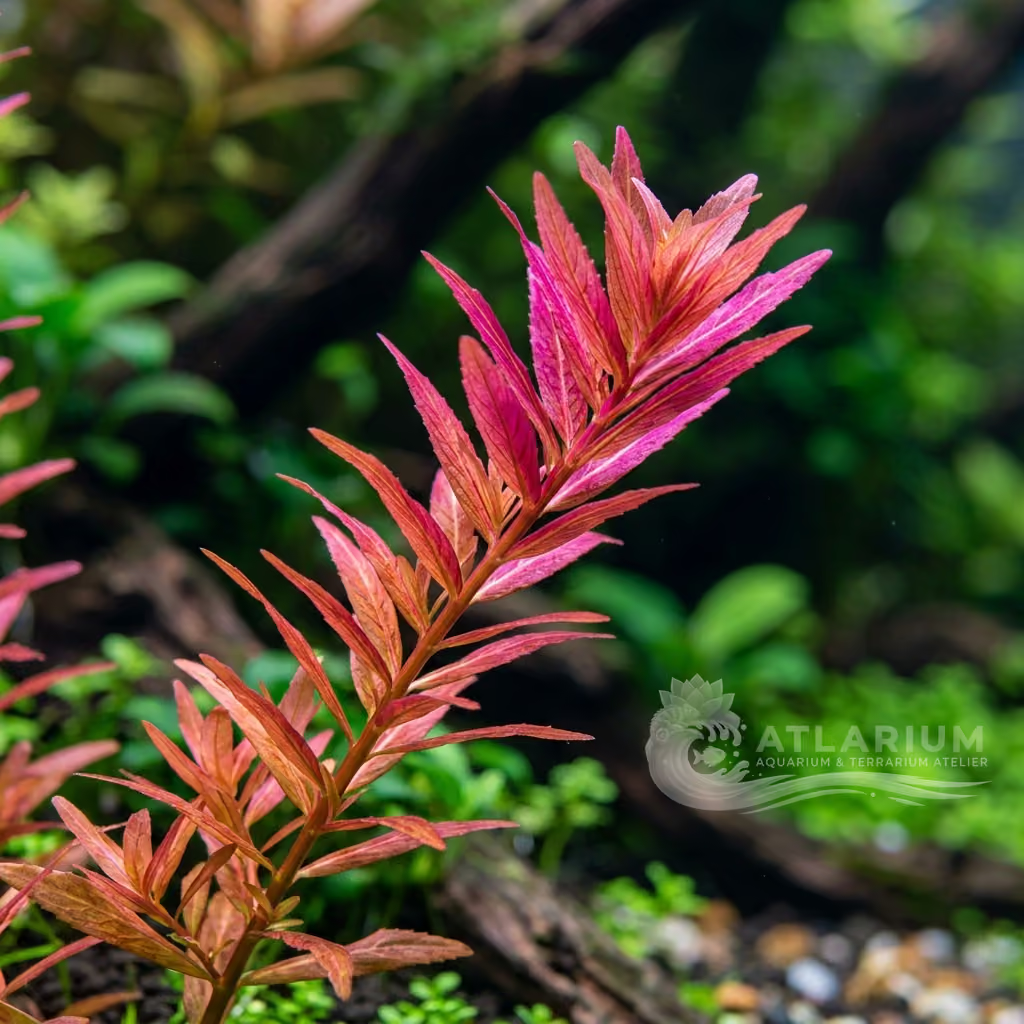
Color & Texture: The most captivating feature of Rotala macrandra 'Mini Type 2' is its extraordinary coloration, which ranges from a brilliant pink to a deep crimson red, especially under optimal lighting conditions and controlled nitrate deficiencies. The leaves display a smooth and delicate surface, contributing to its refined and luxurious appearance within the aquarium. The intensity of its color can fluctuate based on various environmental factors, including the quality of the light spectrum and the availability of micronutrients like iron, making it a visual indicator of the aquarium's health and nutrient balance.

Care, breeding and tankmates
Lighting & CO2: For Rotala macrandra 'Mini Type 2' to fully express its vibrant coloration and robust growth, high-intensity lighting with adequate Photosynthetically Active Radiation (PAR) is absolutely essential. Consistent carbon dioxide (CO2) supplementation is equally crucial, enabling the plant to photosynthesize efficiently and preventing stunted growth and yellowing of the leaves. Without proper CO2 injection and strong light, this variety will tend to lose its vivid red hue, appearing paler or greener, and its growth will become sparse and less dense, failing to achieve its characteristic compact form.
Nutrition & Substrate: Rotala macrandra 'Mini Type 2' benefits significantly from a nutrient-rich and fertile substrate, which provides a solid foundation for root development and a steady supply of macro and micronutrients. It is vital to supplement fertilization with regular doses of liquid nutrients, including nitrates, phosphates, potassium, and a broad spectrum of trace elements. Specifically, an adequate availability of iron is essential to intensify the red pigmentation and prevent chlorosis, ensuring that the foliage maintains its desired vibrant shade and does not display signs of deficiency.
Water Chemistry: This cultivar thrives in soft and slightly acidic water, with an ideal pH range between 4.5 and 7.0, and a carbonate hardness (KH) ranging from 0.0 to 12.0. Maintaining these parameters not only facilitates nutrient assimilation but also reduces plant stress, promoting healthy and vigorous growth. Water temperature should be consistently maintained between 18.0 and 30.0 °C to optimize metabolic processes without compromising plant health, thereby avoiding extreme fluctuations that could induce thermal shock or melting of the leaves.
Space Management & Placement: Given its compact habit and smaller size, Rotala macrandra 'Mini Type 2' is classified as a foreground plant, where it can form dense and captivating bushes of color. It is advisable to plant it in tight groups, while still allowing a small space between stems to ensure good water circulation and light access even to the lower leaves. Avoiding placement in the shade of larger plants is crucial, as insufficient light would not only compromise its coloration but also inhibit its growth and overall density, leading to leggy and less appealing specimens.
Pruning: Regular pruning is indispensable to keep Rotala macrandra 'Mini Type 2' healthy, compact, and to promote denser, bushier growth. Without frequent trimming, the lower stems can lose their leaves due to insufficient light, becoming bare and less attractive, thereby compromising the overall density of the plant cluster. It is advisable to cut the tops of the stems, which can then be replanted to propagate the plant, simultaneously stimulating the growth of new side shoots from the pruned sections, thereby increasing the fullness and volume of the plant mass.
Risks & Diseases: Rotala macrandra 'Mini Type 2' can be susceptible to various issues if conditions are not optimal. Nutrient deficiencies, particularly iron, can cause yellowing of the leaves or a loss of red color intensity. Insufficient CO2 or inadequate light will lead to stunted growth and elongated internodes, making the plant fragile and unattractive. Furthermore, sudden shifts in water parameters or poor maintenance can encourage algae growth or melting of the leaves, making a stable and attentive care routine essential for its survival and vibrant appearance.

Geographic origin and distribution
While Rotala macrandra 'Mini Type 2' is a cultivated form and does not possess a specific natural habitat, its parent species, Rotala macrandra, originates from the marshy regions and riverbanks of Southeast Asia, particularly India and Sri Lanka. In these natural environments, it thrives in soft, often acidic freshwater under intense sunlight, developing its characteristic vibrant
Origin
South and Southeast Asia

Plant profile
- Placement
- Foreground
- It is best placed as a focal point in the midground or background, where its bright colors can stand out against green plants. Ensure it is planted in an area with unobstructed, intense lighting. Planting in small, loose groups rather than dense bunches helps ensure that lower leaves receive adequate light and water flow.
- Botanical form
- Stem
- This 'Mini Type 2' variant features miniature, small reddish leaves foliage. This species features large, slightly wavy, ovate leaves that develop a deep, translucent red to magenta color under intense light. The stems are fragile and can easily snap if handled roughly. Its large, colorful leaves make it one of the most striking stem plants available in the hobby.
- Growth
- Medium
- Under ideal high-tech conditions, it exhibits a very fast growth rate, quickly reaching the water surface. However, if conditions are sub-optimal, its growth will stall, and the plant will deteriorate rapidly. The fast growth necessitates regular, careful trimming to maintain its shape and health.
- Substrate
- High
- *Rotala macrandra* 'Mini Type 2' relies heavily on a nutrient-loaded aqua soil to sustain its compact growth form and intense pigmentation. Its miniature root system is surprisingly aggressive at uptaking nitrogen and trace elements, making a well-fertilized bed indispensable. It only requires a moderate substrate depth of around 4 to 5 centimeters, but the soil must be porous enough to prevent root rot while ensuring firm anchoring. Frequent replenishment of root nutrients is recommended to keep its tiny leaves brightly colored and densely packed.
- Column fertilization
- Recommended
- Liquid fertilization must be heavily maintained, focusing on a strong supply of micronutrients and iron. It absorbs most of its needed nutrients directly from the water column through its delicate leaves. Maintaining lower nitrate levels relative to phosphate can sometimes enhance its deep red pigmentation.
- Root fertilization
- None
- While it feeds primarily from the water column, a nutrient-rich active soil substrate is highly recommended. The soft substrate allows its delicate roots to anchor securely and provides a backup source of essential minerals. Root tabs can be beneficial in older setups where the soil has depleted.
- Trimming
- Occasional
- Trimming must be done with extreme care using sharp scissors, as the stems are easily bruised or crushed. Replant the healthy top cuttings to maintain the thicket, as the lower cut stems may sometimes struggle to branch out if light is poor. Removing old, bare lower stems entirely is often preferred to topping.
- Propagation
- Cuttings
- Propagation is done by taking top cuttings and carefully planting them into soft, active soil. The cuttings will root within a few days under high light and stable CO2 conditions. Handle the cuttings gently by the very bottom of the stem to avoid crushing the delicate tissues.
- Sensitivity
- Moderate
- This is one of the most sensitive plants in the hobby, prone to melting if water parameters, CO2, or light levels fluctuate. It easily drops its lower leaves if shaded or if water circulation is inadequate. It is also highly susceptible to algae if the tank's nutrient balance is slightly off.
- Layout role
- group, Foreground, Midground, Nano
- Rotala macrandra is the ultimate red focal point plant for Dutch style and high-tech Nature Aquariums. Its intense coloration and large leaves provide a dramatic contrast against light green carpeting plants or delicate background stems. It requires careful placement to ensure it doesn't overshadow other delicate species.

Related species
Recommendations grouped by close relatives, companion choices, and similar care.