Rotala ramosior
Rotala ramosior
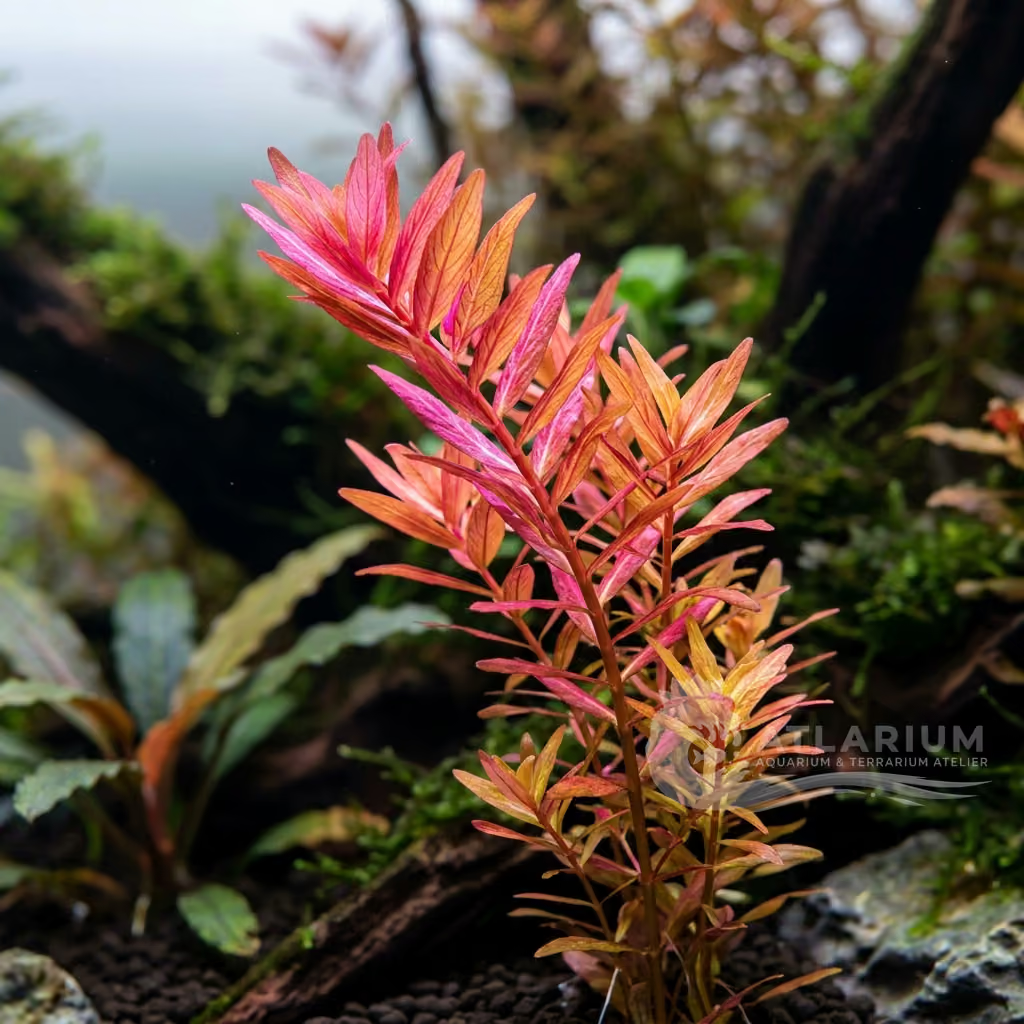
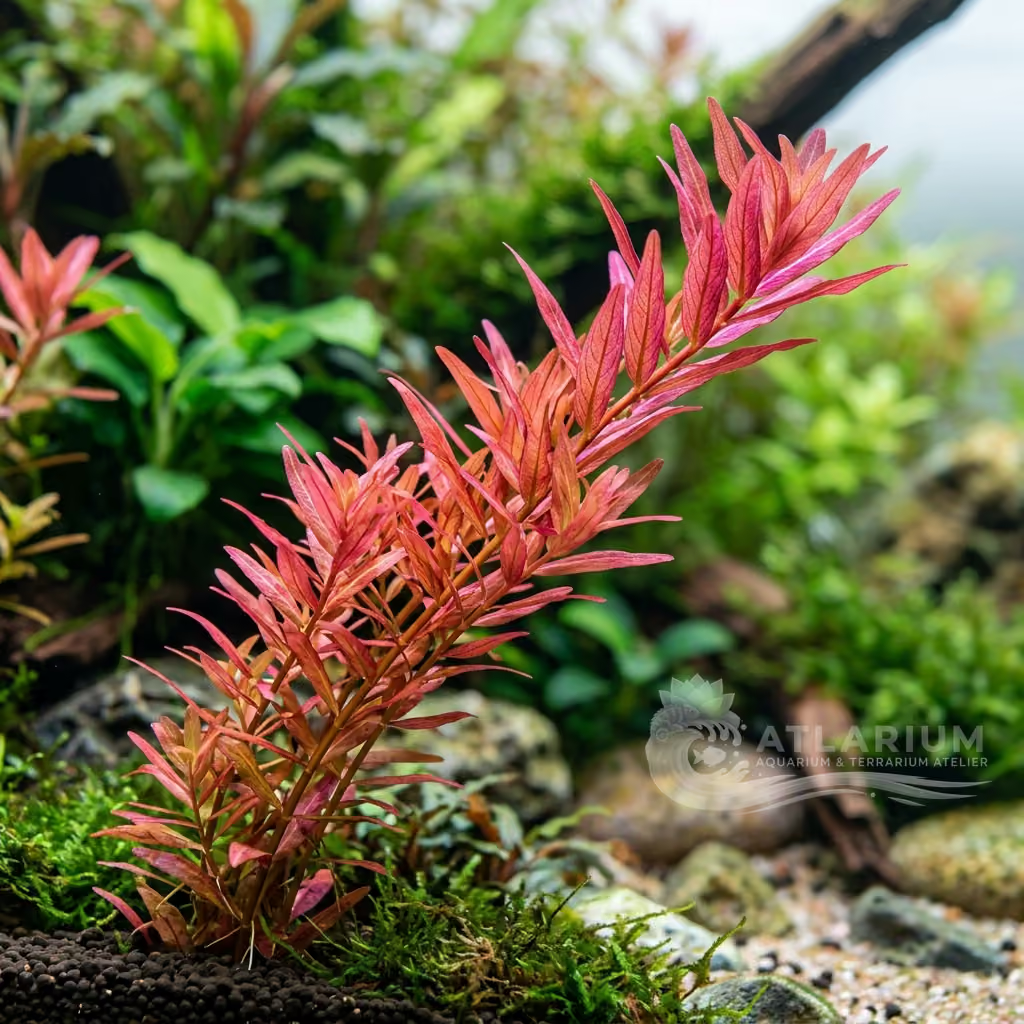
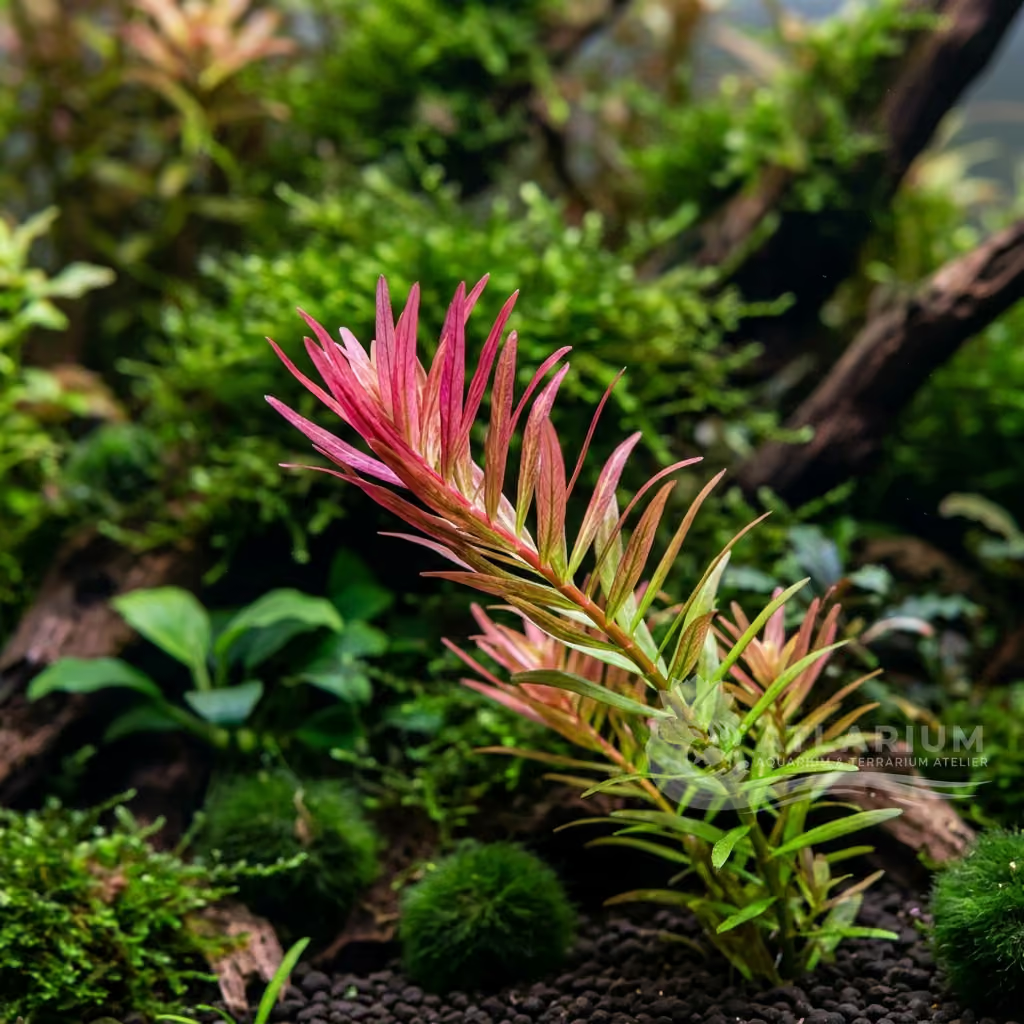
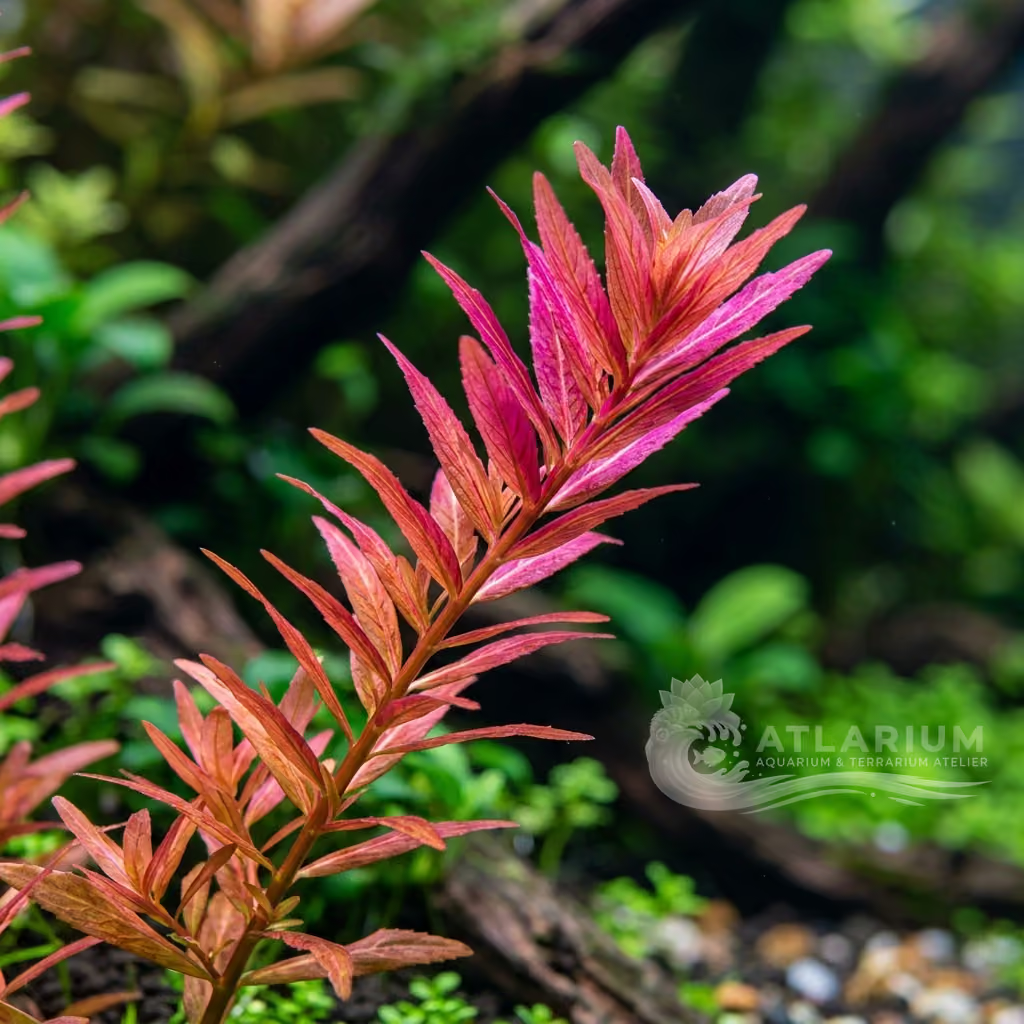
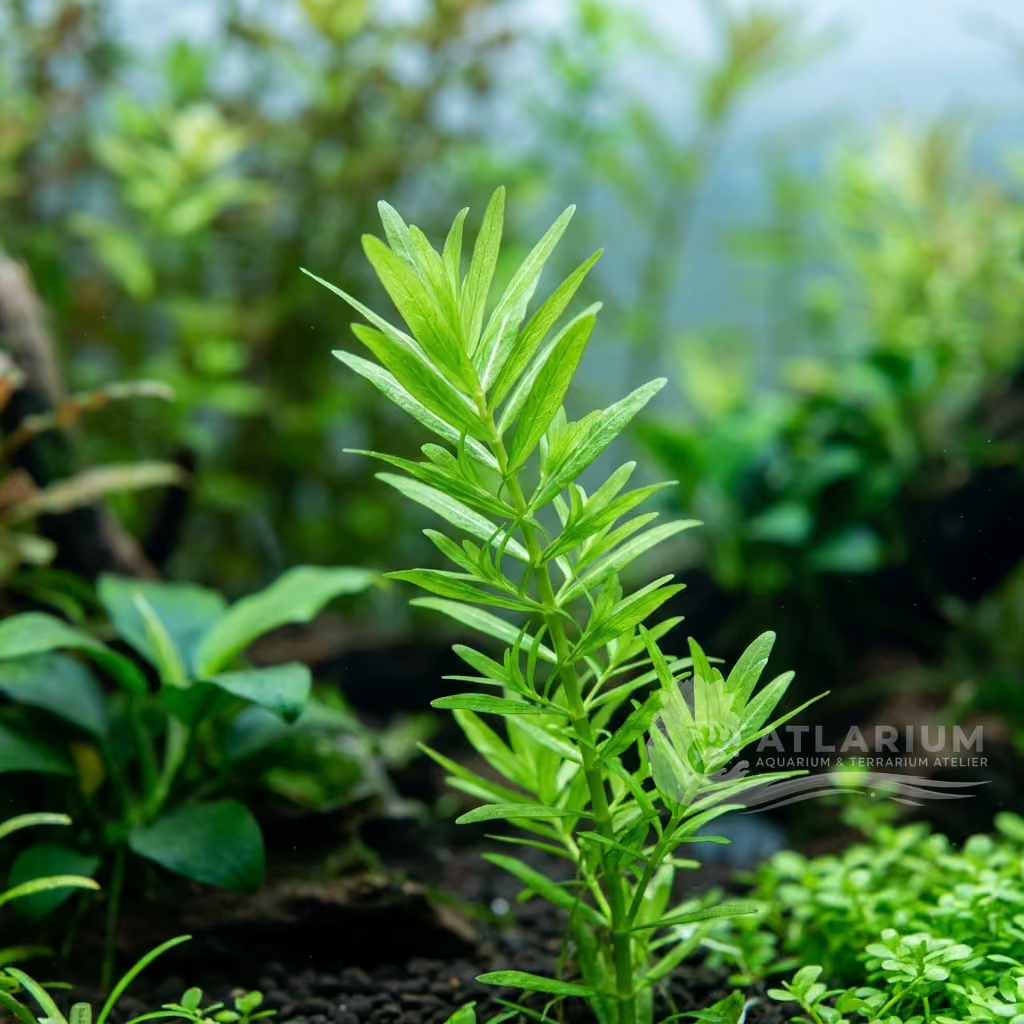
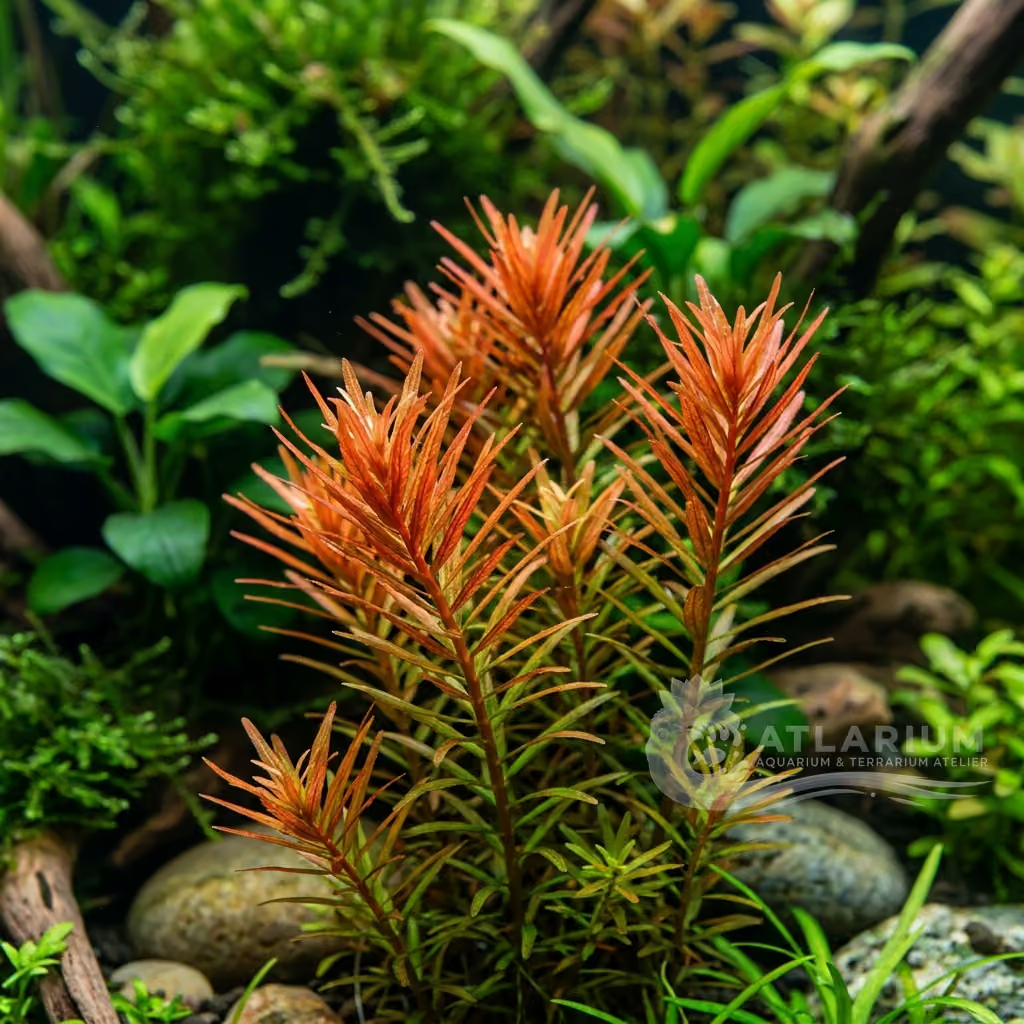
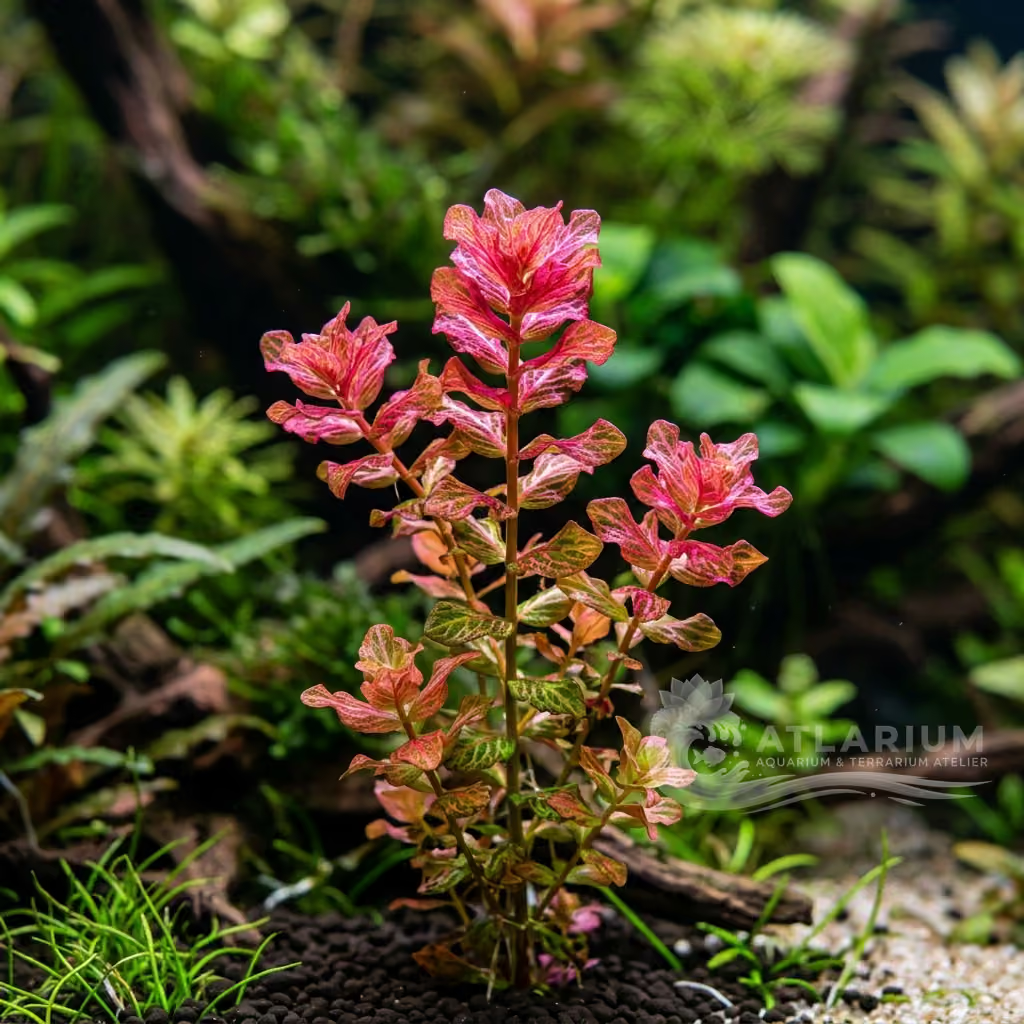
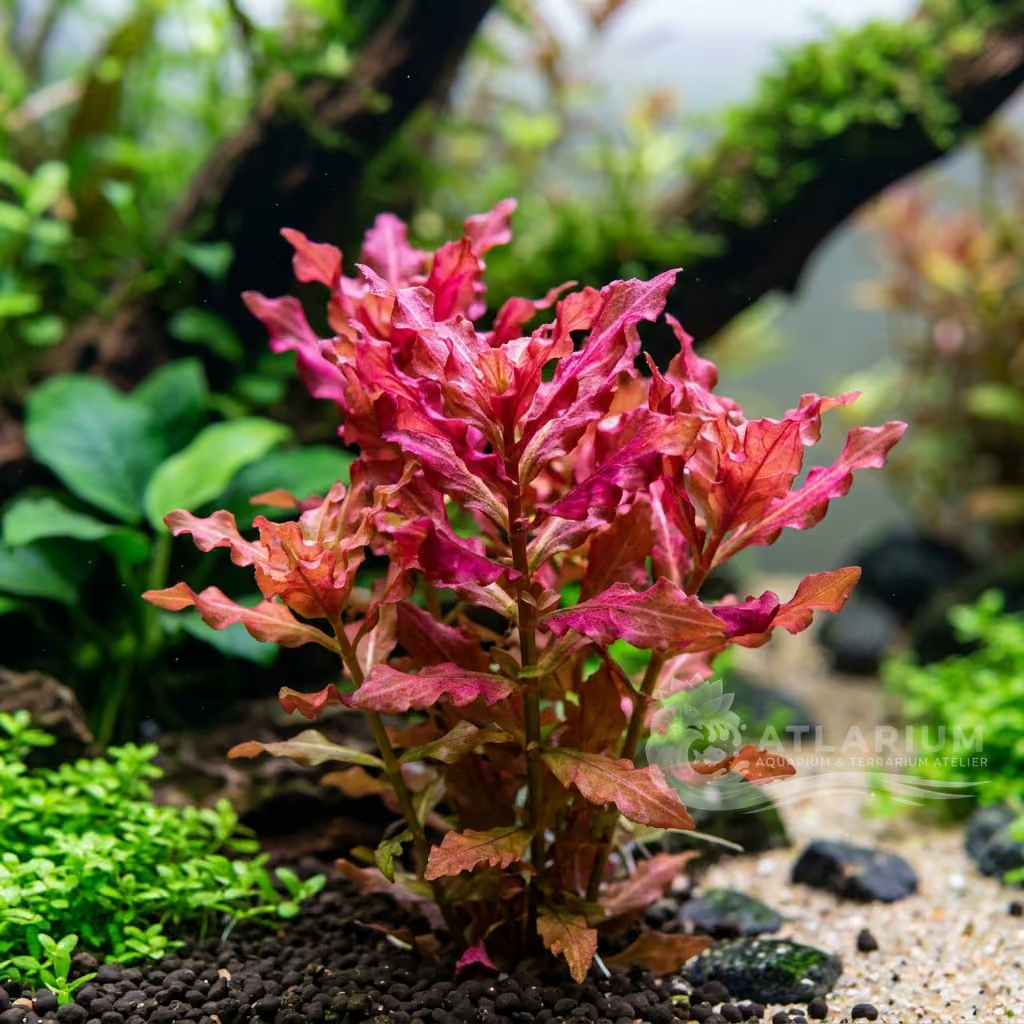
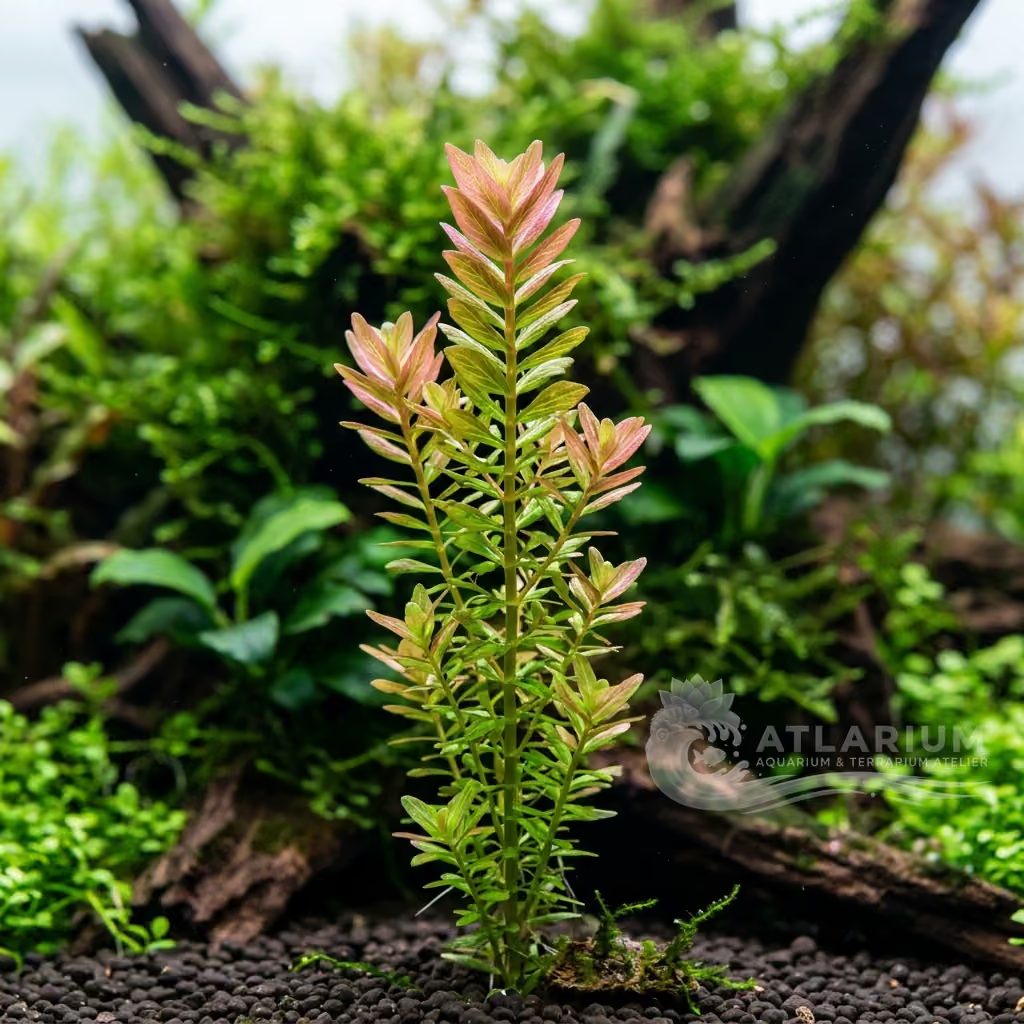
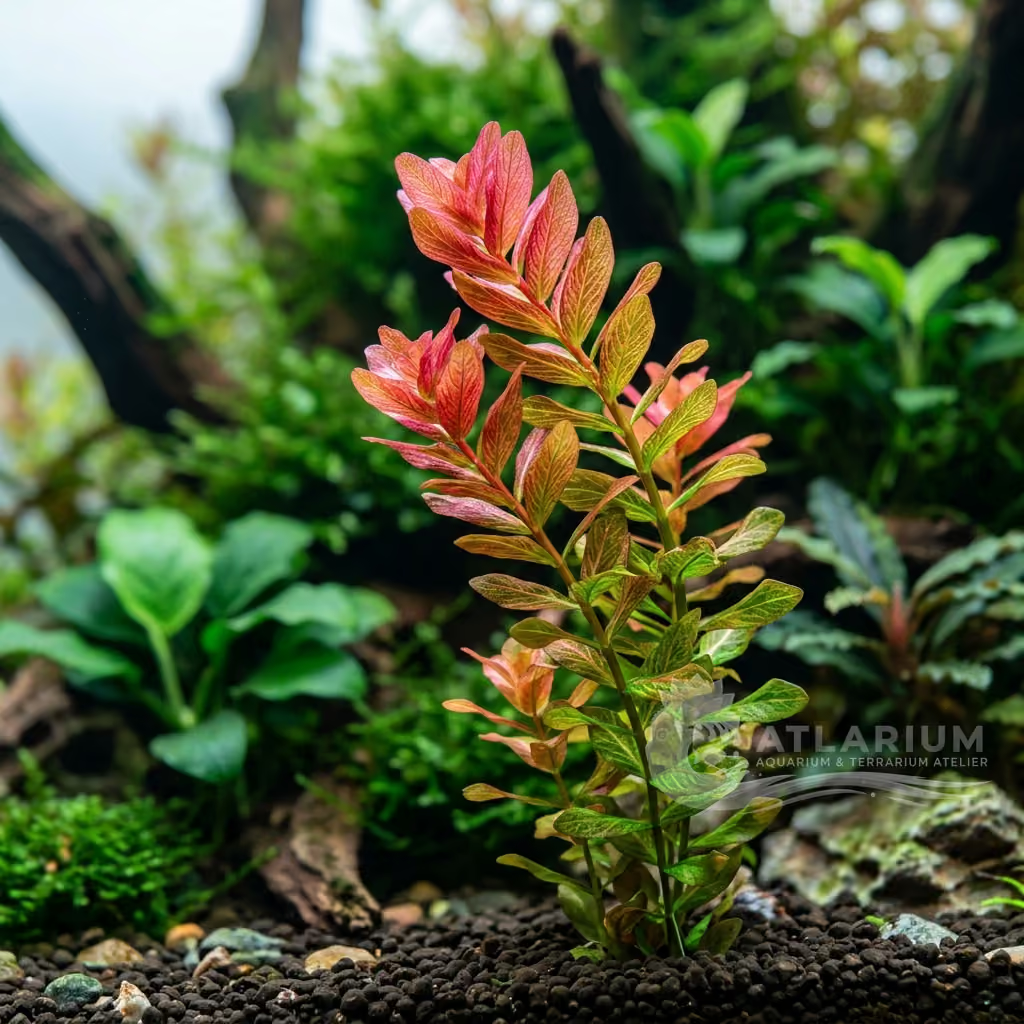
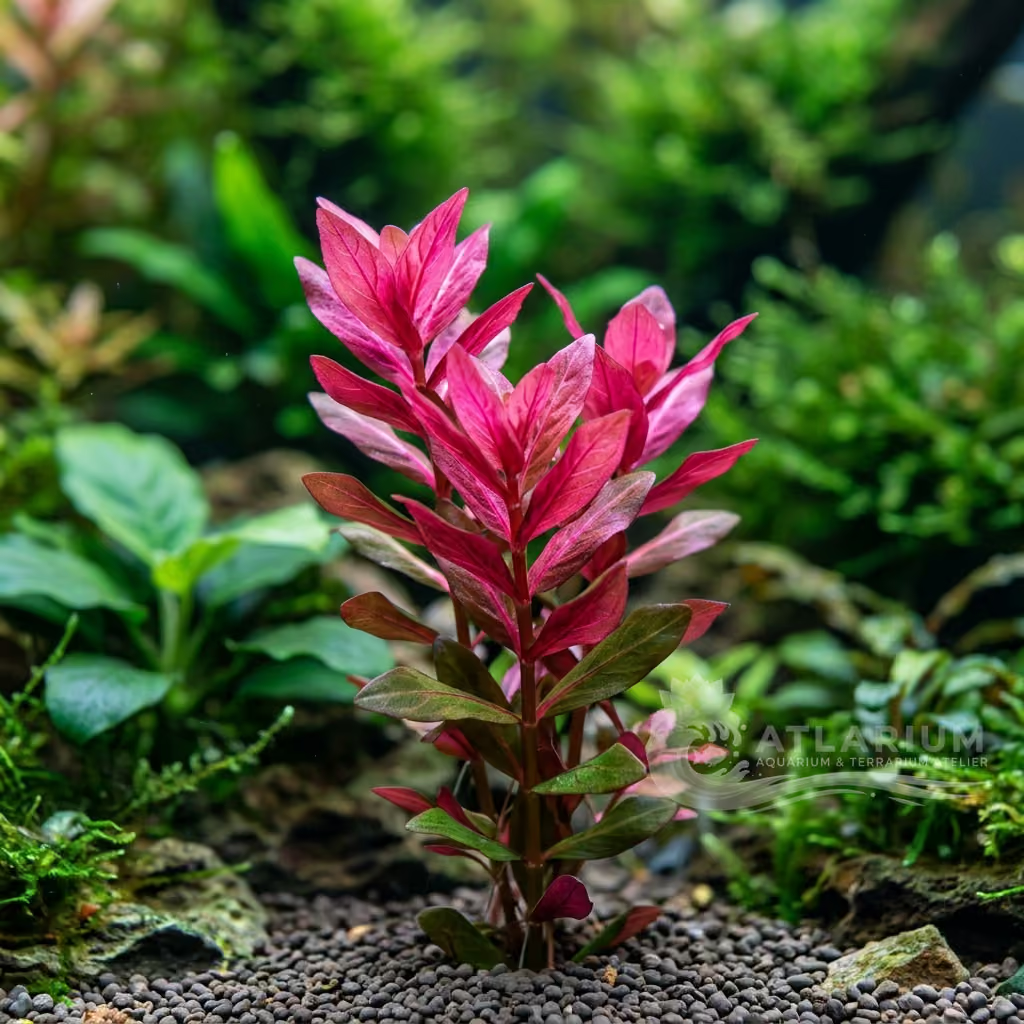
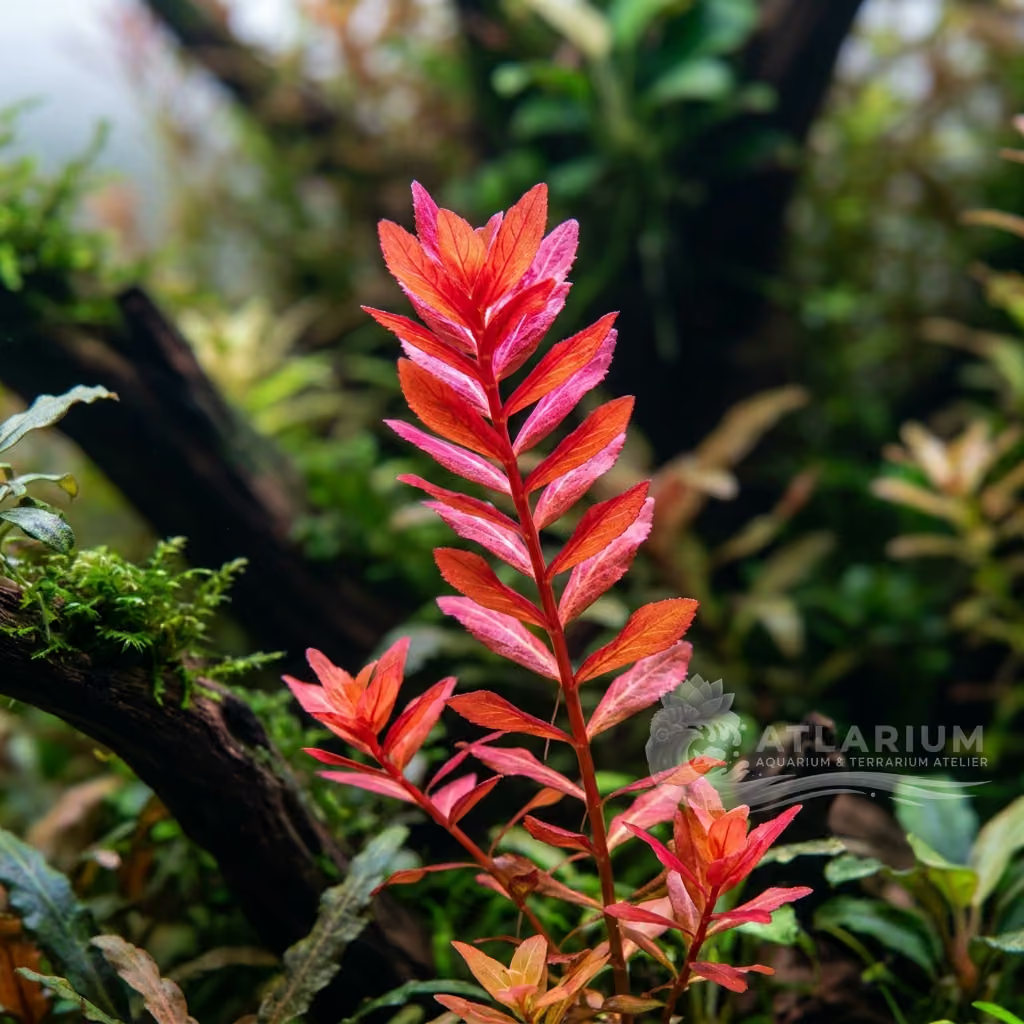
Rotala ramosior is a striking stem plant that, under high light and CO2, develops vivid pink to deep purple coloration. It is an excellent choice for creating dense bushes or colorful focal points in the midground of an aquarium.
Water Temperature
18 - 30 °C
pH Value
4.5 - 7
Water type
Freshwater
Light
High
CO2
High
Expected height
30 cm
Expected width
15 cm
KH
0 - 7 dKH

Species description
Geographical Origin and Habitat: Rotala ramosior is native to the southeastern regions of the United States, where it typically thrives in aquatic and semi-aquatic habitats such as swamps, ditches, ponds, and slow-moving stream banks. This natural environment highlights its adaptability to both submerged and emergent conditions, though it is cultivated for its submerged form in aquariums. Its presence in areas rich in organic matter and often soft, acidic water has shaped its cultural preferences.
Taxonomy & Genetics: Belonging to the Lythraceae family, Rotala ramosior shares the Rotala genus with many other popular aquarium species, all characterized by upright stems and simple leaves. The name "ramosior" is derived from Latin, meaning "more branched," hinting at its tendency to develop numerous lateral shoots. Taxonomically, its classification within the Rotala genus is well-established, and it distinguishes itself from its cousins by the specific size and shape of its leaves, especially the cultivar often sold as "Florida" or "Butterfly."
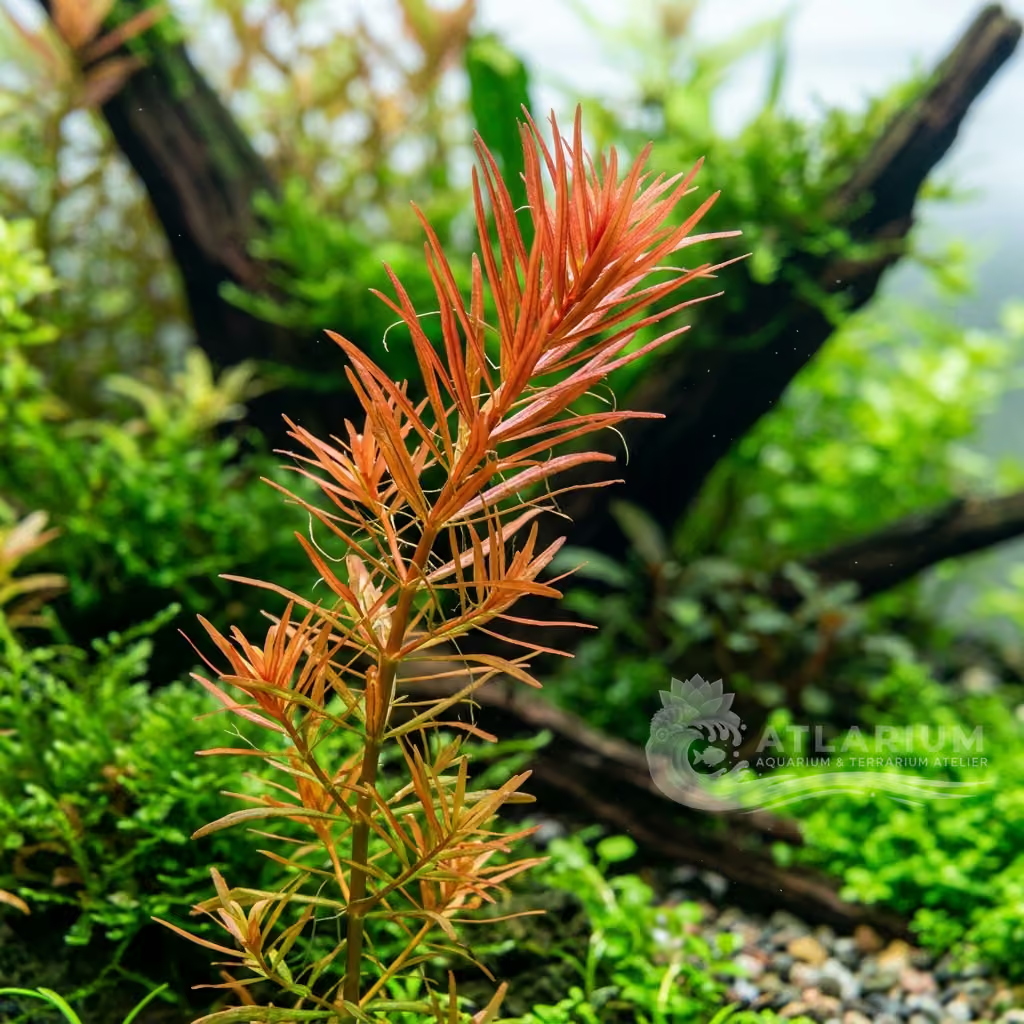
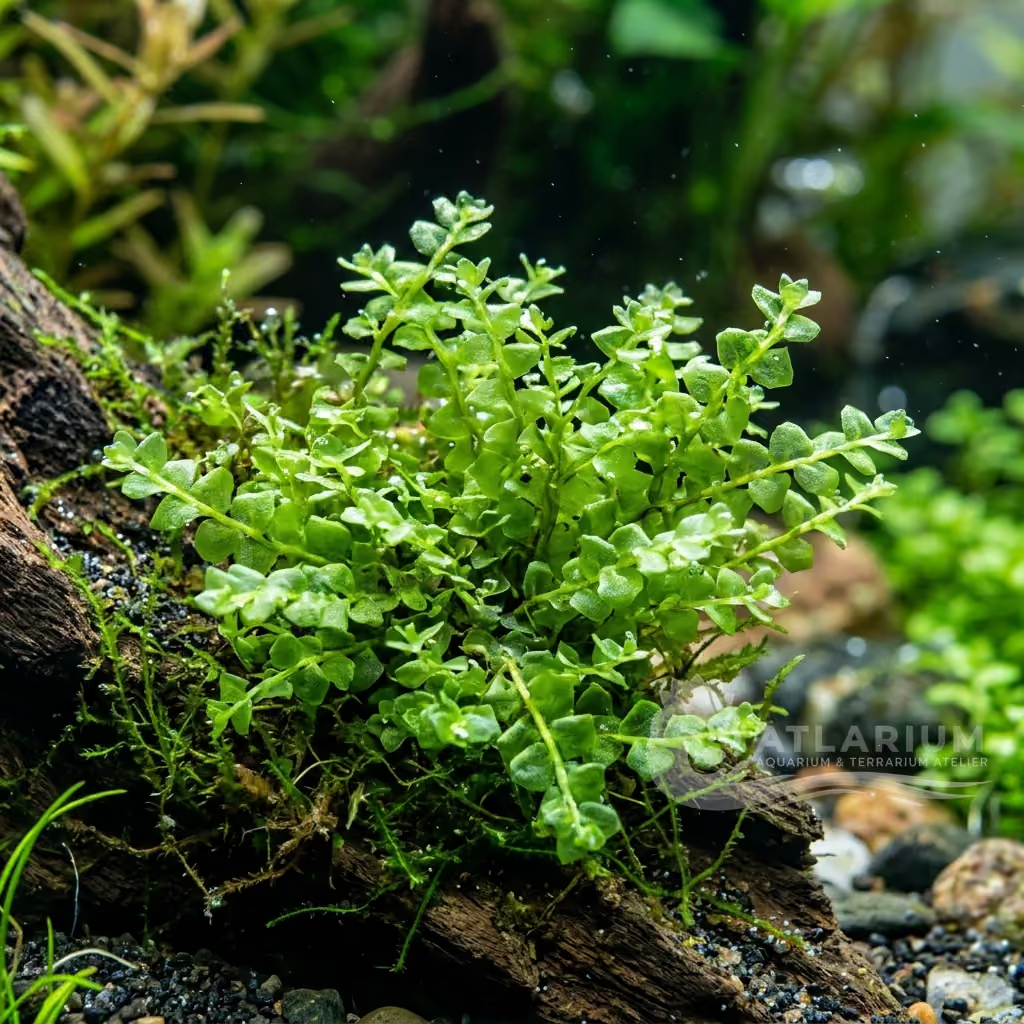
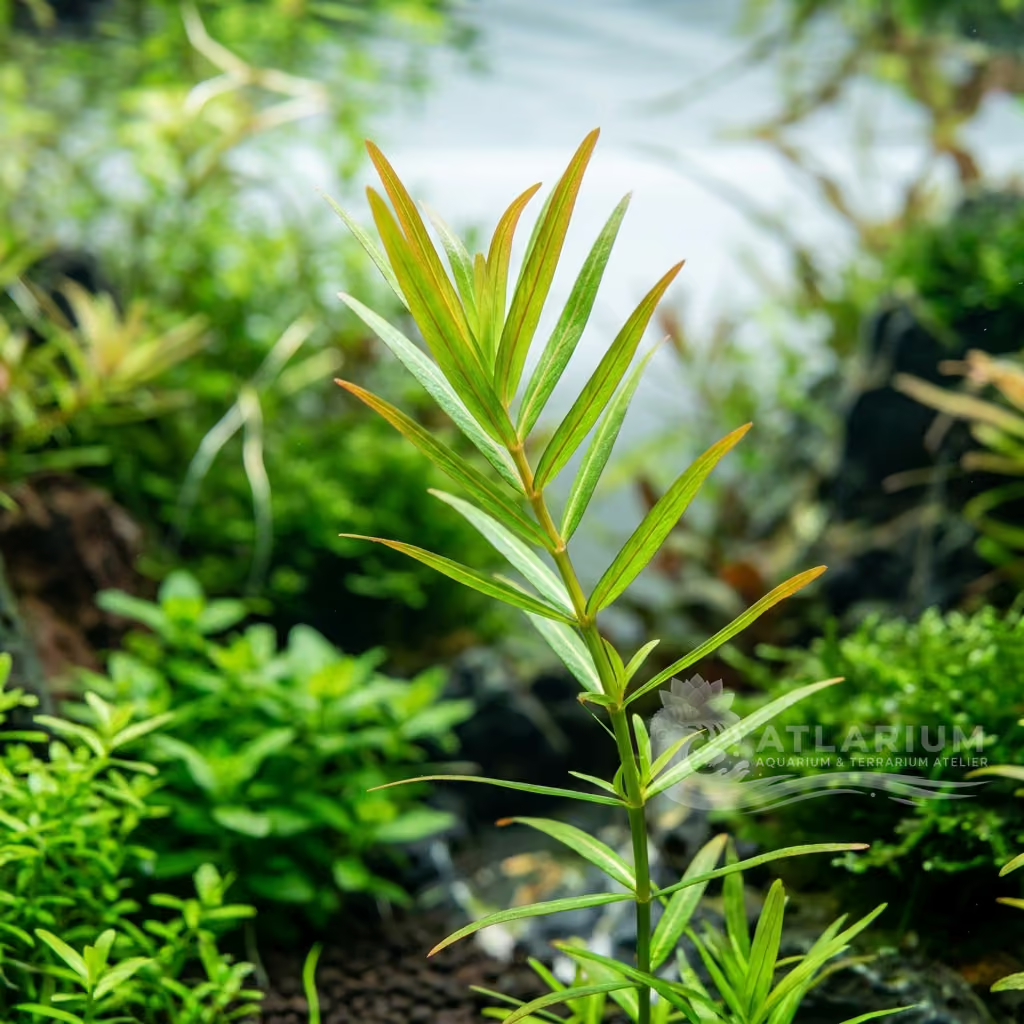
Physical Structure: Rotala ramosior features slender yet robust stems that can reach significant heights, making it suitable even for the background of medium-sized aquariums. The leaves, typically alternate or sub-opposite, are small and oval to spatulate, possessing an elegant shape that sets them apart. Growth is primarily vertical, but with regular pruning and optimal conditions, the plant tends to branch profusely, forming a bushy and dense appearance.
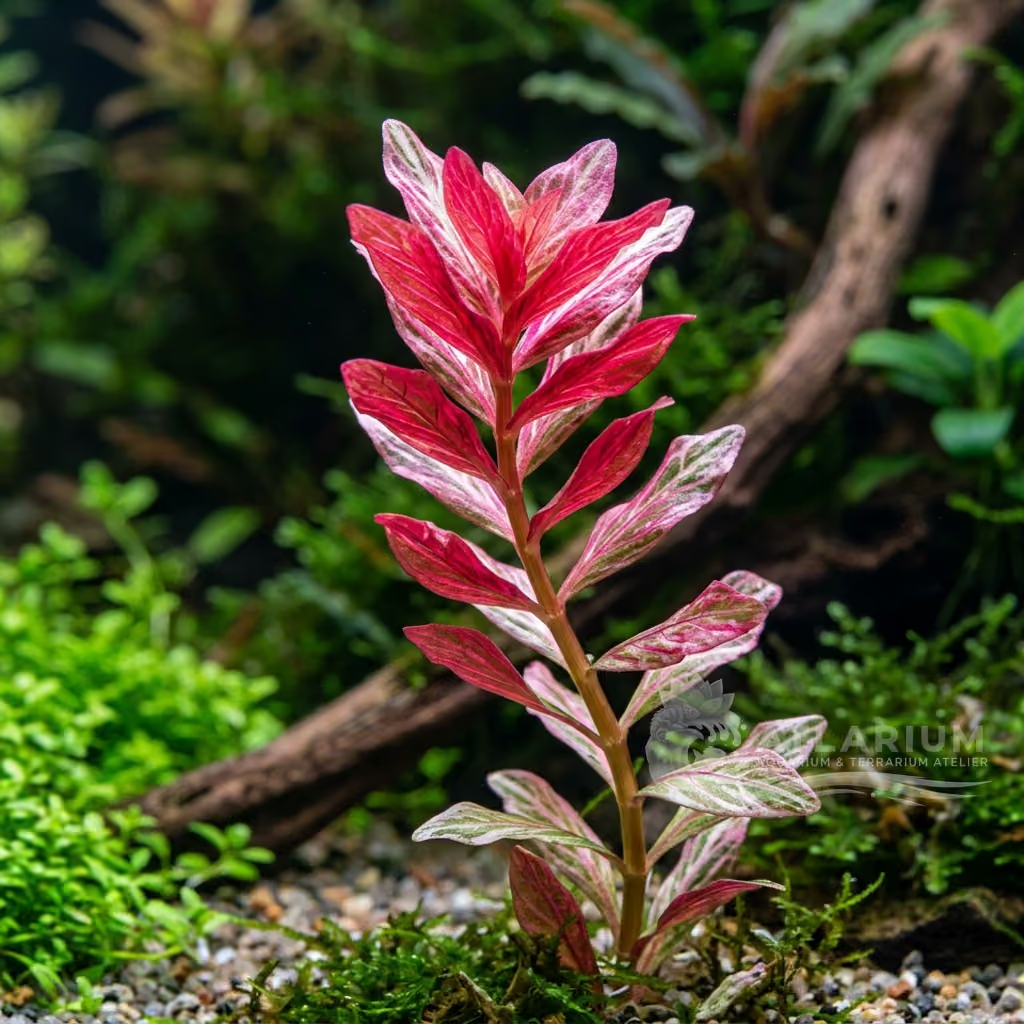
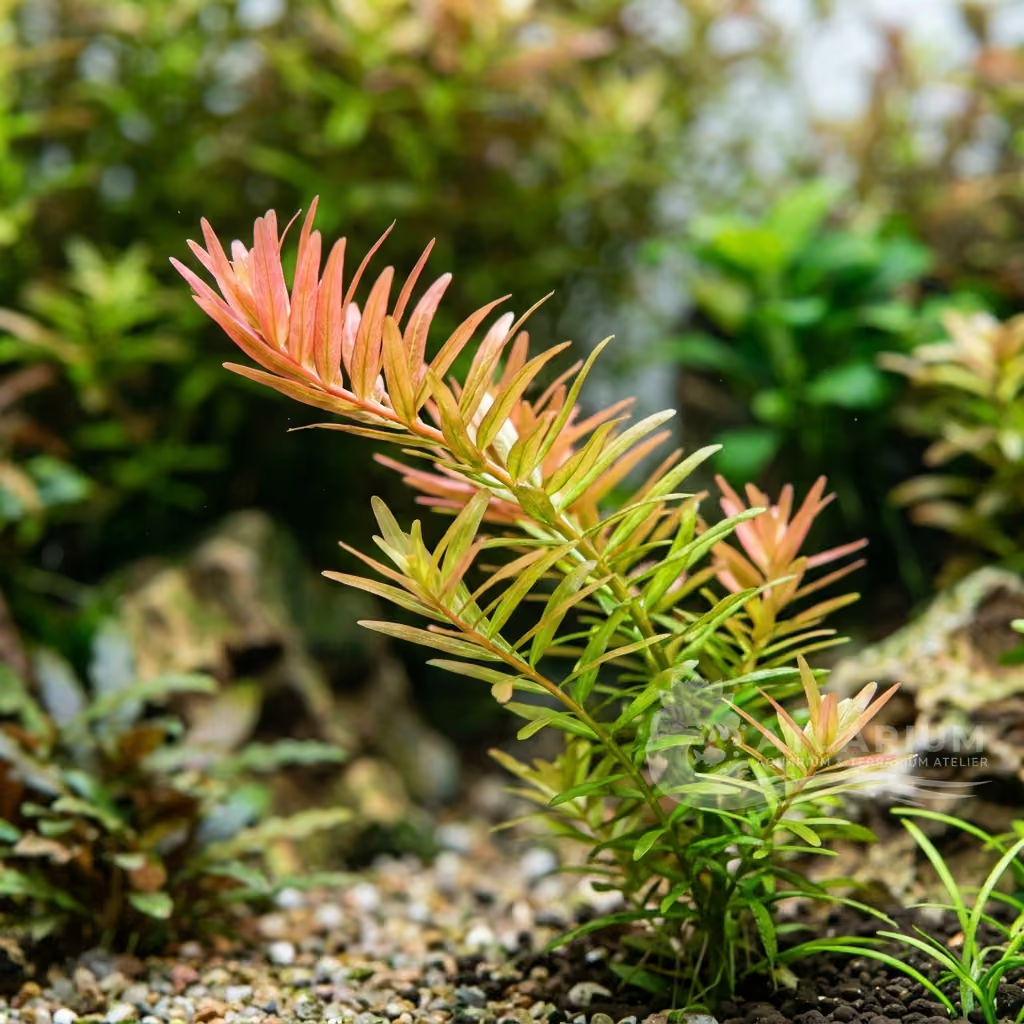
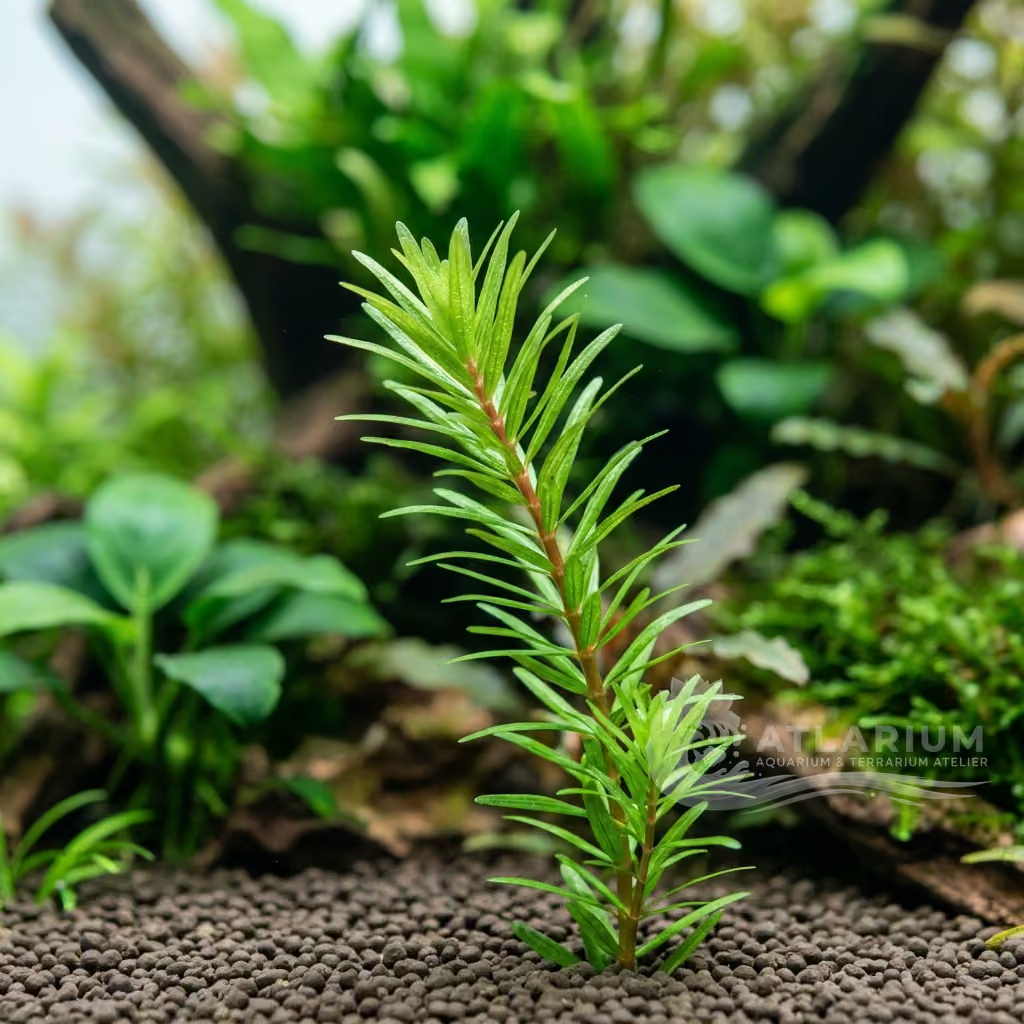
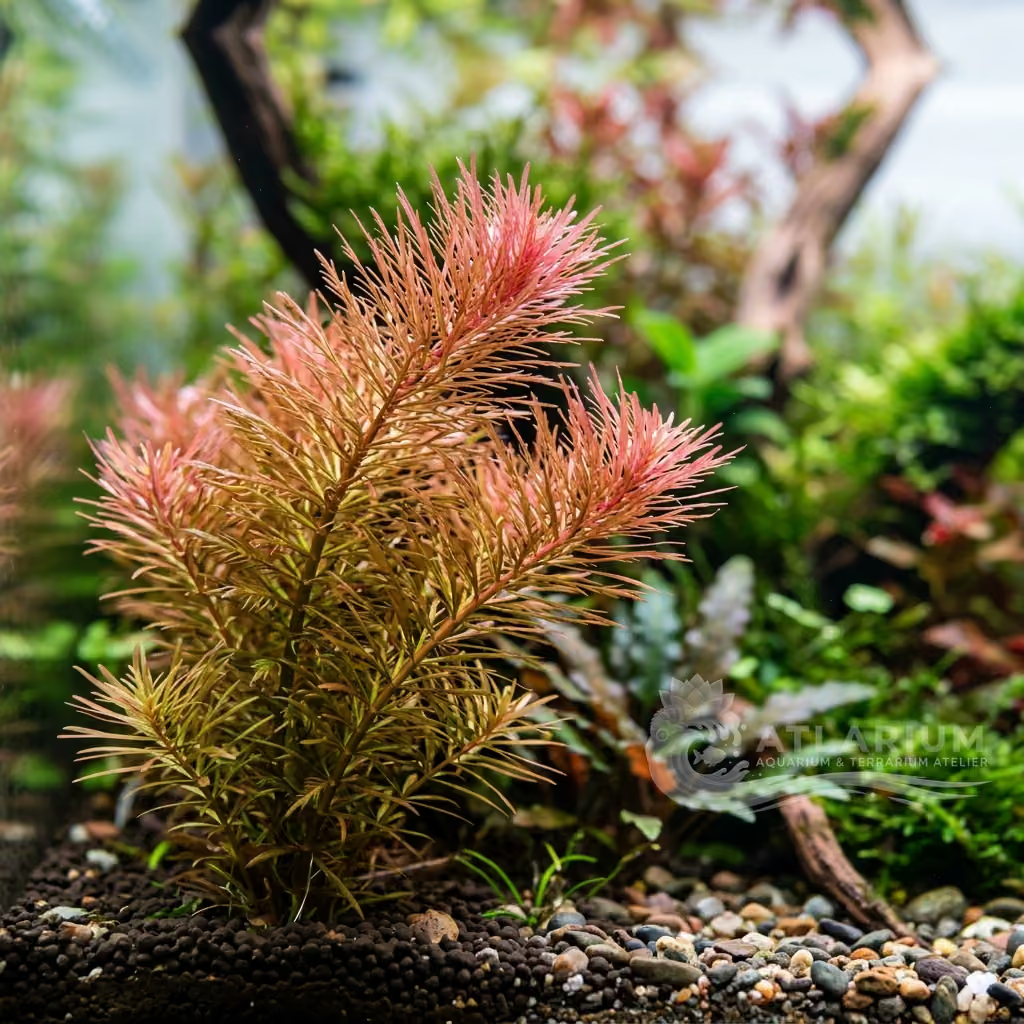
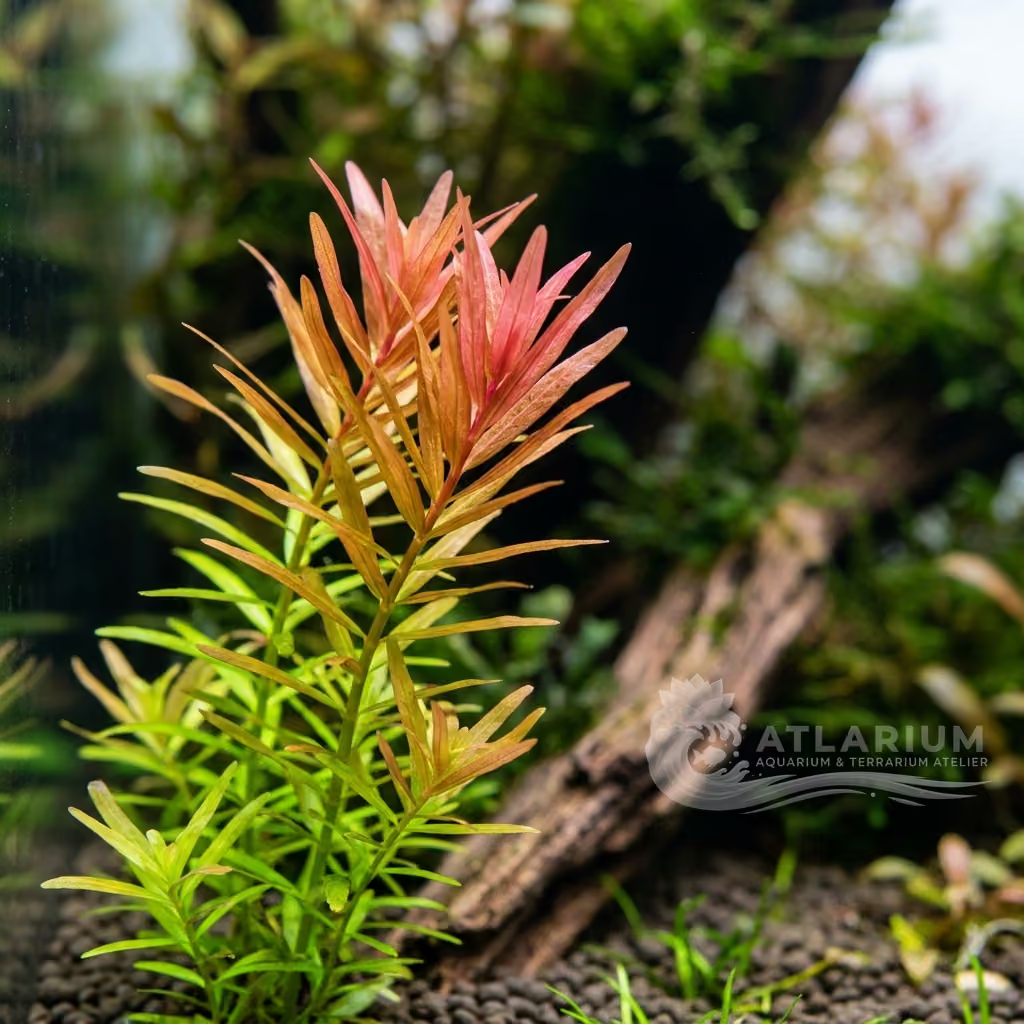
Color & Texture: Under intense lighting and with adequate CO2 supplementation and nutrients, Rotala ramosior displays a magnificent range of colors, from bright pink to crimson red and even deep purple. The leaves maintain a smooth and delicate texture, beautifully contrasting with their vibrant coloration. In insufficient light conditions, the plant tends to remain a pale green and exhibit a more elongated, less compact habit, losing much of its ornamental appeal.

Care, breeding and tankmates
Lighting & CO2: Rotala ramosior is a demanding plant concerning lighting, requiring high light intensity to express its full beauty and reddish coloration. Insufficient light will cause internodes to elongate and result in dull, greenish coloration. CO2 injection is not only recommended but almost indispensable for vigorous growth and to prevent stagnation, promoting efficient photosynthesis and better nutrient absorption.
Nutrition & Substrate: For optimal growth and vivid coloration, Rotala ramosior greatly benefits from a complete liquid fertilization that includes both macro and microelements. Particular attention should be given to iron and nitrates, as they are crucial for the intensity of the red color. While not strictly a root-feeding plant, a fertile substrate or the addition of root tabs near the roots can contribute to more robust development and better initial rooting.
Water Chemistry: Rotala ramosior thrives in soft, slightly acidic water, with an ideal pH range between 4.5 and 7.0 and a carbonate hardness (KH) between 0 and 7. Water that is too hard or alkaline can hinder nutrient absorption and slow growth. Water temperature should be maintained between 18°C and 30°C, ensuring a warm and stable environment that promotes the plant's metabolic health.
Space Management & Placement: Due to its vertical growth and branching tendency, Rotala ramosior is ideal for midground placement, where it can form dense, colorful bushes. It is important to plant it in groups to achieve maximum visual impact, but still leaving enough space between stems to allow light to penetrate to the base and prevent rot. In larger aquariums, it can also be used as a background plant to create interesting contrast with other green species.
Pruning: Regular pruning is essential to keep Rotala ramosior in shape and to encourage bushier, more compact growth. Without pruning, the plant tends to grow tall, losing its lower leaves and becoming less attractive. Trimming the stem tips stimulates the production of new lateral shoots, transforming the plant from a group of individual stems into a dense, vibrant bush.
Risks & Diseases: Rotala ramosior is susceptible to nutrient deficiencies, which can manifest as discolored leaves, stunted growth, or holes. Like many stem plants, it is also a sensitive indicator of imbalances in the system, such as CO2 deficiency or insufficient light, which can lead to algal proliferation on its delicate leaves. "Melting" of lower leaves may indicate deficiencies or insufficient water circulation.

Geographic origin and distribution
Rotala ramosior is native to the southeastern regions of the United States, where it typically thrives in aquatic and semi-aquatic habitats such as swamps, ditches, ponds, and slow-moving stream banks. This natural environment highlights its adaptability to both submerged and emergent conditions, though it is cultivated for its submerged form in aquariums. Its presence in areas rich in organic matter and often soft, acidic water has shaped its cultural preferences.
Origin
North America

Plant profile
- Placement
- Midground
- Due to its striking appearance and thick, straight stems, it is best placed in the midground as a strong focal point. It grows strictly upright without branching much, making it ideal for creating bold, vertical structural lines in an aquascape. It should be planted where it will not be overshadowed, as it requires intense, direct illumination to thrive.
- Botanical form
- Stem
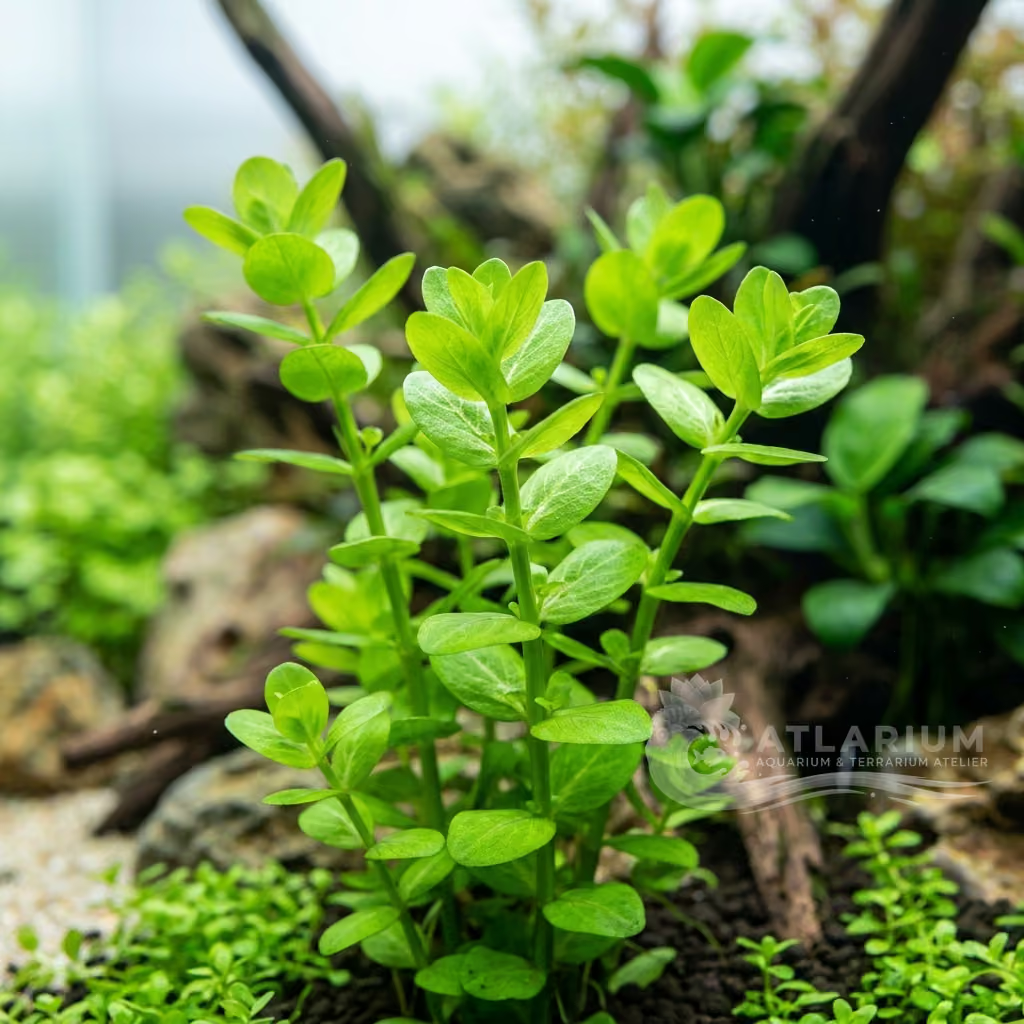
- This species stands out with its uncharacteristically thick, fleshy stems and broad, oval-shaped green leaves. The leaves grow in opposite pairs and have a sturdy, rigid texture that contrasts sharply with finer-leaved Rotala varieties. Under very strong light, the tips and margins of the leaves can develop a slight reddish or purplish blush.
- Growth
- Medium
- Compared to other stem plants in the Rotala genus, Rotala ramosior grows at a relatively slow to moderate pace. Its energy is directed into producing exceptionally thick stems and large leaves rather than rapid vertical elongation. This slower growth rate makes it easier to manage and means it requires much less frequent trimming than typical stem plants.
- Substrate
- Low
- Rotala ramosior is relatively undemanding regarding its substrate and can establish well in both basic aqua soils and inert gravels with adequate water column fertilization. Its roots primarily serve an anchoring function, keeping the plant steady against water currents, while also absorbing baseline nutrients. A minimal substrate depth of 3 to 4 centimeters is generally enough to maintain secure rooting and healthy stem development.
- Column fertilization
- Recommended
- A comprehensive liquid fertilization routine is mandatory, as this demanding plant heavily relies on dissolved nutrients. It requires a significant and stable level of CO2 (30-40 ppm) to facilitate the rapid uptake of nutrients needed for its robust structure. Inadequate column feeding will quickly result in stunted growth and the shedding of its lower leaves.
- Root fertilization
- None
- Providing a nutrient-rich, active aquasoil is highly beneficial and supports the development of a strong root system necessary to anchor its heavy stems. While column feeding is critical, supplementary root feeding with high-quality root tabs can provide an extra boost of essential minerals. A healthy substrate environment is key to helping the plant recover from trimming and environmental stress.
- Trimming
- Occasional
- Trimming must be done with sharp, heavy-duty scissors due to the sheer thickness of the stems. It is best to top the plant and replant the healthy crowns, as the lower, thicker woody portions can be slow to produce new side shoots. Regular replanting of the tops ensures the group remains visually appealing and prevents the lower stems from looking bare.
- Propagation
- Cuttings
- Propagation is achieved by taking stem cuttings from the healthy upper portions and carefully planting them in a deep substrate. Because the stems are thick, they require a sufficiently deep soil layer to be anchored securely. Cuttings may take slightly longer to root than faster-growing Rotala species, but they will eventually establish and resume upright growth.
- Sensitivity
- Moderate
- Rotala ramosior is considered a difficult and sensitive plant that requires stable, high-tech conditions. It is intolerant of poor water flow, low light, or fluctuating CO2 levels, which will quickly lead to melting. It thrives in soft, acidic water and is highly susceptible to algae growth if organics are not kept in check.
- Layout role
- Midground, Background
- Its rigid, upright growth and thick structure make it a unique and valuable accent plant in Dutch and nature aquarium styles. It provides excellent contrast when placed next to fine-leaved or bushy plants, drawing the eye with its bold form. It is often planted in small, neat groups to create a strong vertical element in the aquascape's midground.

Related species
Recommendations grouped by close relatives, companion choices, and similar care.