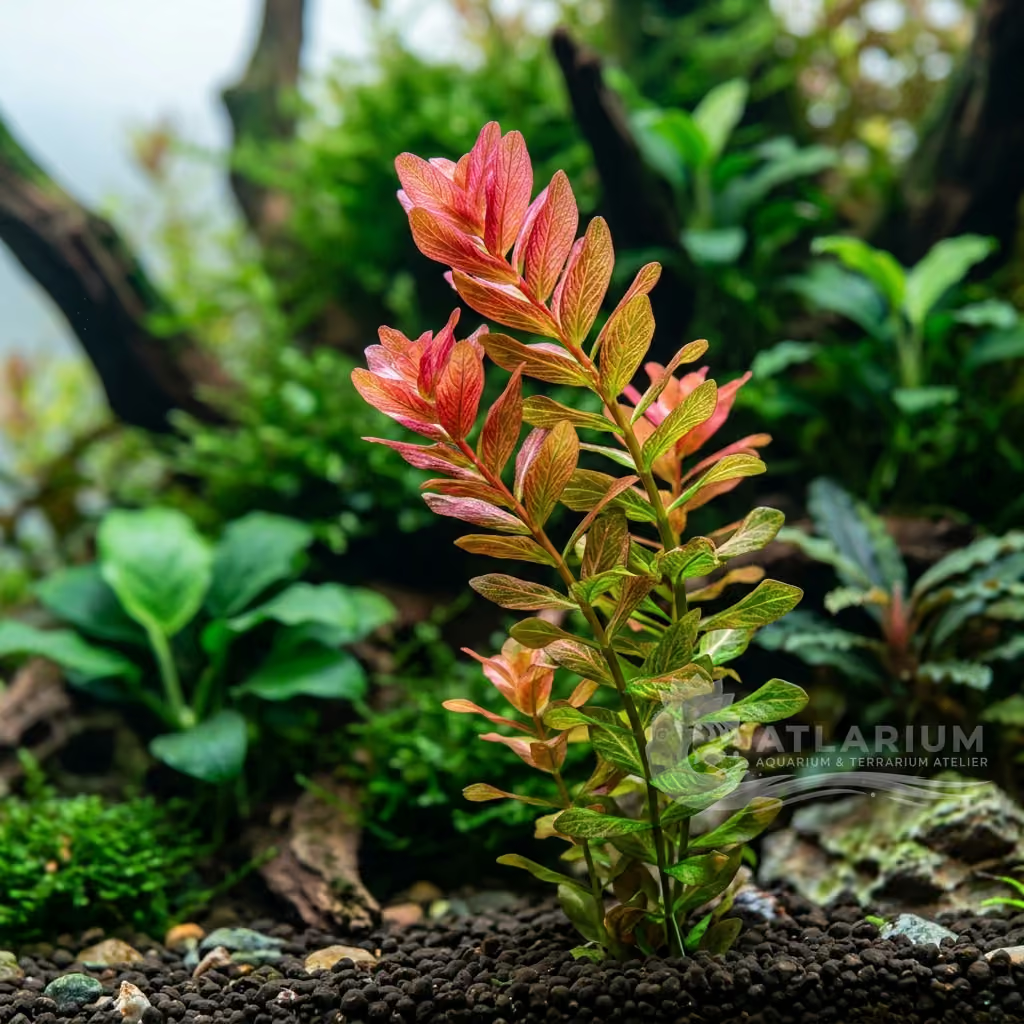
Rotala macrandra 'Wavy'
Rotala macrandra
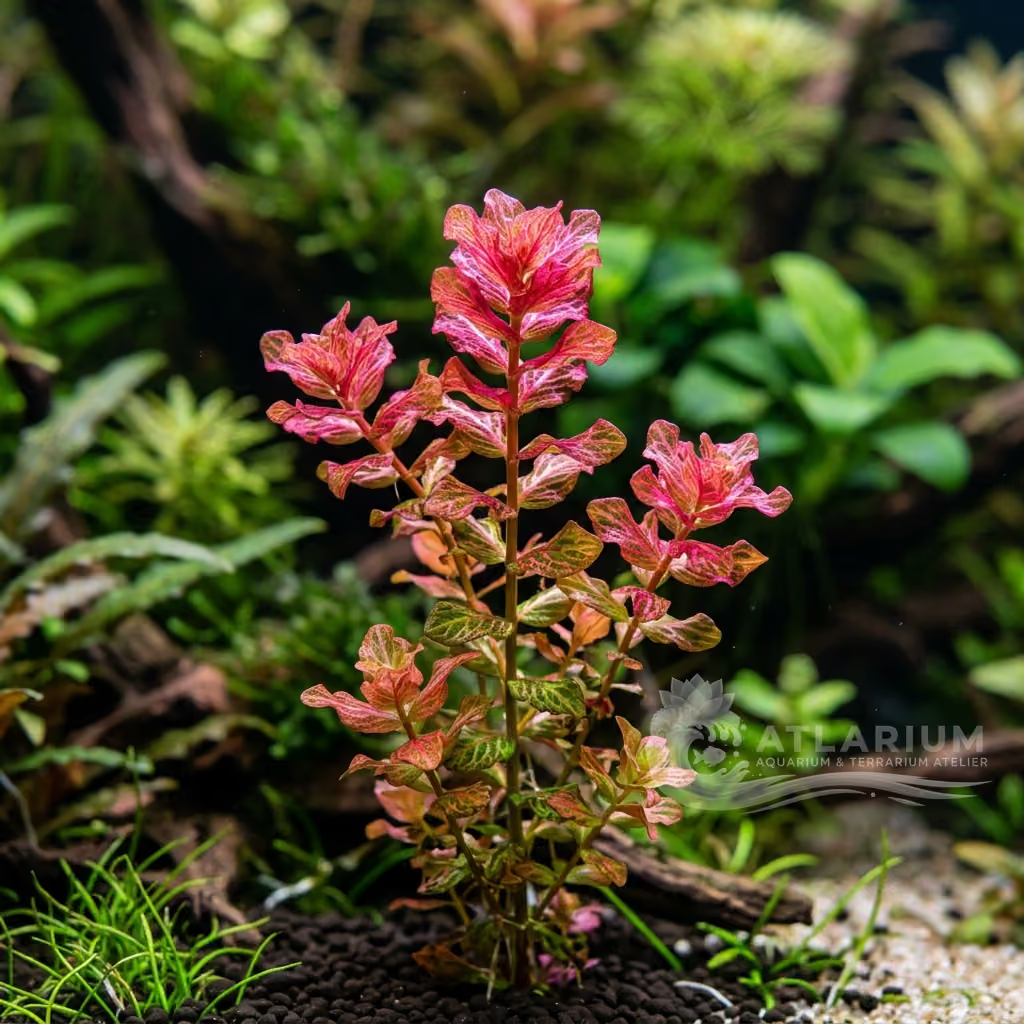
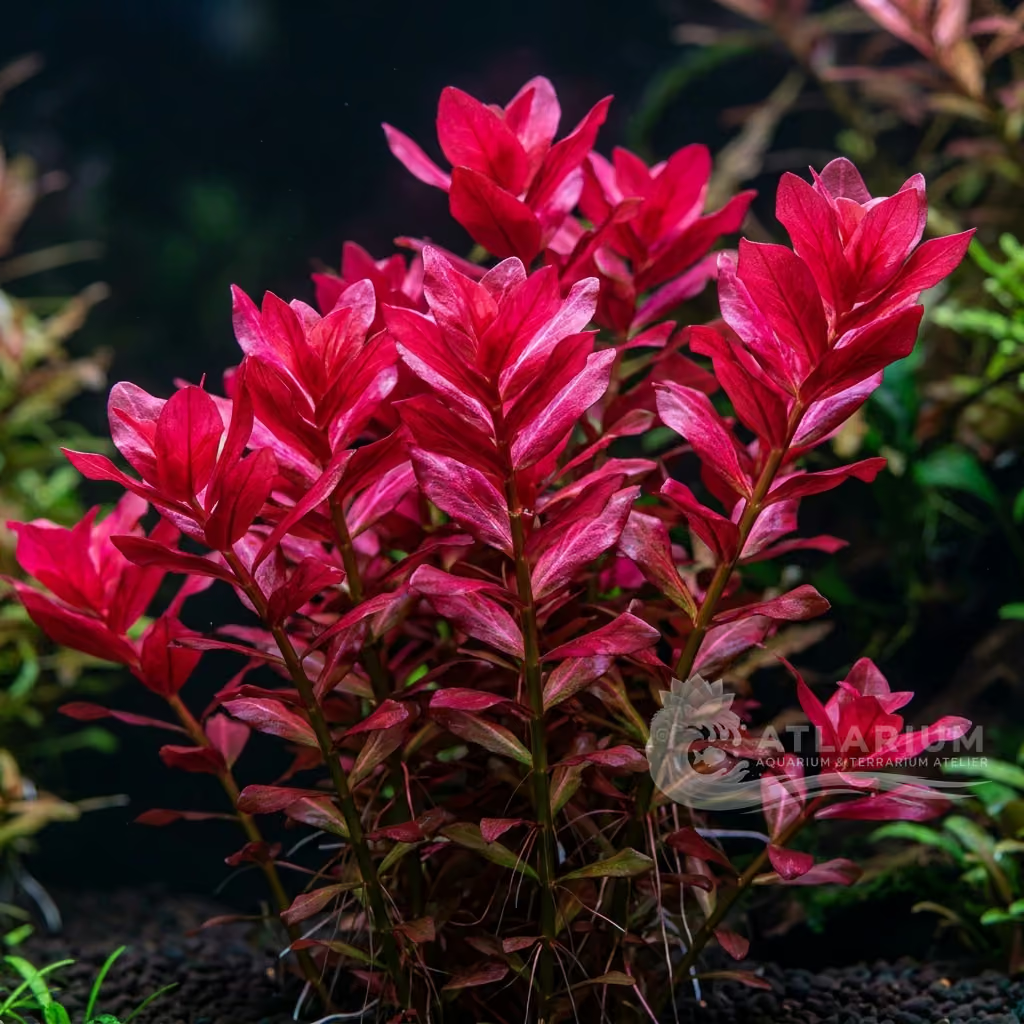
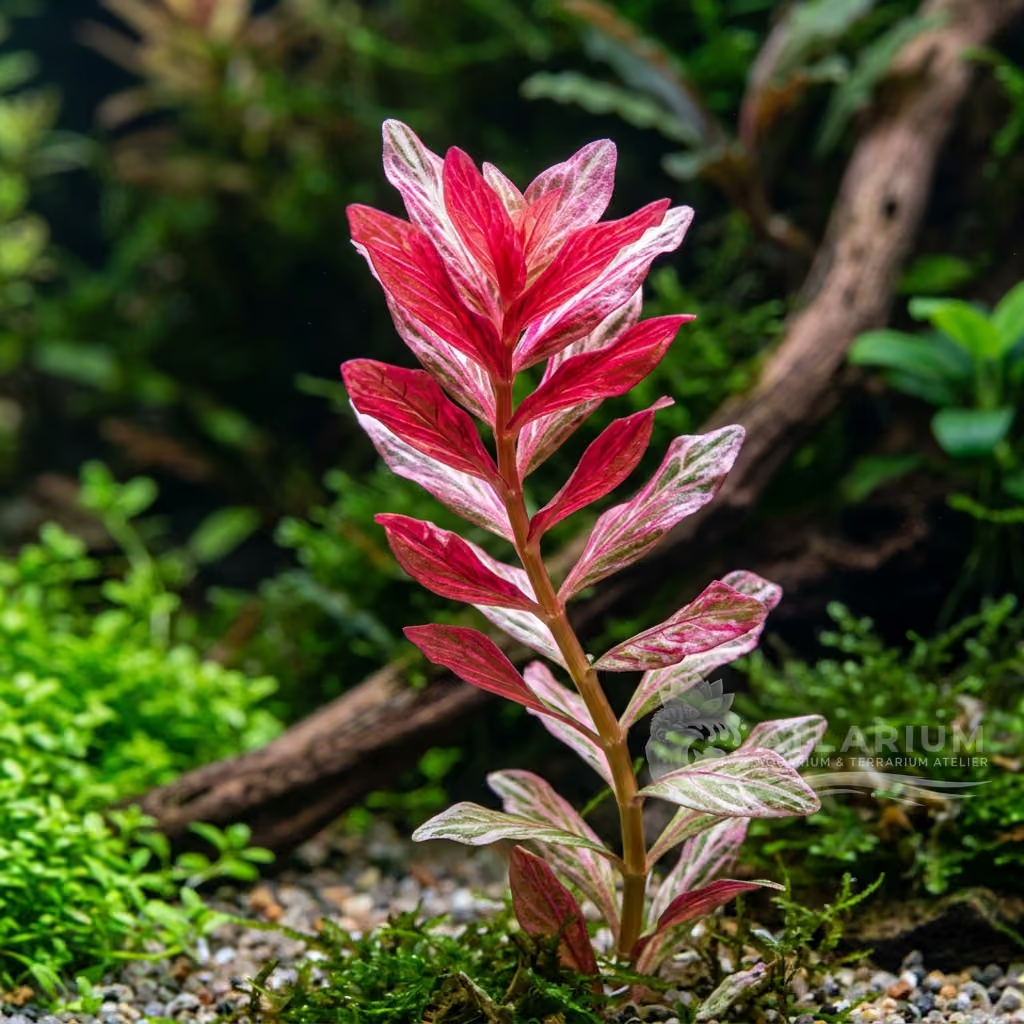
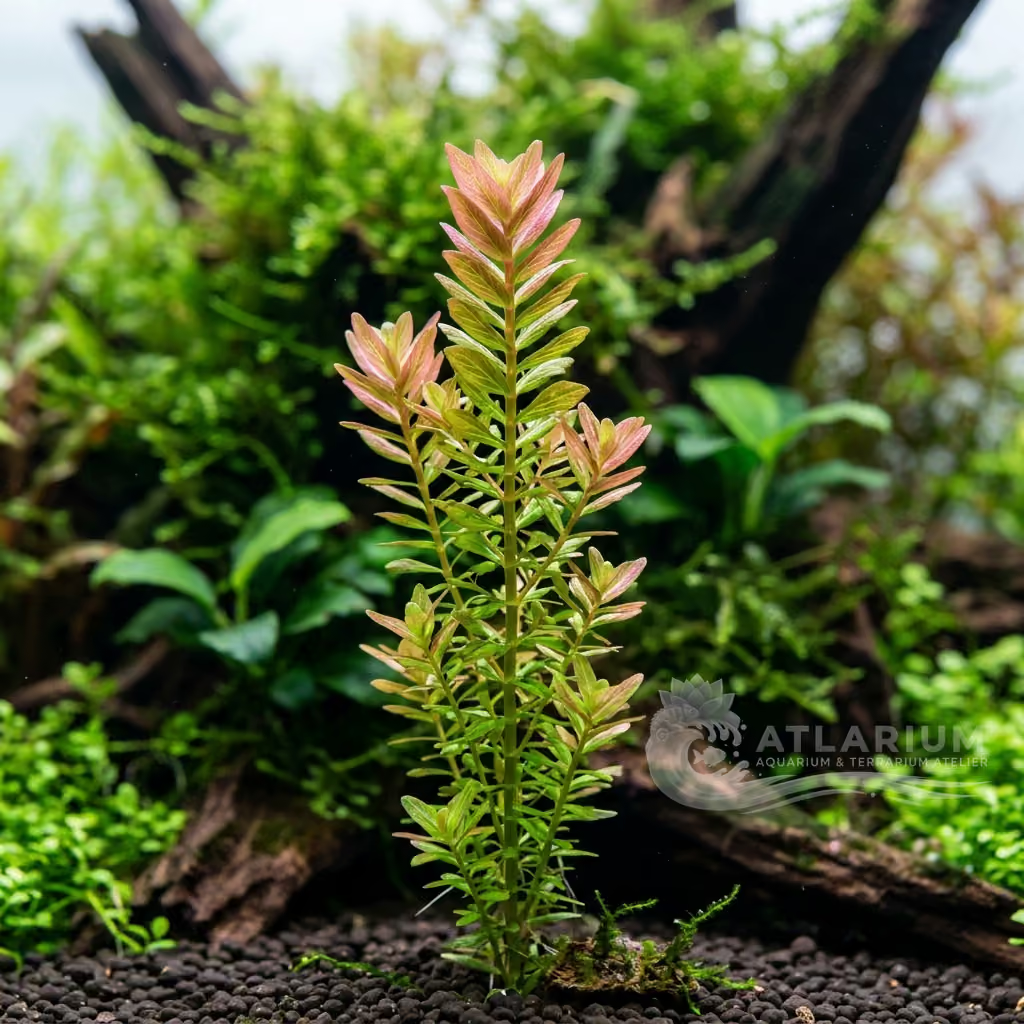
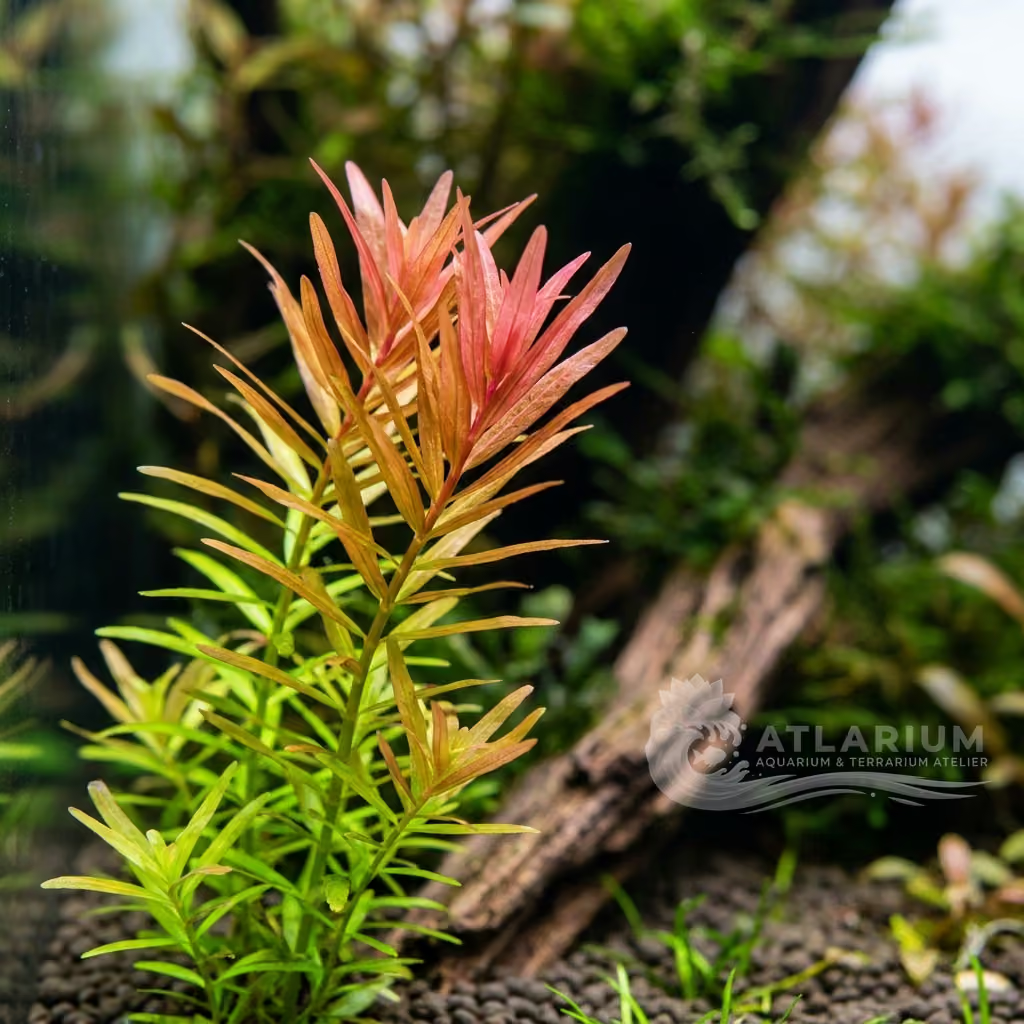
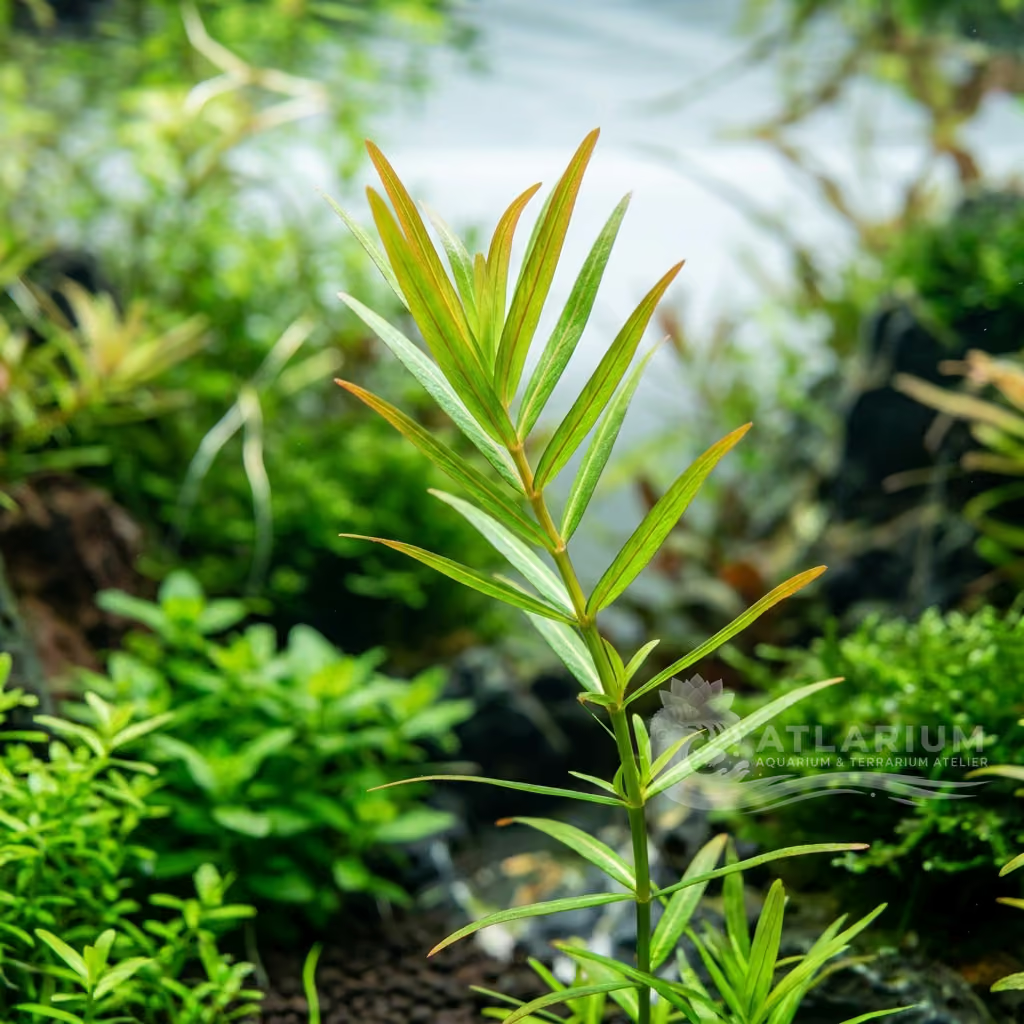
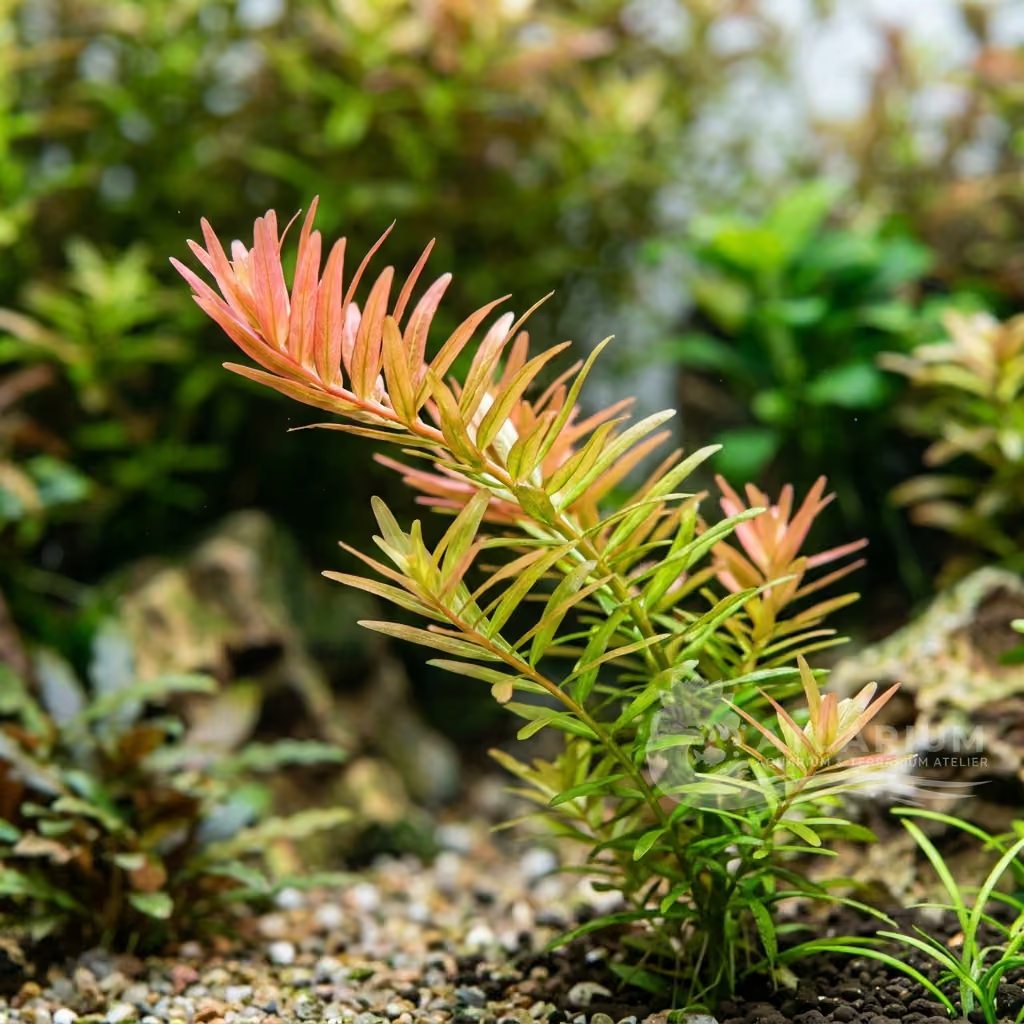
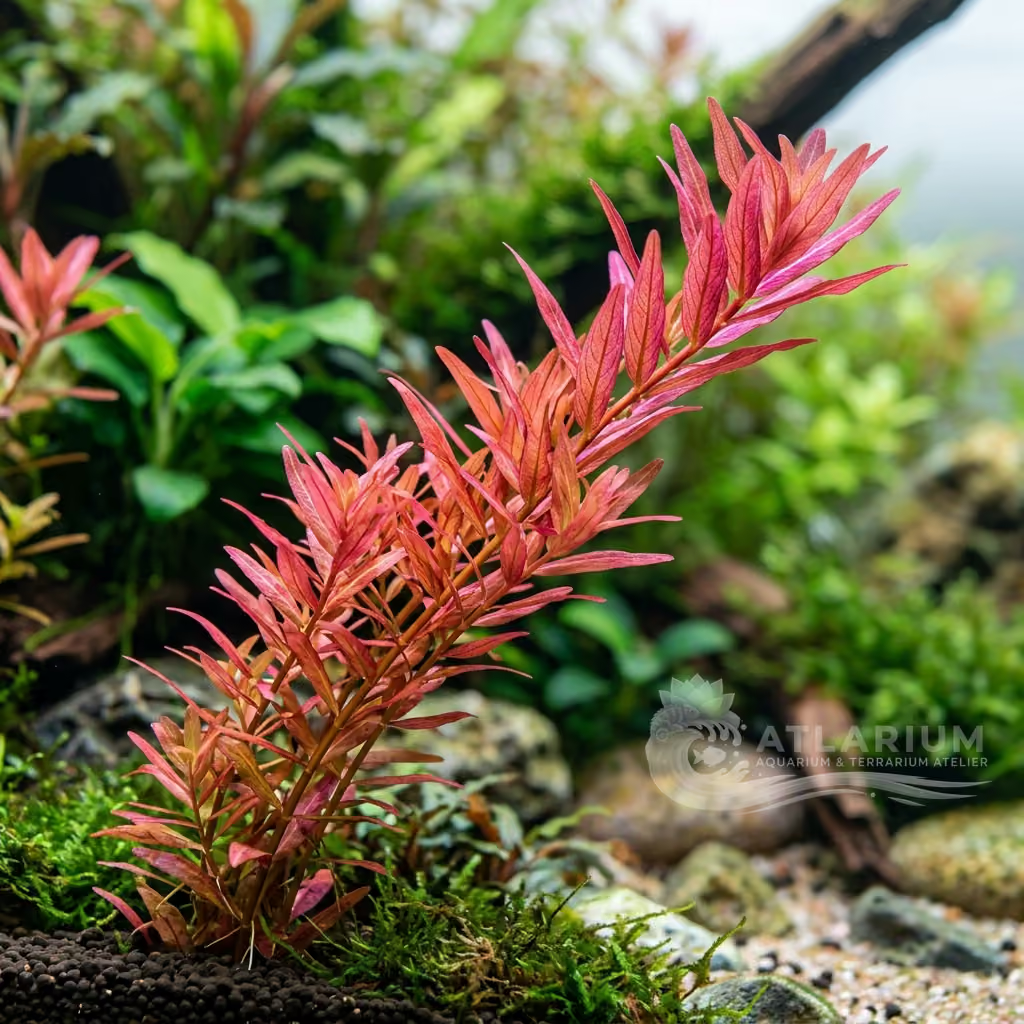
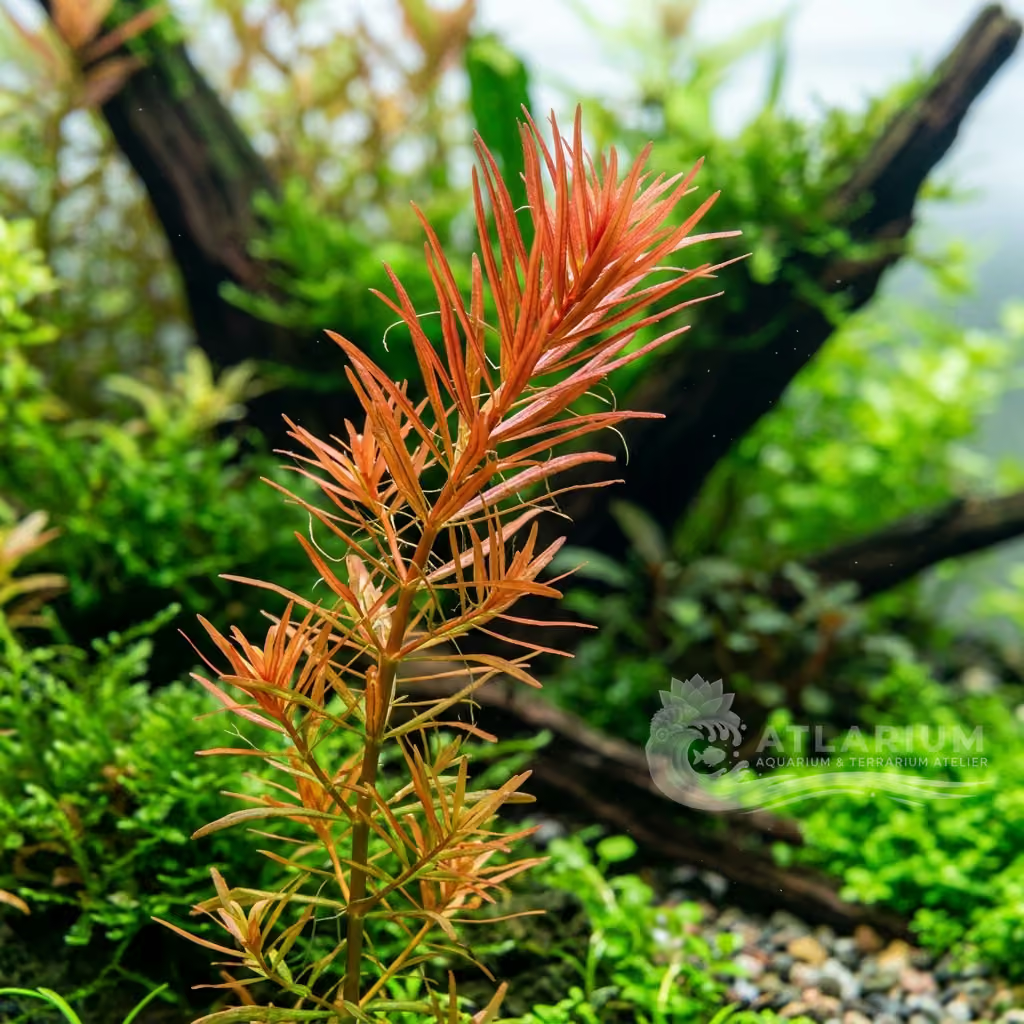
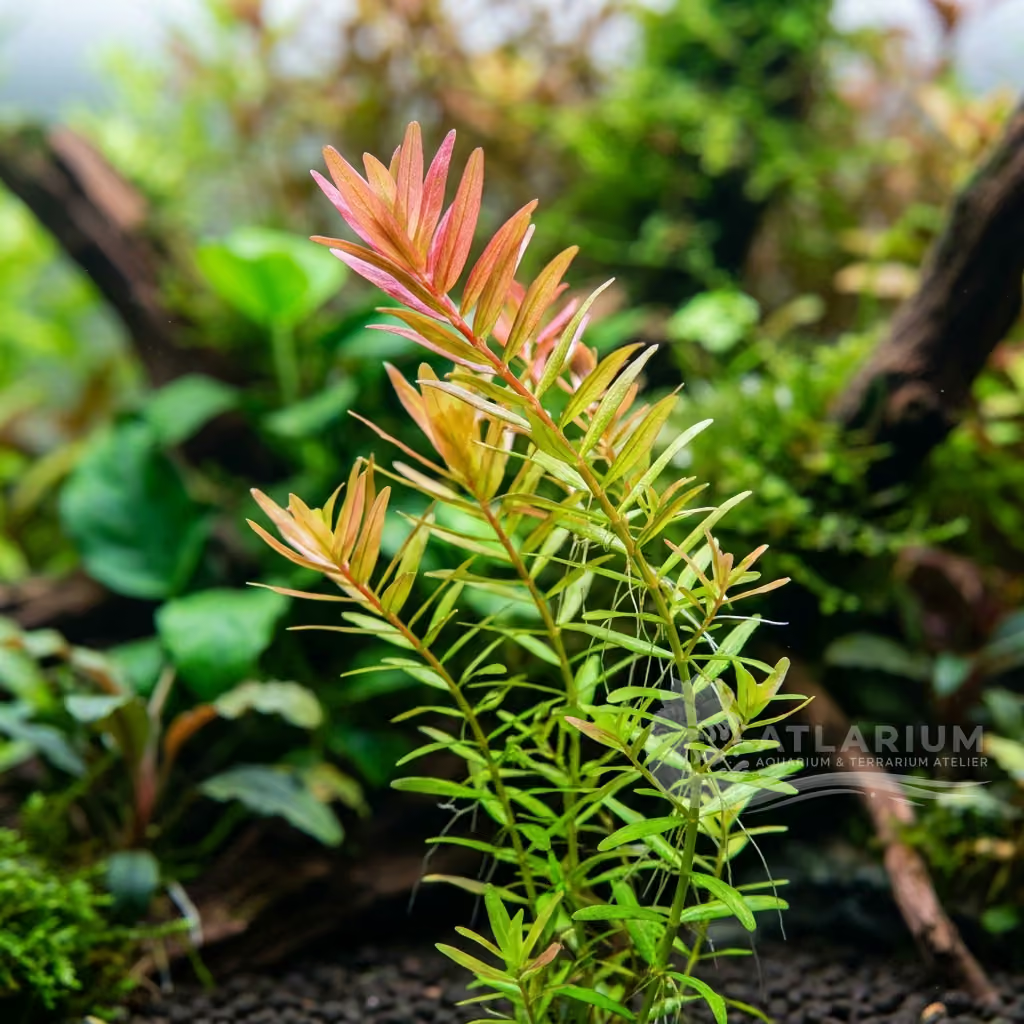
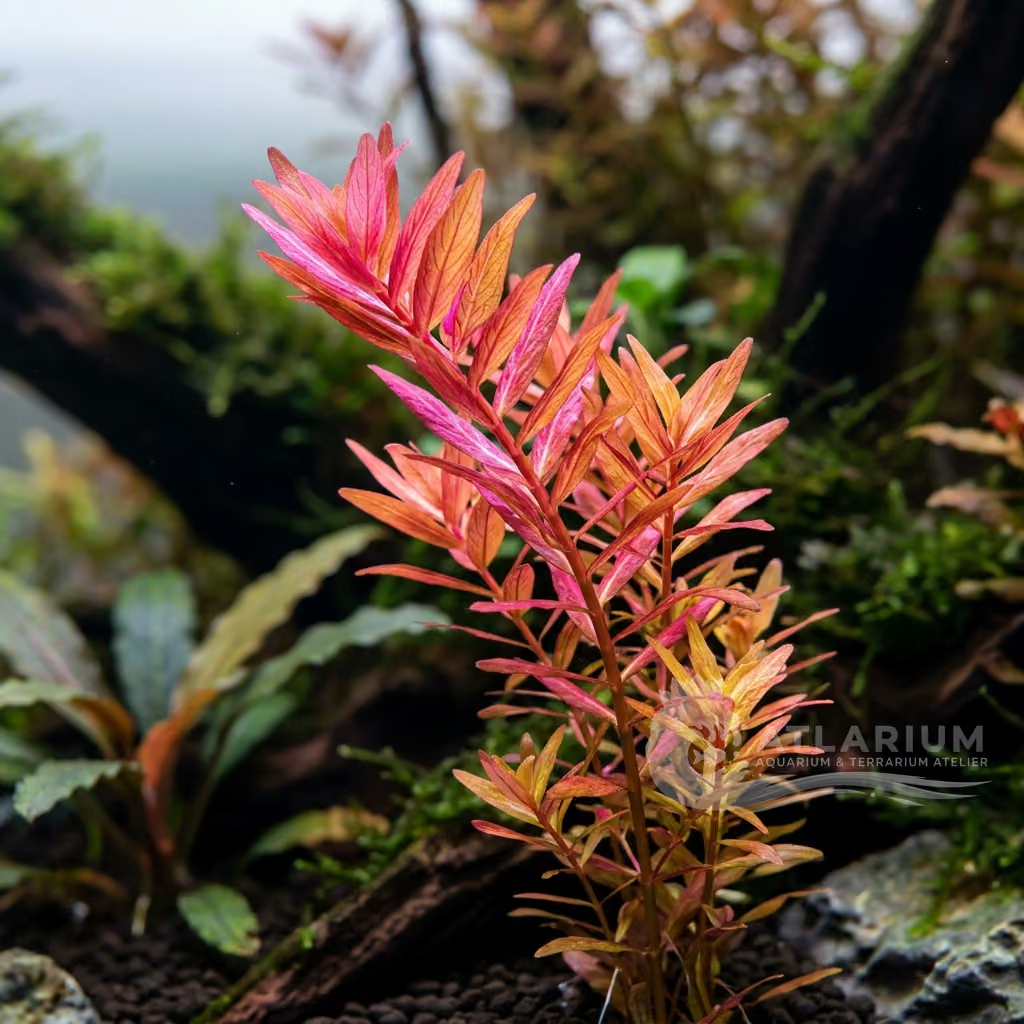
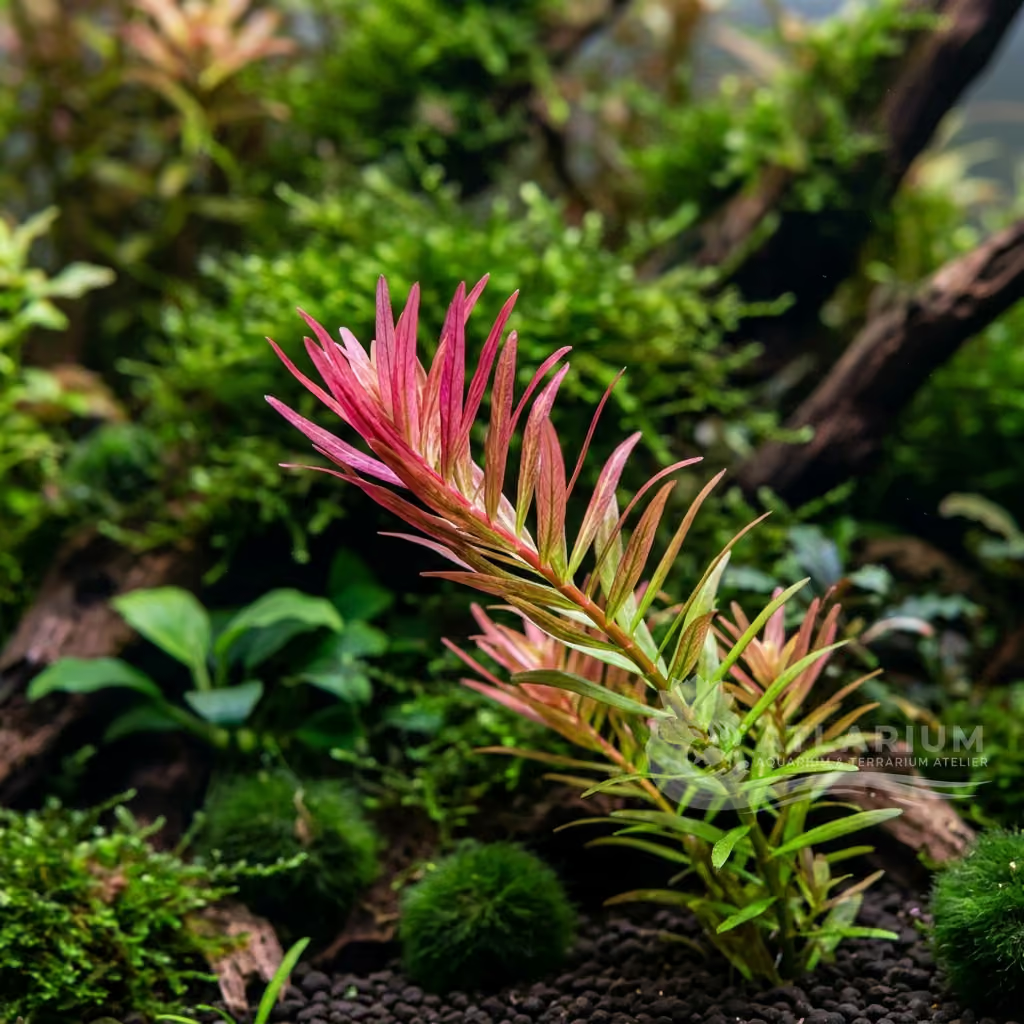
Rotala macrandra 'Wavy' is a striking midground stem plant, distinguished by its unique wavy leaf margins. With a medium growth rate, it's perfect for adding vibrant color and texture, forming dense and attractive bushes in planted aquariums.
Water Temperature
24 - 28 °C
pH Value
4.5 - 7
Water type
Freshwater
Light
High
CO2
High
Expected height
25 cm
Expected width
15 cm
KH
0 - 12 dKH

Species description
Geographical Origin and Habitat: The parent species, Rotala macrandra, from which the 'Wavy' cultivar originated, is native to the marshy and riverine regions of the Indian subcontinent and Southeast Asia. In these natural habitats, it often grows semi-submerged along riverbanks or fully submerged in slow-moving, nutrient-rich waters. The 'Wavy' form, however, is a cultivated variety specifically selected and propagated for aquascaping, emphasizing its distinct aesthetic features rather than being a wild variant. This selective breeding process has resulted in a visually unique and robust plant, optimally suited for controlled aquatic environments.
Taxonomy & Genetics: Rotala macrandra 'Wavy' belongs to the Lythraceae family, a diverse group of plants encompassing various aquatic and terrestrial species. It is a cultivar, meaning a cultivated variety, of the species Rotala macrandra, indicating it has been developed through artificial selection to highlight specific traits, in this case, the distinctive wavy leaf shape. While sharing general characteristics of the Rotala genus, such as leaf arrangement and growth type, its genetics have been specifically directed to express the pronounced undulation that gives it the 'Wavy' designation. This distinction clearly separates it from other Rotala macrandra variants like 'Mini', 'Green', or 'Red', which typically feature flatter, smoother leaves.
Physical Structure:
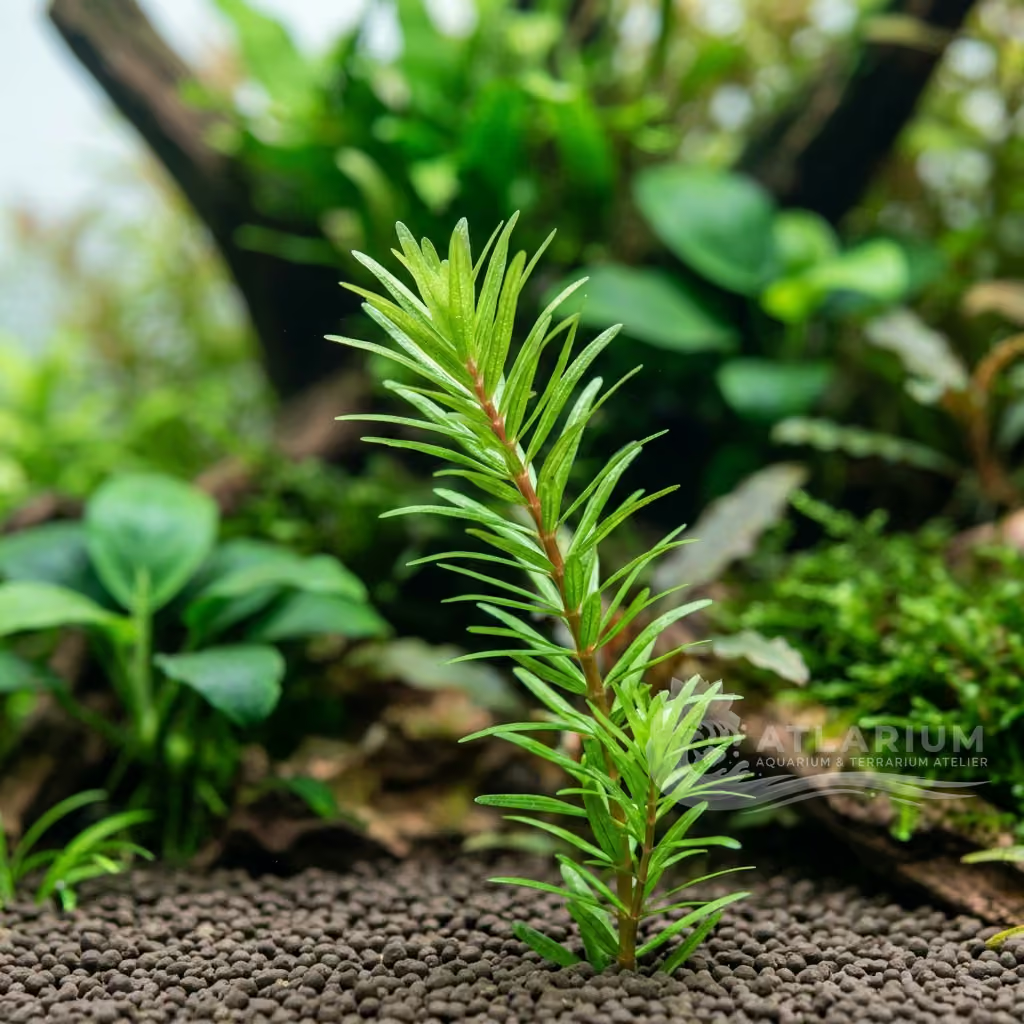
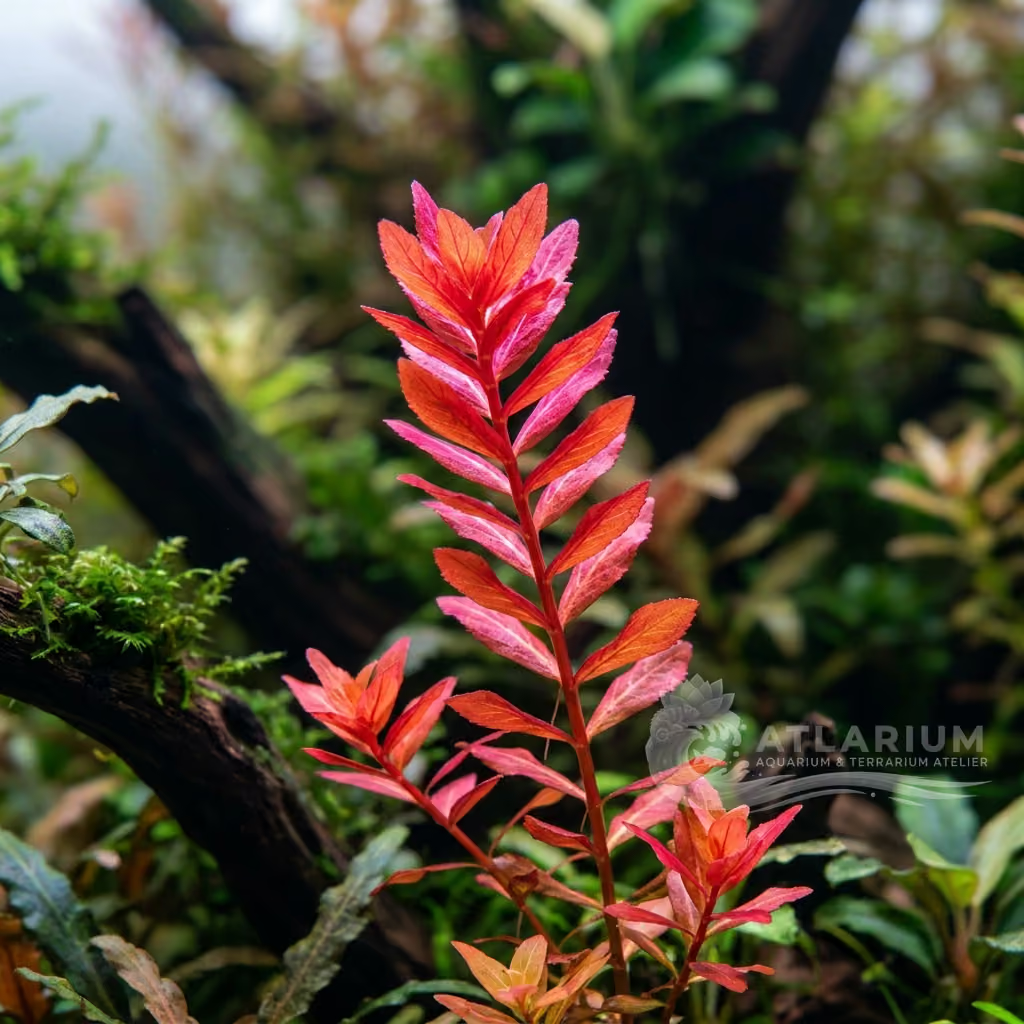
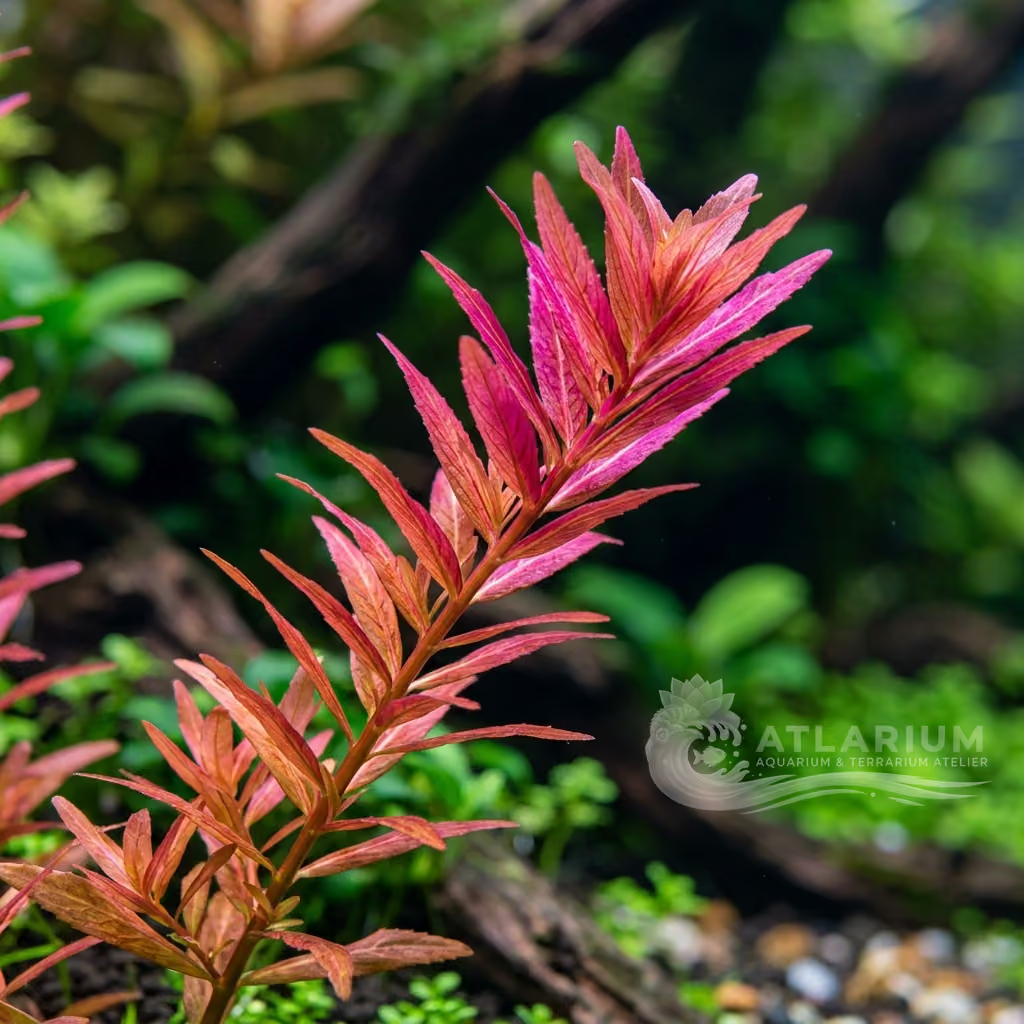
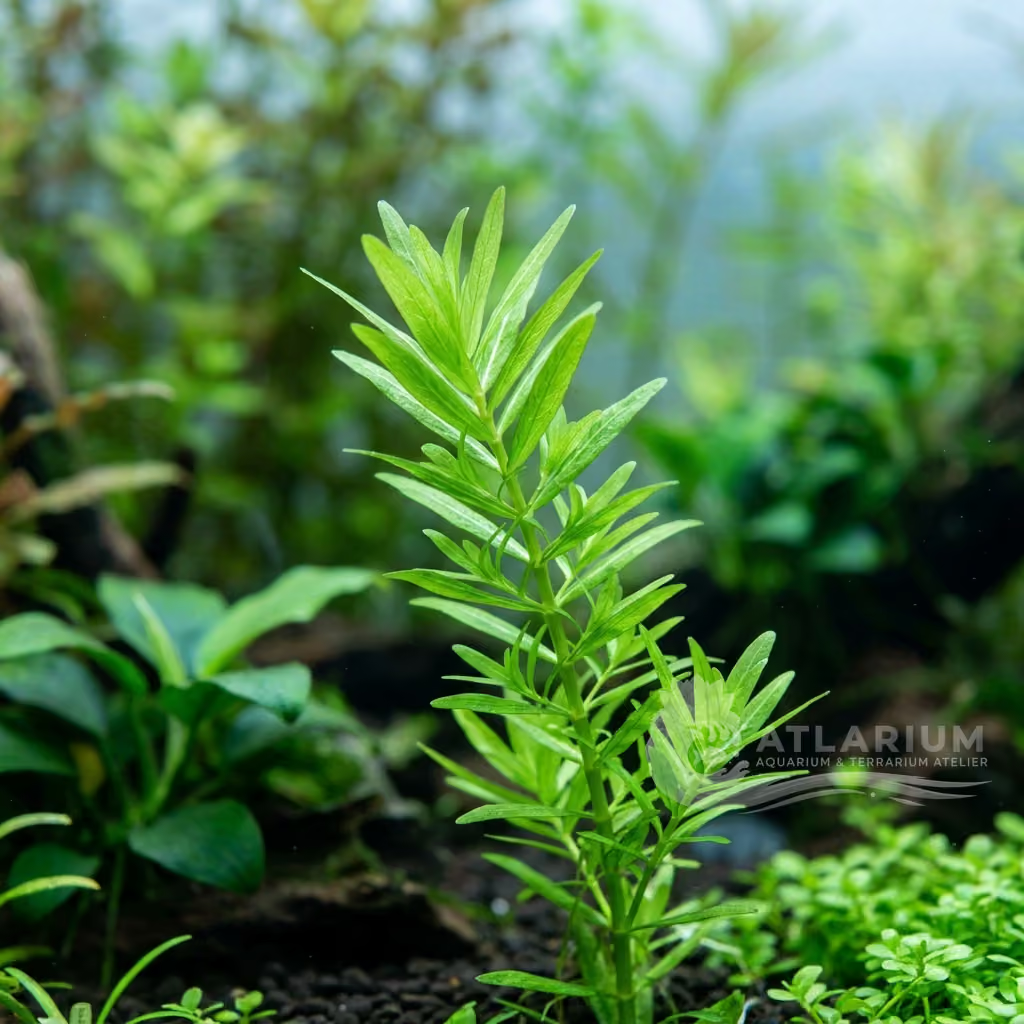
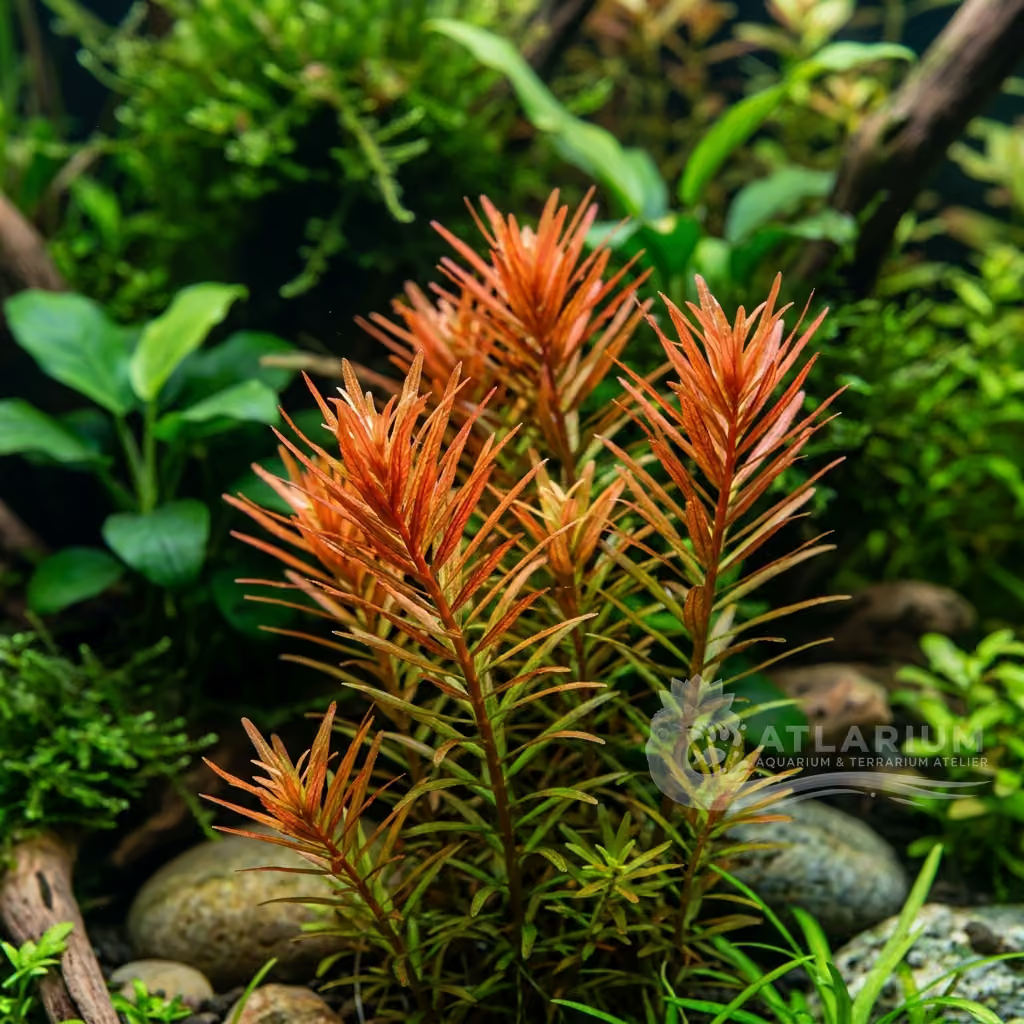
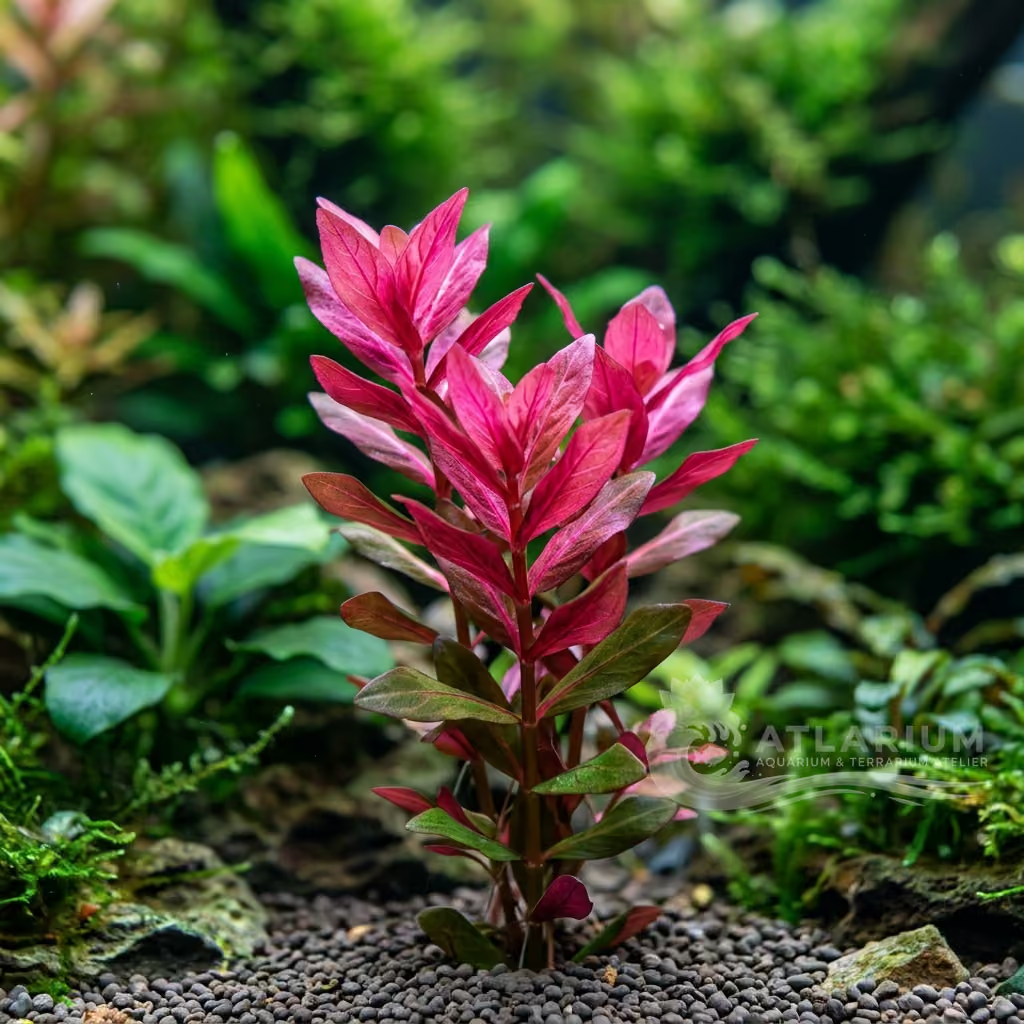
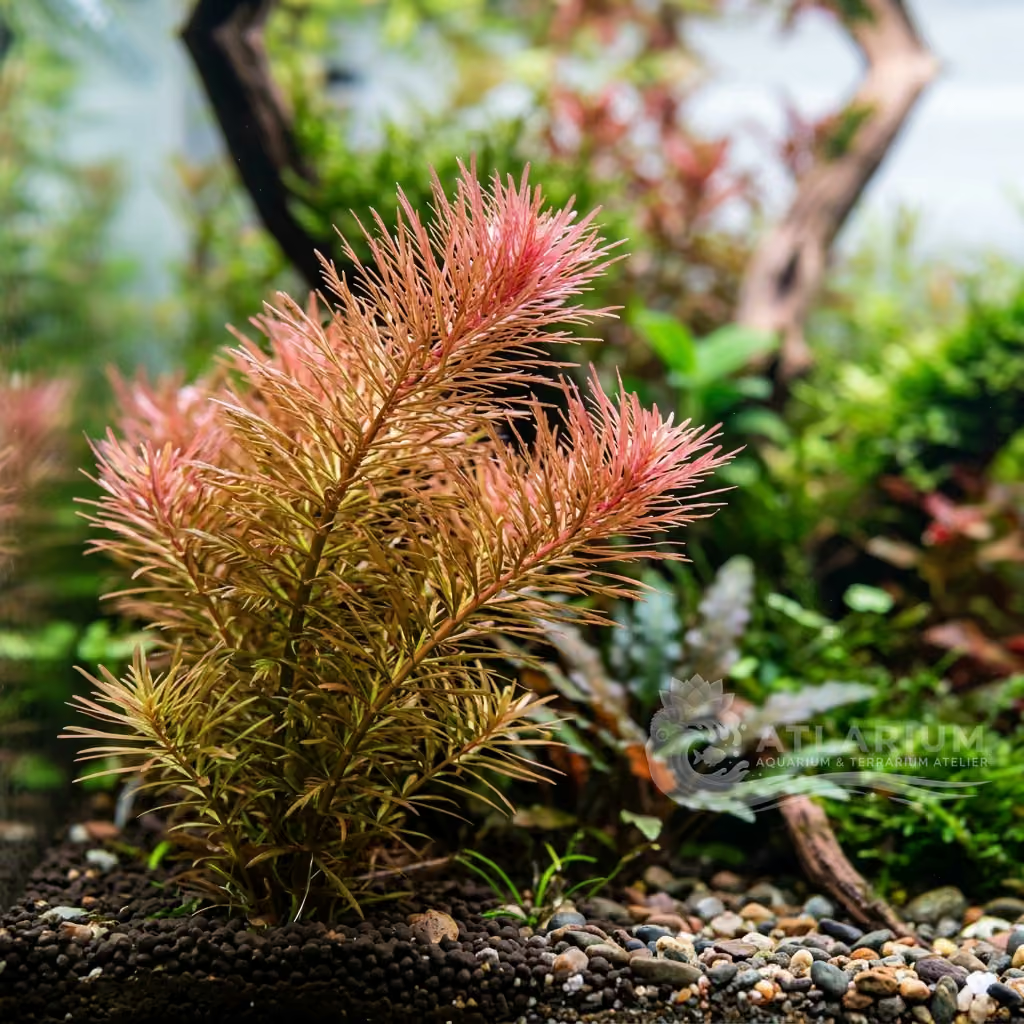
Color & Texture: The coloration of Rotala macrandra 'Wavy' is one of its most spectacular attributes, ranging from intense red to magenta, with shades of orange and pink. The intensity of this coloration is directly influenced by lighting conditions, CO2 availability, and the levels of iron and other micronutrients in the water column. The leaf surface is generally smooth and slightly waxy, but their distinctive wavy form creates an interplay of light and shadow, enhancing their texture and amplifying the perceived color. This combination of vibrant color and unique form adds depth and a captivating focal point to any planted aquarium.

Care, breeding and tankmates
Lighting & CO2: For Rotala macrandra 'Wavy', medium-intensity lighting is the minimum requirement for healthy growth, but to achieve the most vivid red tones and robust development, moderate to high lighting is often preferred. An optimal photoperiod of 8-10 hours per day is generally ideal. CO2 injection is highly recommended, if not essential, as it significantly boosts photosynthesis, promoting faster growth and more intense coloration. A deficiency in CO2 can lead to stunted growth, smaller leaves, and faded colors, compromising the plant's desired aesthetic appeal.
Nutrition & Substrate: Rotala macrandra 'Wavy' greatly benefits from a nutrient-rich substrate, such as aquasoil, which supports robust root development and provides essential nutrients. Despite this, the plant also absorbs a significant amount of nutrients from the water column, making regular and comprehensive liquid fertilization indispensable. It is particularly important to ensure an adequate supply of iron, which is crucial for synthesizing red pigments, and other micronutrients like manganese and potassium. A balanced provision of macronutrients (nitrogen, phosphorus, potassium) is equally vital to prevent deficiencies that could manifest as yellowing leaves or stunted growth.
Water Chemistry: Ideal water parameters for Rotala macrandra 'Wavy' include a temperature range of 20 to 28 °C, which supports its optimal metabolic activity. The pH should be maintained in a slightly acidic to neutral range, between 6.0 and 7.5, while the ideal carbonate hardness (KH) ranges from 2 to 12 dKH, indicating a preference for soft to moderately hard water. Stability in these parameters is more critical than hitting exact numbers within the given ranges. Sudden fluctuations can cause stress to the plant, leading to melting or decline. Good filtration and regular water circulation further contribute to the plant's overall well-being.
Space Management & Placement: Due to its medium growth rate and the dense appearance it can achieve, Rotala macrandra 'Wavy' is optimally placed in the midground of an aquarium, where it can form a vibrant focal point. It is advisable to plant it in groups of at least 5-7 stems to create a more impactful visual effect and fill the space effectively. Allowing adequate spacing between groups is crucial to ensure good water circulation and light access to the lower parts of the plant, thereby preventing shading and shedding of basal leaves. Its potential height requires careful management through regular trimming to keep it compact and tidy within the aquascape.
Pruning: Regular pruning is essential for maintaining Rotala macrandra 'Wavy' healthy, dense, and to prevent it from becoming too tall or leggy at the base. The most common method is tip cutting, where the top section of the stem is removed and can then be replanted to propagate the plant. This type of pruning also stimulates the growth of new side shoots from the remaining lower stem, promoting a bushier appearance. It is advisable to cut just above a leaf node to encourage branching. Consistent pruning every 2-4 weeks, depending on the growth rate, will help maintain the desired shape and vitality of the plant cluster.
Risks & Diseases: Rotala macrandra 'Wavy' can be susceptible to issues such as melting, particularly after transplanting or when encountering abrupt changes in water parameters. Nutrient deficiencies often manifest as yellowing leaves, stunted growth, or a loss of intense red coloration, typically indicating a lack of iron or other micronutrients. Algae can proliferate on its leaves if the balance between light, CO2, and nutrients is not optimal, stifling growth and compromising aesthetics. Maintaining stable conditions and carefully monitoring nutrient and CO2 levels are the best preventive strategies against these problems.

Geographic origin and distribution
The parent species, Rotala macrandra, from which the 'Wavy' cultivar originated, is native to the marshy and riverine regions of the Indian subcontinent and Southeast Asia. In these natural habitats, it often grows semi-submerged along riverbanks or fully submerged in slow-moving, nutrient-rich waters. The 'Wavy' form, however, is a cultivated variety specifically selected and propagated for aquascaping, emphasizing its distinct aesthetic features rather than being a wild variant. This selective breeding process has resulted in a visually unique and robust plant, optimally suited for controlled aquatic environments.
Origin
Selective breeding and cultivarsSouth and Southeast Asia

Plant profile
- Placement
- Midground
- Given its impressive size and incredibly showy foliage, this plant is an ideal centerpiece for the midground to background. Its undulating leaves create a massive amount of texture, making it a perfect contrast against smooth-leaved or very fine-leaved background plants. It needs ample space to spread out, so avoid crowding it with fast-growing competitors. When planted in large Dutch-style streets, the wavy texture adds an unparalleled sense of depth. It must be positioned directly under intense light to prevent the lower portions from rotting.
- Botanical form
- Stem
- This striking variant is distinguished by its uniquely ruffled or wavy leaf margins, giving the plant a crinkled, highly textured appearance. The leaves are generally larger than other macrandra types, and they curl and twist beautifully underwater. Depending on the environment, the color can range from a bright flamingo pink to a deep, intense magenta. The stem itself is robust but can be brittle, especially near the base if light is insufficient. Its overall form is very dense and lush when grown properly.
- Growth
- Medium
- Under the high-energy conditions it demands, Rotala macrandra 'Wavy' grows at a surprisingly vigorous pace. It will quickly stretch toward the light source, necessitating regular and careful trimming to maintain its shape. While it grows fast, it is not as aggressively invasive as some other stem plants, allowing for structured aquascaping. If CO2 or light levels drop, growth will stall almost instantly, and the plant will begin to shed leaves. Keeping its growth steady requires strict adherence to a maintenance routine.
- Substrate
- High
- To cultivate Rotala macrandra 'Wavy' successfully, a high-quality aqua soil rich in iron and essential minerals is required. The plant develops a dense root network that anchors firmly into the substrate, drawing up necessary elements to fuel its fast growth and wavy leaf morphology. A soft, porous soil at a depth of roughly 4 to 6 centimeters is ideal for preventing root suffocation and ensuring maximum nutrient uptake.
- Column fertilization
- Recommended
- Liquid fertilization is non-negotiable, as the large surface area of its wavy leaves aggressively absorbs nutrients directly from the water column. A comprehensive, daily dosing regimen is critical to prevent the lower leaves from developing pinholes or melting. It is a very hungry plant that rapidly depletes the water of iron and trace elements, which must be constantly replenished. CO2 injection must be high and stable (around 30-40 ppm) to facilitate the rapid uptake of these nutrients. Fluctuating nutrient levels in the water column will quickly manifest as twisted or stunted new growth.
- Root fertilization
- None
- While water column feeding is paramount, planting 'Wavy' in a nutrient-rich substrate provides a vital secondary source of nourishment. A fresh, high-quality aquasoil promotes rapid root development and helps anchor the heavy stems securely. Providing root tabs can give an extra boost to older setups, ensuring a steady supply of essential minerals directly to the roots. A robust root system helps the plant bounce back quickly after aggressive trimming. However, substrate alone will never be enough to sustain its intense demands without column dosing.
- Trimming
- Occasional
- Trimming should be done carefully, ideally by topping the stems and replanting the healthy crowns. Because the stems are thick, using sharp scissors is essential to avoid crushing the tissue, which can lead to rot. Regular pruning encourages bushier, denser growth, though the lower portions must still receive enough light to sprout new shoots. If the plant becomes too dense, the inner and lower leaves will suffer, so thinning the group is sometimes necessary. Discard any old, woody bottoms that are no longer producing vibrant red growth.
- Propagation
- Cuttings
- Propagation is straightforward and is achieved by taking stem cuttings from the healthy upper portions. These cuttings should be carefully planted into a fine-grained, active substrate using tweezers. Ensure the stems are spaced slightly apart to allow light to penetrate down to the lower leaves of each plant. Cuttings root quickly in a high-tech setup and will resume vertical growth within just a few days. Side shoots will also develop from the nodes of trimmed stems, provided they are not shaded.
- Sensitivity
- Moderate
- This is an extremely delicate plant that is famously intolerant of unstable conditions and poor husbandry. It requires soft, acidic water and will melt incredibly fast if subjected to hard water or sudden shifts in KH/GH. Shading from other plants will immediately cause the lower leaves to drop off, leaving bare, unsightly stems. It is highly susceptible to algae, particularly if flow is poor or organics are high. Any form of chemical treatment or medication in the tank can cause severe damage to its fragile leaves.
- Layout role
- Midground, accent
- Rotala macrandra 'Wavy' is a spectacular focal point plant that commands attention in any layout. Its intense red coloration and unique, ruffled texture make it perfect for adding drama and contrast to a planted aquarium. It is widely used in Dutch aquascaping to create striking, colorful avenues or 'streets'. In nature aquarium styles, a carefully placed bush can break up the monotony of green background plants. Its bold appearance requires thoughtful placement so it doesn't overwhelm more subtle plants nearby.

Related species
Recommendations grouped by close relatives, companion choices, and similar care.