Indian Rotala
Rotala indica
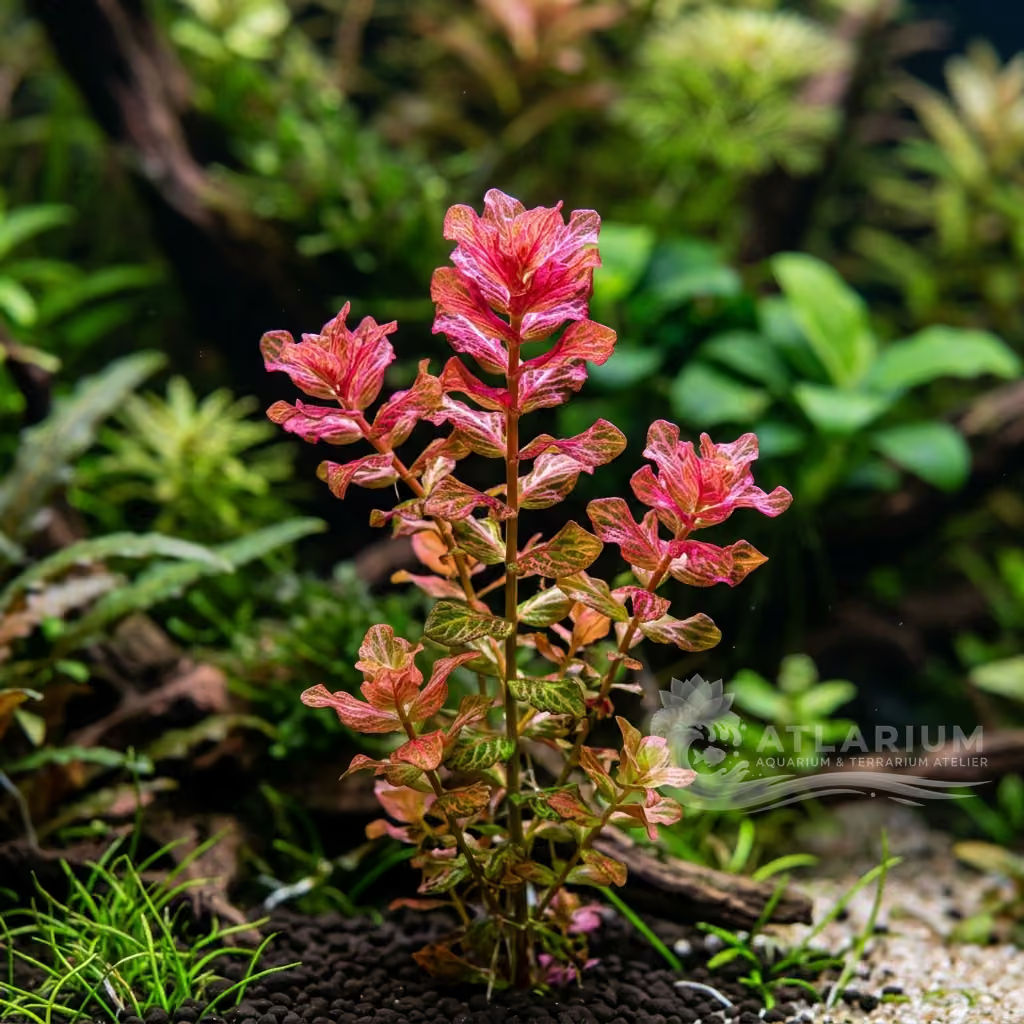
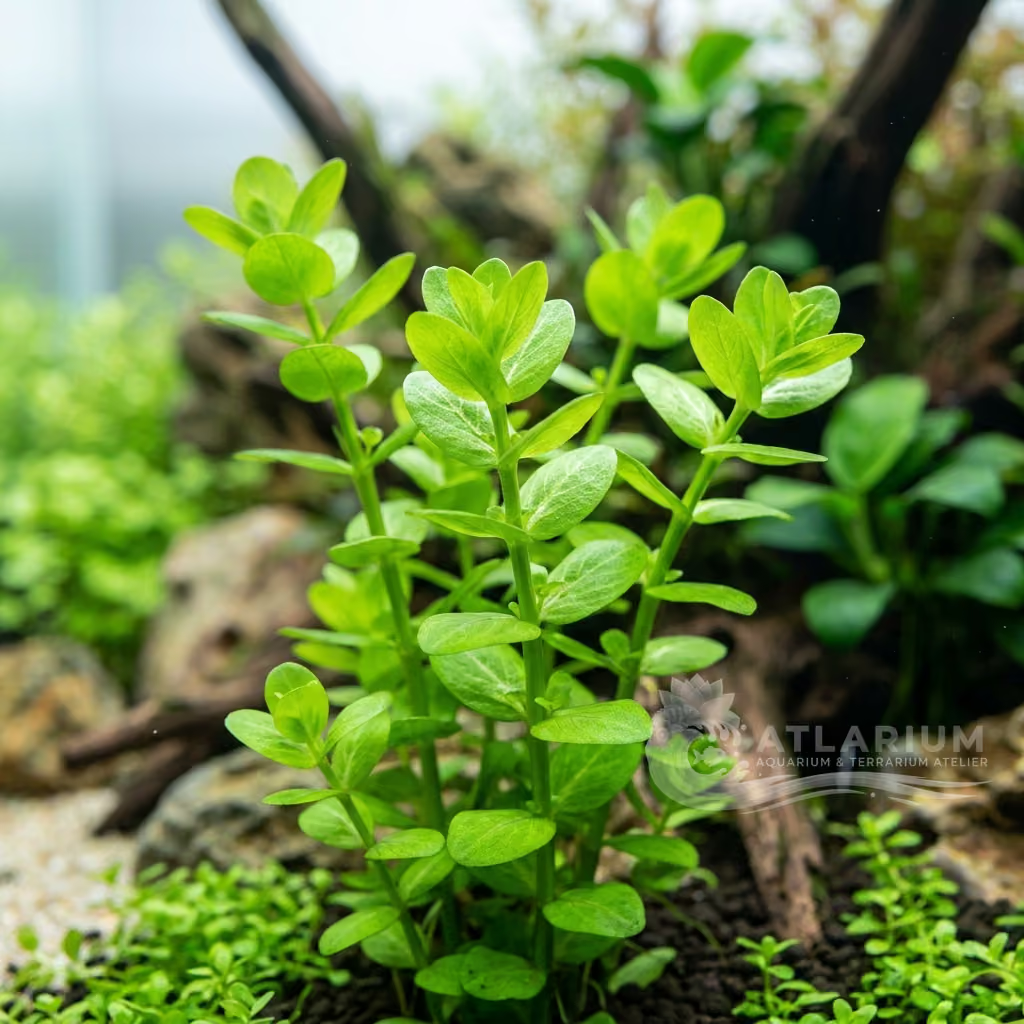
Rotala indica forms compact, robust stems with rounded leaves. Native to Asia, it demands intense lighting to maintain its dense habit and prevent lower stem decay.
Water Temperature
22 - 28 °C
pH Value
5 - 7.5
Water type
Freshwater
Light
Medium
CO2
Medium
Expected height
40 cm
Expected width
10 cm
GH
4 - 20 dGH
KH
2 - 15 dKH

Species description
Geographical Origin and Habitat: This plant species is indigenous to the warm, tropical, and subtropical regions of Southern and Eastern Asia, with extensive populations found across India, southern China, Japan, Vietnam, and Taiwan. In its natural environment, it predominantly colonizes damp and transitional ecosystems such as the muddy banks of slow-flowing rivers, agricultural irrigation ditches, temporary swamps, and particularly flooded rice paddies, showing extraordinary ecological plasticity in both submersed and emersed phases.
Taxonomy & Genetics: Rotala indica belongs to the Lythraceae family and is classified under the genus Rotala. From a phylogenetic and genetic perspective, it exhibits high phenotypic variability driven by environmental conditions. In the aquarium trade, it has historically and frequently been confused with Rotala rotundifolia, from which it is clearly distinguished by its leaf morphology, node arrangement, and the structure of its solitary axillary flowers.
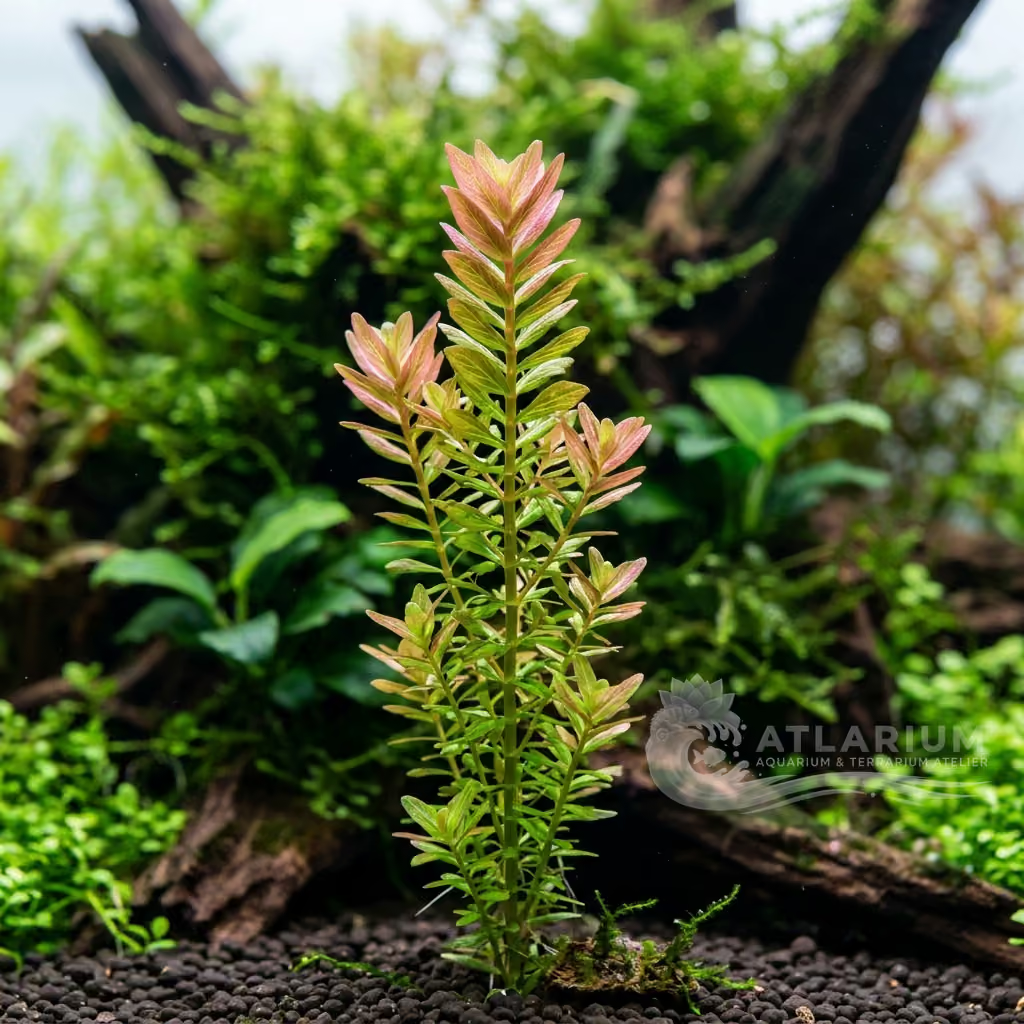
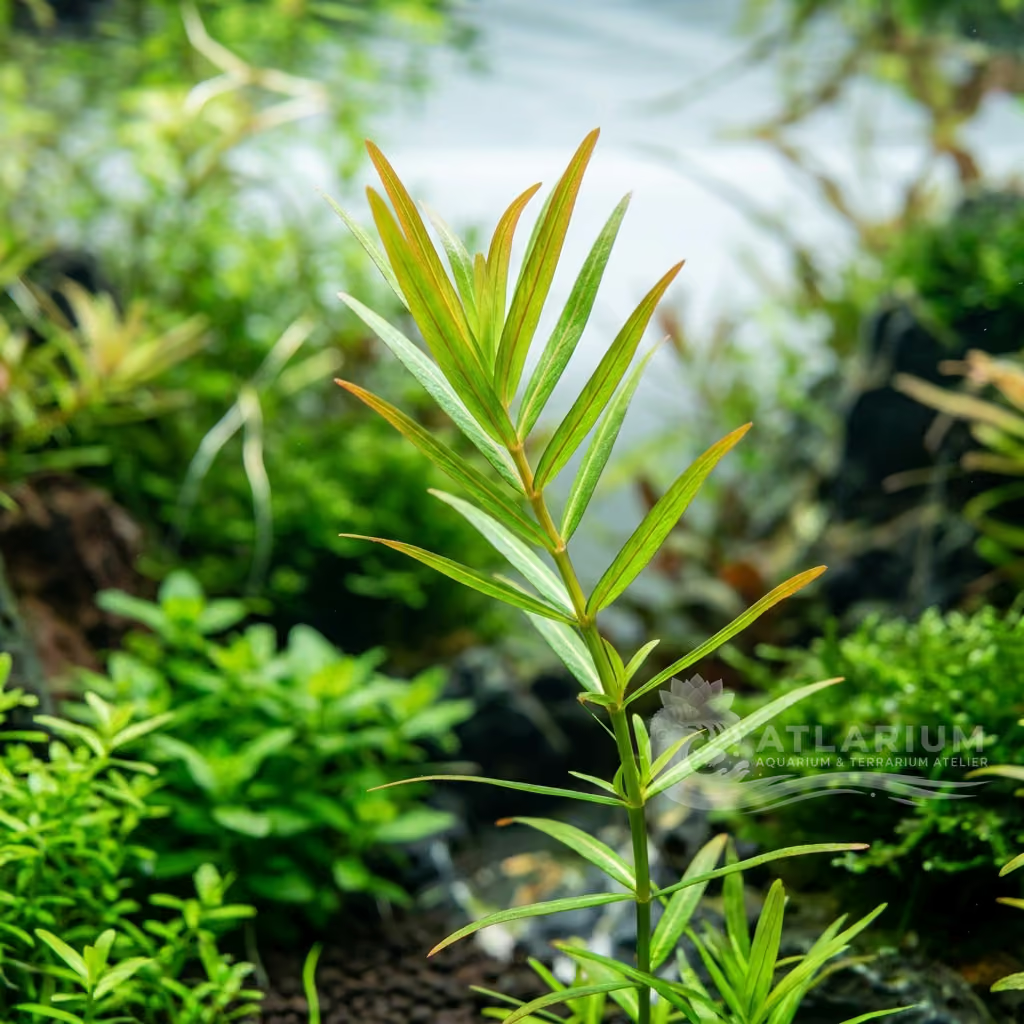
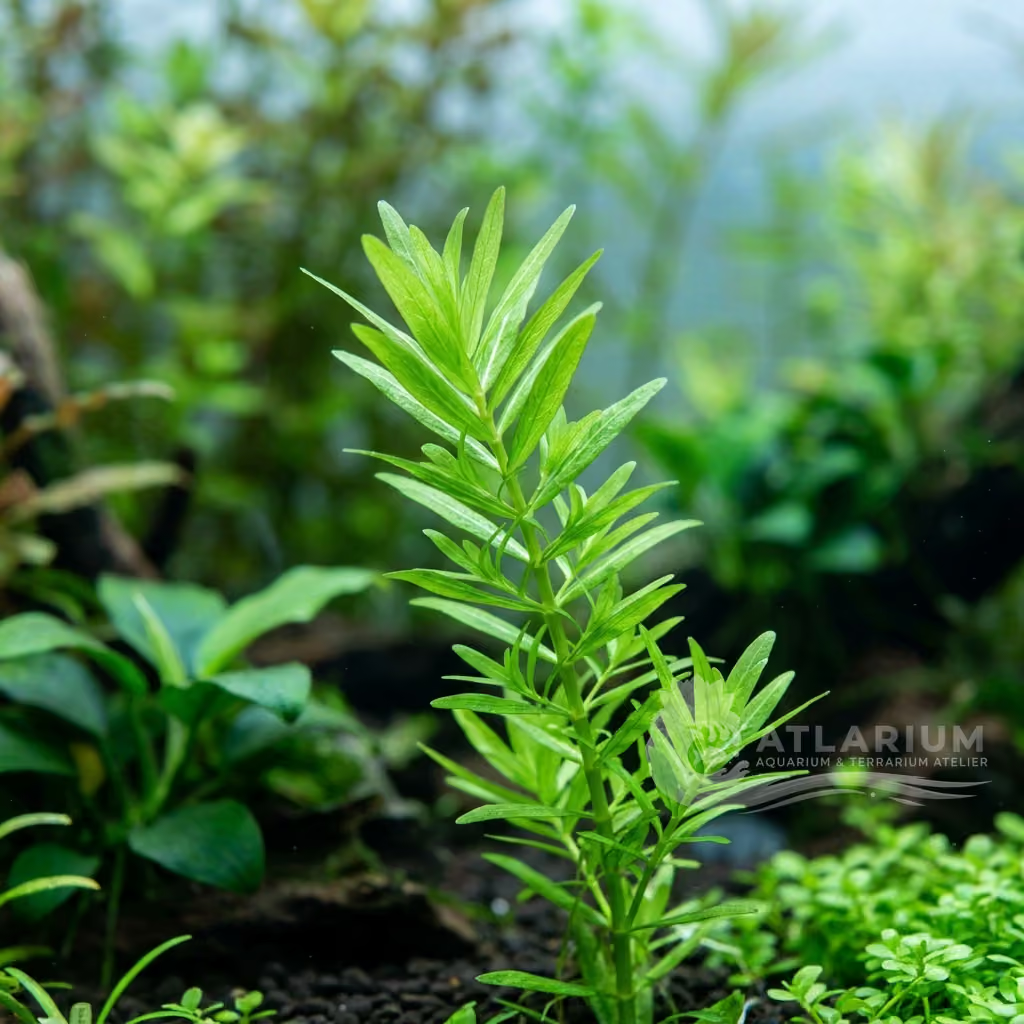
Physical Structure: It features erect and thick stems that, under stable submersed conditions, grow vertically reaching heights between 30 and 50 centimeters. The submersed leaves are sessile, arranged in decussate (opposite) pairs along the stem, with an obovate to spatulate leaf blade. The leaf texture is slightly leathery compared to other congeners, with closely spaced internodes under intense light.
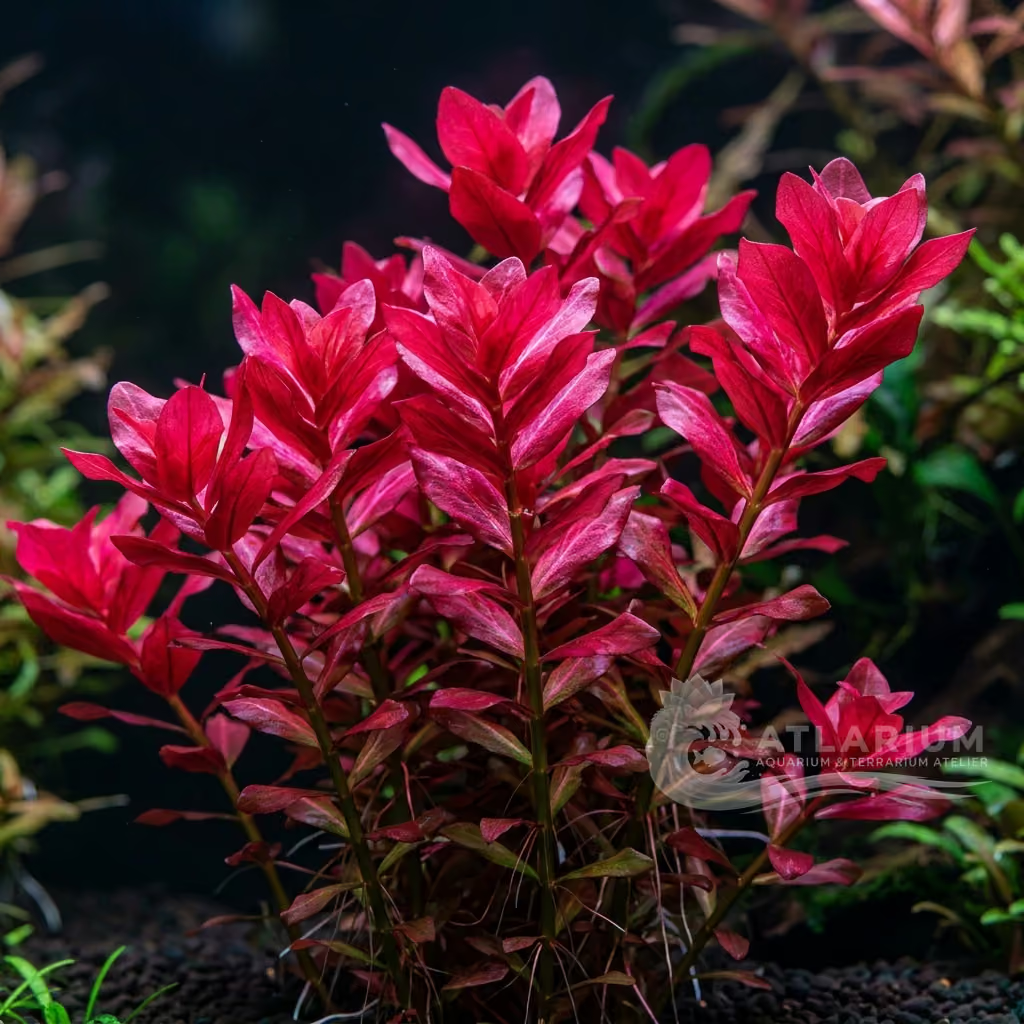
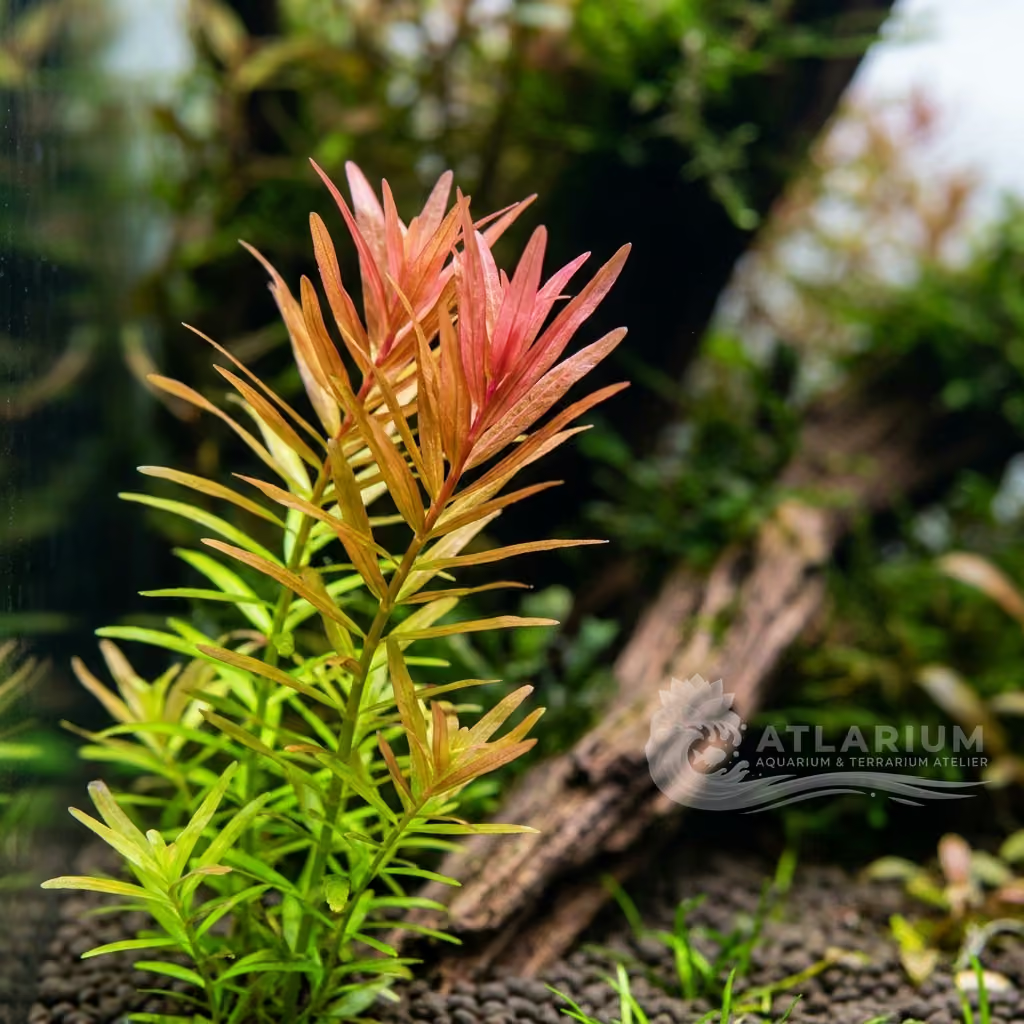
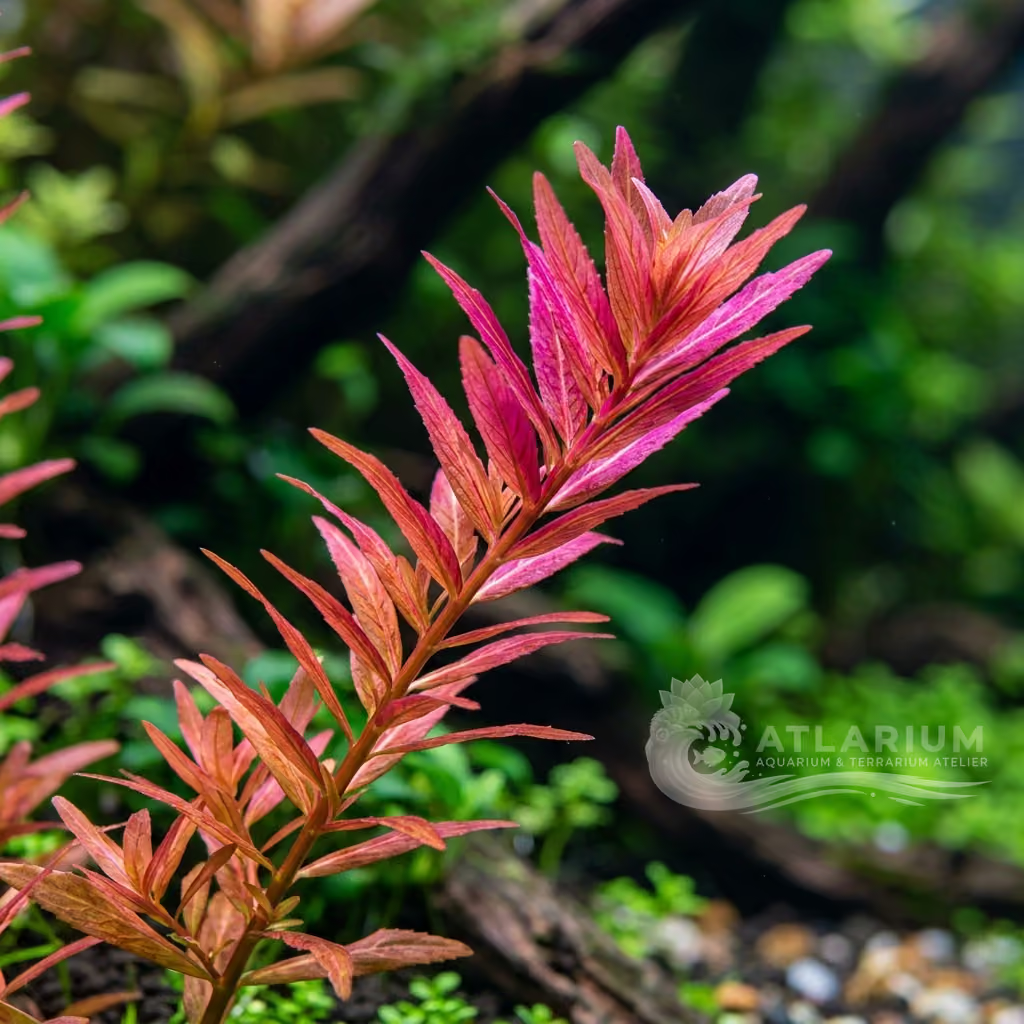
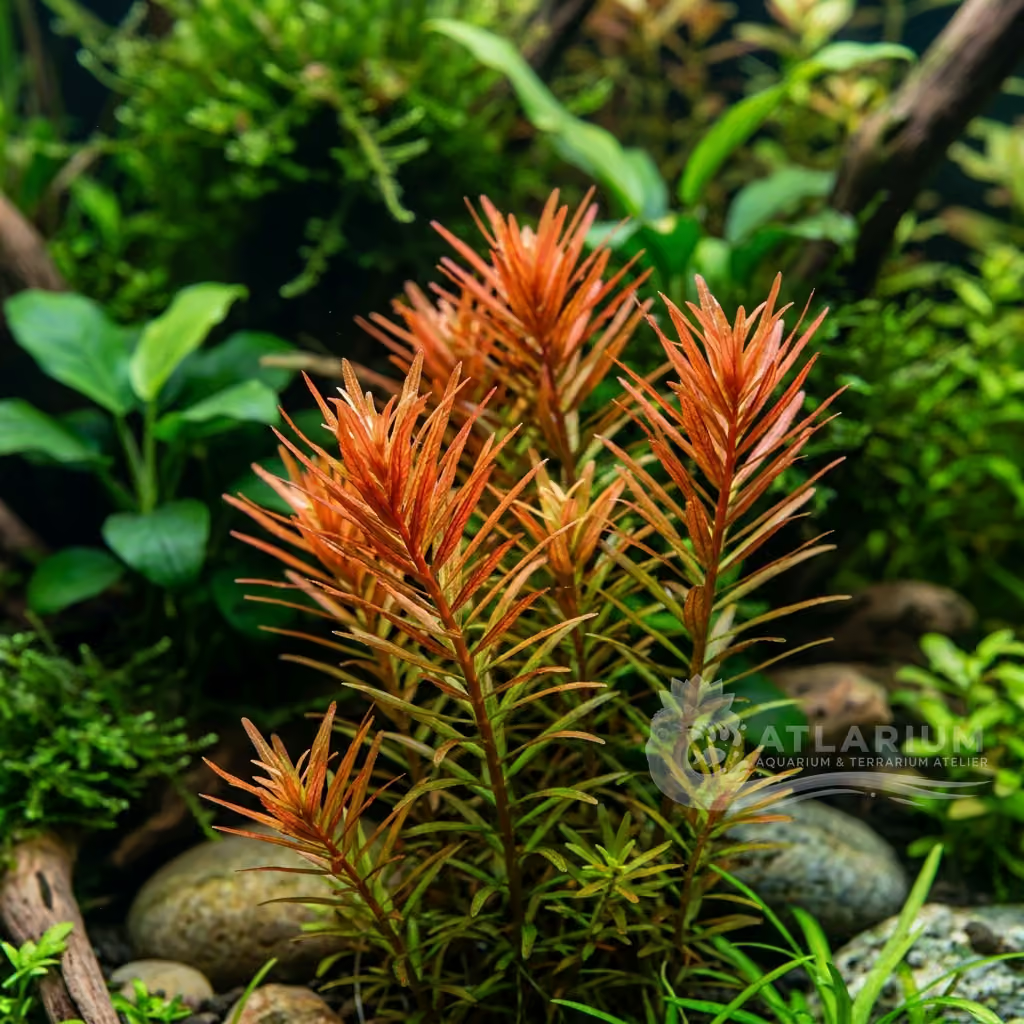
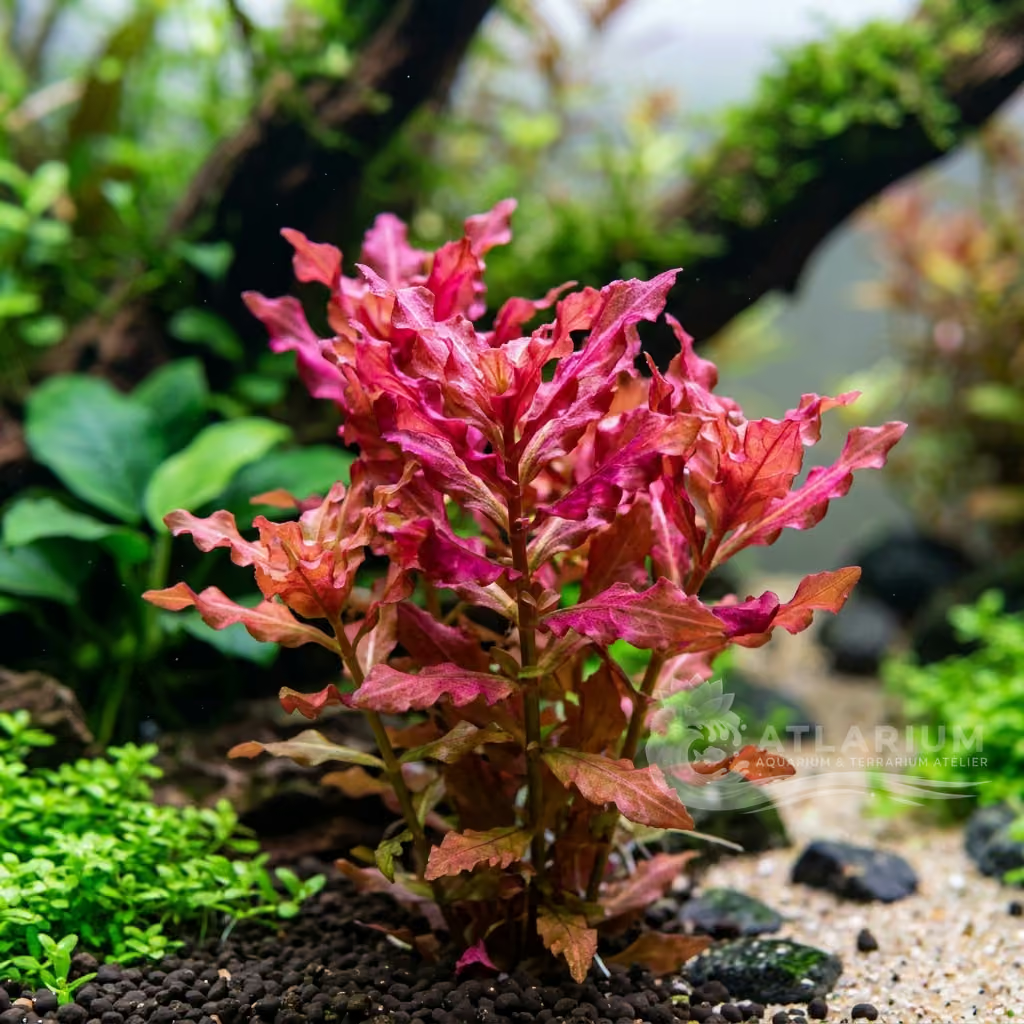
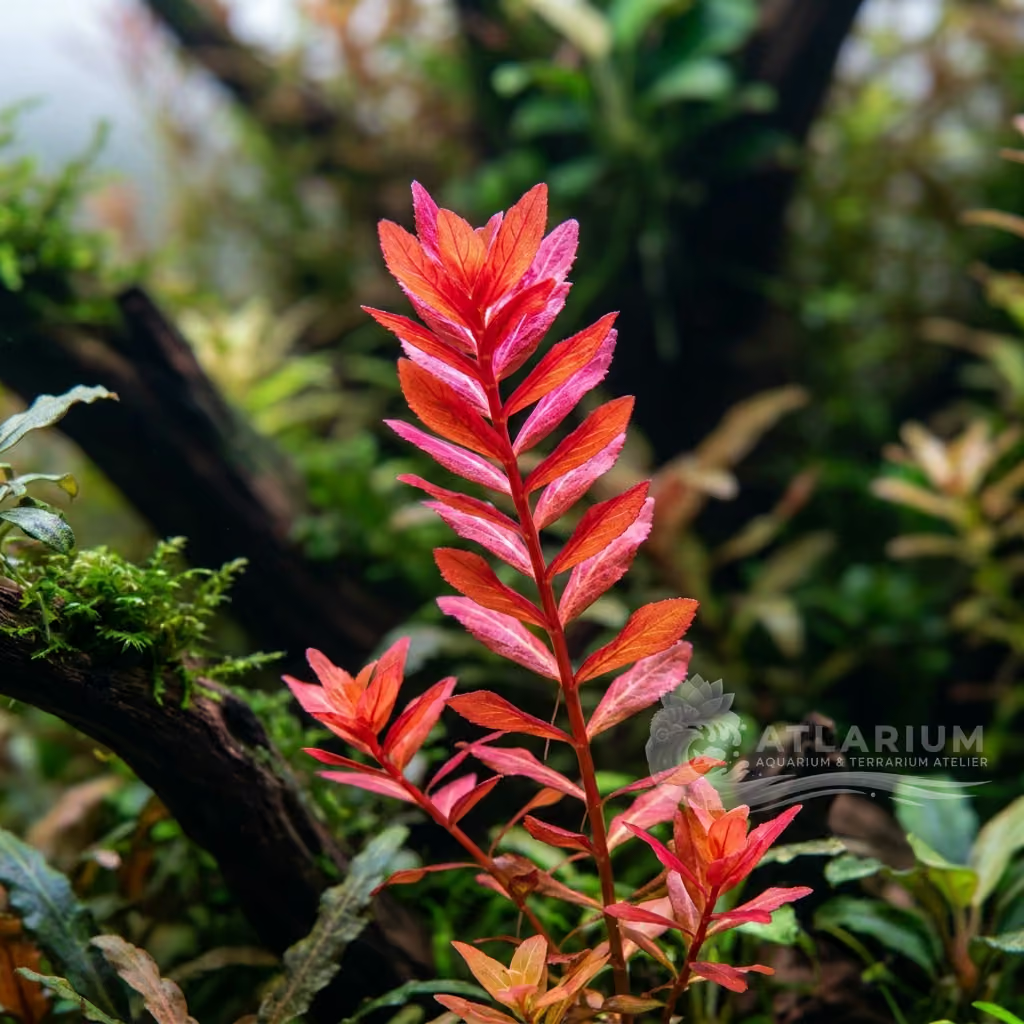
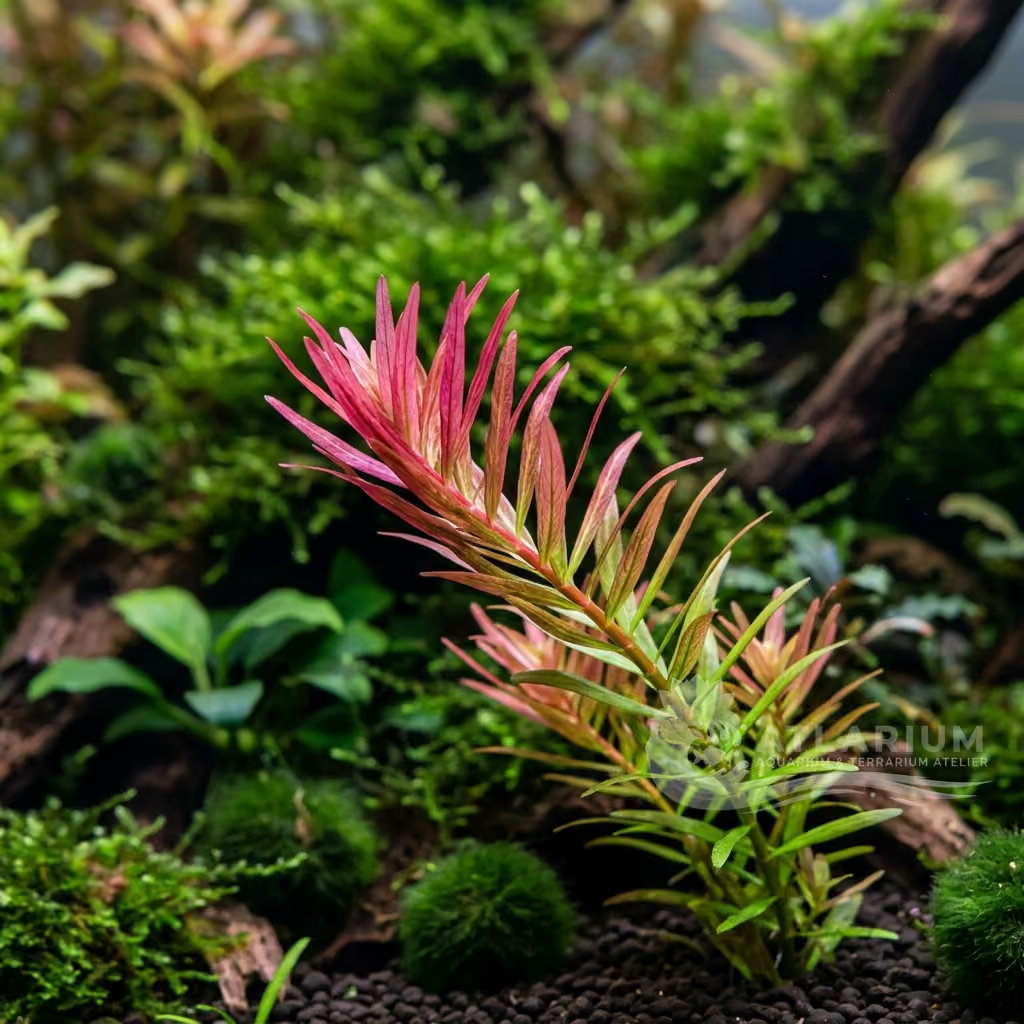
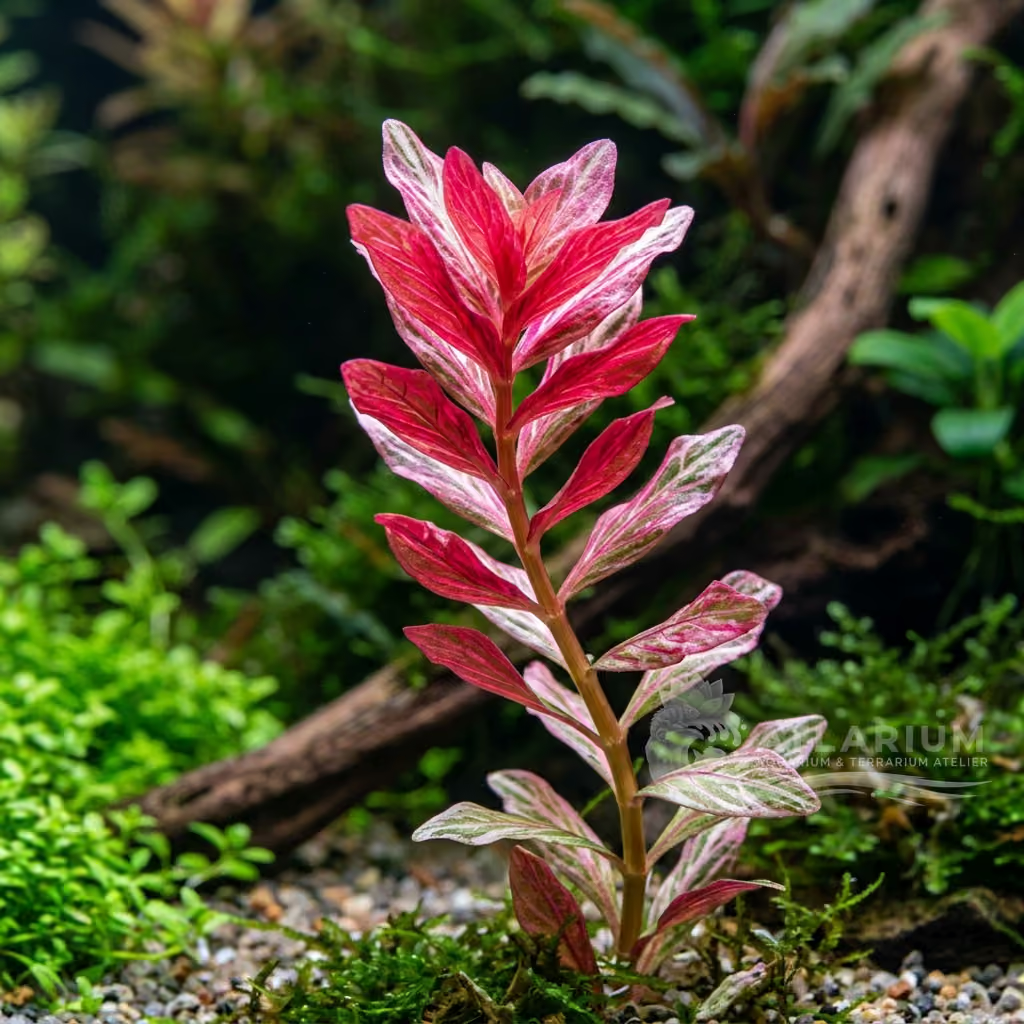
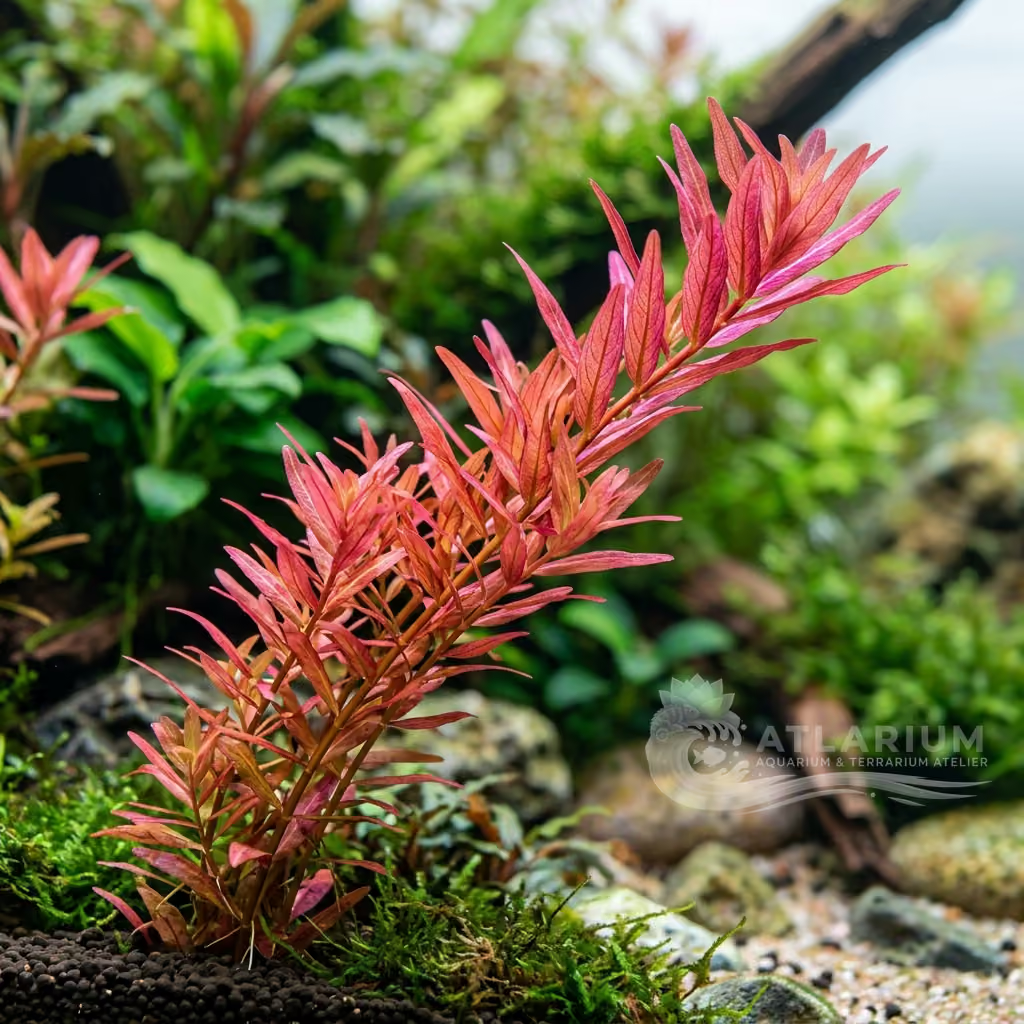
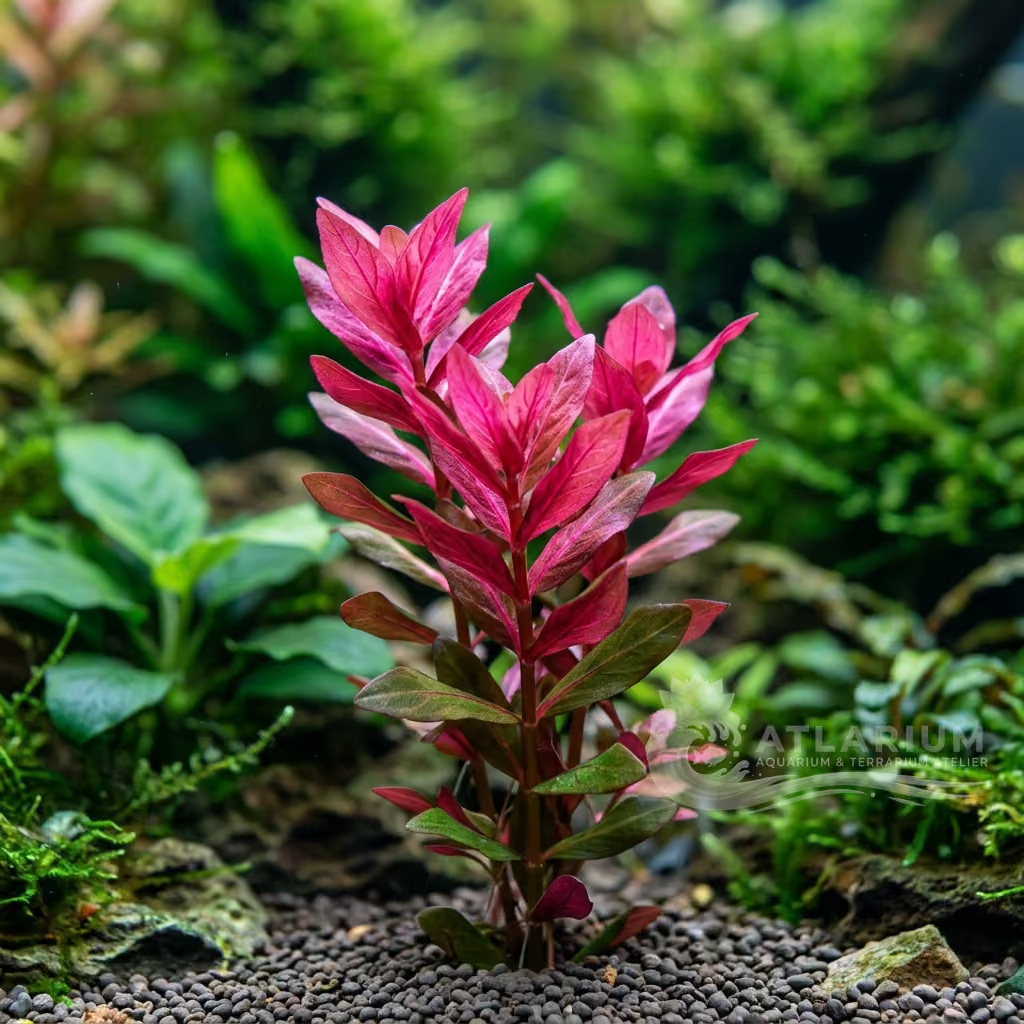
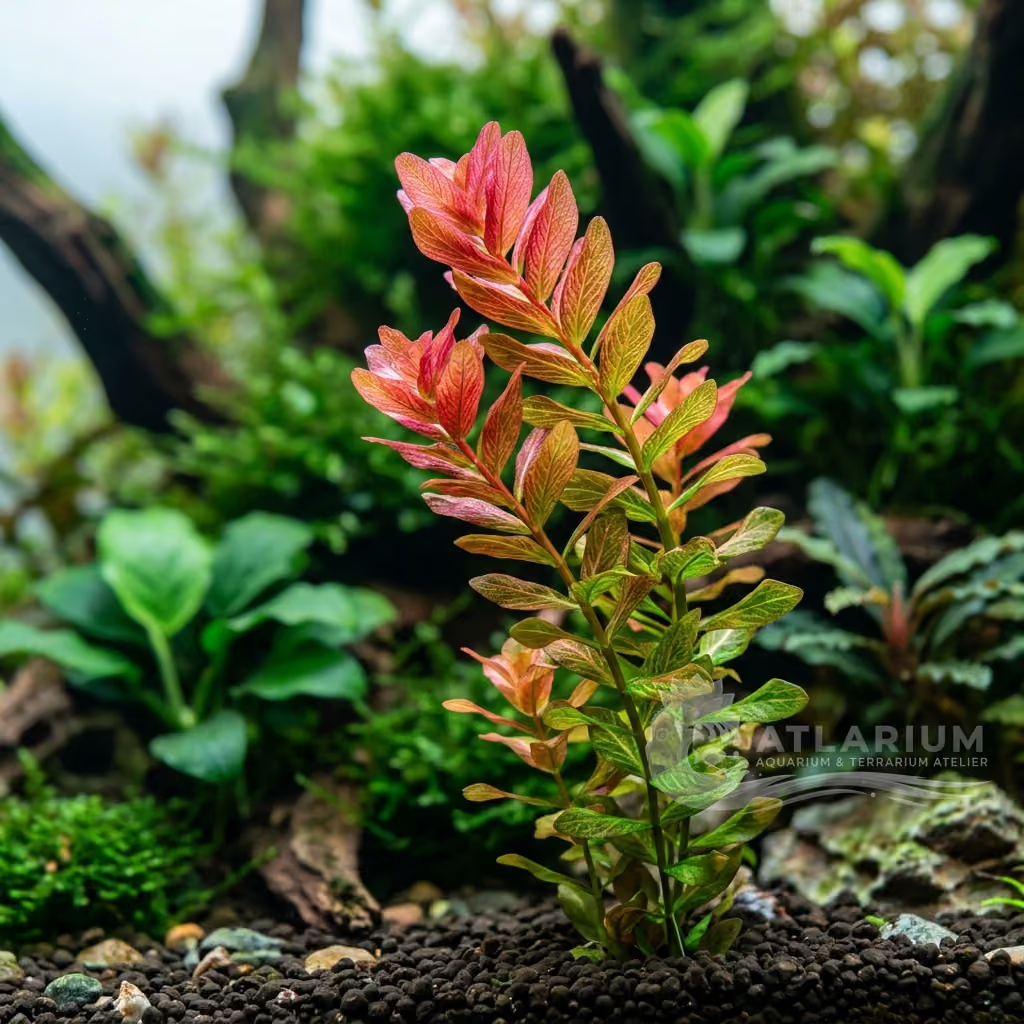
Color & Texture: The base color of the foliage is a bright, clear emerald green. Under high lighting and a balanced fertilization regime, the apical leaves and leaf margins develop magnificent hues ranging from soft pink to brick red. The visual texture is extremely dense and compact, making it ideal for creating well-defined color contrasts within the aquarium layout.

Care, breeding and tankmates
Lighting & CO2: To maintain a compact growth habit and prevent the decay of the lower internodes, the plant demands intense lighting (at least 30-50 lumens per liter). Continuous dosing of carbon dioxide (CO2) is highly recommended; a stable level of 15-25 mg/l accelerates photosynthesis, stimulates spontaneous branching, and promotes the expression of reddish pigments on the stem tips.
Nutrition & Substrate: Rotala indica benefits greatly from a rich and active substrate, preferably clay-based or soil-based, which provides microelements directly to the root system. Liquid fertilization in the water column must be constant, with particular emphasis on chelated iron and potassium. Keeping nitrates (NO3) at limited but non-zero levels helps to intensify the red tones.
Water Chemistry: This plant prefers soft to moderately hard water, with a general hardness (GH) between 3 and 10 dGH and a carbonate hardness (KH) between 2 and 6 dKH. The optimal pH range is between 6.0 and 7.2. The water temperature must be kept stable within a tropical range between 22 °C and 28 °C to prevent cell decay or growth stunting.
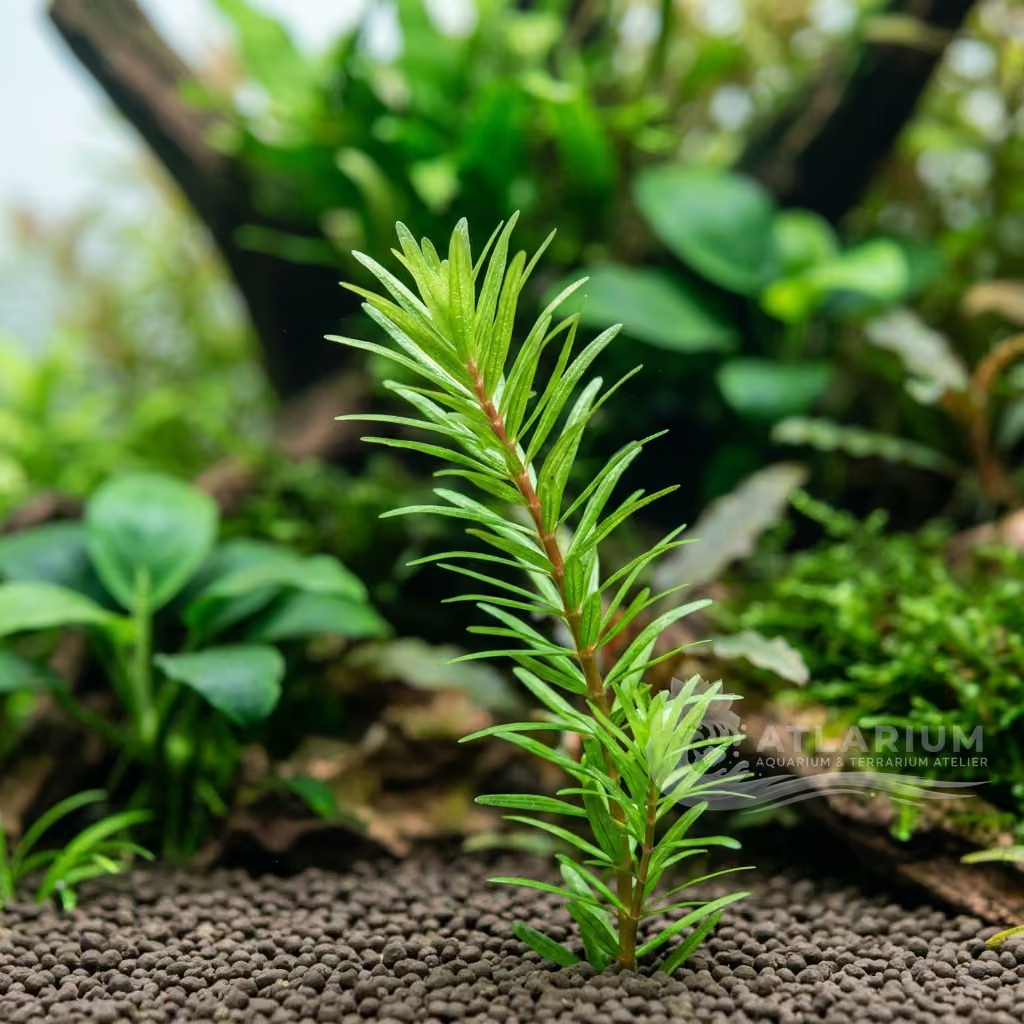
Space Management & Placement: The ideal placement is in the midground or background of the aquarium, depending on the tank size. Individual stems should be planted in the substrate one at a time, leaving a space of about 1-2 centimeters between them to ensure that light can penetrate to the base of the plant, preventing premature loss of lower leaves.
Pruning: Requires frequent pruning to maintain a neat shape and stimulate thickening. Trimming should be done with sharp scissors just above a leaf node; this will induce the plant to produce two or more new lateral shoots. The removed tops can be replanted directly into the substrate to give rise to new healthy stems, facilitating propagation.
Risks & Diseases: The main risk lies in mutual shading due to excessive density of the bush, which causes yellowing and subsequent drop of the basal leaves. Nutritional deficiencies manifest quickly: a lack of potassium produces micro-perforations on the older leaves, while iron deficiency is revealed by a conspicuous apical chlorosis, making new shoots white and fragile.

Geographic origin and distribution
This plant species is indigenous to the warm, tropical, and subtropical regions of Southern and Eastern Asia, with extensive populations found across India, southern China, Japan, Vietnam, and Taiwan. In its natural environment, it predominantly colonizes damp and transitional ecosystems such as the muddy banks of slow-flowing rivers, agricultural irrigation ditches, temporary swamps, and particularly flooded rice paddies, showing extraordinary ecological plasticity in both submersed and emersed phases.
Origin
South and Southeast AsiaEast Asia

Plant profile
- Placement
- Background
- It is an excellent choice for the midground or background depending on the size of the aquarium. Planting it in dense, stepped groups creates a visually impactful, colorful bush that serves as a strong focal point. Ensure it receives unobstructed light to prevent the lower leaves from melting and becoming bare.
- Botanical form
- Stem
- Rotala indica forms rounded, relatively small leaves that grow oppositely along sturdy vertical stems. Under intense lighting, the leaves develop a lovely pink to red coloration on their undersides and tips, contrasting with the green base. Its compact, almost coin-like leaves differentiate it from the thinner-leaved Rotala species.
- Growth
- Fast
- This plant has a moderate to fast growth rate when kept in optimal conditions with high light and CO2. Its predictable growth pattern makes it relatively easy to shape and maintain. Without CO2 and under lower light, the growth rate slows significantly and the plant tends to remain mostly green.
- Substrate
- Medium
- *Rotala indica* flourishes beautifully in a nutrient-rich aqua soil, though it can also adapt to inert gravel if supplemented adequately with water column fertilizers. Its fine roots gently penetrate the substrate, drawing up essential minerals necessary for robust stem development and vivid leaf coloration. Providing a substrate depth of 4 to 5 centimeters ensures that individual stems can anchor firmly without competing for space. The inclusion of a lightly compacted, clay-based bottom layer can further stimulate vigorous root proliferation and overall plant health.
- Column fertilization
- Optional
- It relies heavily on the water column for its nutritional needs, benefiting greatly from regular liquid fertilizer dosing. A balanced macronutrient regime ensures the stems remain thick and healthy, while daily iron and trace elements keep the colors vibrant. Potassium deficiency can quickly lead to pinholes in the older leaves.
- Root fertilization
- Optional
- Planting it in a nutrient-rich active soil provides an excellent foundation for long-term health. The root system is robust enough to pull nutrients from the substrate, acting as a reliable reserve when water column levels fluctuate. Substrate fertilization supports overall plant mass and reduces reliance solely on liquid dosing.
- Trimming
- Occasional
- Rotala indica responds exceptionally well to frequent trimming, making it perfect for creating shaped, dense bushes. Cutting the main stems encourages the production of two or more side shoots directly below the cut. Replanting the healthy tops alongside the parent stems will rapidly increase the density of the group.
- Propagation
- Cuttings
- Propagation is incredibly simple and is done by taking stem cuttings of about 10-15 cm in length. Simply plant these cuttings directly into the substrate, where they will quickly develop roots. Letting a stem grow horizontally across the substrate will also stimulate the growth of numerous vertical shoots along its length.
- Sensitivity
- Moderate
- It is not overly sensitive but will quickly show signs of distress if light levels are too low, dropping its lower leaves. It prefers stable water parameters and may suffer from stunted growth if CO2 levels fluctuate dramatically. Algae can sometimes grow on the older, slower-growing lower leaves if nutrients are imbalanced.
- Layout role
- Background
- Its robust form and attractive coloration make it a staple in both Nature Aquarium and Dutch style aquascapes. Rotala indica is typically used to create solid, colorful blocks or bushes in the mid-to-background. The rounded leaf shape provides excellent contrast against fine-leaved plants or grassy foregrounds.

Related species
Recommendations grouped by close relatives, companion choices, and similar care.