Whorled Rotala
Rotala wallichii
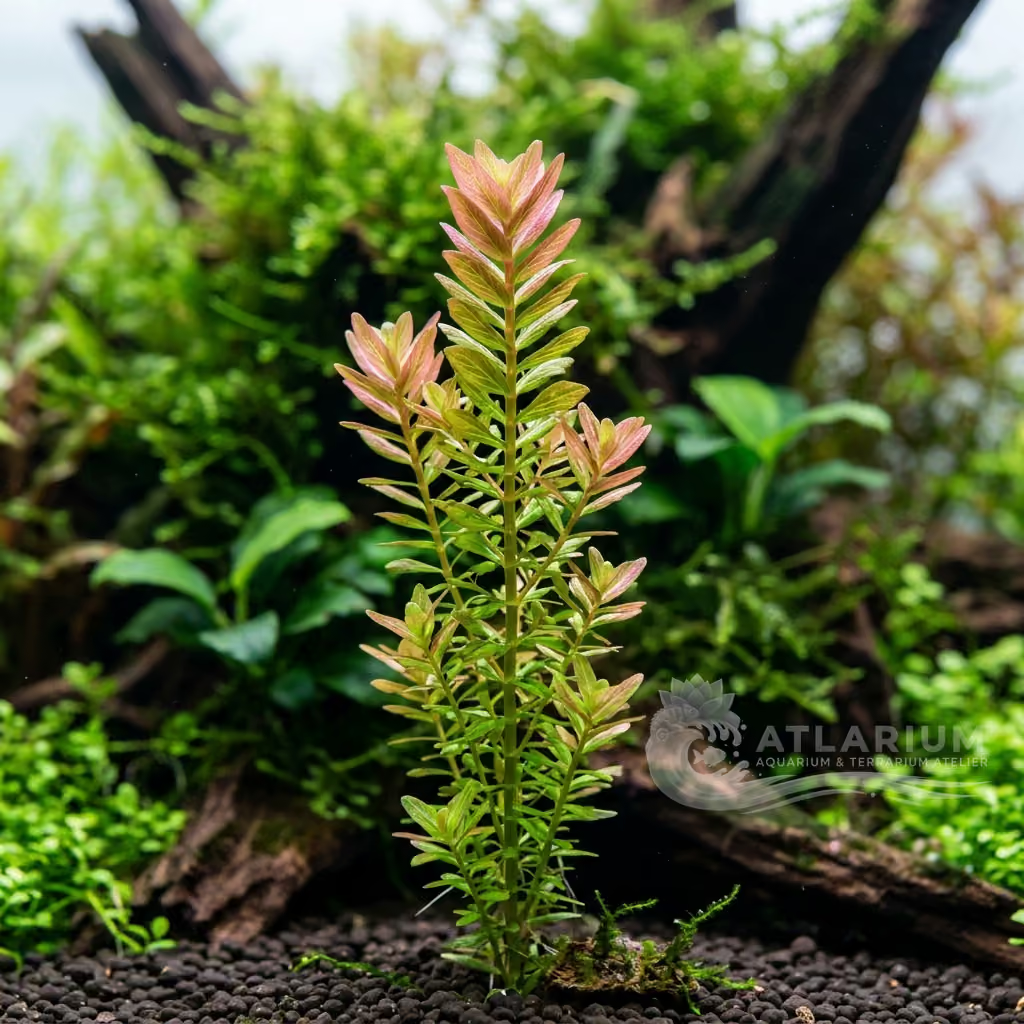
Rotala wallichii is an elegant, fluffy stem plant from Asia. It demands very high light levels and steady CO2 to express its vibrant pink-red pigmentation.
Water Temperature
21 - 28 °C
pH Value
5.5 - 7
Water type
Freshwater
Light
High
CO2
High
Expected height
30 cm
Expected width
10 cm
GH
2 - 6 dGH
KH
0 - 4 dKH

Species description
Geographical Origin and Habitat: Rotala wallichii is a stem plant native to southern and southeastern Asia, widely distributed in countries such as India, Thailand, Vietnam, Laos, and southern China. In its natural range, it grows in stagnant or slow-moving waters, including rice paddies, marshes, acidic ponds, and ditches in lowland and hilly areas. It thrives in extremely soft, acidic waters with low mineral content, fully exposed to direct sunlight.
Taxonomy & Genetics: Belonging to the family Lythraceae, genus Rotala, it is closely related to other popular aquarium Rotala species such as Rotala rotundifolia, but is easily distinguished by its needle-like leaves. It is a fine-leafed dicotyledonous plant that displays intense coloration when subjected to specific environmental and nutritional parameters.
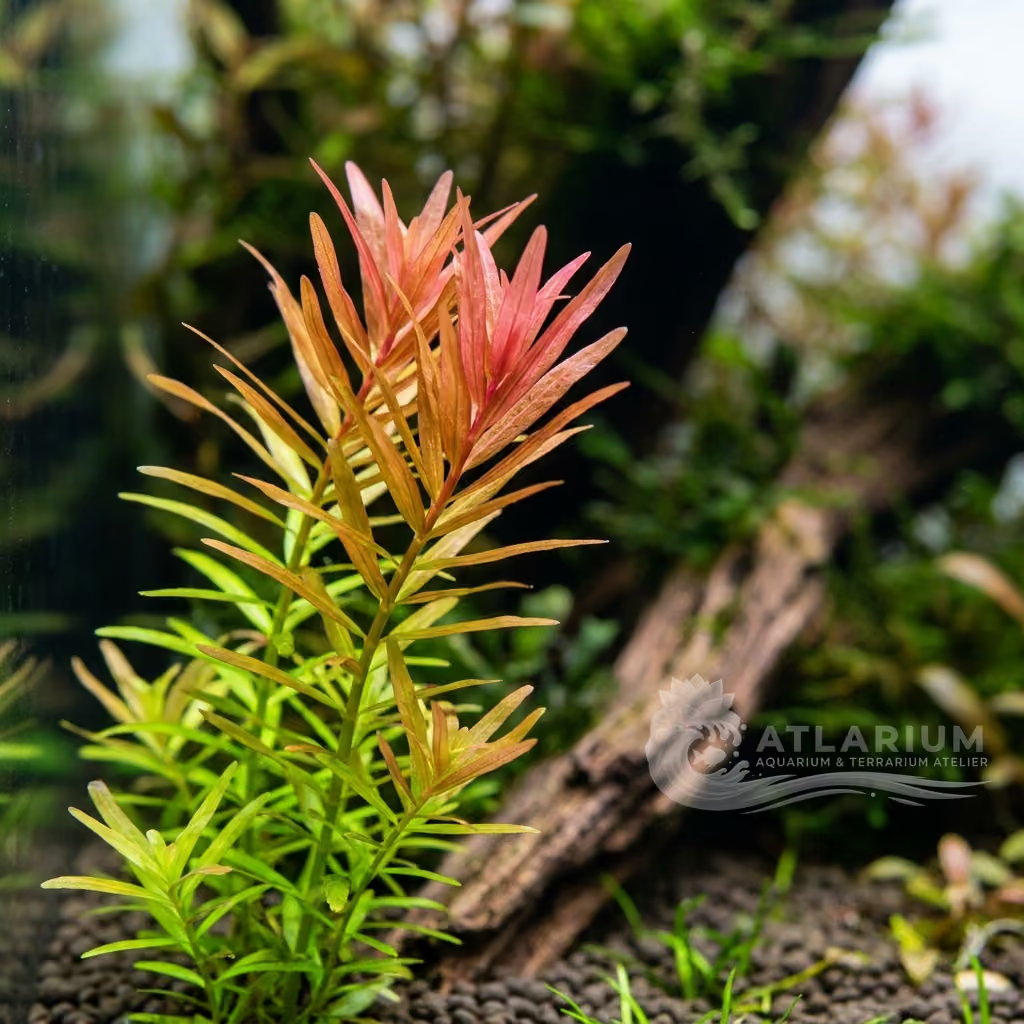
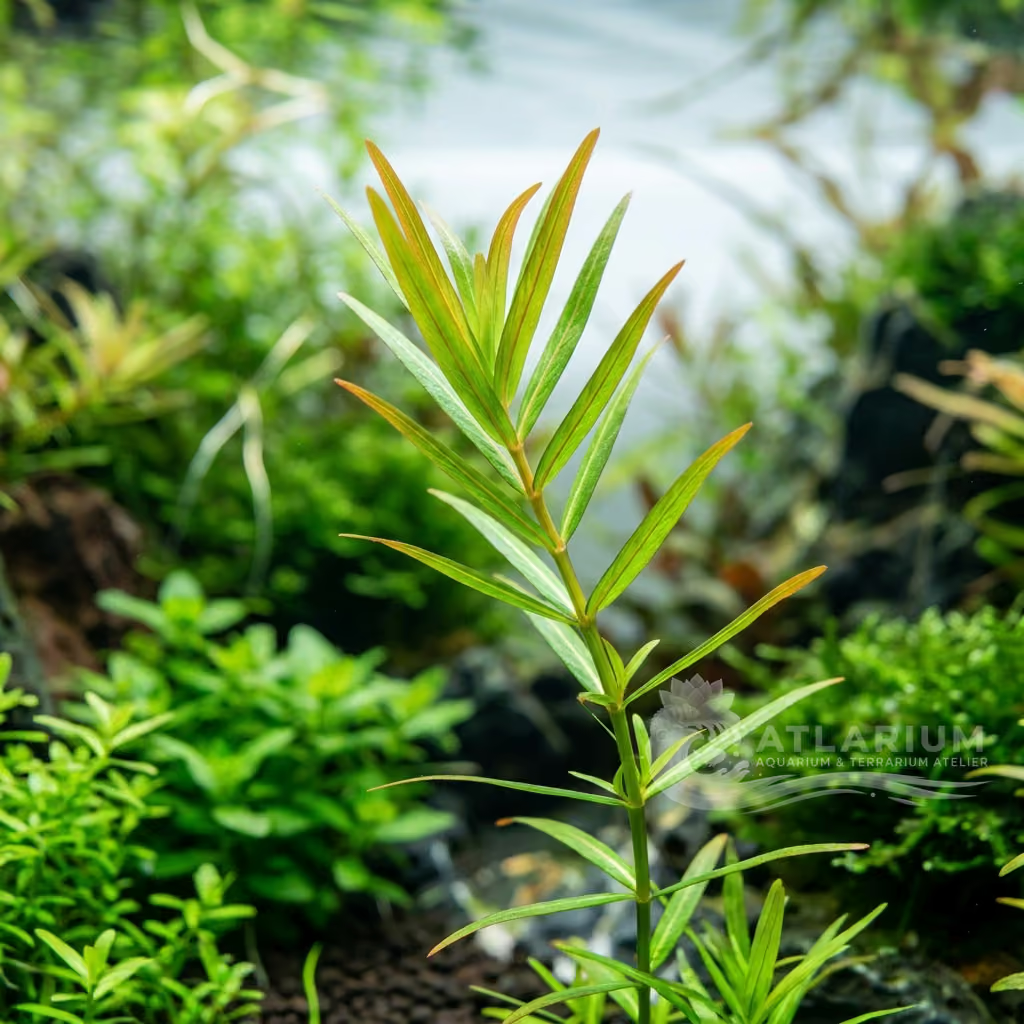
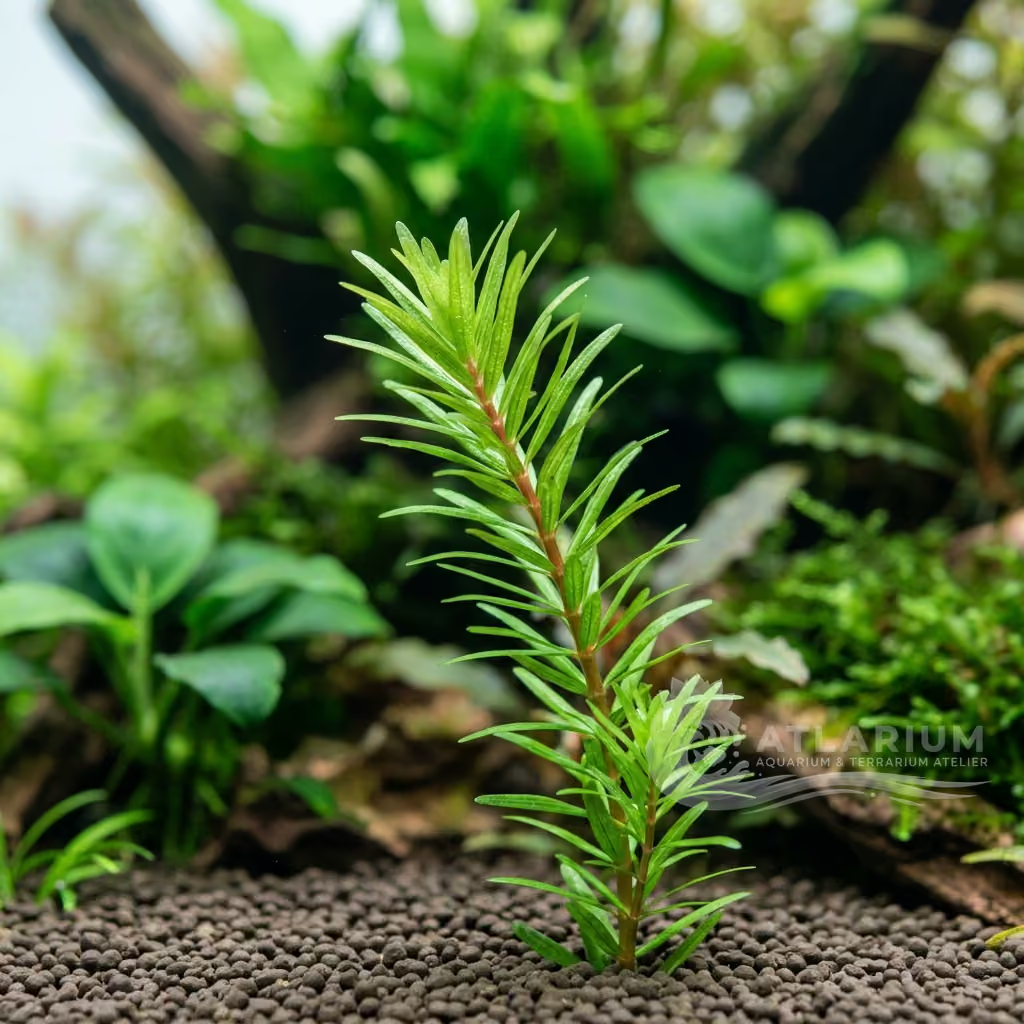
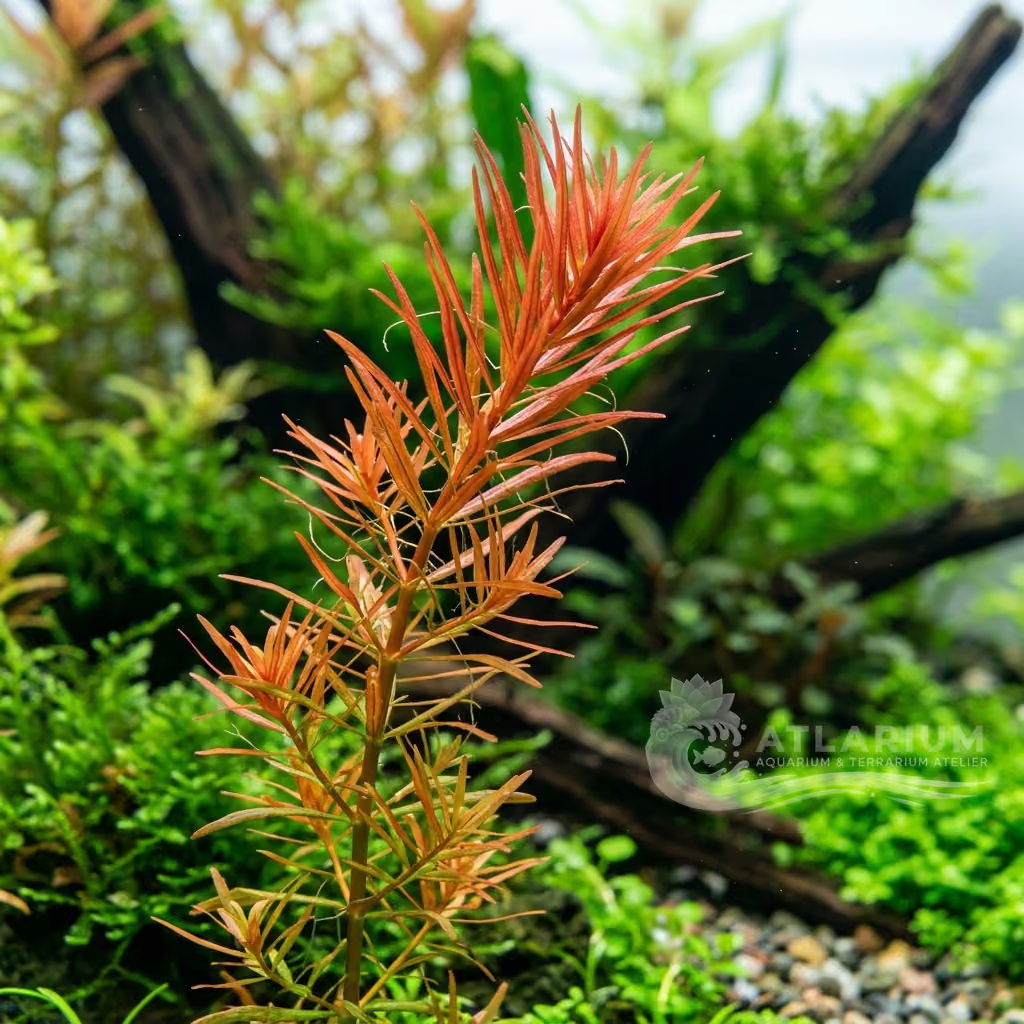
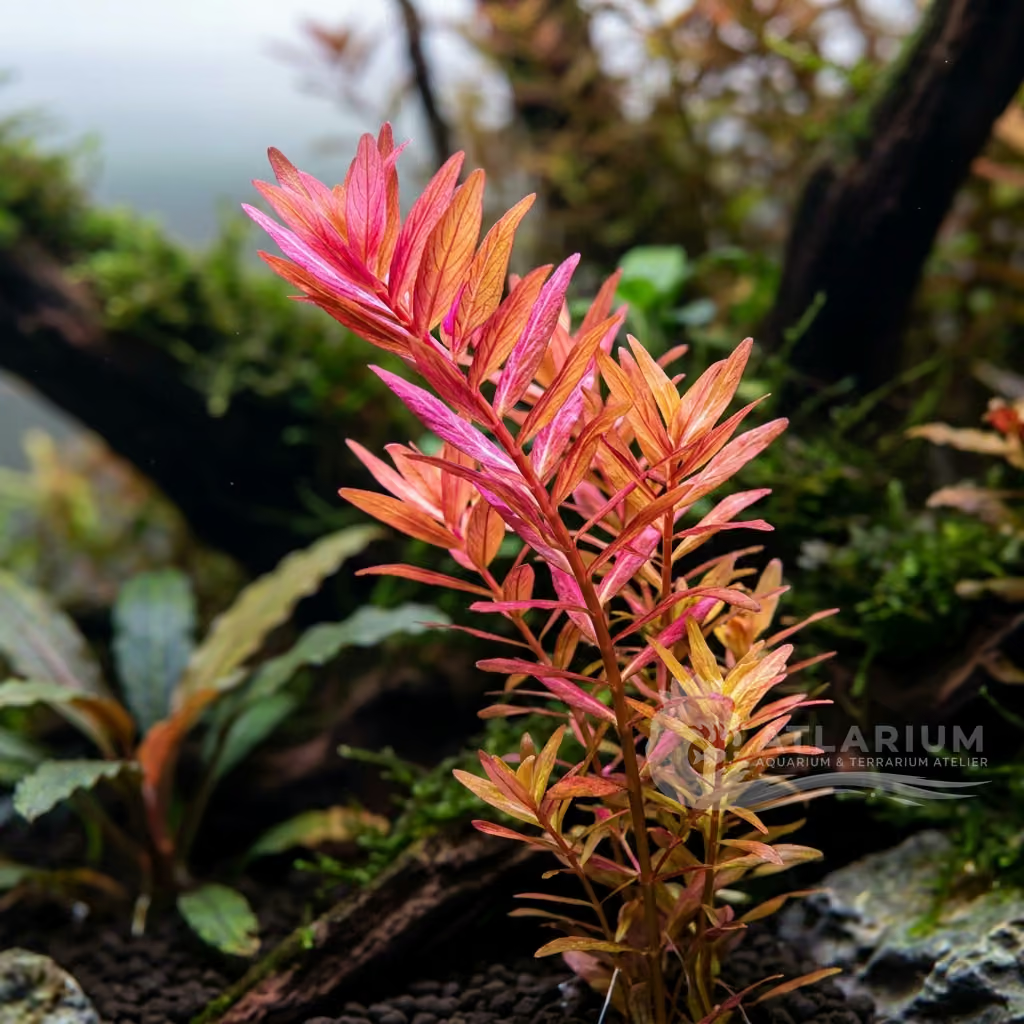
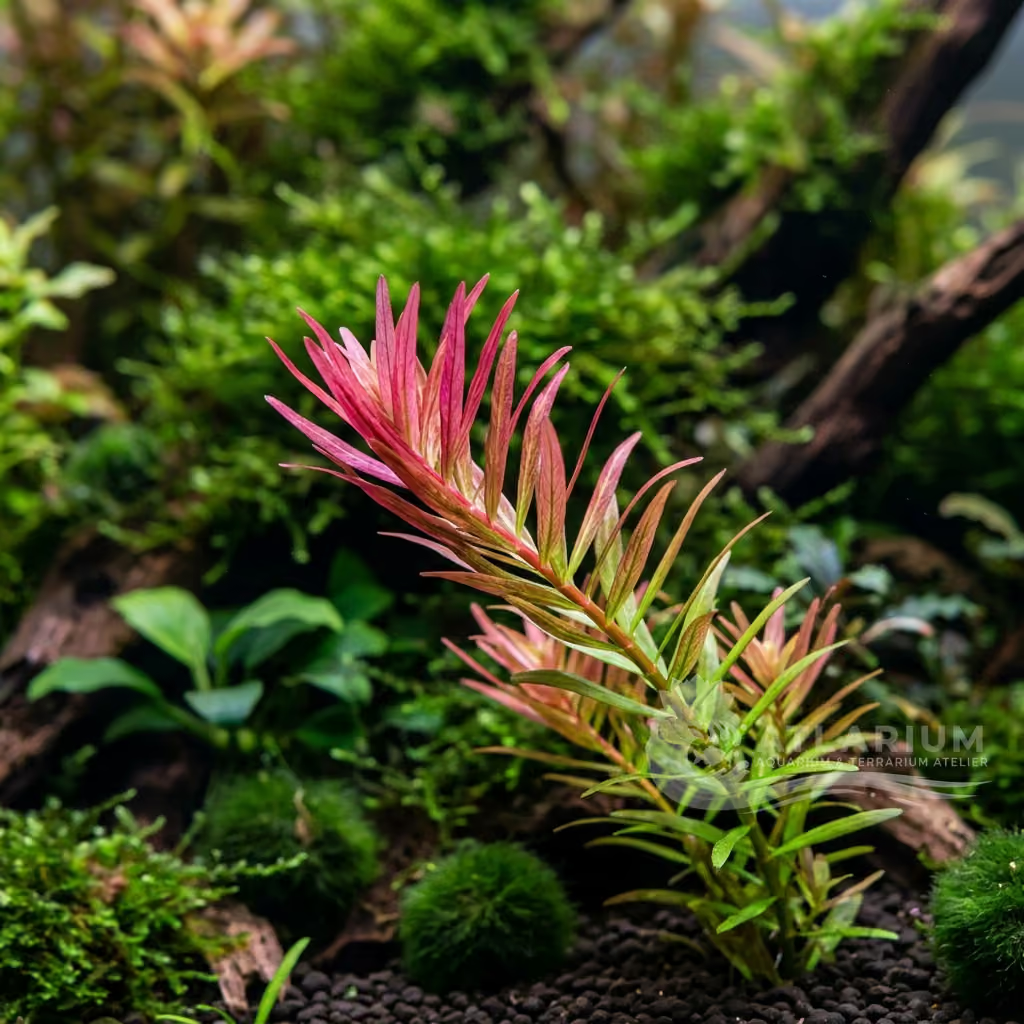
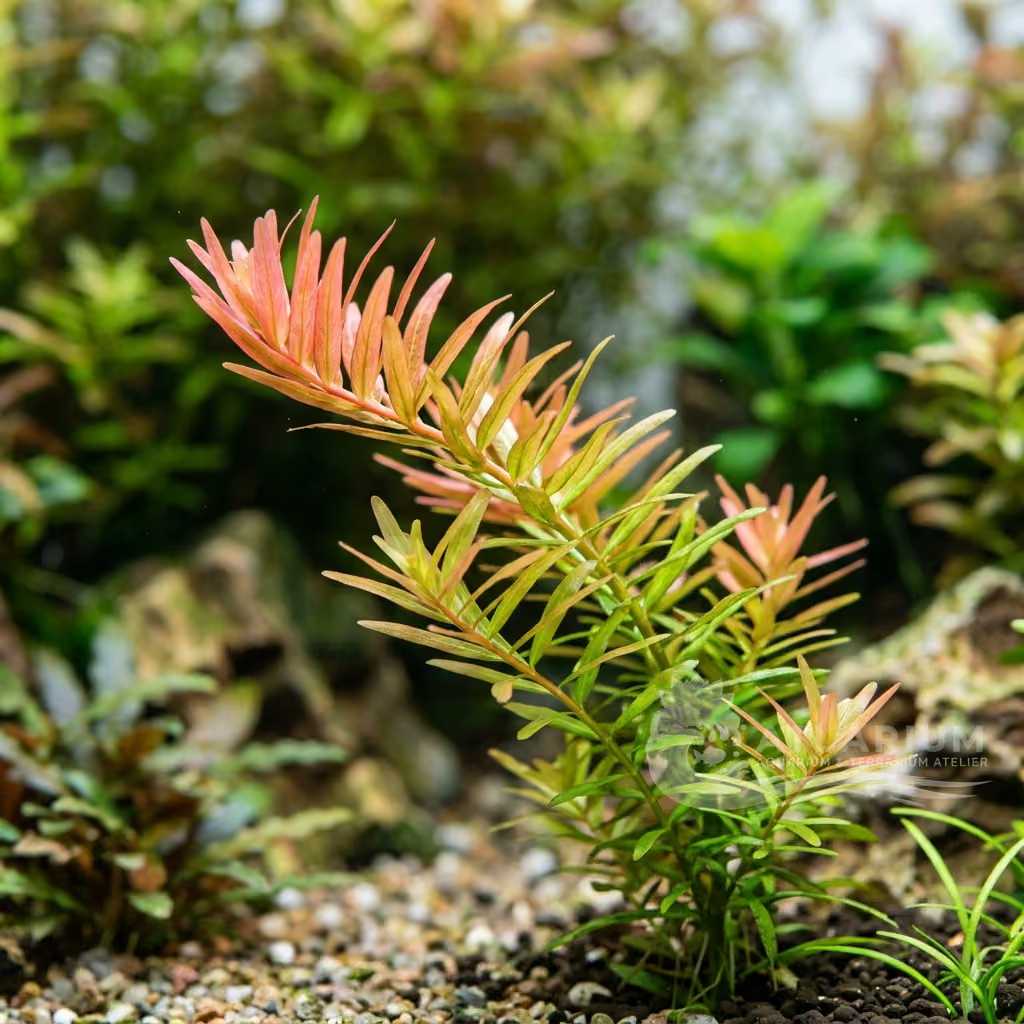
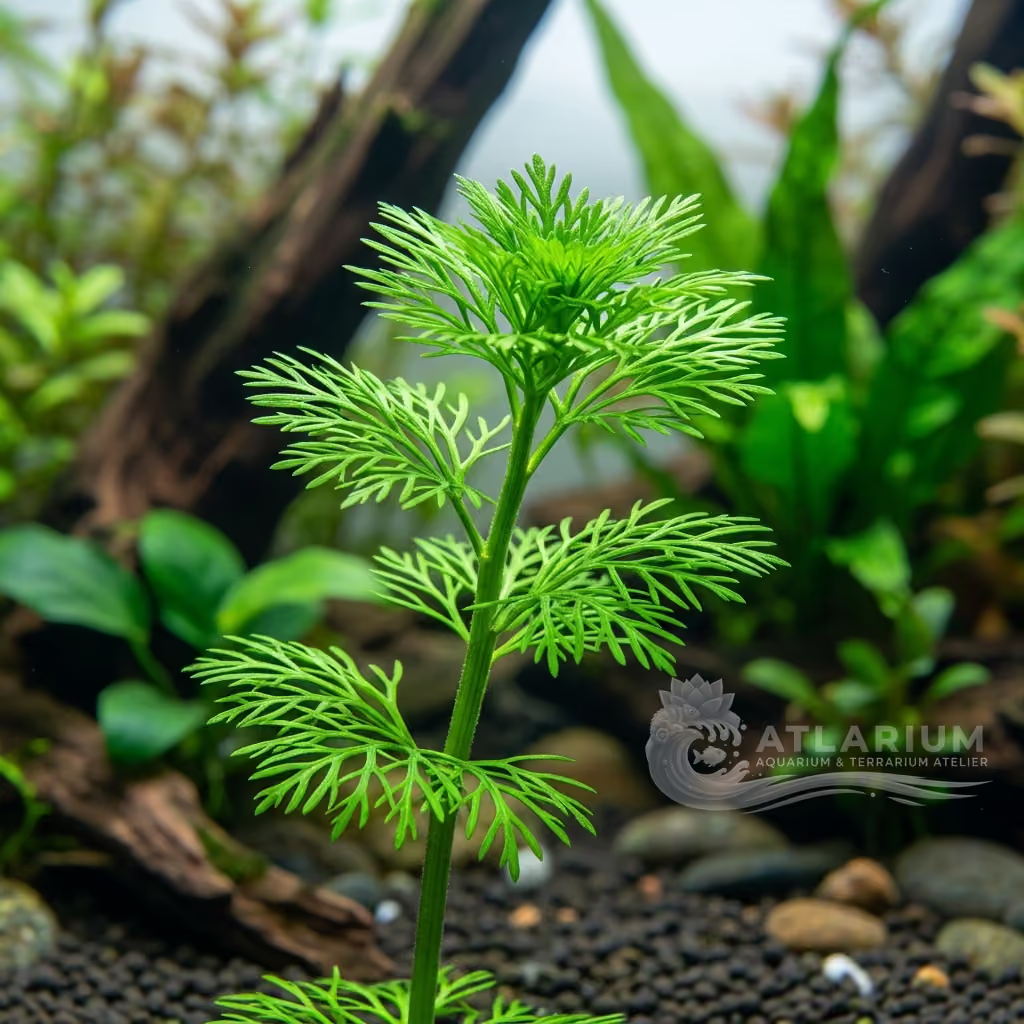
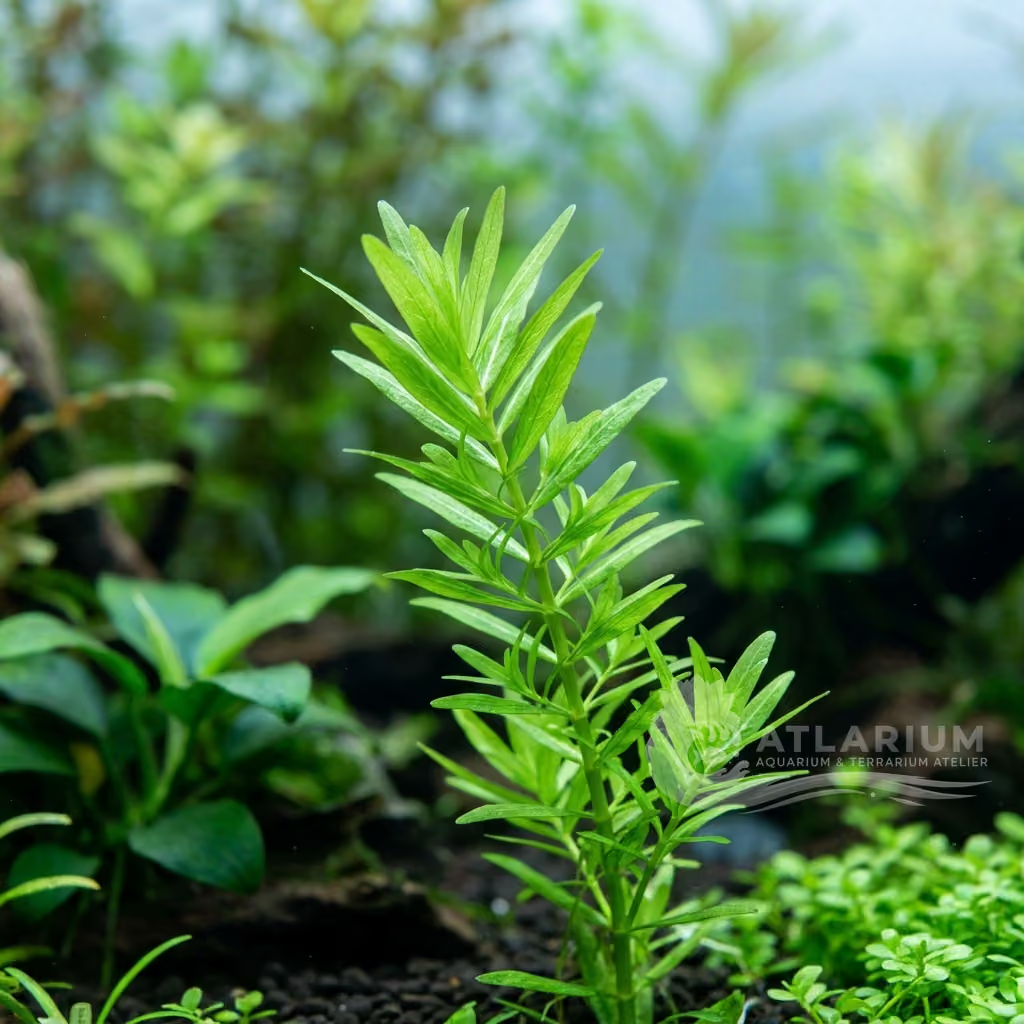
Physical Structure: It features thin, upright stems growing in dense vertical groups. The leaves are arranged in whorls around the stem, having an extremely fine, needle-like or linear shape (1-2 cm long and less than 1 mm wide). Under submersed conditions, it grows vertically (up to 30-40 cm) with minimal branching unless pruned, creating a soft, feather-like visual texture.
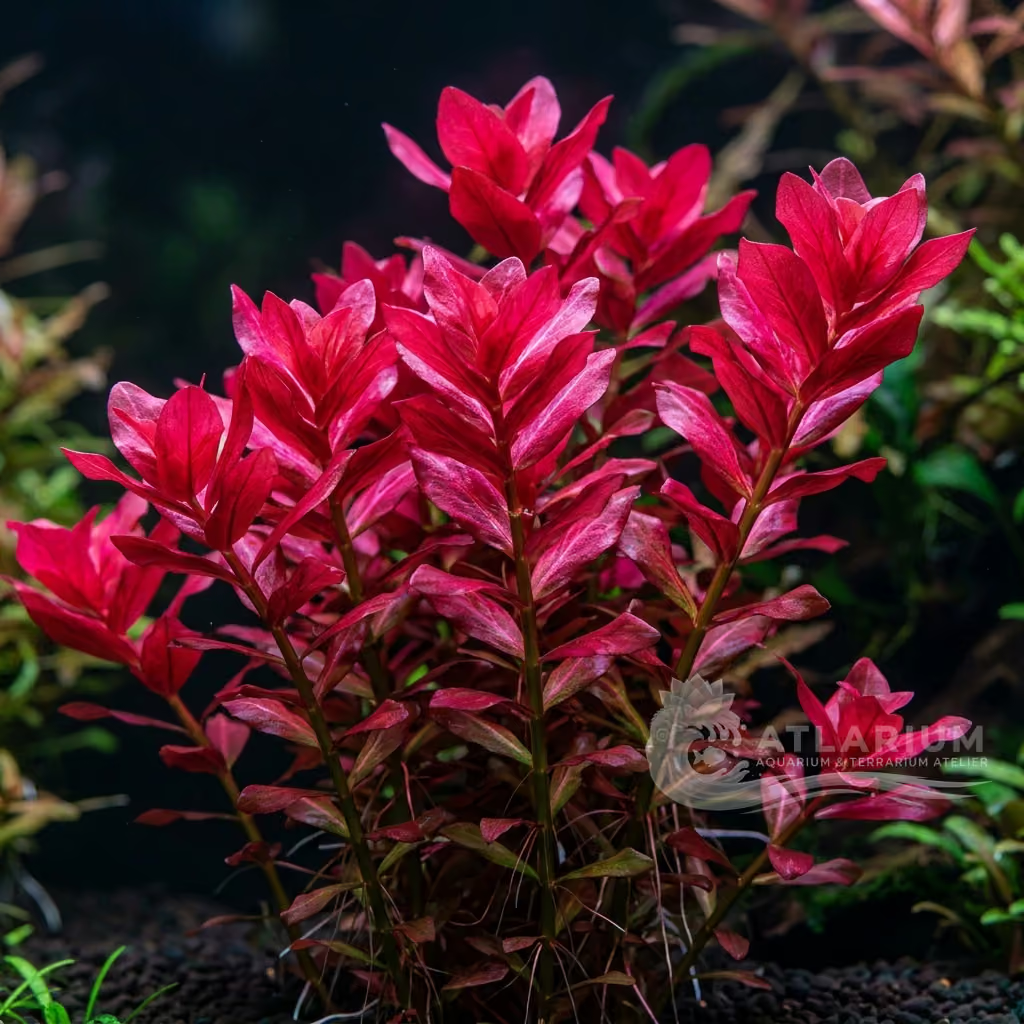
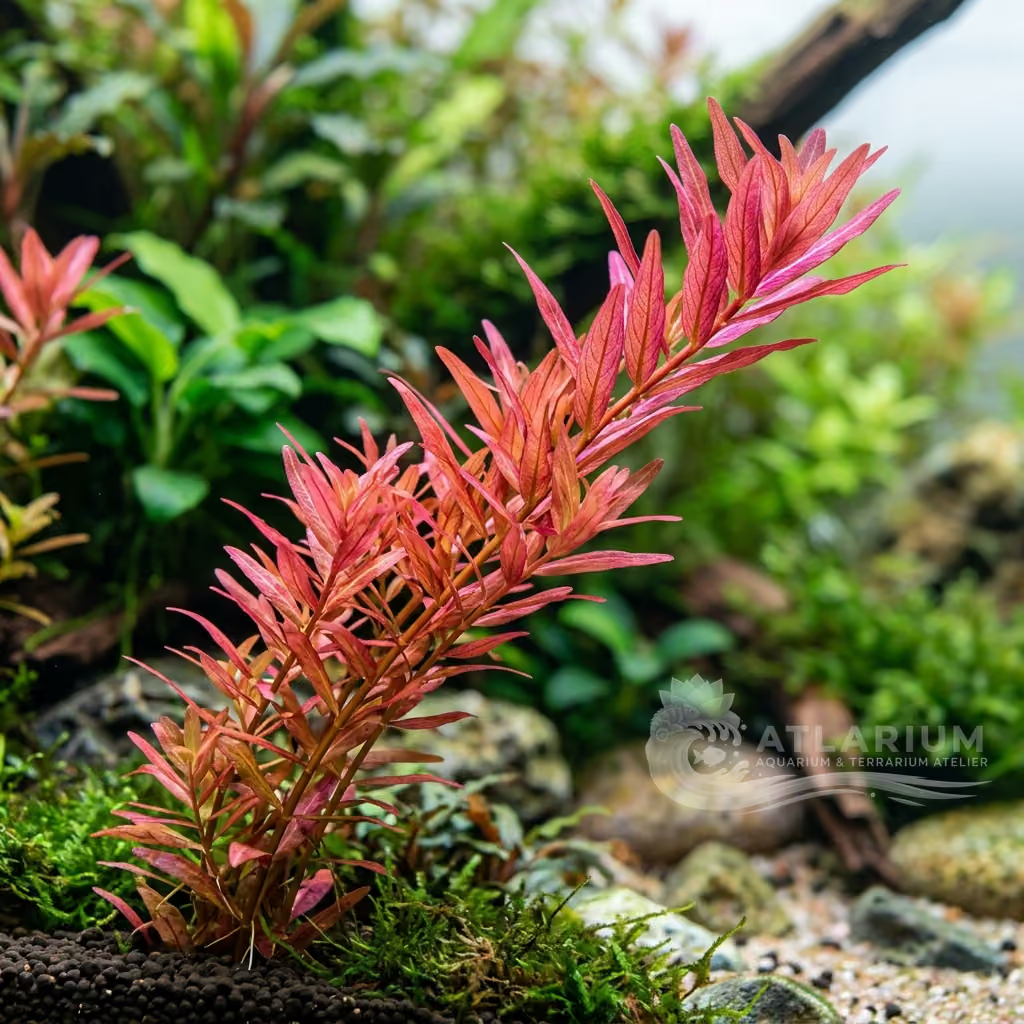
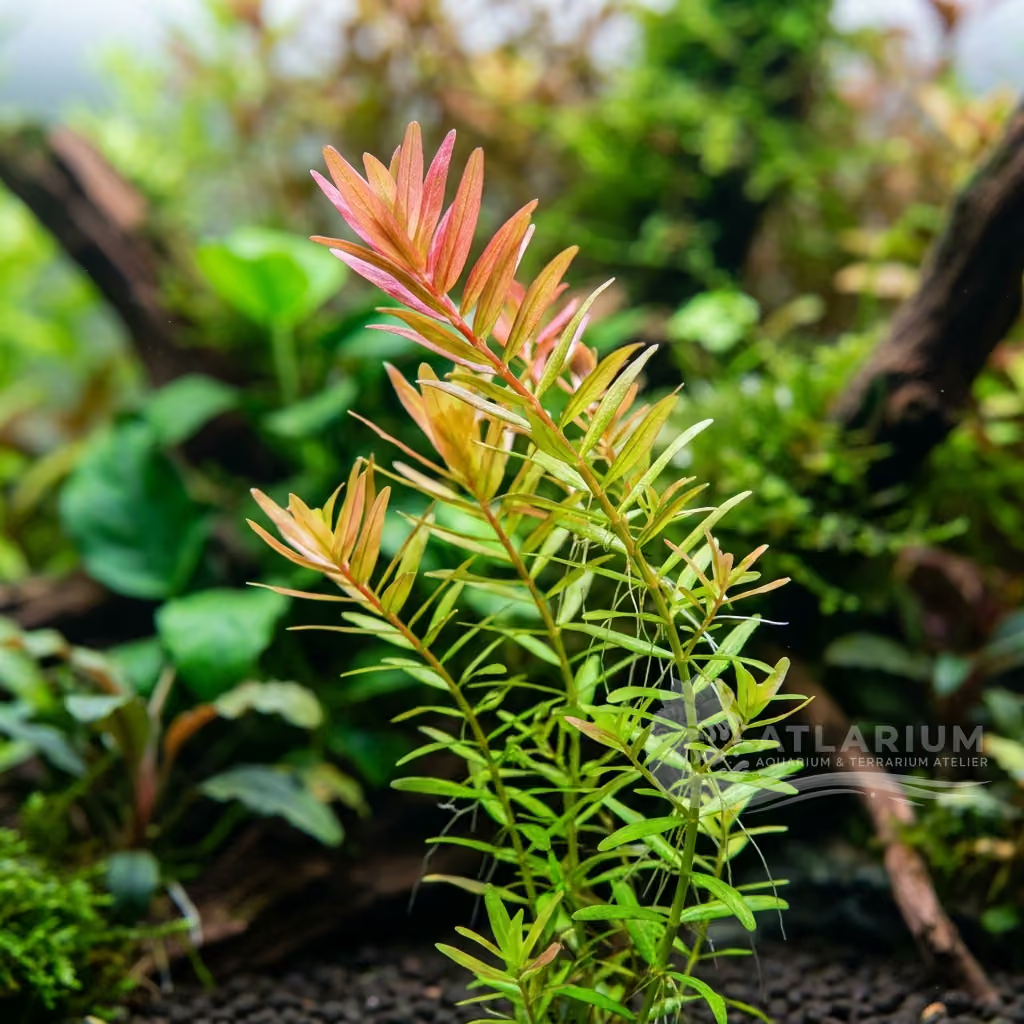
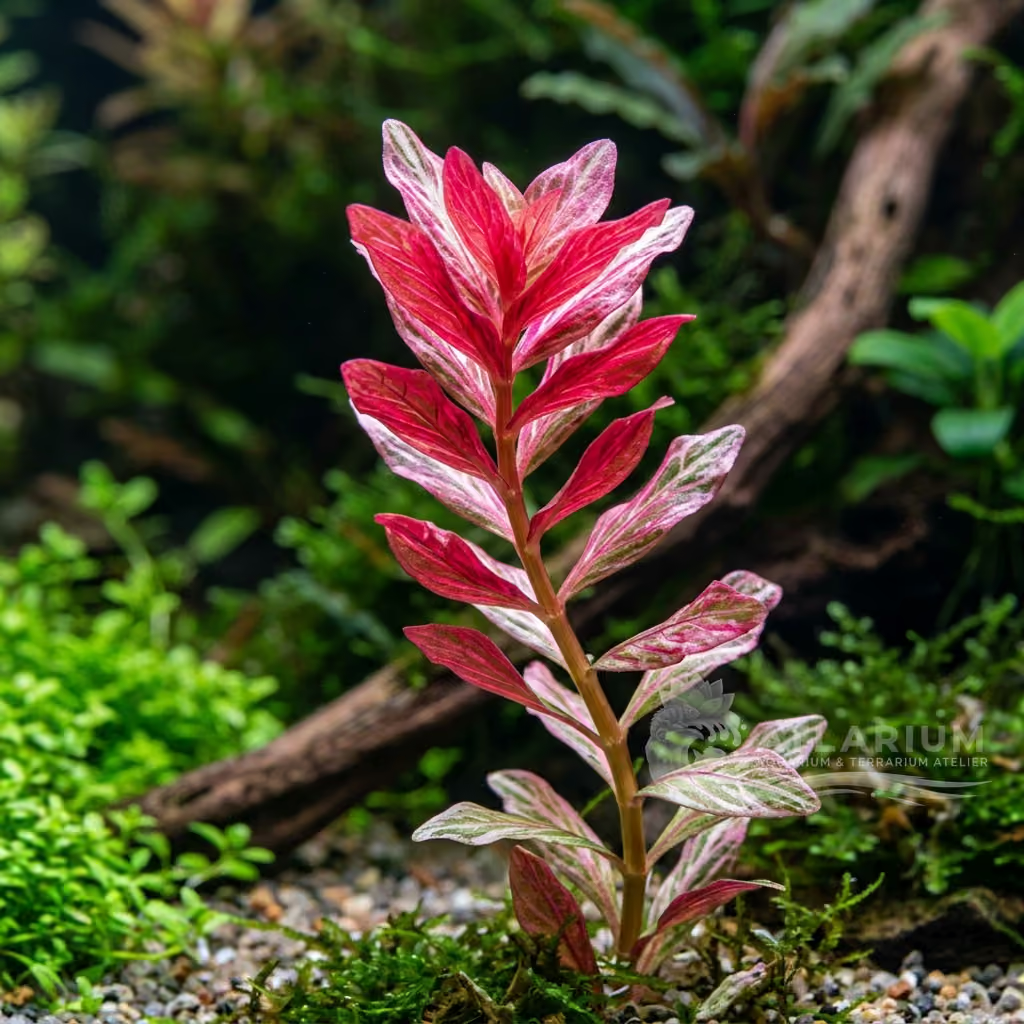
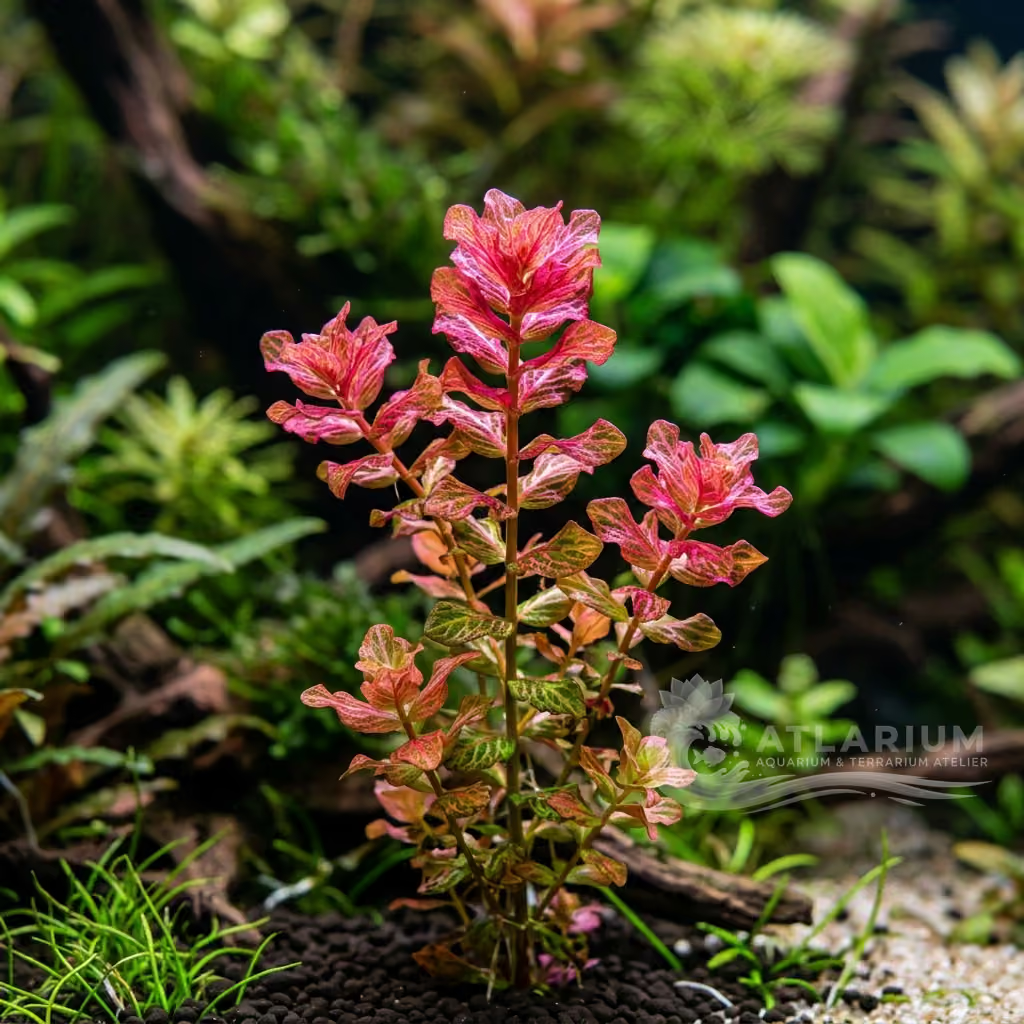
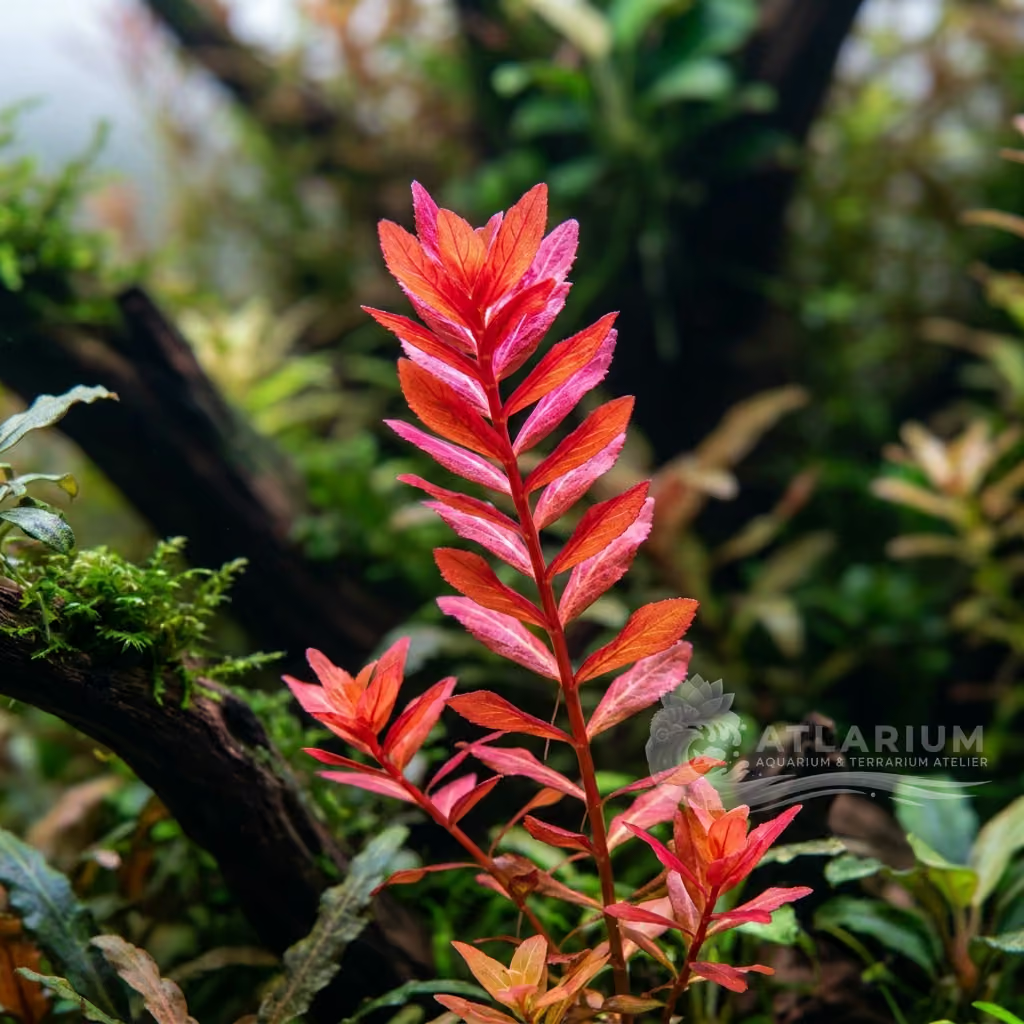
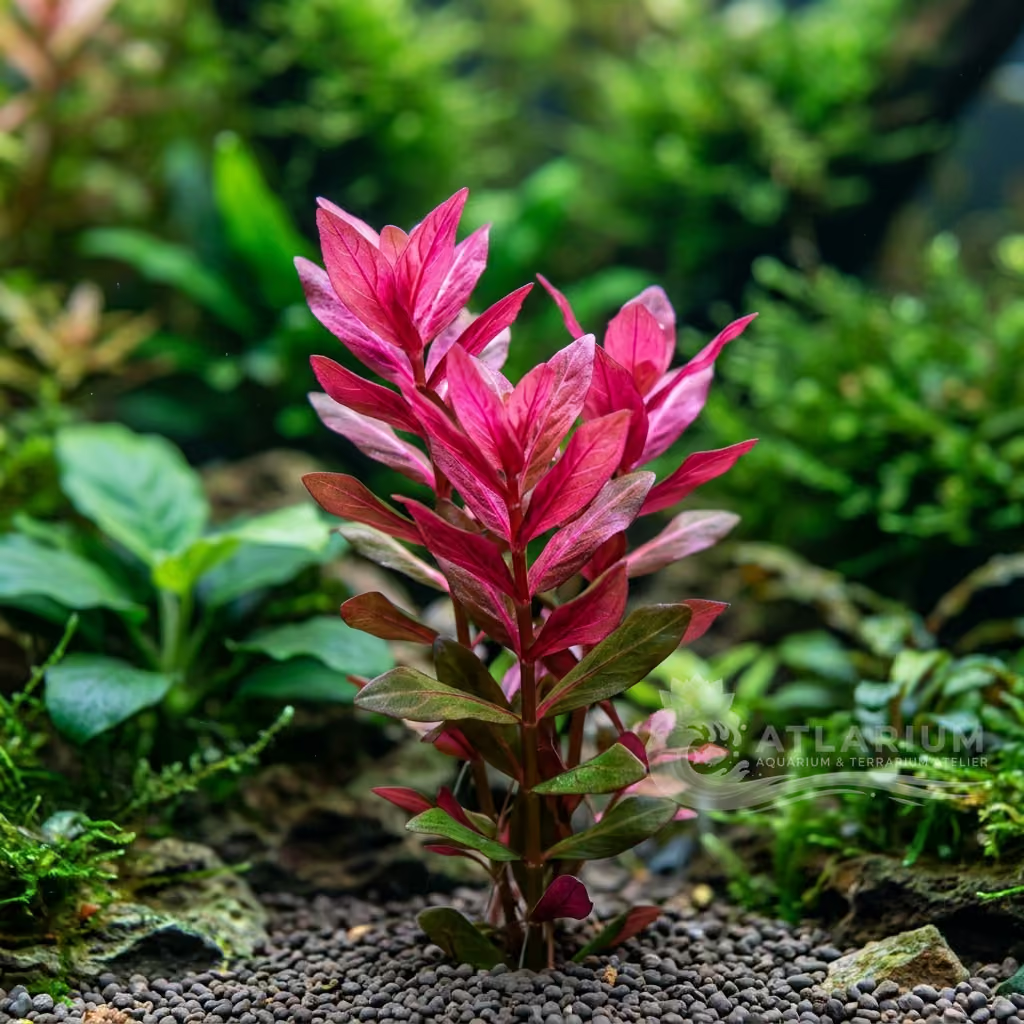
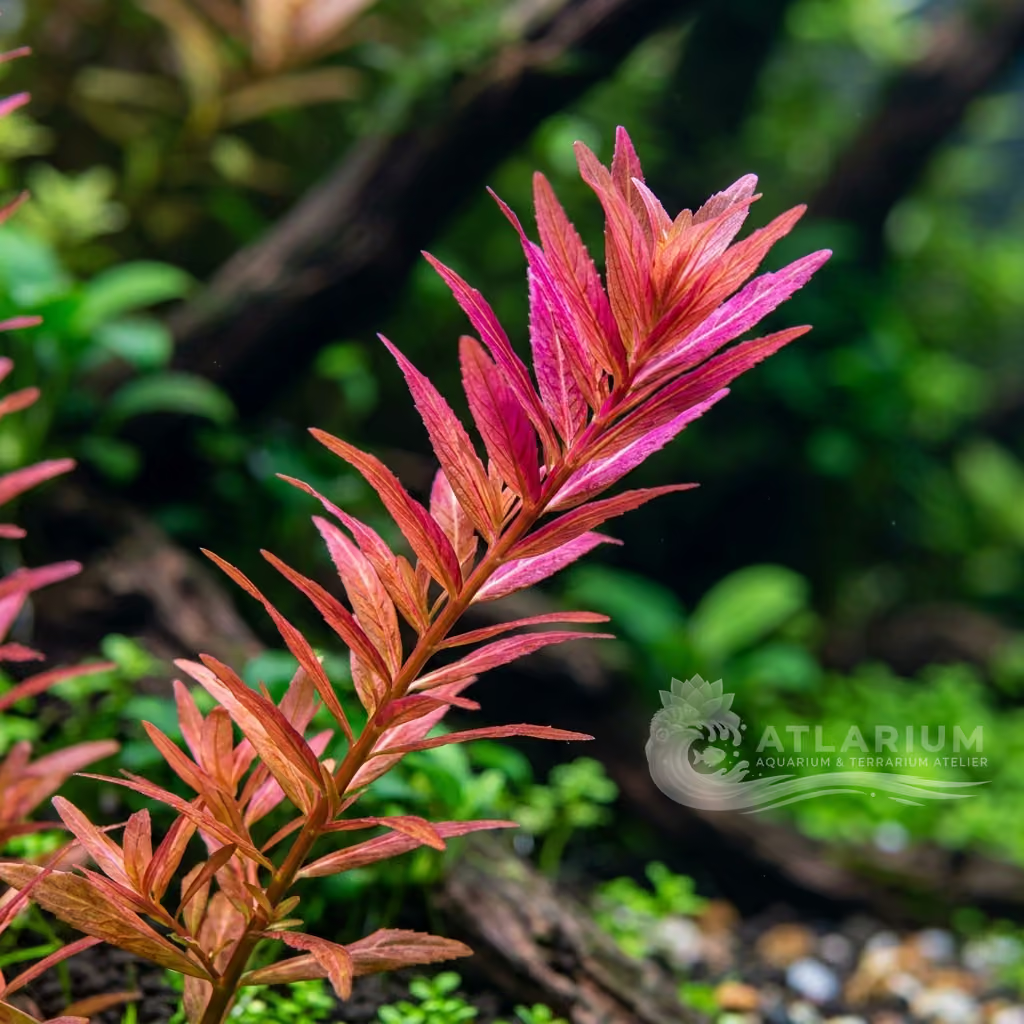
Color & Texture: It is famous for its dramatic color changes. Under optimal conditions, the growing tips and upper leaves turn a vivid pinkish-red, orange, or copper hue, while the lower or shaded parts remain olive green. The leaf texture is incredibly fine and plumy, giving a cloud-like, delicate appearance to plant groups in the aquascape.

Care, breeding and tankmates
Lighting & CO2: It demands very high light levels to display its intense pink-red pigmentation and to prevent the lower leaves from decaying. A steady, pressurized CO2 system is essential (aim for 20-30 mg/l) to maintain healthy growth and prevent stem melting, particularly in high-light aquariums.
Nutrition & Substrate: Requires a nutrient-rich substrate, preferably an active soil that helps lower pH. It is a heavy feeder of chelated iron and trace elements, which should be dosed in the water column to support its red color. Nitrate levels should be kept low (5-10 mg/l) while phosphate levels should be kept relatively high (1-2 mg/l) to limit algae and stimulate colors.
Water Chemistry: It is a demanding species requiring soft, acidic water (GH 2-6 dGH, KH 0-4 dKH) and a pH range of 5.5 to 6.8. It does not tolerate hard, alkaline waters, which lead to stunted growth and decaying stems. The ideal temperature is between 22°C and 28°C. Frequent water changes with RO water are highly recommended.
Space Management & Placement: It is best placed in the background or midground of the aquarium where it can form dense, colorful bushes that contrast with green plants. Stems should be planted individually, spaced about 2 cm apart, to ensure light penetrates to the lower leaves and prevents premature shedding.
Pruning: Pruning is done by cutting the stem tops with sharp scissors. The cut tops can be replanted into the substrate, where they will quickly root. The remaining bottom section will produce multiple lateral shoots, resulting in a denser and more compact bush over time.
Risks & Diseases: It is highly susceptible to hair and thread algae, which can easily choke out and destroy its fine needle-like leaves. Fluctuations in water parameters or nutrient deficiencies cause rapid melting of the growing tips, leaf drop, and stem rot. It does not do well in stagnant zones with poor water circulation.

Geographic origin and distribution
Rotala wallichii is a stem plant native to southern and southeastern Asia, widely distributed in countries such as India, Thailand, Vietnam, Laos, and southern China. In its natural range, it grows in stagnant or slow-moving waters, including rice paddies, marshes, acidic ponds, and ditches in lowland and hilly areas. It thrives in extremely soft, acidic waters with low mineral content, fully exposed to direct sunlight.
Origin
South and Southeast AsiaEast Asia

Plant profile
- Placement
- Background
- It is most striking when planted in dense clusters in the midground or background, serving as a bright focal point. It must be positioned directly under intense lighting, completely unobstructed by taller plants. Careful placement ensures the entire stem receives enough light to maintain color down to the substrate.
- Botanical form
- Stem
- The plant is celebrated for its incredibly fine, hair-like leaves that form dense whorls around the stem, giving it a plume-like appearance. Its coloration ranges from light green at the bottom to intense shades of pink, red, and golden-orange near the shoot apex. The fluffy, ethereal texture sways beautifully in the aquarium current.
- Growth
- Fast
- When provided with very high light, generous CO2, and rich nutrients, it exhibits a remarkably fast growth rate. It frequently reaches the surface and must be trimmed often to maintain a bushy, compact form. Under sub-optimal conditions, its growth practically stops, and the delicate stems slowly deteriorate.
- Substrate
- None
- A soft, acidic aquasoil is the preferred substrate, providing an ideal environment for its fine, fragile root system. Cultivating Rotala wallichii in plain gravel is notoriously difficult and usually unsuccessful without heavy supplementation. An active soil also helps buffer the pH to the slightly acidic levels this species prefers.
- Column fertilization
- Recommended
- Heavy and consistent liquid fertilization is critical, as it draws heavily from the water column to sustain its rapid growth and intense colors. A daily dosing regimen of iron and complete micro/macronutrients yields the best results. Neglecting column fertilization quickly leads to pale, stunted growth and the loss of lower foliage.
- Root fertilization
- None
- While primarily absorbing nutrients through its leaves, an enriched substrate heavily influences its overall health and vitality. A fertile root zone provides a stable foundation, preventing the stems from uprooting easily. Root tabs can provide a helpful nutrient boost, especially in older, established aquariums.
- Trimming
- Regular
- Trim carefully by cutting the tops and replanting them for the best appearance. Leaving the bottom stems often results in unsightly, slow-to-recover stumps. Regular pruning encourages a bushier, more compact growth form.
- Propagation
- Cuttings
- Propagation is executed by taking cuttings from the top 3-4 inches of the stem and carefully replanting them. It is important to strip the bottom leaves off the cutting to prevent rotting in the substrate. Frequent trimming encourages the mother plant to produce multiple side shoots, forming a stunning, thick canopy.
- Sensitivity
- HIGH
- One of the most sensitive Rotala species, intolerant of poor water quality or fluctuating parameters. Highly susceptible to hair algae if nutrients or CO2 are unbalanced. Shading will cause immediate leaf loss on the lower stem.
- Layout role
- Midground, Background
- A stunning focal plant that adds vibrant color and incredibly fine texture to any layout. Often used as a striking red accent in Dutch-style aquariums or nature aquascapes. Its delicate appearance contrasts beautifully with solid green plants and dark hardscape.

Related species
Recommendations grouped by close relatives, companion choices, and similar care.