Rotala macrandra 'Pearl'
Rotala macrandra
Rotala macrandra 'Pearl' is a stunning midground stem plant known for its striking pearlescent coloration, requiring high light and CO2 to flourish. Its medium growth rate makes it a manageable yet vibrant accent for planted aquariums.
Water Temperature
18 - 30 °C
pH Value
4.5 - 7
Water type
Freshwater
Light
High
CO2
Low - High
Expected height
20 cm
Expected width
7 cm
KH
0 - 12 dKH

Species description
Geographical Origin and Habitat:
Taxonomy & Genetics: Rotala macrandra 'Pearl' belongs to the Lythraceae family, which encompasses many popular aquatic and terrestrial plants, including numerous Rotala species. As a cultivar, 'Pearl' represents a specific phenotype developed through horticultural selection, rather than a distinct botanical species or subspecies. This classification highlights its close genetic proximity to the standard Rotala macrandra while acknowledging its unique cultivated traits, primarily expressed in its exceptional leaf
Color & Texture: ation and sometimes a more diminutive leaf size. The careful breeding process aims to stabilize these desirable characteristics, making it a reliable and sought-after choice for aquascaping.
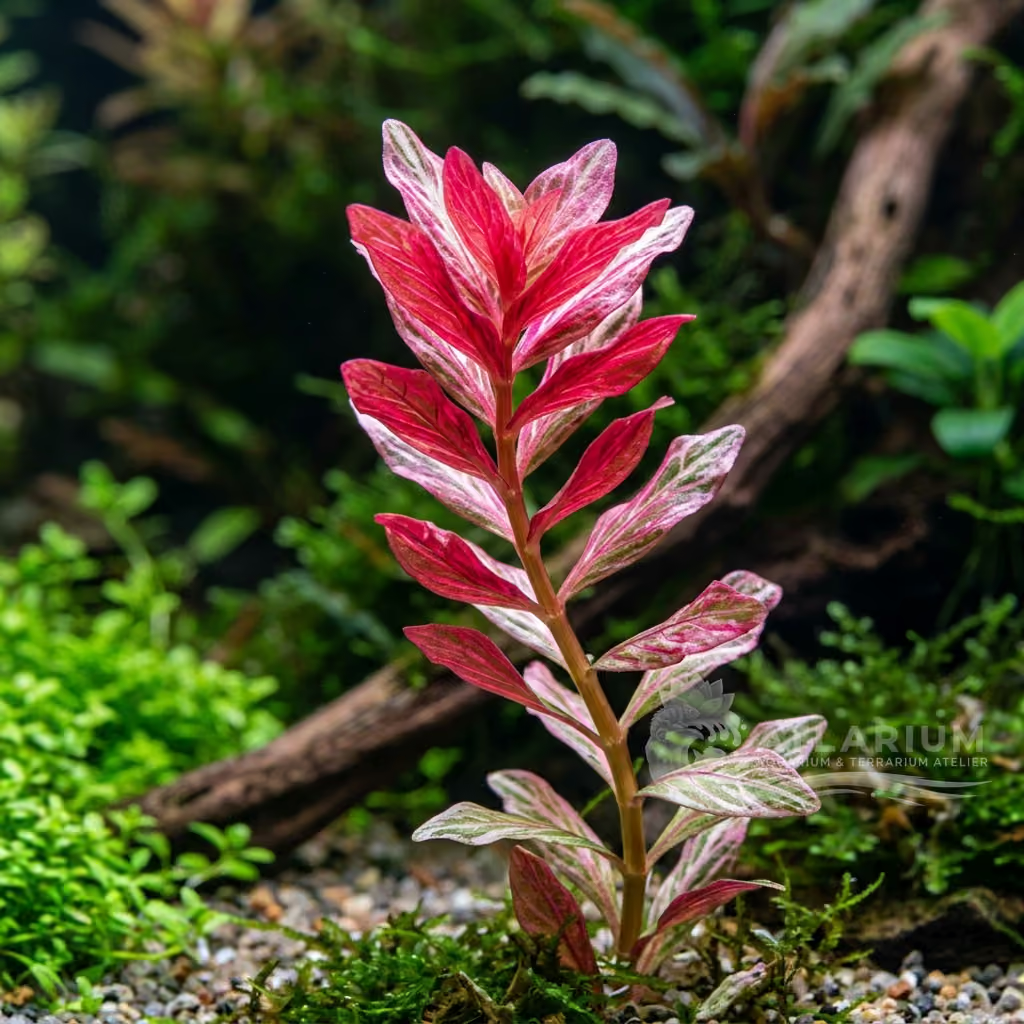
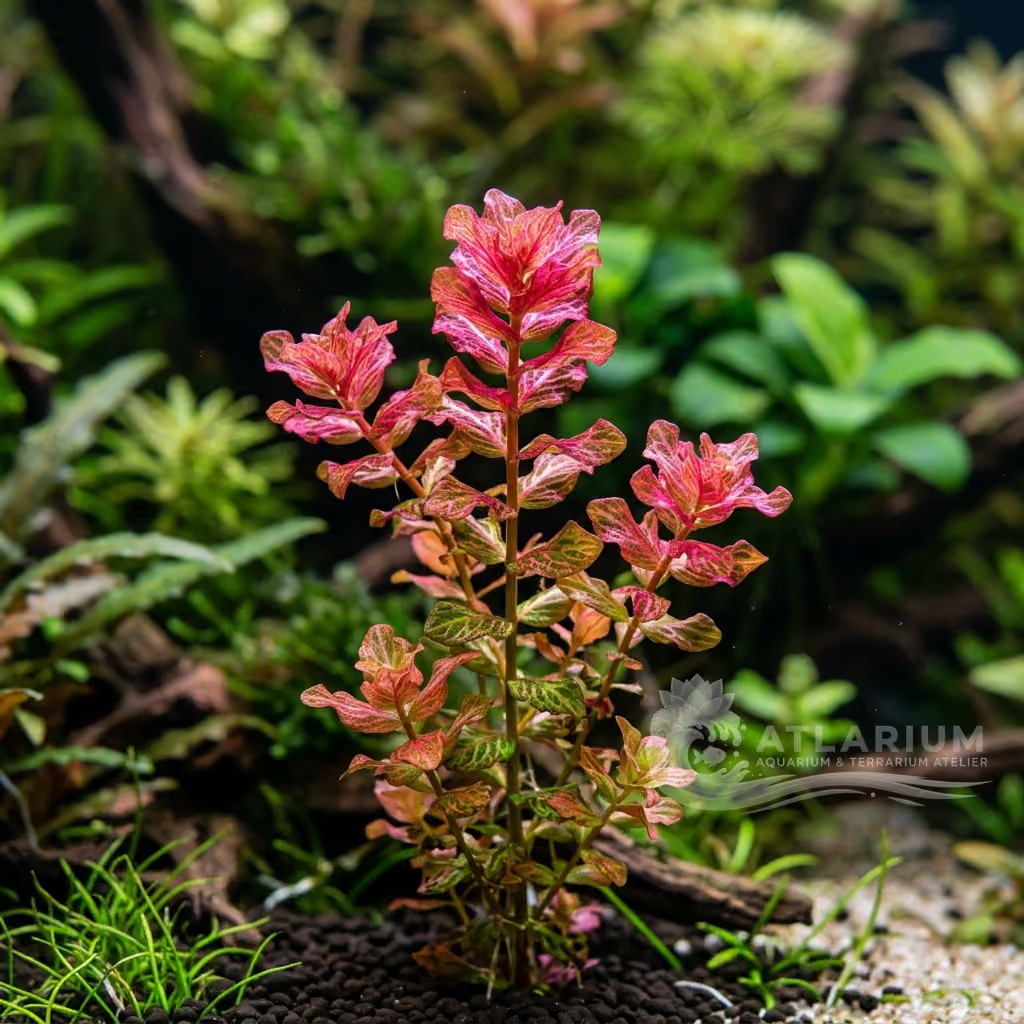
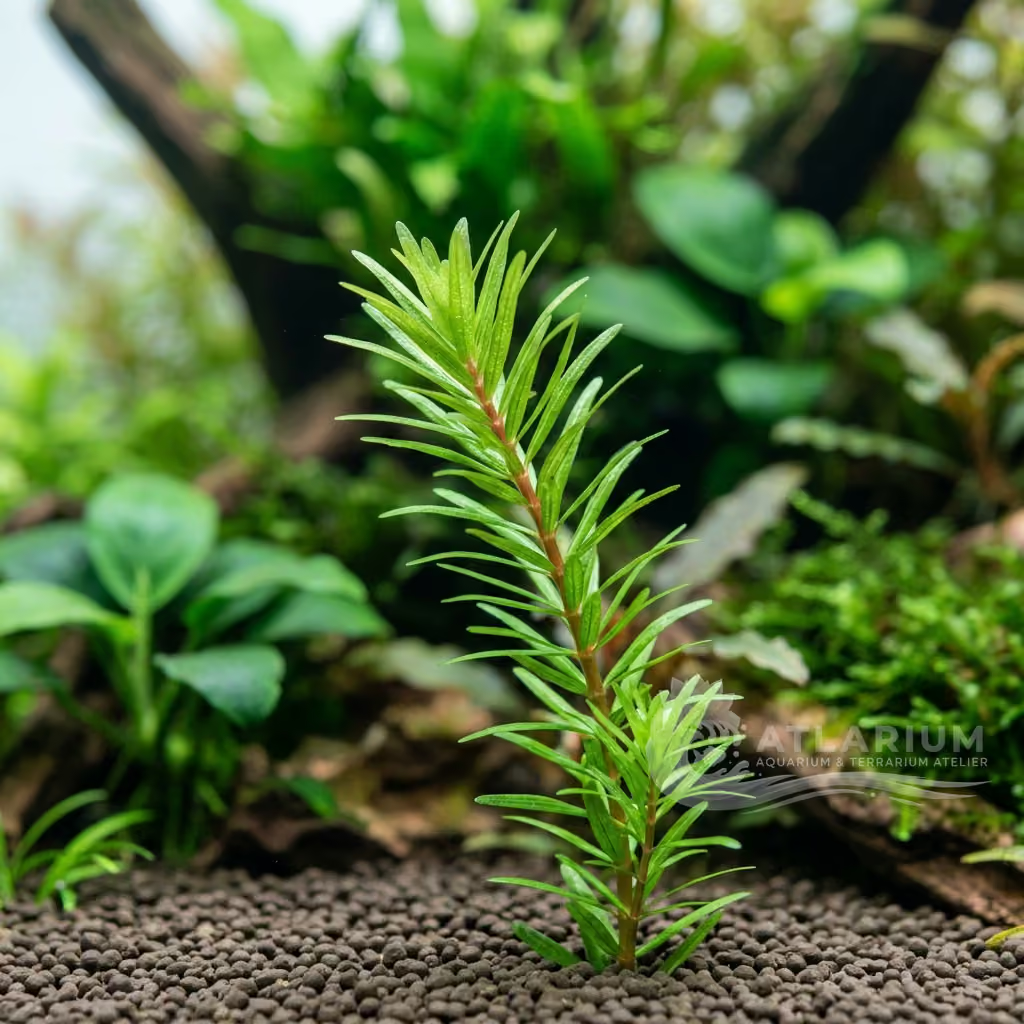
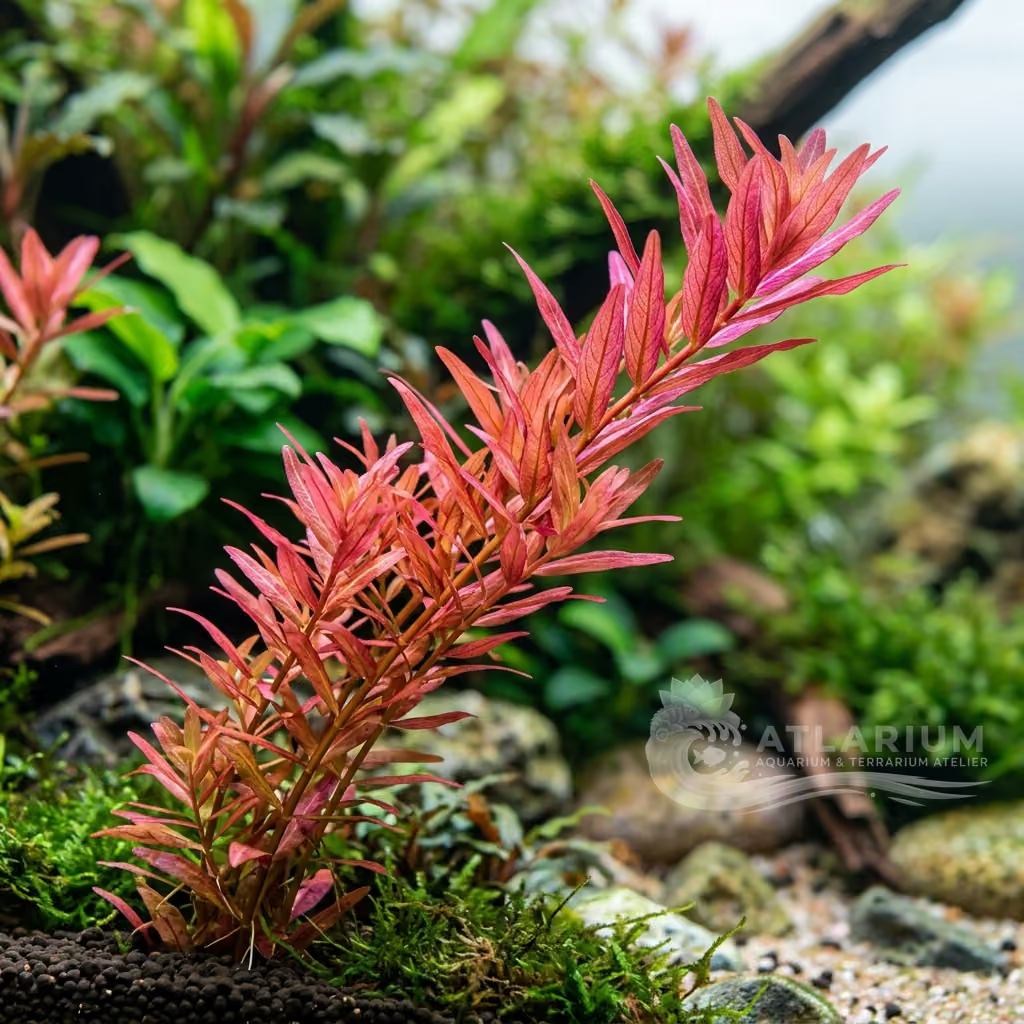
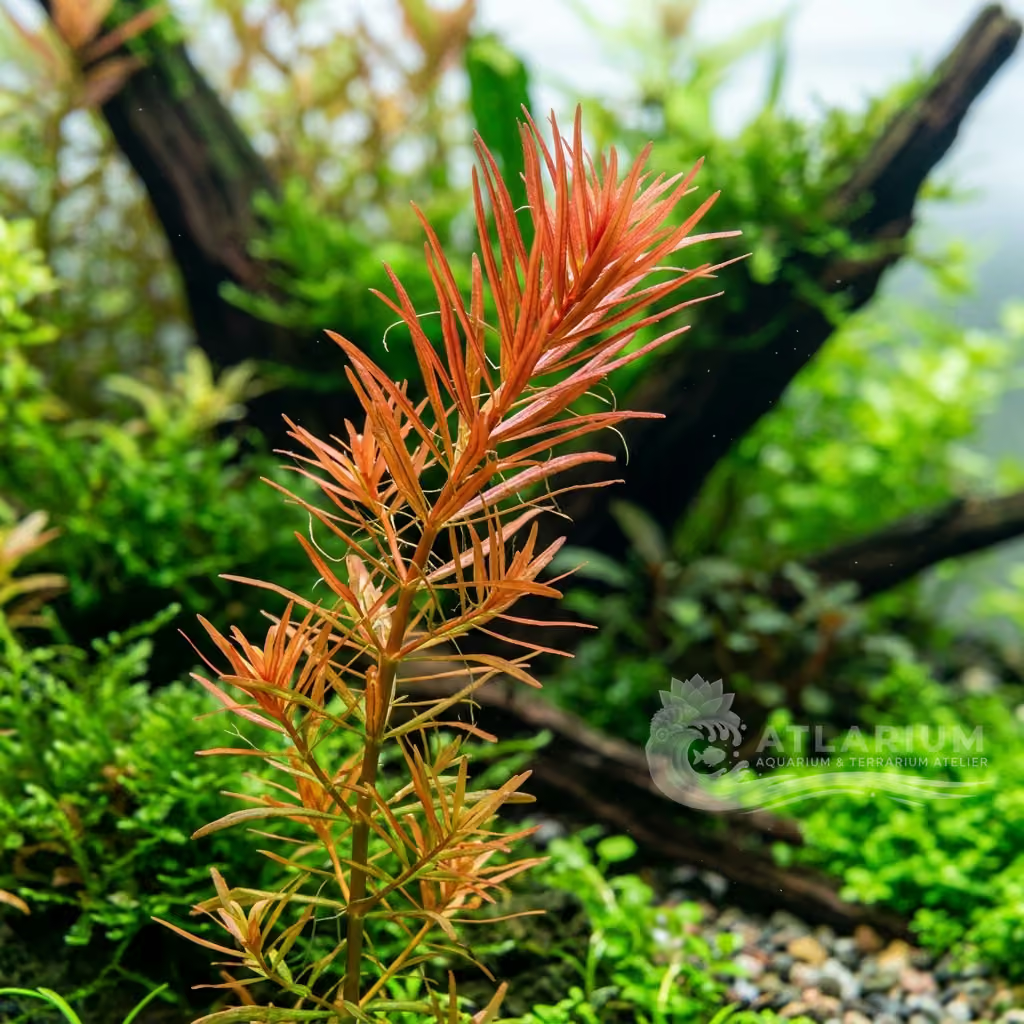
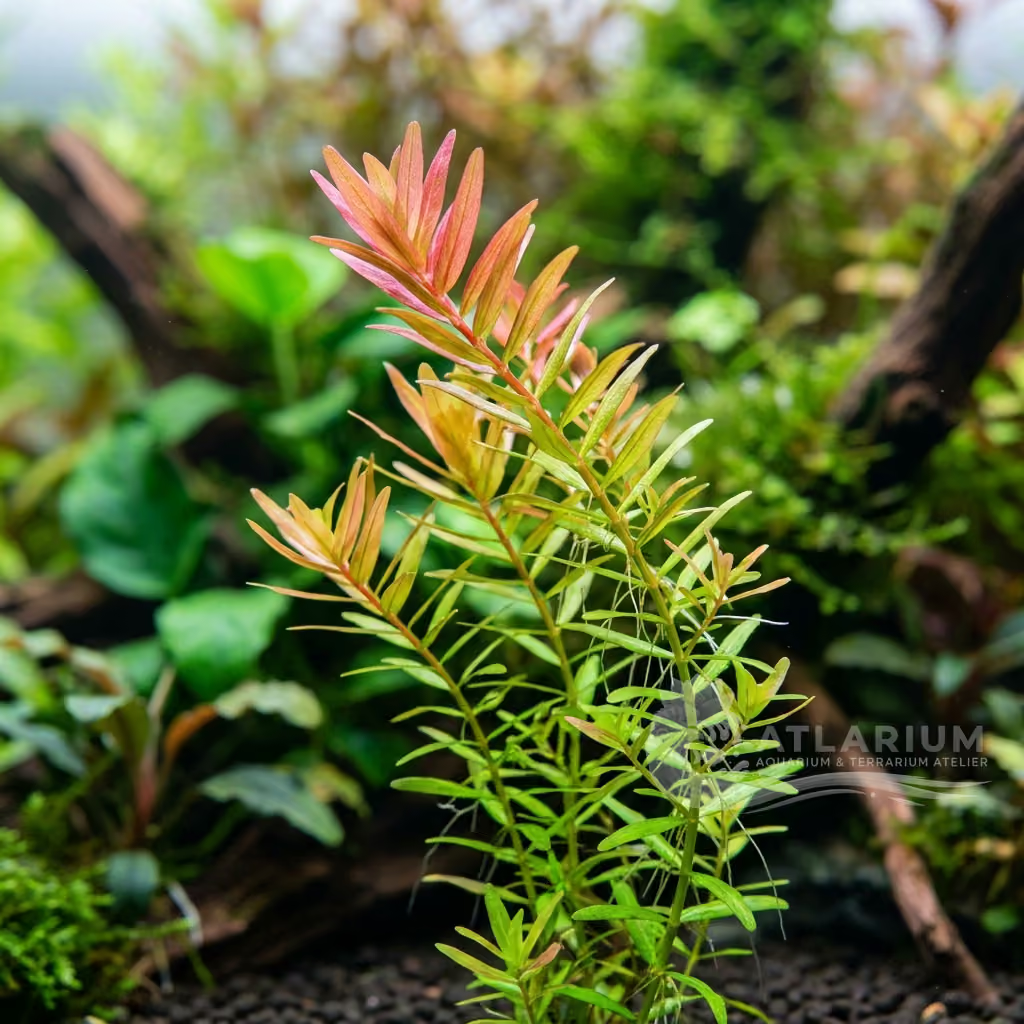
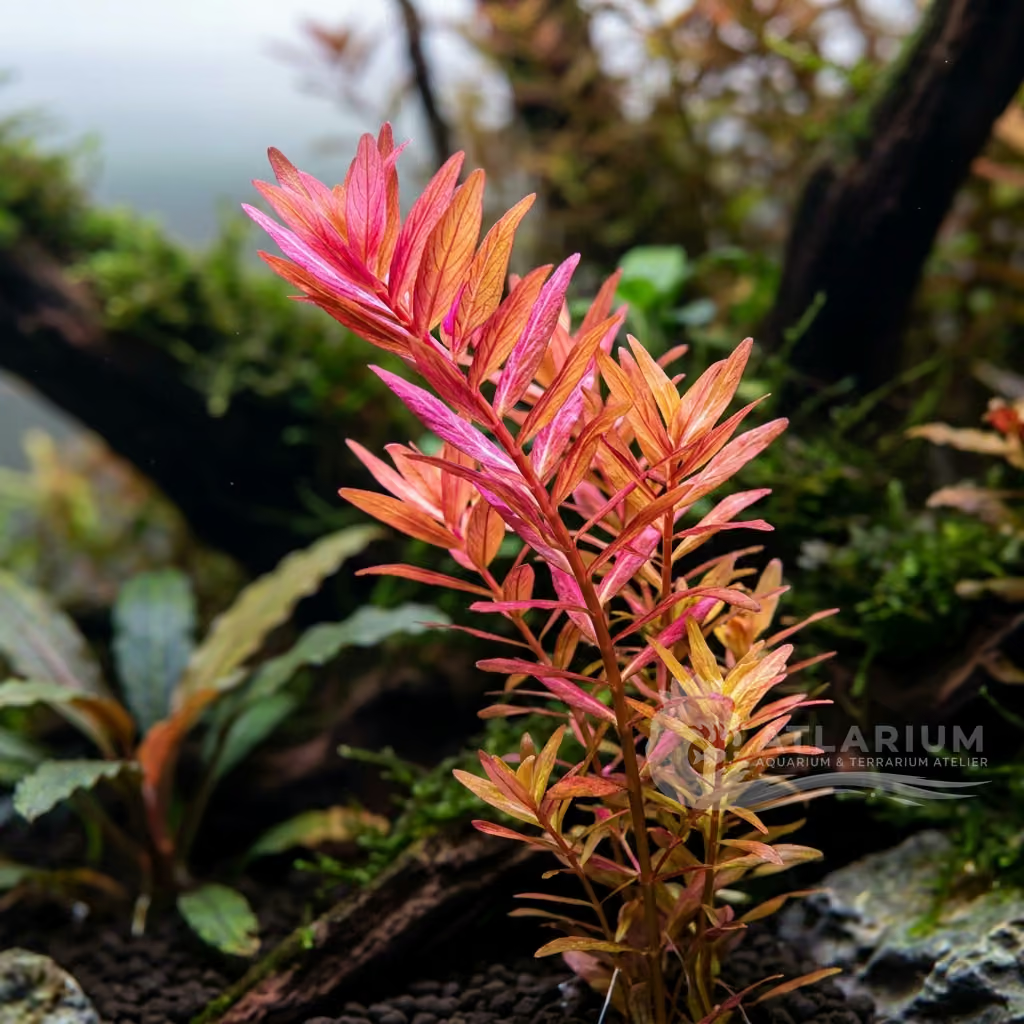
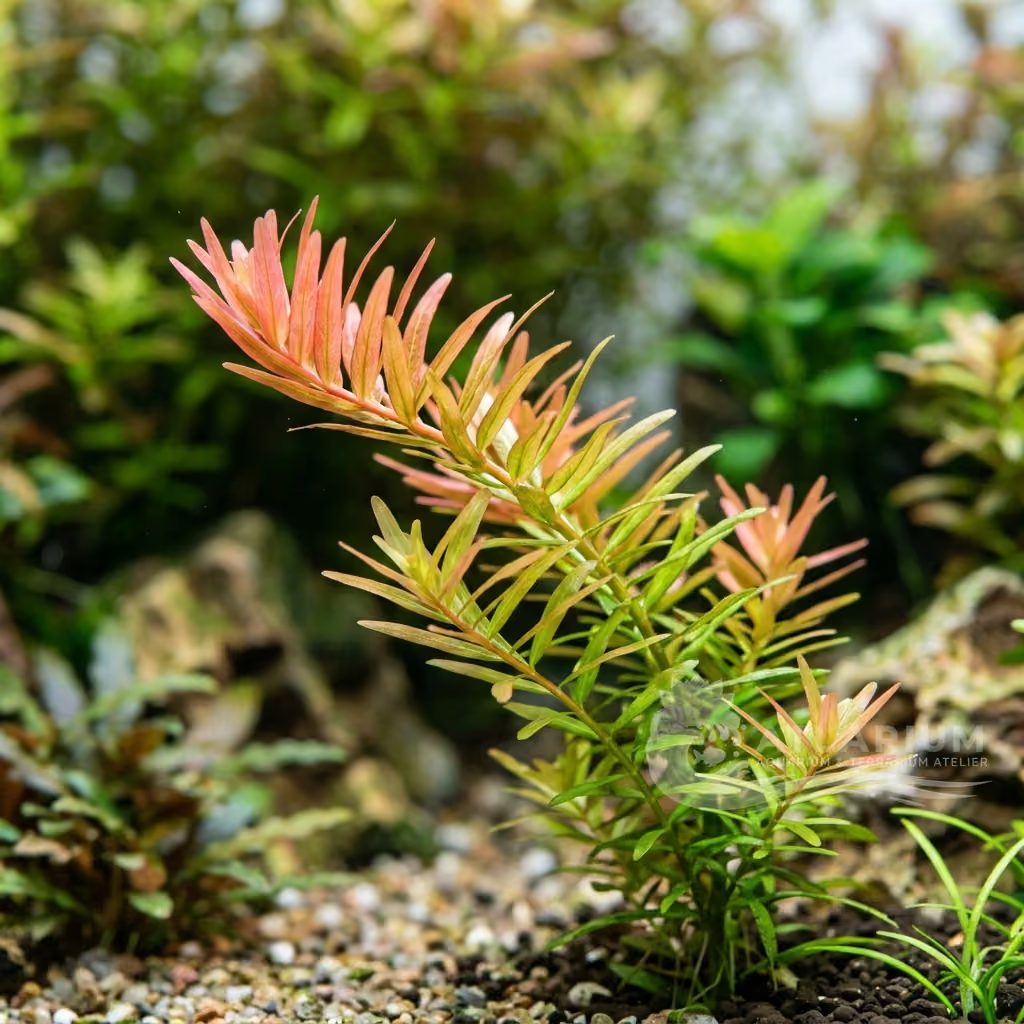
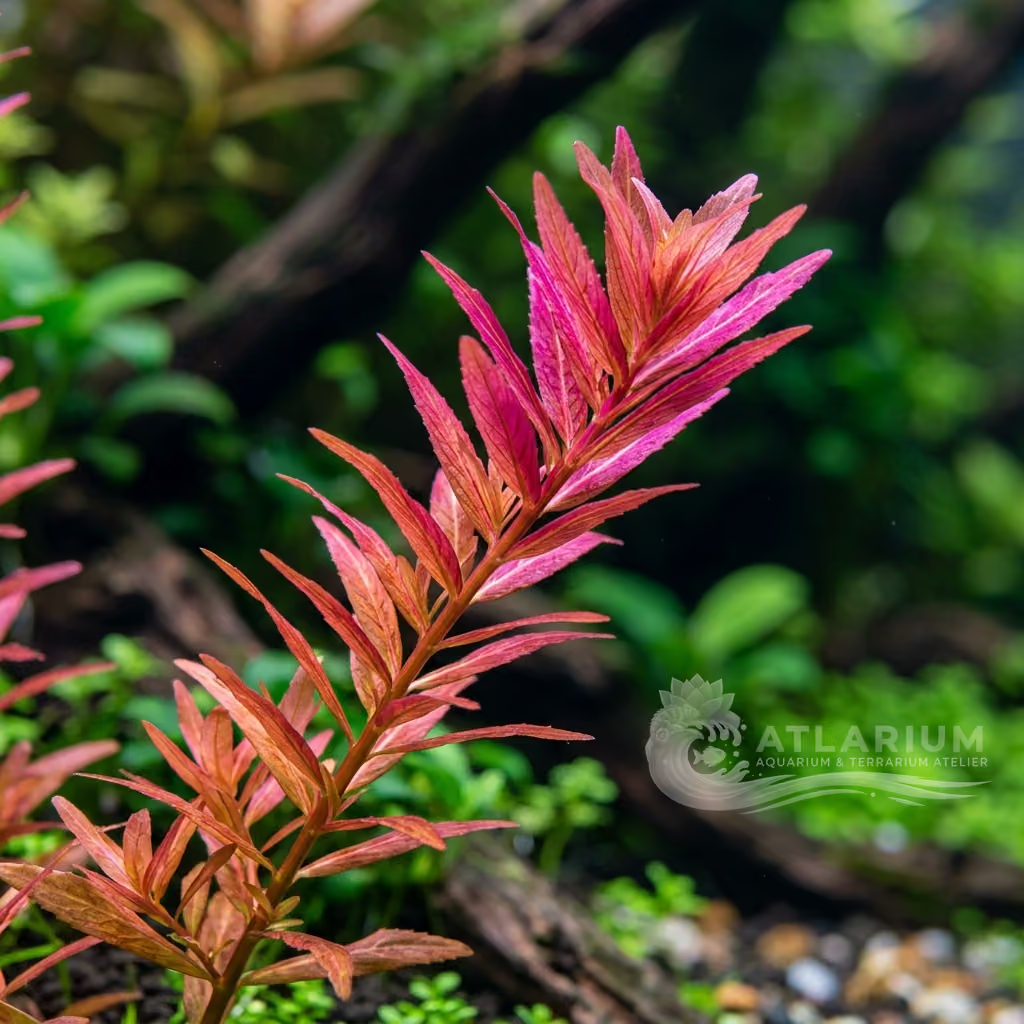
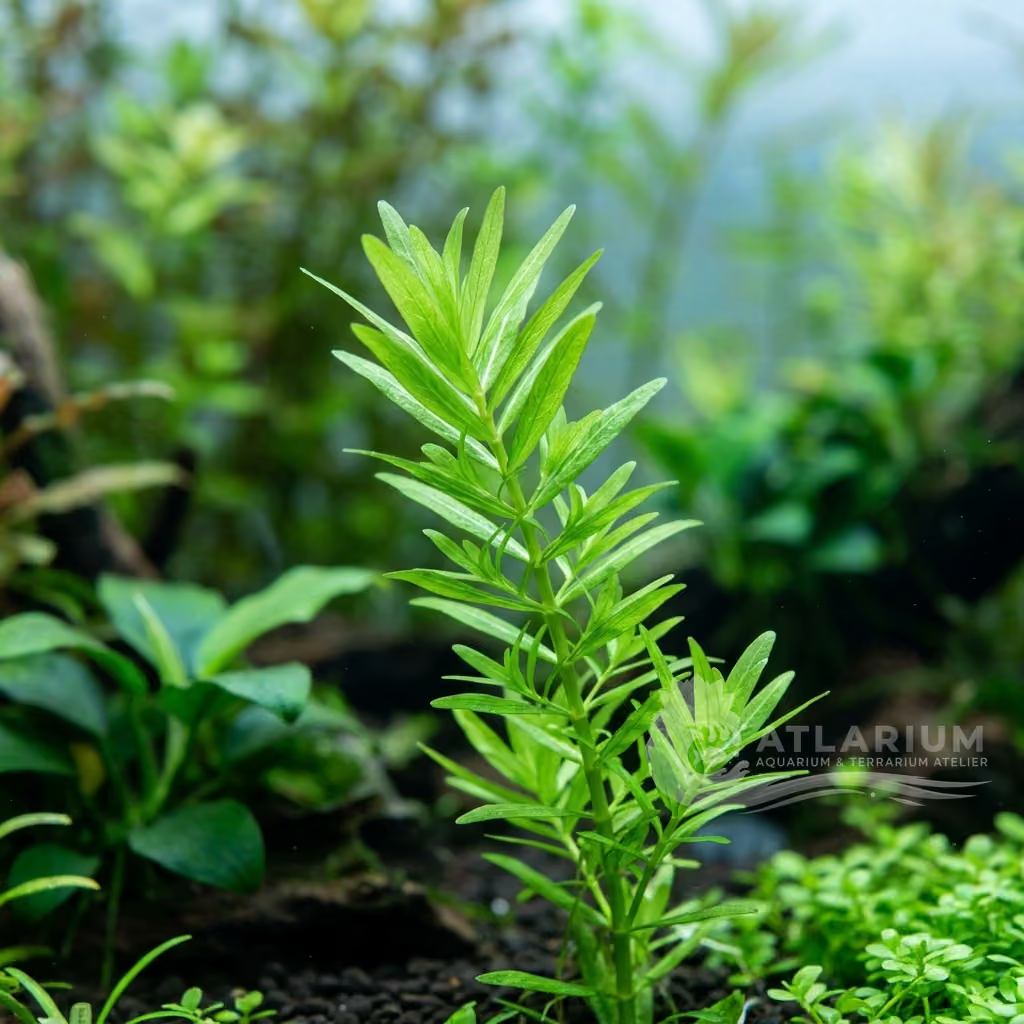
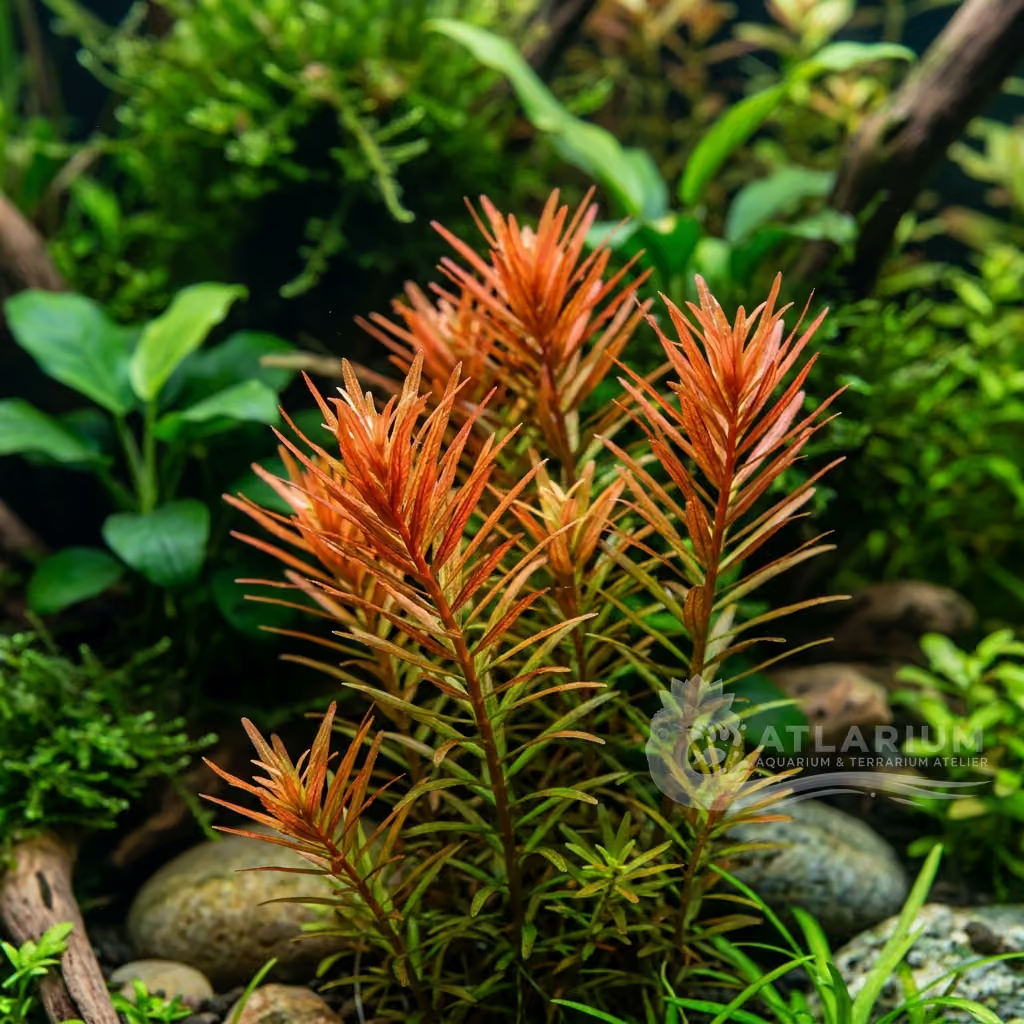
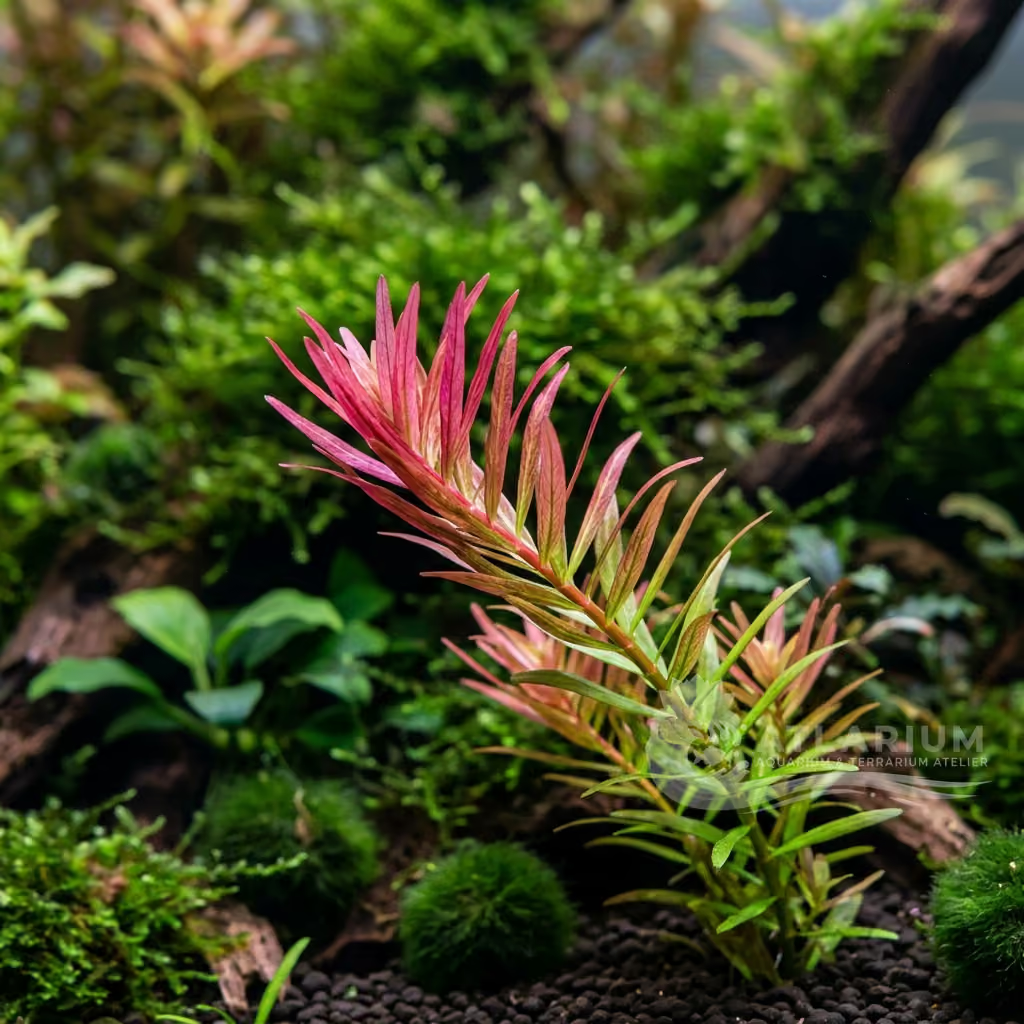
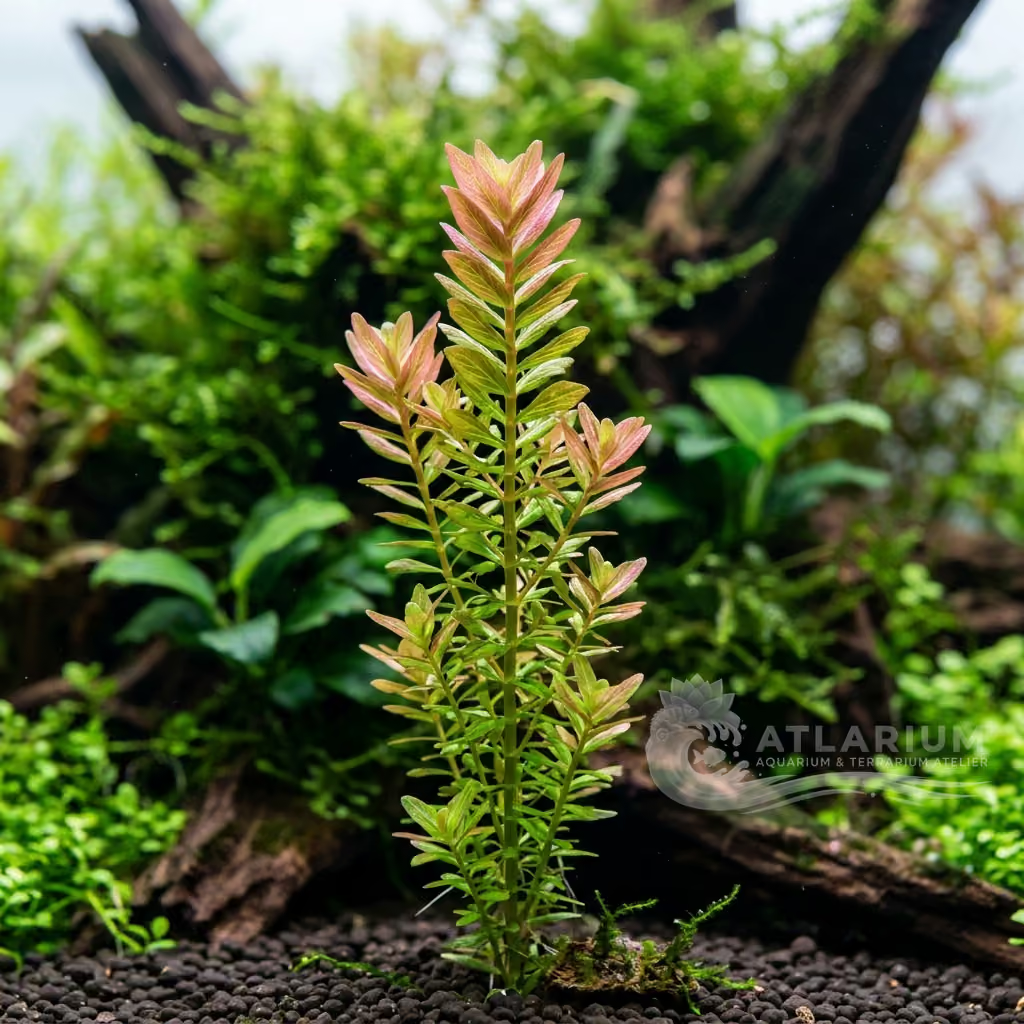
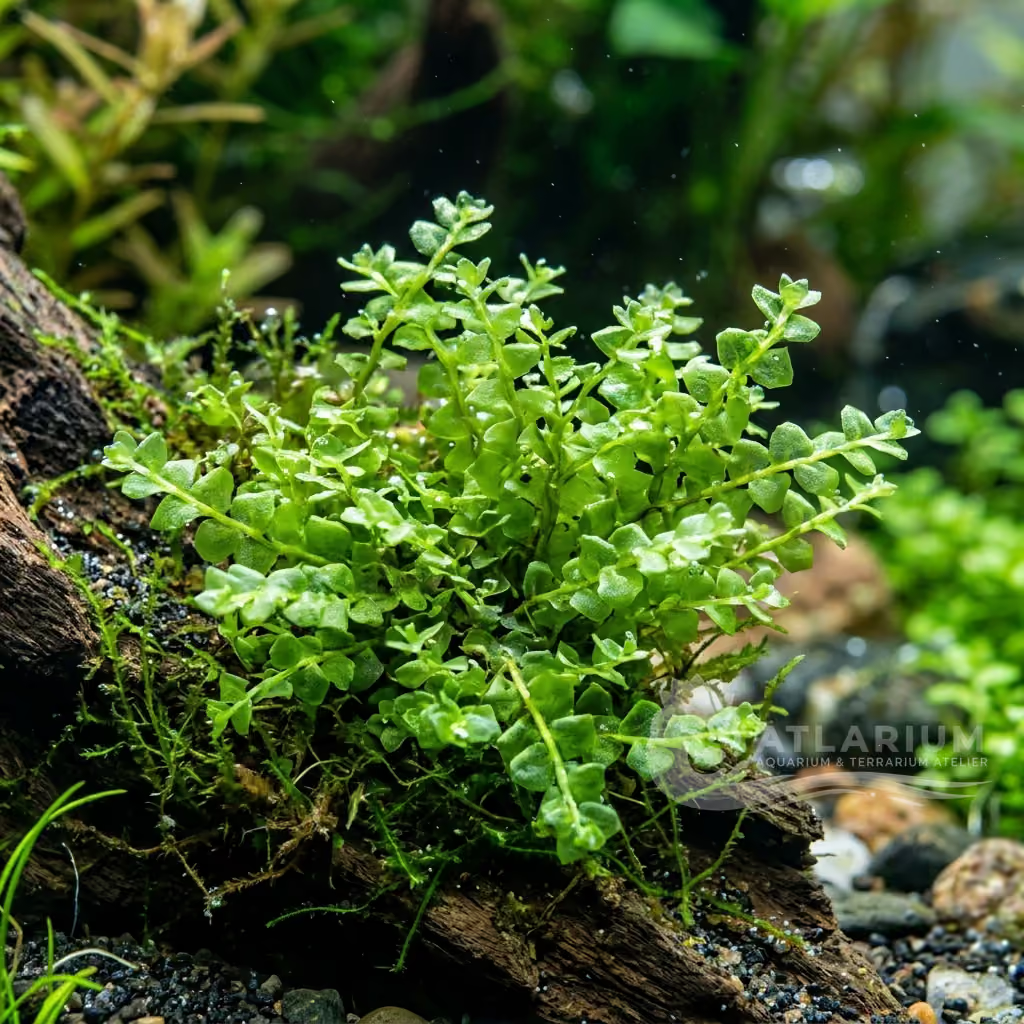
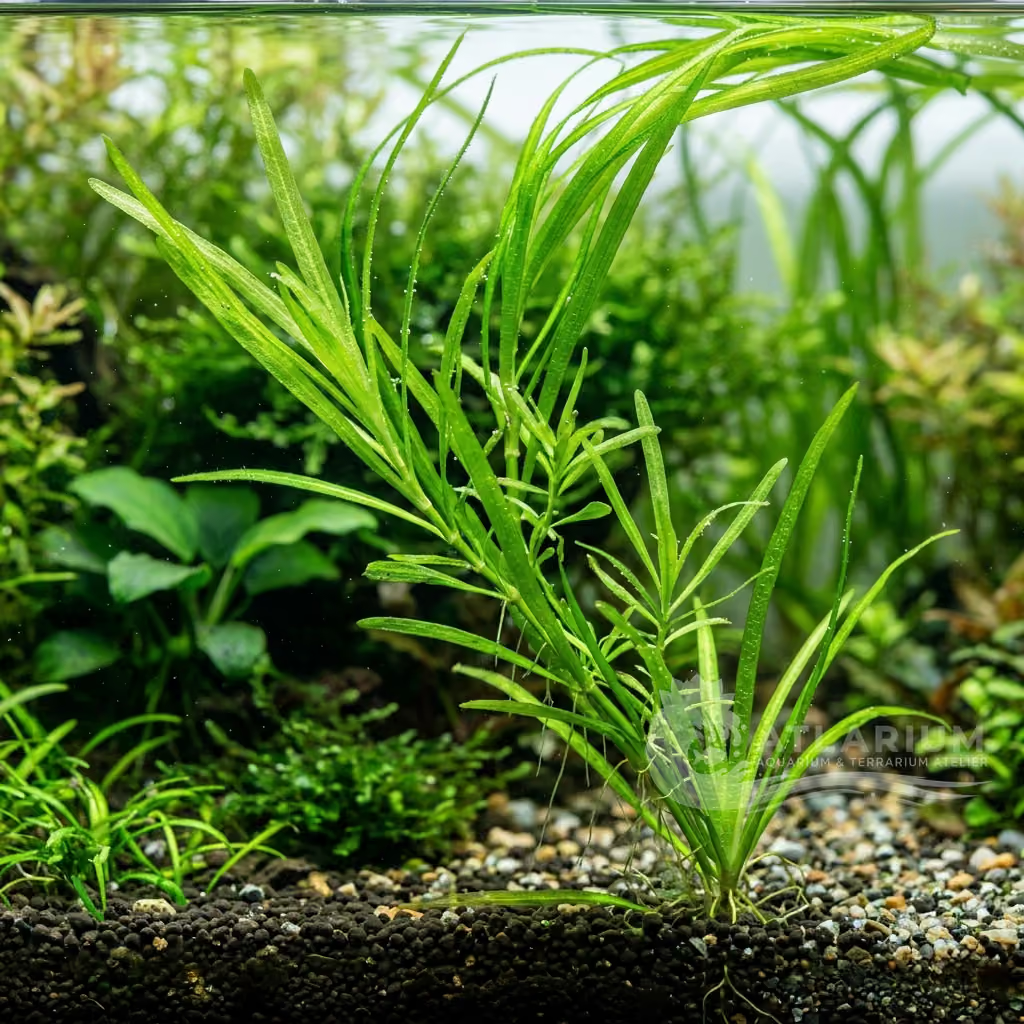
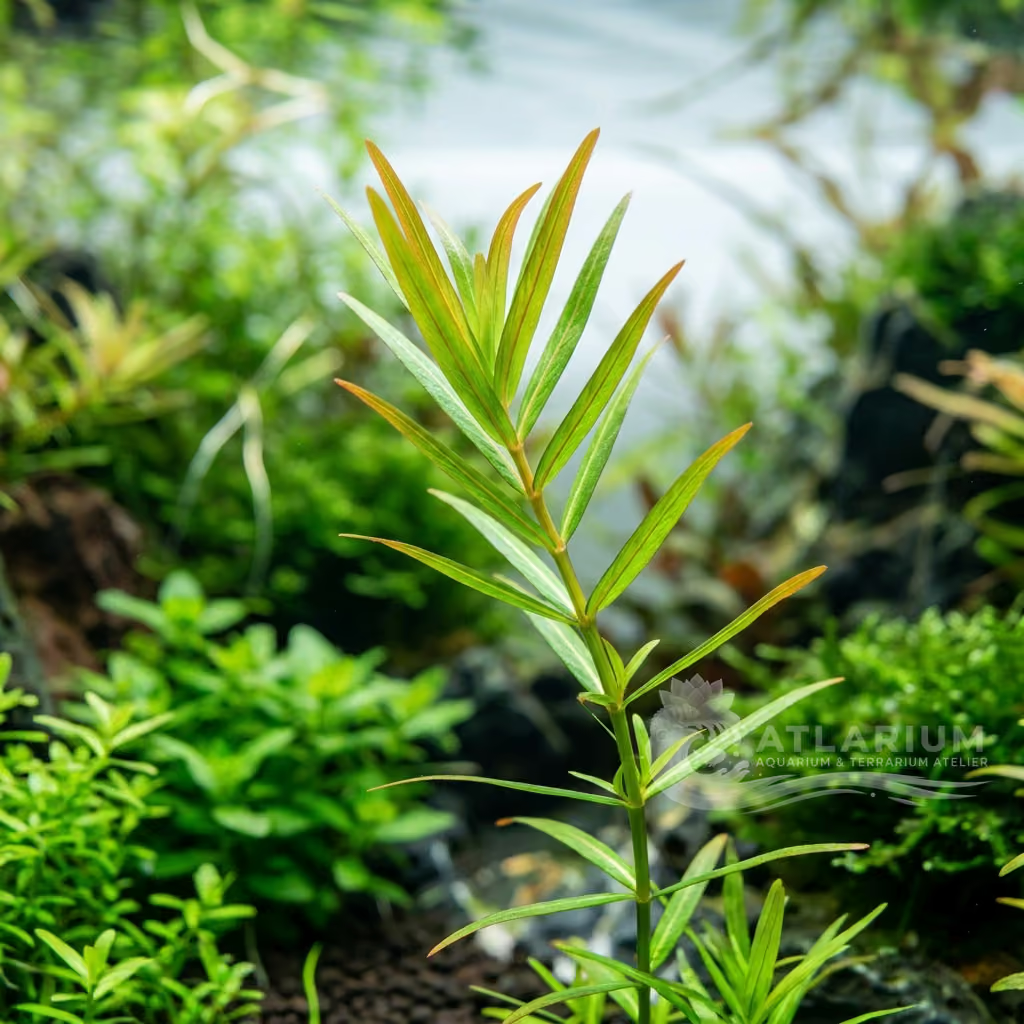
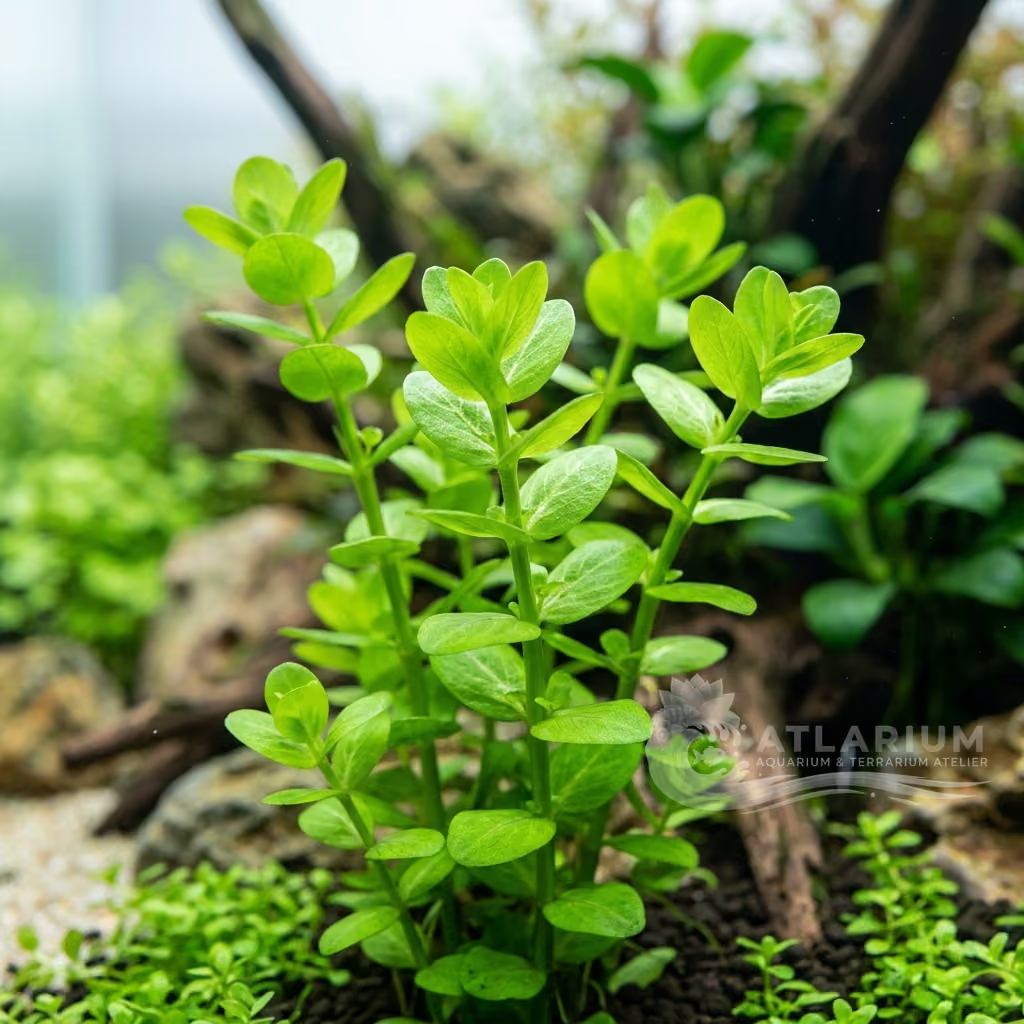
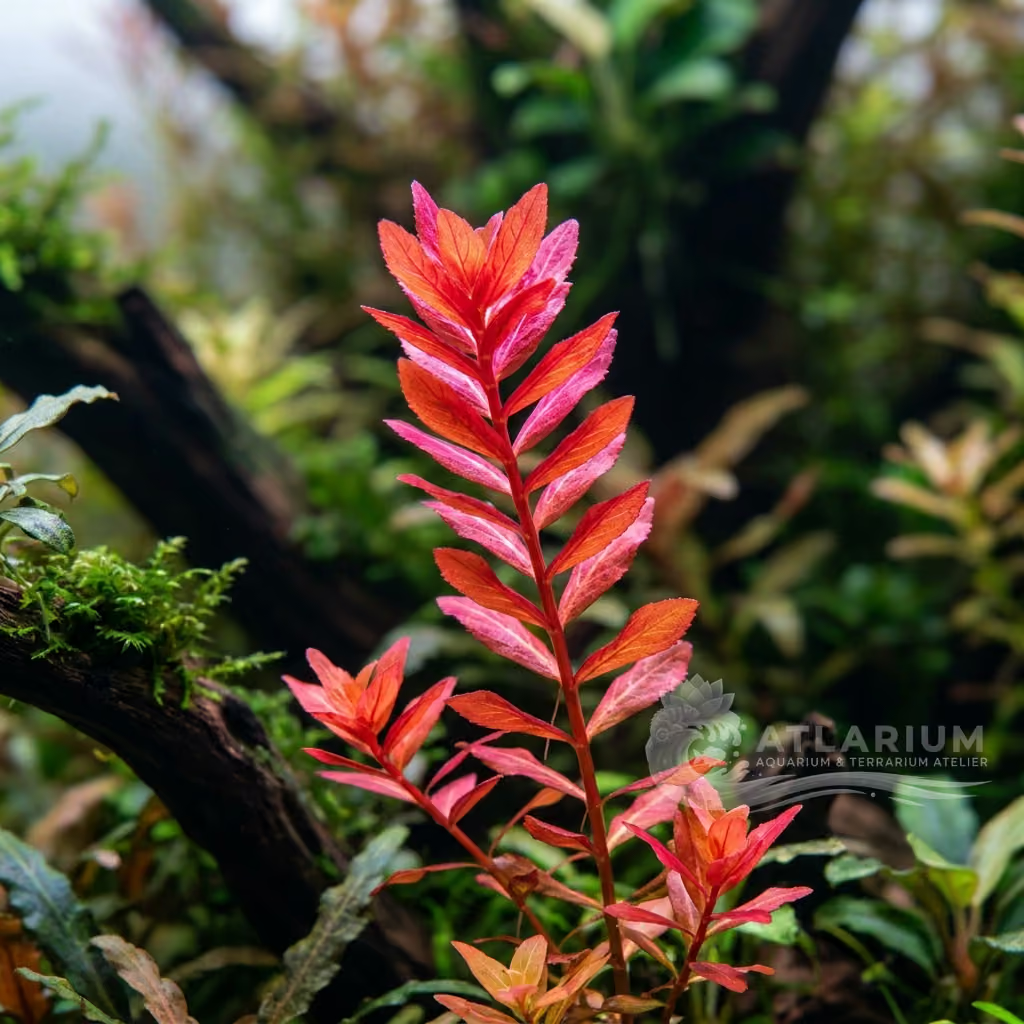
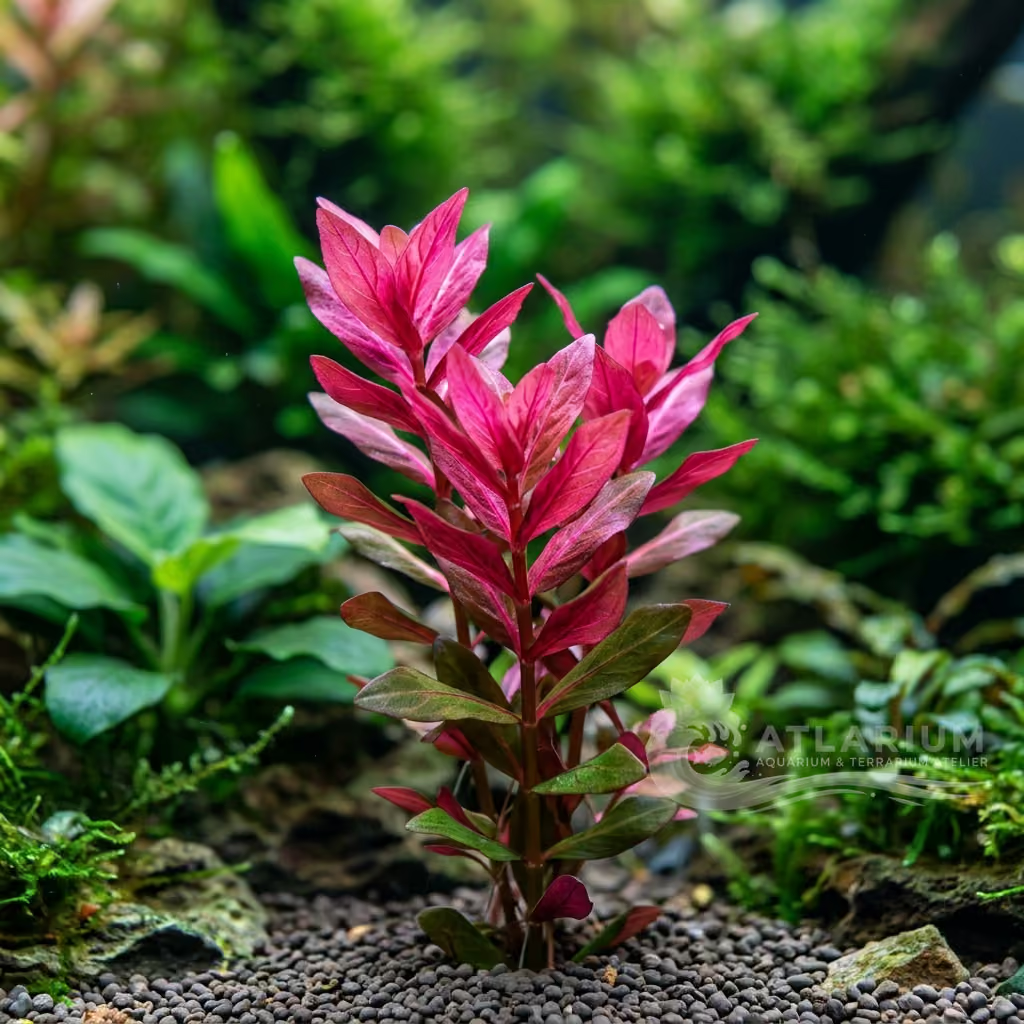
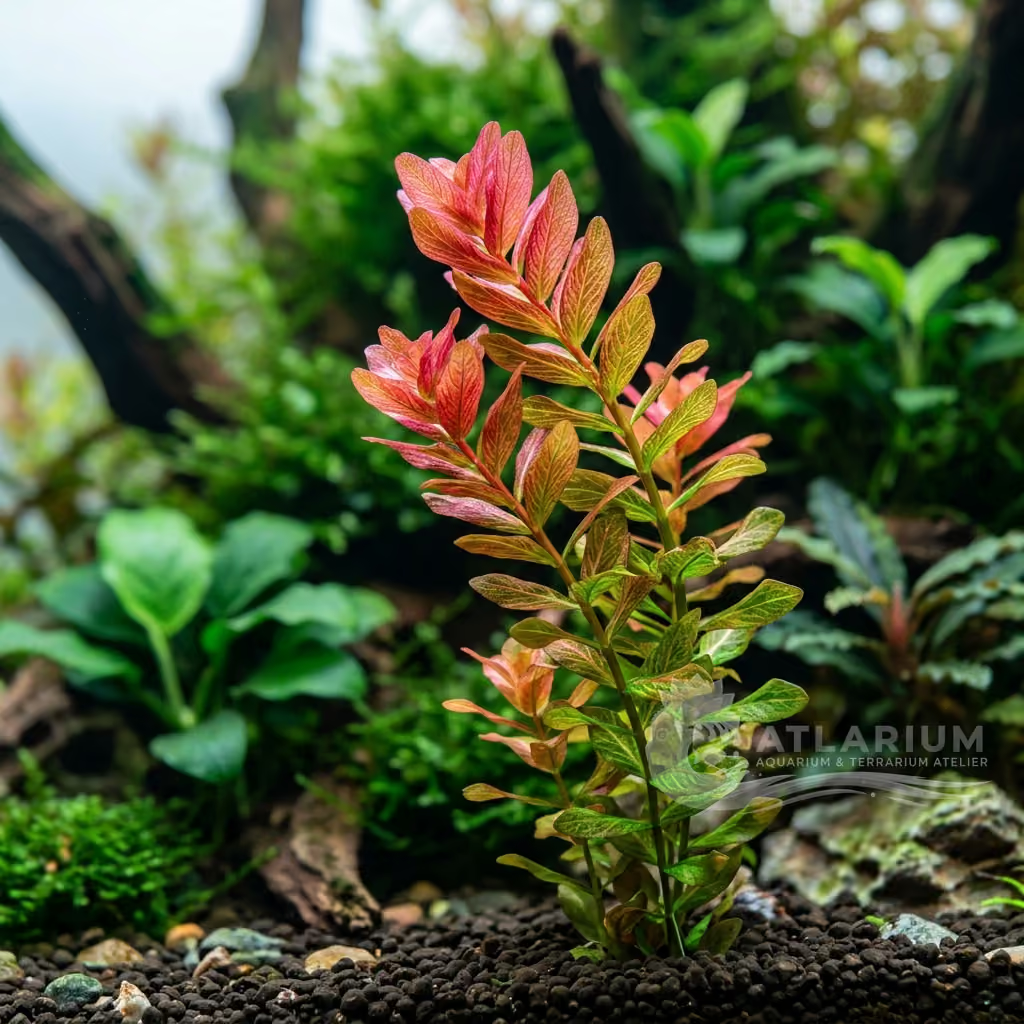
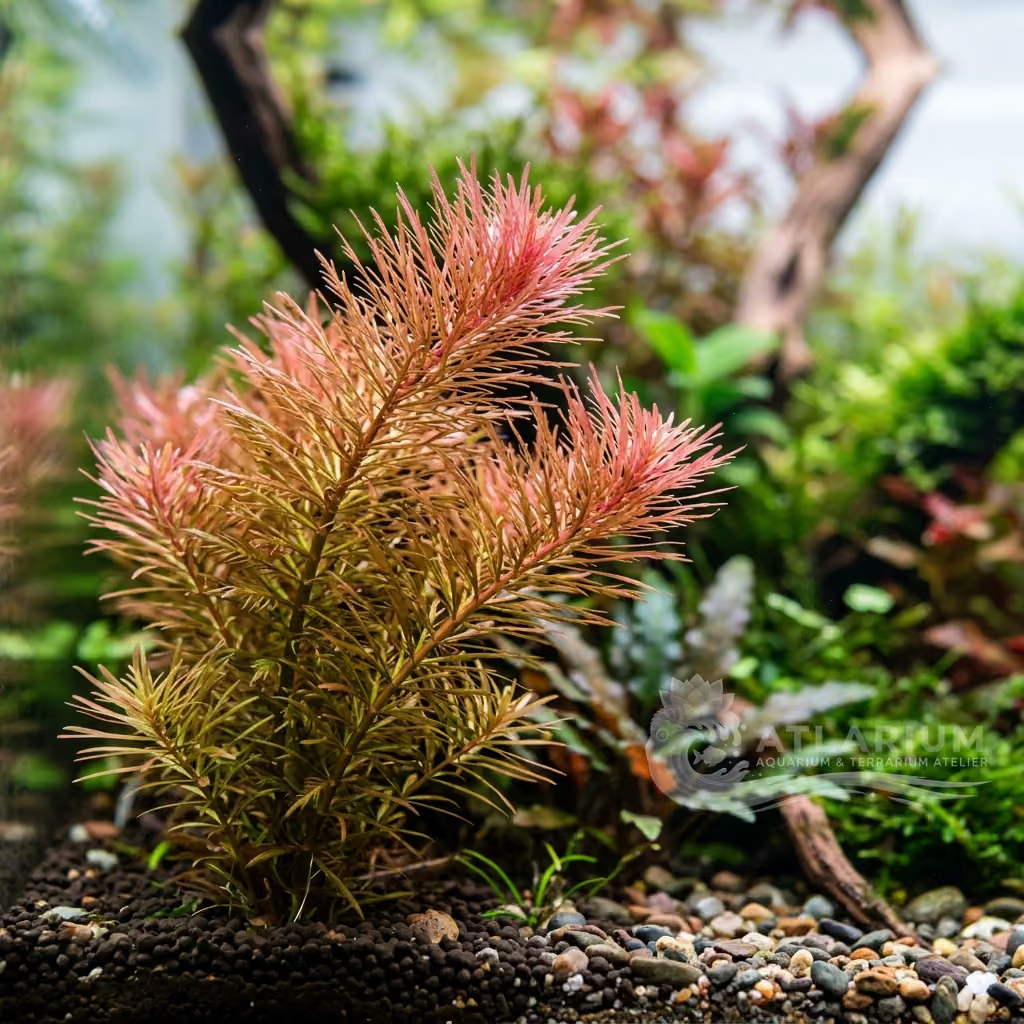
Physical Structure: This delicate stem plant typically exhibits an upright growth habit, producing slender, somewhat flexible stems adorned with pairs of opposite, ovate to slightly lanceolate leaves. The leaves, characteristic of the 'Pearl' variant, are noticeably smaller and often more rounded than those of the wild type Rotala macrandra, contributing to its compact and bushy appearance under ideal conditions. Stem internodal spacing can vary significantly, becoming much more compact with intense lighting and adequate CO2, creating a dense cluster of foliage which is perfectly suited for its midground placement in an aquascape.
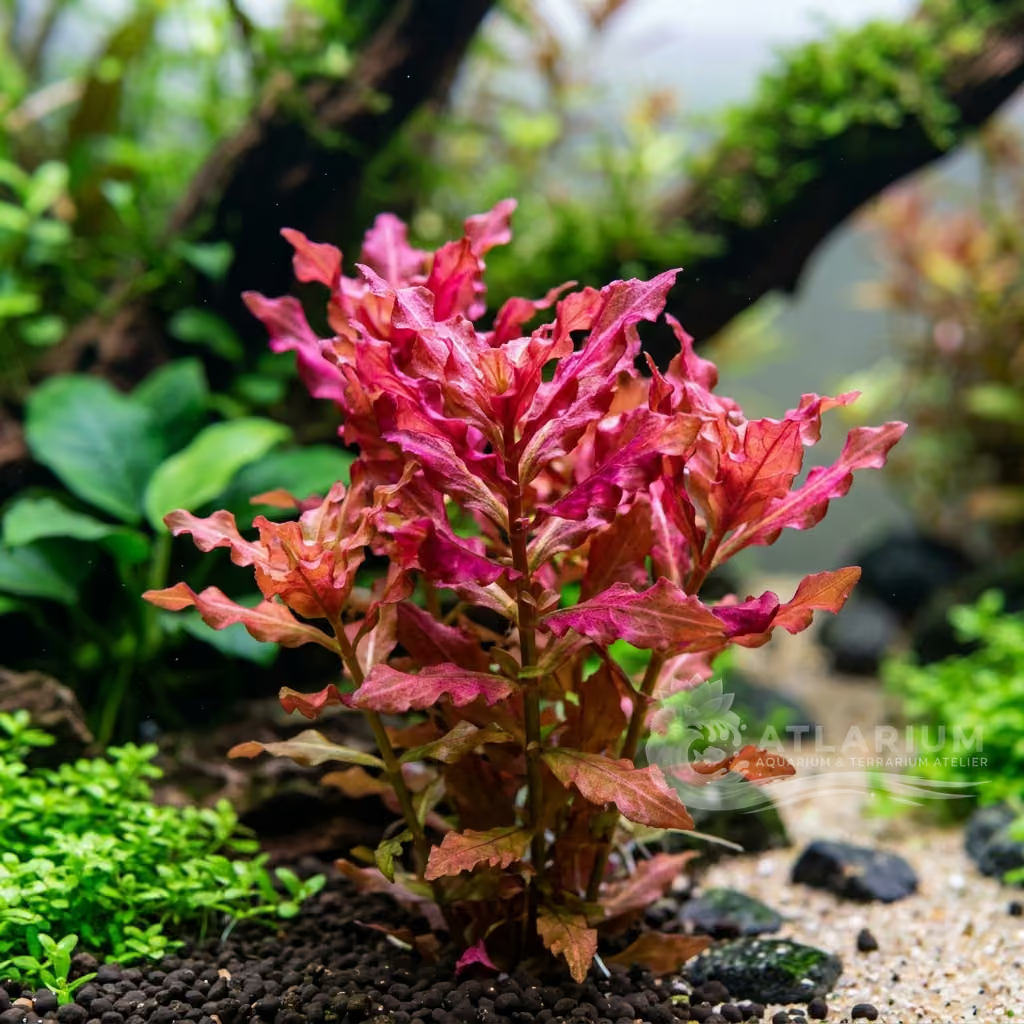
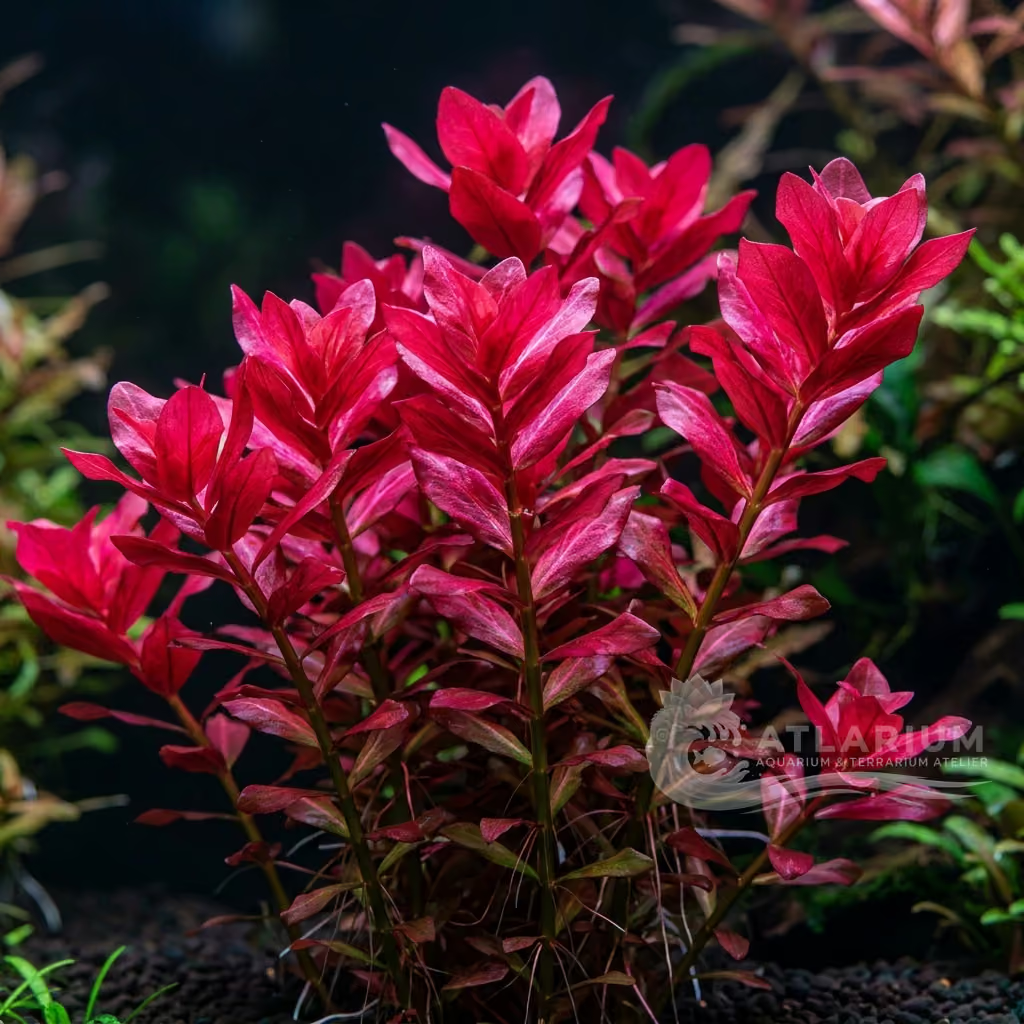
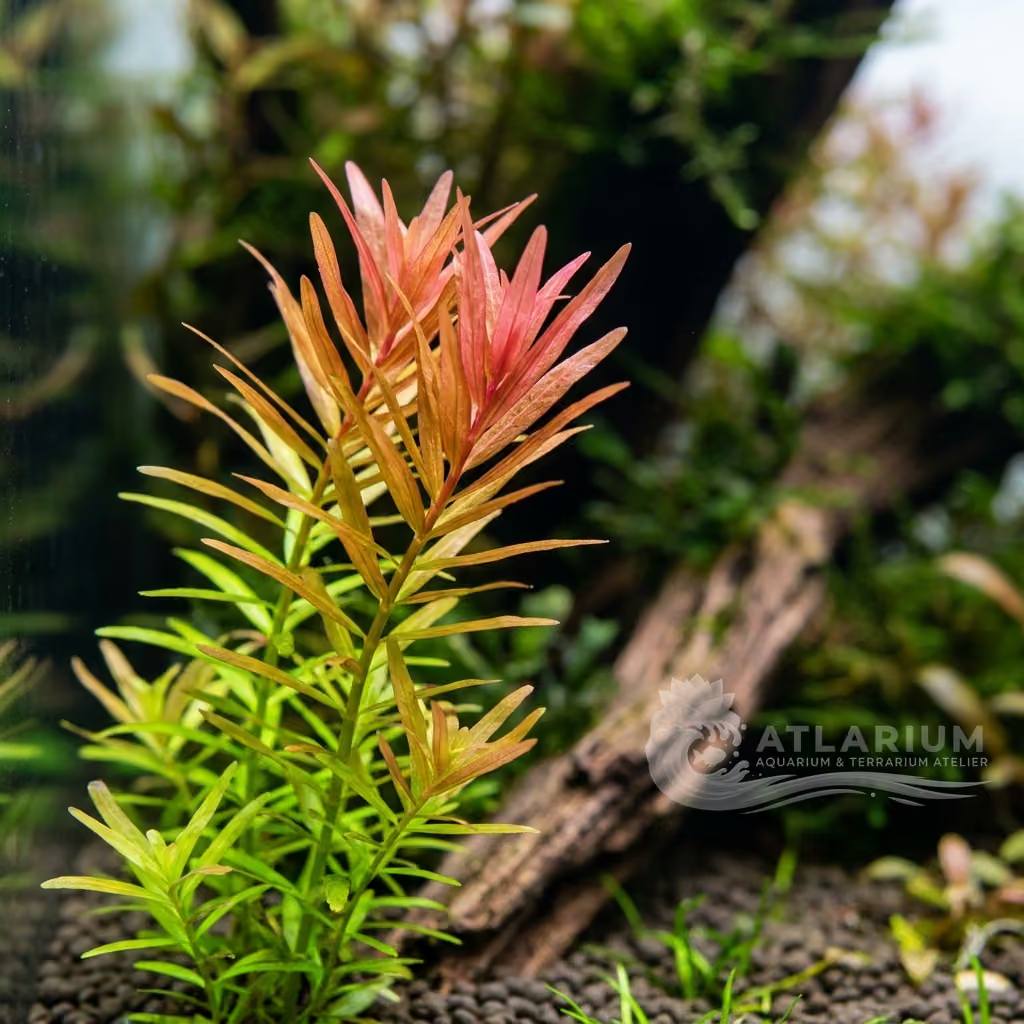
Color & Texture: The allure of Rotala macrandra 'Pearl' lies in its extraordinary color palette, which under high light intensity and adequate CO2, transitions from a soft pale pink to a mesmerizing pearlescent white or creamy-yellow, often with hints of orange. The leaves frequently display a captivating iridescence, giving them a lustrous, almost metallic or glassy sheen, which is where its common name 'Pearl' derives. Their texture is typically smooth and thin, yet they are somewhat fragile, requiring extremely gentle handling during planting and maintenance to prevent damage or breakage.

Care, breeding and tankmates
Lighting & CO2: Rotala macrandra 'Pearl' demands high intensity lighting (minimum 0.8-1 W/liter or 40-50 PAR) to fully develop its vibrant colors and maintain a compact, bushy growth form. Insufficient light will result in leggy growth (etiolation), loss of its characteristic pearlescent coloration, weakened stems, and eventual decline. Furthermore, consistent and well-dosed CO2 injection is absolutely crucial; it acts synergistically with high light to drive photosynthesis to optimal levels, accelerate growth, and intensify the coveted pearl-like and pinkish hues, preventing CO2 deficiency symptoms such as stunted growth, pinholes in leaves, and the proliferation of algae. An 8-10 hour photoperiod is generally recommended.
Nutrition & Substrate: To support its vigorous growth and intense coloration, this plant thrives in a nutrient-rich aquarium substrate, such as aquasoils or long-lasting fertilized substrates, providing a steady mineral supply via its roots. This must be supplemented with a comprehensive liquid fertilization regimen, administered regularly. Essential macronutrients (nitrates, phosphates, potassium) and a full spectrum of micronutrients, particularly chelated iron, are vital for optimal health and pigment development. Iron deficiency, for instance, can quickly lead to pale or yellowing leaves (chlorosis), diminishing its aesthetic appeal and overall vitality.
Water Chemistry: Rotala macrandra 'Pearl' prefers soft to moderately hard water with a pH range of 4.5 to 7.0 and a KH (carbonate hardness) between 0.0 and 12.0. Maintaining stable parameters within these ranges is paramount, as sudden or extreme fluctuations can induce severe stress and rapid melting of leaves. A consistent water temperature between 18.0 and 30.0 °C ensures optimal metabolic efficiency and continuous healthy growth, preventing thermal shock or slowed physiological processes that could compromise its health and beauty.
Space Management & Placement: As a midground plant with a medium growth rate, Rotala macrandra 'Pearl' is best positioned where its delicate form and striking coloration can be fully appreciated, often in well-lit areas. Planted in small, dense groups or clusters, it creates a captivating visual focal point, contrasting beautifully with greener foliage, rocks, or driftwood. Adequate spacing between stems is important to ensure sufficient light penetration to lower leaves and promote dense, bushy growth from the bottom up, preventing overcrowding that could lead to the shedding of basal leaves.
Pruning: Regular pruning is a critical aspect of caring for Rotala macrandra 'Pearl' and is essential to maintain the desired bush shape, prevent overcrowding, and encourage lateral branching, leading to a denser, more attractive plant mass. Trimming the stem tops, preferably just above a leaf node, promotes the growth of new shoots from the nodes below the cut, effectively filling out the midground area and creating a bushier effect. This practice also helps manage its medium growth rate and prevents the plant from excessively shading out neighboring species or its own lower leaves, which might otherwise wither from lack of light.
Risks & Diseases: Like many delicate stem plants requiring specific conditions, Rotala macrandra 'Pearl' is susceptible to nutrient deficiencies, which manifest as discoloration, stunted growth, pinholes, or leaf deformities. Inadequate lighting or CO2 can quickly lead to algae growth on its leaves, weakening the plant and impairing photosynthesis. Sudden and drastic changes in water parameters, exposure to harsh chemicals (such as non-specific algaecides or excessive glutaraldehyde dosages), or poor water quality conditions can induce rapid melting, making environmental stability a key factor in its successful cultivation and longevity.

Geographic origin and distribution
This species originates from: Southeast Asia.
Origin
South and Southeast Asia

Plant profile
- Placement
- Midground
- Due to its extremely small size and delicate appearance, this plant is best suited for the foreground or midground of aquariums. It forms dense, colorful bushes that create excellent contrast against bright green foreground carpets. In larger tanks, it can be used to add subtle red accents in detailed rockwork or wood hardscapes. Placing it in an area with unobstructed, intense light ensures the lower leaves do not melt away. It is often utilized effectively in nano aquariums as a stunning focal point.
- Botanical form
- Stem
- This plant is characterized by its miniature, uniquely curved leaves that resemble tiny pearls or cups. The foliage curls downwards in a very distinctive manner, giving the stems a highly textured, intricate appearance. Depending on the lighting and nutrient availability, its color ranges from pinkish-orange to deep magenta. The stems are very fine and delicate, requiring careful handling during planting. It maintains a very compact form, with extremely short internodal distances when grown under strong illumination.
- Growth
- Medium
- Under optimal conditions with high light and CO2 injection, the growth rate is generally moderate compared to other Rotala species. It does not grow as rapidly as the standard Rotala macrandra, making it somewhat easier to manage in small spaces. Without sufficient CO2 or light, growth can slow down significantly, and the plant may struggle to survive. Its steady but manageable growth pace allows for the creation of neat, compact bushes with regular maintenance. Frequent observation is necessary as rapid changes in water parameters can stunt its growth.
- Substrate
- High
- Rotala macrandra 'Pearl' thrives best in a nutrient-rich aquarium soil that promotes strong, healthy root development. Its delicate root system deeply penetrates the substrate to access essential macro and micronutrients needed for its vivid coloration and compact growth. A fine-grained soil with a depth of at least 4 to 5 centimeters will ensure robust anchoring and continuous nutrient absorption.
- Column fertilization
- Recommended
- Comprehensive water column fertilization is mandatory for this species, as it draws most of its nutrients directly from the water. Daily dosing of a balanced liquid fertilizer rich in iron and trace elements is highly recommended to prevent deficiencies. Liquid carbon cannot substitute for pressurized CO2, but a steady supply of dissolved nutrients ensures healthy foliage. Regular water changes are important to prevent the buildup of excess nutrients that could trigger algae, to which this delicate plant is vulnerable. Monitoring nitrate and phosphate levels closely will help achieve the desired intense coloration.
- Root fertilization
- None
- While it primarily absorbs nutrients through its leaves, providing a nutrient-rich substrate can offer a valuable secondary nutrient source. An active soil setup provides an excellent foundation, keeping the root system healthy and robust. Root tabs can be beneficial if the substrate is old or depleted, particularly to supply essential micronutrients. However, root feeding alone is insufficient, and it must be coupled with rigorous water column dosing. A healthy root system aids in overall plant stability and resilience against minor fluctuations in water chemistry.
- Trimming
- Occasional
- Trimming should be done with sharp, fine aquascaping scissors to avoid crushing the delicate stems. It responds well to regular pruning, which encourages the development of side shoots and leads to a denser, bushier appearance. Care should be taken not to shade the lower portions of the plant, as the delicate leaves will quickly deteriorate without light. Replanting the healthy tops is often the best way to rejuvenate an older bush that has become leggy. Frequent, minor trims are generally preferred over drastic, heavy pruning.
- Propagation
- Cuttings
- Propagation is straightforward and is achieved through taking stem cuttings from the healthy upper portions of the plant. Cut stems should be carefully planted into a fine-grained substrate using tweezers, ensuring they are not planted too deeply to avoid rot. Side shoots will naturally develop from the nodes just below the cut on the remaining stem, increasing the density of the group. For the best visual impact, plant the stems in small groups rather than individually. Under high light and CO2, cuttings root quickly and resume their growth within a few days.
- Sensitivity
- Moderate
- This is a highly demanding and sensitive plant that reacts poorly to sudden shifts in water parameters. It requires soft, slightly acidic water and is notoriously intolerant of poor water quality or fluctuating CO2 levels. Algae growth on its tiny, curled leaves can quickly suffocate the plant, making excellent filtration and flow essential. It is also sensitive to certain chemical treatments and medications used in aquariums. Any shading from larger, faster-growing plants will immediately lead to the melting of its lower leaves.
- Layout role
- Midground, Nano
- Rotala macrandra 'Pearl' serves as an exquisite, detailed accent plant in aquascaping layouts. Its brilliant red coloration and unique leaf texture make it perfect for creating focal points in nano tanks or detailed midground areas in larger setups. It provides an excellent contrast in color and texture when placed next to fine-leaved green plants like Hemianthus or Eleocharis. Aquascapers value it for its ability to add a splash of intense color without overpowering the layout with rapid, unruly growth. Its small stature allows for meticulous placement in intricate hardscape crevices.

Related species
Recommendations grouped by close relatives, companion choices, and similar care.