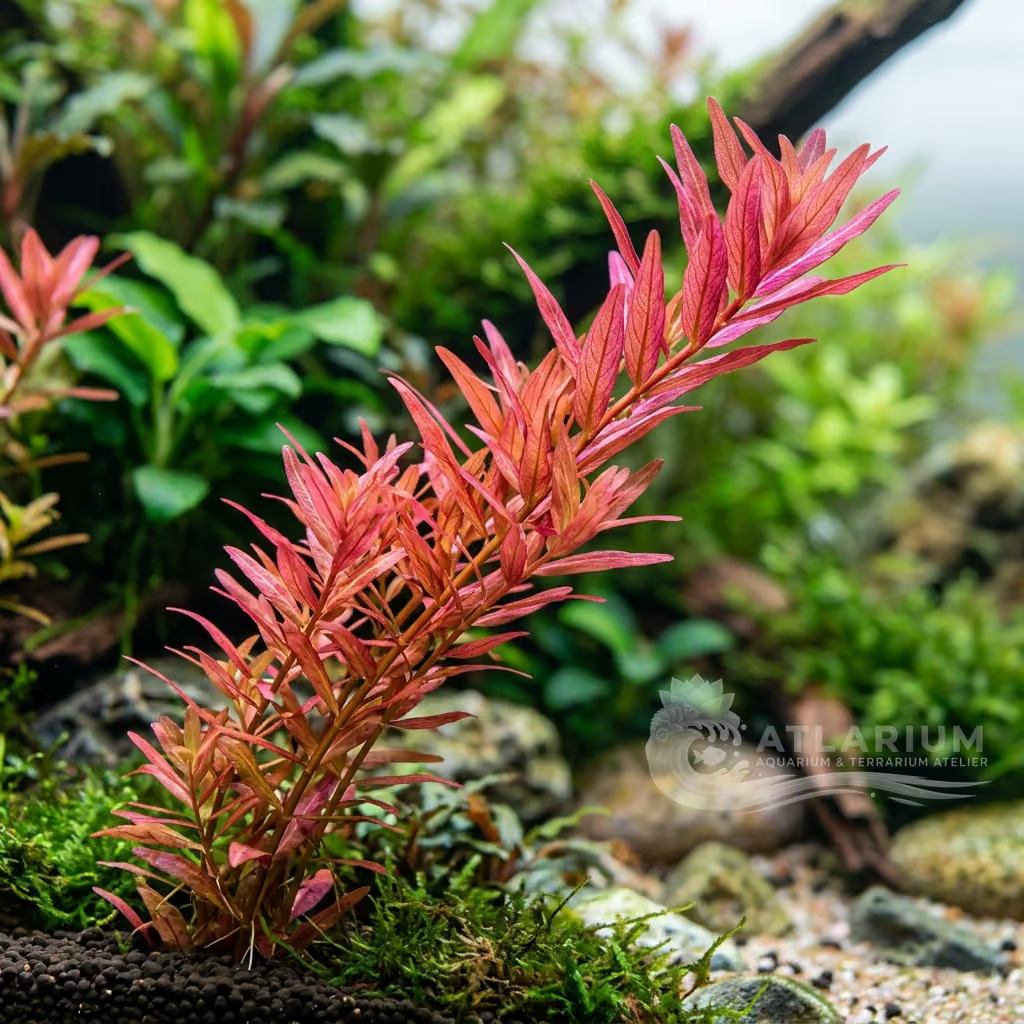
Rotala sp. 'Green'
Rotala sp. 'Green'
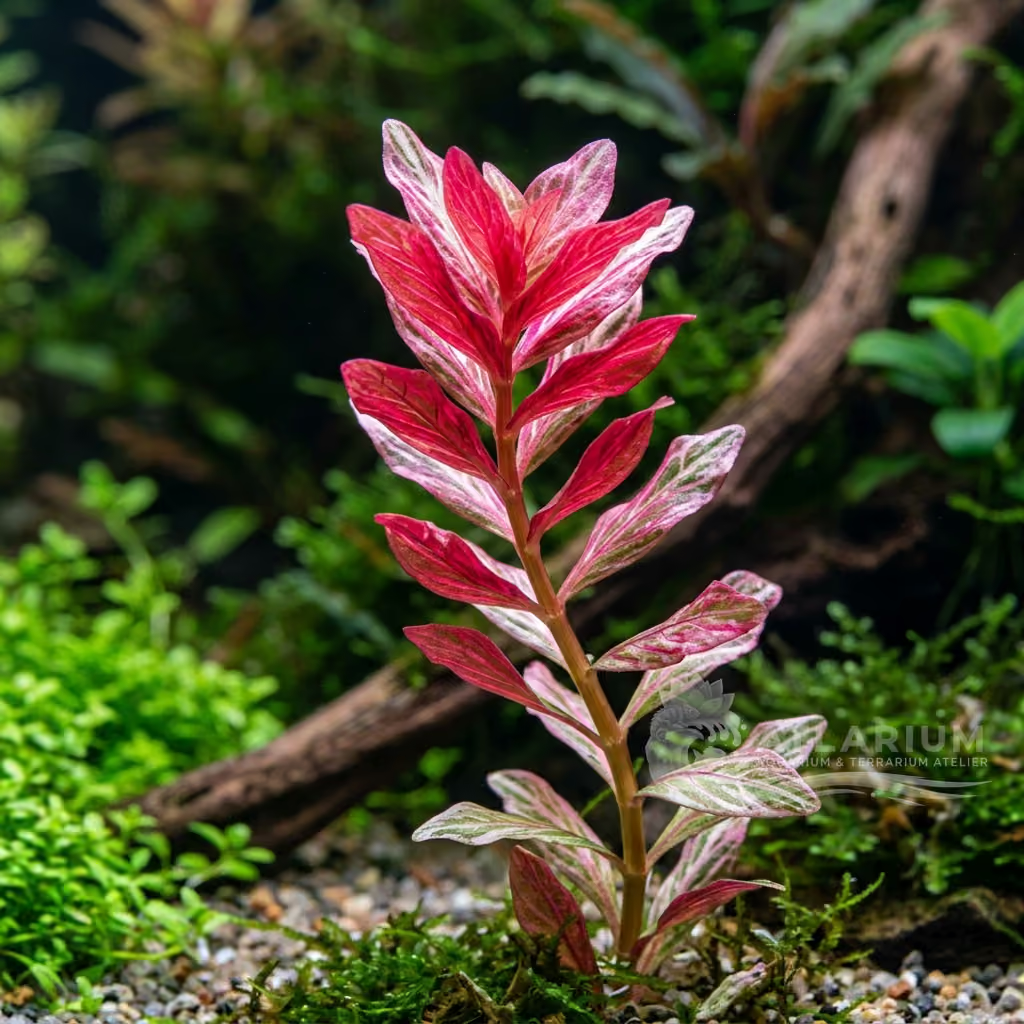
Rotala sp. 'Green' is a versatile stem plant perfect for midground placement, characterized by its vibrant green foliage and medium growth rate. It forms dense, lush bushes, offering a soft yet striking visual contrast within the aquascape.
Water Temperature
18 - 30 °C
pH Value
5 - 8
Water type
Freshwater
Light
Medium - High
CO2
Low - High
Expected height
50 cm
Expected width
5 cm
KH
0 - 14 dKH

Species description
Geographical Origin and Habitat: Rotala sp. 'Green' is believed to originate from various regions across Southeast Asia, similar to many other Rotala species, where it naturally thrives in slow-moving freshwater environments such as streams, ponds, and floodplains. In its natural habitat, it can be found growing both submerged and emersed, adapting to fluctuating water levels. This adaptability contributes to its resilience and popularity as an aquarium plant, allowing it to transition well into a controlled aquatic environment.
Taxonomy & Genetics: Taxonomically, Rotala sp. 'Green' belongs to the Lythraceae family, a diverse group of flowering plants. The "sp. 'Green'" designation indicates it is a specific, often cultivated, green-leaved form of an unidentified Rotala species or a variant selected for its distinct characteristics. While closely related to Rotala rotundifolia, it is distinguished by its consistent lack of red or pink
Color & Texture: ation, maintaining a vibrant green hue even under intense lighting. Its genetic makeup favors this uniform verdant appearance, making it a staple for aquascapes requiring a pure green accent.
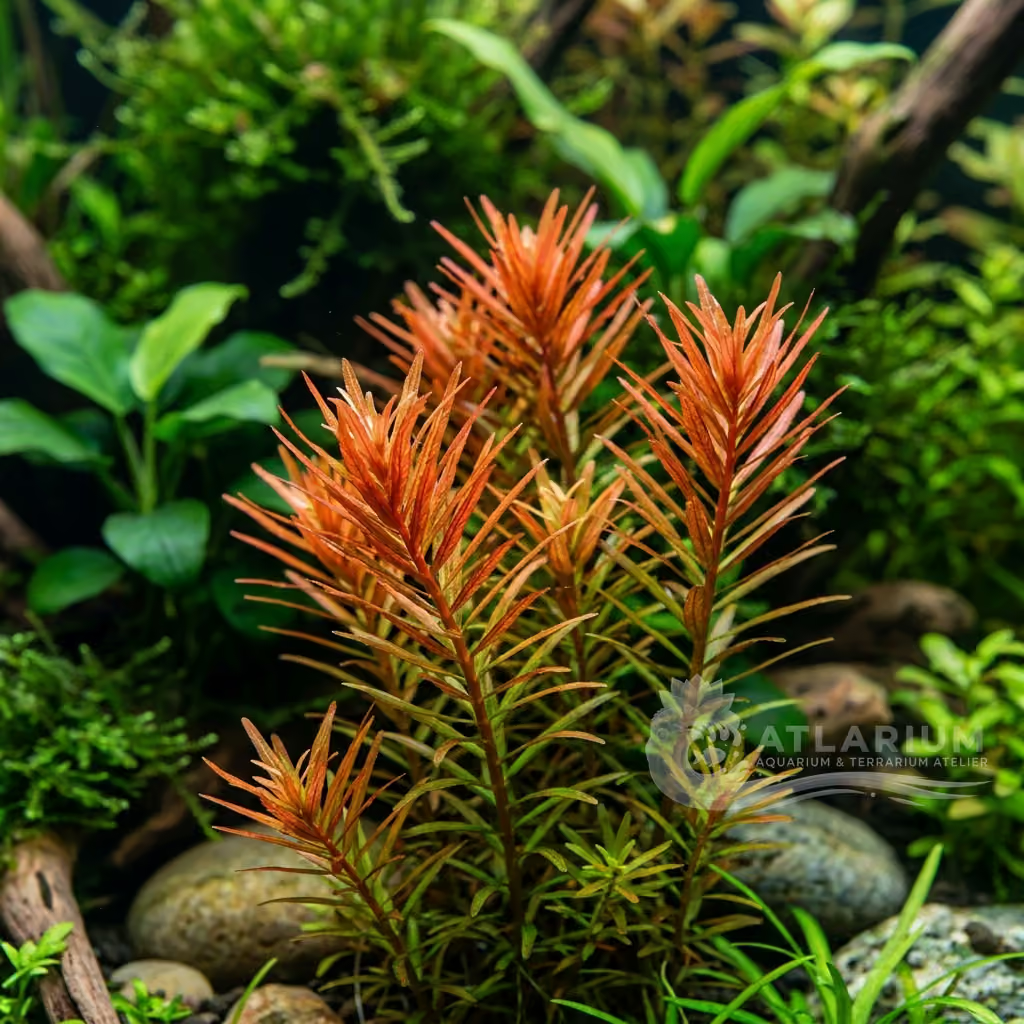
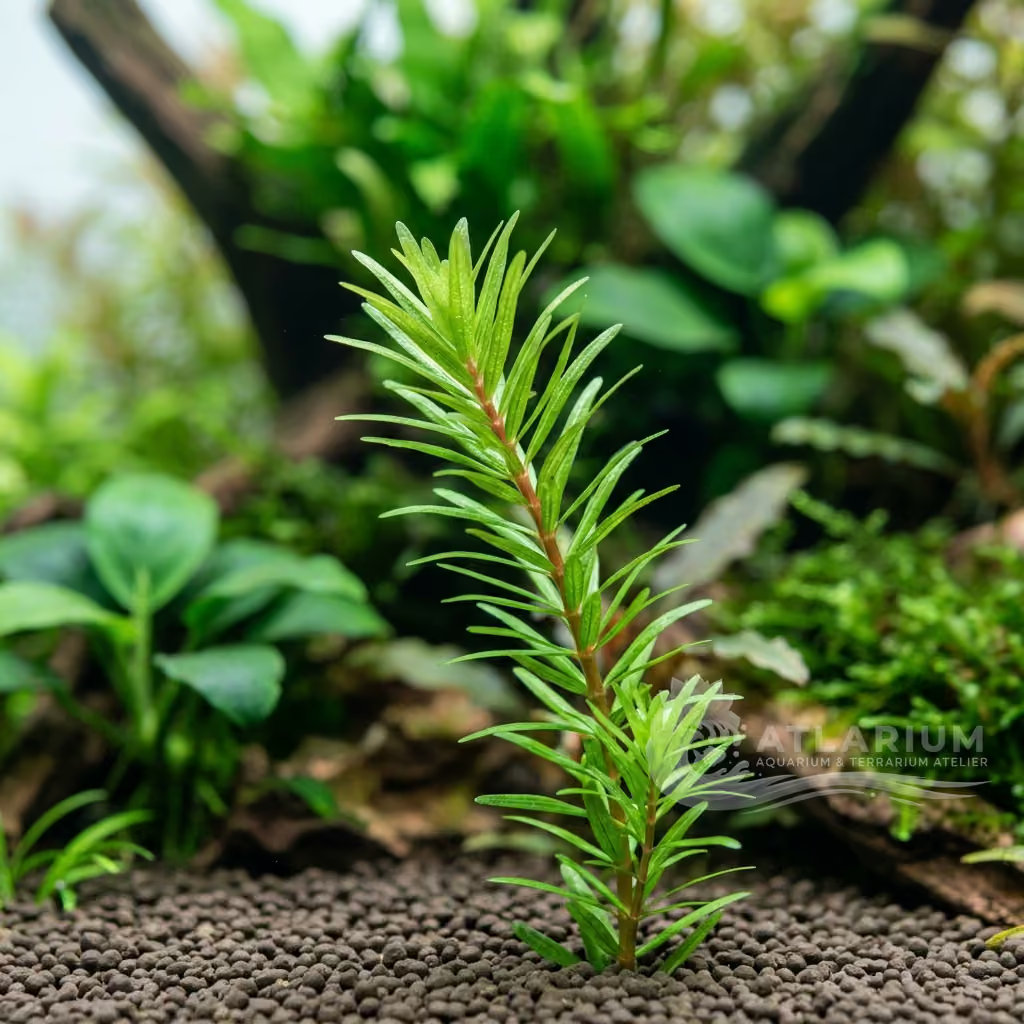
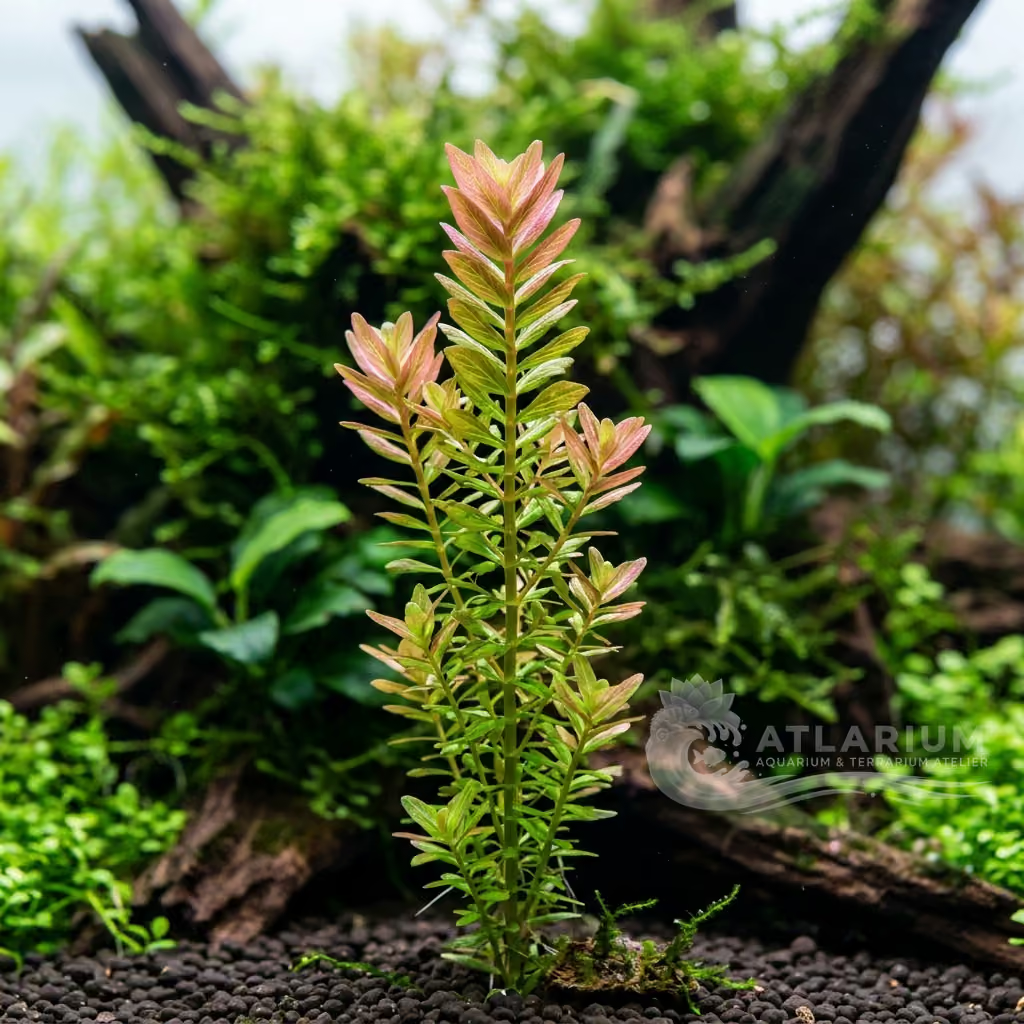
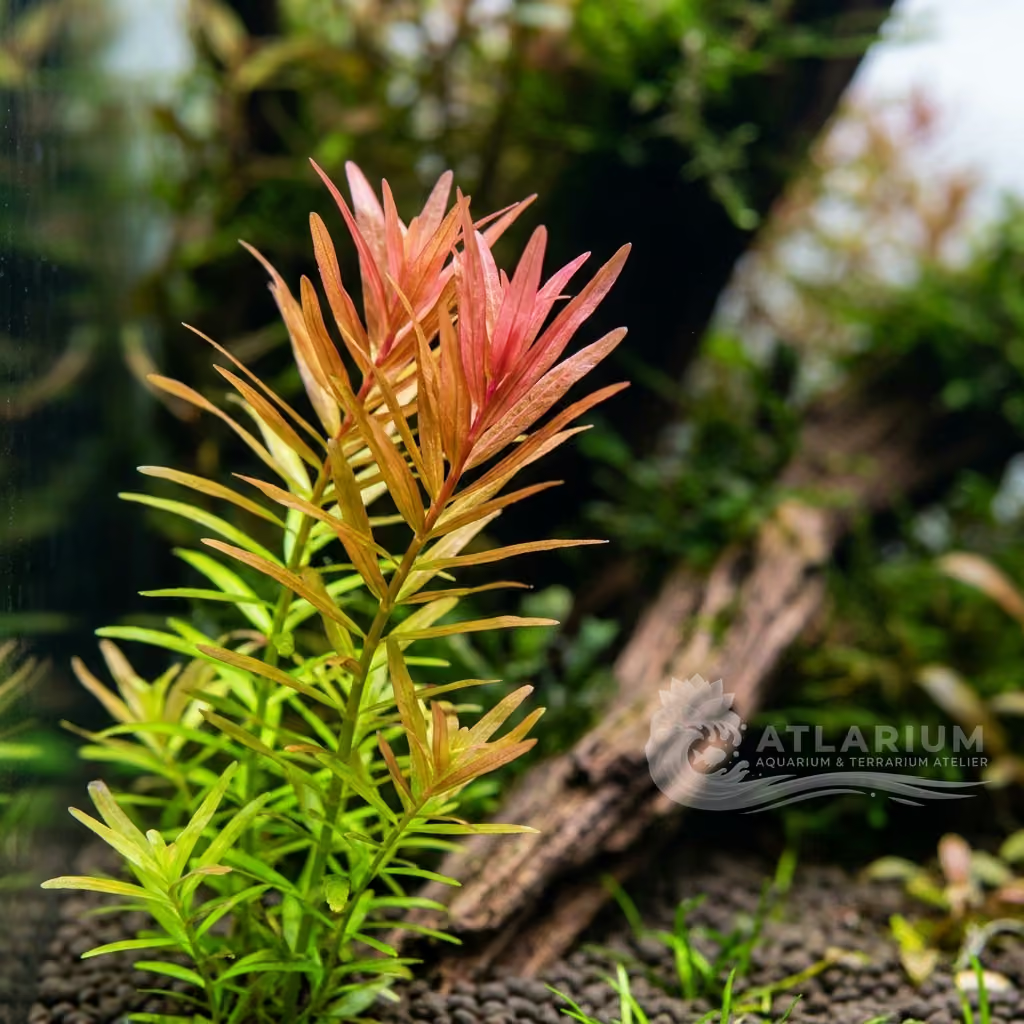
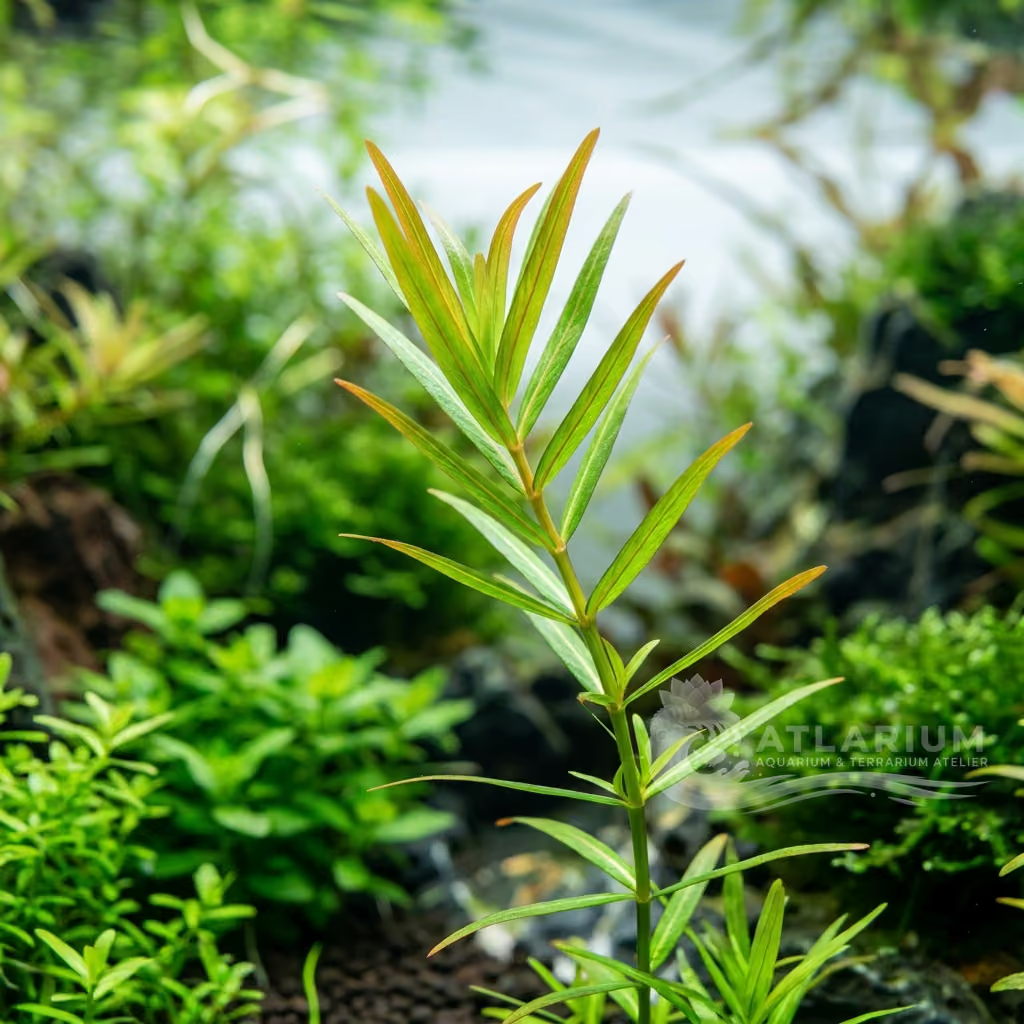
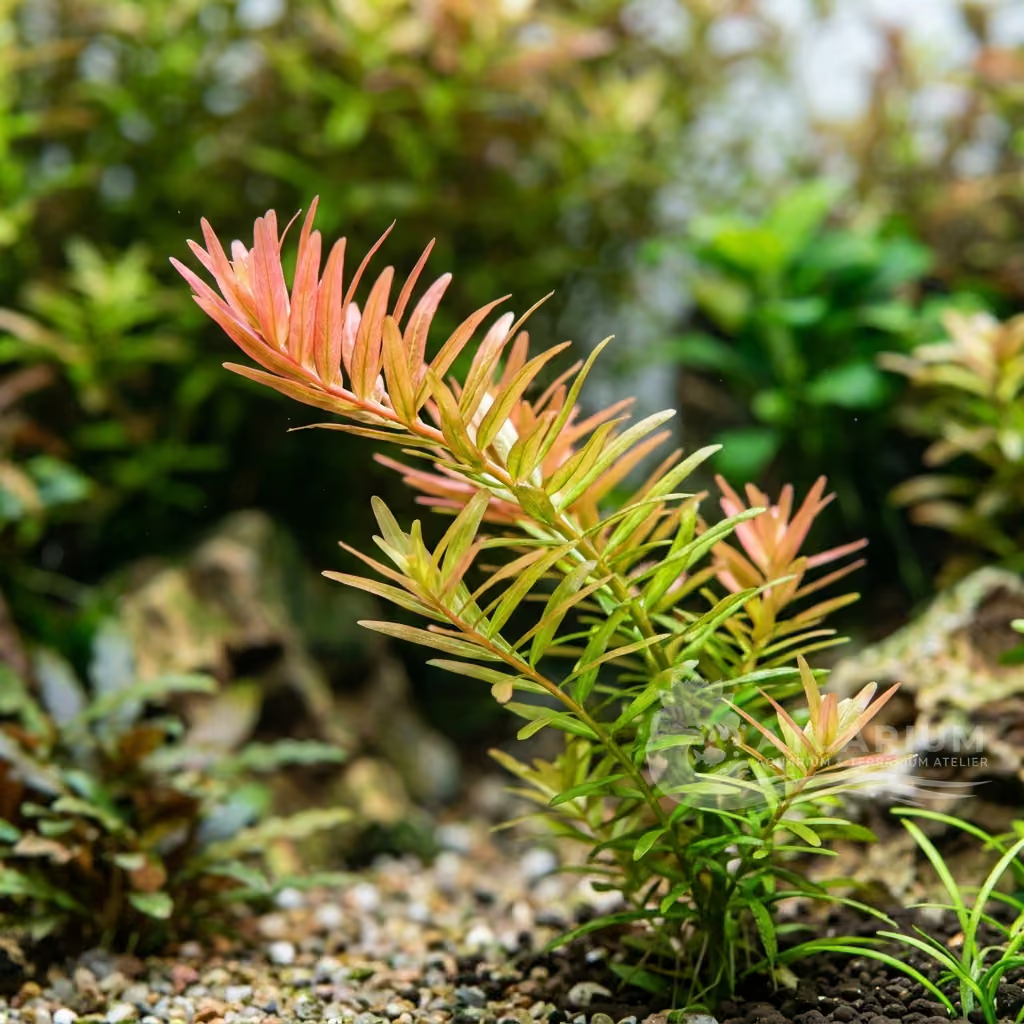
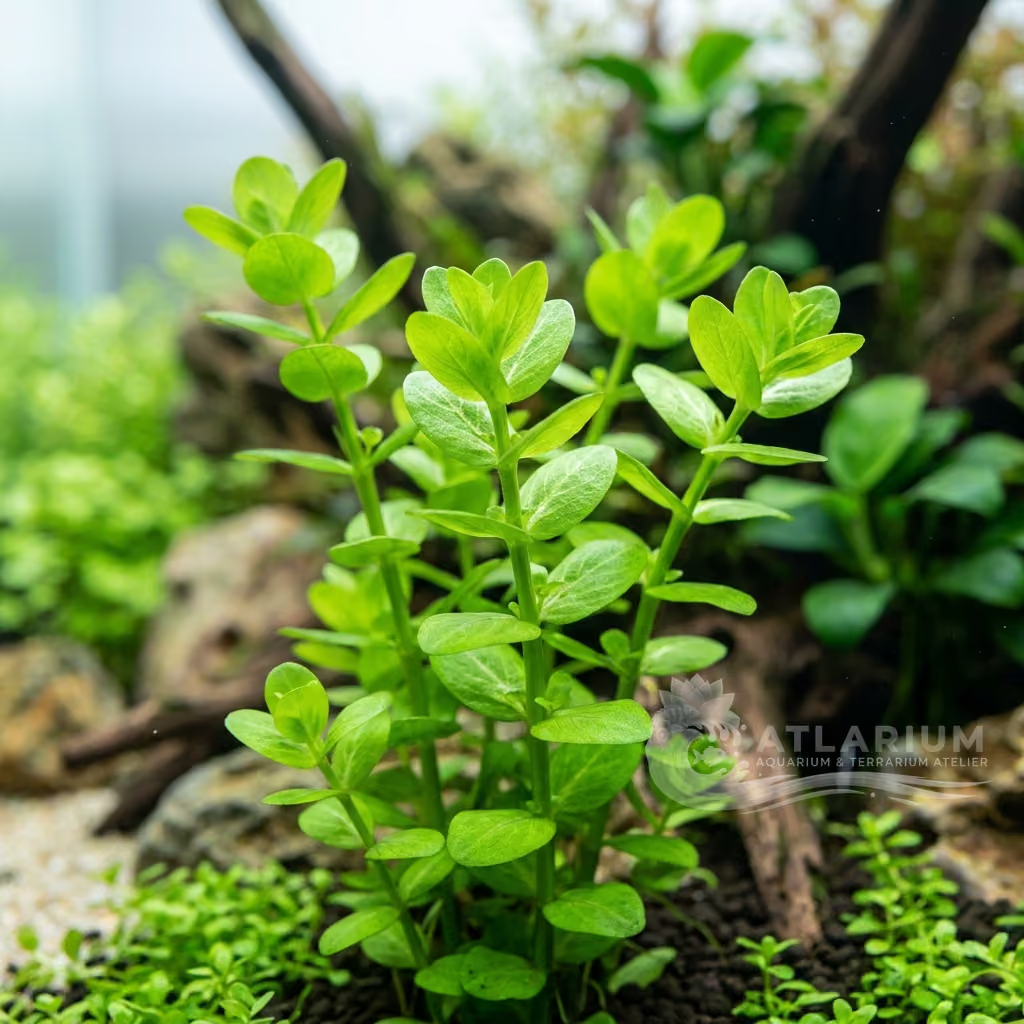
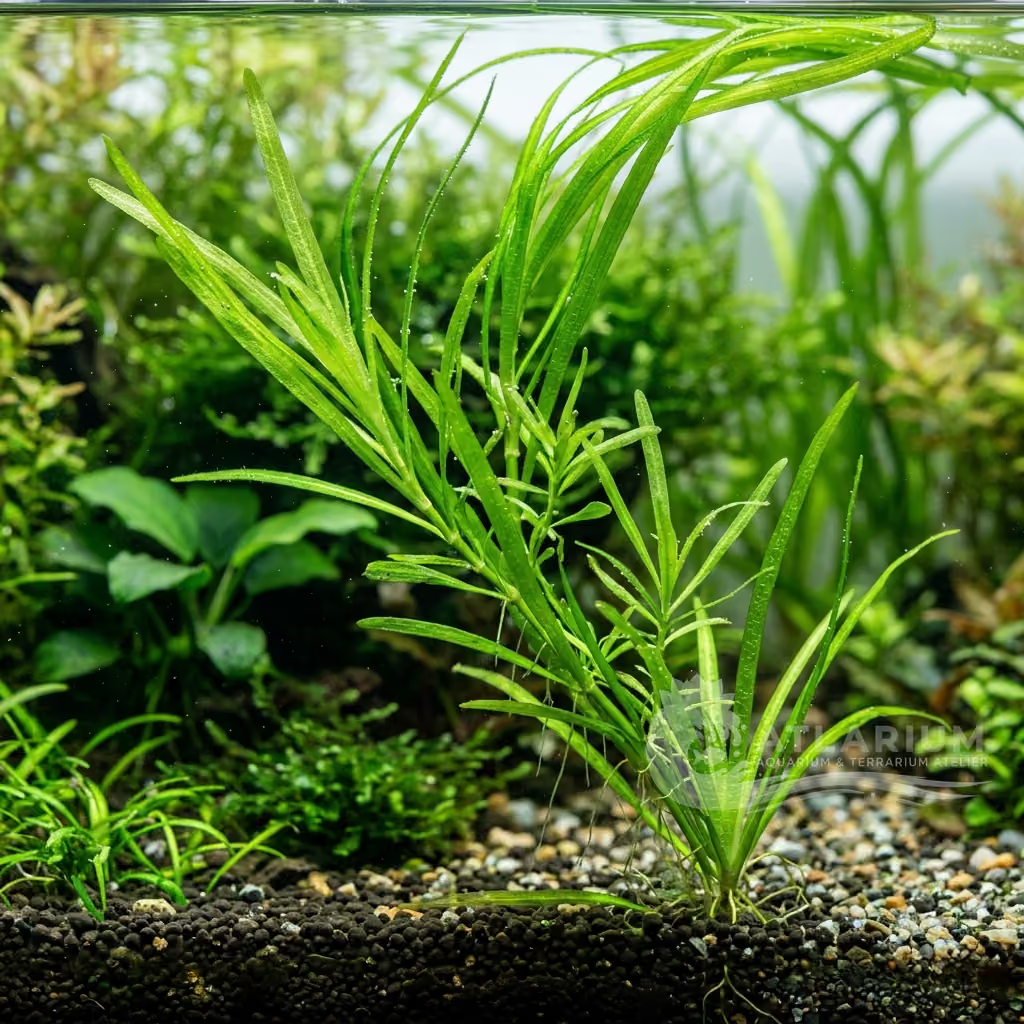
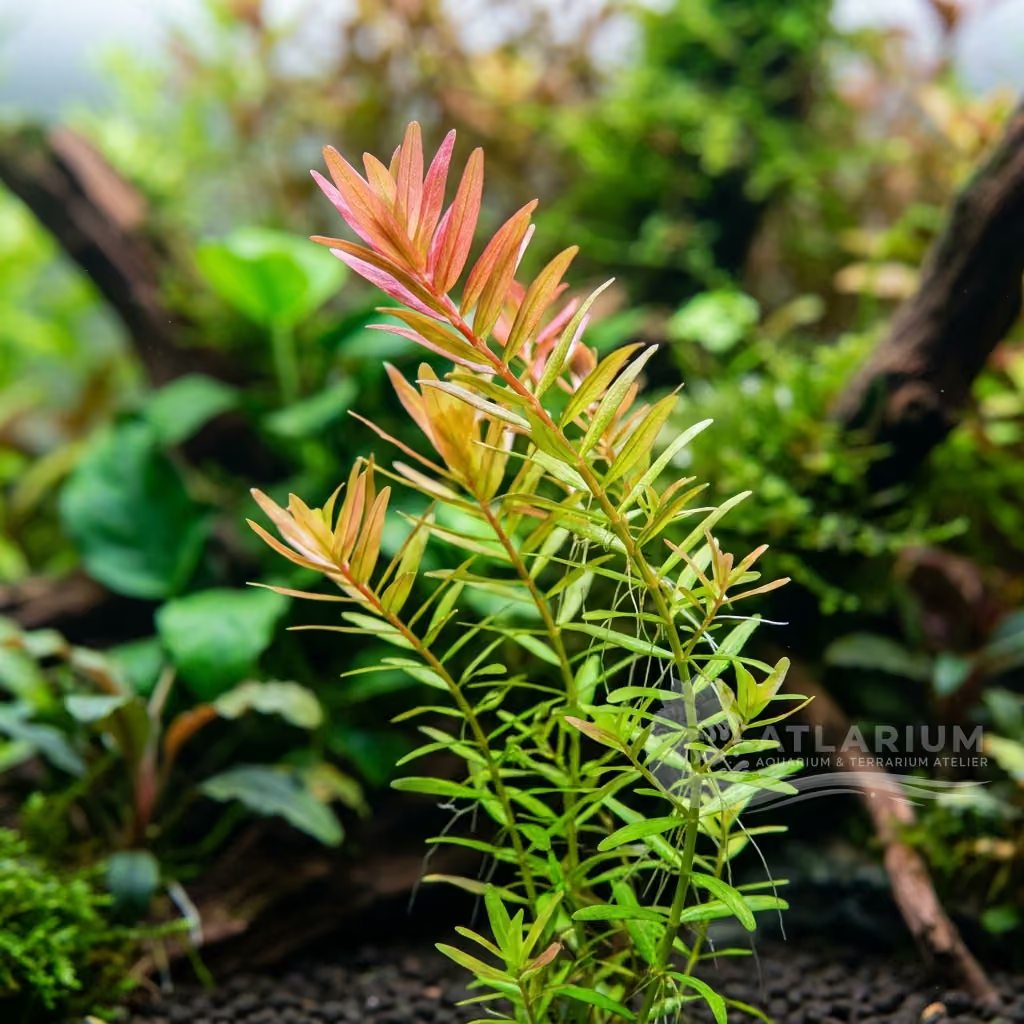
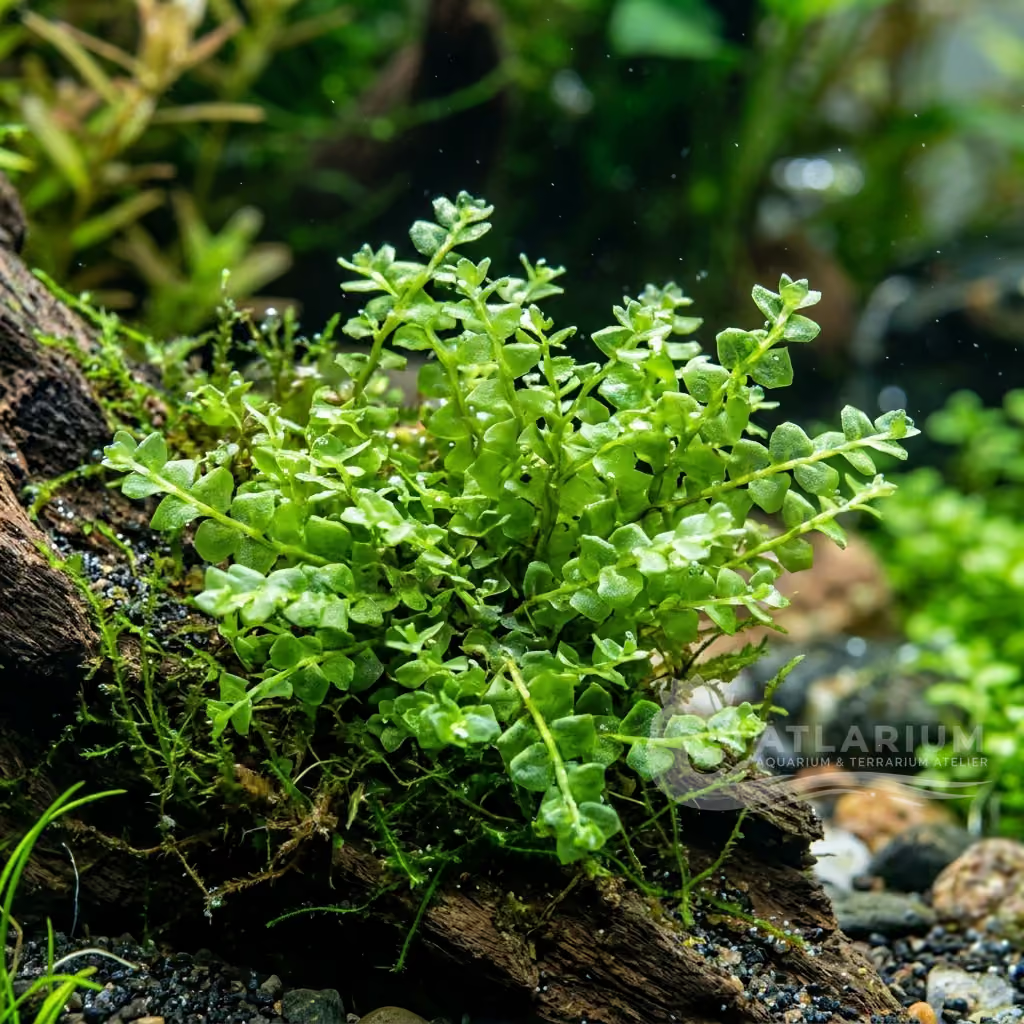
Physical Structure: Rotala sp. 'Green' exhibits a classic stem plant morphology, featuring delicate yet sturdy stems that grow vertically towards the light source, often branching significantly to create a dense canopy. Its leaves are typically small, ovate to spatulate, and arranged oppositely or in whorls of three along the stem, presenting a finely textured appearance. Under optimal conditions, the internodal spacing remains compact, contributing to a full and bushy aesthetic, especially after regular trimming. The plant anchors itself with fine root structures, though it primarily absorbs nutrients from the water column.
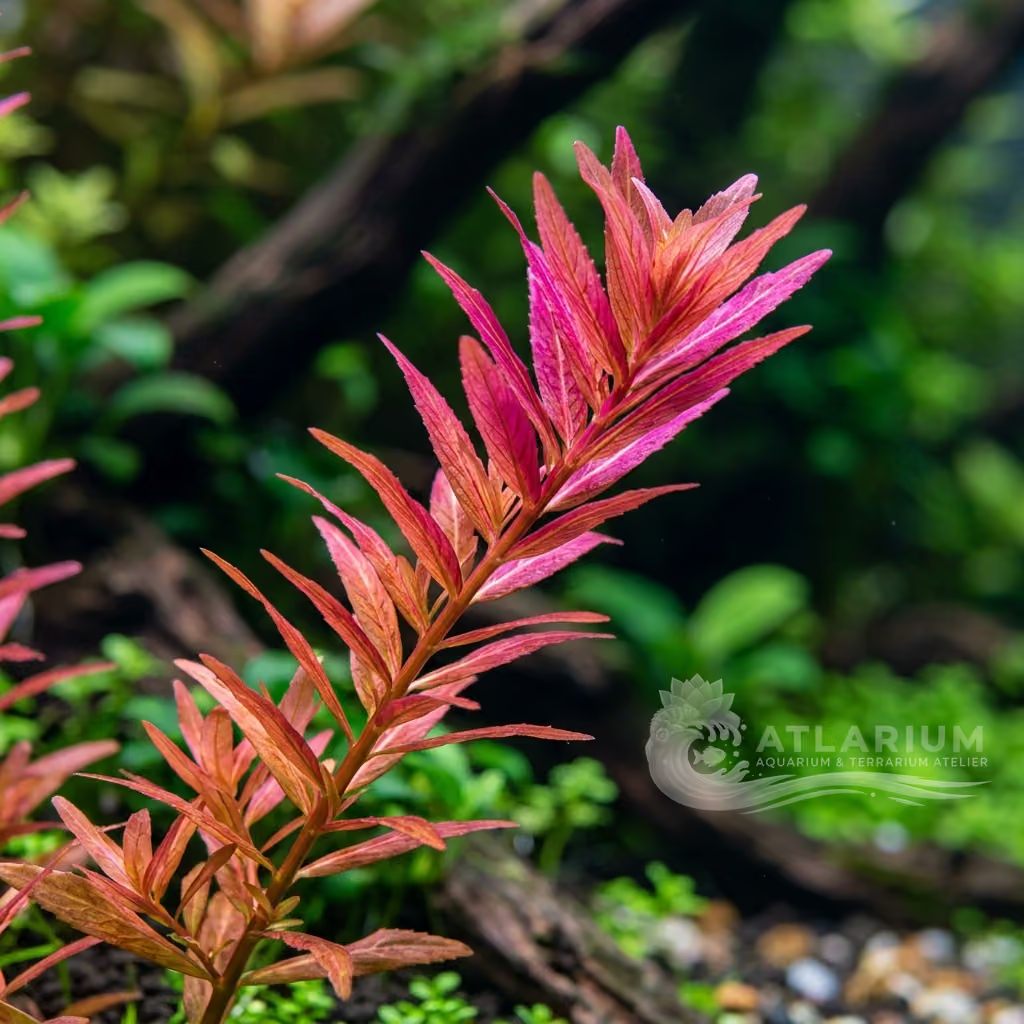
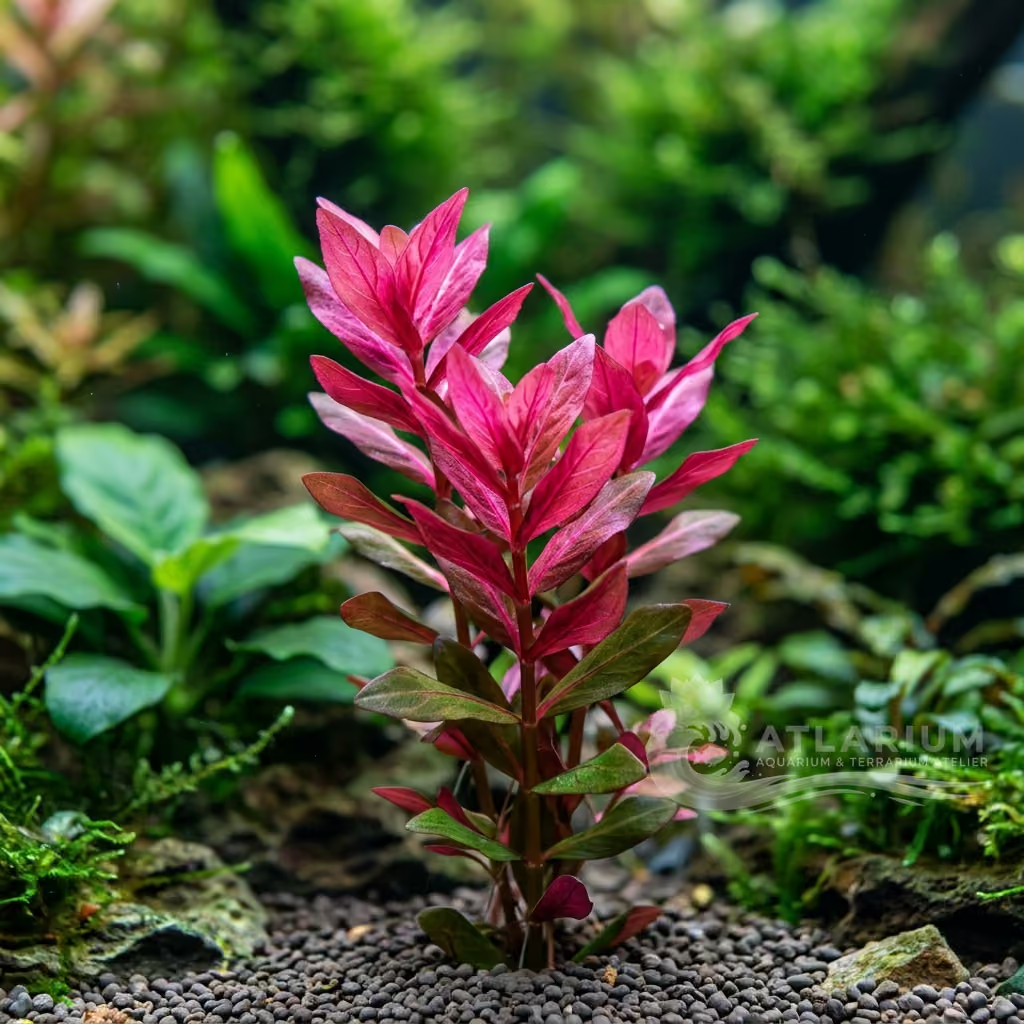
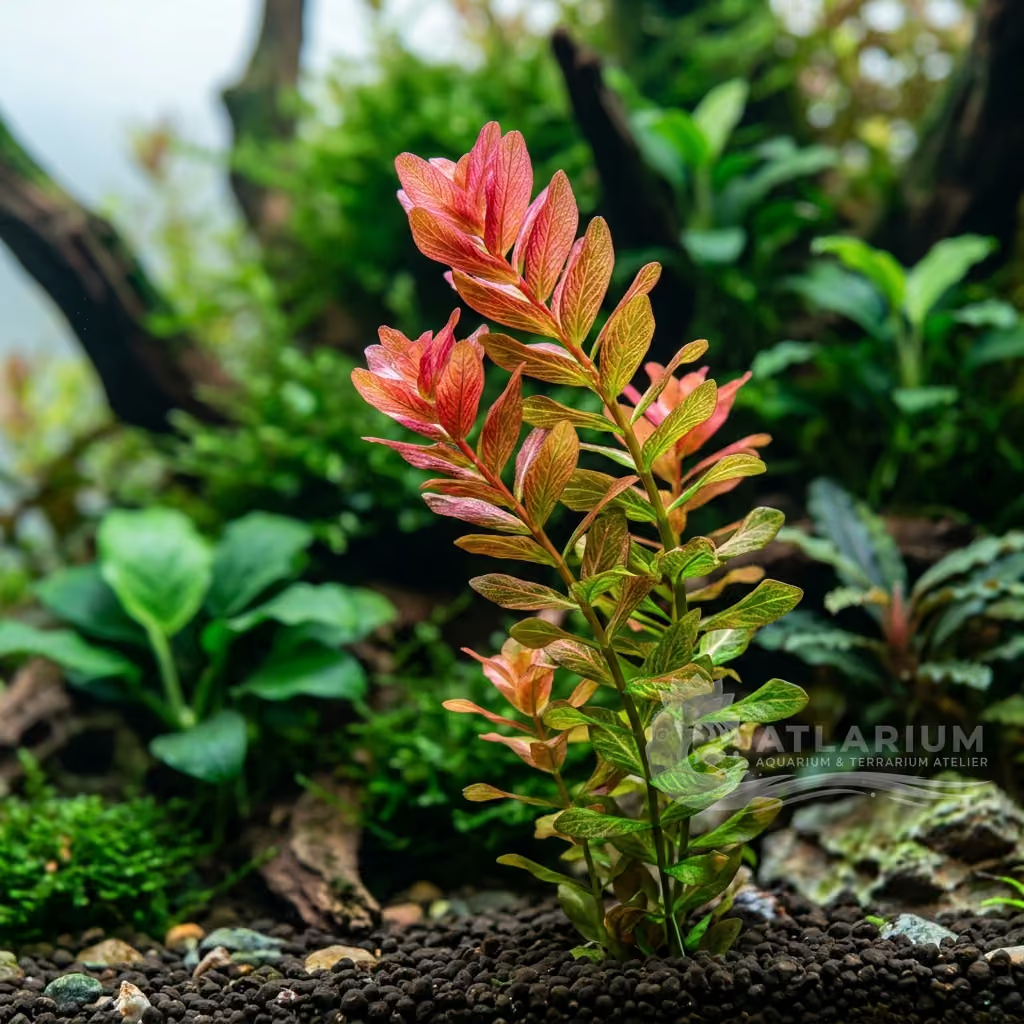
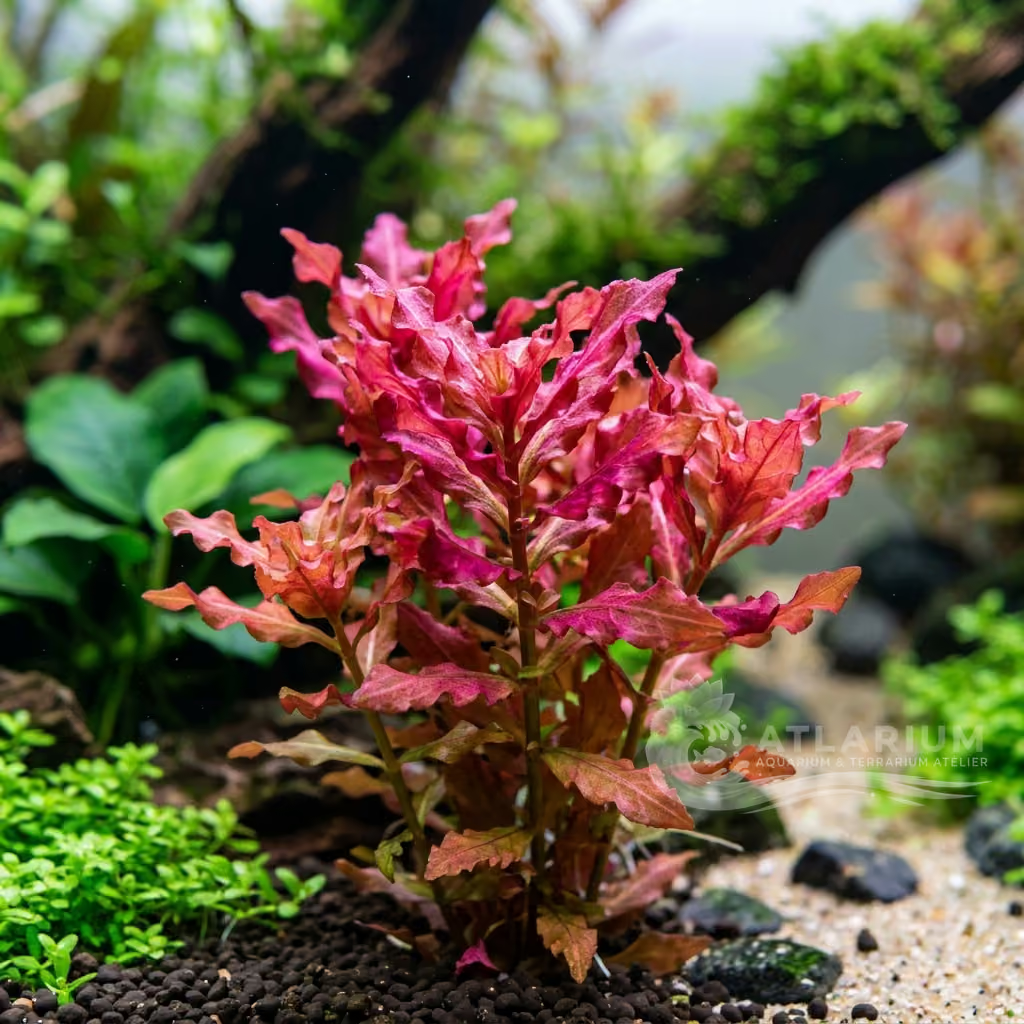
Color & Texture: The hallmark of Rotala sp. 'Green' is its uniformly bright, apple-green coloration, which remains consistent throughout the entire plant under most aquarium conditions. Unlike many other Rotala species, it rarely develops significant red or pink tones, even with high light and CO2, making it an excellent choice for contrasting against red plants or creating verdant, natural-looking aquascapes. The leaves possess a smooth, almost velvety texture, contributing to their delicate appearance and enhancing the visual softness of a planted tank. This stable green hue makes it a reliable element for specific color palettes.

Care, breeding and tankmates
Lighting & CO2: Rotala sp. 'Green' thrives under medium lighting conditions, where it will display steady growth and maintain its lush green color without excessive stretching or melting. While not strictly essential, the injection of carbon dioxide (CO2) is highly recommended to significantly enhance its growth rate, encourage denser branching, and promote robust overall health. Adequate CO2 supply also aids in nutrient uptake, preventing deficiencies and ensuring the vibrant coloration remains consistent, making it easier to achieve a truly bushy appearance.
Nutrition & Substrate: As a stem plant, Rotala sp. 'Green' primarily absorbs nutrients directly from the
Water Chemistry: Maintaining stable water chemistry within the specified parameters is vital for Rotala sp. 'Green' to flourish. Optimal water temperature ranges from 20 to 28 degrees Celsius, supporting healthy metabolic processes. The plant tolerates a pH range of 6.0 to 7.5, indicating a preference for slightly acidic to neutral conditions, while a KH (carbonate hardness) between 2 and 12 ensures sufficient buffering capacity without hindering nutrient availability. Consistency in these parameters, rather than fluctuating extremes, is paramount to prevent stress and promote continuous, healthy development.
Space Management & Placement: Rotala sp. 'Green' is ideally suited for placement in the midground of an aquarium, where its medium height and bushy growth habit can create a beautiful transition between shorter foreground plants and taller background species. Planting individual stems with adequate spacing initially allows for proper light penetration and water flow, but as it grows, it will form dense clumps, requiring careful planning. In smaller aquariums, it can even serve as a background plant, adding depth and a vibrant green backdrop.
Pruning: Regular and strategic pruning is essential for Rotala sp. 'Green' to encourage robust, bushy growth and prevent the lower portions of the stems from becoming sparse or shedding leaves due to shading. Once the stems reach the desired height or begin to overcrowd, the top sections should be cut and can be replanted to propagate new plants. Pruning also stimulates lateral branching from the remaining nodes, leading to a denser and more aesthetically pleasing plant mass, making it a key aspect of long-term maintenance.
Risks & Diseases: Like many aquatic plants, Rotala sp. 'Green' can be susceptible to algae growth if nutrient levels are imbalanced or lighting is too intense without adequate CO2. Nutrient deficiencies, such as yellowing leaves (iron or nitrogen deficiency) or stunted growth, are common risks if a proper fertilization regimen is not maintained. Rapid changes in water parameters or prolonged stress can also lead to melting or leaf loss, particularly when transitioning from emersed to submerged forms or after significant tank disturbances.

Geographic origin and distribution
Rotala sp. 'Green' is believed to originate from various regions across Southeast Asia, similar to many other Rotala species, where it naturally thrives in slow-moving freshwater environments such as streams, ponds, and floodplains. In its natural habitat, it can be found growing both submerged and emersed, adapting to fluctuating water levels. This adaptability contributes to its resilience and popularity as an aquarium plant, allowing it to transition well into a controlled aquatic environment.
Origin
South and Southeast Asia

Plant profile
- Placement
- Midground
- It is ideal for midground to background placement in most aquariums. It forms dense, bright green thickets when planted in groups. Its cascading growth habit makes it suitable for creating flowing visual effects. It can be trained to creep along the substrate or hardscape under very high light.
- Botanical form
- Stem
- It features narrow, elongated leaves that are a consistent, vivid bright green. Under strong light, the stems may arch downwards, giving it a weeping appearance. Internodes remain relatively compact compared to other fast-growing stems. Emersed leaves are rounder and slightly thicker.
- Growth
- Medium
- This plant is extremely fast-growing, requiring regular maintenance. Its vigorous growth helps outcompete algae by rapidly consuming excess nutrients. Frequent trimming is necessary to keep the layout looking neat. Optimal light and CO2 will maximize its growth potential.
- Substrate
- Low
- Rotala sp. 'Green' adapts easily to various substrates but exhibits the most vigorous, creeping growth when planted in a fertile aqua soil. A substrate bed of 1.5 to 2.5 inches (4-6 cm) provides ample space for its root system to spread laterally. The roots anchor firmly into the soil, drawing up essential nutrients that help maintain its bright green foliage and prevent the lower stems from deteriorating.
- Column fertilization
- Recommended
- It feeds heavily from the water column, making liquid fertilization essential. A standard all-in-one fertilizer usually provides everything it needs. Ensure sufficient potassium to prevent pinholes in older leaves. Daily or regular dosing maintains its fast growth and bright coloration.
- Root fertilization
- Optional
- A fertile substrate enhances its overall robustness and root development. Soil-based substrates or root tabs provide excellent supplemental nutrition. Strong roots help the plant stay anchored despite its rapid vertical growth. However, it can still thrive in inert substrates if column dosing is adequate.
- Trimming
- Regular
- It is extremely tolerant of heavy pruning. It can be trimmed down to a few inches, and it will quickly rebound with multiple side shoots. Regular shaping helps create dense, beautifully rounded bushes. Replanting the tops is an easy way to refresh an old, woody stand.
- Propagation
- Cuttings
- Propagation is easily achieved through stem cuttings. Simply cut the healthy tops and insert them into the substrate. The original stem will produce lateral branches, increasing the density of the bush. It is one of the easiest stem plants to multiply.
- Sensitivity
- Moderate
- It is very forgiving and adaptable to a wide range of water parameters. However, poor flow or severe shading can cause the lower sections to deteriorate. It is susceptible to hair algae if nutrients and CO2 are unbalanced. It prefers stable temperatures and clean water.
- Layout role
- Midground, group, Background
- It acts as an excellent bright green background filler or midground bush. It provides a stark, fresh contrast against red or dark green plants. It is commonly used in Nature Aquariums to create lush, green rolling hills. Its weeping habit under high light can soften hardscape edges.

Related species
Recommendations grouped by close relatives, companion choices, and similar care.