Rotala sp. 'Enie'
Rotala sp. 'Enie'
Rotala sp. 'Enie' is a vibrant, fast-growing stem plant best utilized in the midground of an aquascape, forming dense, colorful bushes under optimal conditions. Its rapid growth and striking hues make it an excellent choice for adding dynamic visual interest and depth to planted tanks.
Water Temperature
15 - 30 °C
pH Value
4.5 - 7
Water type
Freshwater
Light
Medium to High
CO2
High
Expected height
40 cm
Expected width
4 cm
KH
0 - 7 dKH

Species description
Geographical Origin and Habitat: The exact geographical origin of Rotala sp. 'Enie' is not definitively documented, as its 'sp.' designation suggests it may be an undescribed species, a cultivated variant, or a naturally occurring form selected for its unique characteristics. However, the Rotala genus predominantly originates from the tropical and subtropical regions of Southeast Asia, thriving in diverse aquatic and semi-aquatic habitats such as rice paddies, marshes, and the margins of slow-moving rivers. These natural environments typically feature soft, acidic waters and abundant sunlight, conditions that influence the successful cultivation of many Rotala species in the aquarium. While Rotala sp. 'Enie' itself is likely a horticultural selection, its general requirements echo the preferences of its wild relatives.
Taxonomy & Genetics: Rotala sp. 'Enie' belongs to the Lythraceae family, a diverse group of flowering plants that includes many popular aquatic species such as other Rotala, Ludwigia, and Didiplis. The 'sp.' in its name indicates that it is a species whose identity is not yet formally described or confirmed, or it might be a specific variety or cultivar within the Rotala genus. This often happens with aquacultured plants that exhibit unique traits. While its precise genetic lineage is under study, it shares many morphological and physiological characteristics with other well-known Rotala species, suggesting a close evolutionary relationship within this taxonomically complex genus.
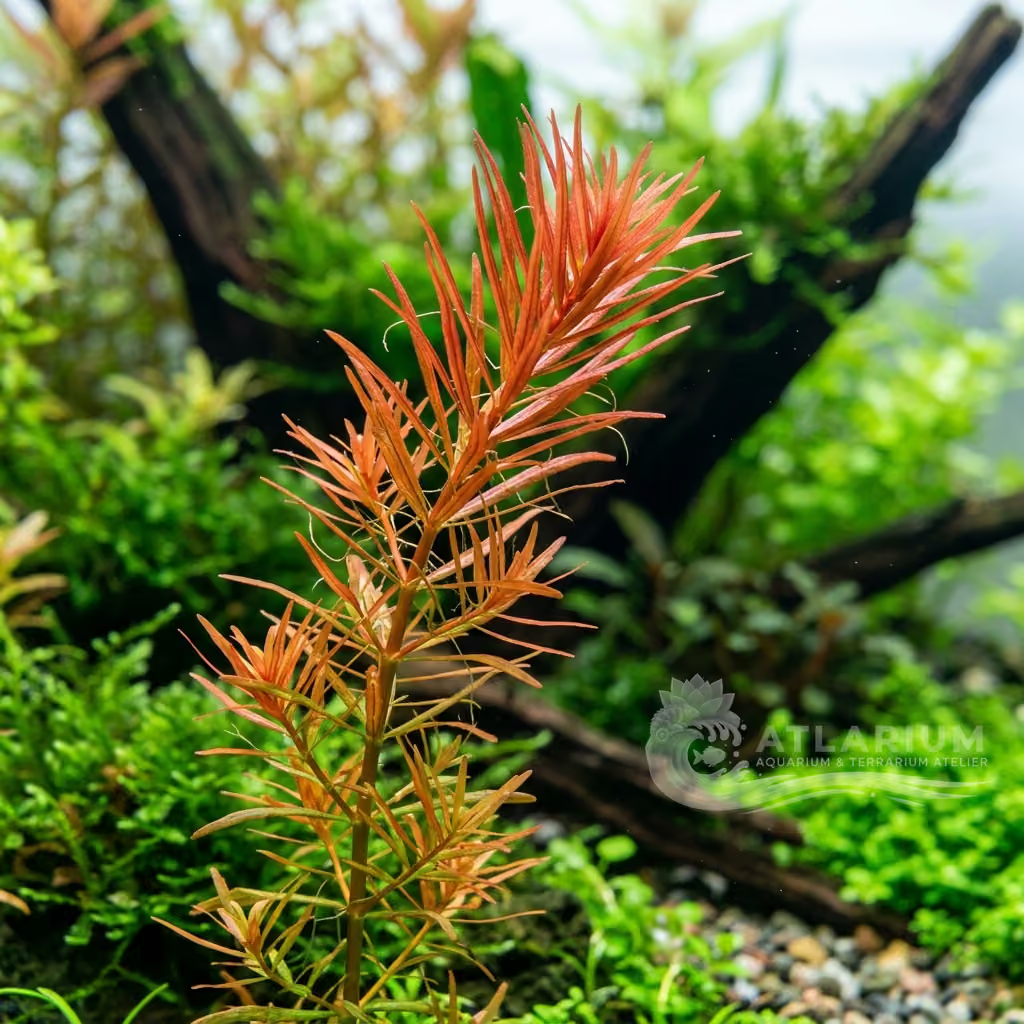
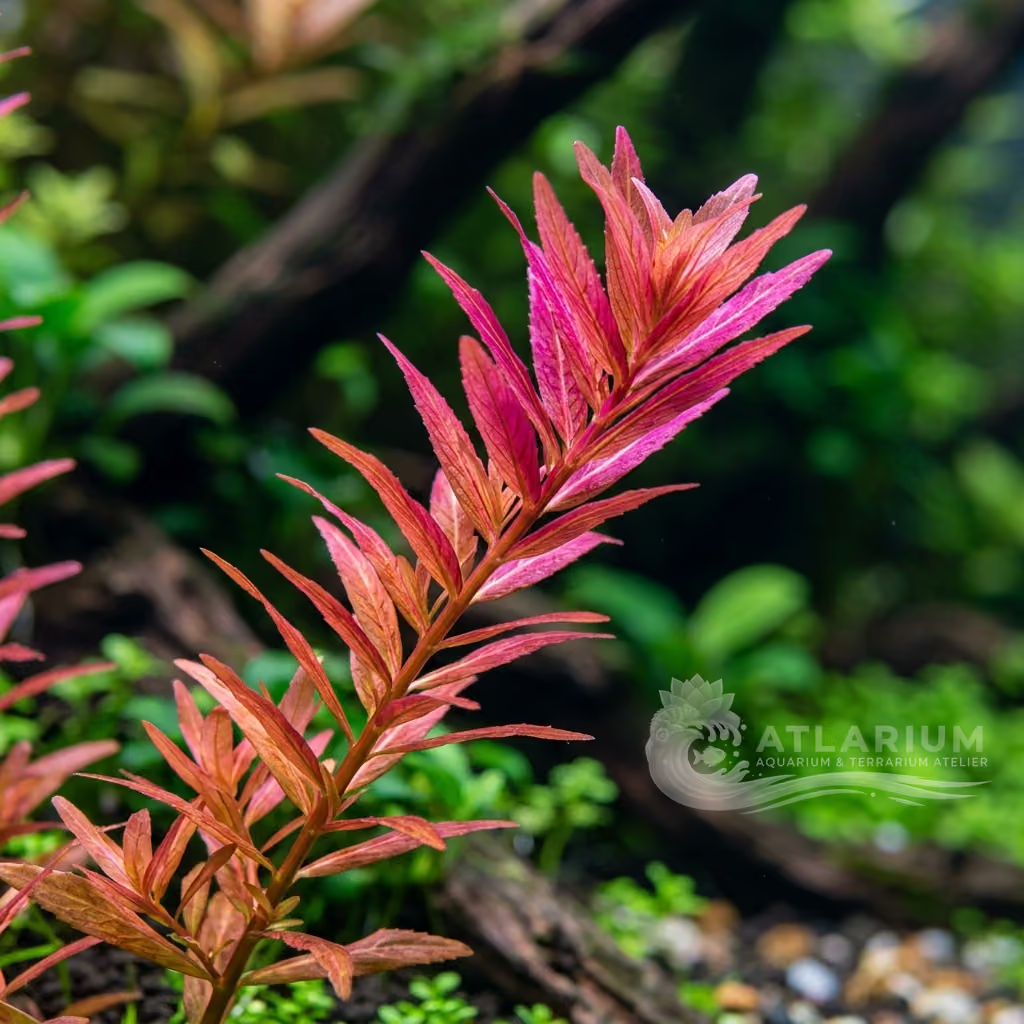
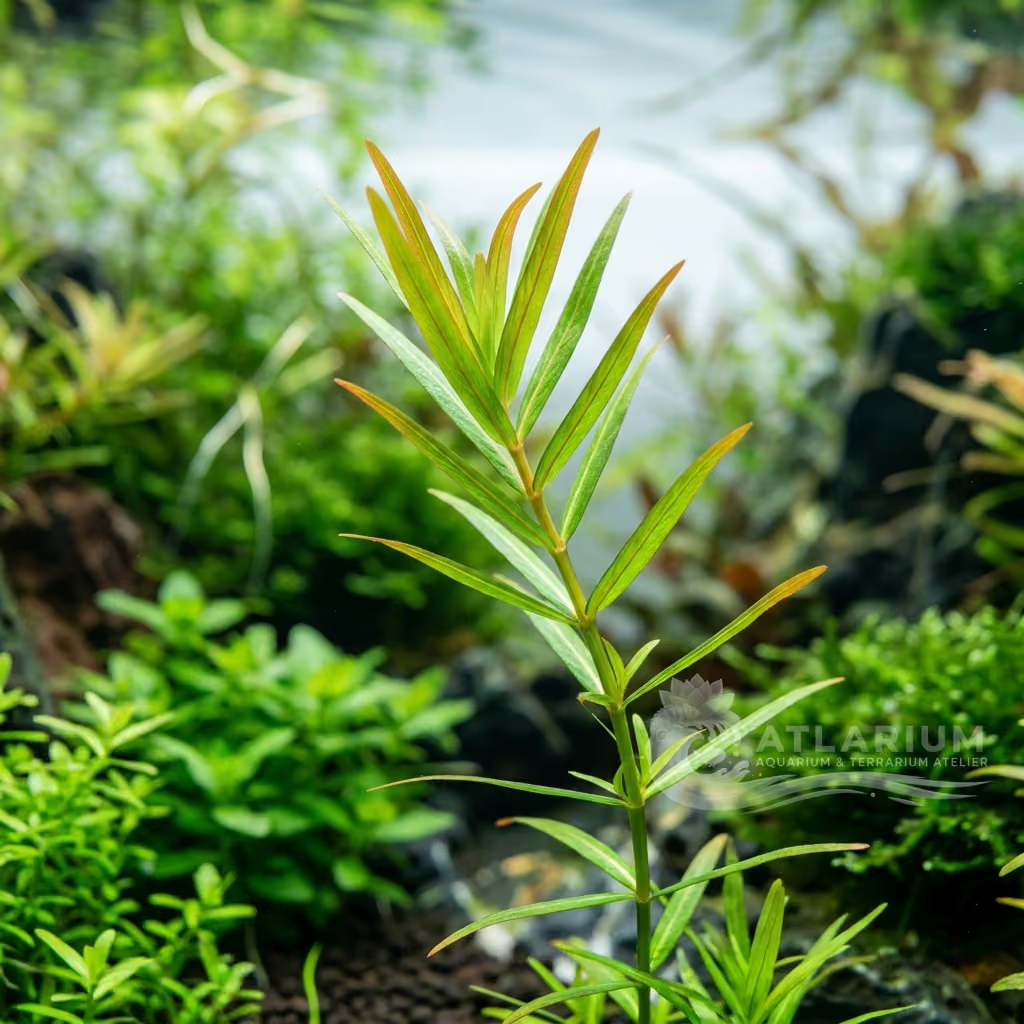
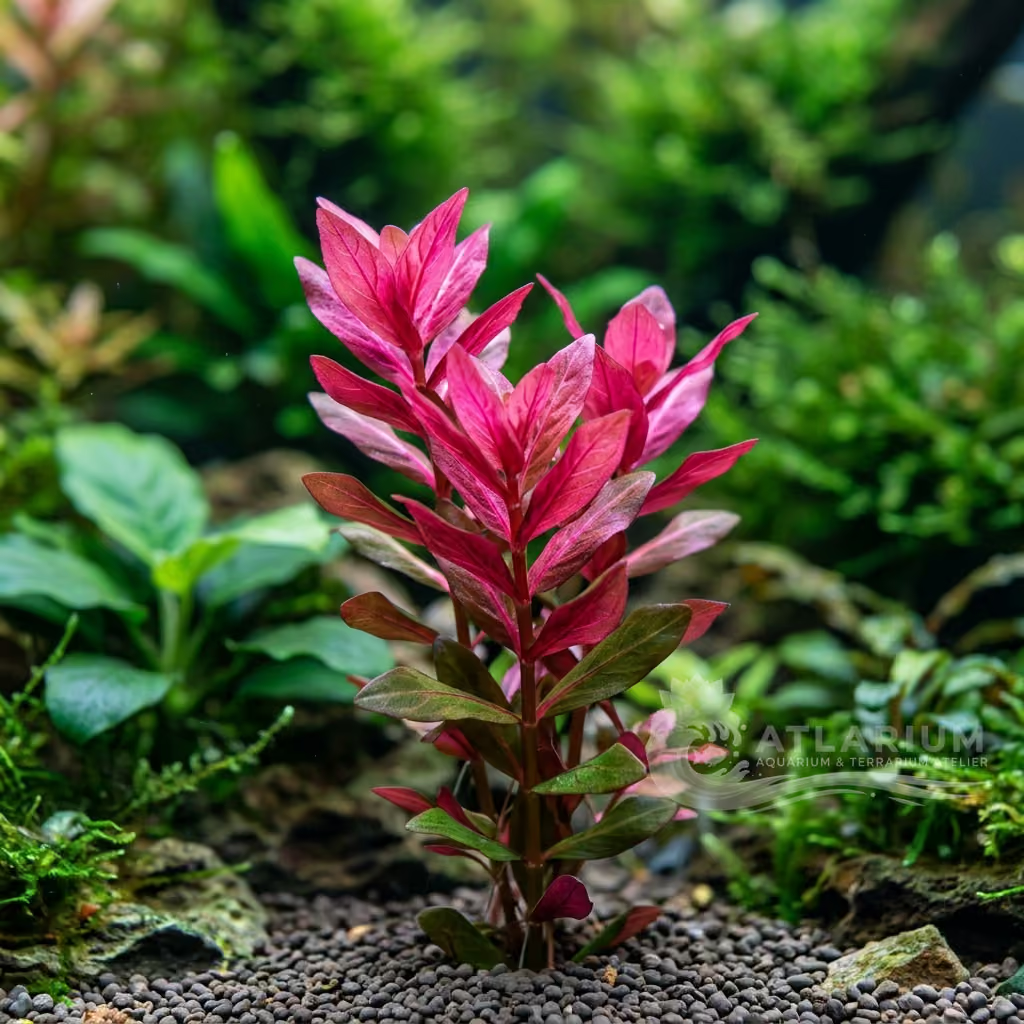
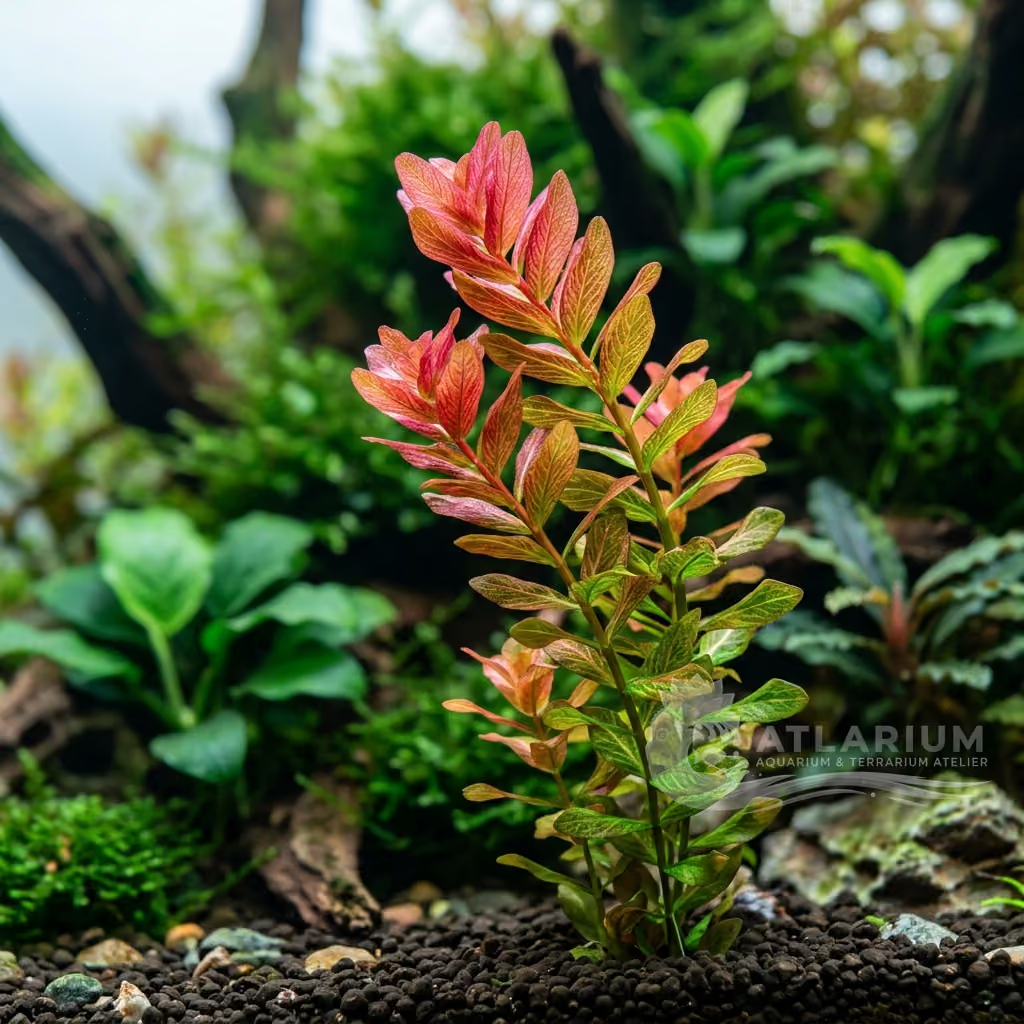
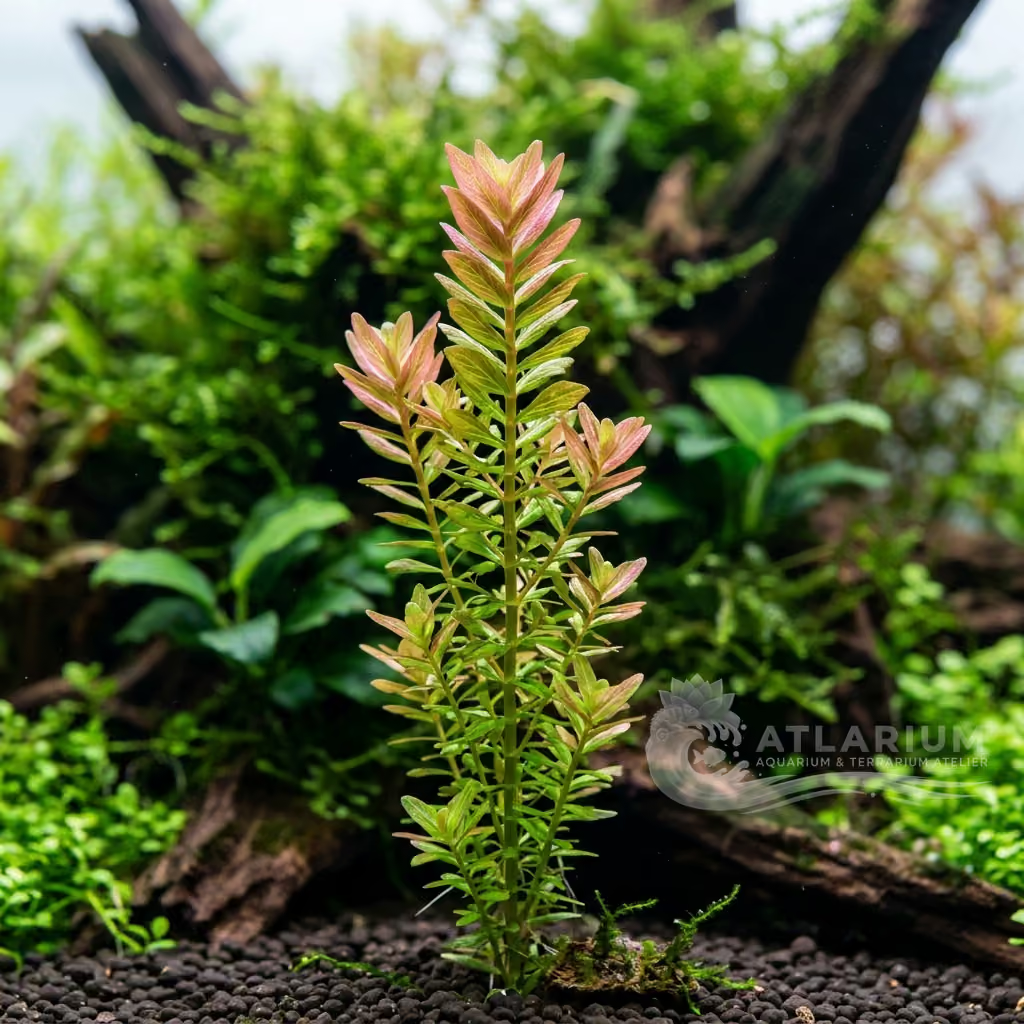
Physical Structure: Rotala sp. 'Enie' exhibits a classic stem plant morphology, characterized by an upright, slender stem that can grow quite tall under favorable conditions. Its leaves are arranged decussate (opposite and rotated 90 degrees with each successive pair), creating a dense, bushy appearance. Each leaf is typically linear to narrowly ovate, delicate in texture, and can vary in size depending on light intensity and nutrient availability. The plant readily develops adventitious roots from its nodes, particularly when floating or under nutrient stress, aiding in nutrient absorption and vegetative propagation.
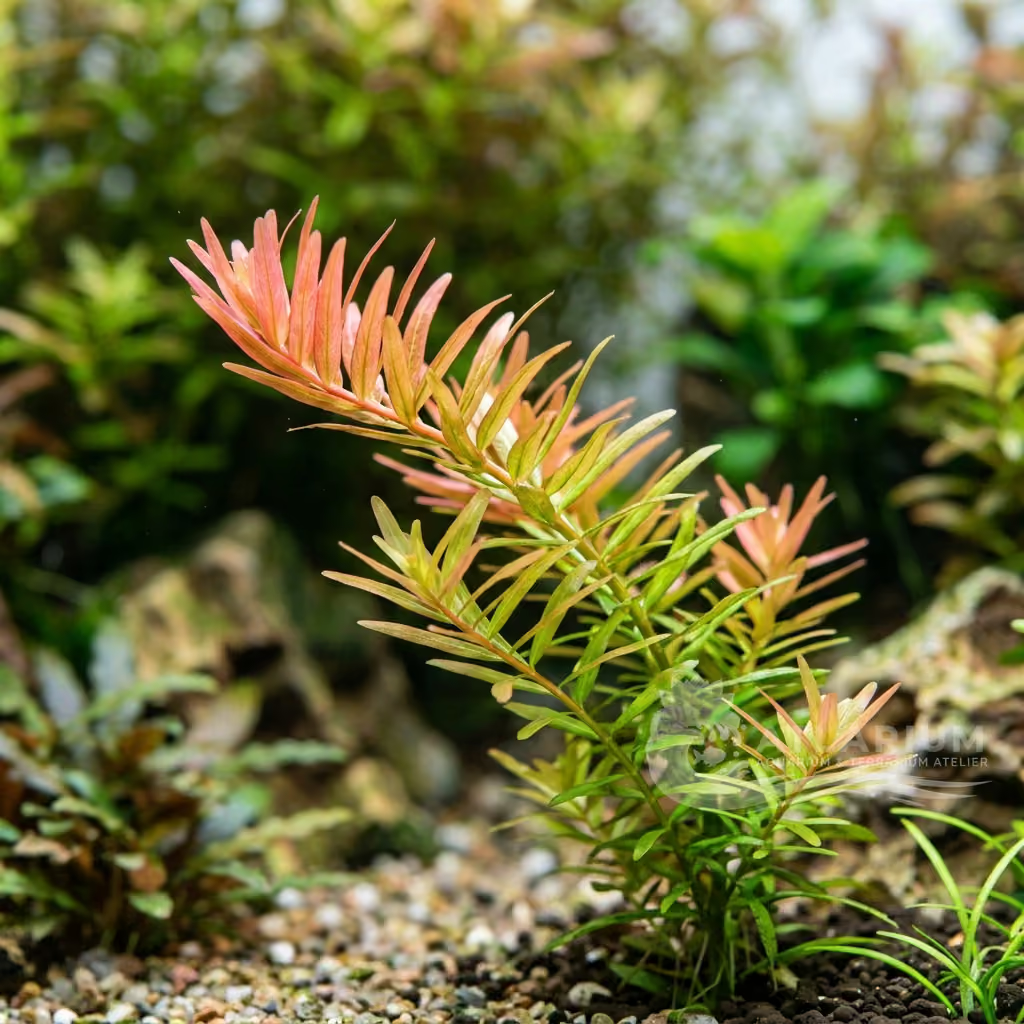
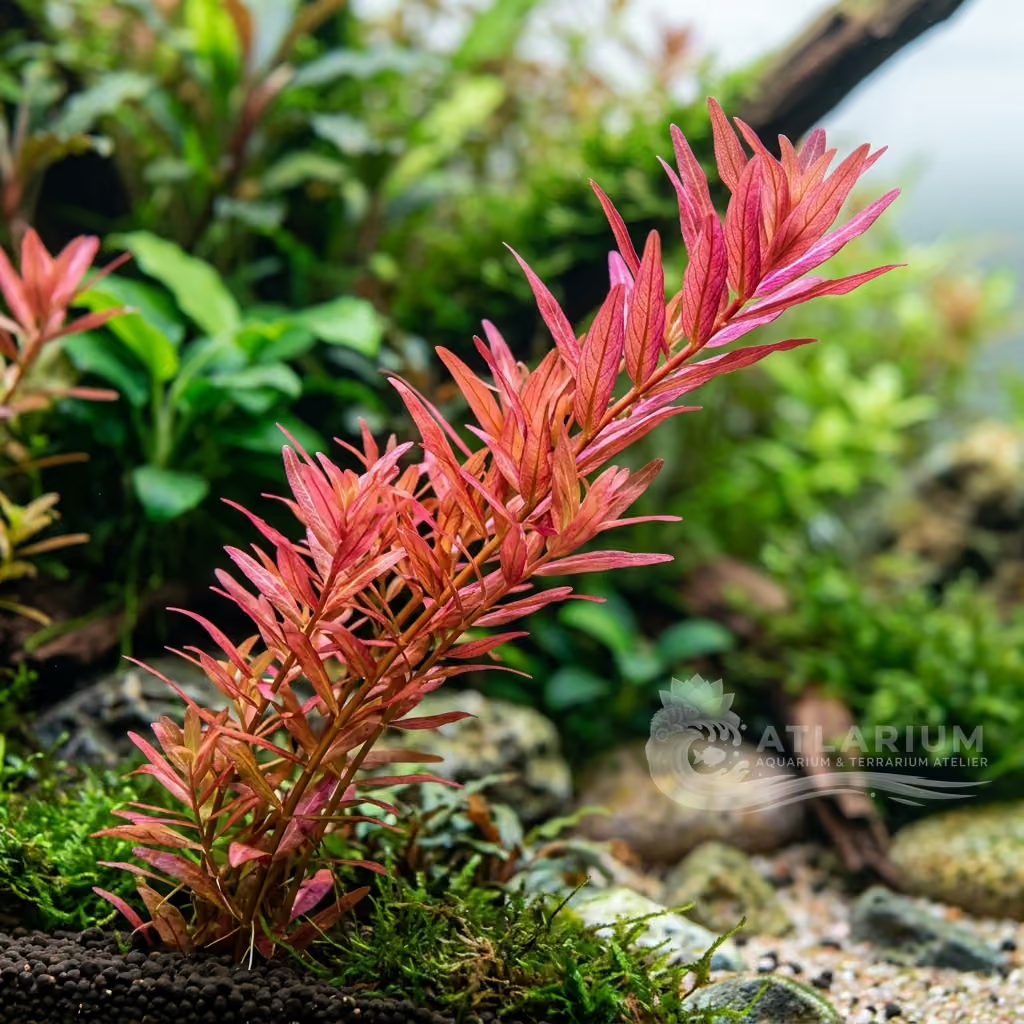
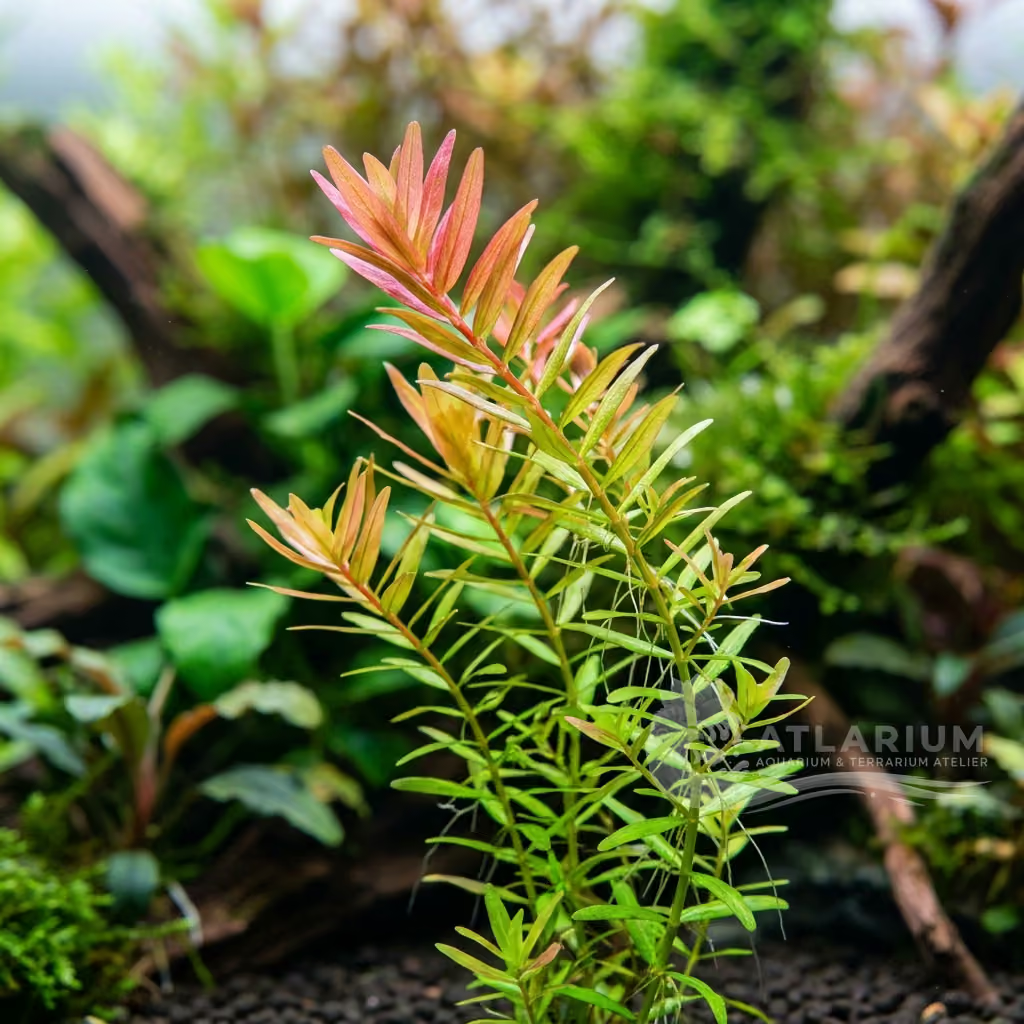
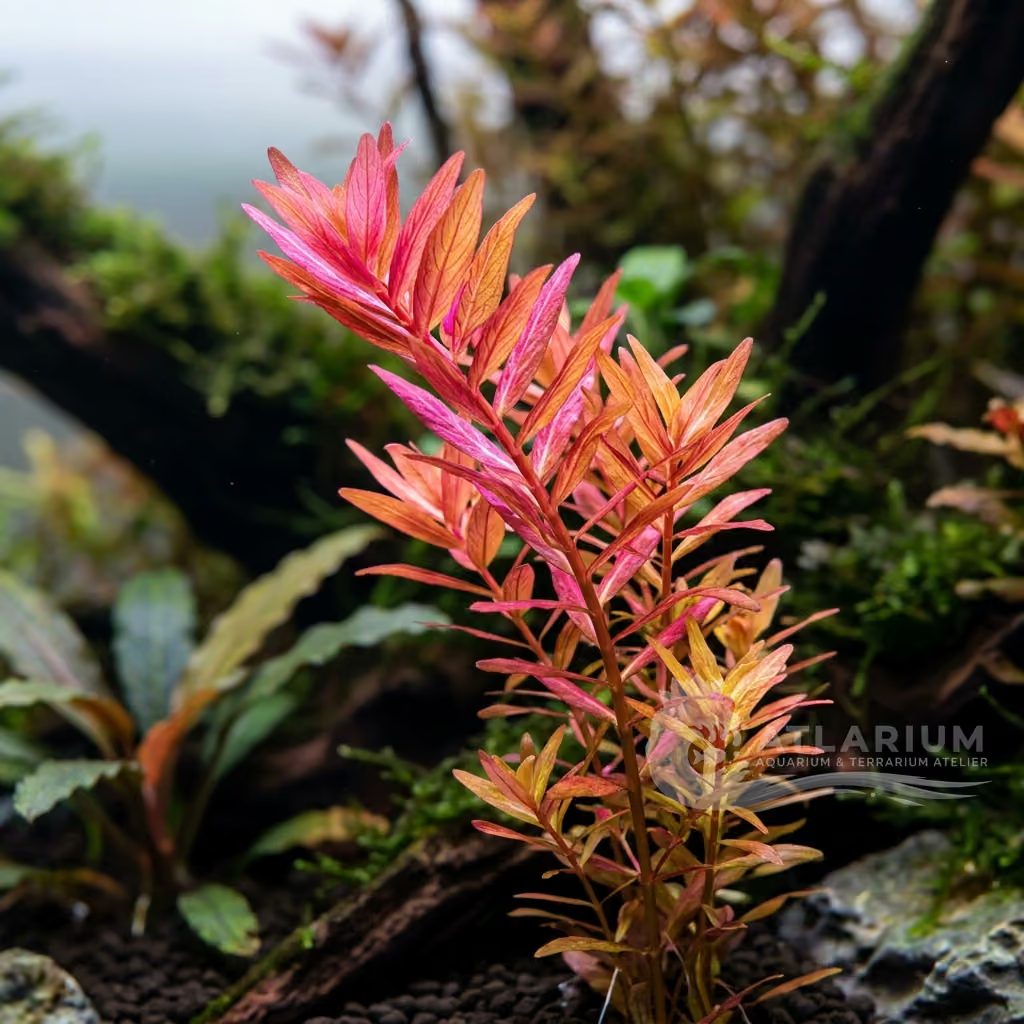
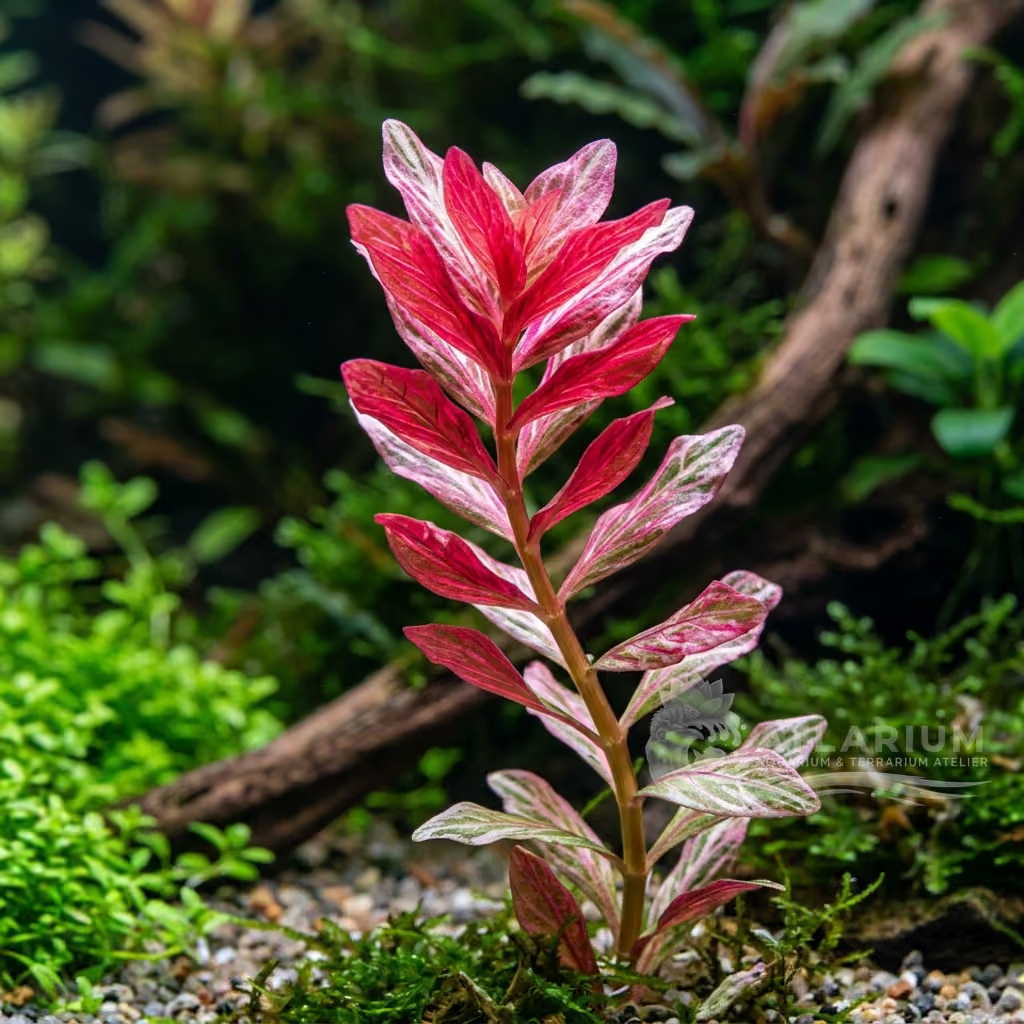
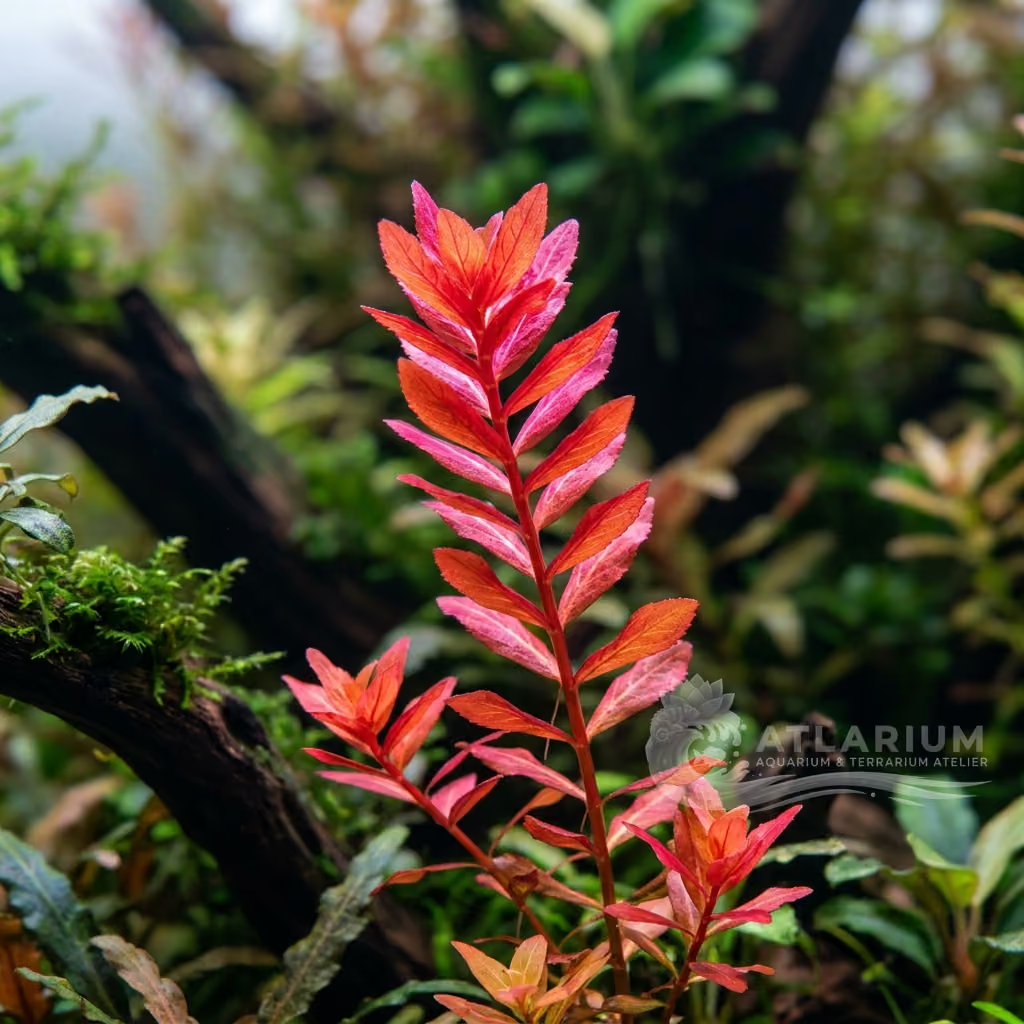
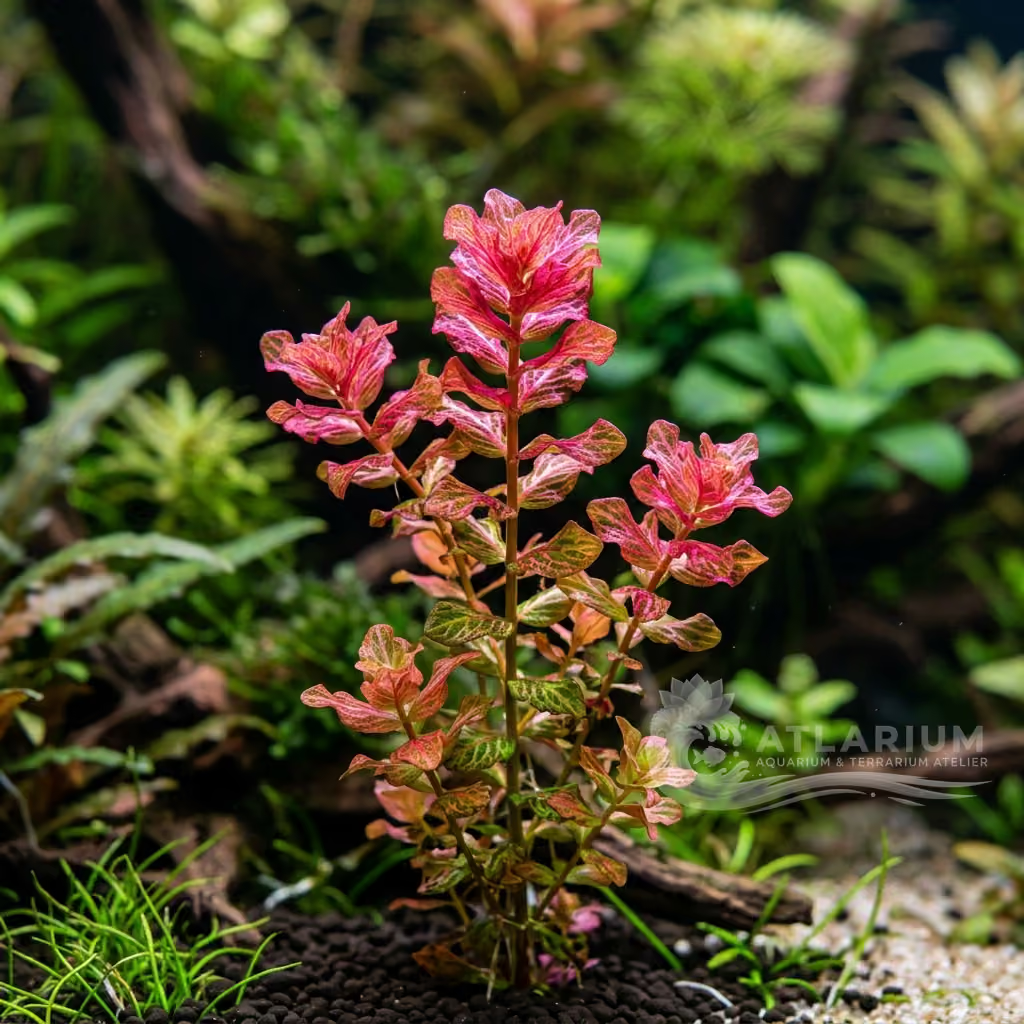
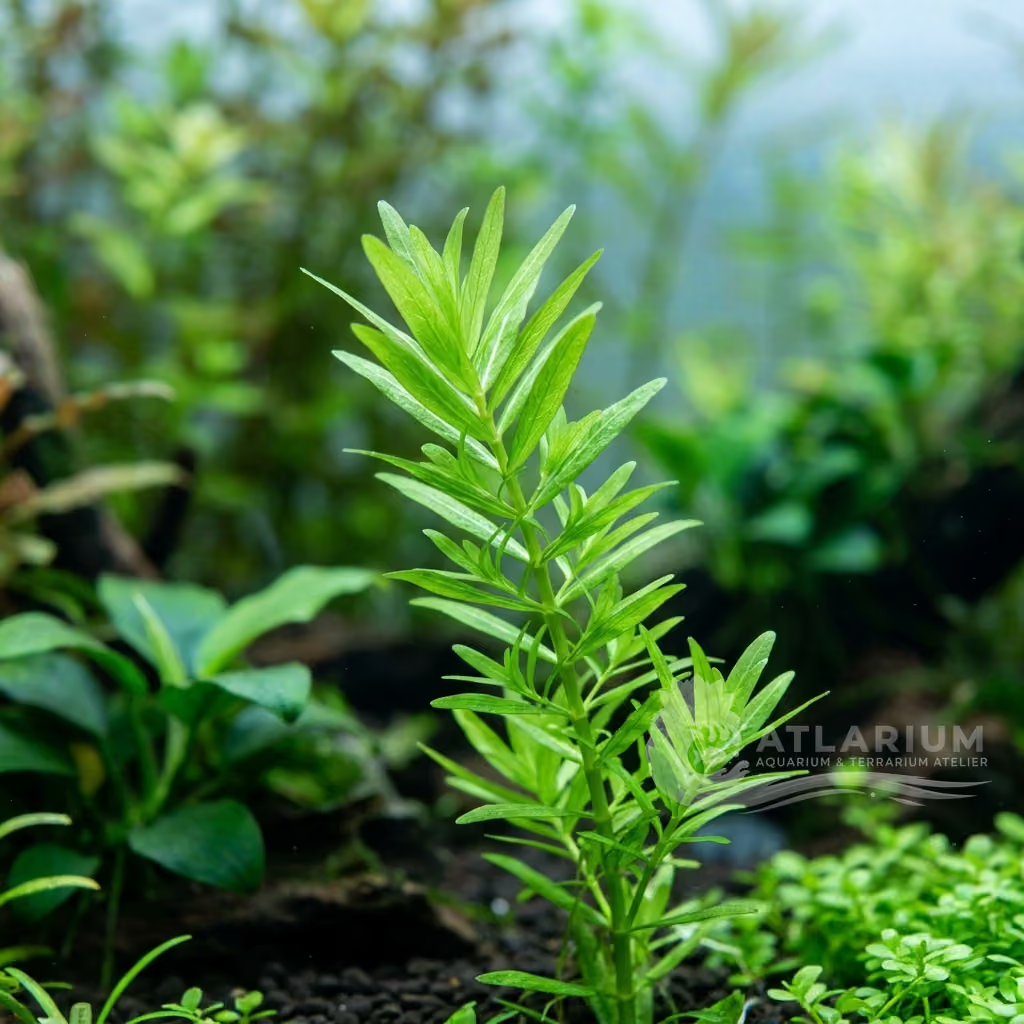
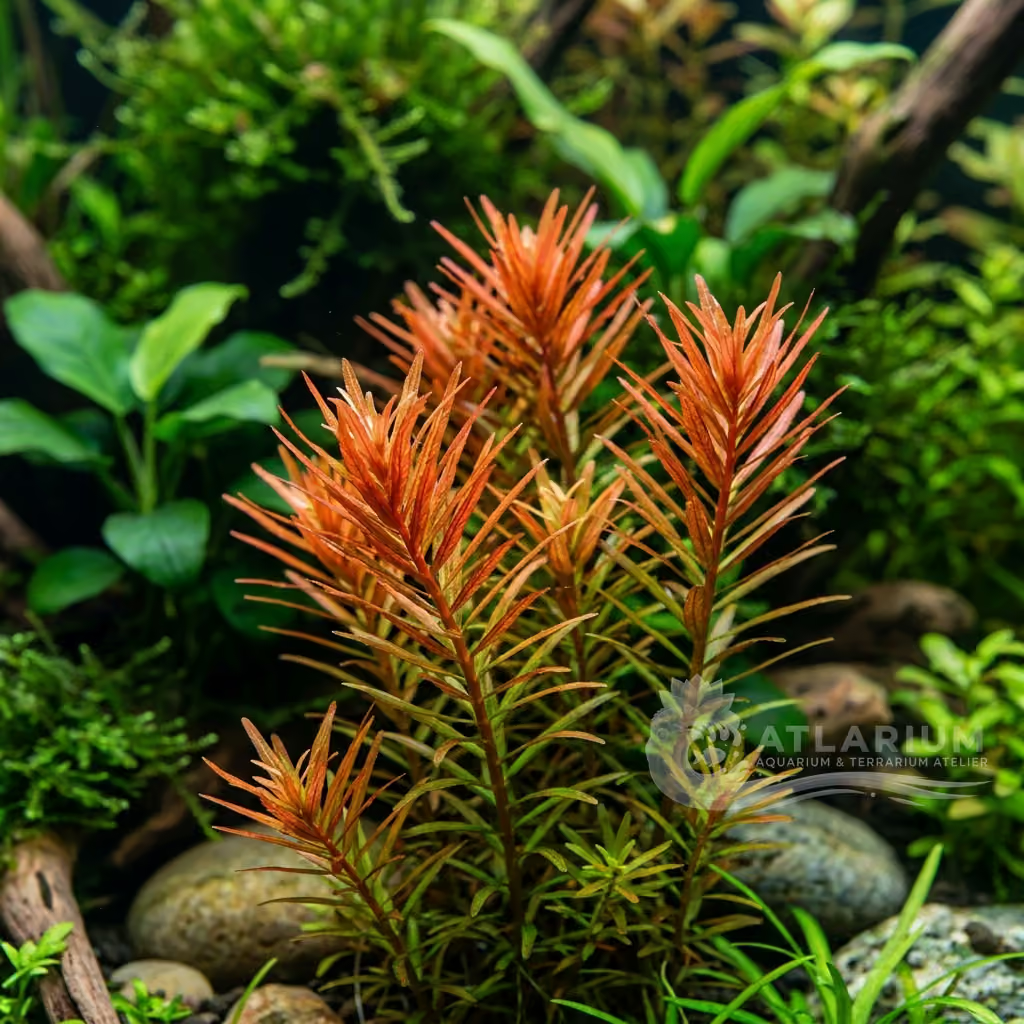
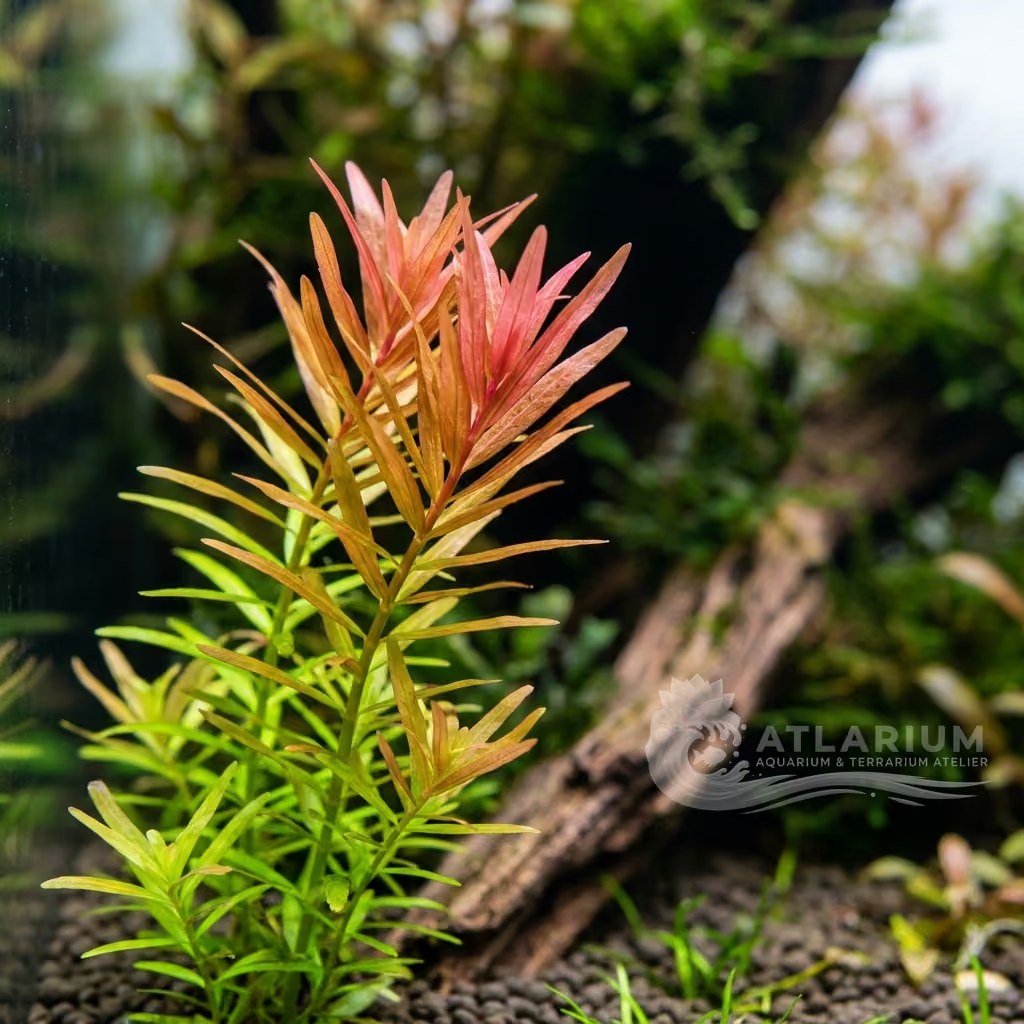
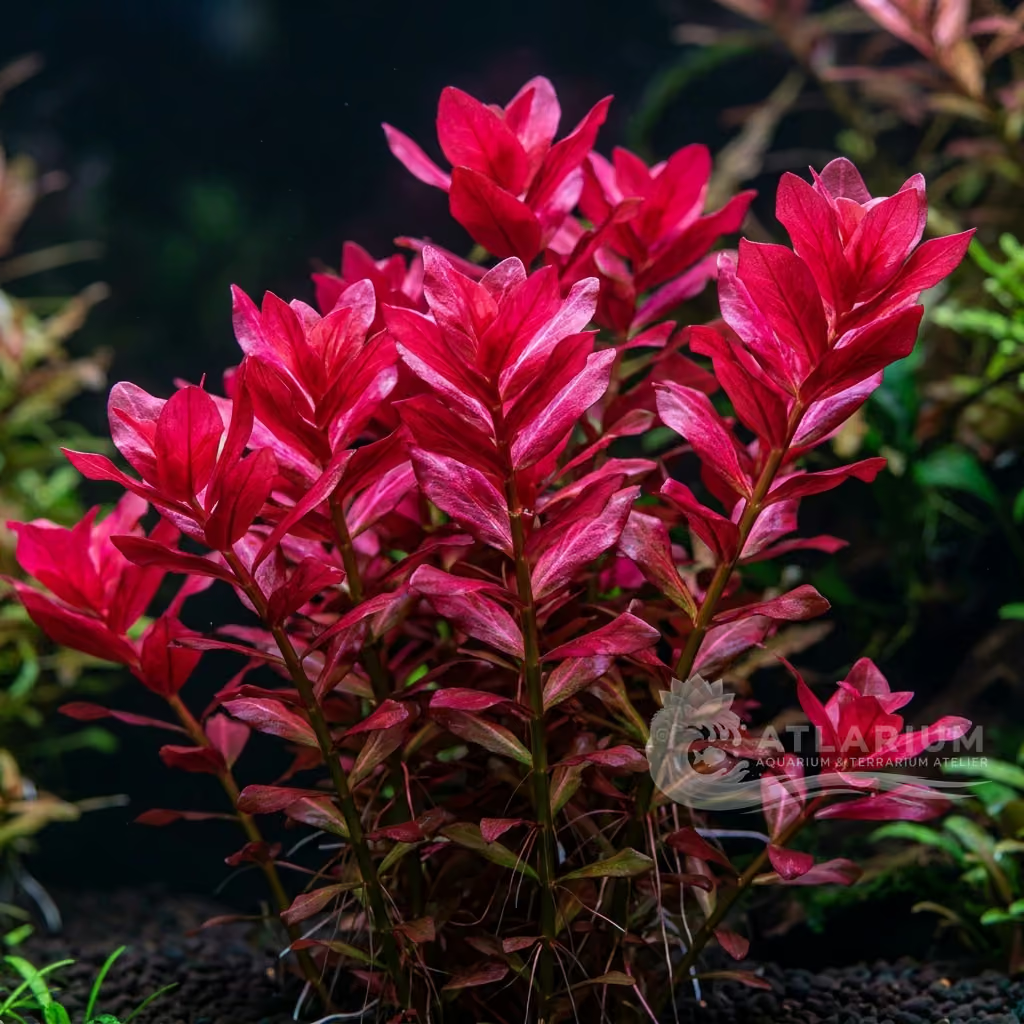
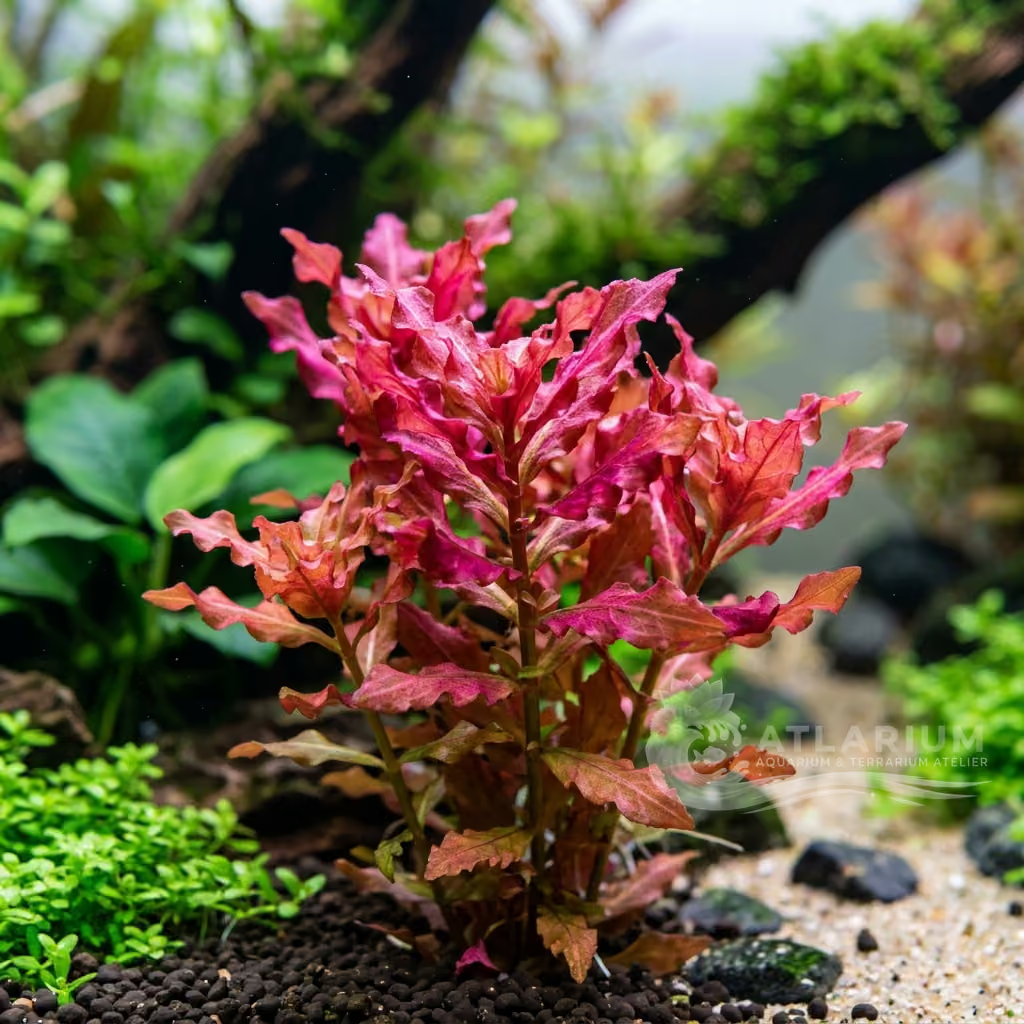
Color & Texture: The coloration of Rotala sp. 'Enie' is its most striking feature, ranging from vibrant greens in moderate lighting to intense pinks, oranges, and deep reds under high light and CO2 supplementation. The leaves and stems acquire these fiery hues, particularly on the new growth and upper portions of the plant. The intensity of the red pigmentation is directly correlated with strong lighting, abundant CO2, and proper iron supplementation. Its texture is delicate and smooth, contributing to its graceful appearance within the aquascape, and contrasting beautifully with broader-leaved plants.

Care, breeding and tankmates
Lighting & CO2: Rotala sp. 'Enie' thrives under medium to high lighting conditions, which are crucial for achieving its characteristic vibrant coloration and compact growth. A strong light source, ideally full spectrum with high PAR values, will encourage intense red and pink tones, preventing the plant from appearing leggy and pale green. CO2 injection is highly recommended, if not essential, for optimal growth, especially in high-light setups; it significantly boosts photosynthetic rates, leading to faster, healthier growth and more vivid hues. Without adequate CO2, even strong lighting may lead to stunted growth and algae issues.
Nutrition & Substrate: For robust growth, Rotala sp. 'Enie' benefits significantly from a nutrient-rich substrate, such as a high-quality aqua soil, which provides a steady supply of essential macronutrients and micronutrients. While root feeding is beneficial, its fast growth rate also necessitates regular liquid fertilization in the
Water Chemistry: Maintaining stable water chemistry is paramount for Rotala sp. 'Enie'. It prefers soft to moderately hard water with a KH range of 0.0 to 7.0 and an acidic to neutral pH between 4.5 and 7.0. While it can tolerate a wide temperature range from 15.0 to 30.0 °C, consistency within this range is more important than the absolute value; sudden fluctuations can stress the plant. Regular water changes are essential to replenish minerals and remove accumulated waste products, contributing to a clean and healthy environment conducive to vigorous growth.
Space Management & Placement: Given its fast growth rate and potential height, Rotala sp. 'Enie' is ideally placed in the midground of an aquascape, where it can form dense, bushy groupings. Its delicate texture and vibrant coloration allow it to create a stunning focal point or a beautiful transition zone between foreground and background plants. Proper spacing during planting is important to ensure adequate light penetration to lower leaves and promote airflow, preventing shadowing and decay of the basal sections. Regular trimming will be necessary to manage its size and encourage lateral growth for a fuller appearance.
Pruning: Pruning is a critical aspect of maintaining Rotala sp. 'Enie's health and aesthetic appeal due to its rapid growth. Regularly topping the stems encourages the development of side shoots, leading to a denser, more compact bush rather than a tall, spindly plant. The trimmed tops can be replanted into the substrate to propagate new plants, effectively expanding the planted area or replacing older, less vigorous stems. This continuous cycle of trimming and replanting rejuvenates the plant mass and prevents the lower portions from losing leaves due to lack of light or nutrient competition.
Risks & Diseases: While generally robust, Rotala sp. 'Enie' can be susceptible to issues if water parameters are unstable or nutrients are deficient. Algae growth on its leaves often indicates an imbalance in light, CO2, or nutrients, particularly excess phosphates or nitrates. Nutrient deficiencies, such as iron leading to pale or yellowing new growth, or potassium resulting in pinholes and stunted growth, are also common if fertilization is neglected. Close monitoring of its health and prompt adjustment of tank conditions are crucial to prevent widespread problems and maintain its vibrant appearance.

Geographic origin and distribution
The exact geographical origin of Rotala sp. 'Enie' is not definitively documented, as its 'sp.' designation suggests it may be an undescribed species, a cultivated variant, or a naturally occurring form selected for its unique characteristics. However, the Rotala genus predominantly originates from the tropical and subtropical regions of Southeast Asia, thriving in diverse aquatic and semi-aquatic habitats such as rice paddies, marshes, and the margins of slow-moving rivers. These natural environments typically feature soft, acidic waters and abundant sunlight, conditions that influence the successful cultivation of many Rotala species in the aquarium. While Rotala sp. 'Enie' itself is likely a horticultural selection, its general requirements echo the preferences of its wild relatives.
Origin
South and Southeast Asia

Plant profile
- Placement
- Midground
- It is best placed in the midground or background depending on the size of the aquarium. Its incredibly fine texture makes it an excellent choice for planting in dense clusters to create soft, wispy bushes. It needs plenty of unobstructed light, so it should not be overshadowed by broader-leaved plants. Planting it in front of dark hardscape can make its warm colors pop spectacularly.
- Botanical form
- Stem
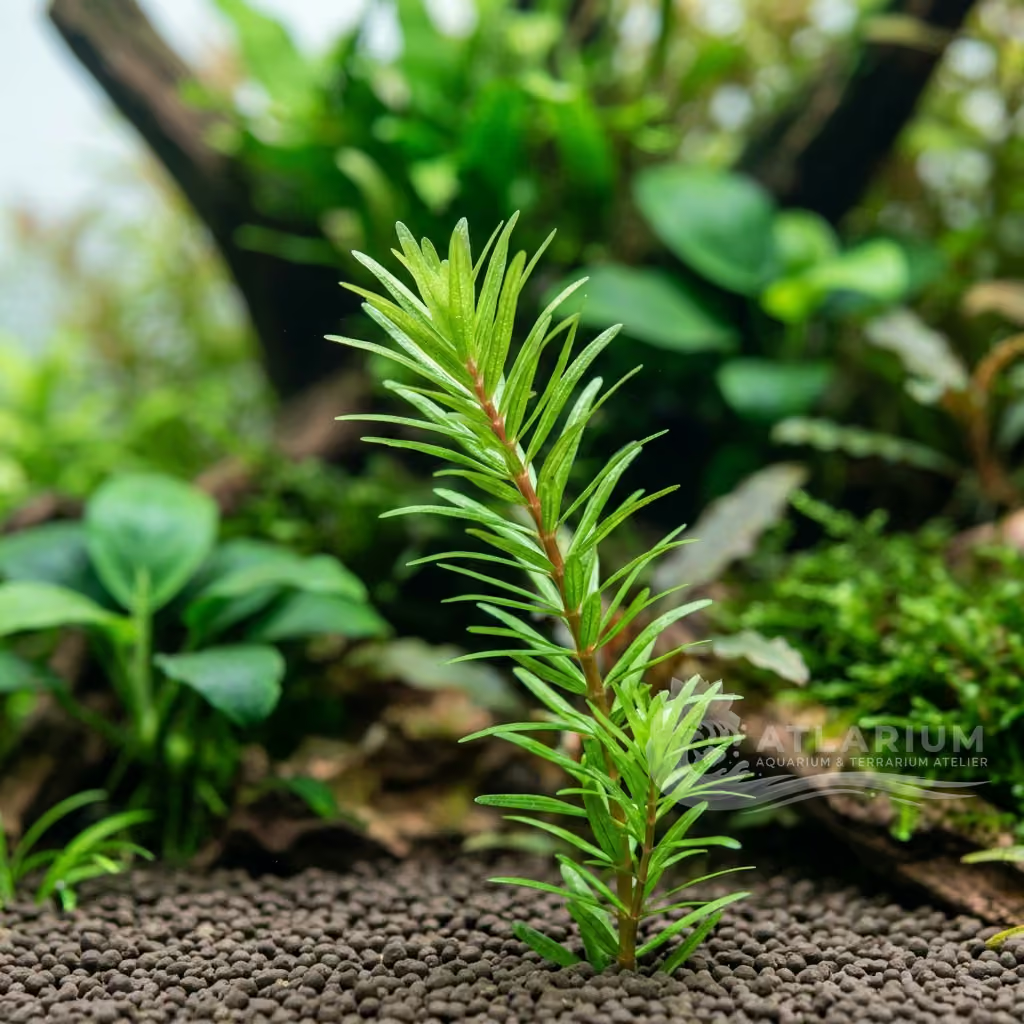
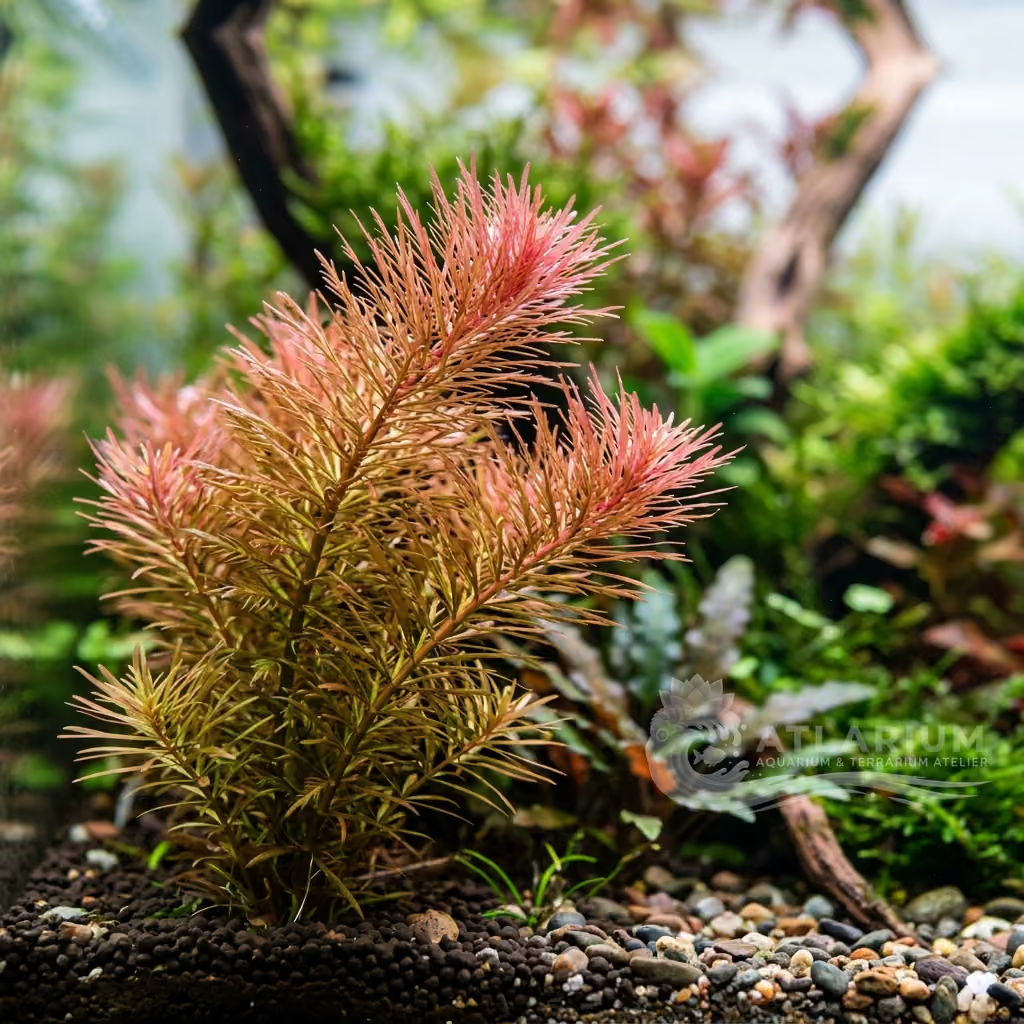
- It is characterized by its exceedingly fine, needle-like leaves that grow in whorls around the slender stem. This gives the plant a delicate, almost feather-like appearance. The coloration typically shifts from a light greenish-gold at the base to a vibrant pink or light red at the crown under strong light. In its emersed state, the leaves are slightly broader and completely green.
- Growth
- Fast
- This plant grows rapidly under optimal high-tech conditions. Because of its fast growth rate, it requires frequent maintenance to keep it from bending at the surface or shading its own lower stems. Its quick nutrient uptake helps keep the water column clean and algae-free. Consistent growth is a good indicator of stable CO2 and nutrient levels.
- Substrate
- High
- Rotala sp. 'Enie' strongly benefits from an active aqua soil that is rich in iron and essential macronutrients to support its delicate needle-like leaves. A substrate depth of at least 2 inches (5 cm) allows its sensitive root system to properly anchor the fragile stems. The roots pull significant nutrients from the soil bed, making a porous and uncompacted environment essential for preventing root rot and maintaining the plant's overall vitality.
- Column fertilization
- Recommended
- It feeds aggressively from the water column, relying primarily on liquid fertilization. A daily dosing schedule of macro and micronutrients is recommended to ensure its fast metabolism is supported. Extra iron additions specifically help in developing the pinkish-red crowns. If the water column lacks nutrients, the lower leaves will quickly pale and disintegrate.
- Root fertilization
- Optional
- While it draws most of its required nutrients through its fine leaves, a fertile substrate provides a helpful backup. A nutrient-rich aquasoil encourages the development of a stabilizing root system. Root feeding is particularly important when the plant is recovering from an aggressive trimming session. Healthy roots ensure the slender stems stay anchored in moderate water flow.
- Trimming
- Regular
- Regular trimming is essential to encourage branching and form a dense, fluffy bush. You can trim it by simply cutting the stems at the desired height; the remaining portions will sprout multiple new heads. However, continuous topping can cause the lower stems to become woody and unsightly. To keep the stand fresh, it is occasionally necessary to uproot it, discard the old bases, and replant the healthy tops.
- Propagation
- Cuttings
- Propagation is straightforward and is achieved through stem cuttings. Snip a healthy top portion of the stem and gently plant it into the substrate using tweezers to avoid crushing it. The cutting will quickly root and resume vertical growth. Leaving the bottom portion in the soil will yield new side shoots, increasing the density of the group.
- Sensitivity
- Moderate
- Rotala 'Enie' is quite sensitive to sudden changes in water parameters and CO2 fluctuations, which often result in melting or stunted tips. It is very susceptible to hair algae and thread algae, which can easily become entangled in its fine leaves if the tank is imbalanced. It prefers softer, slightly acidic water to thrive. Adequate flow is needed to deliver nutrients without forcefully bending the delicate stems.
- Layout role
- Midground, accent, group
- Its extremely fine, wispy texture provides a wonderful contrast to broad-leaved plants and dense carpeting species. It is highly valued in Nature Aquariums for creating soft, ethereal background bushes. The golden-pink coloration adds a subtle warmth to the layout without overpowering the rest of the design. It is perfect for adding intricate detail to the middle or back areas of the aquascape.

Related species
Recommendations grouped by close relatives, companion choices, and similar care.