Rotala verticillaris
Rotala verticillaris
Rotala verticillaris is a medium-difficulty aquatic plant, perfectly suited for midground placement, renowned for its delicate structure and whorled leaf arrangement. With a moderate growth rate, it can form a dense and attractive bush, enhancing the visual depth of an aquascape.
Water Temperature
22 - 28 °C
pH Value
5 - 7
Water type
Freshwater
Light
Medium - High
CO2
Low - High
Expected height
40 cm
KH
0 - 12 dKH

Species description
Geographical Origin and Habitat: Rotala verticillaris, like many species in the Rotala genus, originates from the tropical and subtropical regions of Asia, particularly from wetlands and marshes in India and Southeast Asia. It typically thrives in shallow aquatic habitats, such as riverbanks, ponds, and ditches, where it can exhibit both submerged and emergent forms depending on seasonality and water levels. These natural conditions, characterized by fresh, often nutrient-rich waters, provide insight into the ideal requirements for its cultivation in an aquarium. Its adaptability to various environments has also allowed it to spread beyond its native ranges in some regions.
Taxonomy & Genetics: Belonging to the Lythraceae family, Rotala verticillaris shares the Rotala genus with numerous other popular aquarium species, many of which display significant phenotypic plasticity in response to environmental conditions. The specific name "verticillaris" clearly refers to the whorled arrangement of its leaves around the stem, a distinctive feature that differentiates it from other Rotala species with opposite or alternate leaves. Genetically, like other Rotala, it is a relatively robust plant capable of effective vegetative reproduction through cuttings and, in emergent conditions, through flowering and seed production. Its genetic characteristics also make it susceptible to variations in
Color & Texture: and form based on light intensity and nutrient availability.
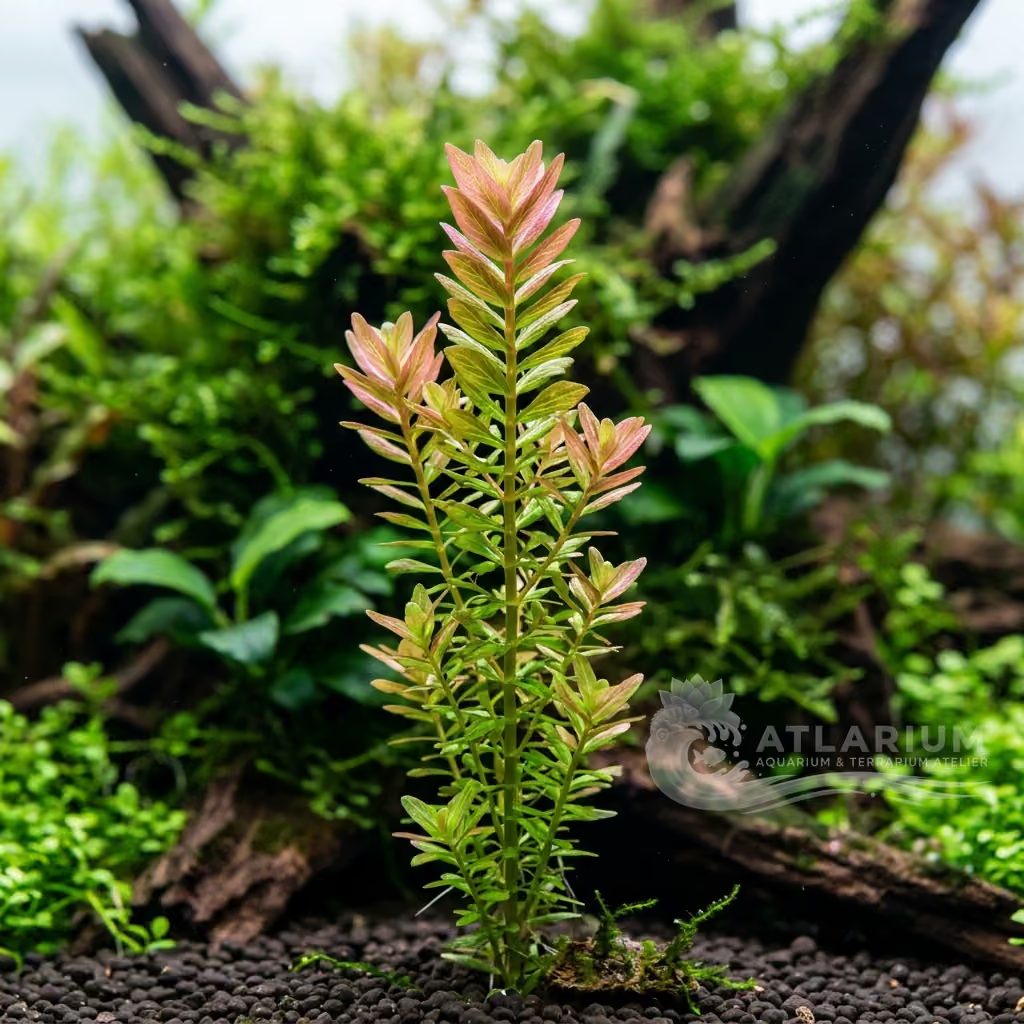
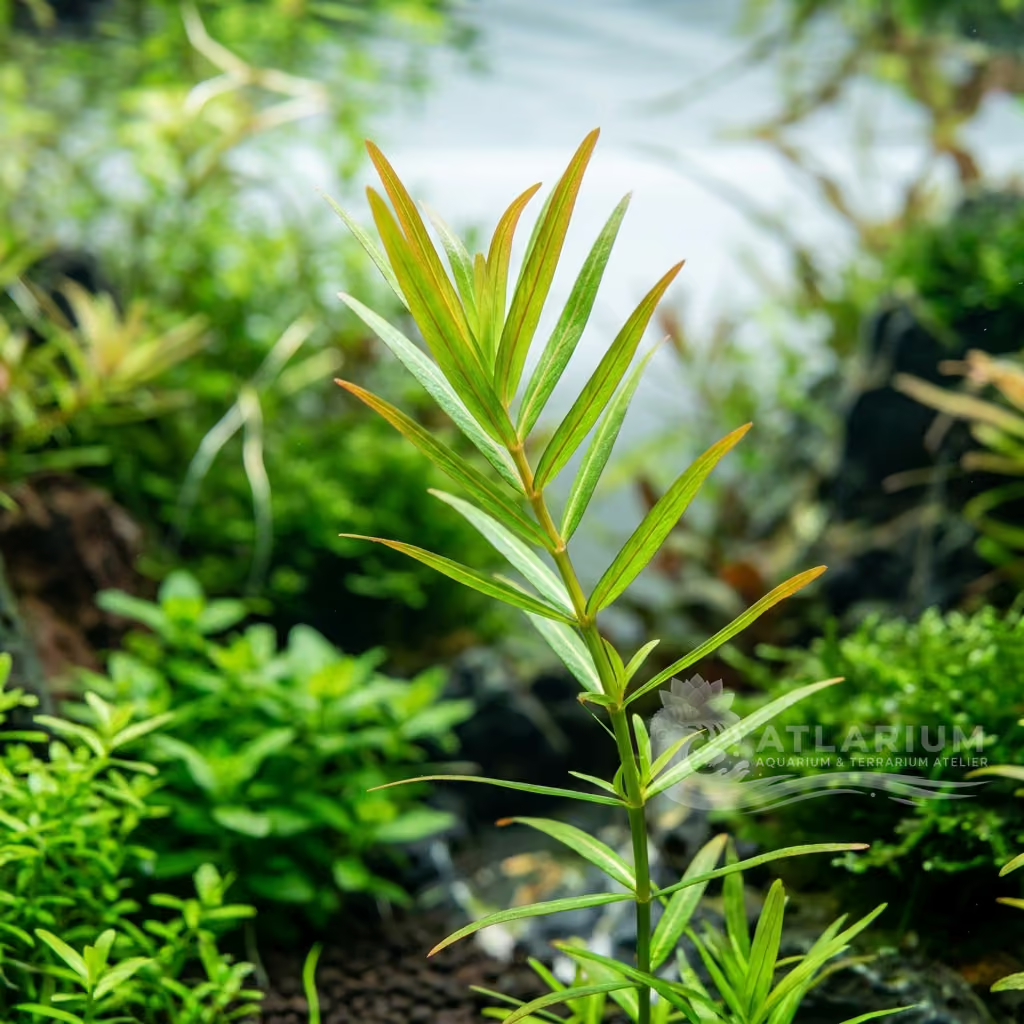
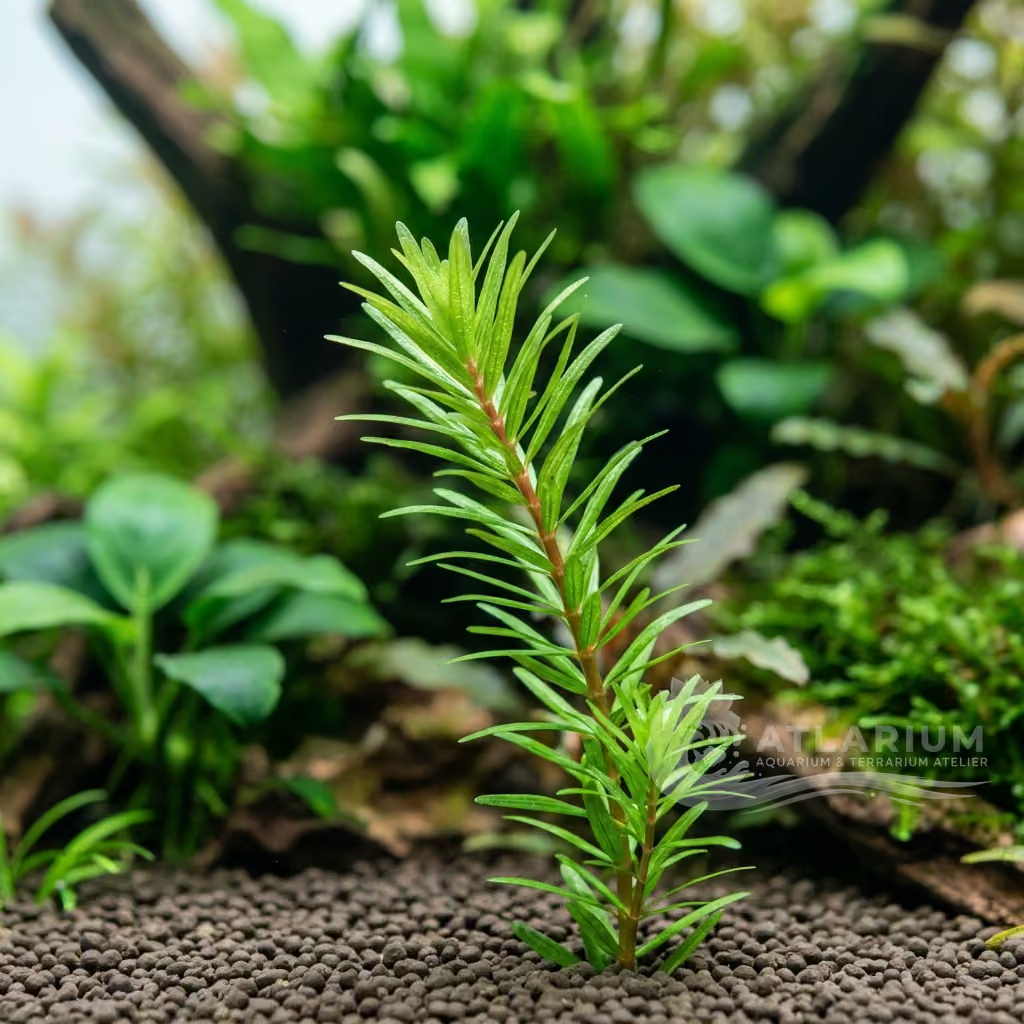
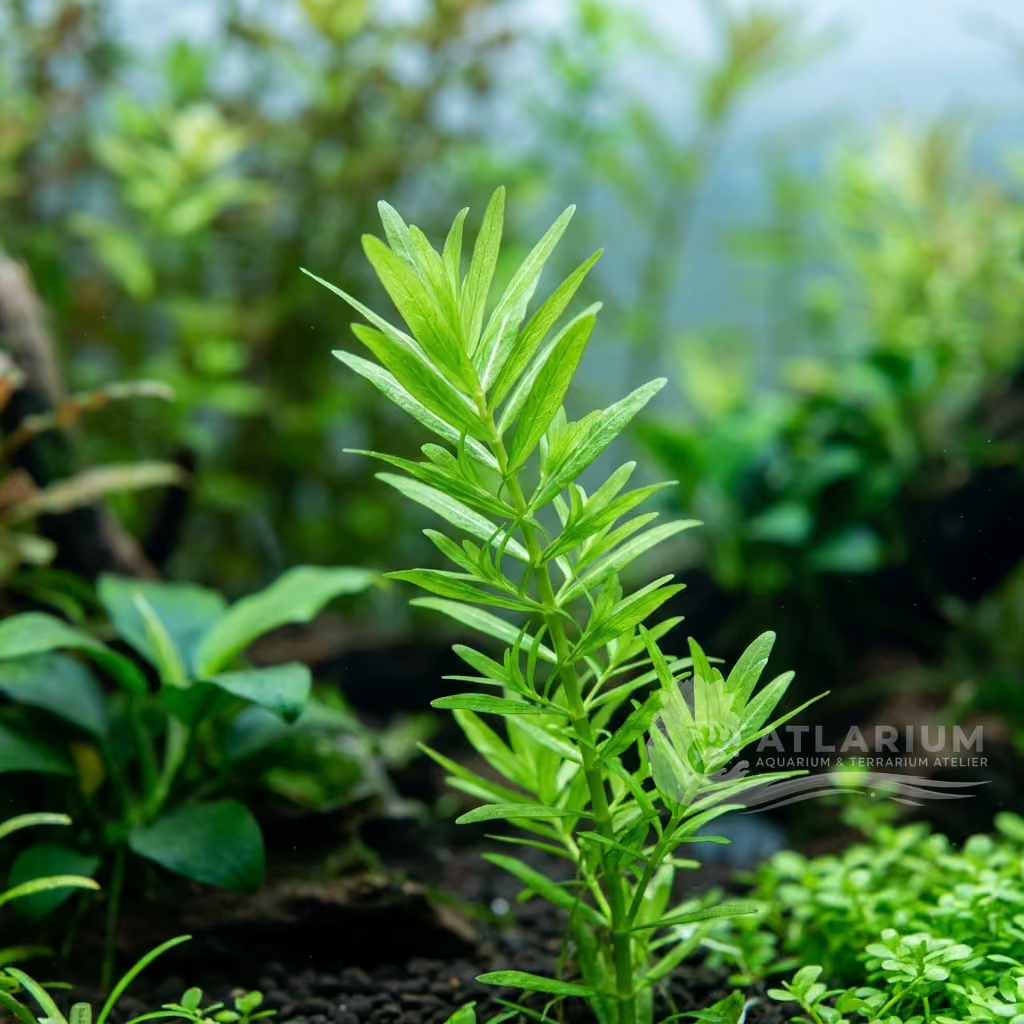
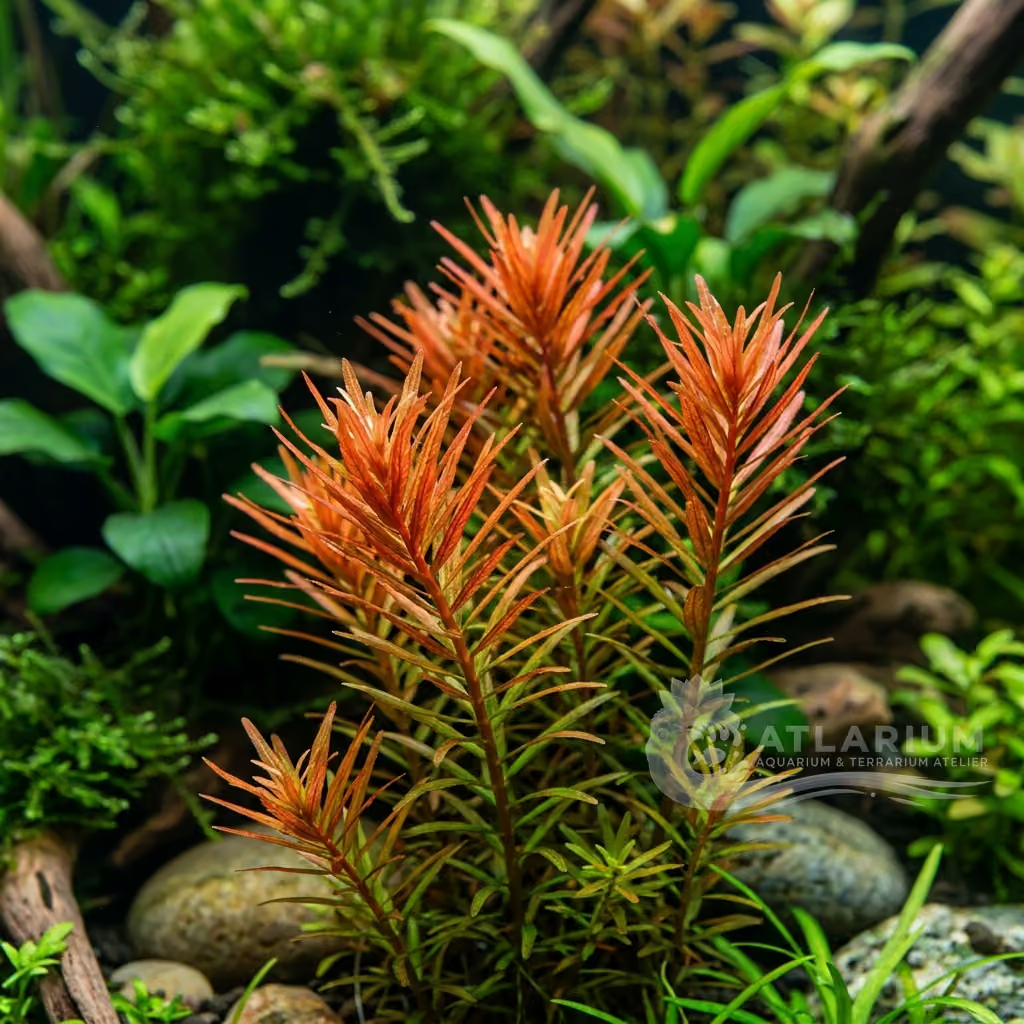
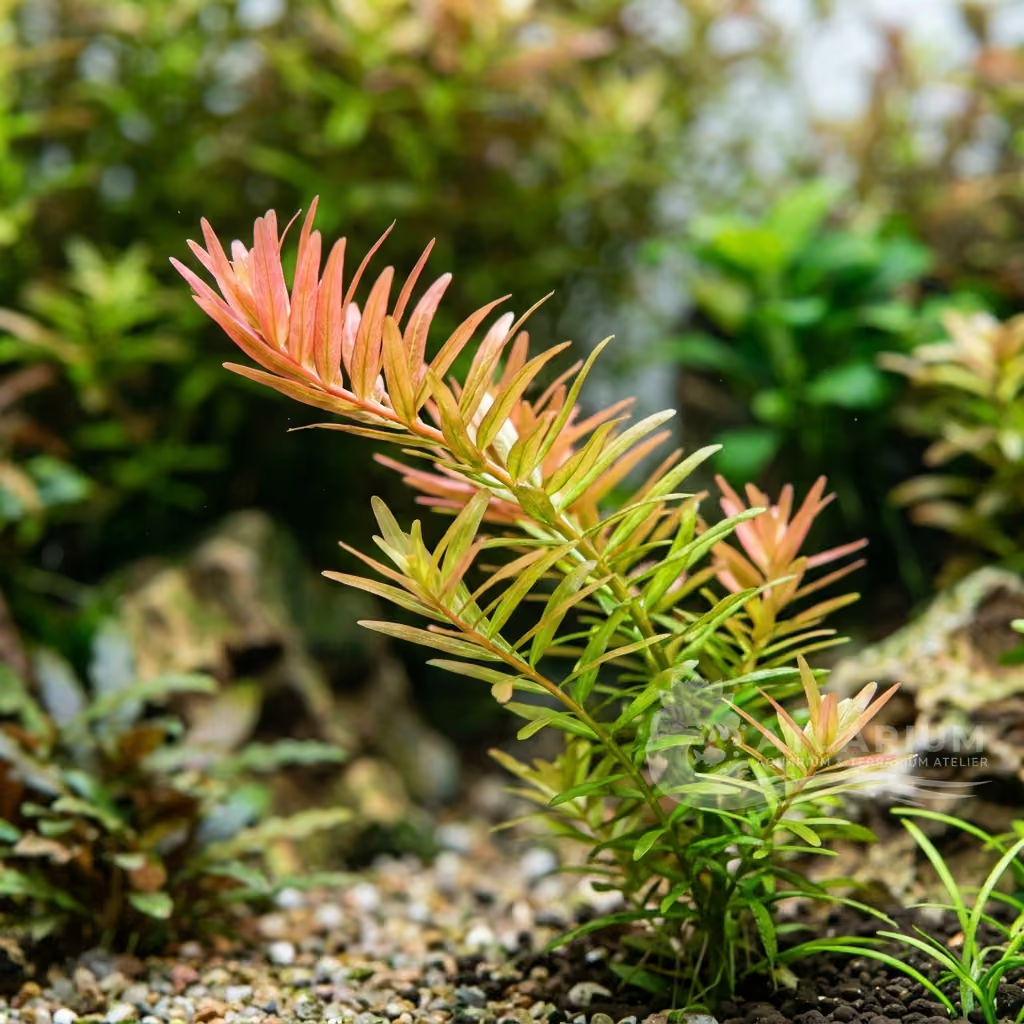
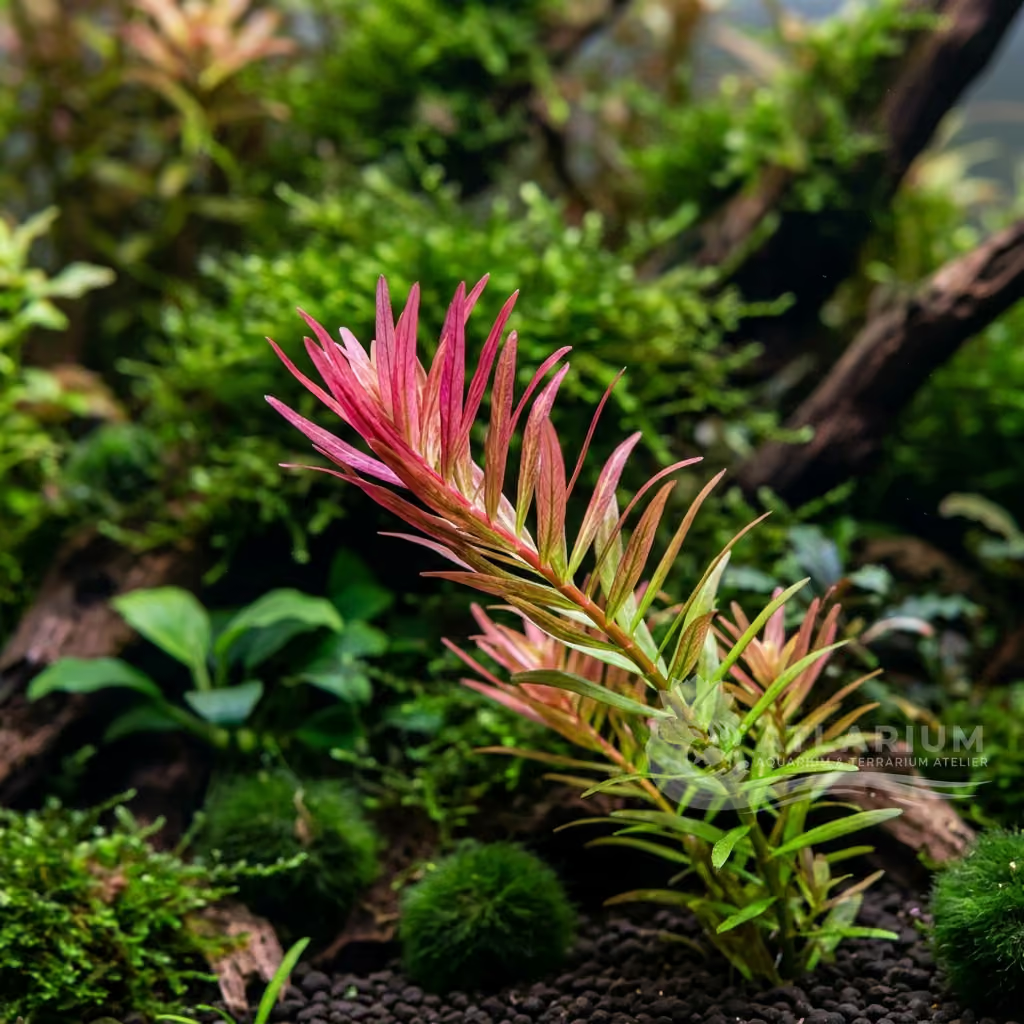
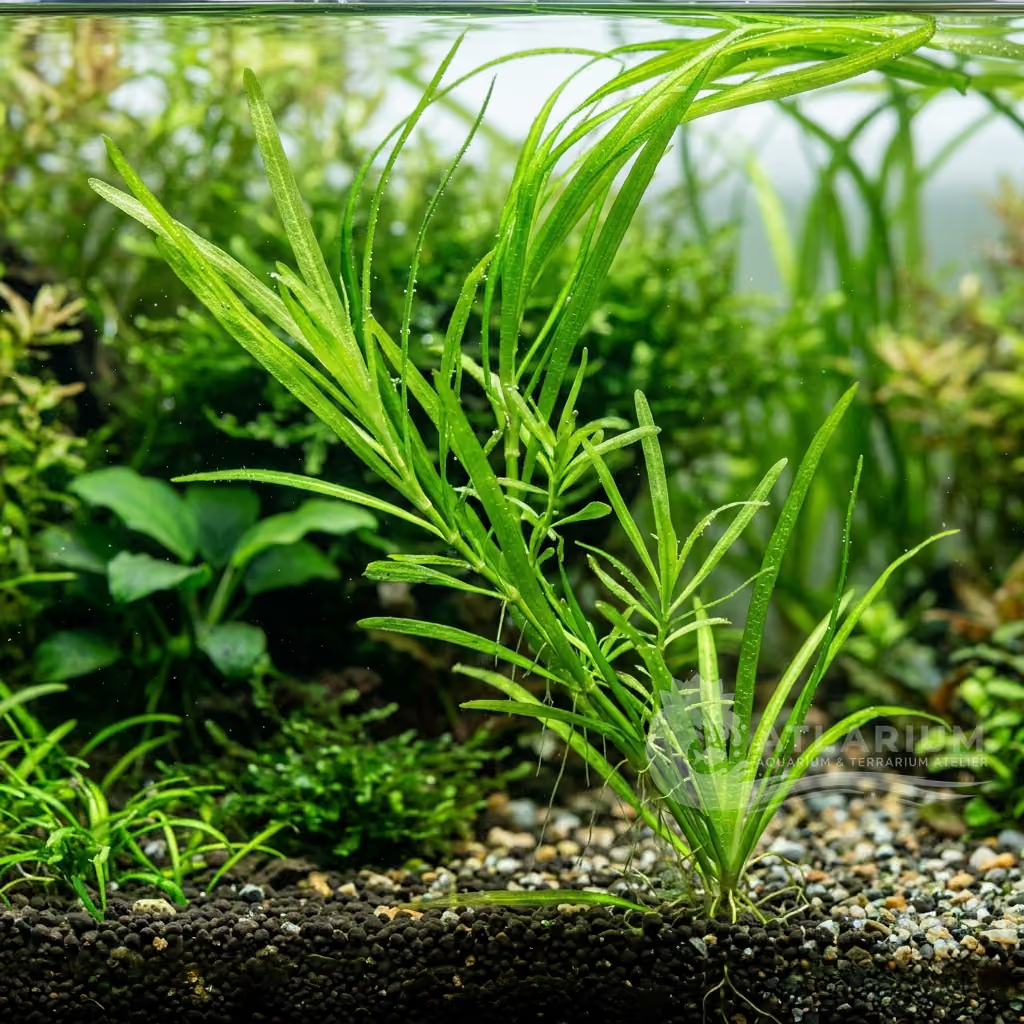
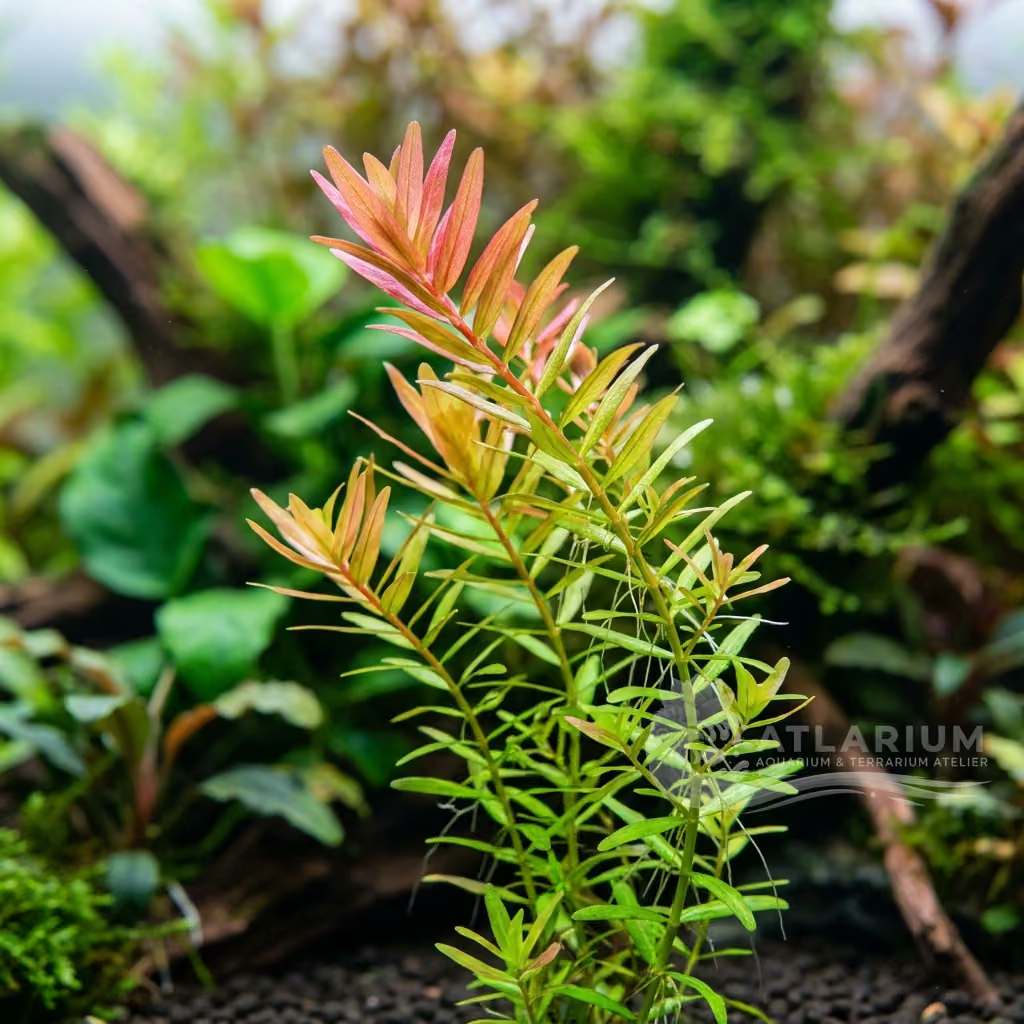
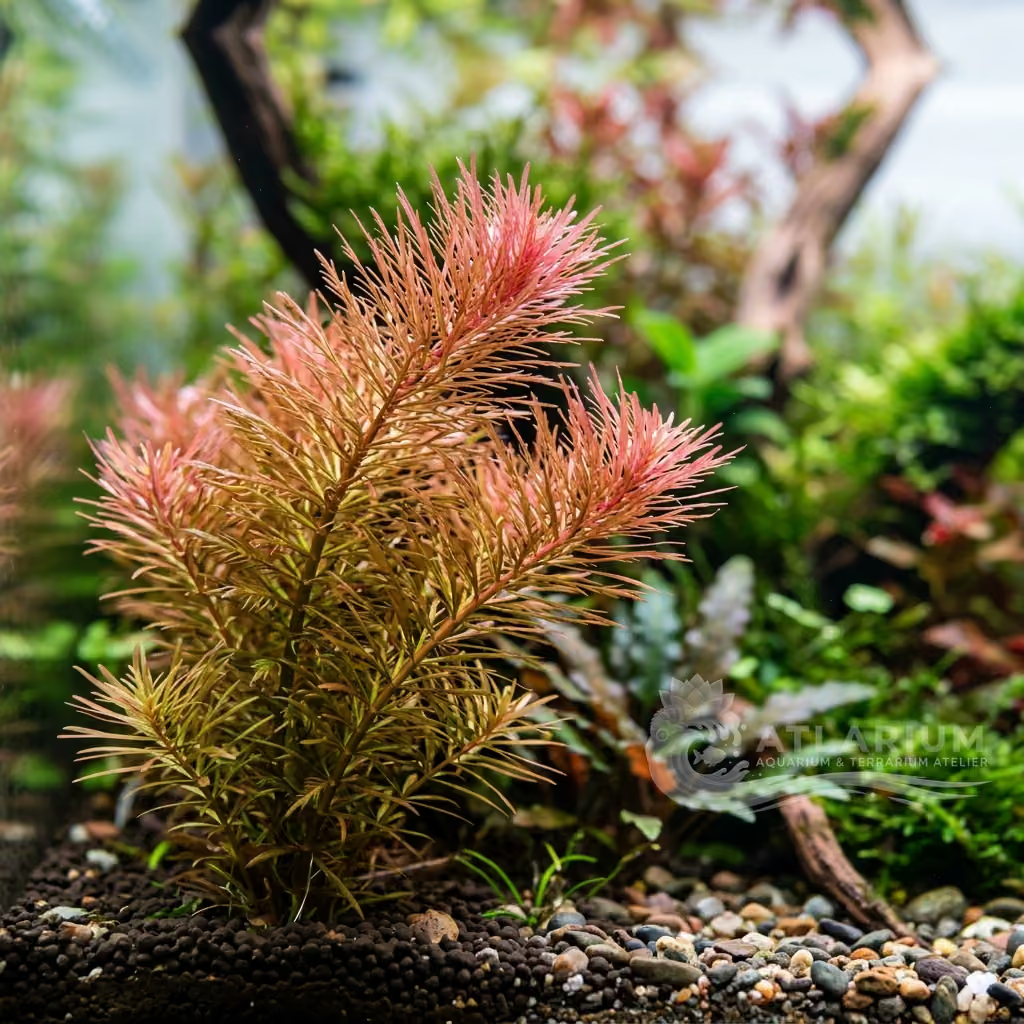
Physical Structure: Rotala verticillaris develops slender, erect stems that can reach considerable heights in a well-maintained aquarium, forming a dense, bushy mass. Its most striking feature is its needle-like, delicate leaves, which grow in regular whorls around the stem. Each whorl can have a varying number of leaves, generally four to eight, giving the plant a feathery and intricate appearance. Below the water's surface, these leaves tend to be thinner and more elongated compared to emergent forms, contributing to its visual lightness.
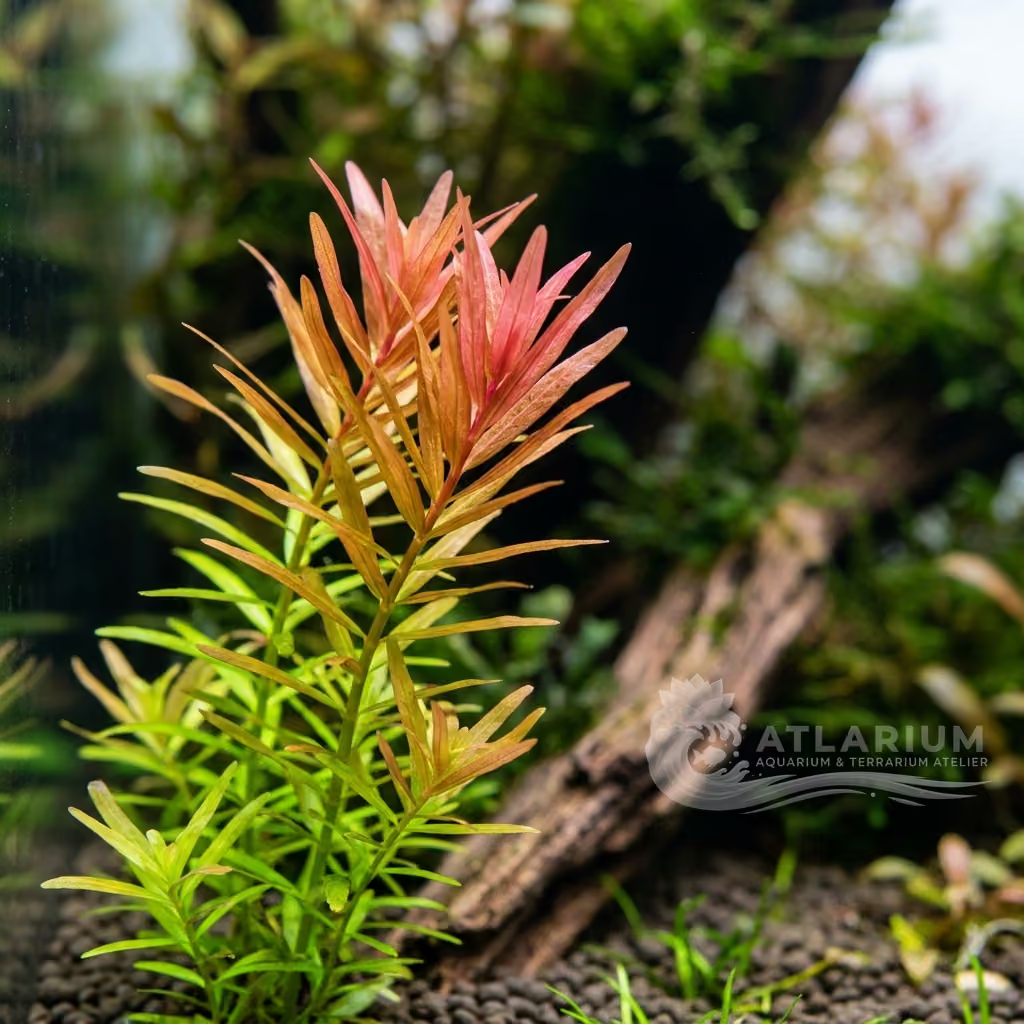
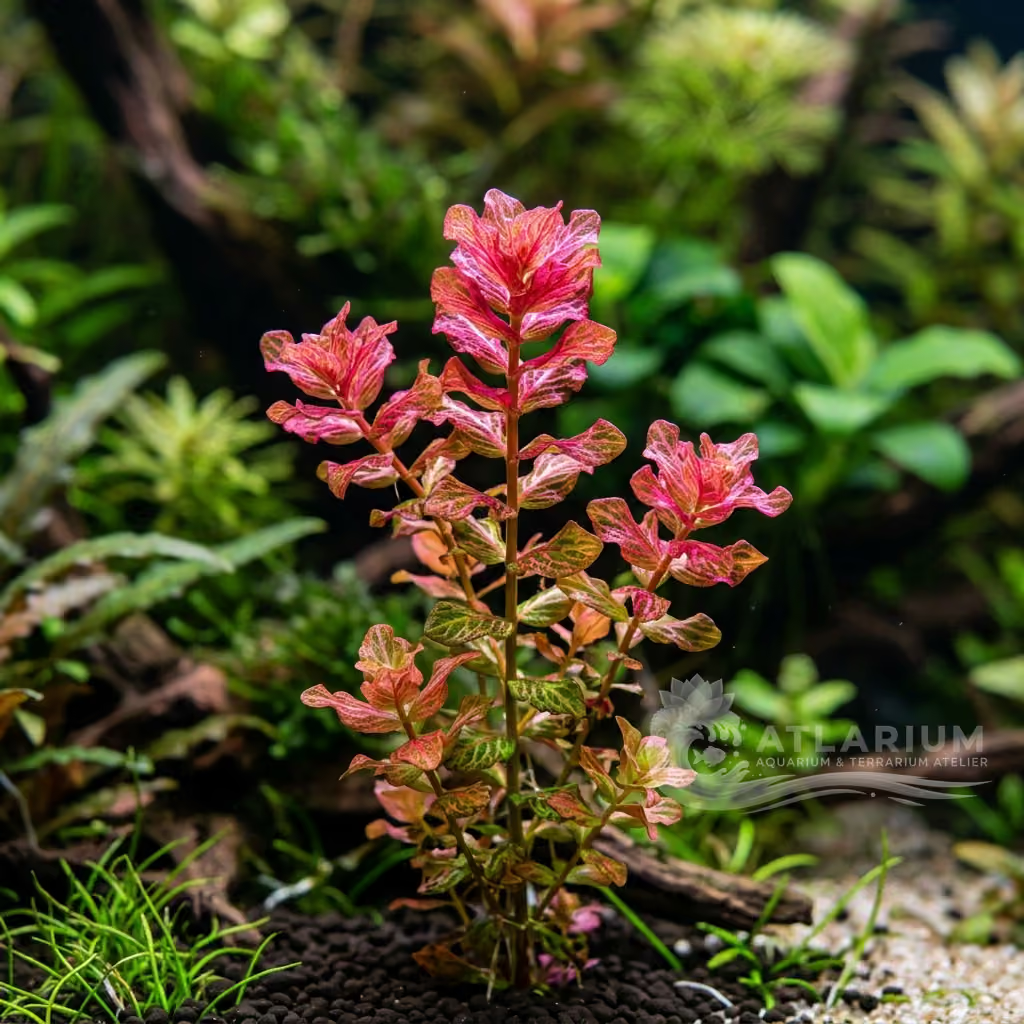
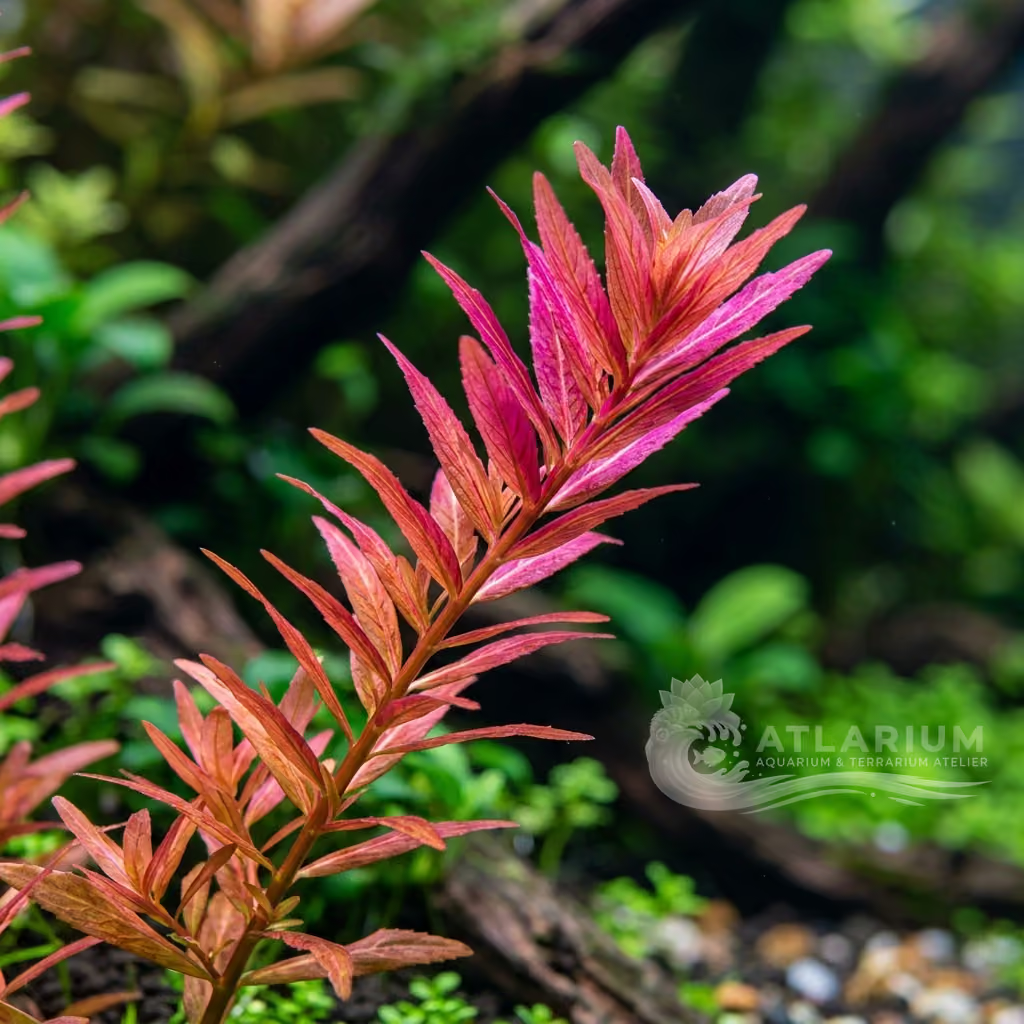
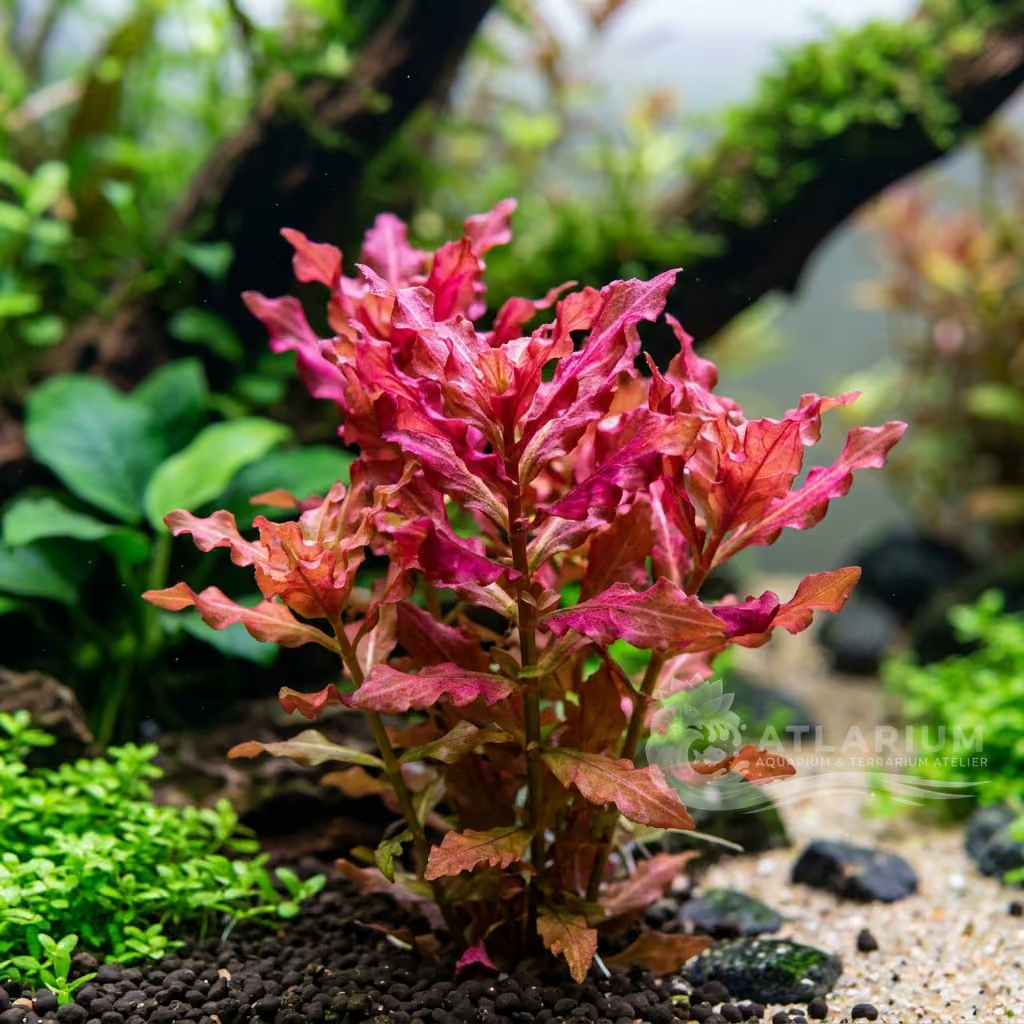
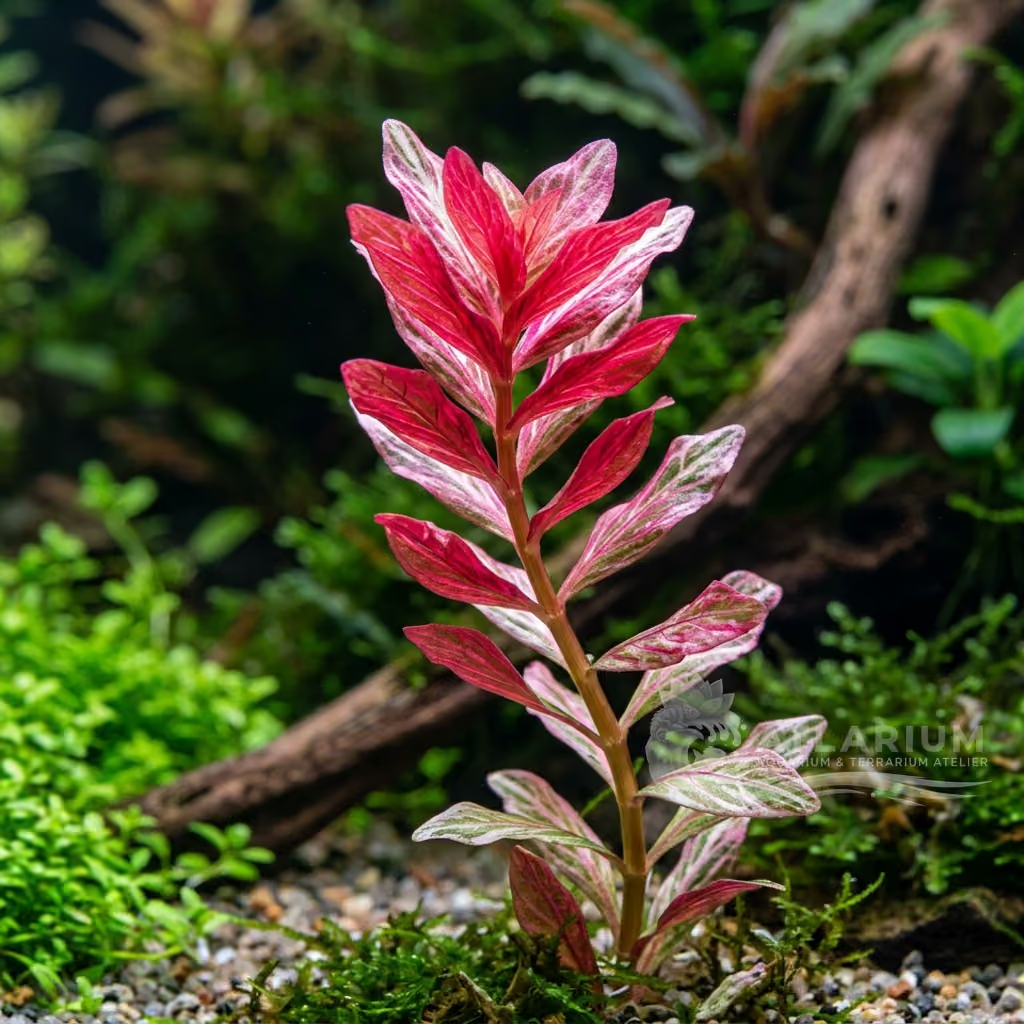
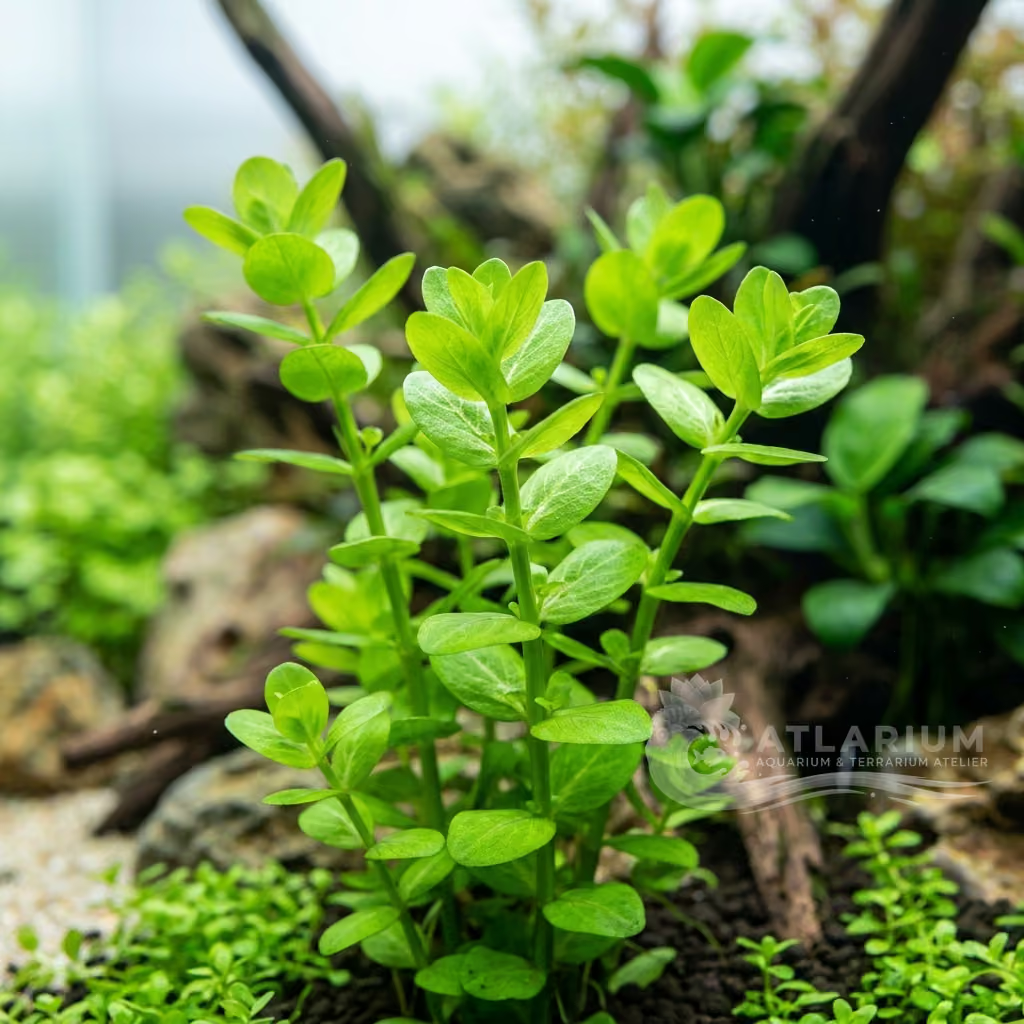
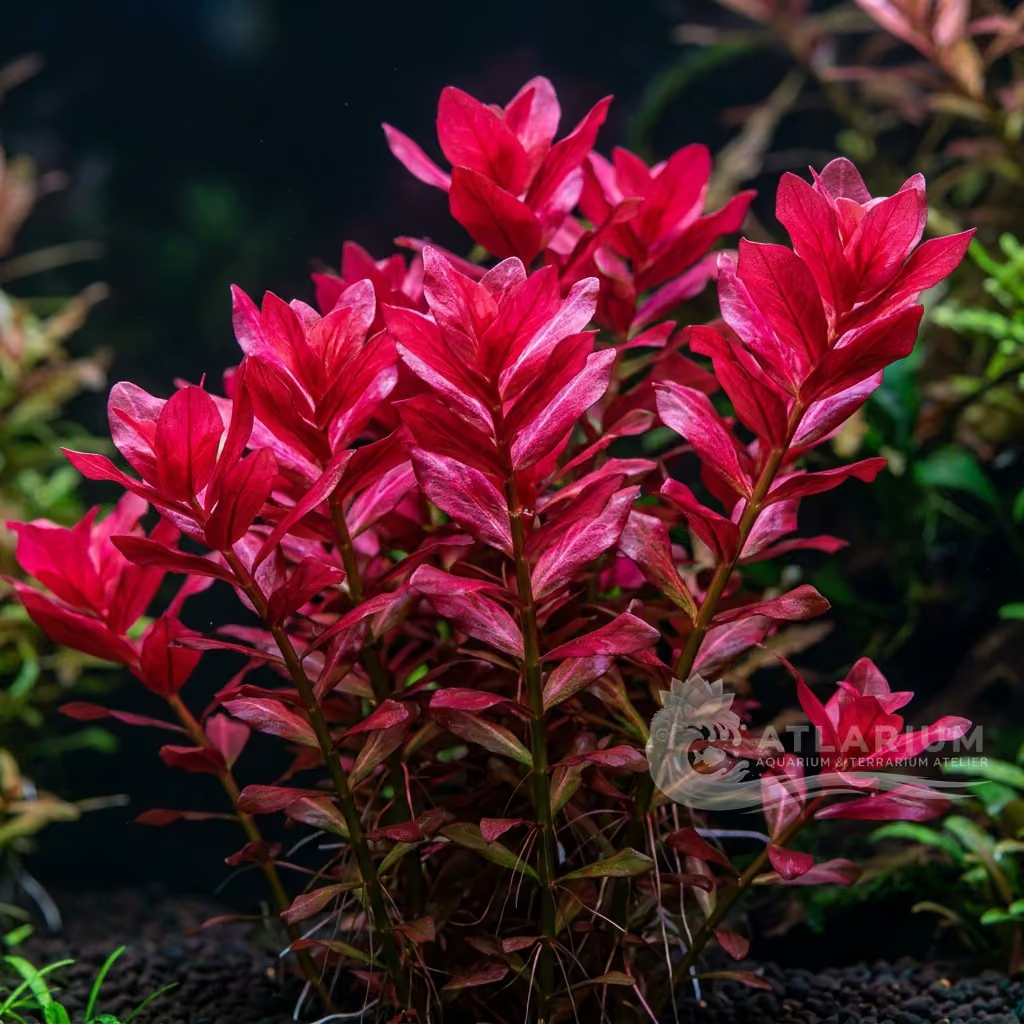
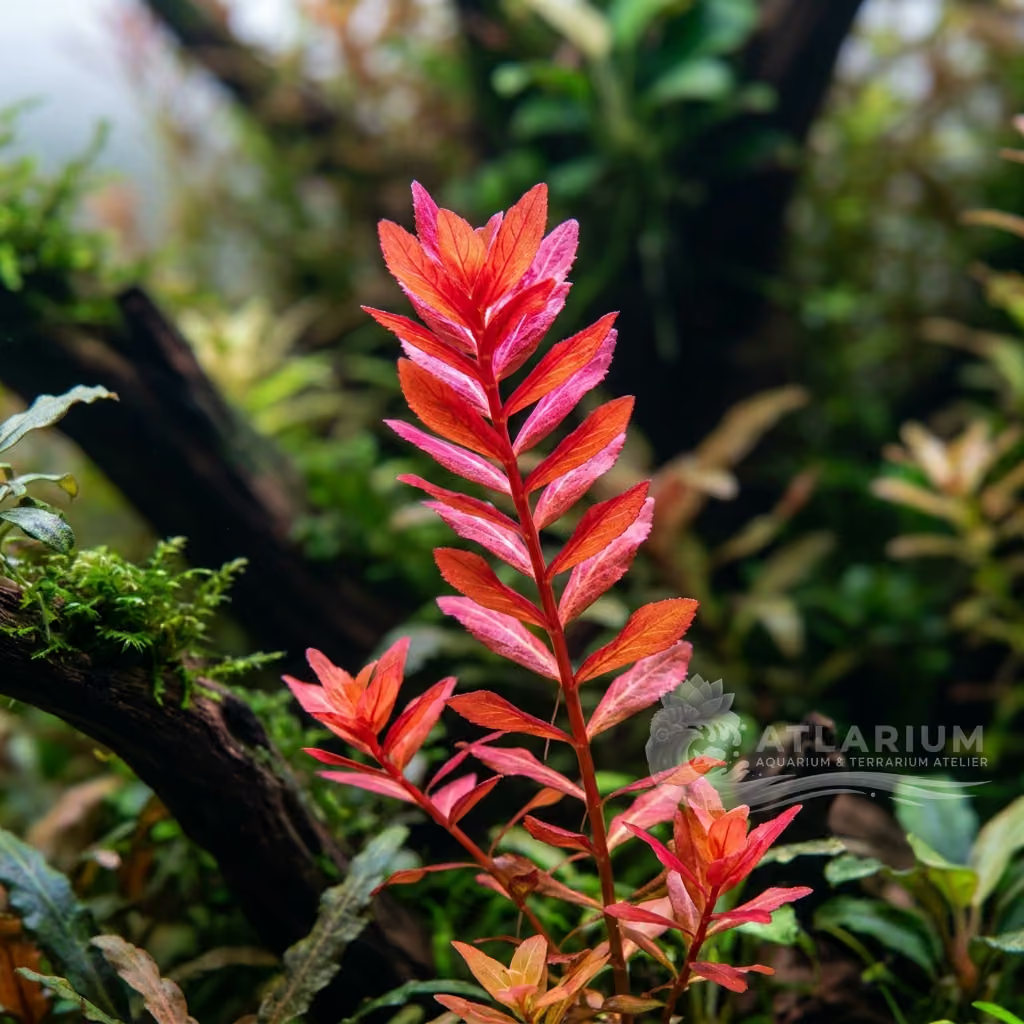
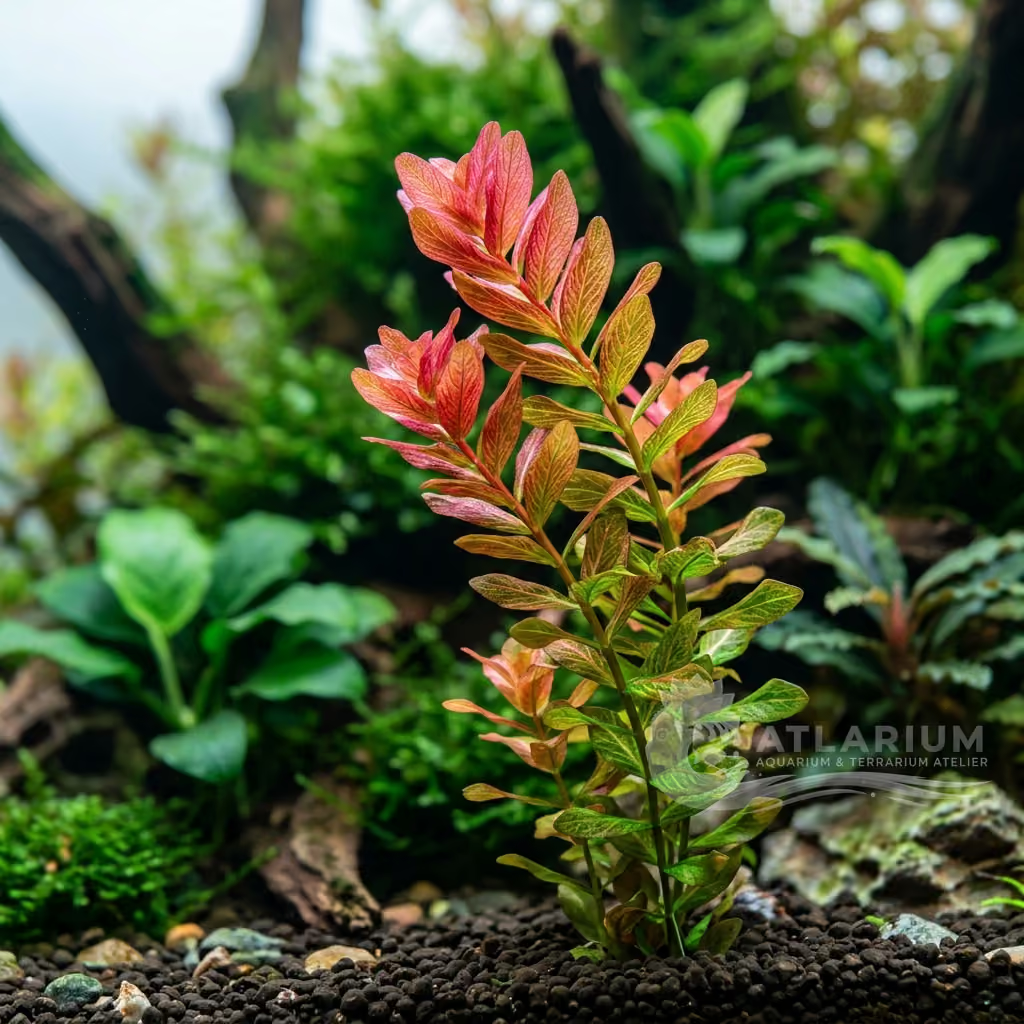
Color & Texture: Rotala verticillaris typically exhibits a vibrant bright green color, which can vary in shade depending on light intensity and nutrient regimen. Under more intense light conditions and with good availability of iron and other micronutrients, the leaf tips and young shoots may develop slightly reddish or amber hues, adding a touch of color to the predominant green. The texture of the leaves is extremely fine and delicate, almost filiform, giving it a light and airy appearance. This fineness makes it an excellent contrast to plants with broader leaves or a more robust texture.

Care, breeding and tankmates
Lighting & CO2: Rotala verticillaris prefers medium-intensity light to thrive, although it can tolerate lower light conditions where its growth will be slower and internodes more elongated. Adequate lighting is crucial for stimulating compact growth and optimal coloration, particularly to bring out any reddish undertones. Carbon dioxide (CO2) supplementation is highly recommended for this species, as it significantly accelerates the growth rate and promotes the formation of stronger stems and denser foliage. Without supplementary CO2, the plant may grow but with reduced vitality and increased susceptibility to deficiencies or algae growth.
Nutrition & Substrate: While not extremely demanding regarding substrate, Rotala verticillaris greatly benefits from a fertile, nutrient-rich substrate, which can provide a solid base for root development and initial absorption. However, most nutrients are absorbed through the leaves from the
Water Chemistry: This Rotala adapts well to a wide range of water parameters but thrives in slightly acidic to neutral conditions, with a pH between 6.0 and 7.5. It can tolerate a carbonate hardness (KH) from 2 to 12, indicating its flexibility even in moderately hard water. The ideal water temperature is between 20 and 28 C, providing a warm and stable environment that stimulates metabolism and growth. Maintaining stable parameters is more important than achieving specific values, as fluctuations can stress the plant and make it vulnerable.
Space Management & Placement: Rotala verticillaris is classified as a midground plant, but its upright growth and ability to form dense patches make it suitable for the background of smaller aquariums or as a focal point in larger layouts. It is crucial to plant it in groups, with several stems close together, to create the desired bushy effect and maximize its visual impact. Ensure sufficient space between groups to allow for good water circulation and uniform light penetration, preventing excessive shading and stagnation.
Pruning: Regular pruning is essential to keep Rotala verticillaris compact and to stimulate denser lateral growth. Without periodic trimming, lower stems can lose leaves due to lack of light, and the plant may become leggy and less attractive. It is advisable to cut the upper stems when they reach the desired height, promoting branching from the lower nodes. The trimmed parts can be replanted into the substrate to propagate the plant and increase the density of the group.
Risks & Diseases: Rotala verticillaris is generally a robust plant, but it can be susceptible to nutritional deficiencies, particularly iron deficiency, which manifests as yellowing of younger leaves or faded coloration. Insufficient light conditions or excessive competition from other plants can cause internodes to lengthen and basal leaves to drop. Filamentous algae can sometimes settle on its fine leaves, especially in the presence of nutrient imbalances or excess light. Maintaining stable parameters and adequate fertilization helps prevent most of these issues.

Geographic origin and distribution
Rotala verticillaris, like many species in the Rotala genus, originates from the tropical and subtropical regions of Asia, particularly from wetlands and marshes in India and Southeast Asia. It typically thrives in shallow aquatic habitats, such as riverbanks, ponds, and ditches, where it can exhibit both submerged and emergent forms depending on seasonality and water levels. These natural conditions, characterized by fresh, often nutrient-rich waters, provide insight into the ideal requirements for its cultivation in an aquarium. Its adaptability to various environments has also allowed it to spread beyond its native ranges in some regions.
Origin
South and Southeast Asia

Plant profile
- Placement
- Midground
- Best utilized in the midground or background, its highly textured, needle-like foliage creates stunning contrasts against broad-leafed plants. It demands unobstructed, very intense lighting, so it should never be planted in the shadow of hardscape or larger flora. Grouping several stems tightly together creates a spectacular, highly detailed visual focal point.
- Botanical form
- Stem
- Rotala verticillaris is characterized by extremely fine, delicate, needle-like leaves arranged in dense whorls around the stem. This unique whorled structure resembles a tiny, lush pine branch, giving it a remarkably soft and fluffy appearance. While mostly green, the crown of the plant can develop a beautiful golden or pinkish tint under strong lighting.
- Growth
- Medium
- Under ideal conditions featuring high light, CO2, and rich nutrients, it exhibits a moderate to fast growth rate. The plant grows strictly vertical, requiring regular trimming to encourage bushier lateral growth. In sub-optimal environments lacking CO2 or sufficient light, growth stalls almost completely, and the plant will eventually melt.
- Substrate
- Medium
- A premium, fine-grained aquasoil is required to support the delicate and fine root system of this species. Inert substrates like plain gravel or sand will not provide the necessary environment for it to thrive, often resulting in complete failure. The acidic environment created by aquasoil significantly aids in optimal nutrient uptake.
- Column fertilization
- Recommended
- Comprehensive liquid fertilization is non-negotiable; this plant relies heavily on drawing nutrients directly from the water column. Regular doses of iron and trace elements are crucial to maintain its delicate structure and promote any reddish coloration. Without strict column fertilization, the delicate leaf tips will quickly turn white or transparent.
- Root fertilization
- None
- Although it feeds heavily from the water, planting it in a nutrient-dense substrate provides a critical safety net. A healthy, fertilized root zone helps stabilize the plant against minor fluctuations in water chemistry. Using root tabs specifically designed for delicate plants can enhance its overall resilience and thickness.
- Trimming
- Occasional
- Requires frequent trimming to maintain a compact shape and encourage branching. Cut the stems at varying heights to create a natural-looking bush. Discard the woody lower portions occasionally and replant the vibrant tops.
- Propagation
- Cuttings
- Propagation follows the standard method for stem plants: taking top cuttings and carefully replanting them. Due to the extreme fragility of the stems, planting must be done gently with fine-tipped tweezers. The trimmed parent stem will branch out from the nodes just below the cut, gradually creating a thicker bush.
- Sensitivity
- Moderate
- Very sensitive to shading and inadequate CO2, which will cause the lower leaves to drop quickly. Prone to algae entanglement due to its fine, needle-like leaves. Requires a mature and stable aquarium environment to flourish.
- Layout role
- Midground, Background
- Provides a striking textural contrast in the aquascape with its fine, wispy appearance. Excellent for creating dense, light green backgrounds or softening hardscape edges. Its unique structure breaks up the visual monotony of broader-leaved species.

Related species
Recommendations grouped by close relatives, companion choices, and similar care.