Rotala sp. "Araguaia"
Rotala sp. "Araguaia"
Rotala sp. "Araguaia" is an elegant stem plant ideal for midground placement, renowned for its medium growth rate which allows for balanced management within an aquascape. Its fine foliage and potential reddish coloration make it a distinctive element, perfect for adding depth and contrast to any planted aquarium.
Water Temperature
22 - 28 °C
pH Value
5 - 7
Water type
Freshwater
Light
Medium - High
CO2
Low - High
Expected height
40 cm
Expected width
5 cm
KH
0 - 12 dKH

Species description
Geographical Origin and Habitat:
Taxonomy & Genetics: As a member of the Lythraceae family, Rotala sp. "Araguaia" shares its botanical classification with many other popular aquarium Rotala species, such as Rotala rotundifolia and Rotala wallichii. While it has not yet been formally identified as a distinct species or subspecies with a formal scientific name, the "sp. Araguaia" designation clearly indicates its unique characteristics and specific geographical provenance. Future genetic research may elucidate whether it represents a new species, a natural hybrid, or merely a localized variant of an already recognized species. Its placement within the Rotala genus implies general growth habits and morphological traits, albeit with its own distinct peculiarities.
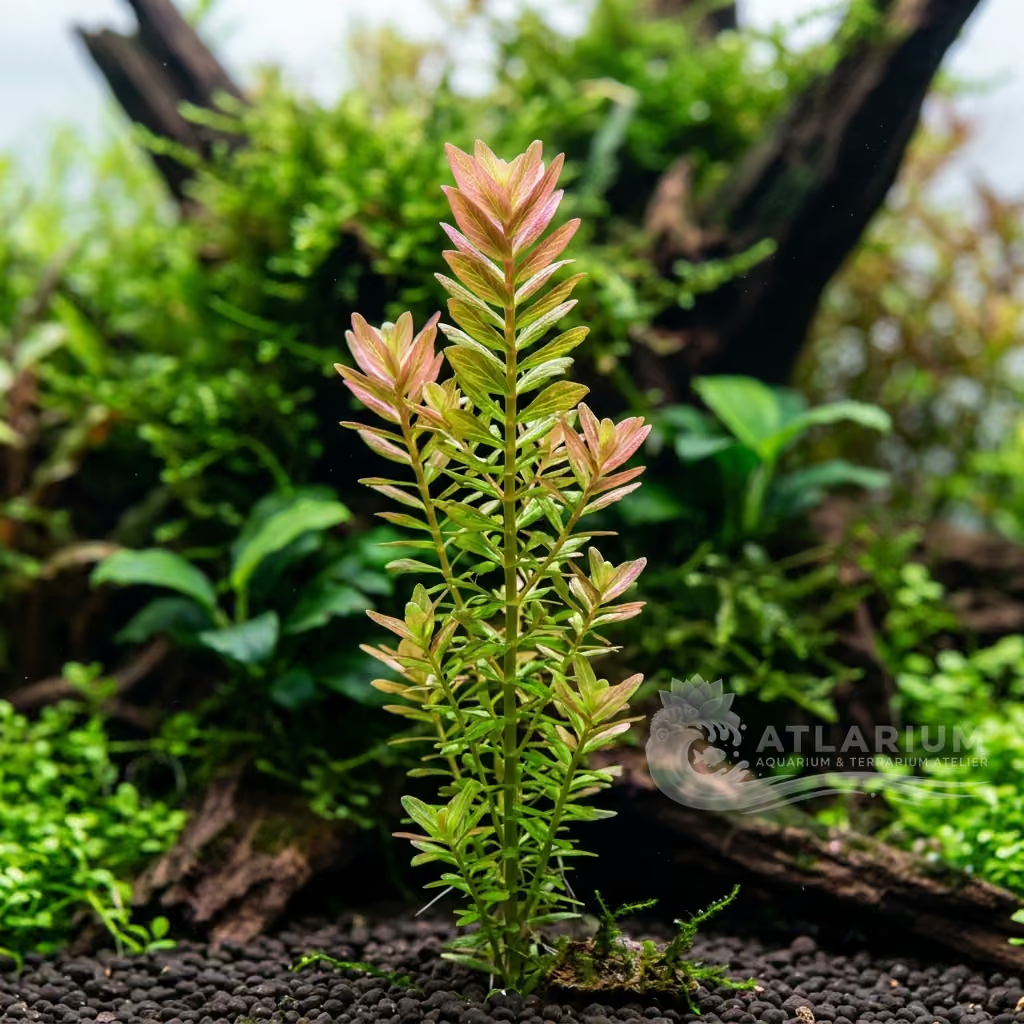
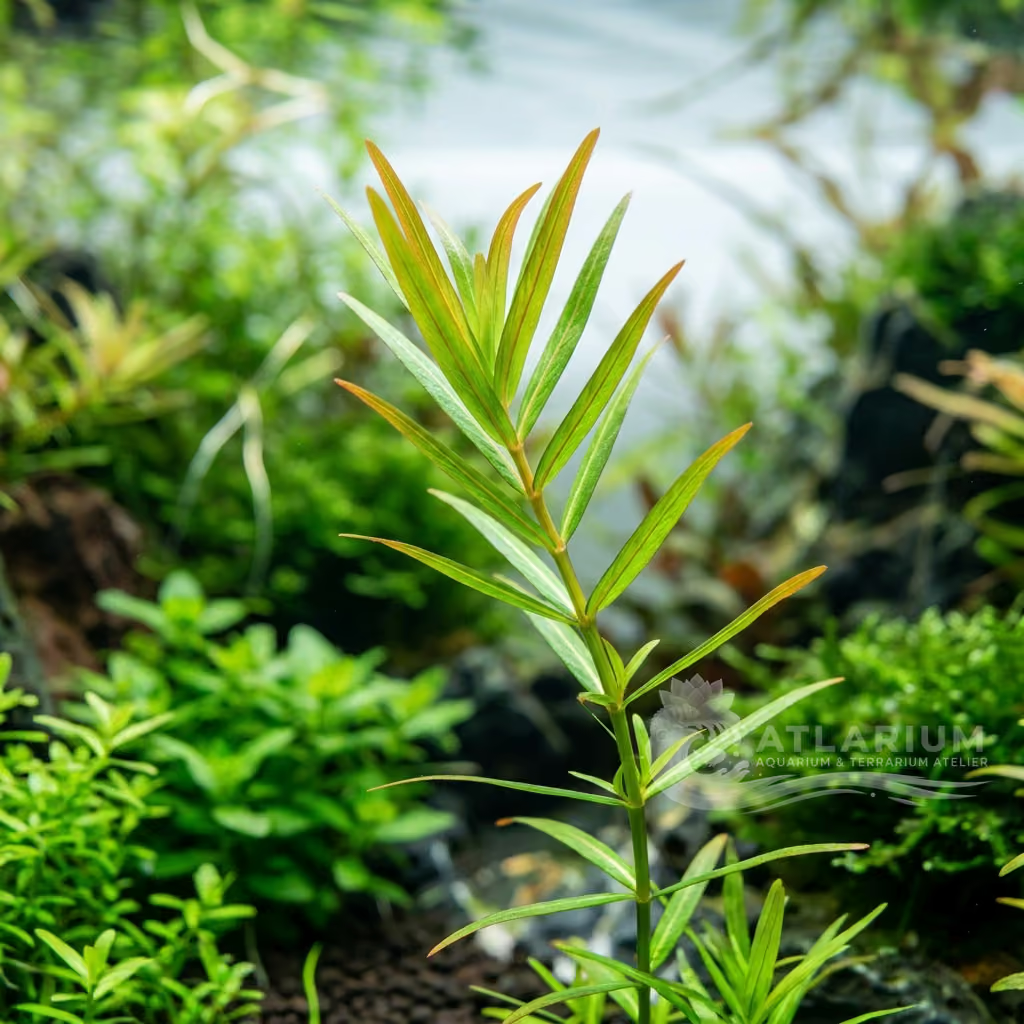
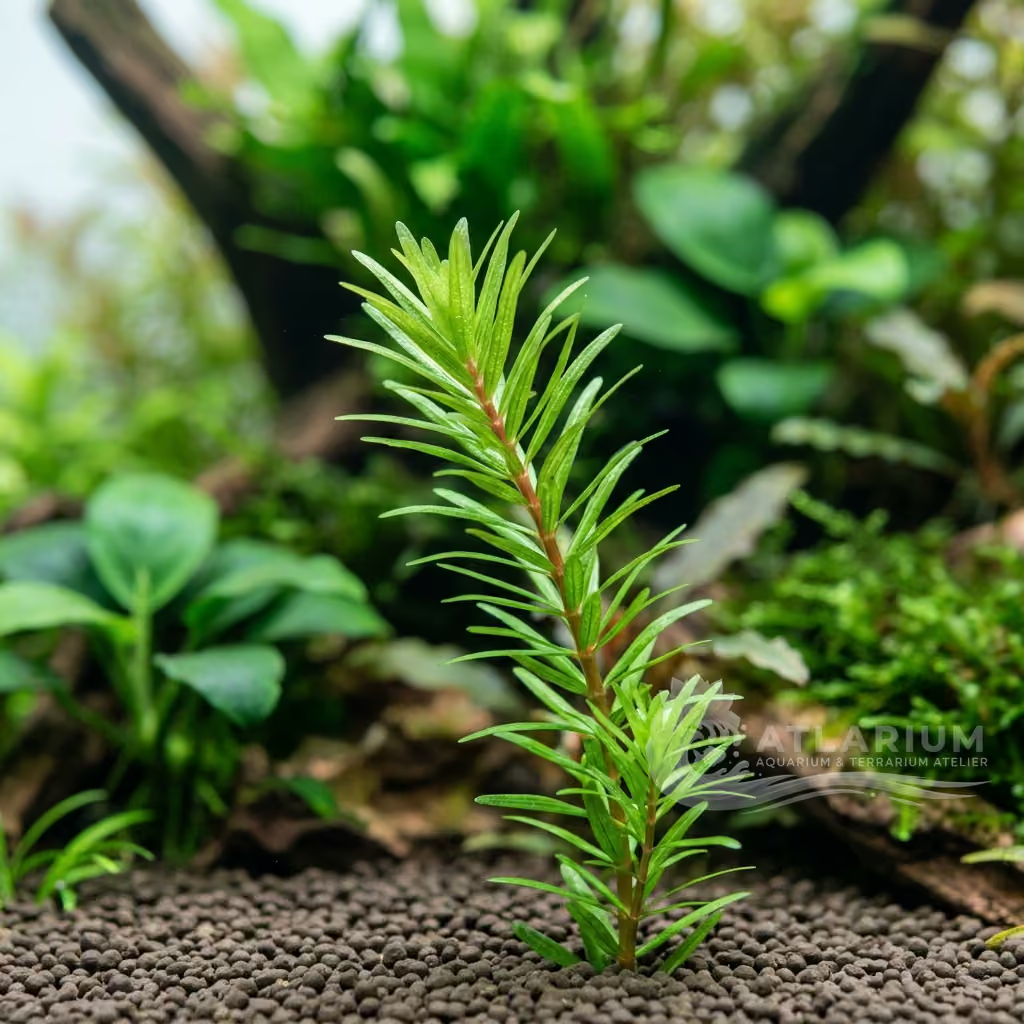
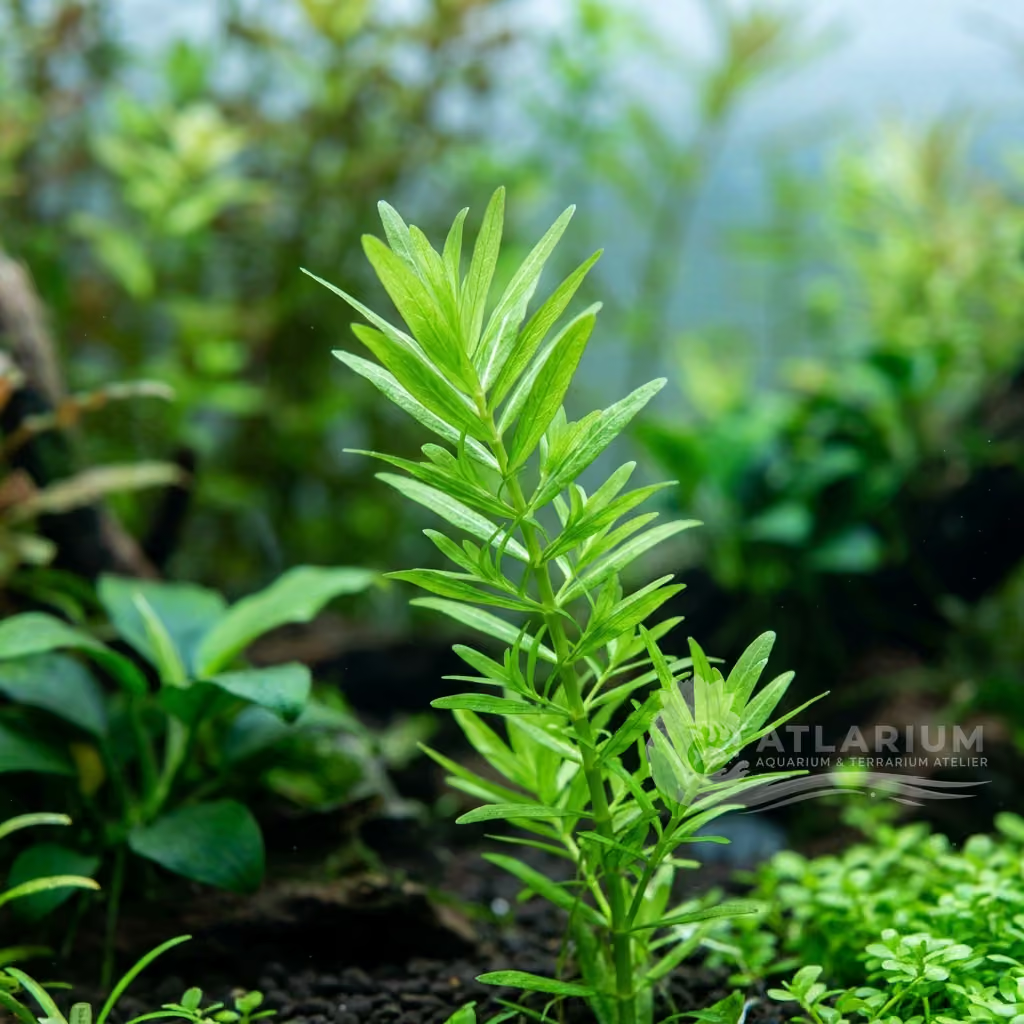
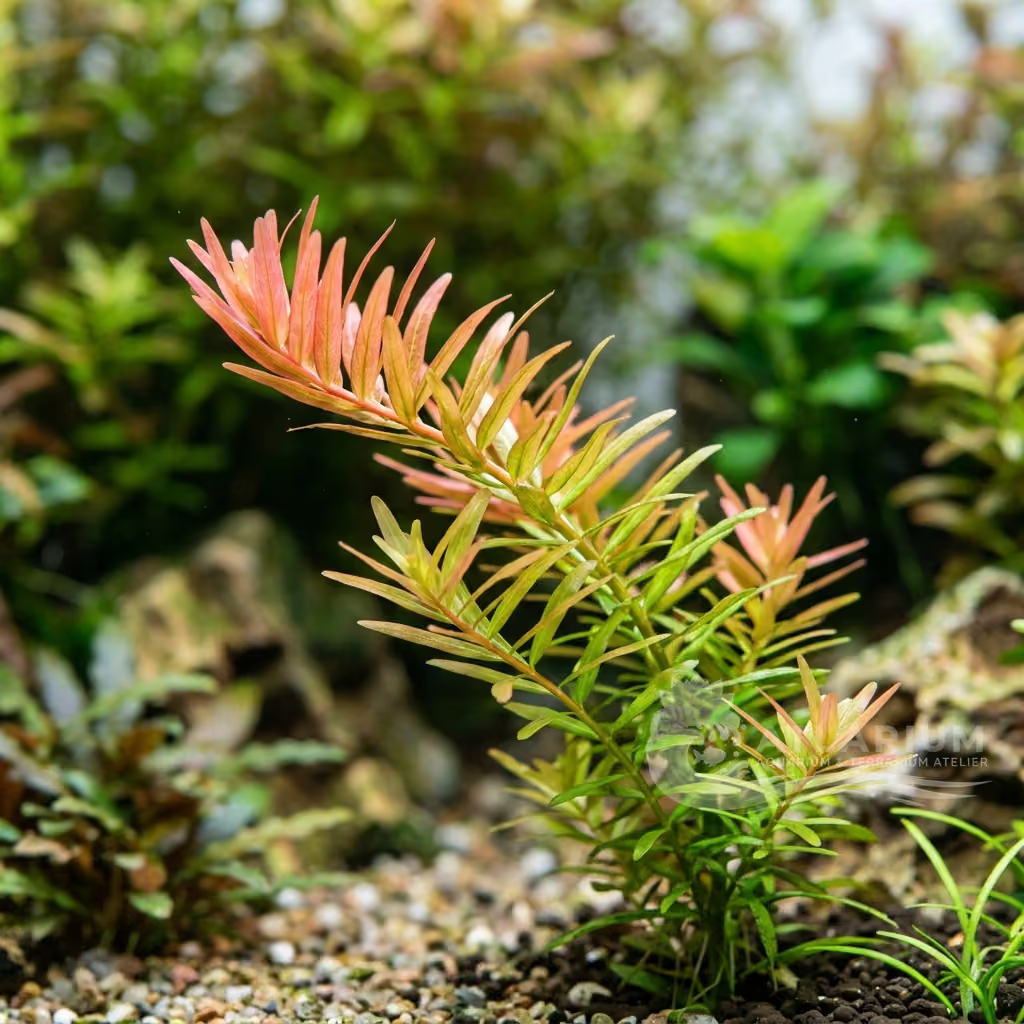
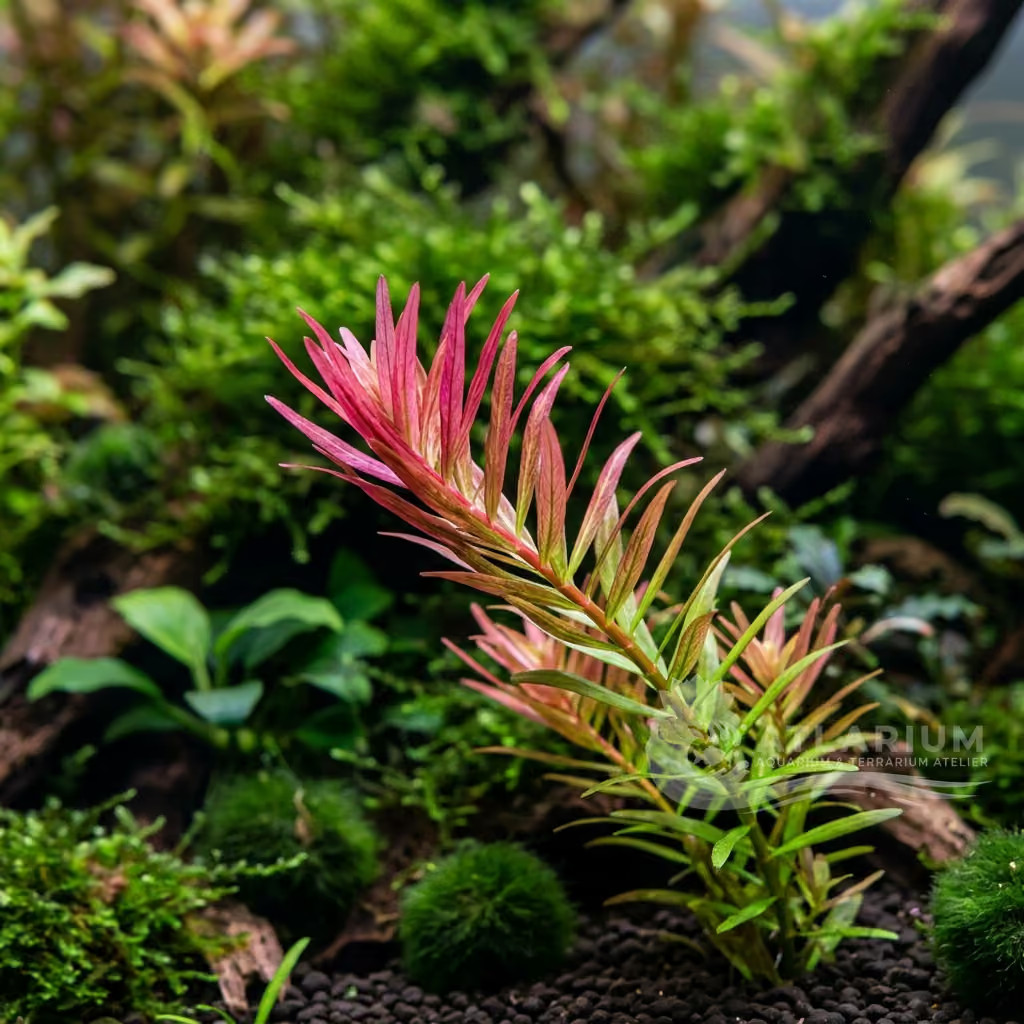
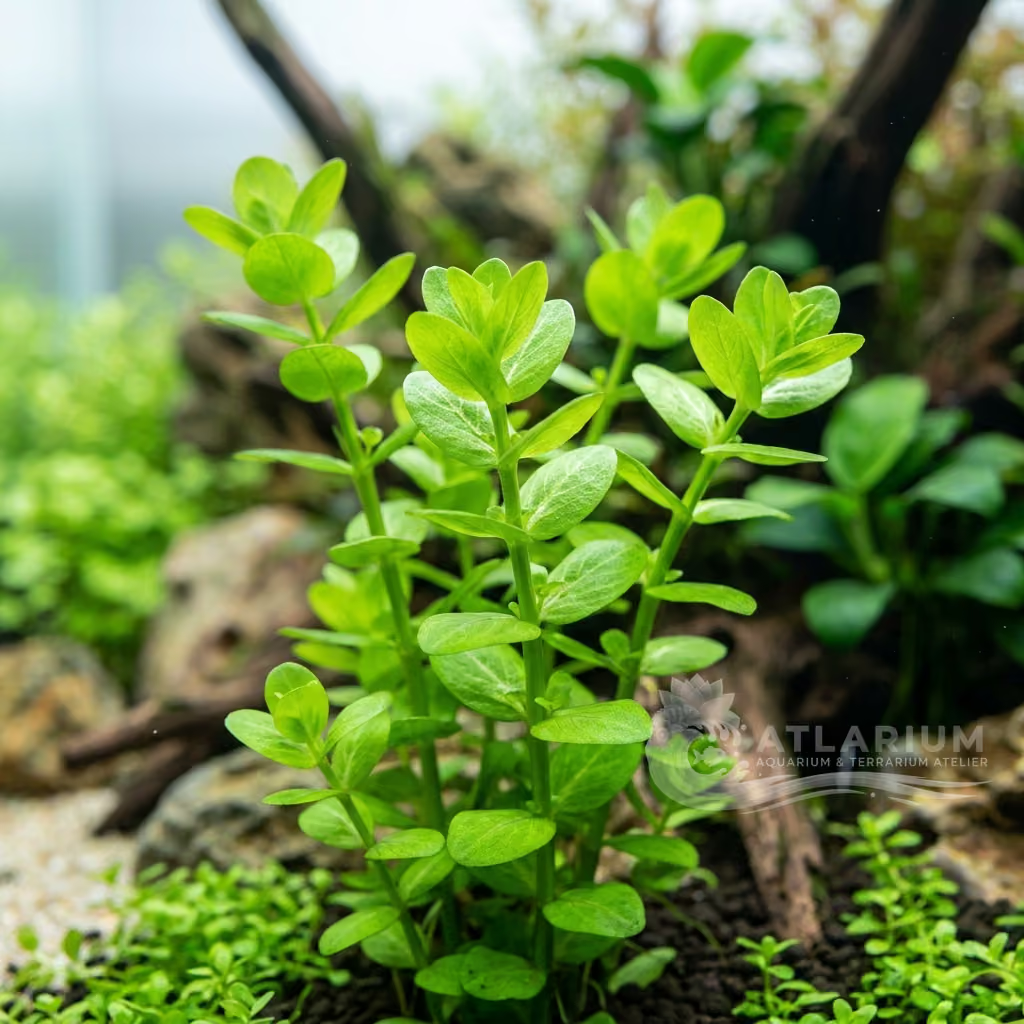
Physical Structure: Rotala sp. "Araguaia" features a slender yet resilient stem, along which its leaves are arranged in whorls or opposite pairs. The leaves are notably lanceolate to linear, very narrow and elongated, setting them apart from other Rotala species that possess more rounded or elliptical foliage. Each individual leaf can achieve a considerable length, contributing to an overall elegant and delicate appearance. Under optimal conditions, the plant will develop numerous lateral branches, forming a dense and lush bush. This growth habit makes it an excellent choice for creating volumetric depth in the midground of an aquascape.
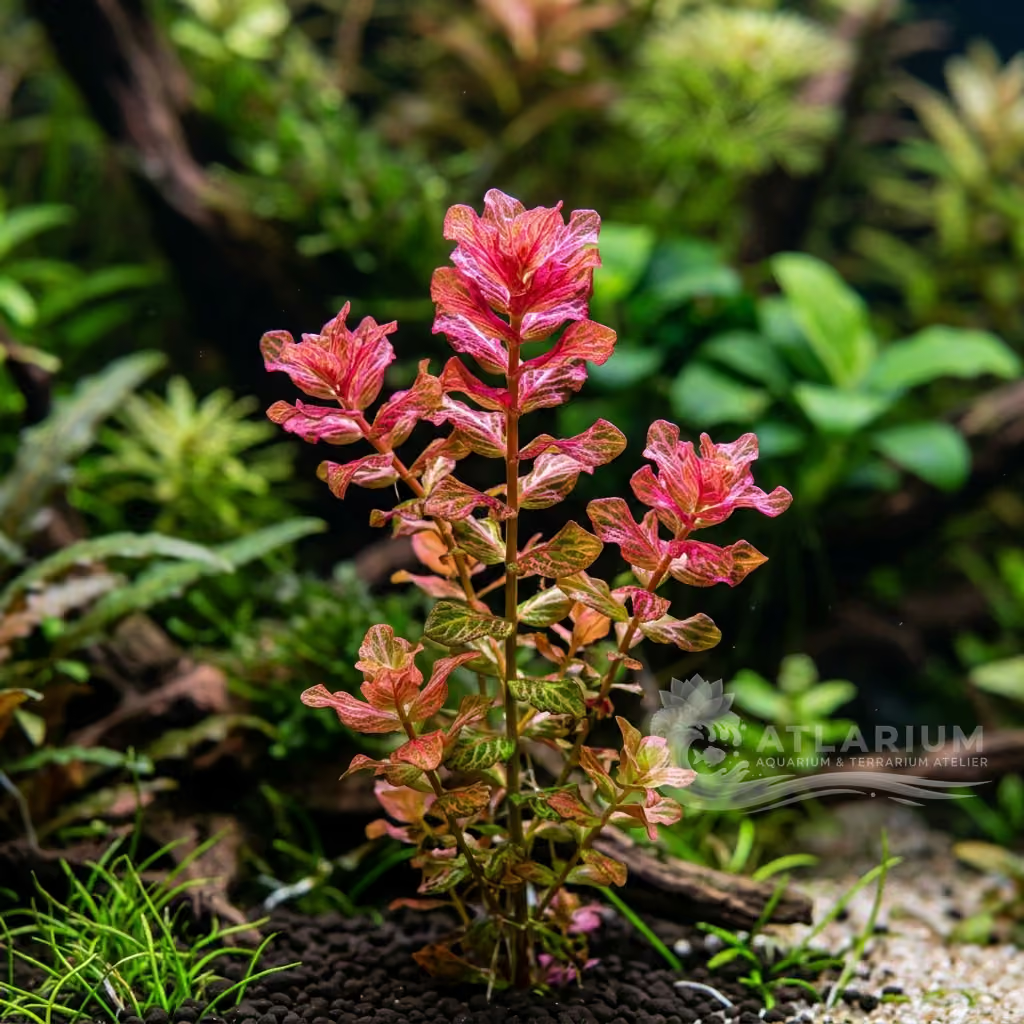
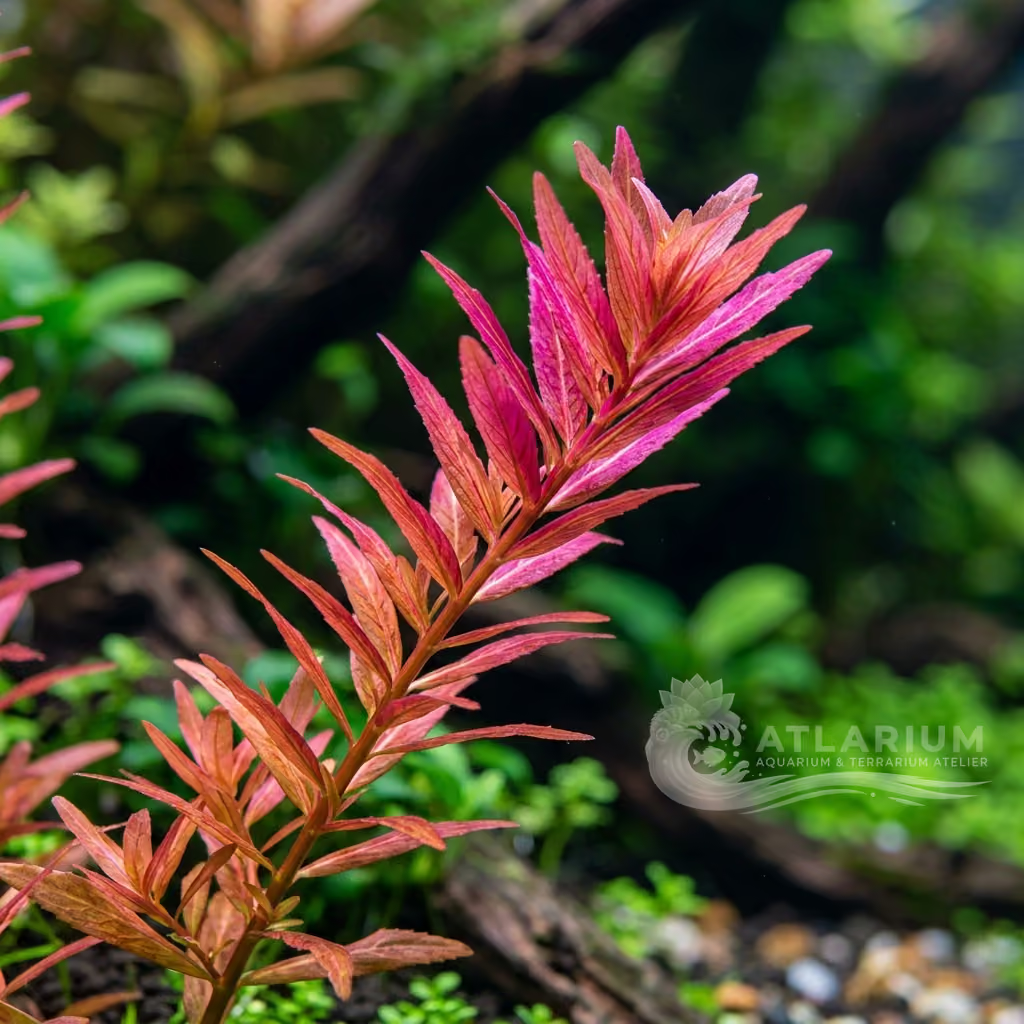
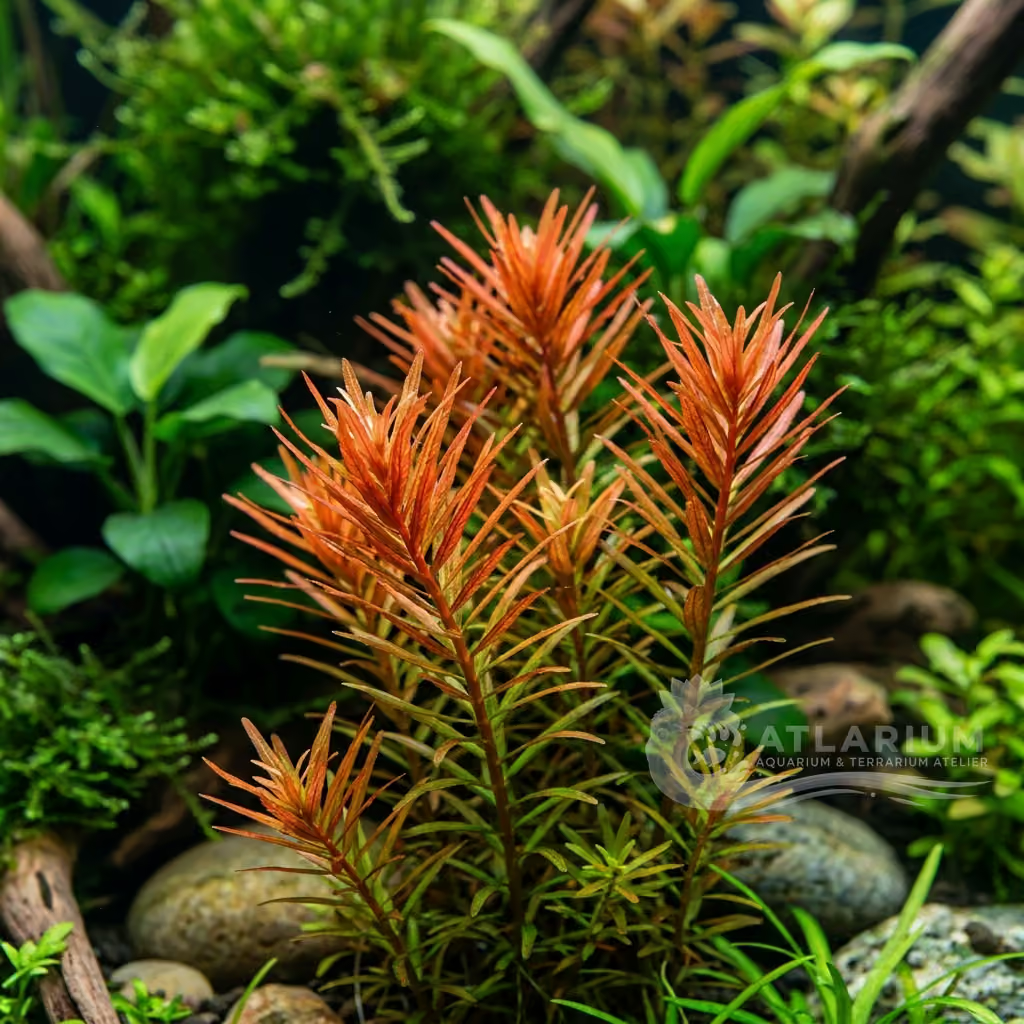
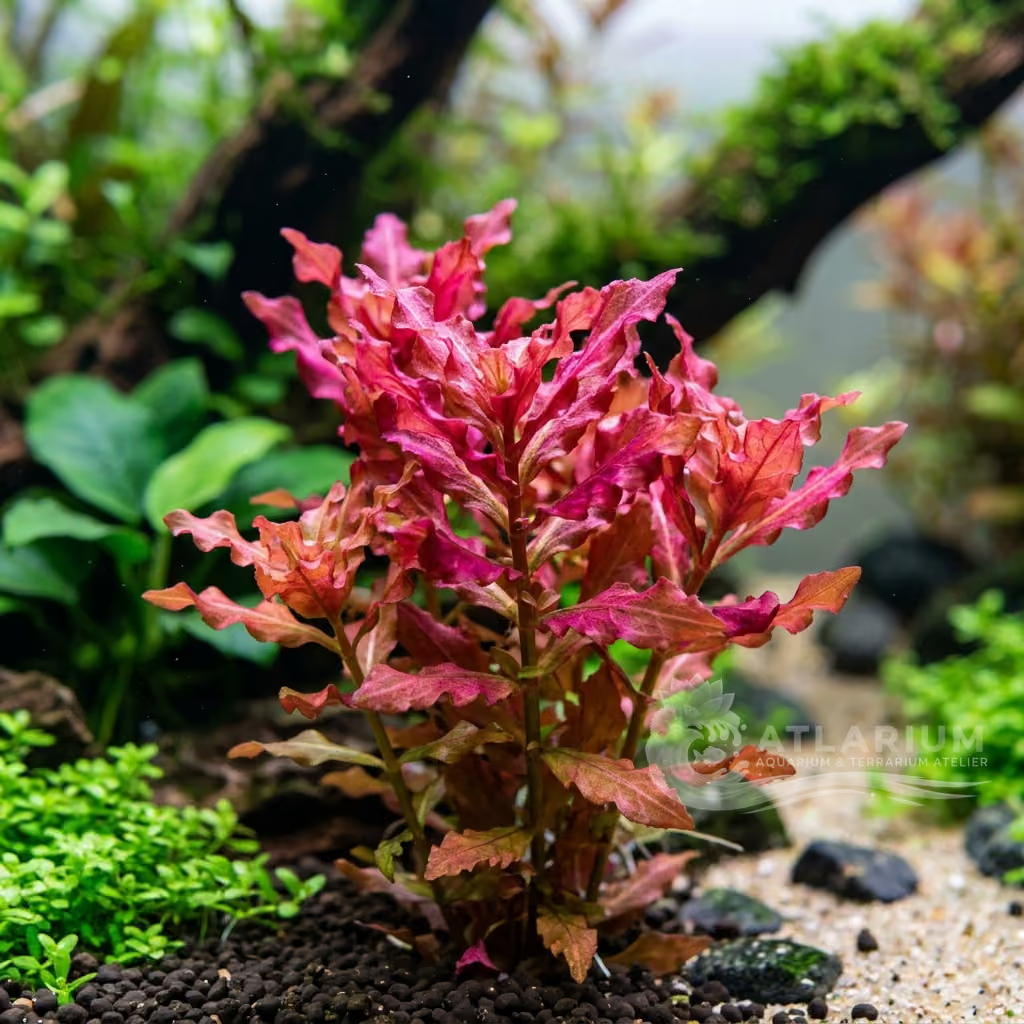
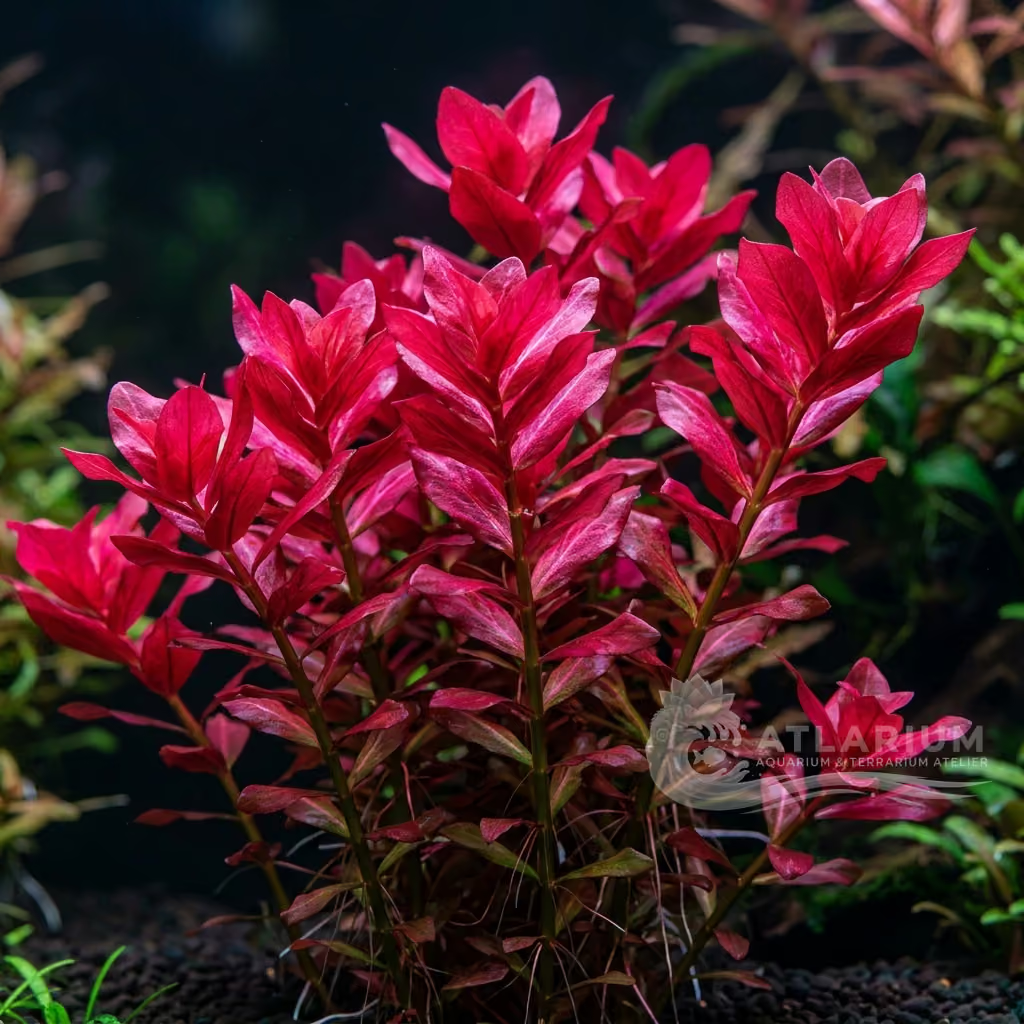
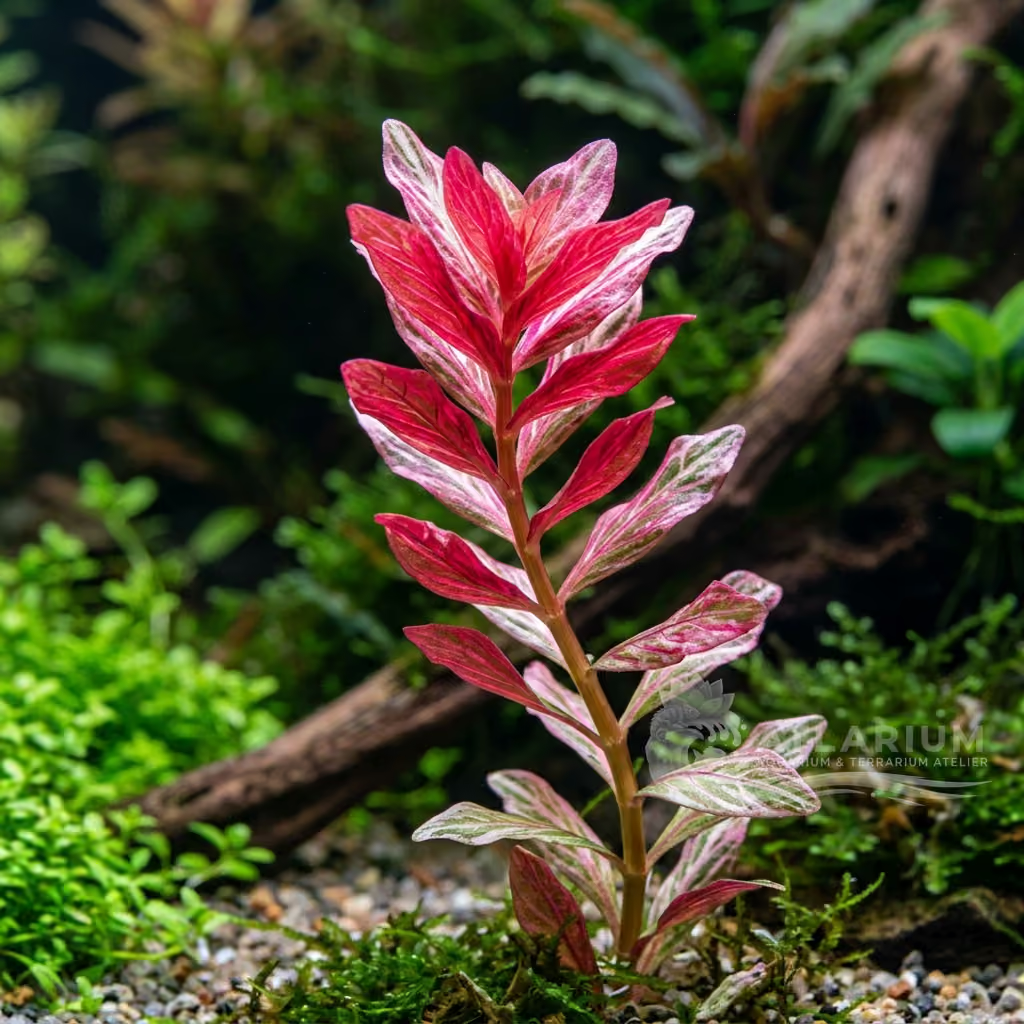
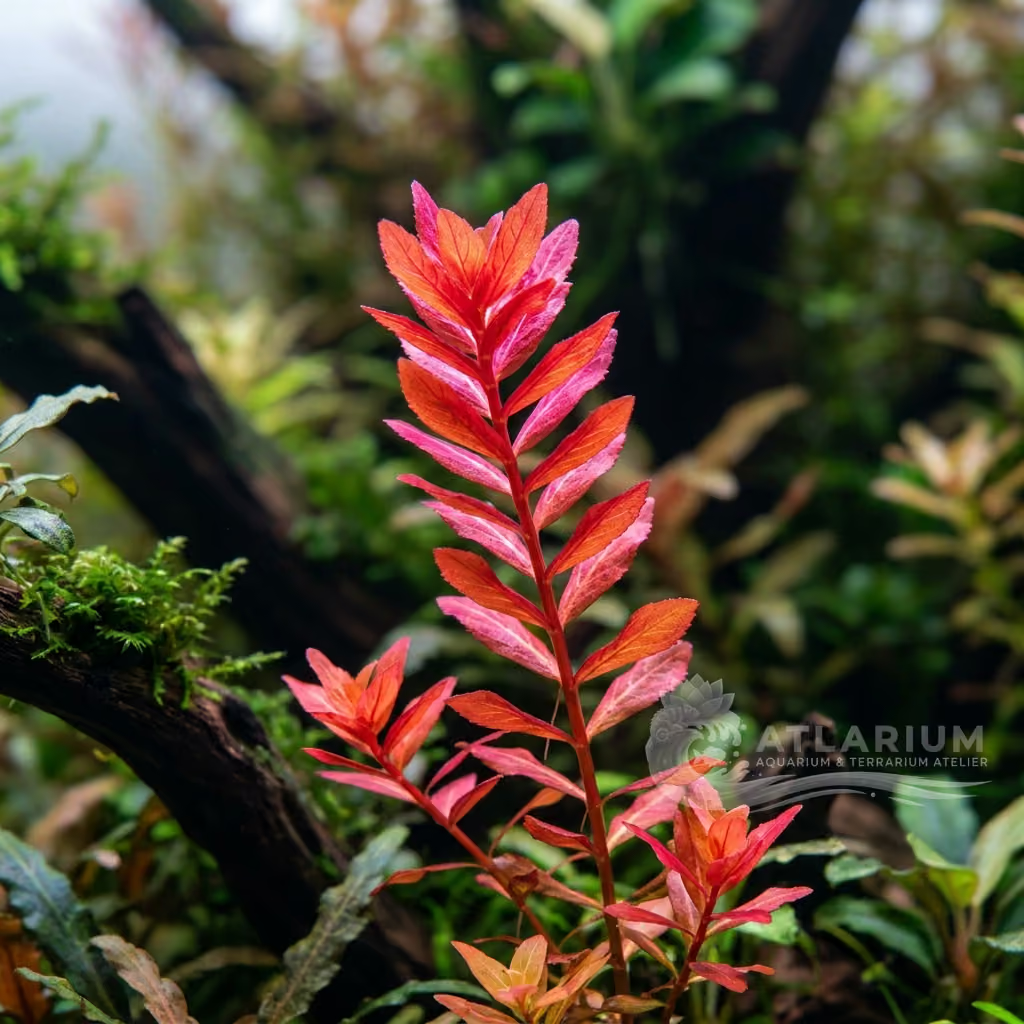
Color & Texture: The predominant color of Rotala sp. "Araguaia" is a vibrant, bright green, which can vary in intensity depending on the light conditions and available nutrients. However, one of its most captivating features is its ability to develop reddish or reddish-orange hues along the stems and leaf tips, particularly under intense lighting and adequate CO2 and iron supplementation. This chromatic metamorphosis significantly enhances the visual appeal of the aquarium. The texture of the leaves is smooth and slightly fleshy, lending the plant a refined and clean aesthetic. The combination of its unique shape and striking color makes it an attractive focal point.

Care, breeding and tankmates
Lighting & CO2: Rotala sp. "Araguaia" requires medium-intensity lighting to thrive, although stronger illumination can significantly enhance its beautiful reddish coloration. Providing at least 0.5-0.8 watts per liter (or 30-50 lumens per liter) is crucial for stimulating healthy growth and vibrant pigmentation. Carbon dioxide (CO2) supplementation is highly recommended for this species; while it can survive without CO2, its growth will be far more vigorous, compact, and its coloration noticeably richer and deeper with CO2 injection. A stable CO2 level, ideally around 20-30 mg/L, will maximize the plant's potential and aesthetic appeal.
Nutrition & Substrate: For optimal growth, Rotala sp. "Araguaia" greatly benefits from a nutrient-rich substrate capable of providing a consistent supply to its root zone. The use of active substrates or supplementing with root tabs beneath the plant is strongly advised. Concurrently, it is crucial to enrich the
Water Chemistry: This Rotala species adapts well to a water temperature range of 20 to 28°C, though the middle of this range (22-26°C) is often considered ideal for most planted aquariums. It prefers water of medium to moderately hard consistency, with a KH ranging from 2 to 12. Stable KH levels help maintain a stable pH. The ideal pH for Rotala sp. "Araguaia" falls between 6.0 and 7.5, leaning slightly towards the acidic side for better nutrient assimilation and compatibility with most tropical species. Maintaining stable parameters is essential, as abrupt fluctuations can stress the plant and hinder its growth.
Space Management & Placement: Given its growth habit and medium growth rate, Rotala sp. "Araguaia" is perfectly suited for midground placement in an aquascape, where it can form dense and harmonious bushes. To achieve a fuller, more voluminous effect, it is advisable to plant several stems closely together, forming a compact group rather than scattering individual stems. Its moderate height makes it ideal for transitions between shorter foreground plants and taller background species. Ensure sufficient space between plant groups to guarantee good water circulation and access to light, preventing mutual shading that could compromise the health of the lower stems.
Pruning: Regular pruning is essential to maintain the shape of Rotala sp. "Araguaia" and to stimulate denser, more branched growth. When the stems reach the desired height or begin to grow too densely, it is advisable to trim the apical tips. The cut stems can then be replanted directly into the substrate to propagate the plant, creating new specimens. Frequent tipping encourages the plant to develop more lateral branches, resulting in a bushier and fuller appearance. It is important to use sharp, clean scissors to avoid unnecessary damage to plant tissues and to prevent the introduction of pathogens.
Risks & Diseases: Rotala sp. "Araguaia" is generally robust, but it can be susceptible to nutrient deficiencies if not properly cared for. Chlorosis (yellowing of leaves) often indicates an iron or other micronutrient deficiency, while stunted growth may signal insufficient CO2 or macronutrients. Algae can proliferate on its leaves if the light-nutrient-CO2 balance is disrupted, especially in the presence of high phosphates and inadequate CO2. It is crucial to closely monitor water parameters and leaf health to identify any issues early. Good water circulation and regular maintenance (water changes, cleaning) help prevent most common problems.

Geographic origin and distribution
This species originates from: Brazil.
Origin
Extra-Amazon South America

Plant profile
- Placement
- Midground
- It is ideally suited for the midground of the aquascape where it can serve as a striking focal point. Because of its moderate height and slow growth compared to other stem plants, it shouldn't be placed in the far background. It demands intense, completely unshaded light, so careful placement away from taller, faster-growing species is necessary. Planting stems individually with some space between them prevents the lower leaves from rotting.
- Botanical form
- Stem
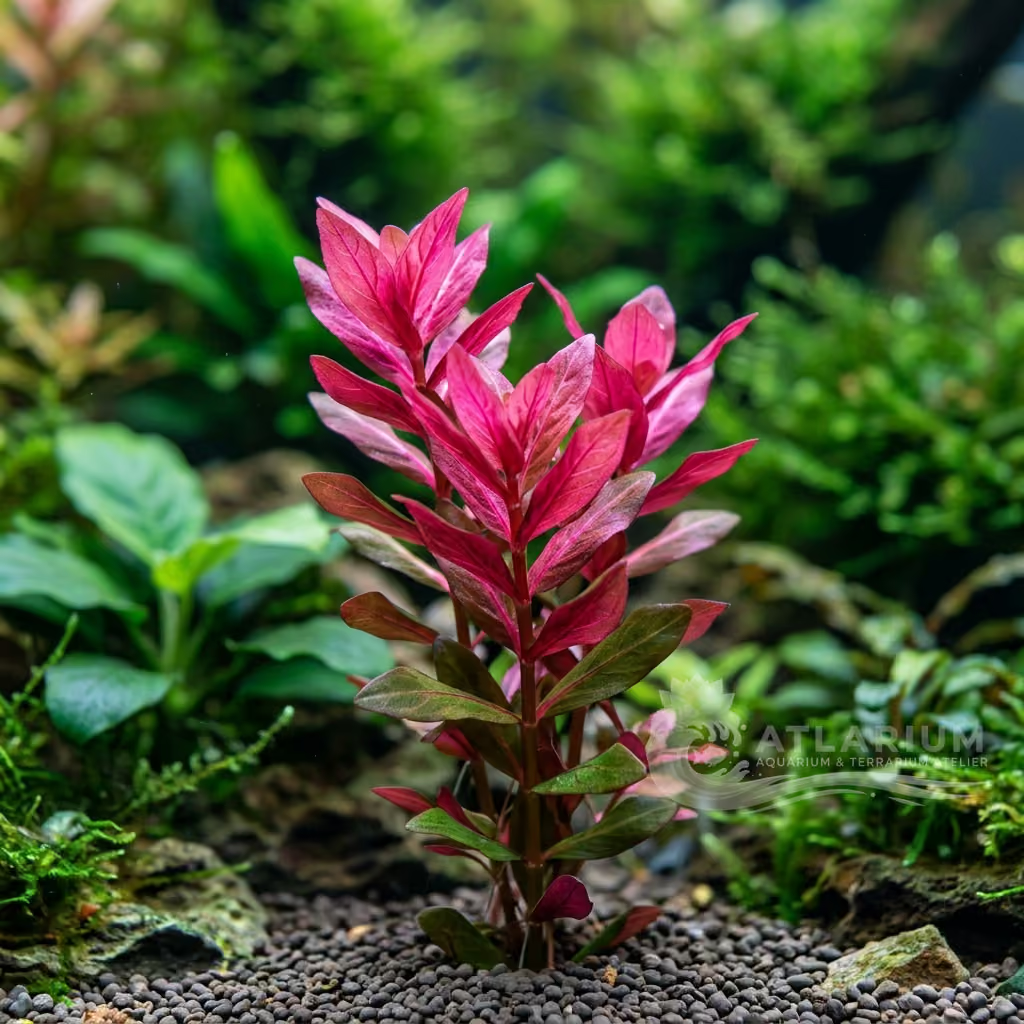
- It features distinct, slightly thicker stems with opposite leaves that have a slightly rounded or oval shape compared to typical Rotalas. Under intense lighting, the entire plant, including the stem, turns a deep red or purplish hue. The leaves have a delicate, almost fragile appearance, and the internodes remain very tight when well-lit. Emersed specimens produce small, distinctly shaped purple flowers.
- Growth
- Medium
- Unlike most Rotala species, it has a relatively slow to moderate growth rate even under optimal conditions. This slower growth makes it easier to manage in the midground without constant trimming. However, this also means it cannot easily outcompete algae if tank conditions deteriorate. Patience is required as it takes time to acclimate and establish a strong root system.
- Substrate
- High
- Rotala sp. "Araguaia" has a high substrate demand and thrives best when planted in an active, nutrient-dense aqua soil. The substrate should be around 2 to 3 inches (5-7 cm) deep to firmly anchor its creeping, heavily branched stems and support lateral root development. Because it is prone to nutrient deficiencies, a rich substrate ensures the roots have continuous access to vital minerals, promoting lush growth and preventing lower leaf degradation.
- Column fertilization
- Recommended
- Strict and consistent liquid fertilization is mandatory. It relies heavily on water column nutrients to maintain its delicate foliage and intense coloration. Daily dosing of a comprehensive fertilizer ensures that trace elements, particularly iron, are always available. Fluctuations in nutrient levels will quickly result in stunted or deformed leaf tips.
- Root fertilization
- Recommended
- A mature, nutrient-rich substrate is highly beneficial for establishing this sensitive plant. While it absorbs significant nutrients through its leaves, a fertile soil base provides crucial stability and encourages robust root development. Root tabs can be added near the base to boost growth in older setups. Strong roots are essential to help it recover from heavy trimming.
- Trimming
- Regular
- Trimming should be done carefully, as it does not branch out as vigorously as other stem plants. When cutting, leave a generous portion of the lower stem with healthy leaves to ensure recovery. The cut tops are highly valuable and should be replanted to propagate the stand. It is often better to uproot, trim the bottoms, and replant the tops to maintain a pristine appearance.
- Propagation
- Cuttings
- Propagation is done through stem cuttings, but care must be taken to only use very healthy, robust shoots. Replant the tops carefully, ensuring they are not buried too deeply to prevent rot. The bottom portions will eventually produce side shoots, but this process is much slower than in other Rotala species. Maintaining pristine water conditions during propagation is critical to avoid melting.
- Sensitivity
- Moderate
- This is one of the more challenging aquarium plants, highly sensitive to shading, low CO2, and nutrient fluctuations. If light is insufficient, the lower portions of the stems will quickly turn black and rot. It is also prone to stunting if the water flow is poor or if algae begins to colonize its leaves. It requires soft, slightly acidic water to truly thrive.
- Layout role
- Midground, group
- It acts as a premium, high-impact accent plant in advanced aquascapes. Its unique reddish-purple color and structural leaf shape offer a strong contrast to fine-leaved green plants. Due to its slower growth, it is perfect for creating static, colorful midground bushes that do not require constant maintenance. It is often used as a 'jewel' plant to draw the viewer's eye.

Related species
Recommendations grouped by close relatives, companion choices, and similar care.