Spiral Water Trumpet
Cryptocoryne spiralis
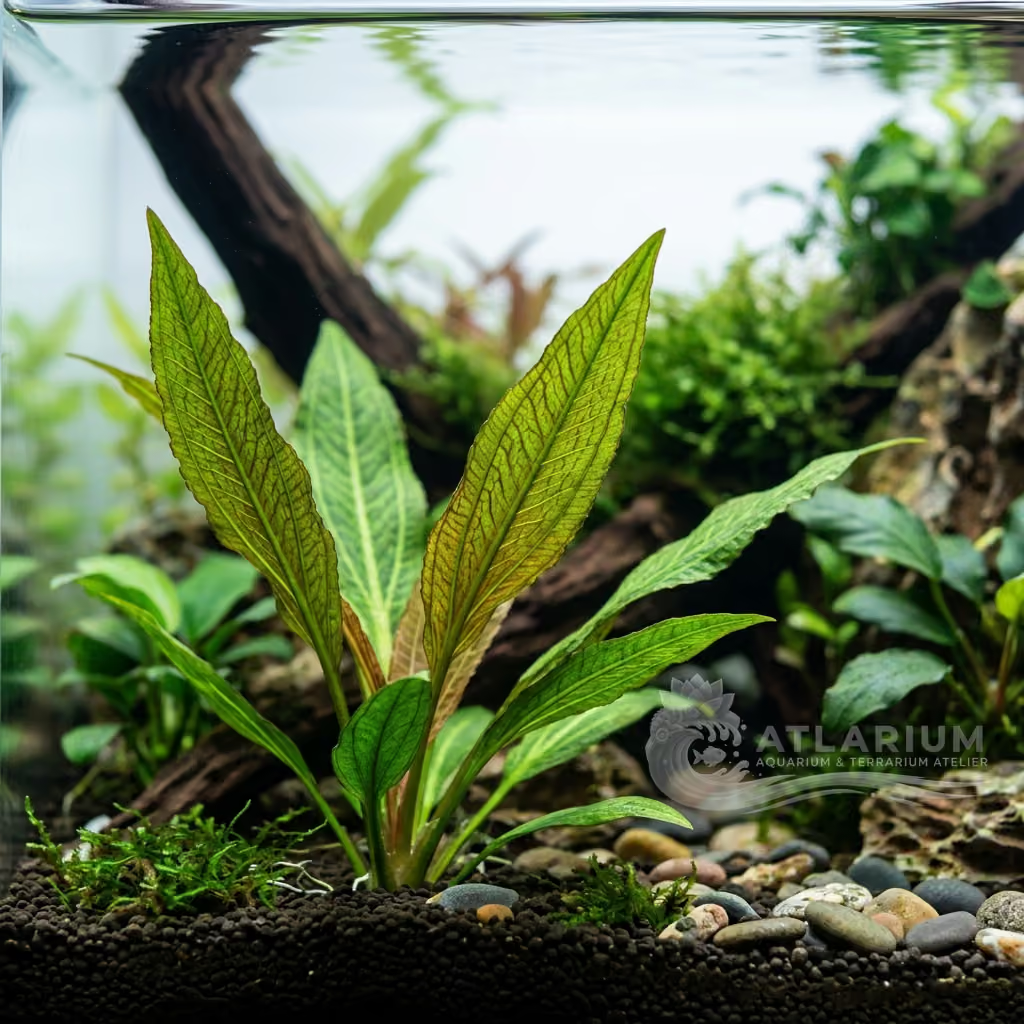
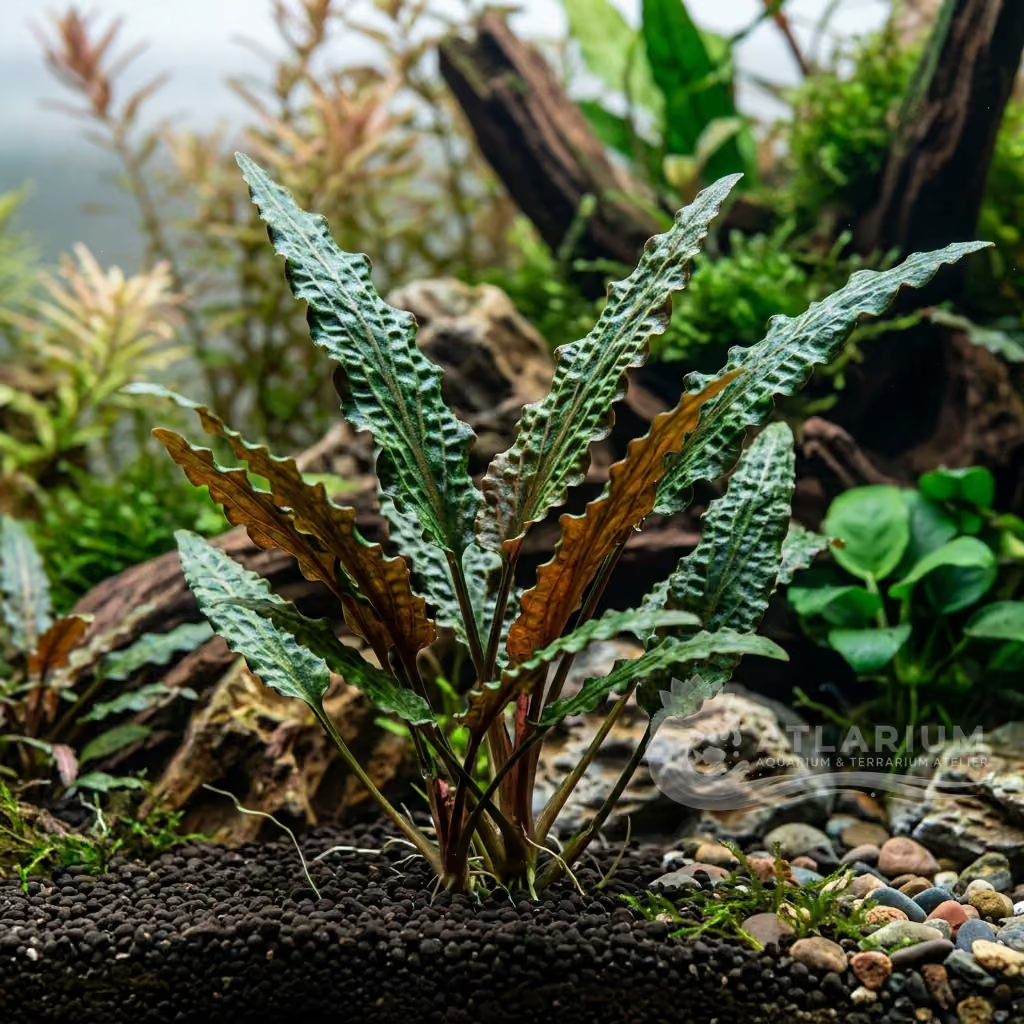
Native to India, Cryptocoryne spiralis is a robust and highly adaptable aquatic plant. Its elegant, long strap-like leaves form dense vertical bushes, perfect for midground or background coverage.
Water Temperature
23 - 28 °C
pH Value
5 - 8
Water type
Freshwater
Light
Low
CO2
None
Expected height
40 cm
Expected width
15 cm
GH
8 - 20 dGH
KH
4 - 12 dKH

Species description
Geographical Origin and Habitat: Cryptocoryne spiralis is native to southern India, where it grows abundantly along the margins of rivers, irrigation canals, streams, and in floodplains subject to seasonal monsoon flooding. It is an amphibious species that adapts perfectly to living completely submerged during the rainy season and transition to an emersed form on wet mud during the dry season, which is when it typically flowers.
Taxonomy & Genetics: Belonging to the family Araceae, genus Cryptocoryne. The specific epithet spiralis refers to the characteristic spirally twisted shape of the spathe of its emersed inflorescence. Several horticultural varieties and wild geographic populations (such as var. cognatoides) exist, displaying differences in leaf size and coloration, highlighting high phenotypic plasticity in response to lighting and nutrients.
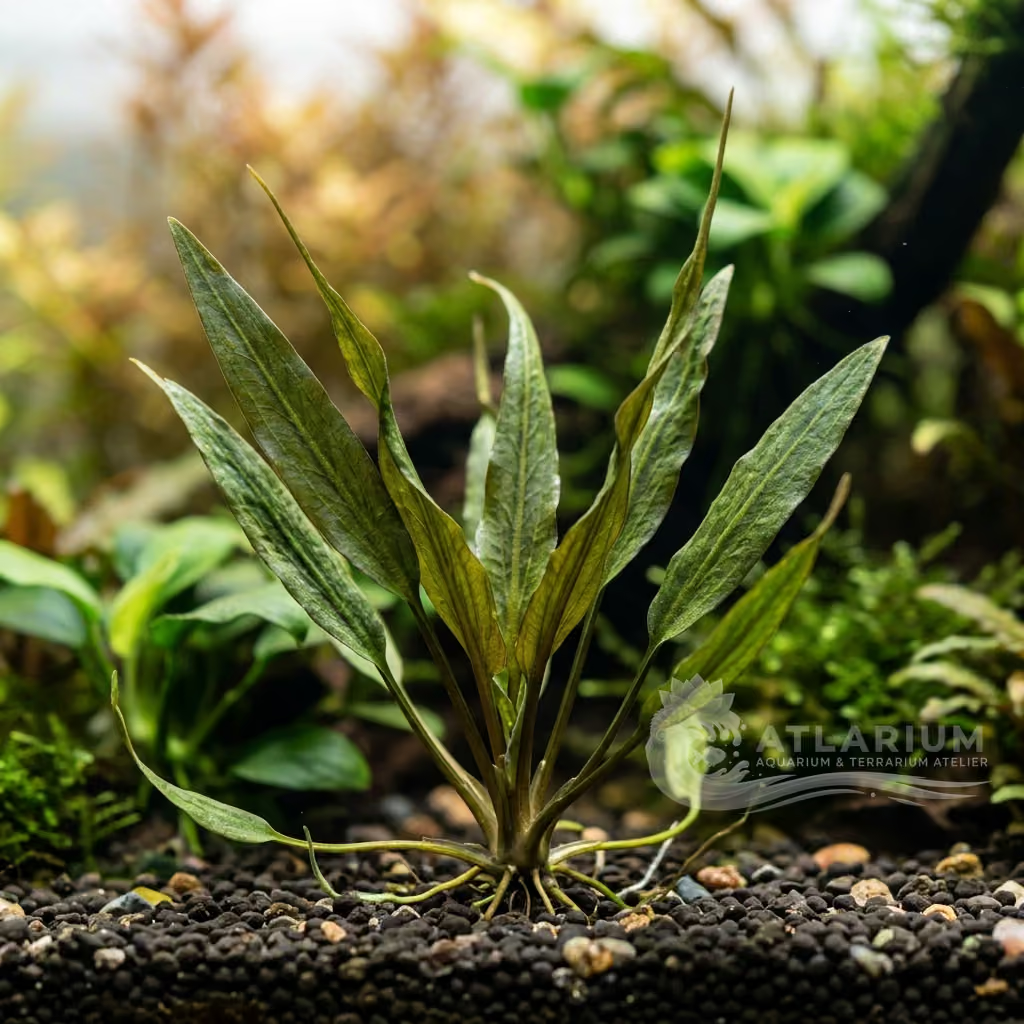
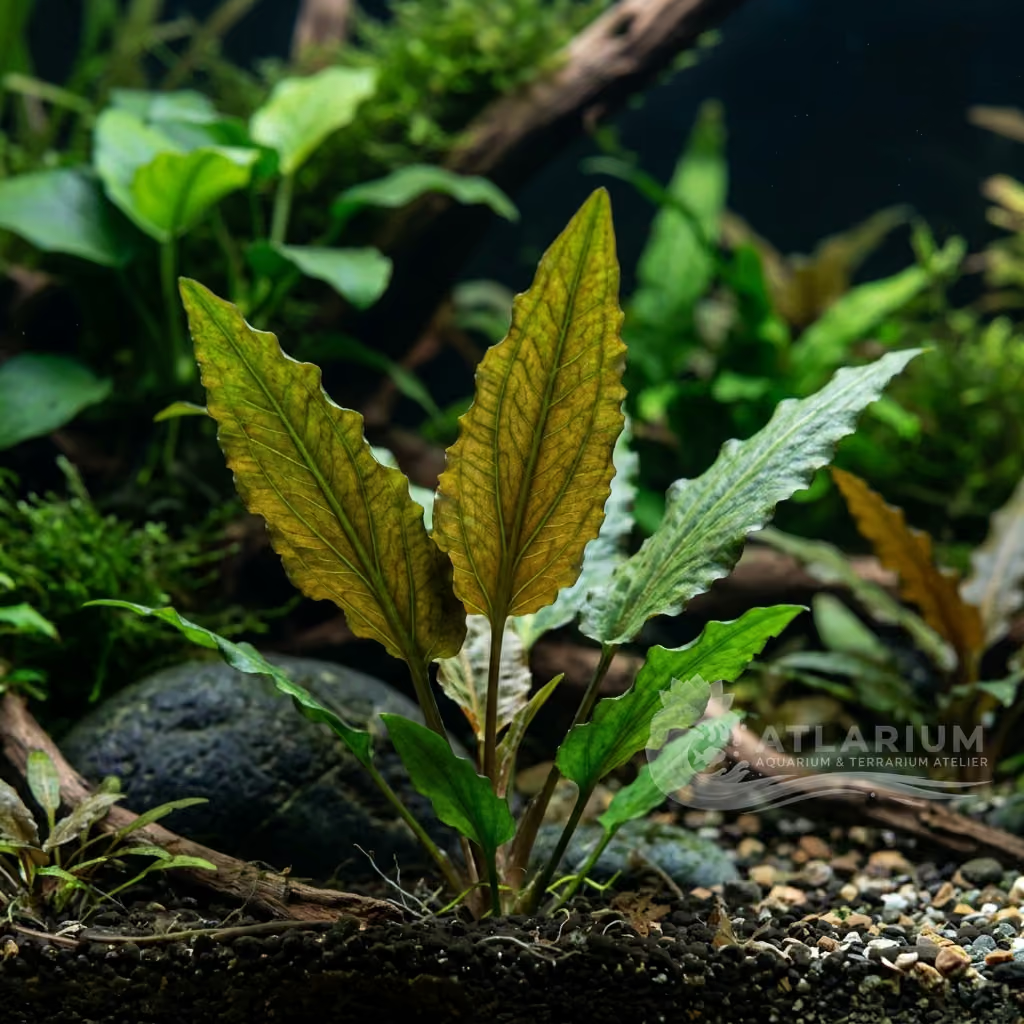
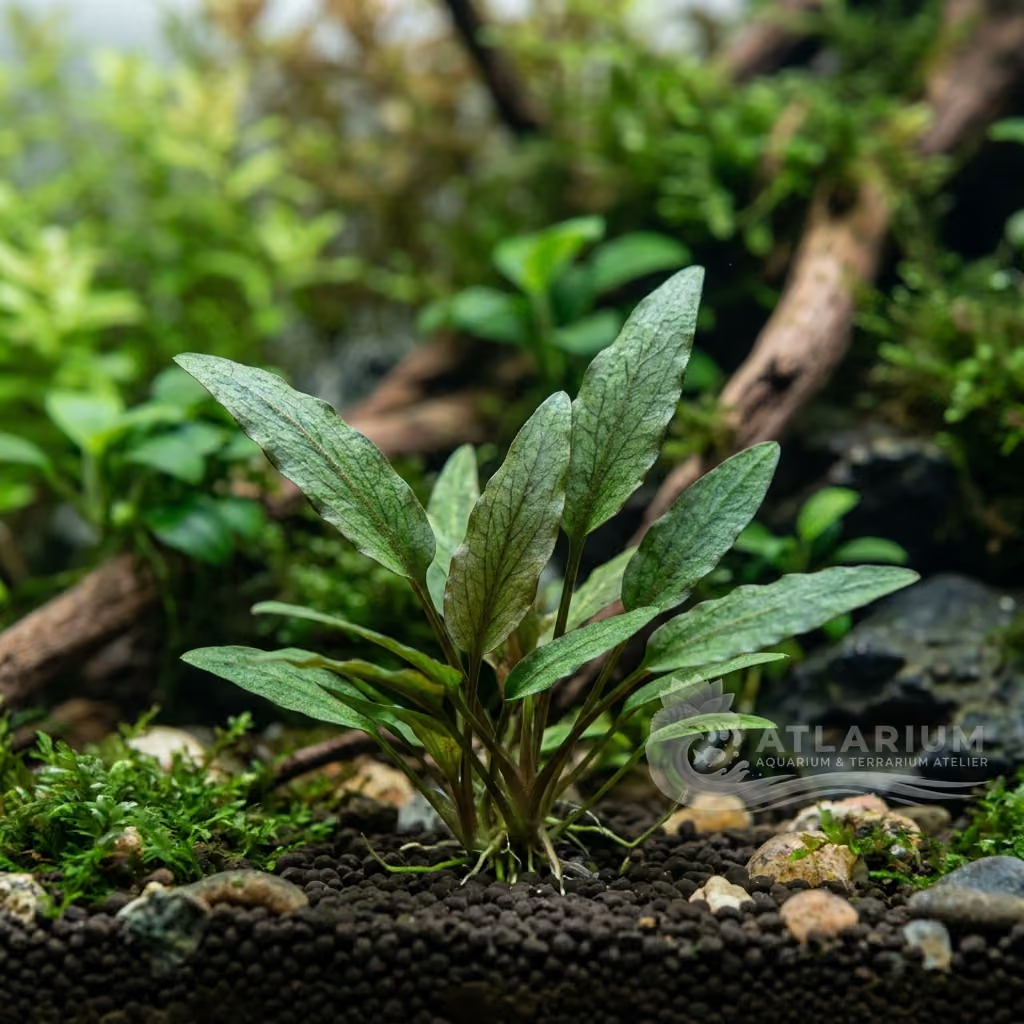
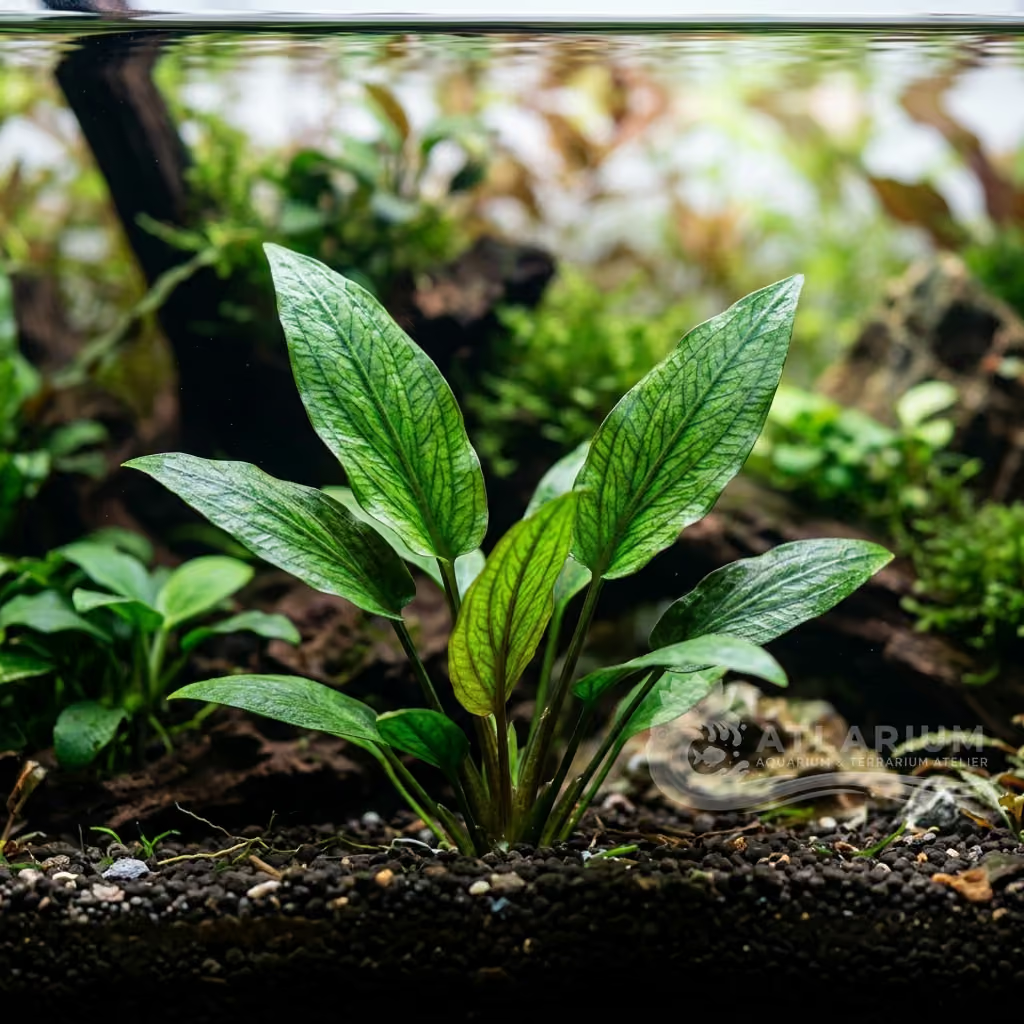
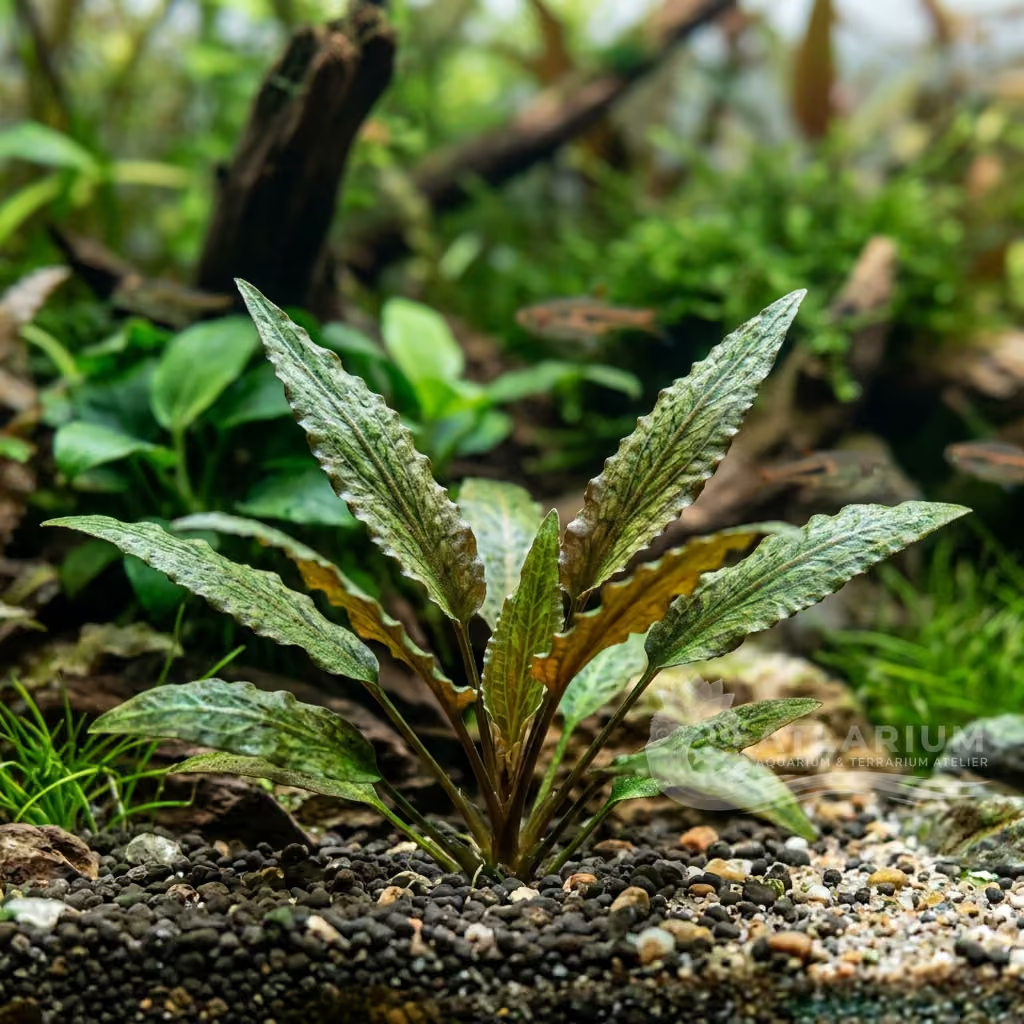
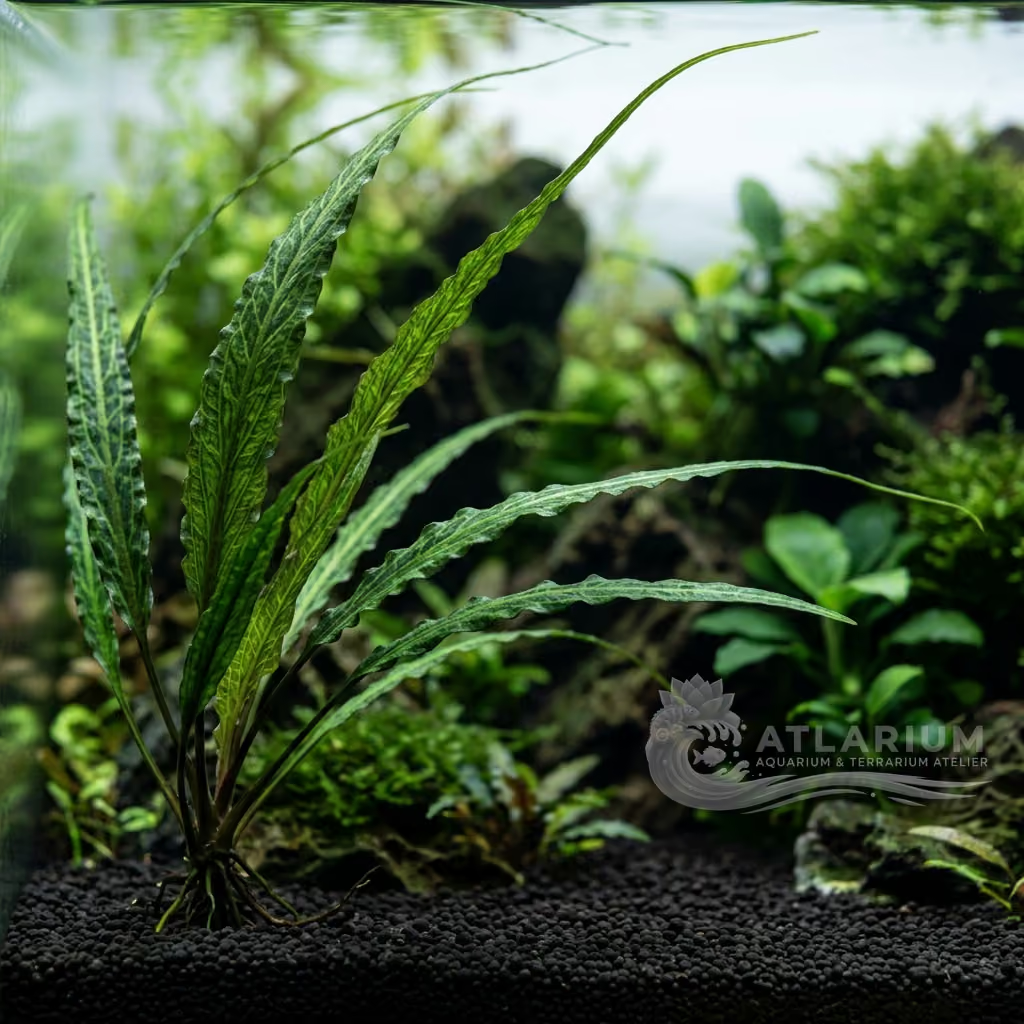
Physical Structure: A rosette-forming plant with a strong, creeping rhizome from which thick, fleshy roots develop, anchoring the plant securely into the substrate. The leaves are lanceolate, narrow, and strap-like, with slightly wavy or serrated margins. They can reach a length of 20-50 cm and a width of 1-2 cm, making it one of the tallest Cryptocoryne species, ideal for the midground or background of the aquarium.
Color & Texture: Leaf color varies significantly depending on light intensity and iron availability in the substrate. It ranges from bright green or olive-green under moderate light to brownish-red, bronze, or coppery-purple under intense lighting. The leaf blade has a somewhat leathery texture, with a well-defined central midrib and faintly visible parallel lateral veins that create an elegant pattern.

Care, breeding and tankmates
Lighting & CO2: Tolerates a wide range of light levels. It grows well under low to moderate lighting (around 0.5 watts per liter), but benefits significantly from medium-to-high light to develop intense bronze tones and a more compact growth form. Carbon dioxide (CO2) injection is not strictly necessary for its survival, but it greatly accelerates the growth rate and enhances leaf thickness and robustness.
Nutrition & Substrate: Because it develops a massive root system, it requires a rich, fertile substrate with a depth of at least 5-8 cm. A nutrient-rich soil or the periodic addition of root fertilization tabs containing iron and micronutrients directly beneath the roots is highly recommended. Liquid fertilization in the water column is beneficial but secondary to root feeding.
Water Chemistry: Extremely adaptable. Prefers medium to hard water with a pH range of 6.5 to 8.0, GH of 8-20°dGH, and KH of 4-12°dKH. It thrives in temperatures between 20°C and 28°C (68-82°F), with an optimal range around 24-25°C. It exhibits excellent stability in cooler tanks as long as sudden shifts in water parameters are avoided.
Space Management & Placement: Due to its leaf height, the ideal placement is in the background or midground of medium to large aquariums. It tends to form dense vertical clumps that provide excellent hiding spots for shy fish and fry. Space individual rosettes 5-10 cm apart during planting to allow adequate room for root expansion.
Pruning: Growth is moderately slow, especially during the acclimatization phase. Pruning simply involves removing the oldest, decaying, or damaged leaves at the base of the rosette using sharp aquascaping scissors. Propagation occurs naturally via underground runners (stolons) that sprout new plantlets adjacent to the parent plant.
Risks & Diseases: Like all Cryptocoryne species, it is susceptible to 'Cryptocoryne melt,' a physiological disorder where the leaves rapidly disintegrate and melt away in response to sudden changes in light, water chemistry, or substrate conditions. To prevent this, avoid moving the plant frequently and maintain stable tank maintenance. If melting occurs, do not remove the rhizome, as it will often produce new leaves within a few weeks.

Geographic origin and distribution
Cryptocoryne spiralis is native to southern India, where it grows abundantly along the margins of rivers, irrigation canals, streams, and in floodplains subject to seasonal monsoon flooding. It is an amphibious species that adapts perfectly to living completely submerged during the rainy season and transition to an emersed form on wet mud during the dry season, which is when it typically flowers.
Origin
South and Southeast Asia

Plant profile
- Placement
- Background
- Due to its tall size, this plant is best placed in the midground or foreground depending on the tank height. It provides an excellent transition between smaller carpeting plants and larger background species. Ensure it has enough space to spread its upright, strap-like leaves.
- Botanical form
- Rosette
- This species features a classic rosette growth form characterized by its upright, strap-like leaves. The foliage prominently displays bright green to brownish hues under good lighting. Its root system is extensive and helps anchor it firmly in the substrate.
- Growth
- Medium
- Like most species in its genus, Cryptocoryne spiralis exhibits a relatively slow and steady growth rate. This slow growth makes it easy to maintain over long periods without frequent trimming. Providing optimal light and CO2 can slightly accelerate its development.
- Substrate
- High
- Given its potent and far-reaching root system, Cryptocoryne spiralis demands a deep, mature, and highly nutritious substrate to thrive long-term. A rich aqua soil or an inert substrate regularly supplemented with iron-based root capsules is ideal for promoting robust foliage and the steady production of vegetative runners. A minimum substrate depth of 5-8 centimeters is crucial to properly house its extensive roots and ensure stable, undisturbed anchoring.
- Column fertilization
- Recommended
- Water column fertilization is not strictly necessary but can be beneficial for Cryptocoryne spiralis. Liquid fertilizers containing iron and trace elements help prevent deficiencies and promote vibrant leaves. Dosing should be kept moderate to avoid algae issues on the slow-growing leaves.
- Root fertilization
- Recommended
- Root feeding is highly recommended for Cryptocoryne spiralis as it is a heavy root feeder. Inserting root tabs near the base of the plant will significantly boost its health and encourage the production of runners. A quality aquasoil will also provide a long-lasting nutrient reserve.
- Trimming
- Occasional
- Trimming should be done sparingly, removing only older or decaying leaves near the base. Cut the stems as close to the substrate as possible using sharp aquascaping scissors. Avoid cutting healthy foliage, as the slow growth rate means it will take time to recover.
- Propagation
- Rhizome division, Runners
- Propagation occurs naturally through the development of subterranean runners. Once a daughter plant has formed several leaves and its own root system, the runner can be cleanly severed. The new plant can then be carefully replanted in the desired location.
- Sensitivity
- Moderate
- Cryptocoryne spiralis is notoriously sensitive to sudden changes in water parameters, which can trigger 'Crypt melt'. If melting occurs, leave the root system intact as it will typically bounce back with new, adapted leaves. It prefers stable environments with consistent lighting and fertilization.
- Layout role
- Background, Midground
- In aquascaping, Cryptocoryne spiralis serves as a fantastic structural element or accent plant. Its bright green to brownish tones provide great contrast against typical green aquatic plants. It works exceptionally well in Nature Aquarium styles and shaded areas beneath driftwood.

Related species
Recommendations grouped by close relatives, companion choices, and similar care.