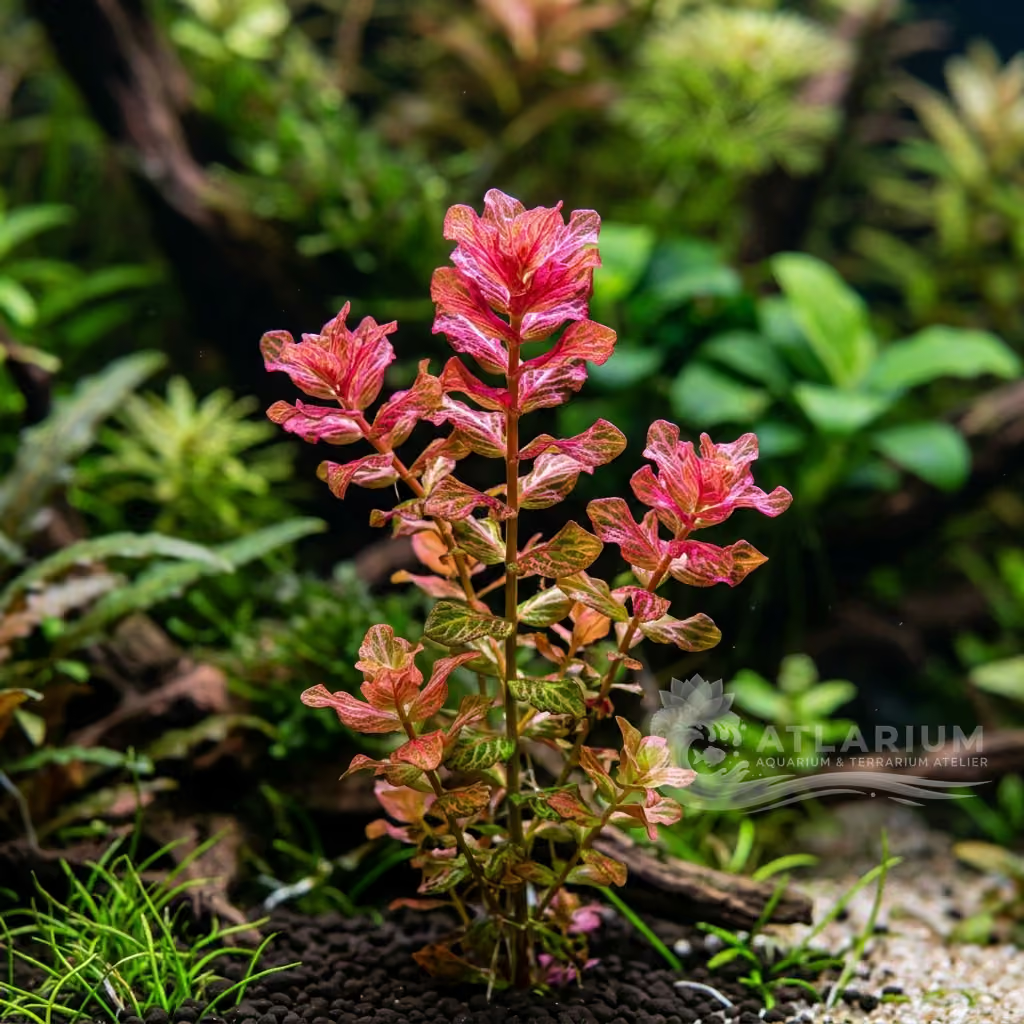
Proserpinaca pectinata
Proserpinaca pectinata
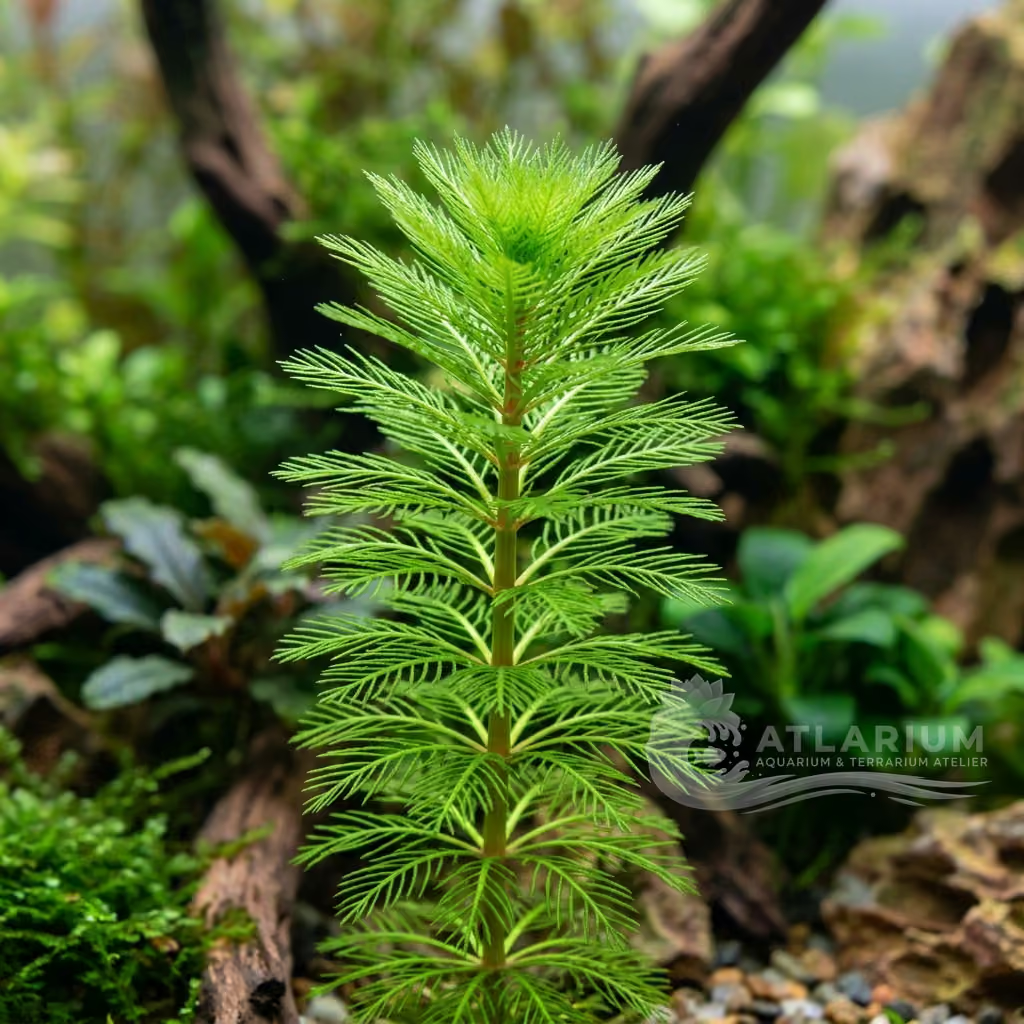
Proserpinaca pectinata is a striking medium-growth stem plant, ideal for midground placement, known for its unique comb-like leaves and ability to display vibrant orange to red hues. It thrives under medium to high light and benefits significantly from CO2 supplementation and adequate nutrition to achieve its full color potential.
Water Temperature
10 - 28 °C
pH Value
5 - 7
Water type
Freshwater
Light
Medium - High
CO2
Low - High
KH
0 - 14 dKH

Species description
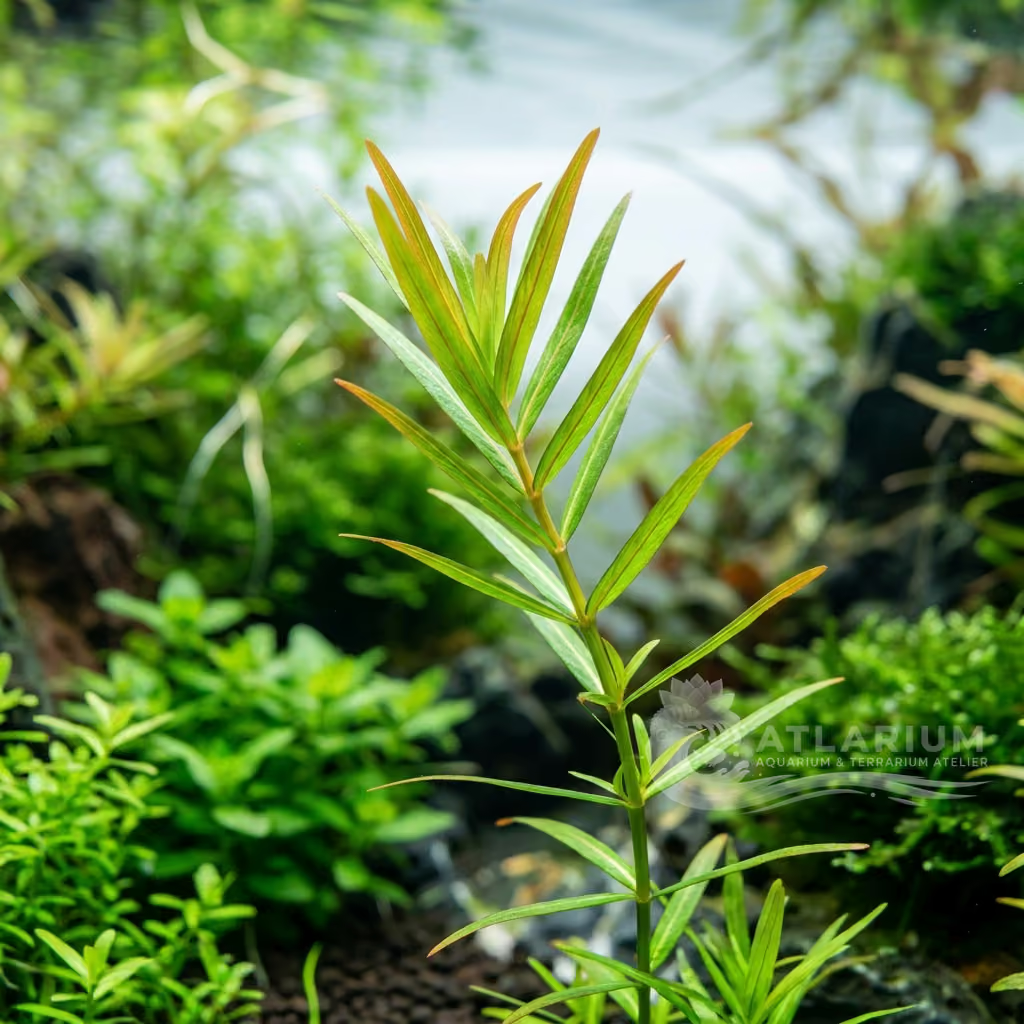
Geographical Origin and Habitat: Proserpinaca pectinata originates from the southeastern United States, particularly Florida and adjacent coastal areas, where it thrives in diverse aquatic and semi-aquatic environments. It is commonly found in swamps, ditches, and the margins of slow-moving streams and lakes, growing both fully submerged and emergent with leaves exposed to the air. This remarkable adaptability to amphibious conditions allows it to develop different leaf morphologies, a phenomenon known as heterophylly, depending on its environment, making it a truly captivating species for aquariums.
Taxonomy & Genetics: Belonging to the family Haloragaceae, Proserpinaca pectinata is closely related to other popular aquatic plants such as Myriophyllum. The specific epithet "pectinata" is derived from Latin, referring to the comb-like appearance of its submersed leaves, which is a distinctive characteristic of the species. Genetically, this plant has evolved complex adaptive mechanisms for photosynthesis in an aquatic environment, allowing it to thrive under varying light conditions and efficiently assimilate nutrients from the water column, showcasing its robust natural heritage.
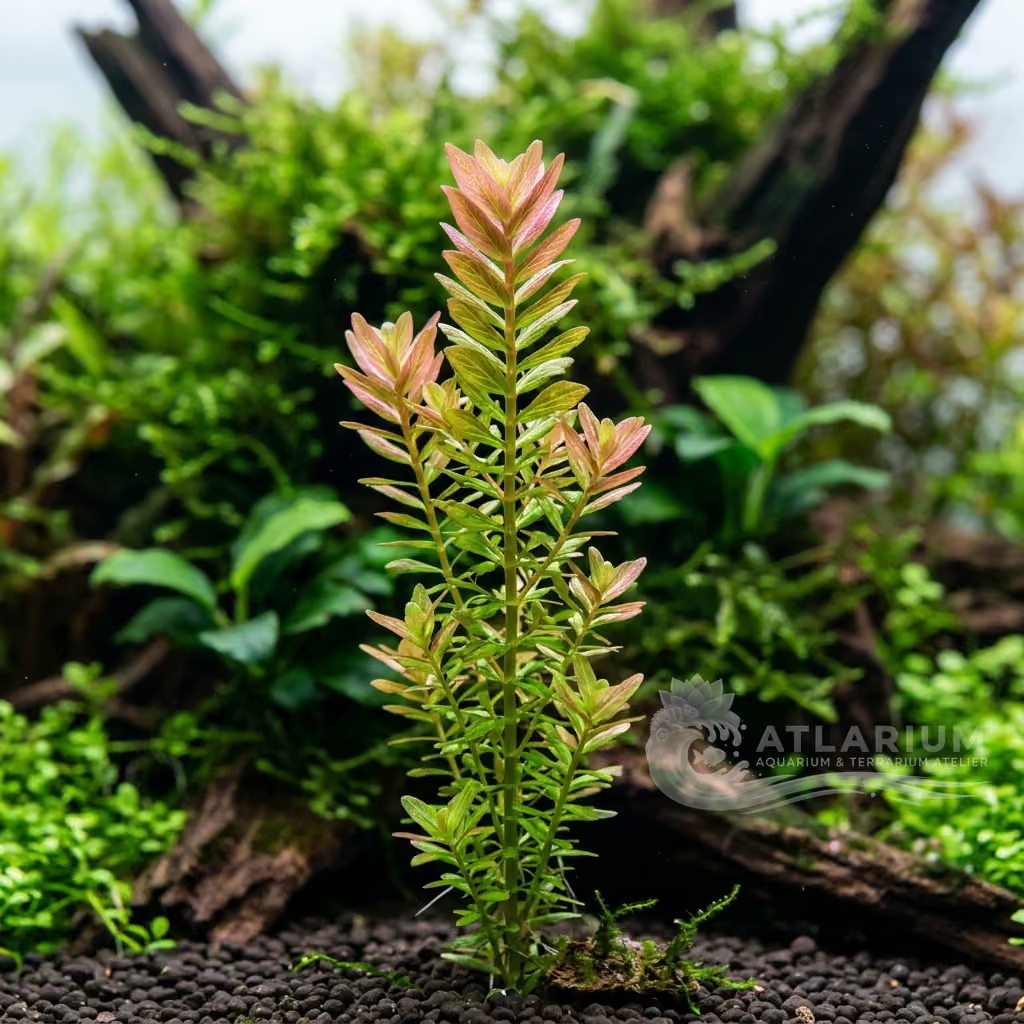
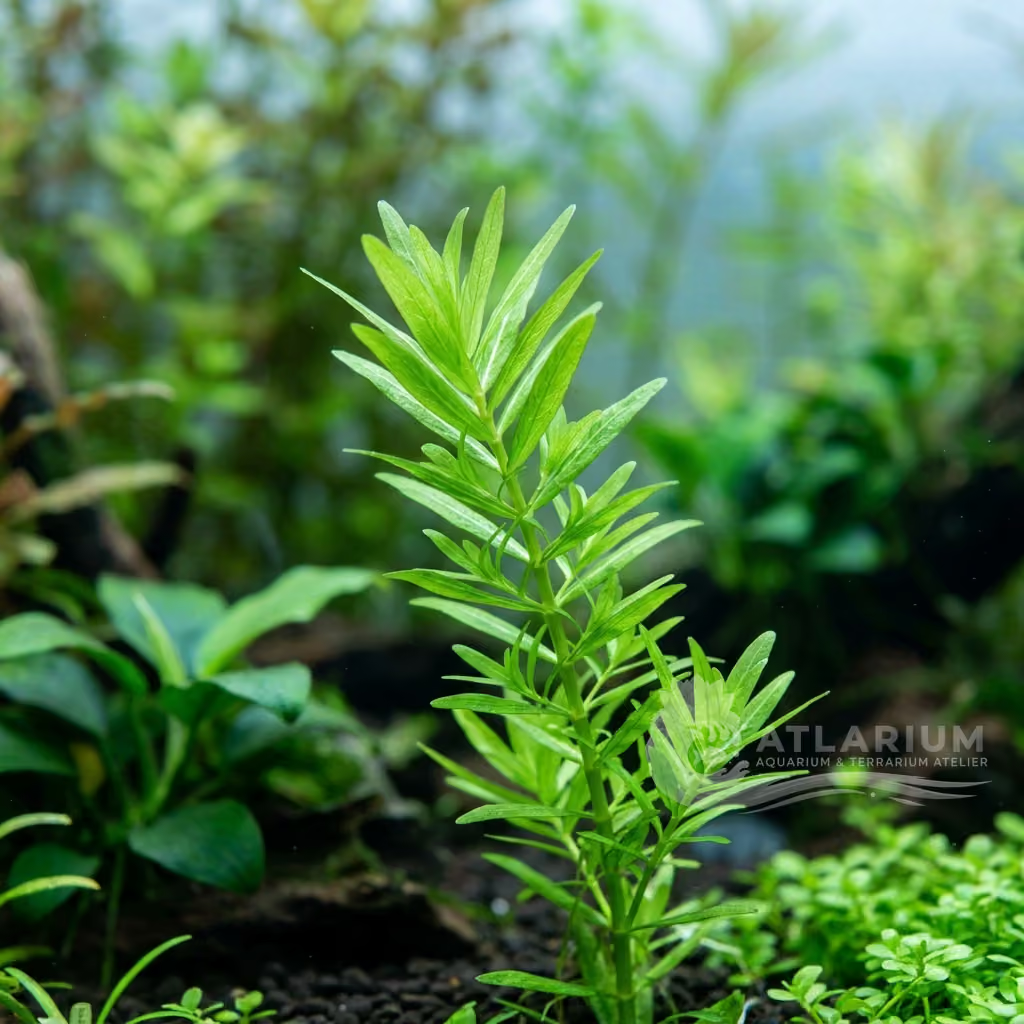
Physical Structure: Proserpinaca pectinata is a stem plant characterized by its robust, upright growth habit, with stems that can reach considerable lengths under optimal conditions. Its submersed leaves are the most distinctive feature, appearing finely incised or "pectinate," with delicate, stiff segments regularly arranged along the central vein. These leaves are typically arranged in whorls along the stem, giving the plant a dense and highly structured appearance that makes it an excellent focal point in any aquascape.
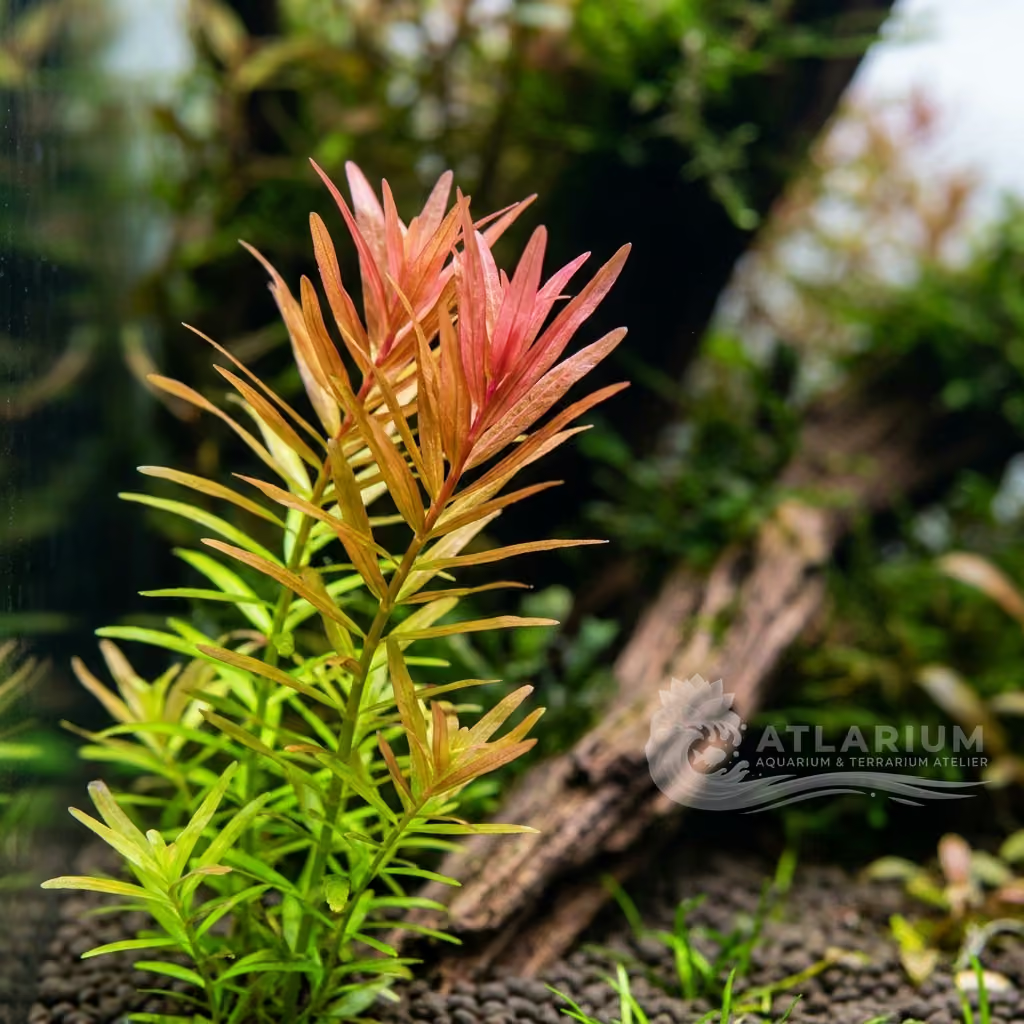
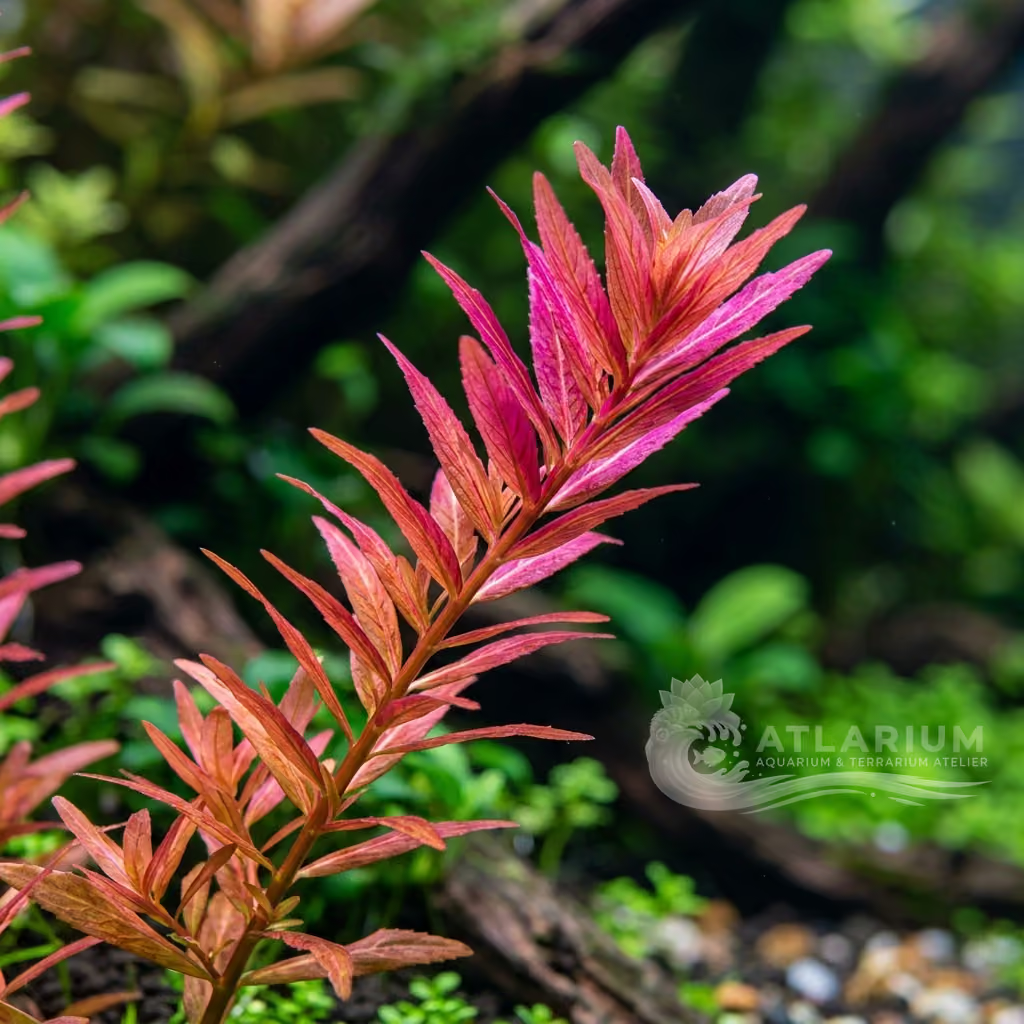
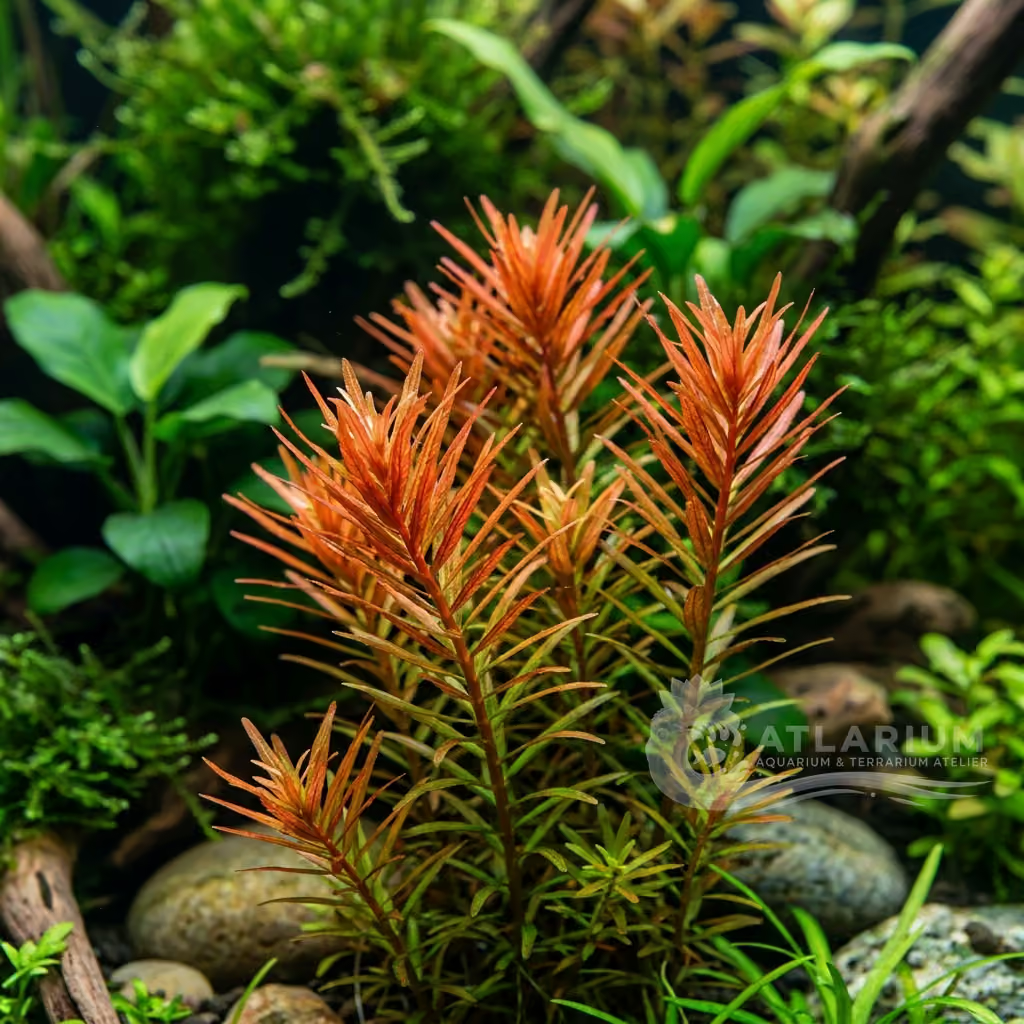
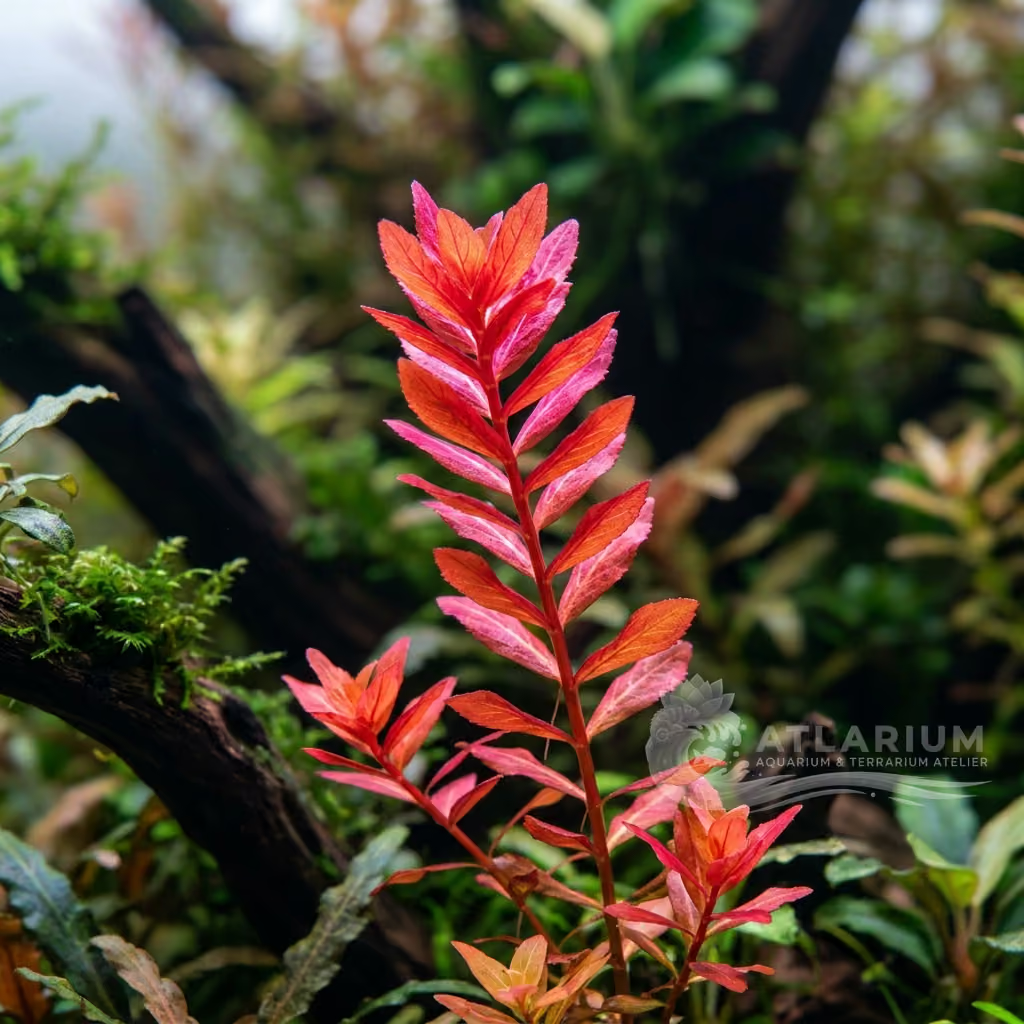
Color & Texture: The coloration of Proserpinaca pectinata is one of its most appealing attributes; under moderate light conditions, the leaves maintain a bright green hue. However, with increased light intensity and proper nutrient supplementation, the tips and upper leaves develop stunning shades of orange, copper, or deep burgundy. This chromatic transformation is a direct indicator of the plant's health and the success of its cultivation conditions. The texture of its finely serrated leaves is delicate yet resilient, adding a unique tactile and visual dimension to the aquatic environment.

Care, breeding and tankmates
Lighting & CO2: Proserpinaca pectinata demands medium to high lighting conditions to fully thrive and develop its characteristic reddish coloration. Insufficient light will lead to leggy growth, pale green leaves, and a diminished aesthetic appeal, failing to showcase its unique beauty. CO2 supplementation is highly recommended, and almost essential, to achieve robust growth and intensify the plant's red tones, as it significantly enhances the photosynthetic rate necessary for pigment production. Consistent CO2 injection at moderate to high levels will boost overall plant vigor and color depth.
Nutrition & Substrate: This plant benefits significantly from a nutrient-rich substrate, preferring sandy or gravelly bottoms enriched with aquascaper-specific fertile substrates or root tabs placed directly beneath its root system. While it can absorb nutrients from the
Water Chemistry: For Proserpinaca pectinata, the ideal water temperature range is between 10.0 and 28.0 C, though it flourishes best in the warmer spectrum of 20-26 C for optimal growth and coloration. It exhibits good tolerance to a wide range of KH, from 2 to 12, and prefers a slightly acidic to neutral pH, typically between 6.0 and 7.5. Maintaining stable water parameters within these ranges is more critical than hitting exact values, as sudden fluctuations can stress the plant and hinder its development.
Space Management & Placement: Given its recommended midground placement, Proserpinaca pectinata should be planted in dense groups to create an impactful visual display, offering a striking chromatic contrast against greener plants. As it grows, it can become quite bushy, so it's important to provide ample space between groups to ensure adequate water circulation and light penetration to all parts of the plant. Its upright growth habit makes it perfect for defining sections of the aquarium or establishing a vibrant focal point within the layout.
Pruning: Pruning is a crucial aspect of Proserpinaca pectinata care, not only for maintaining its shape but also for promoting denser, more branched growth. When stems reach the water surface or become excessively long, it is advisable to trim the apical tips. This encourages the plant to produce new lateral shoots from the lower nodes, resulting in a bushier and more compact clump. The trimmed tips can be easily replanted into the substrate to propagate new plants, ensuring a continuous supply and expansion of this captivating species.
Risks & Diseases: Proserpinaca pectinata is relatively hardy but can exhibit issues if conditions are not optimal. Iron deficiency is a common problem, manifesting as young leaves remaining green or developing a yellowish hue, thereby preventing the desirable red coloration. Insufficient lighting or a lack of CO2 can lead to slow, leggy growth with weaker stems. Like many medium-growth stem plants, it can be susceptible to algae growth on its leaves if there's an imbalance in light, CO2, and nutrient levels, underscoring the importance of maintaining a stable aquatic environment.

Geographic origin and distribution
Proserpinaca pectinata originates from the southeastern United States, particularly Florida and adjacent coastal areas, where it thrives in diverse aquatic and semi-aquatic environments. It is commonly found in swamps, ditches, and the margins of slow-moving streams and lakes, growing both fully submerged and emergent with leaves exposed to the air. This remarkable adaptability to amphibious conditions allows it to develop different leaf morphologies, a phenomenon known as heterophylly, depending on its environment, making it a truly captivating species for aquariums.
Origin
North America

Plant profile
- Placement
- Midground
- This visually striking plant belongs in the midground or background of the aquascape. Planting it in dense groups creates a powerful focal point of color. Ensure it is placed in a location where it receives unobstructed, intense lighting. Trimming it into a neat, sloping bush enhances the overall depth of the aquarium.
- Botanical form
- Stem
- Botanically, Proserpinaca pectinata exhibits comb-like, highly divided leaves along an upright, fleshy stem. The leaves undergo significant morphological changes depending on environmental conditions, often becoming more intricate under high light. The dramatic orange-red hues appear most intensely on the newest top growth. Its robust structure provides excellent contrast against plain green species.
- Growth
- Medium
- Its growth rate is relatively fast when provided with high light, CO2 injection, and rich nutrients. It will rapidly race toward the water surface, necessitating frequent trimming to maintain its shape. Without CO2 or strong light, growth slows down considerably and the stems may become leggy. Consistent pruning encourages branching and a thicker bush.
- Substrate
- High
- A nutrient-rich aqua soil is highly recommended to support the extensive root network of this stem plant. A deep, fertile substrate allows it to anchor firmly and draw up essential macronutrients. While it can survive in inert substrates, it will require aggressive root tab supplementation. Fine to medium grain sizes work best for delicate stem insertion.
- Column fertilization
- Recommended
- Liquid fertilization is crucial to supplement the micronutrients and potassium not fully provided by the substrate. Dosing a comprehensive fertilizer ensures the leaves remain robust and free of pinholes. Specialized iron supplements are highly beneficial to enhance its vivid red pigments. Consistent water column nutrients prevent the lower leaves from deteriorating.
- Root fertilization
- Recommended
- As a heavy root feeder, Proserpinaca pectinata thrives when its roots have access to concentrated nutrients. Using a high-quality aqua soil or inserting root tabs deeply into the substrate promotes thick, healthy stems. Replenish root tabs every few months to ensure uninterrupted growth. A well-fed root system is the foundation for its striking upper foliage.
- Trimming
- Regular
- Trim the tops and replant them. The lower stem often struggles to rebound after cutting, so replacing old bottoms with fresh, healthy tops is the recommended pruning method.
- Propagation
- Cuttings
- Propagation is performed simply by taking stem cuttings. Cut the top portion of a healthy stem and gently replant it into the substrate. The newly planted top will quickly develop roots, while the original cut stem will sprout multiple new side shoots. This process is key to achieving a dense, colorful thicket.
- Sensitivity
- Moderate
- Highly sensitive to sudden parameter shifts, particularly drops in CO2 or low light. Poor conditions will cause the leaves to lose their intricate pectinate shape and melt.
- Layout role
- Midground, accent
- An excellent texture plant. The very fine, feathery foliage contrasts beautifully with broad-leaved plants, adding a delicate, lacy visual element to the aquascape.

Related species
Recommendations grouped by close relatives, companion choices, and similar care.