Myriophyllum aquaticum ("Normalform")
Myriophyllum aquaticum ("Normalform")
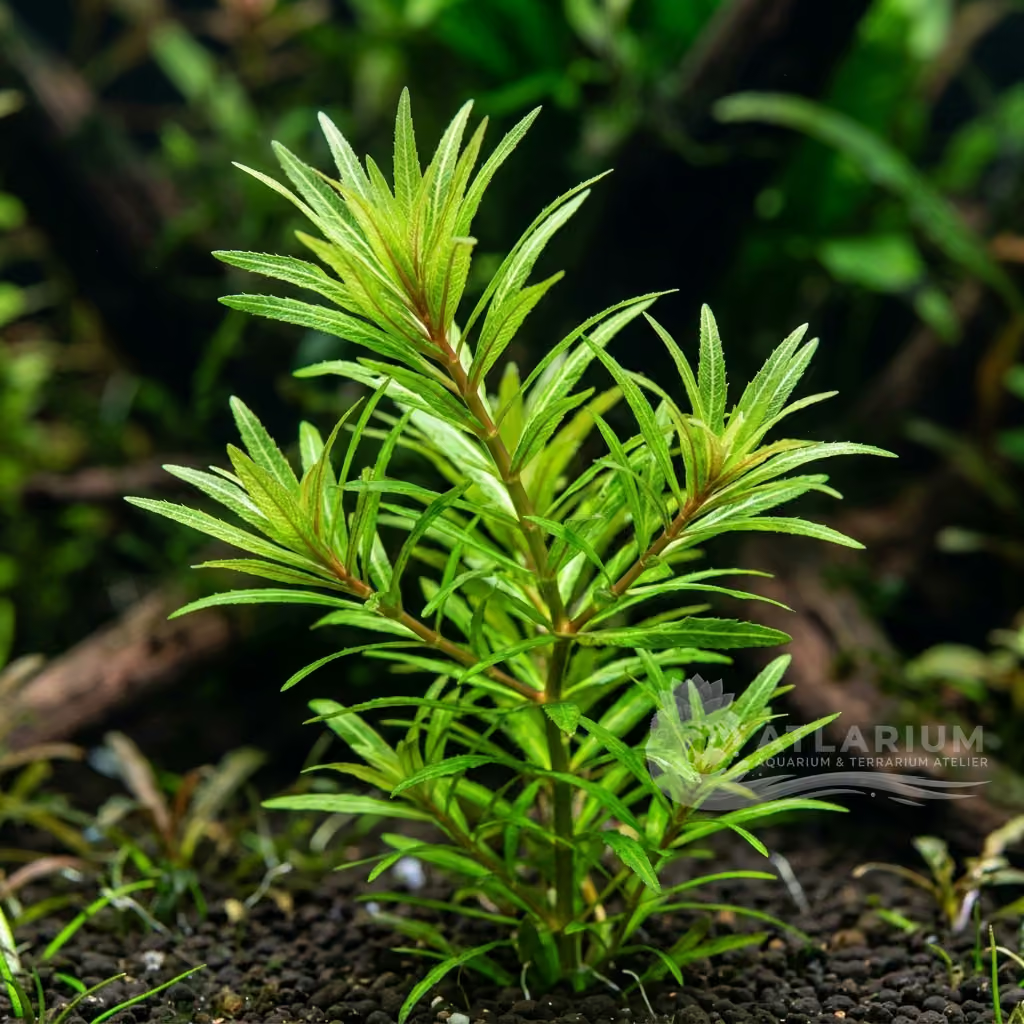
Myriophyllum aquaticum ("Normalform") is a vigorous, fast-growing stem plant ideal for the midground of an aquascape, where its dense, feathery foliage creates a lush, naturalistic effect. Its rapid growth and distinctive texture make it a dynamic focal point or excellent filler in planted aquariums.
Water Temperature
4 - 28 °C
pH Value
5 - 7.5
Water type
Freshwater
Light
Medium to High
CO2
High
Expected height
50 cm
KH
2 - 14 dKH

Species description
Geographical Origin and Habitat: Myriophyllum aquaticum, often called Parrot's Feather, originates from the Amazon basin in South America, particularly Brazil, and has since naturalized across many parts of the world, including North America, Europe, and Asia. In its native habitat, it thrives in slow-moving or stagnant freshwater bodies such as ponds, ditches, and the margins of rivers and lakes, growing both submerged and emergent. The emergent form, characterized by sturdier stems and more rigid leaves, often forms dense mats that can cover significant surface areas.
Taxonomy & Genetics: Belonging to the family Haloragaceae, Myriophyllum aquaticum is a species within the genus Myriophyllum, which comprises around 69 known species of aquatic plants. The "Normalform" designation indicates the typical, standard morphological presentation of the species, distinguishing it from any potential cultivated varieties or mutations that might exhibit altered leaf structures or
Color & Texture: ation. Genetic studies confirm its distinct species status, often differentiated from other Myriophyllum species by its unique leaf arrangement and robust growth habit.
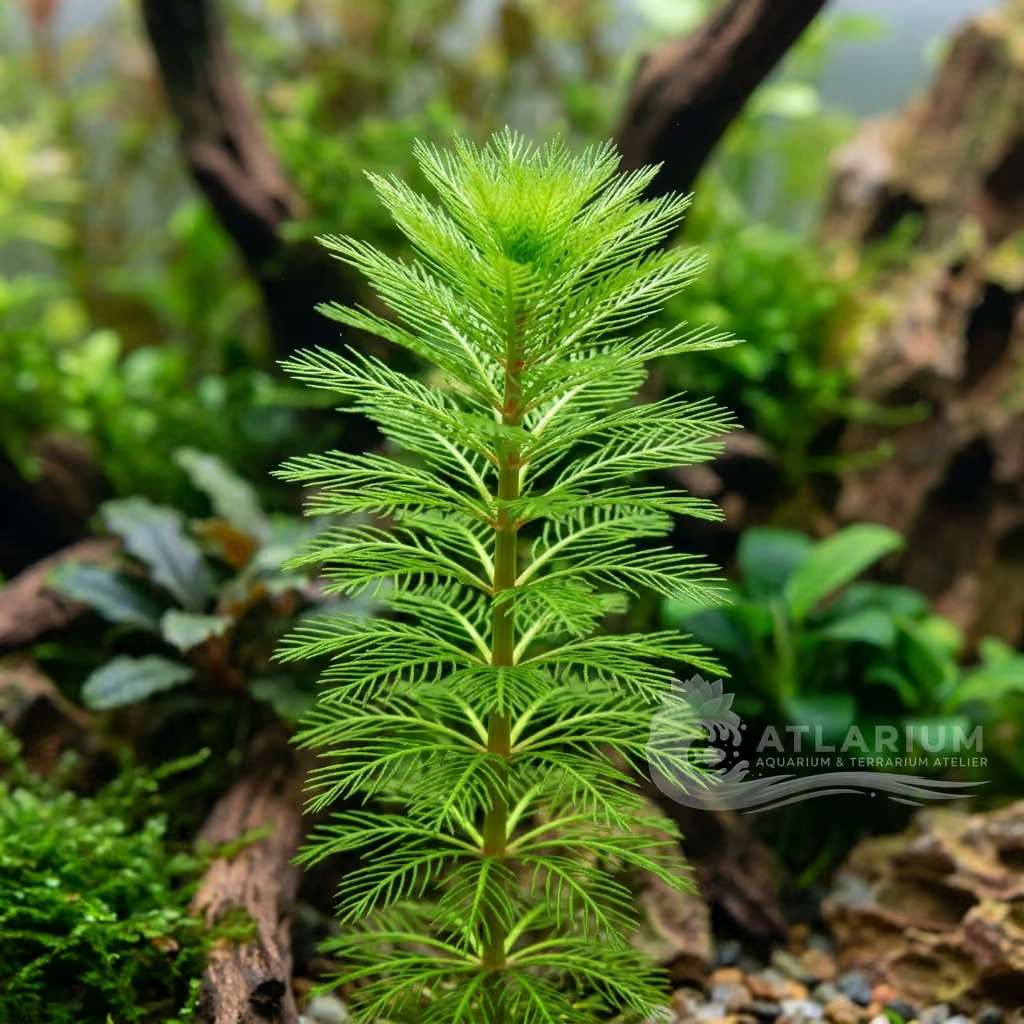
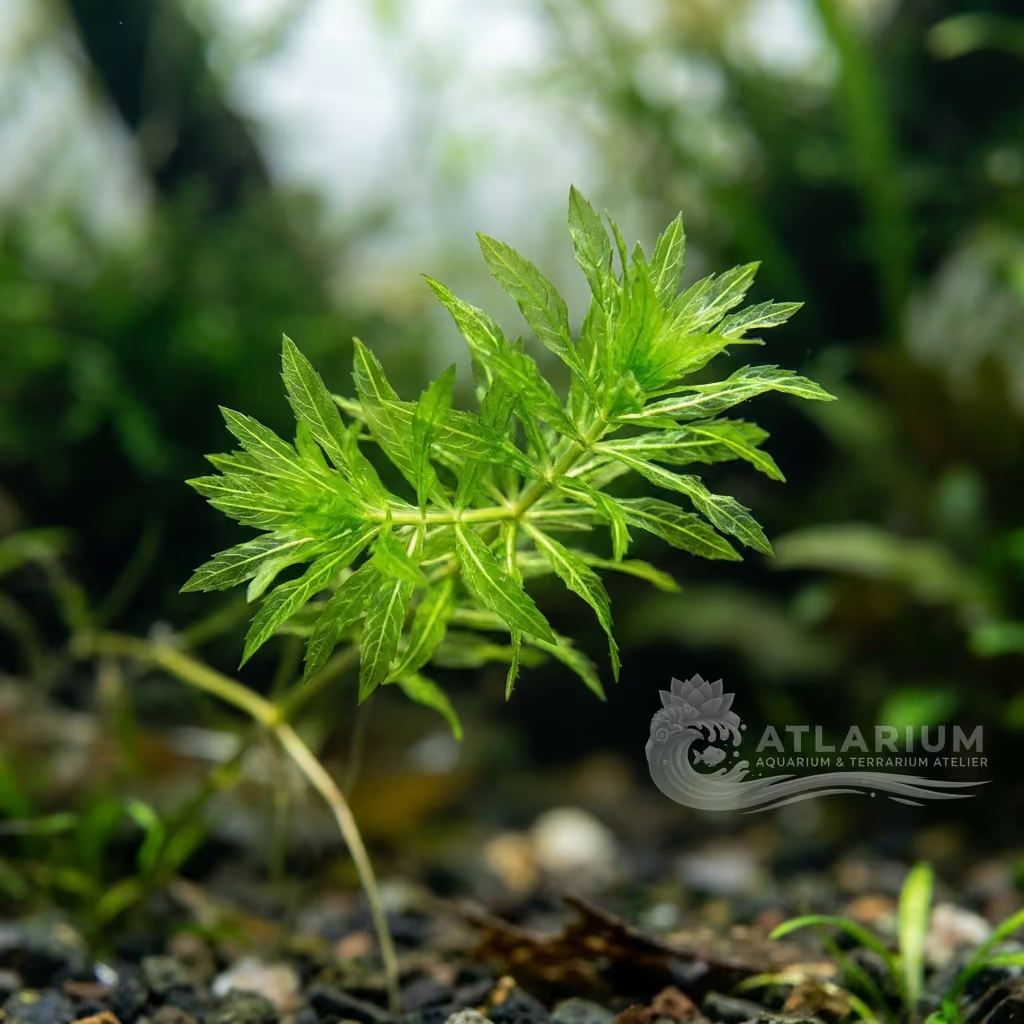
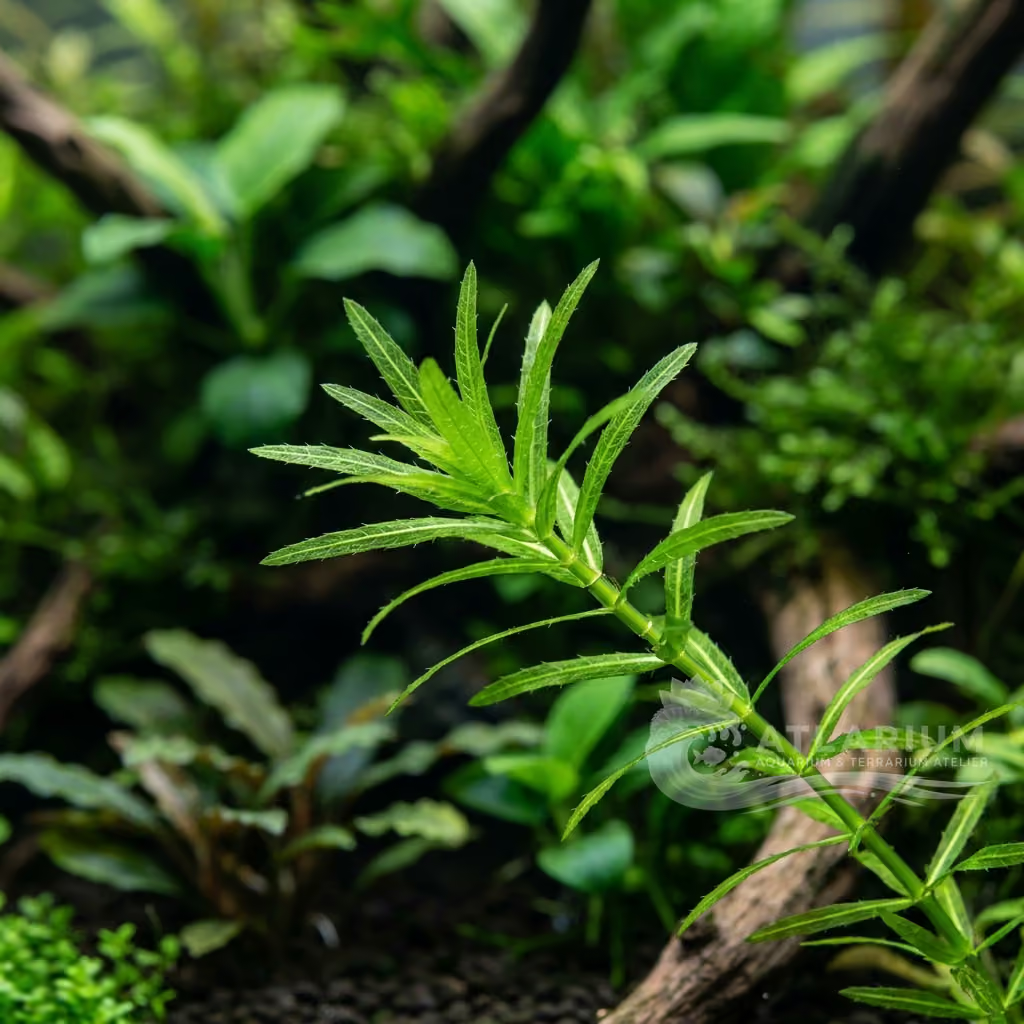
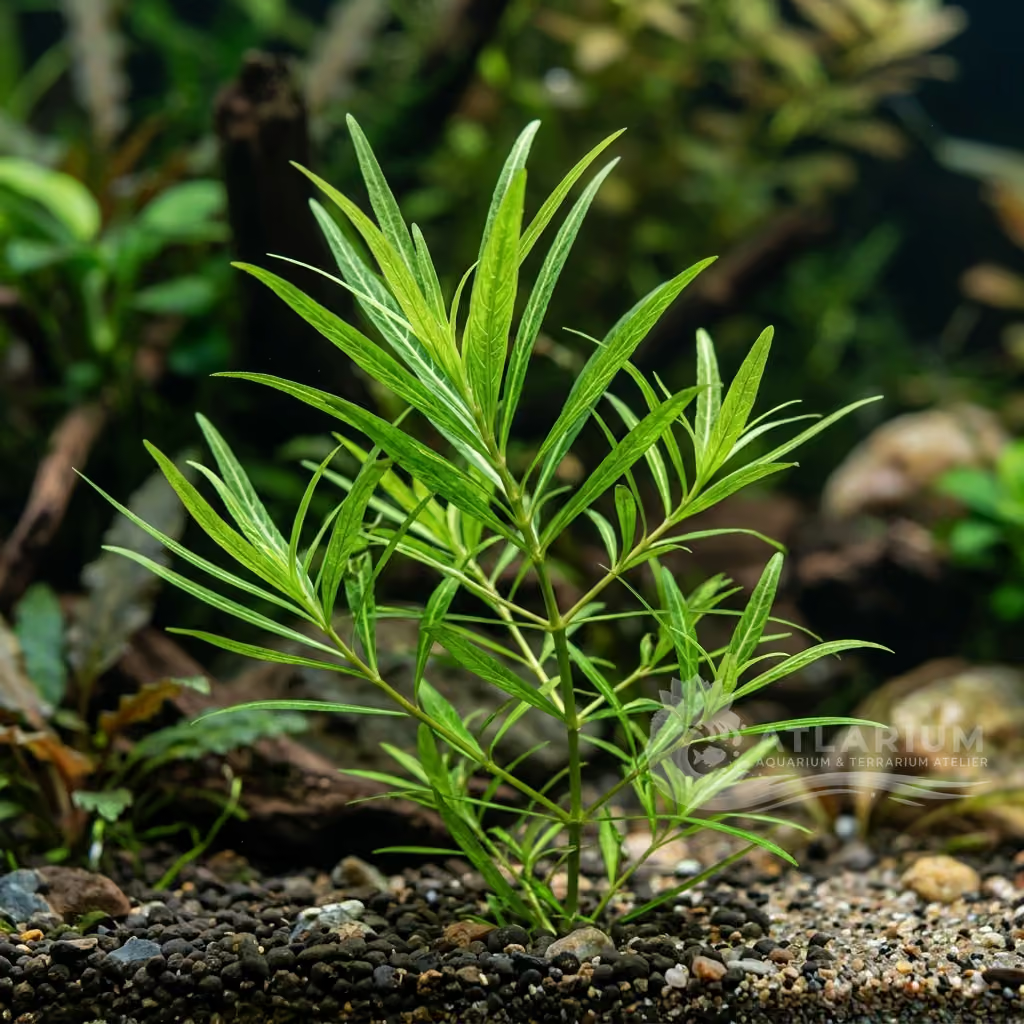
Physical Structure: The physical structure of Myriophyllum aquaticum is characterized by robust, branching stems that can reach impressive lengths, often exceeding 30-50 cm in an aquarium setting. Its most distinctive feature is the finely pinnate leaves, arranged in whorls of four to six around the stem, giving it a delicate, feather-like appearance. These leaves are typically rigid in emergent growth but become softer and more elongated when fully submerged, adapted for efficient nutrient absorption from the water column. The plant develops a robust root system that anchors it firmly into the substrate and also contributes to nutrient uptake.
Color & Texture: Myriophyllum aquaticum ("Normalform") exhibits a vibrant, fresh green coloration, which can intensify to a lighter, almost lime-green hue under optimal lighting conditions. The feathery texture of its finely divided leaves creates a soft, ethereal visual quality that contrasts beautifully with broad-leaved plants. Under intense light and appropriate nutrient dosing, particularly iron, some subtle reddish or bronze tips might develop on the newer growth, adding a nuanced depth to its overall appearance. The emergent form typically displays a more saturated, slightly darker green.

Care, breeding and tankmates
Lighting & CO2: Myriophyllum aquaticum requires Medium to High lighting to flourish and maintain its dense, compact growth habit. Insufficient light will cause it to stretch, lose its lower leaves, and develop a leggy appearance, diminishing its aesthetic appeal. While CO2 injection is not strictly mandatory, providing supplemental carbon dioxide significantly boosts its growth rate, promotes bushier development, and enhances overall plant health, resulting in more vibrant coloration and robust stems. Aim for 20-30 ppm CO2 for optimal results.
Nutrition & Substrate: As a fast-growing stem plant, Myriophyllum aquaticum benefits significantly from a nutrient-rich substrate, though it also absorbs nutrients efficiently from the
Water Chemistry: Maintaining stable water parameters within the specified ranges is crucial for the health of Myriophyllum aquaticum. It thrives in temperatures between 4.0 - 28.0 C, a pH range of 5.0 - 7.5, and KH levels from 2.0 - 14.0. Sudden fluctuations in temperature or chemistry can stress the plant, leading to stunted growth or melting, so consistency is key. Regular water changes are recommended to replenish essential minerals and prevent the accumulation of waste products, ensuring a clean and stable environment.
Space Management & Placement: Given its very fast growth rate, Myriophyllum aquaticum is best placed in the midground of an aquascape, where its feathery texture can soften hardscape elements or create a lush backdrop for smaller plants. However, due to its potential height, it can also serve as a striking background plant in larger tanks if allowed to grow tall. Regular trimming is essential to prevent it from overshadowing other plants and to maintain the desired aquascape layout, ensuring adequate light penetration to lower leaves.
Pruning: Pruning Myriophyllum aquaticum is essential for maintaining its shape, promoting bushier growth, and preventing it from overgrowing the aquarium. The most common method involves trimming the tops of the stems, just above a leaf node, which encourages side shoots to develop, leading to a denser plant. The trimmed tops can then be replanted into the substrate to propagate new plants, effectively multiplying your stock and filling out barren areas. Regular, light pruning is more beneficial than infrequent, heavy cuts.
Risks & Diseases: Myriophyllum aquaticum is generally a hardy plant, but it can face certain risks in an aquarium environment. Rapid, unchecked growth can deplete nutrients quickly, leading to deficiencies manifesting as yellowing or browning leaves, making it susceptible to algae growth if nutrient balance is not maintained. Sudden changes in water parameters, particularly extreme shifts in pH or temperature, can induce melting of its delicate submerged foliage. Close monitoring of its growth and health is crucial to prevent these issues.

Geographic origin and distribution
Myriophyllum aquaticum, often called Parrot's Feather, originates from the Amazon basin in South America, particularly Brazil, and has since naturalized across many parts of the world, including North America, Europe, and Asia. In its native habitat, it thrives in slow-moving or stagnant freshwater bodies such as ponds, ditches, and the margins of rivers and lakes, growing both submerged and emergent. The emergent form, characterized by sturdier stems and more rigid leaves, often forms dense mats that can cover significant surface areas.
Origin
Amazon, Orinoco, and Guianas

Plant profile
- Placement
- Midground
- Due to its rapid vertical growth, it is best placed in the background of the aquarium. It looks most impressive when planted in large, dense groups to create a textured, forest-like effect. Regular trimming is needed to prevent it from shadowing midground plants.
- Botanical form
- Stem
- This species features a classic stem plant structure with incredibly fine, pinnate leaves arranged in whorls around the stem. The finely divided foliage gives it a soft, feathery texture. It has a strong tendency to grow straight up toward the light source.
- Growth
- VERY_FAST
- It exhibits a very fast growth rate, especially under optimal high-tech conditions. It can grow several inches per week and will quickly reach the water's surface. Frequent pruning is required to keep the plant bushy and contained.
- Substrate
- Medium
- A nutrient-rich aqua soil is the ideal substrate for this fast-growing stem plant. It develops a substantial root system that heavily draws nutrients from the soil. While it can survive in gravel, its growth will be less dense and vibrant without a fertile base.
- Column fertilization
- Recommended
- Comprehensive liquid fertilization is essential to sustain its rapid growth rate. It readily absorbs nutrients directly from the water column through its finely divided leaves. Consistent dosing helps maintain internode density and overall vibrant color.
- Root fertilization
- Recommended
- Root tabs are highly recommended, even if liquid fertilizers are used. The plant utilizes its deep root system to access extra nutrients from the substrate, promoting thicker, sturdier stems. Substrate fertilization is especially helpful in older setups where soil nutrients have depleted.
- Trimming
- Occasional
- Trimming must be done regularly to prevent it from shading out the rest of the aquarium. The tops can be cut and replanted to keep the stand looking fresh and bushy. Discarding the older, leafless bottom sections is often necessary.
- Propagation
- Cuttings
- Propagation is simple and straightforward via stem cuttings. Snipping the top portion of a healthy stem and planting it into the substrate will quickly yield a new plant. The rooted bottom half will typically produce multiple side shoots, increasing the bushiness of the stand.
- Sensitivity
- Moderate
- It is highly adaptable but prone to shedding its lower leaves if lighting is insufficient. It prefers cooler to moderate temperatures and can struggle in very warm discus tanks. High flow is beneficial to keep its fine leaves free of detritus.
- Layout role
- Midground, Background
- Parrot's Feather is fantastic for providing a feathery, textured background. It is particularly popular in pond edges, paludariums, and open-top aquariums where it can grow out of the water. Its ability to absorb excess nutrients makes it highly functional.

Related species
Recommendations grouped by close relatives, companion choices, and similar care.