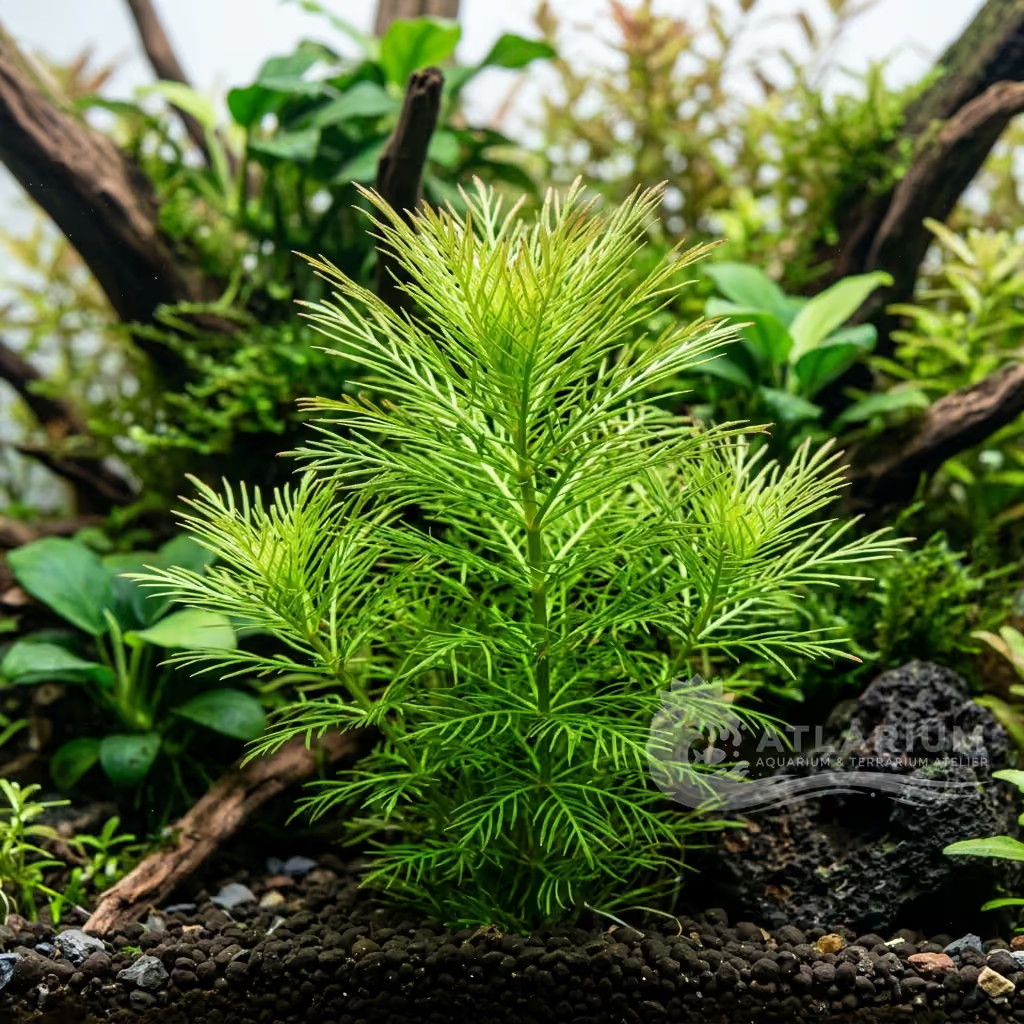
Myriophyllum mattogrossense
Myriophyllum mattogrossense
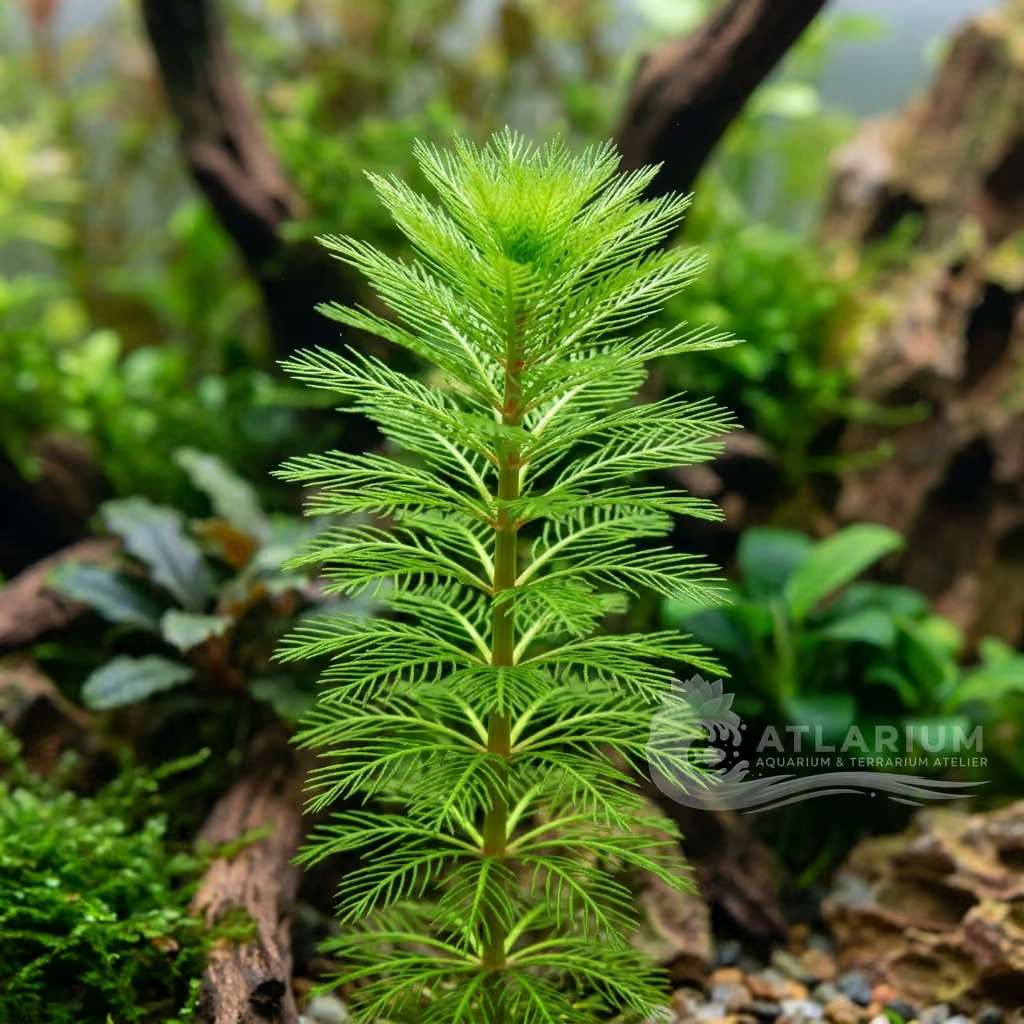
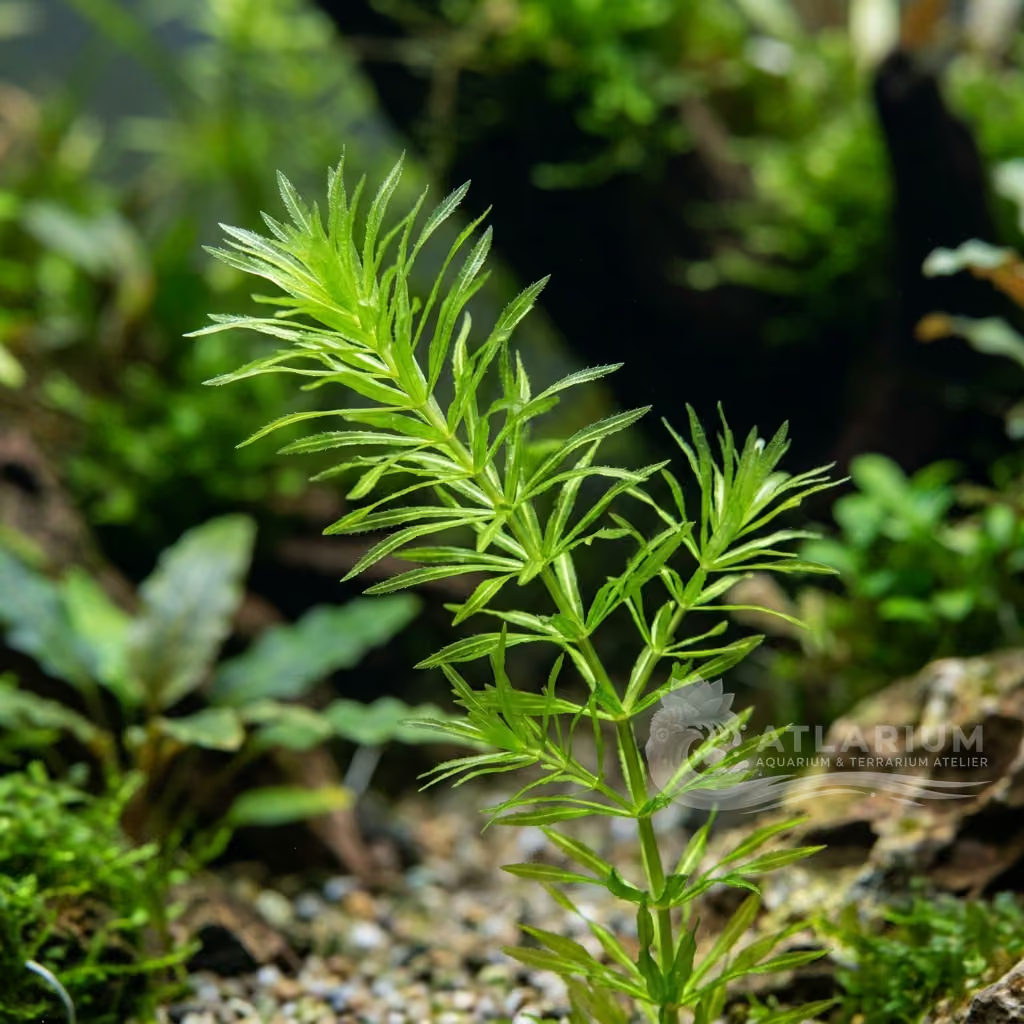
Myriophyllum mattogrossense is a beautiful, fast-growing stem plant perfectly suited for the midground of an aquascape. Its finely dissected leaves create a feathery texture and delicate visual effect, offering a vibrant focal point within the layout.
Water Temperature
18 - 28 °C
pH Value
5 - 7.5
Water type
Freshwater
Light
Medium to High
CO2
High
Expected height
60 cm
KH
2 - 10 dKH

Species description
Geographical Origin and Habitat: Hailing from the tropical regions of South America, specifically the Mato Grosso province in Brazil, Myriophyllum mattogrossense naturally thrives in freshwater aquatic habitats. It is typically found in slow-moving streams, ponds, and marshy areas, often anchored to the sandy or muddy substrate of these environments. Its ability to adapt to both submerged and emergent conditions in its natural range highlights its robustness and versatility.
Taxonomy & Genetics: Belonging to the Haloragaceae family, Myriophyllum mattogrossense is classified as a distinct species within the Myriophyllum genus, known for its finely divided aquatic foliage. The specific epithet "mattogrossense" directly references its geographical origin, indicating its prevalence in the Mato Grosso region. This botanical classification distinguishes it from other Myriophyllum varieties, which are often identified by their unique leaf structures or specific environmental requirements.
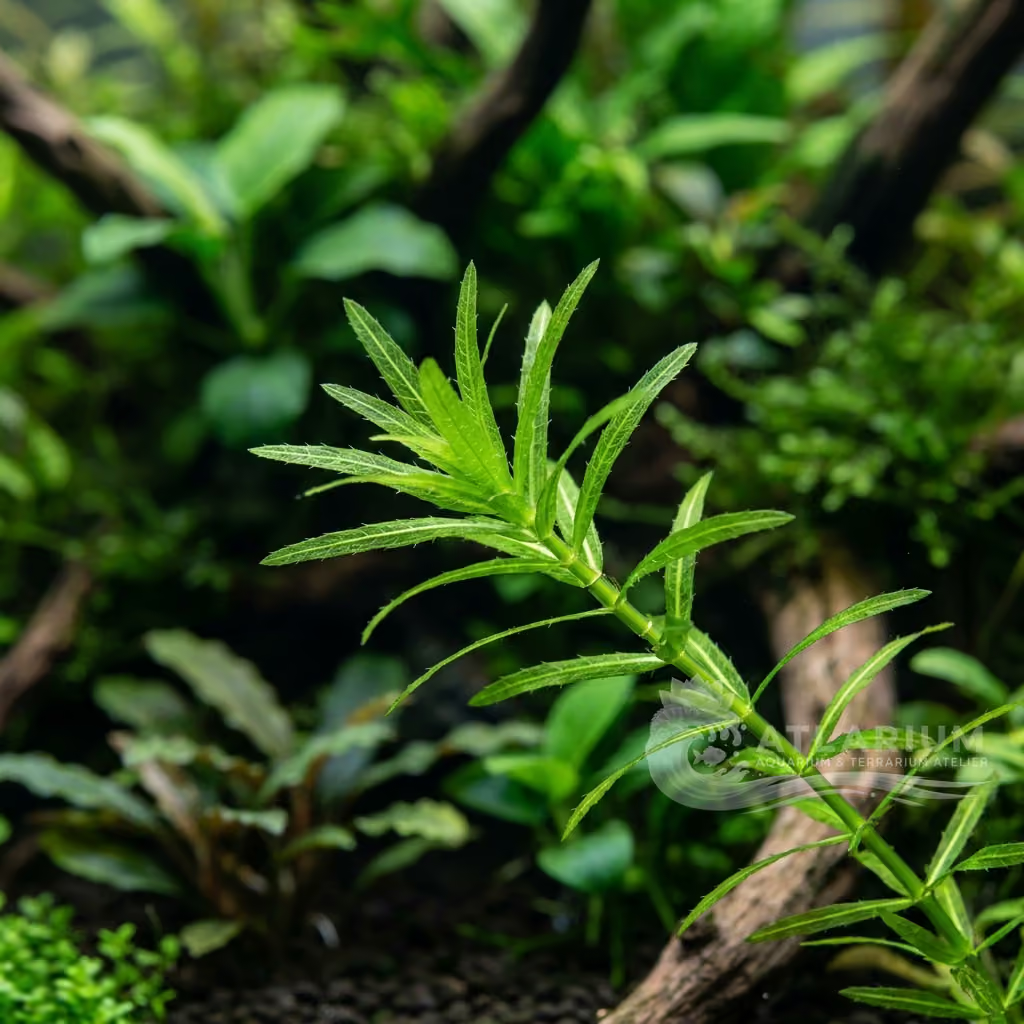
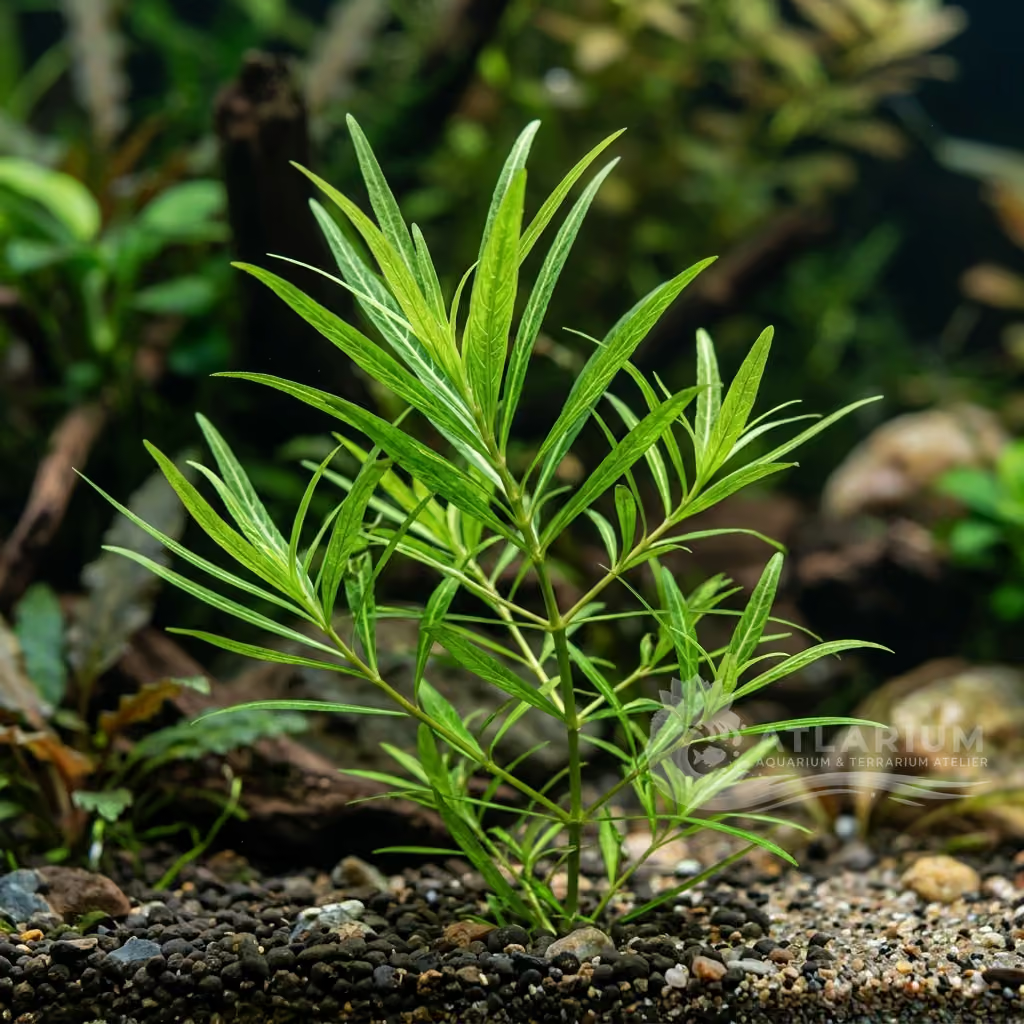
Physical Structure: This stem plant is characterized by long, slender stems that can reach considerable heights in the aquarium, featuring well-spaced internodes. Its leaves are arranged in delicate whorls along the stem and are finely dissected, almost filiform, giving the plant a feathery and airy appearance. This intricate structure allows the plant to sway gracefully with water movement, adding a dynamic quality to the aquatic landscape.
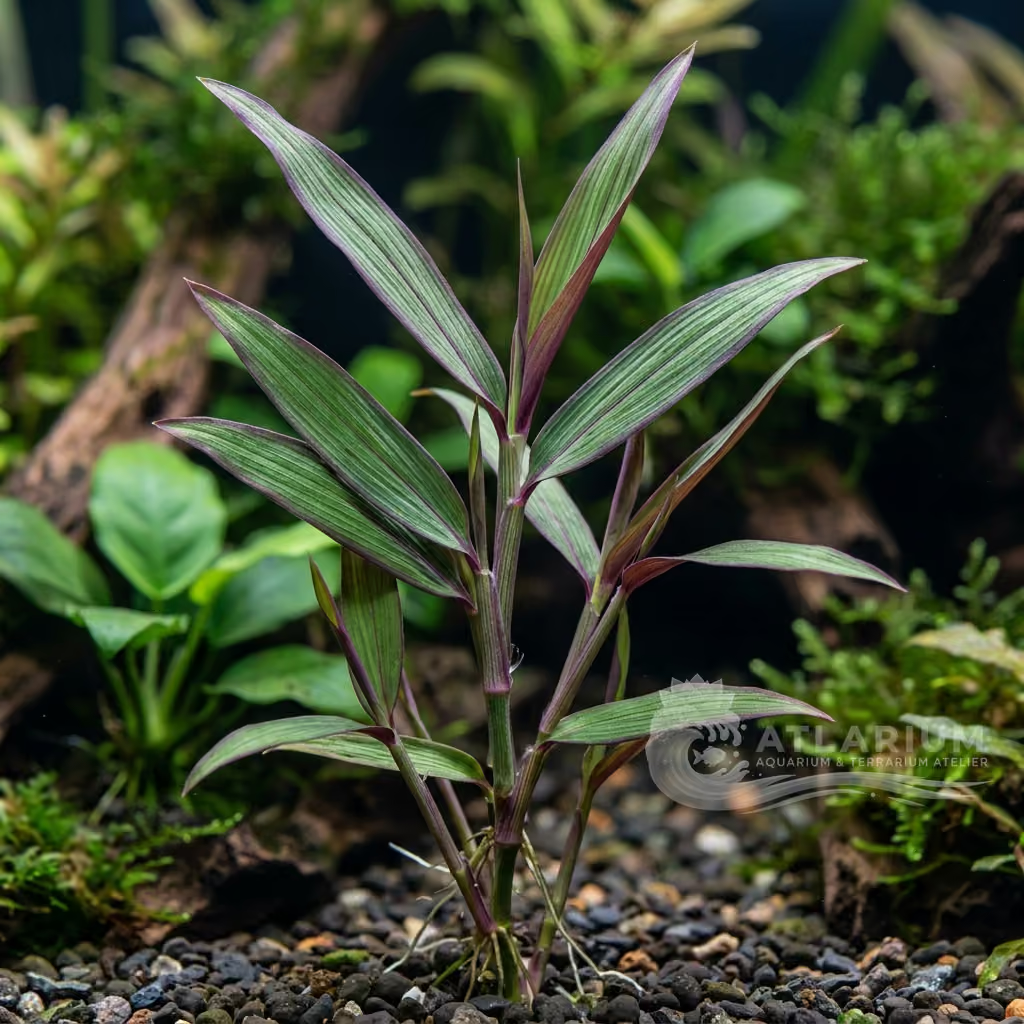
Color & Texture: The coloration of Myriophyllum mattogrossense is predominantly a vibrant, bright green under moderate light conditions. However, with intense illumination and proper nutrient supplementation, particularly iron, the leaf tips and upper stems can develop captivating shades ranging from pink, bronze, to deep red. The texture is incredibly ethereal and delicate to the touch, almost translucent underwater, creating a soft visual contrast with broader-leafed plants.

Care, breeding and tankmates
Lighting & CO2: For optimal growth and to enhance its vibrant coloration, Myriophyllum mattogrossense requires medium to high-intensity lighting. Insufficient light can lead to stunted growth, pale foliage, and increased internode spacing, resulting in a leggy appearance. CO2 injection is highly recommended; it accelerates growth, promotes lateral branching, and intensifies the reddish hues, helping to maintain a compact and lush plant.
Nutrition & Substrate: Myriophyllum mattogrossense is a demanding plant in terms of nutrients, benefiting from both root absorption and
Water Chemistry: For its prosperity, Myriophyllum mattogrossense prefers soft to moderately hard water, with a carbonate hardness (KH) ranging between 2.0 and 10.0. The ideal pH value falls within the slightly acidic to neutral range, between 5.0 and 7.5. Maintaining stable parameters within these ranges is crucial to prevent stress and leaf melting. A consistent water temperature between 18.0 and 28.0 °C will ensure efficient metabolism and vigorous growth.
Space Management & Placement: Given its potential for rapid growth and height, Myriophyllum mattogrossense is optimally placed in the midground or background of medium to large-sized aquariums. For maximum visual impact, it is advisable to plant it in dense groups, creating a feathery bush that adds depth and contrast. It is important to ensure that its growth does not excessively shade smaller foreground plants.
Pruning: Due to its fast growth, regular pruning is a fundamental aspect of maintaining Myriophyllum mattogrossense healthy and with the desired appearance. Pinching off the stem tops (apical pruning) not only controls height but also encourages the plant to develop lateral shoots, promoting a bushier and denser growth habit. The trimmed portions can be easily replanted to propagate the species or to further thicken the desired area.
Risks & Diseases: While Myriophyllum mattogrossense is generally robust, it can be susceptible to nutrient deficiencies, manifesting as pale leaves or stunted growth, particularly if iron is lacking. Algae presence can indicate an imbalance between light, CO2, and nutrients. Adaptation periods in new environments or drastic changes in water parameters can cause "melting," where leaves or entire sections of the plant dissolve, requiring careful monitoring.

Geographic origin and distribution
Hailing from the tropical regions of South America, specifically the Mato Grosso province in Brazil, Myriophyllum mattogrossense naturally thrives in freshwater aquatic habitats. It is typically found in slow-moving streams, ponds, and marshy areas, often anchored to the sandy or muddy substrate of these environments. Its ability to adapt to both submerged and emergent conditions in its natural range highlights its robustness and versatility.
Origin
Amazon, Orinoco, and Guianas

Plant profile
- Placement
- Midground
- Due to its rapid vertical growth, it is best placed in the background of the aquarium. It looks most impressive when planted in large, dense groups to create a textured, forest-like effect. Regular trimming is needed to prevent it from shadowing midground plants.
- Botanical form
- Stem
- This species features incredibly fine, pinnate leaves that spread wider than other variants, resembling small green snowflakes. The finely divided foliage gives it an exceptionally soft, feathery texture. It grows robustly in a vertical fashion, forming dense, bright green thickets.
- Growth
- Fast
- It exhibits a very fast growth rate, especially under optimal high-tech conditions. It can grow several inches per week and will quickly reach the water's surface. Frequent pruning is required to keep the plant bushy and contained.
- Substrate
- High
- A nutrient-rich aqua soil is the ideal substrate for this fast-growing stem plant. It develops a substantial root system that heavily draws nutrients from the soil. While it can survive in gravel, its growth will be less dense and vibrant without a fertile base.
- Column fertilization
- Recommended
- Comprehensive liquid fertilization is essential to sustain its rapid growth rate. It readily absorbs nutrients directly from the water column through its finely divided leaves. Consistent dosing helps maintain internode density and overall vibrant color.
- Root fertilization
- None
- Root tabs are highly recommended, even if liquid fertilizers are used. The plant utilizes its deep root system to access extra nutrients from the substrate, promoting thicker, sturdier stems. Substrate fertilization is especially helpful in older setups where soil nutrients have depleted.
- Trimming
- Occasional
- Trimming is essential and should be done often. You can cut the stems quite low, and they will rebound with multiple new shoots, further increasing the bush's density. The cut tops can be replanted, but often you will have more than you need.
- Propagation
- Cuttings
- Propagation is simple and straightforward via stem cuttings. Snipping the top portion of a healthy stem and planting it into the substrate will quickly yield a new plant. The rooted bottom half will typically produce multiple side shoots, increasing the bushiness of the stand.
- Sensitivity
- Moderate
- It is generally very robust but demands good lighting; lower sections will quickly rot if they are shaded by the upper canopy. Excellent water flow is required to deliver nutrients to the dense interior of the bush. It rarely suffers from algae if it is growing actively.
- Layout role
- Midground, Background
- M. mattogrossense is highly prized in aquascaping for its ability to create dense, bright green thickets. It offers a spectacular contrast when placed next to red plants or dark rocks. Its fine texture and ability to be shaped make it a staple in Dutch-style aquariums.

Related species
Recommendations grouped by close relatives, companion choices, and similar care.