PlantFreshwaterEasy
©AI Generated·Proprietary
Myriophyllum proprium
Myriophyllum proprium
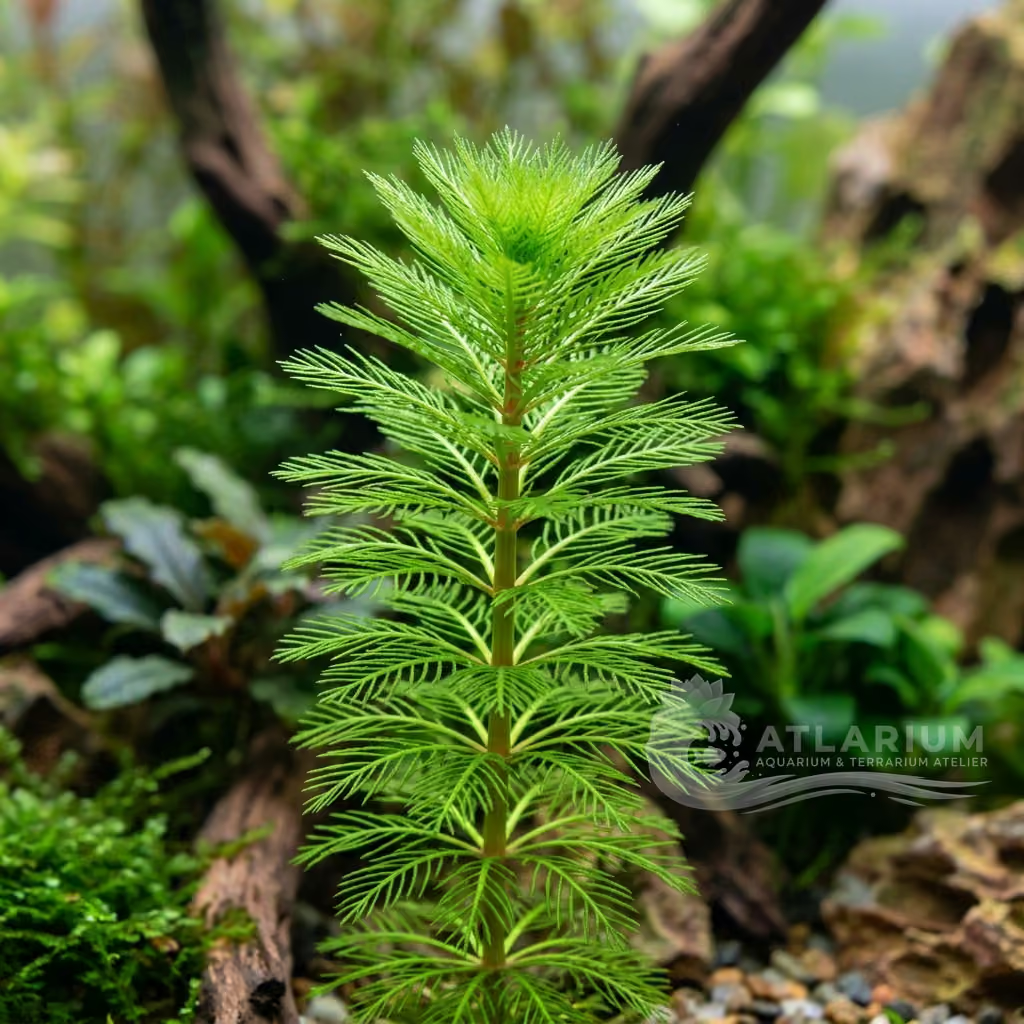
Myriophyllum proprium is an attractive midground stem plant, valued for its delicate foliage and moderate growth rate. It contributes to creating a lush and dynamic underwater landscape, while also providing excellent refuge for aquatic inhabitants.
Water Temperature
22 - 28 °C
pH Value
6 - 7.5
Water type
Freshwater
Light
Medium - High
CO2
Medium - High
Expected height
40 cm
KH
2 - 10 dKH

Species description
Geographical Origin and Habitat: Myriophyllum proprium, while not always specifically localized in literature as a species with a single restricted geographic origin, belongs to a genus widely distributed in temperate and subtropical regions globally. Myriophyllum species typically thrive in still or slow-moving freshwaters, such as ponds, shallow lakes, and tranquil streams, where they can anchor themselves in muddy or sandy substrates. The adaptability of this genus to various aquatic environments underscores its robustness and ability to colonize diverse habitats.
Taxonomy & Genetics: Classified within the Haloragaceae family, Myriophyllum proprium is part of a genus known for its submerged or semi-submerged aquatic plants. The nomenclature "proprium" suggests a species with distinctive characteristics that make it unique within the Myriophyllum genus, differentiating it from other often more common species like Myriophyllum aquaticum or Myriophyllum mattogrossense. Taxonomically, the Haloragaceae family comprises predominantly aquatic or wetland plants, many of which share the characteristic finely divided leaf structure that maximizes surface area for nutrient absorption and photosynthesis in an aquatic environment.
Physical Structure: Myriophyllum proprium presents itself as a stem plant with an upright stem, from which finely pinnate leaves are arranged in whorls. This arrangement gives the plant a dense, feathery appearance, branching laterally to form a voluminous green column. Its stems can reach considerable heights under optimal conditions, requiring regular pruning to maintain the desired shape within the aquarium. The delicate, brush-like structure of its leaves creates excellent contrast with broader-leaved plants and offers valuable hiding places for fry and invertebrates.
Color & Texture: The predominant coloration of Myriophyllum proprium is a bright, vibrant green, which can take on slightly reddish or bronze hues at the tips of the upper leaves under intense lighting and good nutrient availability. The texture of its leaves is extremely fine and delicate, almost thread-like, lending the plant an ethereal and lightweight appearance. This leaf fineness allows the plant to sway gracefully with the slightest current, adding movement and dynamism to the aquatic layout.

Care, breeding and tankmates
Lighting & CO2: For Myriophyllum proprium, medium intensity lighting is ideal to promote healthy growth and vibrant coloration without excessively fostering algal growth. Too low light levels might cause internode elongation and a loss of foliage density, while excessive light without adequate CO2 and nutrients can stress the plant. CO2 supplementation is highly recommended for this species, as it stimulates robust growth and accelerates photosynthetic processes, preventing nutrient deficiencies and keeping the foliage compact and lush.
Nutrition & Substrate: Although Myriophyllum proprium primarily absorbs nutrients from the
Water Chemistry: Myriophyllum proprium demonstrates good tolerance to a wide range of water parameters, thriving in temperatures between 20 and 28 °C, which are typical for many tropical aquariums. The ideal pH ranges from 6.0 to 7.5, while carbonate hardness (KH) can vary from 2 to 12. Maintaining these parameters stable is more crucial than aiming for specific values at the extremes, as sudden fluctuations can stress the plant. Good water circulation is also beneficial for evenly distributing nutrients and CO2 to all parts of the plant.
Space Management & Placement: Due to its upright habit and feathery appearance, Myriophyllum proprium is perfectly suited for placement in the midground of the aquarium, where it can serve as a transitional element between shorter foreground plants and taller background species. It can be planted in groups to create a dense and attractive bush that adds depth and a sense of perspective to the aquascape. It is important to ensure sufficient space around each group to allow light penetration and good water circulation, promoting uniform growth and preventing the shading of lower leaves.
Pruning: Pruning Myriophyllum proprium is an essential operation to maintain its desired shape and stimulate bushier growth. When the plant reaches the surface or becomes too dense, the tops of the stems can be cut, which can then be replanted into the substrate to propagate the plant. This practice also encourages lateral branching of the remaining stems, contributing to a more bushy and compact appearance. Regular pruning prevents excessive shading and ensures that light reaches the lower parts of the plant as well.
Risks & Diseases: Myriophyllum proprium is generally a robust plant, but it can be susceptible to nutrient deficiencies if not adequately fertilized, manifesting as yellowing or deterioration of the foliage. Like many aquatic plants, it can attract filamentous algae in the presence of nutrient imbalances or excessive light. It is important to monitor the health of the leaves and stems for signs of stress or disease, such as dark spots or rot, which could indicate bacterial or fungal problems, often resolvable by improving water quality and circulation.

Geographic Origin and Distribution
Myriophyllum proprium, while not always specifically localized in literature as a species with a single restricted geographic origin, belongs to a genus widely distributed in temperate and subtropical regions globally. Myriophyllum species typically thrive in still or slow-moving freshwaters, such as ponds, shallow lakes, and tranquil streams, where they can anchor themselves in muddy or sandy substrates. The adaptability of this genus to various aquatic environments underscores its robustness and ability to colonize diverse habitats.
Origin
East Asia

Plant profile
- Placement
- Midground
- This plant thrives best when placed in the background or midground of the aquascape. Its tall, feathery stems create a beautiful, textured backdrop that contrasts well with broad-leaved foreground plants. Adequate spacing between stems is necessary to allow light to penetrate the lower leaves and prevent rotting.
- Botanical form
- Stem
- This species features delicate, finely divided whorled leaves that give it a quintessential sturdy stems. The stems are relatively fragile but can grow quite sturdy when provided with excellent growing conditions. Under intense lighting, the growing tips display the most vibrant green to bronze hues.
- Growth
- Medium
- Myriophyllum proprium exhibits a remarkably fast growth rate under optimal conditions. In nutrient-rich environments with high light and CO2 injection, it can quickly reach the water surface. Regular pruning is often required to keep its rapid vertical growth in check and maintain a neat appearance.
- Substrate
- Low
- Myriophyllum proprium possesses low substrate demands and can flourish even in standard inert sand or fine gravel setups without specialized soils. Its root structure functions largely as a holdfast, keeping the buoyant stems anchored down while the plant gathers most of its required nutrition directly from the water. A shallow substrate layer of around 1.5 to 2 inches (4-5 cm) is completely adequate to accommodate its simple root system.
- Column fertilization
- Required
- Liquid fertilization is highly effective and often essential for Myriophyllum proprium. Dosing a comprehensive liquid fertilizer daily ensures the plant can rapidly absorb nutrients directly from the water column. Balancing the nitrogen and trace elements is key to maintaining its vibrant green to bronze coloration and health.
- Root fertilization
- None
- While primarily feeding from the water column, a nutrient-rich substrate greatly benefits its root system. Root tabs can provide a stable base of nutrients that supports thicker stem development. A well-fertilized root zone helps anchor the tall plant firmly and sustains long-term vigorous growth.
- Trimming
- Regular
- Frequent trimming is necessary to prevent Myriophyllum proprium from overshadowing slower-growing species in the tank. Cutting the stems and replanting the tops is the best method to maintain a bushy, compact appearance. Removing older, bare lower stems encourages fresher, more vigorous lateral shoots to emerge.
- Propagation
- Cuttings
- Propagation of Myriophyllum proprium is easily achieved through simple stem cuttings. By snipping healthy side shoots or topping the main stem, the cuttings can be replanted directly into the substrate. These cuttings will quickly develop new root systems and continue the rapid vertical growth cycle.
- Sensitivity
- Moderate
- This plant is sensitive to abrupt changes in water parameters, particularly extreme fluctuations in pH or temperature. It does not tolerate prolonged shading, which causes the lower leaves to quickly detach, melt, and deteriorate. Furthermore, it can be quite sensitive to certain chemical treatments and harsh algaecides.
- Layout role
- Midground, group
- In aquascaping, Myriophyllum proprium serves as an excellent background filler to add volume and fine texture. Its sturdy stems provides a soft, flowing aesthetic that beautifully breaks up hardscape elements like rocks and driftwood. It also offers excellent natural hiding spots for fry, small aquatic creatures, and timid fish.

Image gallery
Licensed images linked to the species or, when marked, to the closest representative taxon.

Related species
Recommendations grouped by close relatives, companion choices, and similar care.