Myriophyllum aquaticum 'Santa Catarina'
Myriophyllum aquaticum 'Santa Catarina'
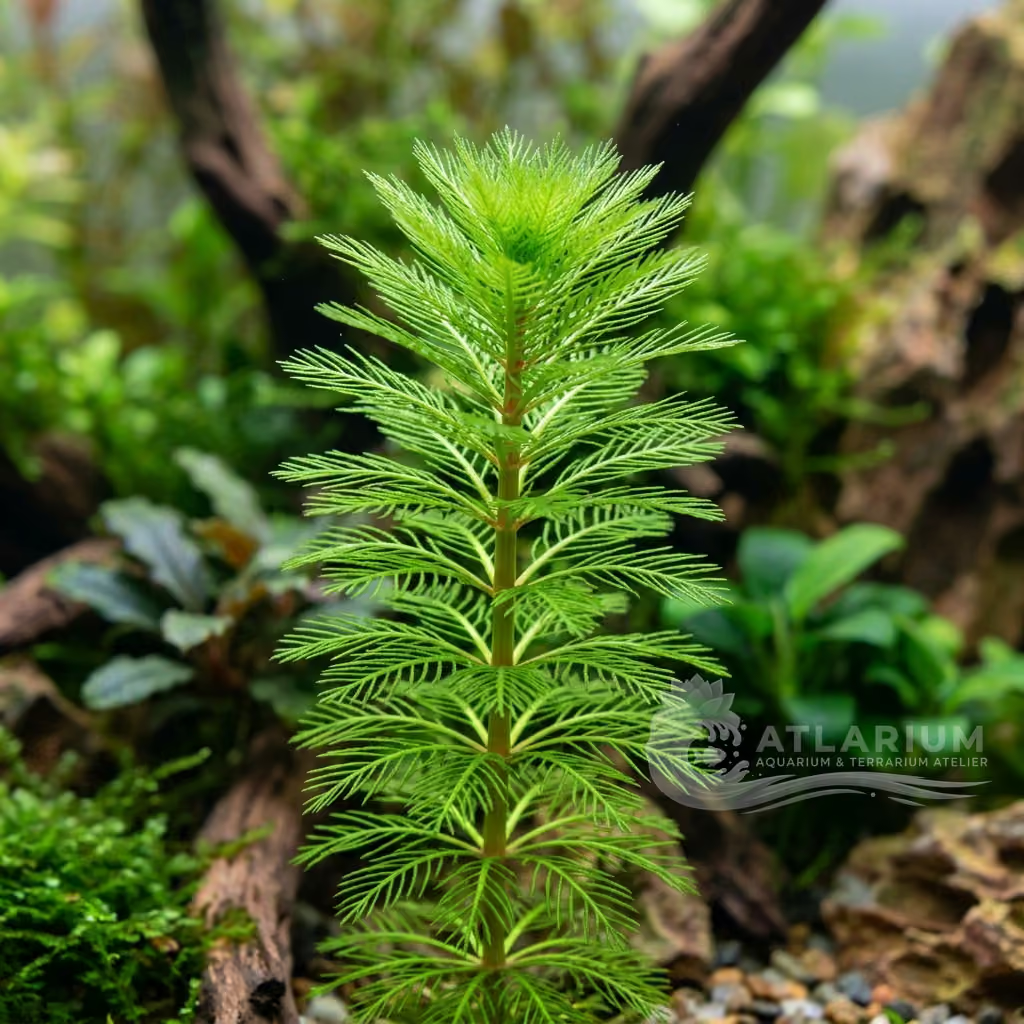
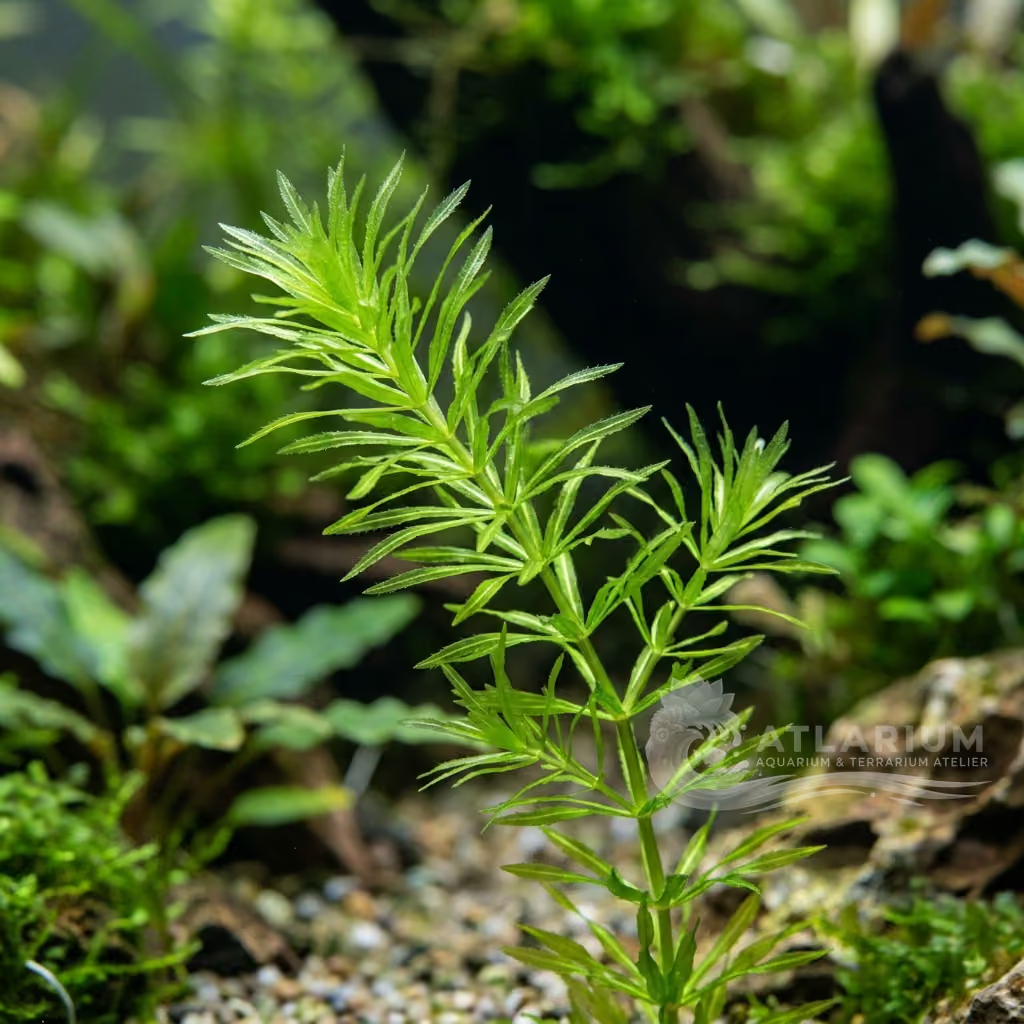
Myriophyllum aquaticum 'Santa Catarina' is a graceful stem plant known for its finely feathered foliage, making it an excellent choice for the midground of freshwater aquariums. With a medium growth rate, it contributes to creating a lush and intricate visual texture within the aquascape.
Water Temperature
20 - 28 °C
pH Value
6 - 7.5
Water type
Freshwater
Light
Medium - High
CO2
Medium - High
KH
2 - 10 dKH

Species description
Geographical Origin and Habitat: Myriophyllum aquaticum, from which 'Santa Catarina' is a specific cultivar or geographical form, originates from South America, thriving in tropical and subtropical regions. The 'Santa Catarina' designation strongly suggests a provenance or genetic selection from a particular area, likely the state of Santa Catarina in Brazil, renowned for its rich aquatic biodiversity. In its natural habitat, it commonly inhabits slow-moving streams, ponds, and marshes, rooting itself in the substrate and often developing stems that can emerge above the water surface.
Taxonomy & Genetics: Belonging to the Haloragaceae family, the genus Myriophyllum encompasses various aquatic plant species recognized for their finely divided leaves. Myriophyllum aquaticum is a widely known species, and the 'Santa Catarina' cultivar refers to a specific selection within this species, likely chosen for particular morphological characteristics or growth patterns. This taxonomic classification highlights its relation to other similar aquatic plants and offers insights into its cultivation requirements based on the family's genetic traits.
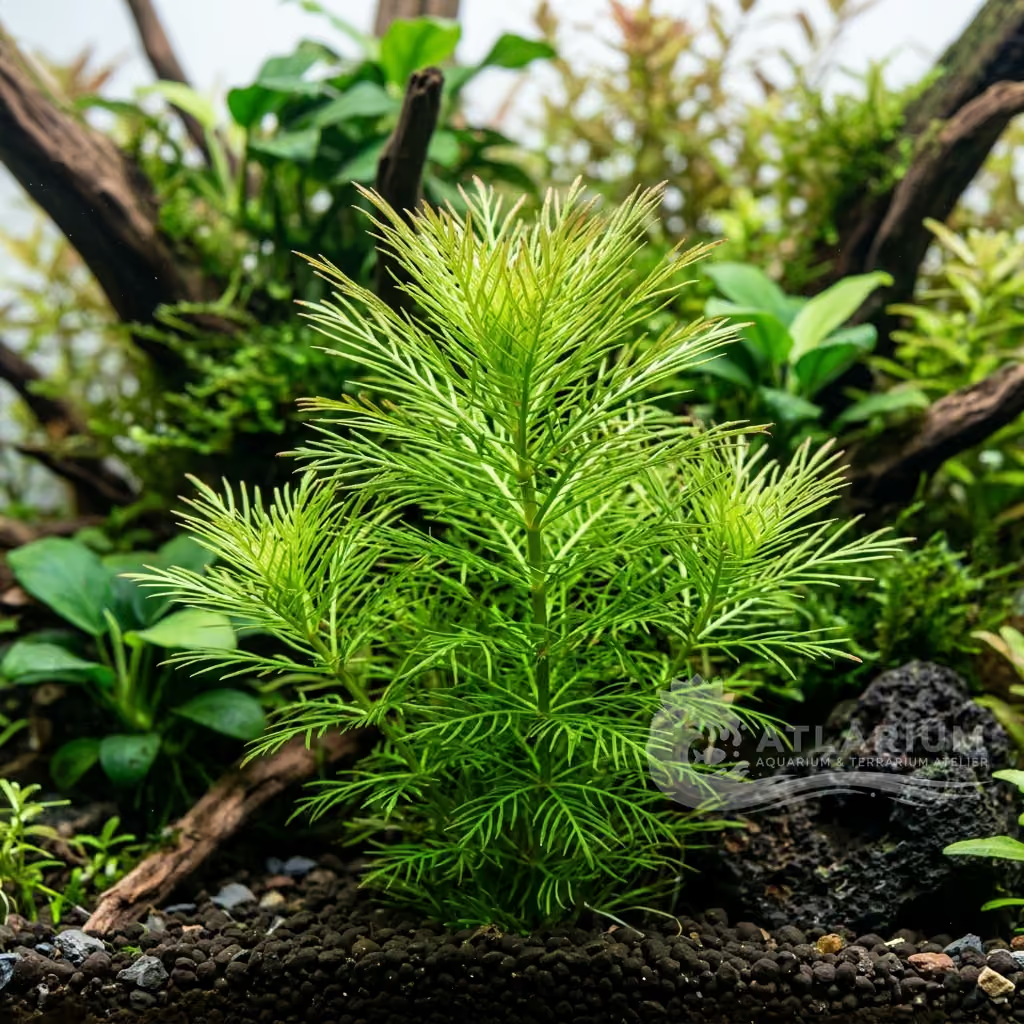
Physical Structure: The physical structure of Myriophyllum aquaticum 'Santa Catarina' is characterized by its upright, robust stems that can reach considerable heights under optimal conditions, though pruning keeps its size manageable. Its leaves are arranged in dense whorls along the stem, displaying a delicate, feather-like or pinnate shape that gives the plant an airy and elegant appearance. This intricate structure provides excellent refuge for small aquatic inhabitants and actively contributes to water filtration through its extensive surface area.
Color & Texture: The predominant color of Myriophyllum aquaticum 'Santa Catarina' is a vibrant, bright green, which can vary in intensity depending on the lighting conditions and nutrient availability. Under more intense light, the upper tips of the stems can sometimes develop subtle reddish or bronze hues, adding an appealing splash of color to the aquarium. The texture of its leaves is exceptionally fine and soft, almost velvety to the touch, creating a strong visual contrast with broader-leaved, more structured plants, ideal for enhancing depth and visual interest in any aquatic layout.

Care, breeding and tankmates
Lighting & CO2: For Myriophyllum aquaticum 'Santa Catarina', medium intensity lighting is generally sufficient to sustain healthy growth, preventing both excessive etiolation and undue algal proliferation. While not strictly essential, supplemental CO2 injection can significantly accelerate its growth rate and promote denser, more vigorous foliage, often intensifying its vibrant green coloration. A consistent photoperiod of 8-10 hours daily is recommended to best mimic natural conditions and support balanced plant metabolism.
Nutrition & Substrate: This plant greatly benefits from a nutrient-rich substrate, which allows it to root firmly and absorb essential minerals from the tank floor. Supplementation with comprehensive liquid fertilizers, containing both macro and micronutrients, is crucial for maintaining lush foliage and preventing deficiencies. Particularly, the availability of iron and potassium is vital for the coloration and robustness of its stems, directly influencing the plant's overall health and vitality.
Water Chemistry: Myriophyllum aquaticum 'Santa Catarina' thrives in water temperatures ranging from 20 to 28 °C, making it suitable for most tropical aquarium setups. It requires a pH between 6.0 and 7.5 and a carbonate hardness (KH) of 2 to 12, indicating good tolerance to various water conditions. Maintaining stable water parameters and avoiding sudden fluctuations is crucial, as inconsistencies can stress the plant, slow its growth, or even cause leaf melt.
Space Management & Placement: Due to its medium growth rate and dense foliage, Myriophyllum aquaticum 'Santa Catarina' is ideally suited for midground placement, where it can create a soft, feathery visual barrier or a captivating accent. Its fine texture adds depth and contrast to layouts featuring broader-leaved plants, contributing to a sense of intricate, wild nature. To manage space and prevent it from overly shading underlying plants, regular monitoring and
Pruning: Pruning is an essential aspect of caring for Myriophyllum aquaticum 'Santa Catarina' to maintain its desired form and stimulate bushier growth. Stems can be cut at any height along the main stalk; the upper cuttings can then be replanted into the substrate to propagate new plants, while the lower portion remains and will sprout new branches. Regular pruning encourages greater density and prevents the plant from becoming leggy at the base, contributing to a more lush and controlled appearance within the aquascape.
Risks & Diseases: While generally robust, Myriophyllum aquaticum 'Santa Catarina' can be susceptible to nutrient deficiencies, manifesting as chlorosis or stunted growth, especially in the absence of sufficient iron and potassium. Like many stem plants, it is also prone to filamentous algae accumulation on its finely divided leaves if the balance of light, CO2, and nutrients is not optimal. Sudden changes in water parameters or light deprivation can lead to "melting" of the leaves, emphasizing the importance of a stable aquatic environment.

Geographic origin and distribution
Myriophyllum aquaticum, from which 'Santa Catarina' is a specific cultivar or geographical form, originates from South America, thriving in tropical and subtropical regions. The 'Santa Catarina' designation strongly suggests a provenance or genetic selection from a particular area, likely the state of Santa Catarina in Brazil, renowned for its rich aquatic biodiversity. In its natural habitat, it commonly inhabits slow-moving streams, ponds, and marshes, rooting itself in the substrate and often developing stems that can emerge above the water surface.
Origin
Extra-Amazon South America

Plant profile
- Placement
- Midground
- Due to its rapid vertical growth, it is best placed in the background of the aquarium. It looks most impressive when planted in large, dense groups to create a textured, forest-like effect. Regular trimming is needed to prevent it from shadowing midground plants.
- Botanical form
- Stem
- This species features a classic stem plant structure with incredibly fine, pinnate leaves arranged in whorls around the stem. The finely divided foliage gives it a soft, feathery texture. It has a strong tendency to grow straight up toward the light source.
- Growth
- Medium
- It exhibits a very fast growth rate, especially under optimal high-tech conditions. It can grow several inches per week and will quickly reach the water's surface. Frequent pruning is required to keep the plant bushy and contained.
- Substrate
- High
- A nutrient-rich aqua soil is the ideal substrate for this fast-growing stem plant. It develops a substantial root system that heavily draws nutrients from the soil. While it can survive in gravel, its growth will be less dense and vibrant without a fertile base.
- Column fertilization
- Recommended
- Comprehensive liquid fertilization is essential to sustain its rapid growth rate. It readily absorbs nutrients directly from the water column through its finely divided leaves. Consistent dosing helps maintain internode density and overall vibrant color.
- Root fertilization
- None
- Root tabs are highly recommended, even if liquid fertilizers are used. The plant utilizes its deep root system to access extra nutrients from the substrate, promoting thicker, sturdier stems. Substrate fertilization is especially helpful in older setups where soil nutrients have depleted.
- Trimming
- Occasional
- Frequent trimming is a must; simply cut the stems at the desired height and replant the tops to thicken the bush. The original rooted portion will quickly sprout new side shoots. Regular pruning prevents the plant from shading out its own lower portions or neighboring plants.
- Propagation
- Cuttings
- Propagation is simple and straightforward via stem cuttings. Snipping the top portion of a healthy stem and planting it into the substrate will quickly yield a new plant. The rooted bottom half will typically produce multiple side shoots, increasing the bushiness of the stand.
- Sensitivity
- Moderate
- It is generally a hardy and adaptable plant, though it can be sensitive to sudden extreme changes in water parameters. It requires good light penetration; otherwise, the lower leaves will quickly drop off. Ensuring adequate water flow prevents detritus from accumulating on the fine leaves.
- Layout role
- Midground, group, accent
- In an aquascape, this plant is perfect for creating dense, bright green background thickets. Its soft, feathery texture contrasts beautifully with broad-leaved plants or hardscape materials. It works exceptionally well in both Dutch style and nature aquarium layouts.

Related species
Recommendations grouped by close relatives, companion choices, and similar care.