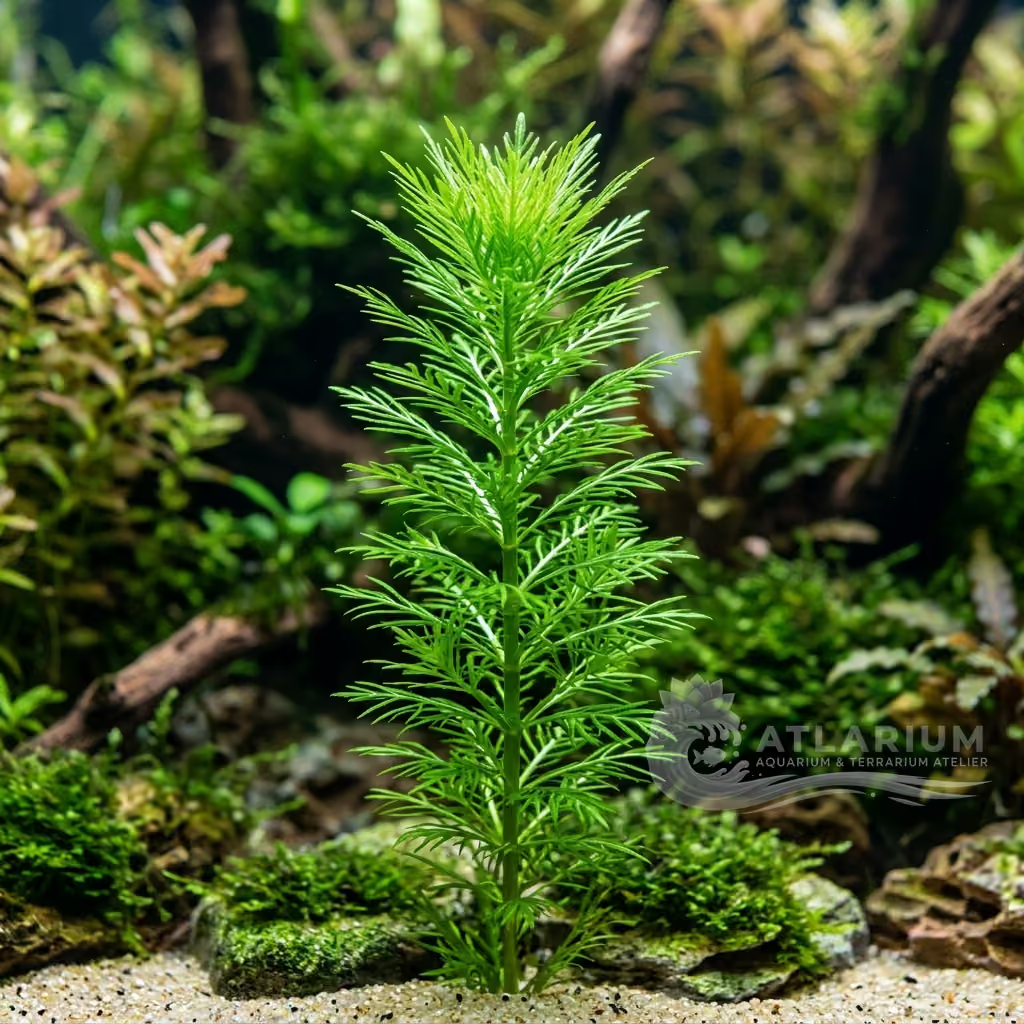
Myriophyllum tetrandrum
Myriophyllum tetrandrum
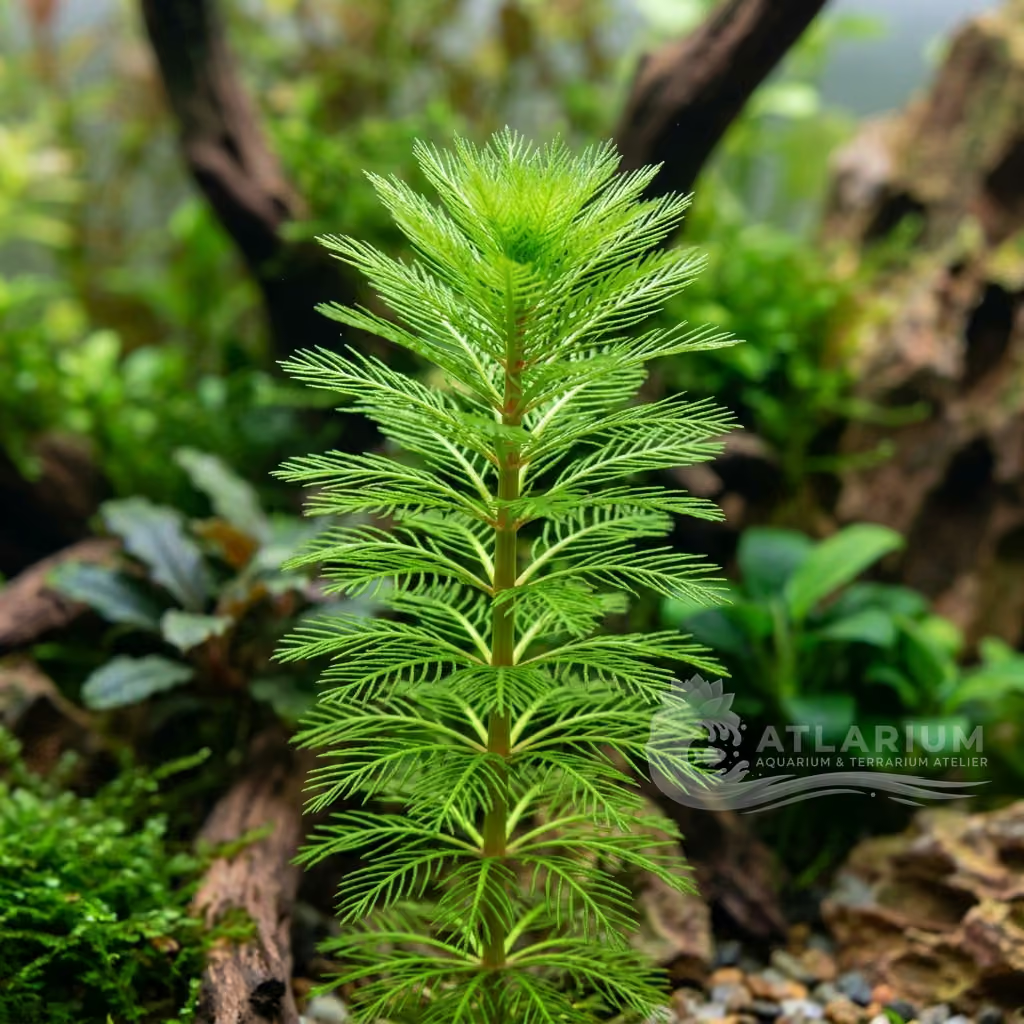
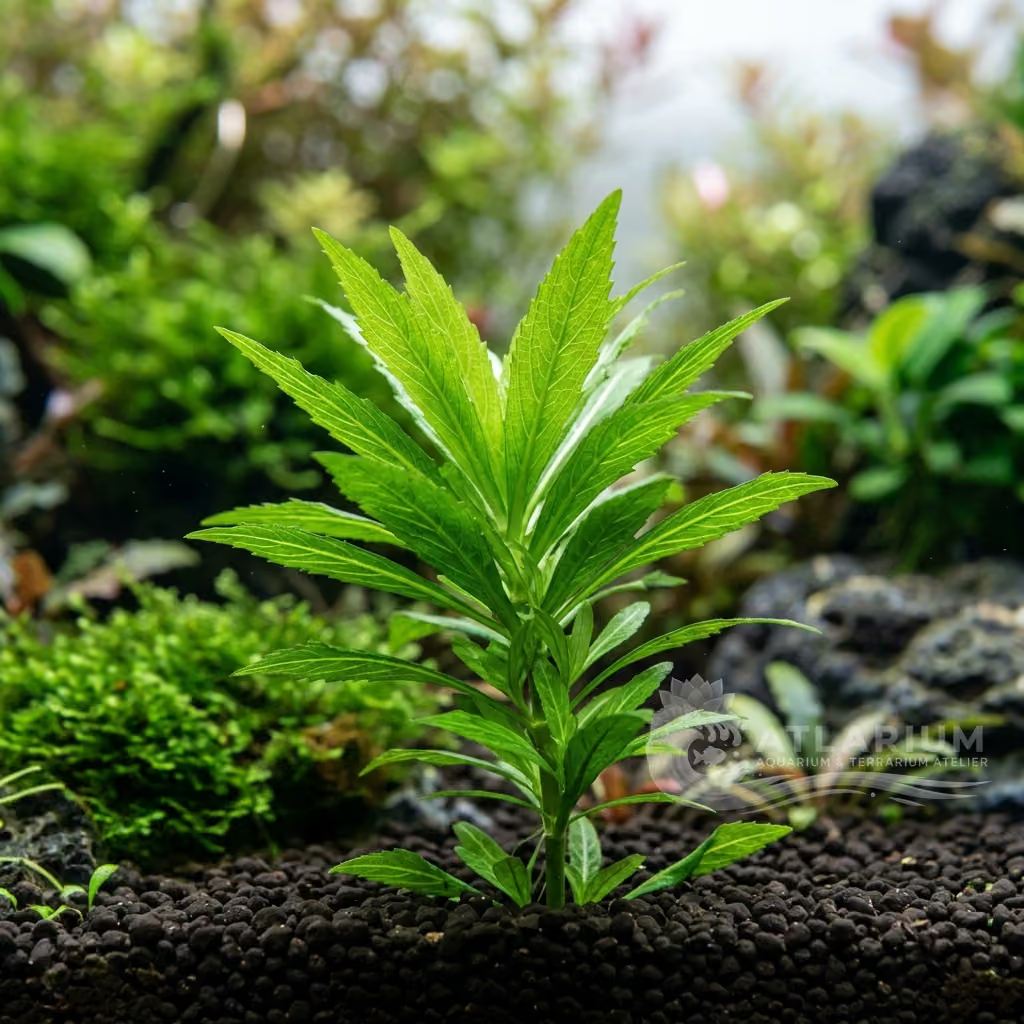
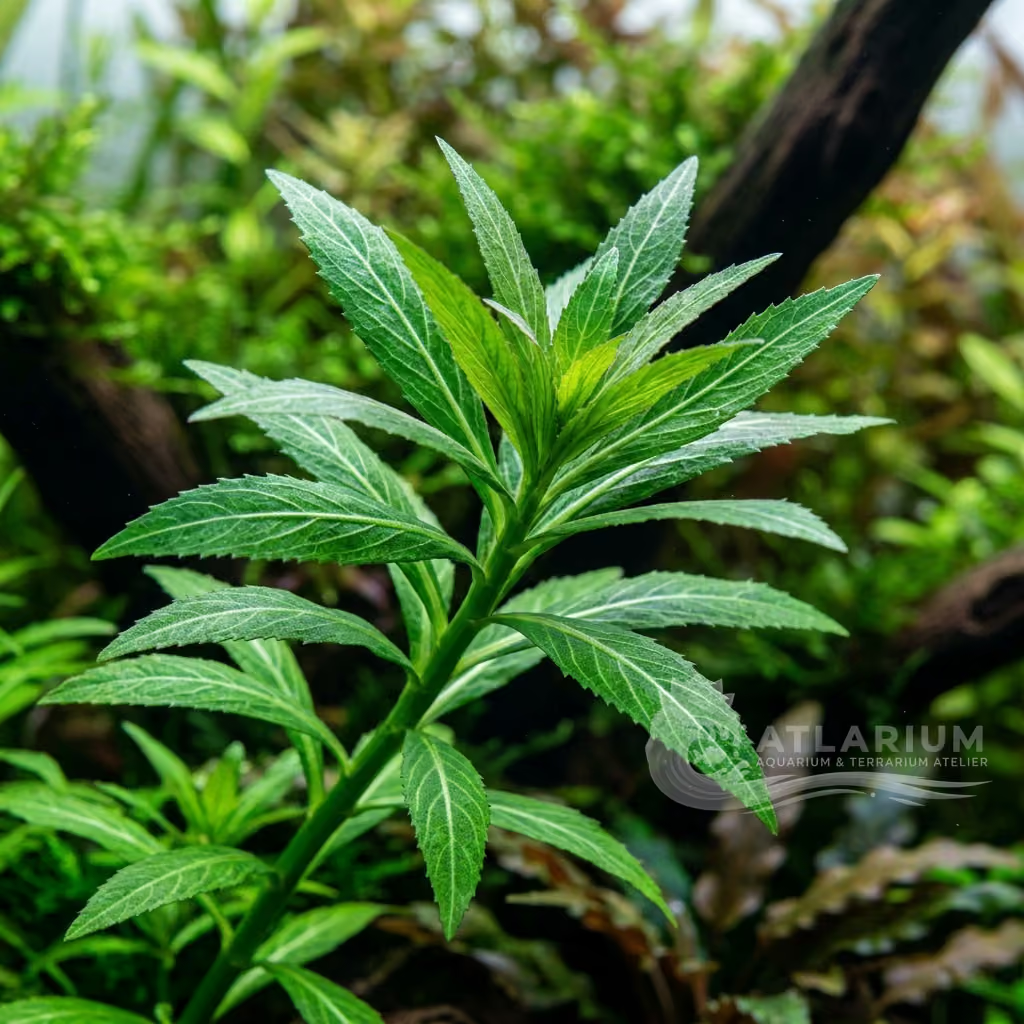
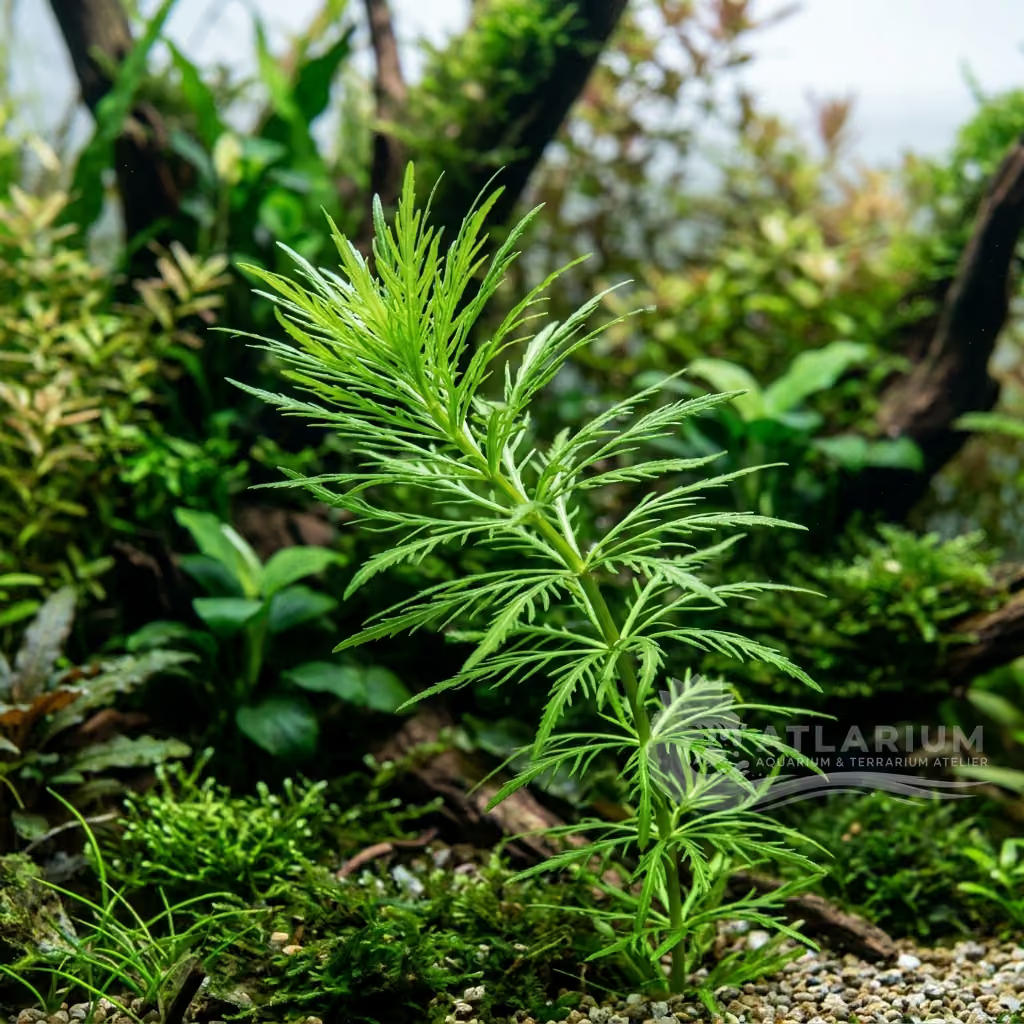
Myriophyllum tetrandrum is a versatile, medium-growing stem plant ideal for the midground of an aquarium. Its finely dissected leaves create a lush and natural texture, adding visual appeal to any aquascape.
Water Temperature
18 - 34 °C
pH Value
5 - 7
Water type
Freshwater
Light
Medium to High
CO2
High
KH
0 - 8 dKH

Species description
Geographical Origin and Habitat: Myriophyllum tetrandrum is a widely distributed aquatic species, typically found in freshwater ecosystems across various tropical and subtropical regions. It thrives naturally in calm or slow-moving waters such as lakes, ponds, swamps, and canals, where sunlight can easily penetrate the water column. Its remarkable tolerance to a broad temperature range, from 18 to 34 degrees Celsius, reflects its adaptability to diverse climates and its resilience in various natural habitats.
Taxonomy & Genetics: Belonging to the Haloragaceae family, the genus Myriophyllum is well-known for its submerged and floating aquatic plants, distinguished by their beauty and intricate leaf patterns. Myriophyllum tetrandrum is named for its characteristic flowers which possess four stamens (from the Greek "tetra-" meaning four and "-andrum" referring to male organs). This botanical classification highlights its unique identity within the genus, although for aquarists, its morphological peculiarities are often more relevant than its floral characteristics.
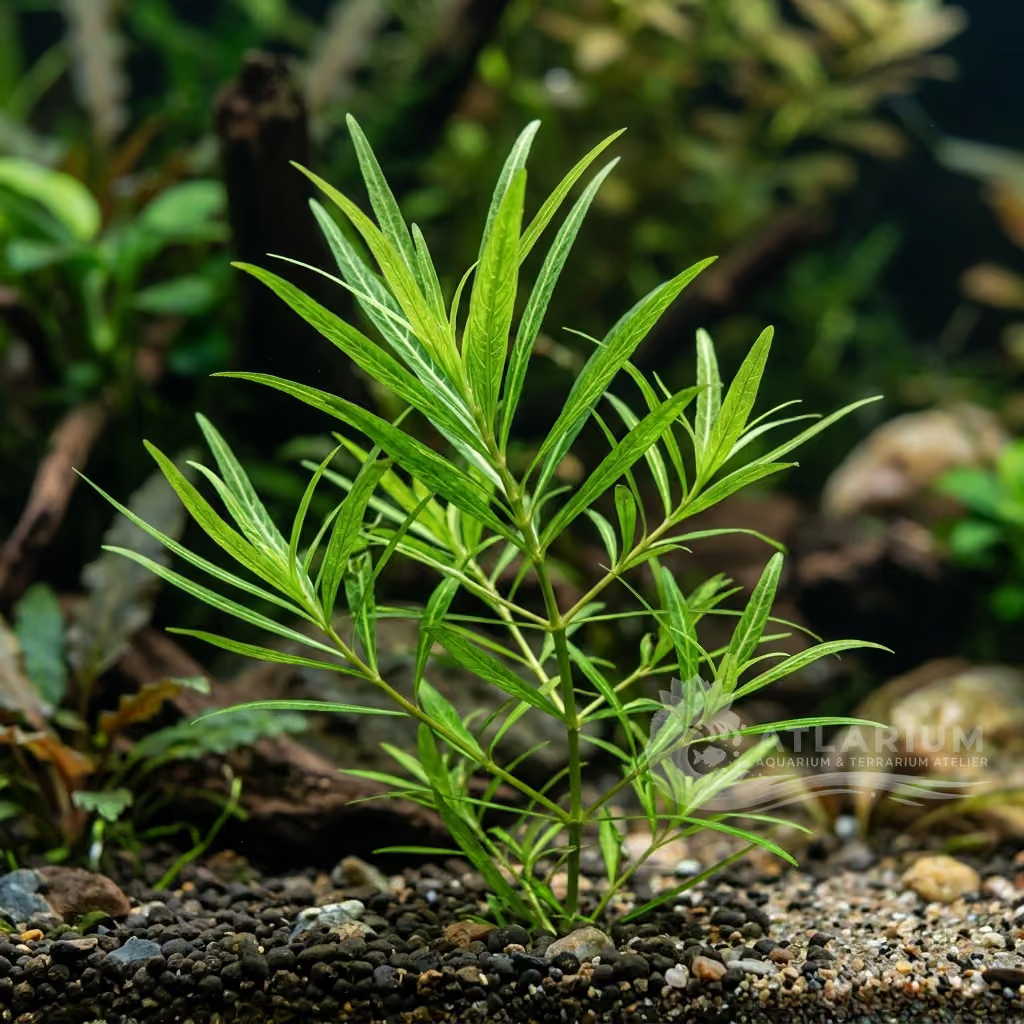
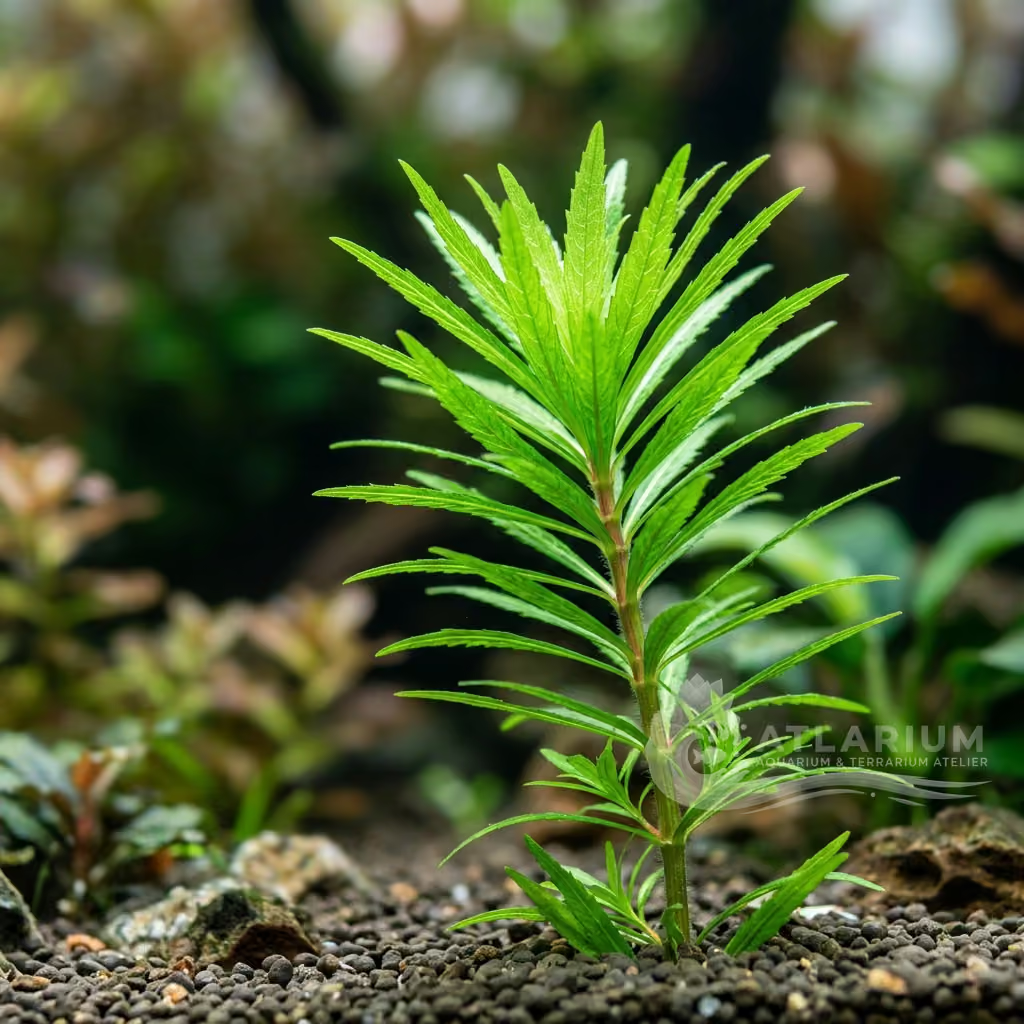
Physical Structure: The physical structure of Myriophyllum tetrandrum consists of slender, branching stems that can reach considerable lengths under optimal conditions. Its leaves are arranged in delicate whorls along the stem, with each leaf finely divided into numerous feathery segments that create a dense, airy effect underwater. These delicate leaves form a vibrant green column that extends towards the surface, providing excellent refuge for fry and small invertebrates. The root system is relatively modest, primarily serving to anchor the plant in the substrate.
Color & Texture: Myriophyllum tetrandrum typically exhibits a vibrant, bright green coloration, which can intensify or even develop subtle reddish hues under very strong lighting and adequate nutrient concentrations. Its texture is remarkably fine and feathery, imparting an extremely delicate and silky appearance. This delicate quality makes it a captivating contrast against broader-leaved plants, helping to create visual depth and a sense of gentle movement within the aquatic environment.

Care, breeding and tankmates
Lighting & CO2: For optimal growth and vibrant coloration, Myriophyllum tetrandrum requires medium to high intensity lighting. Adequate light prevents stem elongation and encourages more compact, bushy growth, enhancing the plant's overall aesthetic appeal. CO2 supplementation is highly recommended; it significantly boosts the rate of photosynthesis, promoting denser, more robust leaf development and allowing the plant to reach its full potential.
Nutrition & Substrate: Myriophyllum tetrandrum is primarily a
Water Chemistry: This species thrives in slightly soft and acidic water conditions, with an ideal pH range between 5.0 and 7.0 and a carbonate hardness (KH) between 0.0 and 8.0. Stability in these parameters is crucial to prevent stress and melting of the plant, especially after introduction to a new environment. While a water temperature between 18 and 34 degrees Celsius is tolerated, cooler temperatures within this range may slightly slow growth, whereas warmer temperatures can accelerate it.
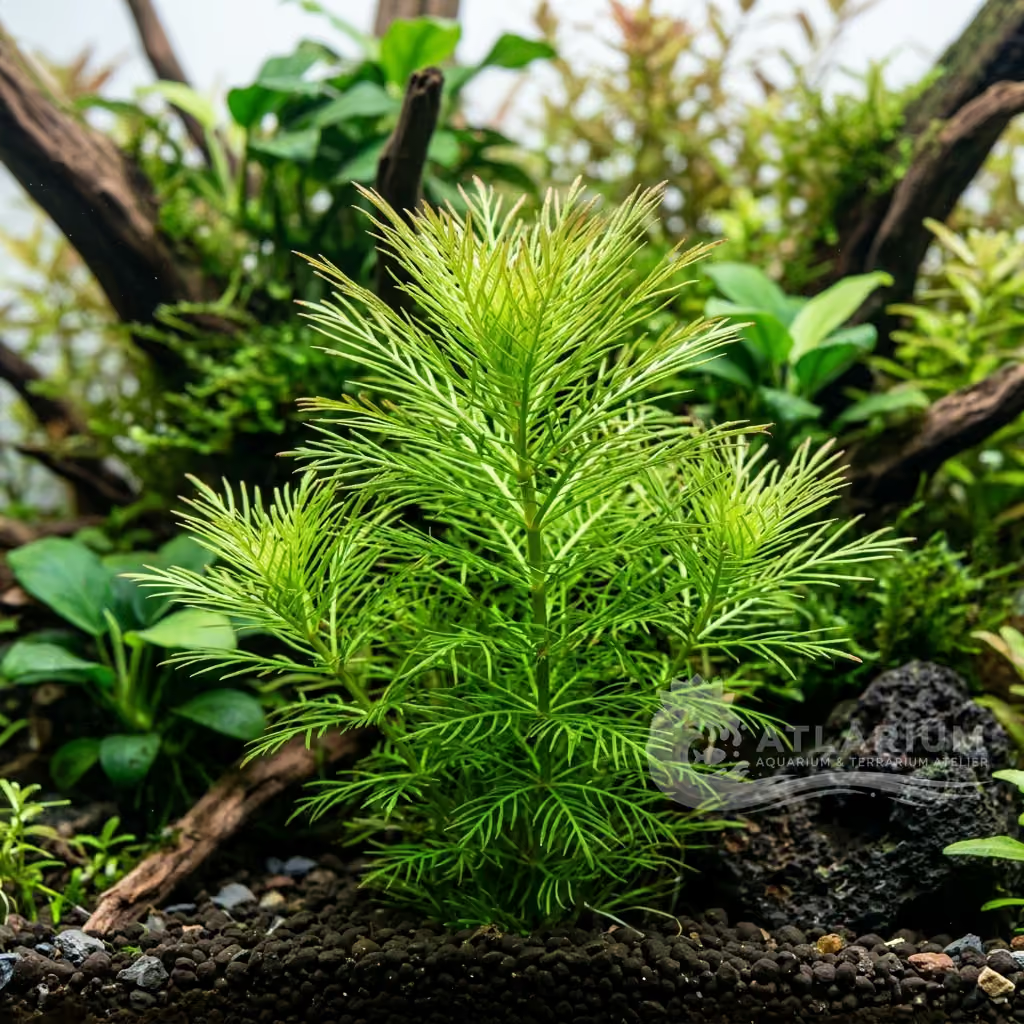
Space Management & Placement: Myriophyllum tetrandrum is an excellent choice for the midground of an aquarium, where its fine texture can create a superb contrast with broader-leaved plants. When planted in dense groups, it forms a lush green mass that adds depth and effectively conceals equipment or less attractive backgrounds. Given its medium growth rate, it can also be used to create harmonious transitions between the foreground and background, contributing to a more dynamic and natural-looking layout.
Pruning: Regular pruning is essential to maintain Myriophyllum tetrandrum in a desirable shape and to encourage denser, more branched growth. Trimming the tops of the stems stimulates the plant to produce side shoots, transforming a slender column into a bushy clump. Additionally, removing older or damaged leaves at the base helps to improve water circulation and light penetration, preventing detritus buildup and reducing the risk of algae.
Risks & Diseases: Myriophyllum tetrandrum is generally robust but can be susceptible to nutrient deficiencies, which manifest as yellowing leaves or stunted growth, particularly in the absence of adequate iron and potassium. Like many delicate stem plants, it is vulnerable to excessive filamentous algae growth that can smother its fine leaves, especially in the presence of nutrient imbalances or excessive light without CO2. Sudden changes in water parameters can lead to melting, highlighting the need for environmental stability.

Geographic origin and distribution
Myriophyllum tetrandrum is a widely distributed aquatic species, typically found in freshwater ecosystems across various tropical and subtropical regions. It thrives naturally in calm or slow-moving waters such as lakes, ponds, swamps, and canals, where sunlight can easily penetrate the water column. Its remarkable tolerance to a broad temperature range, from 18 to 34 degrees Celsius, reflects its adaptability to diverse climates and its resilience in various natural habitats.
Origin
South and Southeast Asia

Plant profile
- Placement
- Midground
- This plant is best utilized as a background or midground stem plant due to its vertical growth habit and fine texture. Grouping several stems together creates a dense, bushy effect that provides excellent contrast against broader-leaved species. Regular trimming is necessary to maintain its shape and prevent it from shading out plants below it.
- Botanical form
- Stem
- Myriophyllum tetrandrum is an aquatic stem plant characterized by finely divided, pinnate leaves arranged in whorls along the stem. The delicate foliage gives the plant a distinctively soft, feathery appearance, making it a popular choice for aquascaping. Depending on light intensity, the tips of the stems can develop subtle reddish or orange hues.
- Growth
- Medium
- It exhibits a fast growth rate when provided with optimal conditions, including high light, CO2 injection, and comprehensive fertilization. Under lower light and without CO2, the growth rate slows down considerably, and the internodes may become more elongated.
- Substrate
- Low
- While it draws a substantial portion of its nutrients directly from the water column, a nutrient-rich substrate promotes healthier root development and overall plant stability. Using a dedicated aquarium soil will provide a steady release of nutrients directly to the root zone. However, it can also be grown in inert substrates like sand or fine gravel if water column fertilization is adequate.
- Column fertilization
- Recommended
- Comprehensive water column fertilization is crucial for the health of this species. Liquid fertilizers containing nitrogen, phosphorus, potassium, and a full spectrum of trace elements should be added regularly. Iron supplementation is particularly important to maintain the vibrant coloration of the growing tips and prevent the leaves from becoming pale or transparent.
- Root fertilization
- None
- Although root fertilization is secondary to water column feeding, providing nutrient-rich root tabs can significantly boost the plant's overall vigor. Root tabs are especially beneficial if the plant is grown in an inert substrate that lacks inherent nutritional value. Pushing a root tab deep into the substrate near the base of the stems every few months will ensure a steady nutrient supply.
- Trimming
- Occasional
- Regular pruning is necessary to maintain its shape and encourage lateral branching. Snip the top shoots and replant them to create a denser thicket. Always remove and discard the older, decaying lower portions of the stems.
- Propagation
- Cuttings
- Propagation is straightforward and is achieved through stem cuttings. Simply cut a healthy stem top, ideally around 4 to 6 inches long, and replant it directly into the substrate. The lower portion of the cut stem will typically sprout multiple new side shoots, leading to a denser, more bushy plant over time.
- Sensitivity
- Moderate
- Prone to melting if subjected to sudden changes in water chemistry or temperature. It dislikes being heavily shaded, which causes the lower leaves to quickly deteriorate. Certain liquid carbon supplements should be used with caution as they might damage its fine structure.
- Layout role
- Midground, Background
- Excellent for adding fine texture and a bright green splash to the aquascape. Its bushy nature makes it perfect for softening hardscape edges or hiding technical equipment. It provides a beautiful contrast to darker greens and reds in a planted layout.

Related species
Recommendations grouped by close relatives, companion choices, and similar care.