Myriophyllum sp. "Roraima"
Myriophyllum sp. "Roraima"
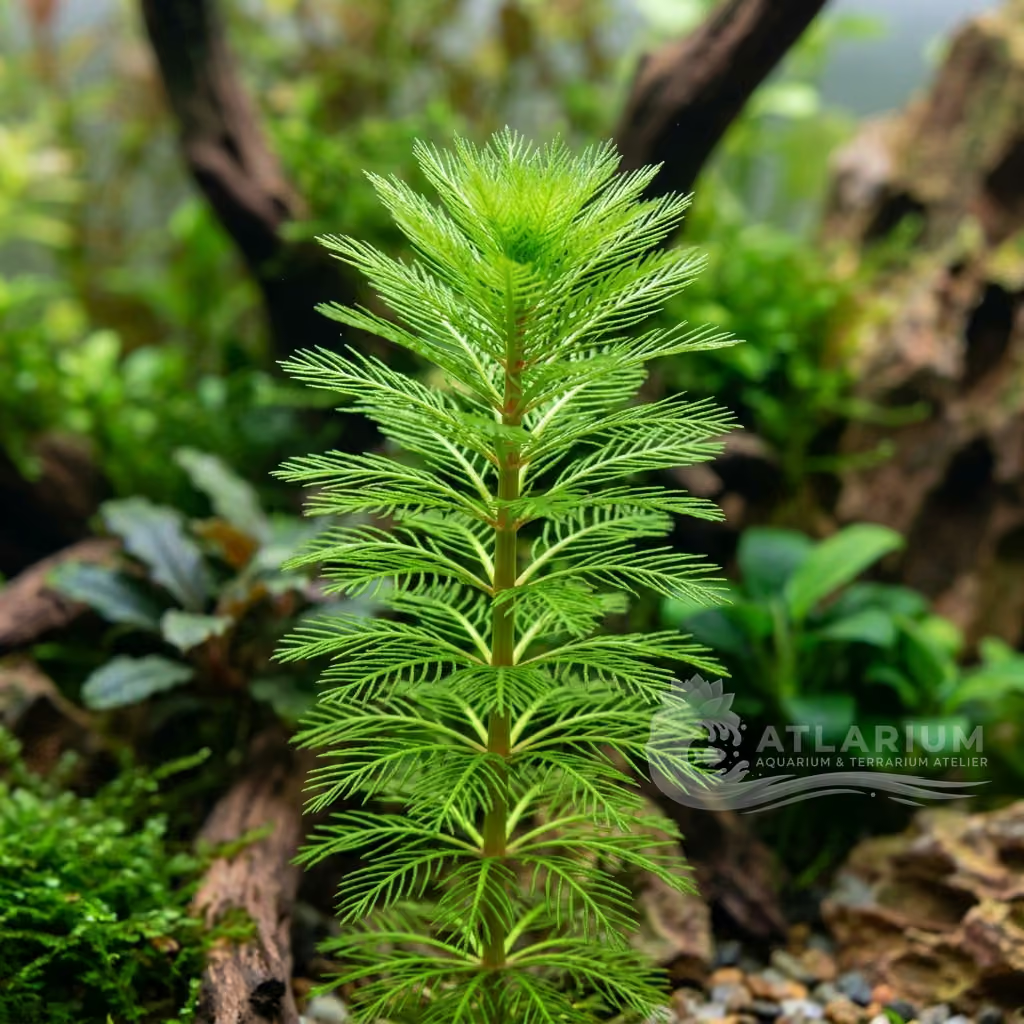
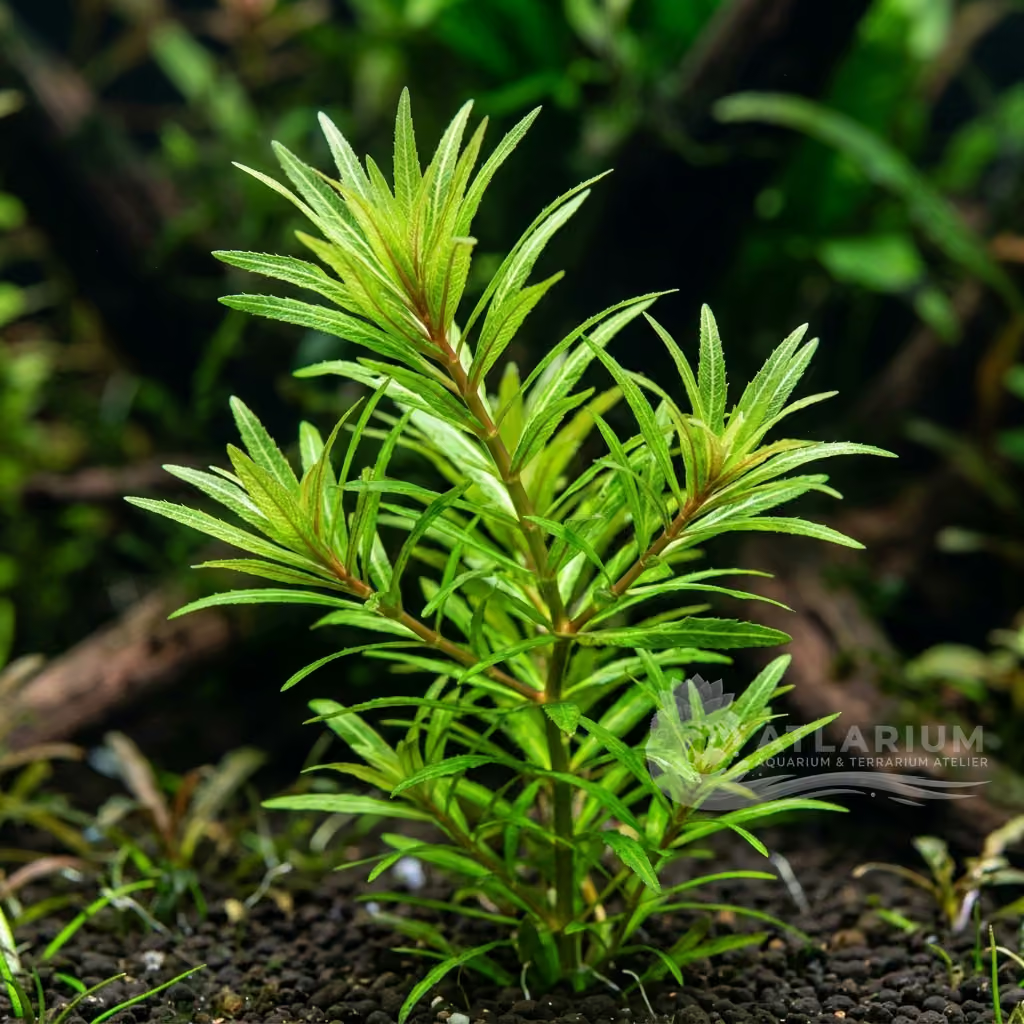
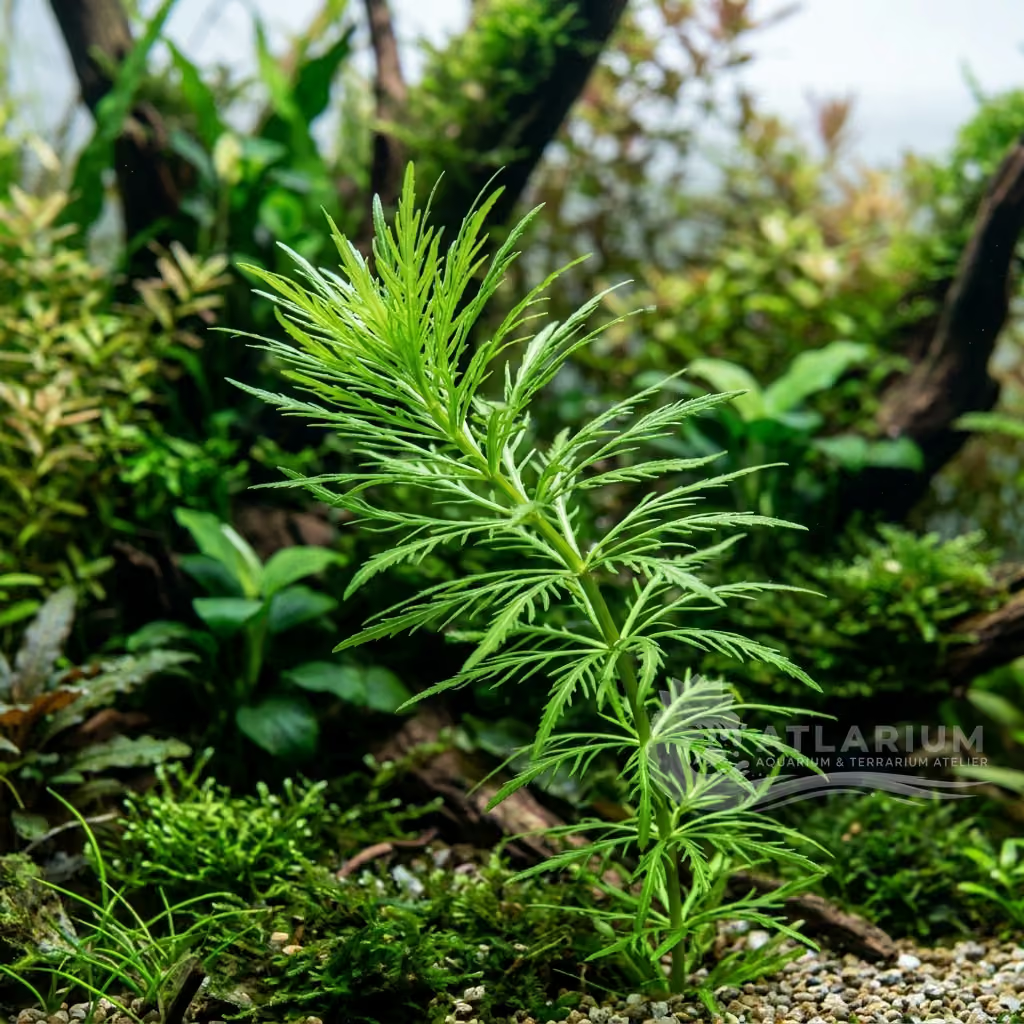
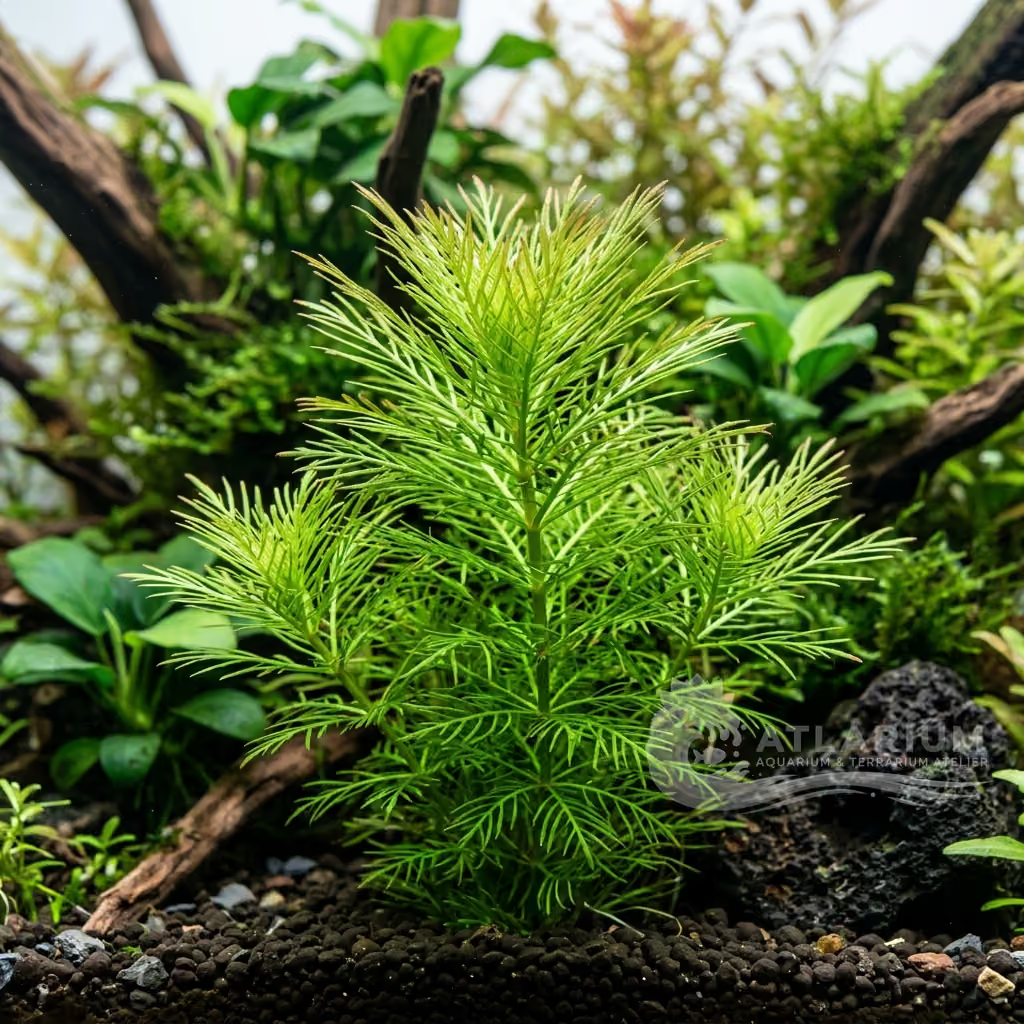
Myriophyllum sp. "Roraima" is a vibrant, feathery stem plant ideal for the midground of aquariums. Its very fast growth rate demands consistent light, CO2, and nutrient supplementation to maintain its lush appearance and prevent overcrowding.
Water Temperature
4 - 28 °C
pH Value
5 - 7.5
Water type
Freshwater
Light
Medium to High
CO2
High
Expected height
100 cm
KH
2 - 14 dKH

Species description
Geographical Origin and Habitat: Myriophyllum sp. "Roraima" is an undescribed species of water-milfoil, likely originating from the freshwater systems of the Roraima region, a biologically rich area spanning parts of Venezuela, Brazil, and Guyana. This region is renowned for its unique aquatic flora, often found thriving in clear, soft water streams and slow-moving rivers. Its natural habitat typically consists of areas with abundant light, allowing it to grow submerged, creating dense, feathery stands along the banks and riverbeds.
Taxonomy & Genetics: As indicated by "sp.", Myriophyllum sp. "Roraima" represents an unidentified species within the genus Myriophyllum, belonging to the Haloragaceae family. This family is characterized by aquatic and semi-aquatic plants, many of which exhibit finely dissected leaves that are perfectly adapted for efficient nutrient absorption from the water column. While its exact genetic classification is pending, its morphological traits align with other delicate, highly ornamental Myriophyllum species, suggesting a close phylogenetic relationship within the genus.
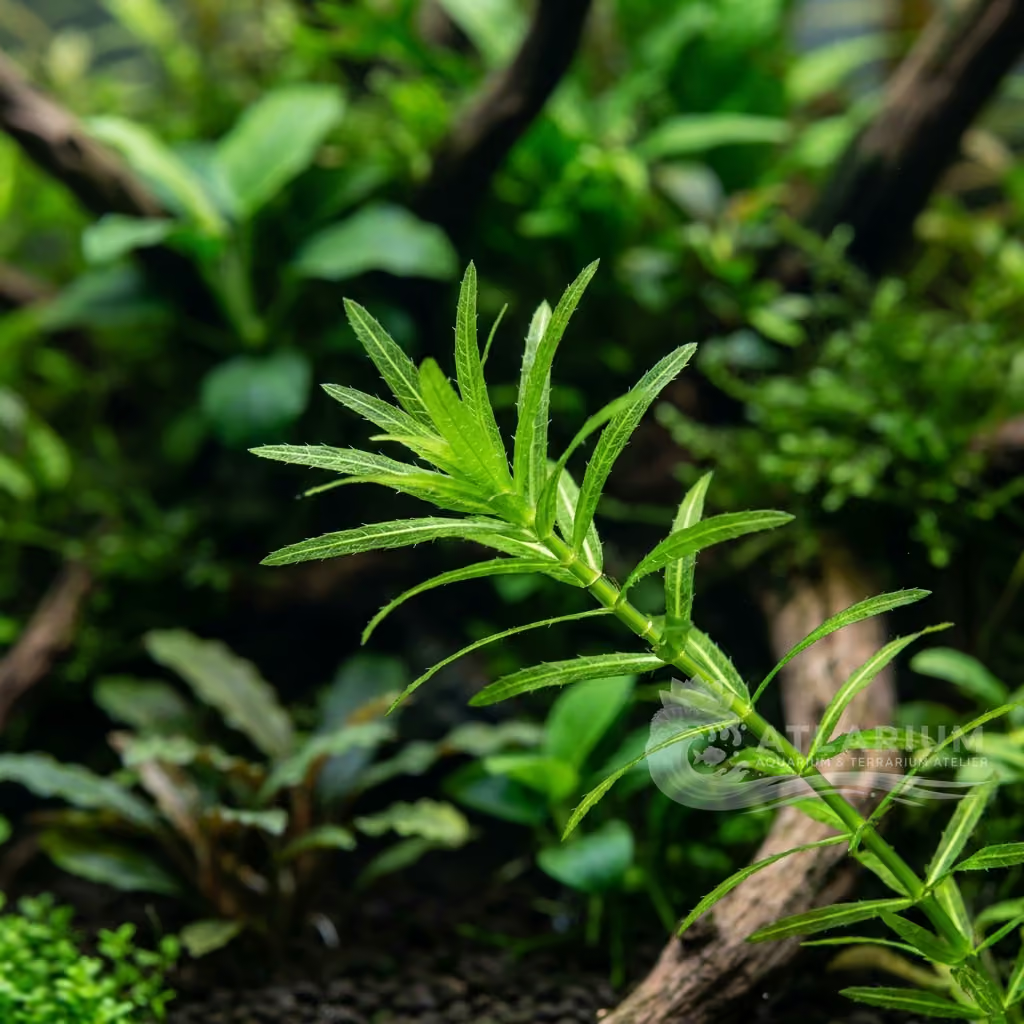
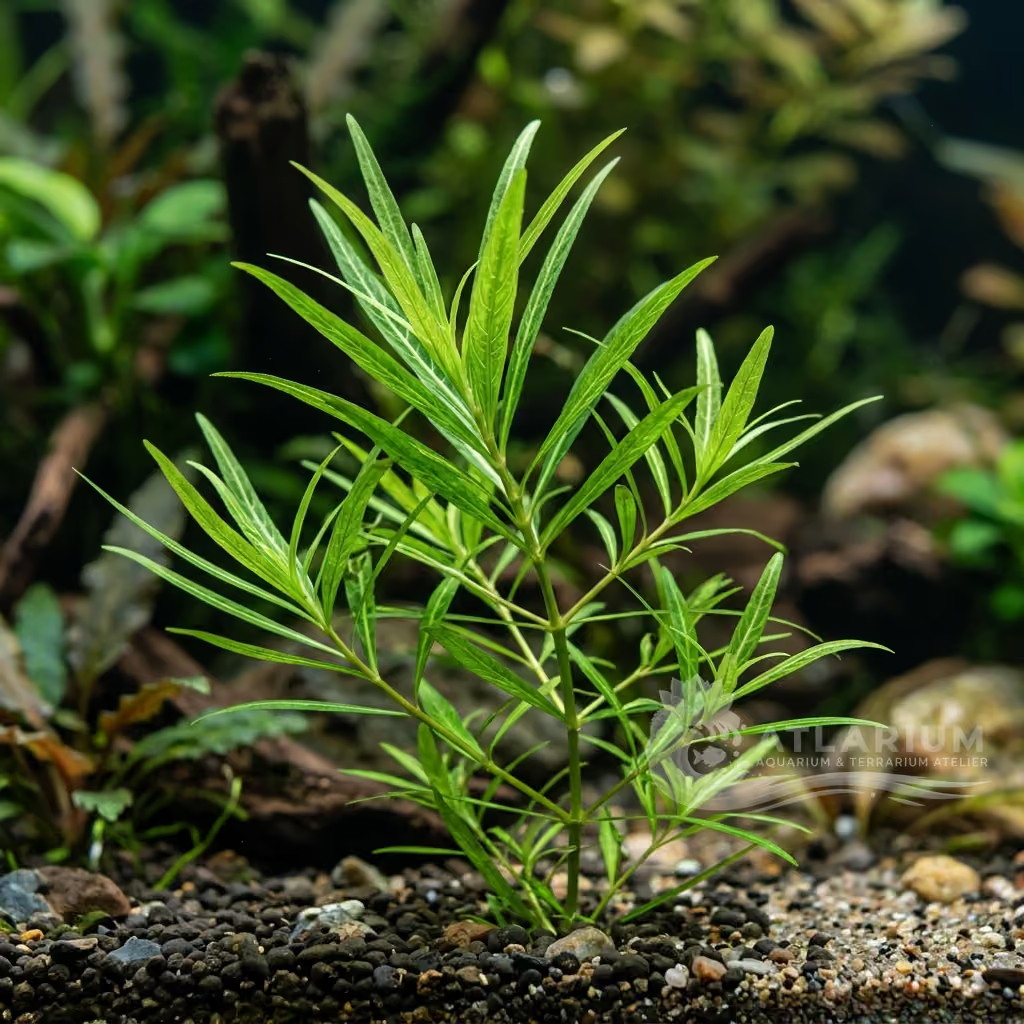
Physical Structure: The physical structure of Myriophyllum sp. "Roraima" is characterized by its slender, upright stems that can reach impressive heights in optimal conditions, though it's typically used in the midground. Its most striking feature is the delicate, finely pinnate leaves arranged in whorls around the stem, giving it a distinctive feathery or bottle-brush appearance. These numerous small leaf segments increase surface area, optimizing light absorption and gas exchange, while the root system primarily serves to anchor the plant in the substrate.
Color & Texture: Myriophyllum sp. "Roraima" exhibits a beautiful range of colors, typically displaying a bright, vivid green under moderate lighting conditions. When exposed to higher light intensity and robust CO2 injection, the tips of the plant can develop appealing reddish or bronze hues, adding visual interest and depth to the aquascape. The texture is exquisitely soft and feathery, contributing to a lush, ethereal feel in the aquarium, making it a popular choice for creating dense, intricate bush-like formations.

Care, breeding and tankmates
Lighting & CO2: Given its very fast growth rate, Myriophyllum sp. "Roraima" thrives under medium to high lighting conditions, ideally with a Photosynthetically Active Radiation (PAR) level of 50-80 µmol/m²/s for 8-10 hours daily. Consistent CO2 injection is paramount for this species, not only to fuel its rapid photosynthesis and growth but also to encourage vibrant coloration and prevent potential algae issues. Insufficient CO2 can lead to stunted growth and a duller appearance.
Nutrition & Substrate: Due to its rapid growth, Myriophyllum sp. "Roraima" is a heavy feeder, demanding a comprehensive liquid fertilization regimen encompassing both macronutrients (Nitrogen, Phosphorus, Potassium) and micronutrients (especially Iron). While a rich substrate can provide some initial benefits, regular
Water Chemistry: Myriophyllum sp. "Roraima" demonstrates a remarkable adaptability to a wide range of water parameters, tolerating temperatures from 4.0 to 28.0°C, though optimal growth occurs in the mid-20s. It flourishes in soft to moderately hard water with a KH between 2.0 and 14.0, and prefers slightly acidic to neutral conditions, with a pH range of 5.0 to 7.5. Maintaining stable parameters within these ranges is more crucial than hitting exact numbers, as sudden fluctuations can stress the plant.
Space Management & Placement: As a versatile midground plant, Myriophyllum sp. "Roraima" is best planted in groups to create a dense, bushy effect, providing excellent contrast to broad-leaved plants or hardscape elements. Due to its very fast growth, adequate spacing between individual stems and regular maintenance are vital to prevent it from overcrowding other plants and shading out lower leaves. Careful placement and consistent trimming ensure it remains a dynamic and attractive component of the aquascape.
Pruning: Regular pruning is indispensable for Myriophyllum sp. "Roraima" to maintain its aesthetic form and overall health in the aquarium. The most effective method involves cutting the stems horizontally at the desired height, with the removed tops able to be replanted to propagate new plants. Trimming encourages the lower portions of the stems to branch out, resulting in a much denser, bushier growth habit, rather than a sparse, leggy appearance.
Risks & Diseases: Despite its robust nature under optimal conditions, Myriophyllum sp. "Roraima" can be susceptible to certain issues. Algae can become problematic if there's an imbalance in light, CO2, or nutrients, often manifesting as green spot or hair algae on its fine leaves. Nutrient deficiencies, such as iron leading to pale new growth or nitrogen causing yellowing, can also occur with insufficient fertilization. Monitoring plant health and water parameters is key to preventing these common risks.

Geographic origin and distribution
Myriophyllum sp. "Roraima" is an undescribed species of water-milfoil, likely originating from the freshwater systems of the Roraima region, a biologically rich area spanning parts of Venezuela, Brazil, and Guyana. This region is renowned for its unique aquatic flora, often found thriving in clear, soft water streams and slow-moving rivers. Its natural habitat typically consists of areas with abundant light, allowing it to grow submerged, creating dense, feathery stands along the banks and riverbeds.
Origin
Amazon, Orinoco, and Guianas

Plant profile
- Placement
- Midground
- This plant thrives best when placed in the background or midground of the aquascape. Its tall, feathery stems create a beautiful, textured backdrop that contrasts well with broad-leaved foreground plants. Adequate spacing between stems is necessary to allow light to penetrate the lower leaves and prevent rotting.
- Botanical form
- Stem
- This species features delicate, finely divided whorled leaves that give it a quintessential colorful growing tips. The stems are relatively fragile but can grow quite sturdy when provided with excellent growing conditions. Under intense lighting, the growing tips display the most vibrant orange-red hues.
- Growth
- VERY_FAST
- Myriophyllum sp. "Roraima" exhibits a remarkably fast growth rate under optimal conditions. In nutrient-rich environments with high light and CO2 injection, it can quickly reach the water surface. Regular pruning is often required to keep its rapid vertical growth in check and maintain a neat appearance.
- Substrate
- Low
- Being highly undemanding regarding root nutrition, Myriophyllum sp. "Roraima" can successfully establish itself in simple inert substrates like coarse sand or standard aquarium gravel. The plant utilizes its roots primarily as mechanical anchors to keep its stems firmly attached to the aquarium bottom. While it doesn't strictly require soil, providing a 2-inch (5 cm) layer of fine material will significantly help prevent the stems from inadvertently floating away during maintenance.
- Column fertilization
- Required
- Liquid fertilization is highly effective and often essential for Myriophyllum sp. "Roraima". Dosing a comprehensive liquid fertilizer daily ensures the plant can rapidly absorb nutrients directly from the water column. Balancing the nitrogen and trace elements is key to maintaining its vibrant orange-red coloration and health.
- Root fertilization
- None
- While primarily feeding from the water column, a nutrient-rich substrate greatly benefits its root system. Root tabs can provide a stable base of nutrients that supports thicker stem development. A well-fertilized root zone helps anchor the tall plant firmly and sustains long-term vigorous growth.
- Trimming
- Occasional
- Frequent trimming is necessary to prevent Myriophyllum sp. "Roraima" from overshadowing slower-growing species in the tank. Cutting the stems and replanting the tops is the best method to maintain a bushy, compact appearance. Removing older, bare lower stems encourages fresher, more vigorous lateral shoots to emerge.
- Propagation
- Cuttings
- Propagation of Myriophyllum sp. "Roraima" is easily achieved through simple stem cuttings. By snipping healthy side shoots or topping the main stem, the cuttings can be replanted directly into the substrate. These cuttings will quickly develop new root systems and continue the rapid vertical growth cycle.
- Sensitivity
- Moderate
- This plant is sensitive to abrupt changes in water parameters, particularly extreme fluctuations in pH or temperature. It does not tolerate prolonged shading, which causes the lower leaves to quickly detach, melt, and deteriorate. Furthermore, it can be quite sensitive to certain chemical treatments and harsh algaecides.
- Layout role
- Midground, accent, Background
- In aquascaping, Myriophyllum sp. "Roraima" serves as an excellent background filler to add volume and fine texture. Its colorful growing tips provides a soft, flowing aesthetic that beautifully breaks up hardscape elements like rocks and driftwood. It also offers excellent natural hiding spots for fry, small aquatic creatures, and timid fish.

Related species
Recommendations grouped by close relatives, companion choices, and similar care.