Myriophyllum heterophyllum
Myriophyllum heterophyllum
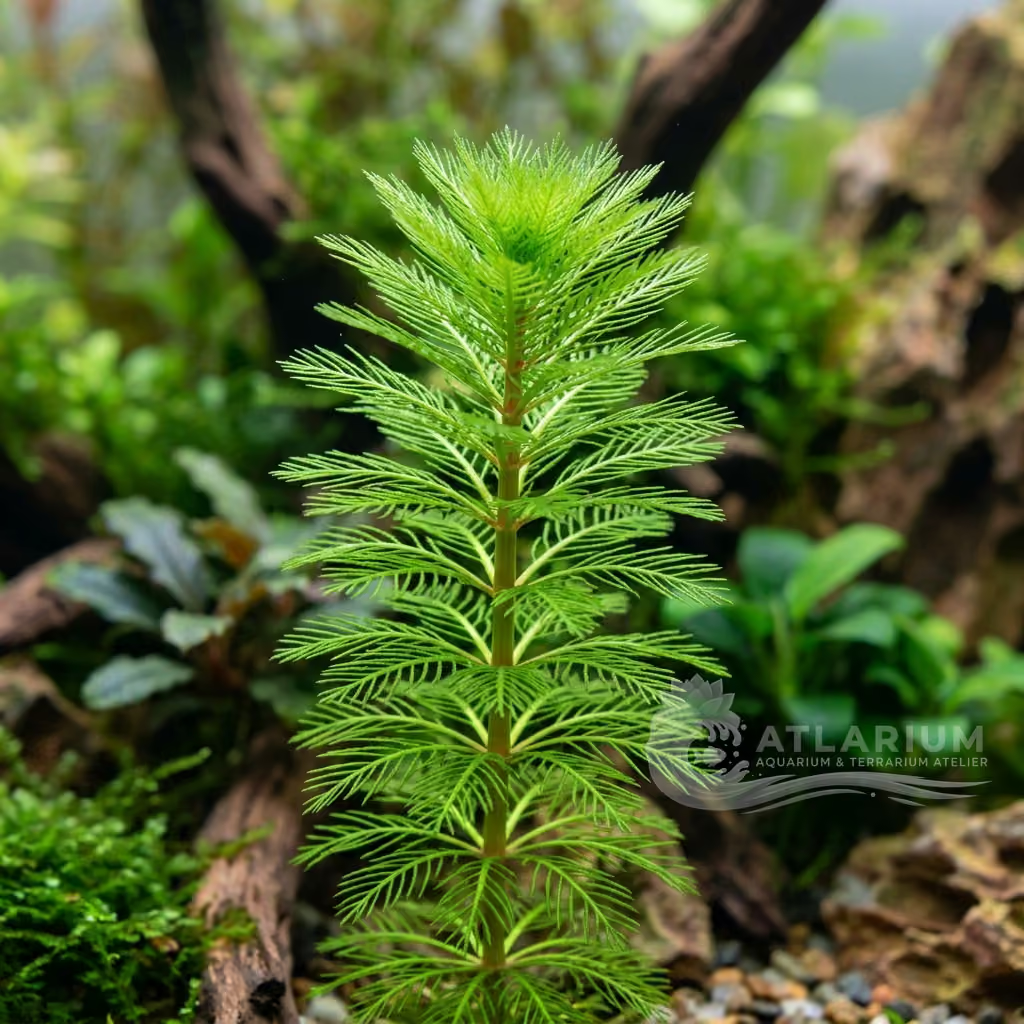
Myriophyllum heterophyllum is a fast-growing aquatic plant ideal for midground placement, where its finely pinnate leaves create a dense, lush effect, contributing to a structured and naturally elegant aquascape. Its ability to form compact bushes makes it excellent for adding depth and visual contrast, while also offering shelter for small fish species.
Water Temperature
20 - 28 °C
pH Value
6 - 7.5
Water type
Freshwater
Light
Medium to High
CO2
Medium - High
Expected height
50 cm
KH
2 - 10 dKH

Species description
Geographical Origin and Habitat: Myriophyllum heterophyllum originates from temperate regions of North America, thriving in a variety of aquatic habitats such as ponds, lakes, slow-moving streams, and ditches. This highly adaptable species is found in both fresh and slightly brackish waters, often forming dense underwater colonies that help stabilize the substrate and provide shelter. Its ability to rapidly colonize new environments has led to its spread in many other parts of the world, sometimes causing it to be considered an invasive species outside its native range.
Taxonomy & Genetics: Belonging to the Haloragaceae family, Myriophyllum heterophyllum is a member of the Myriophyllum genus, known for its aquatic plants characterized by divided and pinnate leaves. The term "heterophyllum" specifically refers to its heterophylly, meaning its ability to produce leaves of different shapes depending on whether they are submerged, emersed, or floating, an intriguing evolutionary adaptation. This genus includes about 69 species, and the genetic classification of M. heterophyllum places it within a distinct clade, showcasing its morphological and ecological specificity. Genetic research has also highlighted its close relationship with other North American species of the genus, helping to clarify evolutionary dynamics within the family.
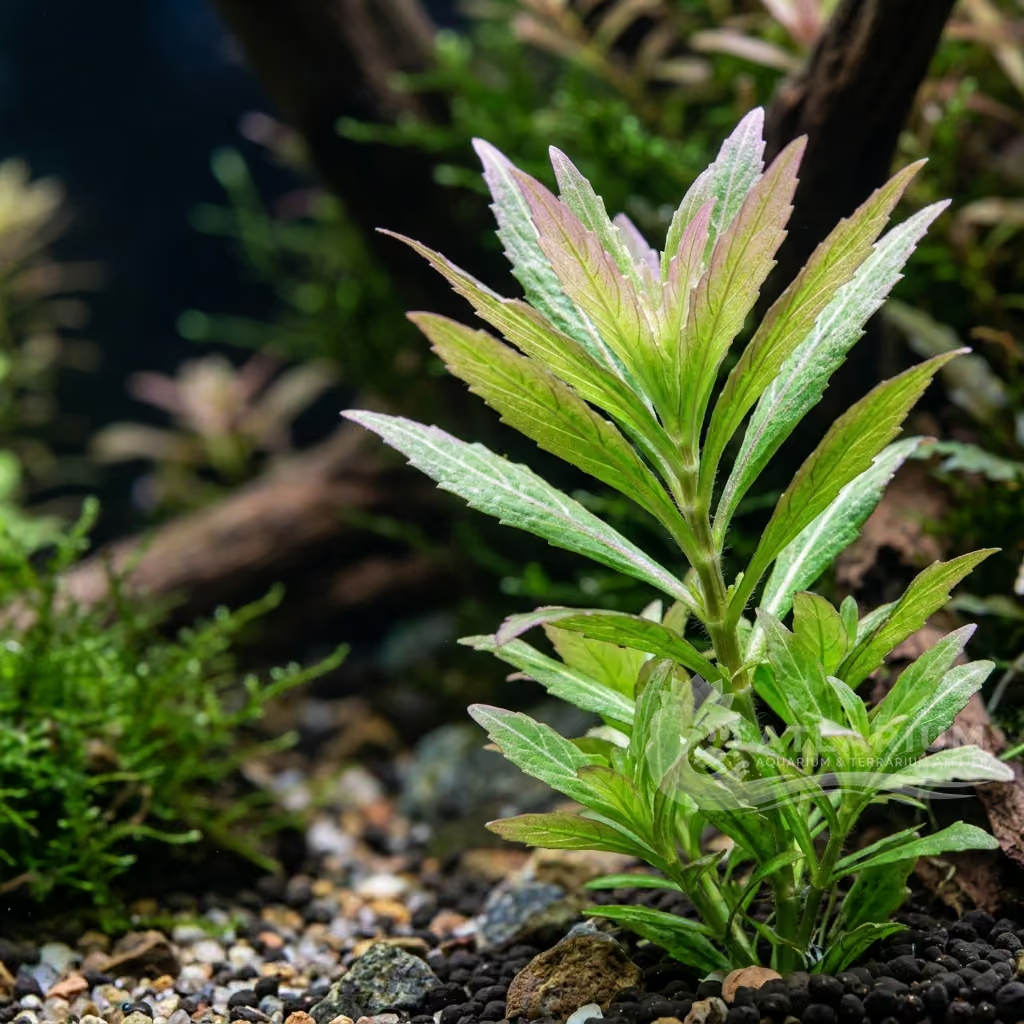
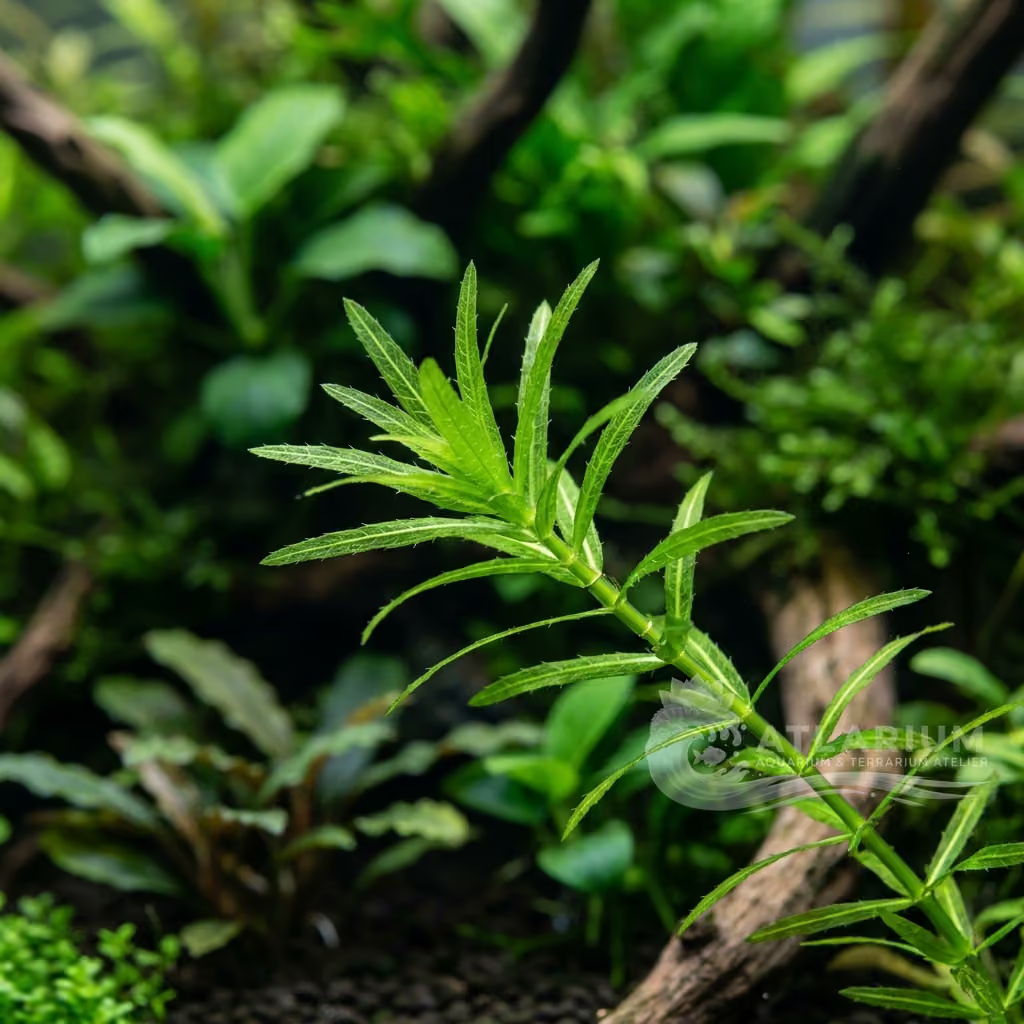
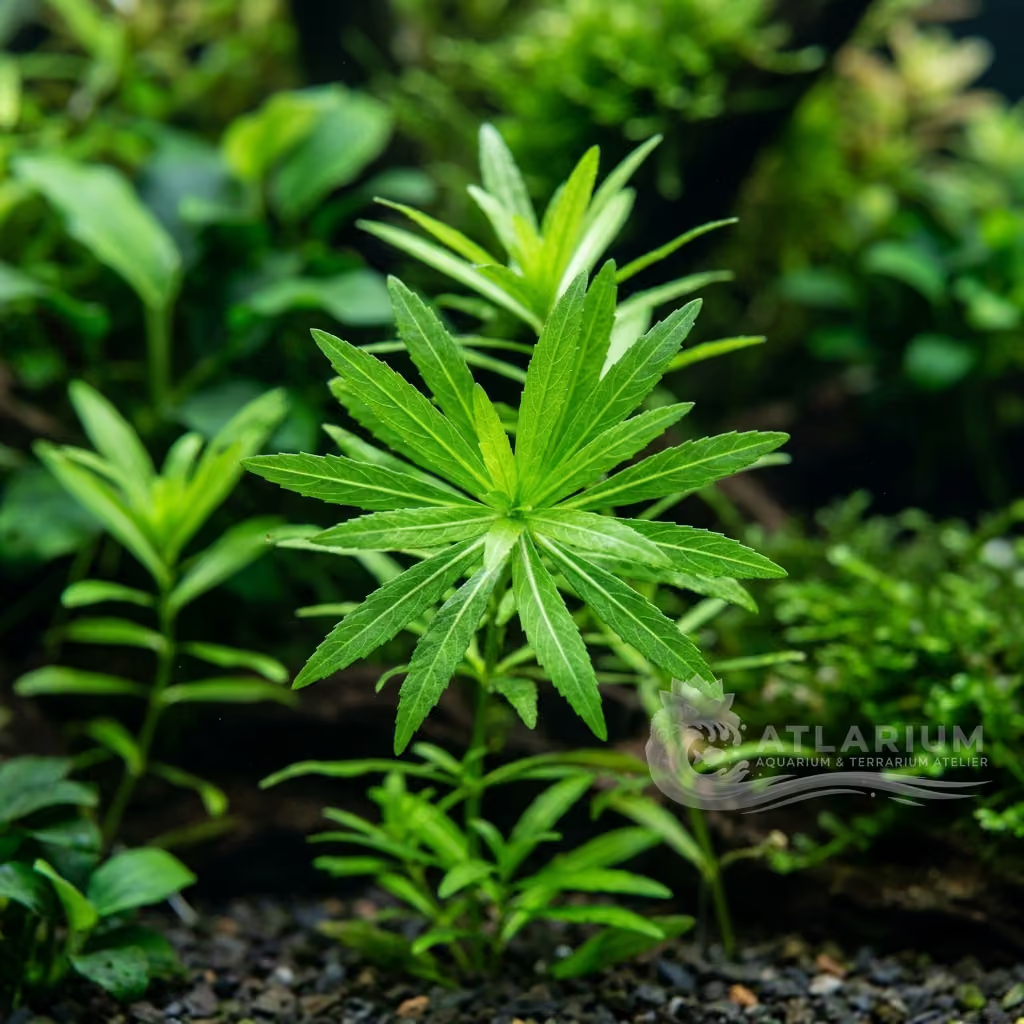
Physical Structure: The physical structure of Myriophyllum heterophyllum is notable for its slender yet robust stems, which can extend for several decimeters, sometimes reaching the water's surface. Submerged leaves are finely pinnate, giving a delicate, feathery appearance, and are arranged in regular whorls along the stem, creating a dense and lush effect. In emersed or floating growth conditions, the plant develops thicker, ovoid or lanceolate leaves that are less divided and may have a serrated margin, highlighting its characteristic heterophylly. This morphological adaptation allows it to optimize light and gas absorption based on the surrounding environment.
Color & Texture: Myriophyllum heterophyllum displays a color palette ranging from vibrant, bright green to intense shades of reddish-brown or bronze, particularly at the stem tips and apical leaves under conditions of high light and adequate nutrient availability, especially iron. The texture of its submerged leaves is extremely fine and silky to the touch, lending the plant an ethereal appearance and graceful movement with water currents. This combination of color and texture makes it a popular choice in aquascapes, where it can add striking contrast and a sense of visual depth, especially when planted in dense groupings.

Care, breeding and tankmates
Lighting & CO2: Lighting plays a crucial role in the growth and coloration of Myriophyllum heterophyllum, requiring medium to high intensity to fully thrive and develop its characteristic reddish hues. Insufficient light can lead to elongated, weak stems with less dense foliage, while strong illumination stimulates compact growth and more intense coloration. CO2 injection is highly recommended and almost essential to maximize growth rate, promote overall health, and prevent melting or deterioration of lower leaves, ensuring a consistent carbon supply for photosynthesis.
Nutrition & Substrate: For optimal growth, Myriophyllum heterophyllum benefits from a nutrient-rich substrate containing micronutrients, although it is also an efficient absorber of nutrients from the
Water Chemistry: Myriophyllum heterophyllum prefers stable and well-maintained water conditions, with an ideal temperature range of 20 to 28 °C, which supports active metabolism without thermal stress. Regarding carbonate hardness (KH), the plant adapts to a fairly wide range, from 2 to 12 dKH, indicating tolerance to various water compositions, although it prefers slightly soft to medium-hard water. The optimal pH is between 6.0 and 7.5, leaning slightly acidic to neutral, conditions that promote nutrient absorption and overall aquatic plant health.
Space Management & Placement: Although classified as a midground plant, Myriophyllum heterophyllum's rapid growth often makes it an excellent background option if not regularly pruned. To create a bushy and dense effect in the midground or background, it is advisable to plant multiple stems close together, forming a compact group that can then be shaped by
Pruning: Regular and strategic pruning is essential to maintain Myriophyllum heterophyllum in the desired shape, prevent it from overgrowing towards the surface, and stimulate denser, bushier growth. Stems can be cut at any desired height; the trimmed tops can then be replanted into the substrate to propagate the plant or create new clusters. Removing the lower parts of the stem that may have lost leaves due to shading or age helps rejuvenate the plant and ensures a consistently fresh and vibrant appearance.
Risks & Diseases: Like many fast-growing plants, Myriophyllum heterophyllum can be susceptible to algae problems if aquarium conditions are unstable or if there is an imbalanced excess of nutrients. Nutritional deficiencies typically manifest as yellowing leaves (iron or nitrogen deficiency), the appearance of small holes (potassium deficiency), or stunted growth. Furthermore, the plant can "melt" or rapidly decline in response to drastic changes in water parameters or unfavorable environmental conditions, requiring careful acclimatization and constant monitoring to maintain its health.

Geographic origin and distribution
Myriophyllum heterophyllum originates from temperate regions of North America, thriving in a variety of aquatic habitats such as ponds, lakes, slow-moving streams, and ditches. This highly adaptable species is found in both fresh and slightly brackish waters, often forming dense underwater colonies that help stabilize the substrate and provide shelter. Its ability to rapidly colonize new environments has led to its spread in many other parts of the world, sometimes causing it to be considered an invasive species outside its native range.
Origin
North America

Plant profile
- Placement
- Midground
- Due to its rapid vertical growth, it is best placed in the background of the aquarium. It looks most impressive when planted in large, dense groups to create a textured, forest-like effect. Regular trimming is needed to prevent it from shadowing midground plants.
- Botanical form
- Stem
- This species features a classic stem plant structure with incredibly fine, pinnate leaves arranged in whorls around the stem. The finely divided foliage gives it a soft, feathery texture. It has a strong tendency to grow straight up toward the light source.
- Growth
- Fast
- It exhibits a very fast growth rate, especially under optimal high-tech conditions. It can grow several inches per week and will quickly reach the water's surface. Frequent pruning is required to keep the plant bushy and contained.
- Substrate
- High
- A nutrient-rich aqua soil is the ideal substrate for this fast-growing stem plant. It develops a substantial root system that heavily draws nutrients from the soil. While it can survive in gravel, its growth will be less dense and vibrant without a fertile base.
- Column fertilization
- Recommended
- Comprehensive liquid fertilization is essential to sustain its rapid growth rate. It readily absorbs nutrients directly from the water column through its finely divided leaves. Consistent dosing helps maintain internode density and overall vibrant color.
- Root fertilization
- None
- Root tabs are highly recommended, even if liquid fertilizers are used. The plant utilizes its deep root system to access extra nutrients from the substrate, promoting thicker, sturdier stems. Substrate fertilization is especially helpful in older setups where soil nutrients have depleted.
- Trimming
- Occasional
- If you want to keep the plant submerged, trim it as soon as it nears the surface and replant the tops. Alternatively, you can let it grow out of the water for a wilder look. Discarding older, leafless bottom sections is often necessary to maintain a tidy appearance.
- Propagation
- Cuttings
- Propagation is simple and straightforward via stem cuttings. Snipping the top portion of a healthy stem and planting it into the substrate will quickly yield a new plant. The rooted bottom half will typically produce multiple side shoots, increasing the bushiness of the stand.
- Sensitivity
- Moderate
- It is generally a hardy species that tolerates a wider range of temperatures than many tropical plants. However, it requires strong lighting; insufficient light will cause rapid loss of lower leaves. Good water circulation is important to keep the fine submerged leaves clean.
- Layout role
- Midground, Background
- It serves as a striking background plant, providing a unique texture change if allowed to grow emerged. In the submerged state, its feathery green foliage offers a beautiful, soft backdrop. It is ideal for North American biotope setups or large display tanks.

Related species
Recommendations grouped by close relatives, companion choices, and similar care.