Myriophyllum aquaticum "Green"
Myriophyllum aquaticum "Green"
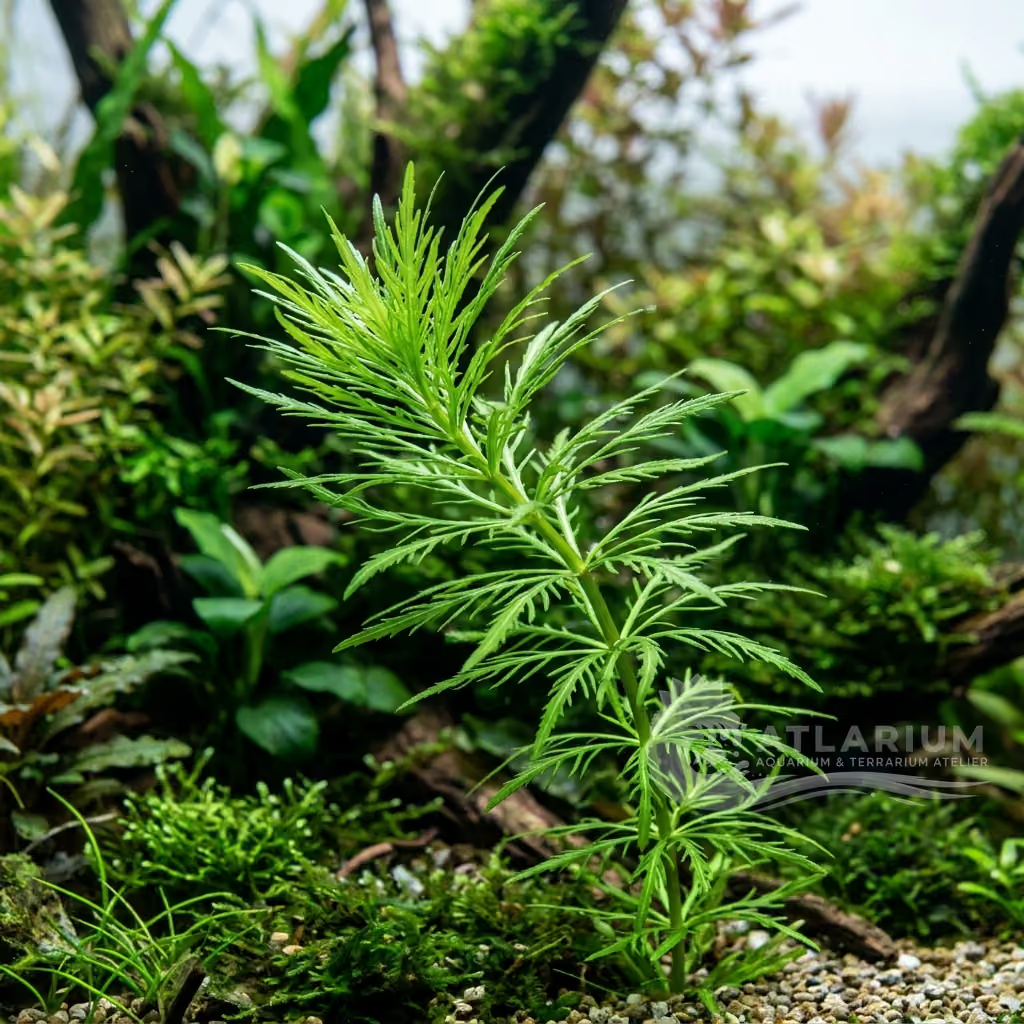
Myriophyllum aquaticum "Green" is a very fast-growing midground plant, renowned for its dense, feathery green foliage. It creates a lush, naturalistic aesthetic in aquascapes, demanding medium to high light to flourish optimally.
Water Temperature
4 - 28 °C
pH Value
5 - 7.5
Water type
Freshwater
Light
Medium to High
CO2
High
KH
2 - 14 dKH

Species description
Geographical Origin and Habitat: Originating from the aquatic environments of South America, particularly the Amazon basin, Myriophyllum aquaticum is a highly adaptable species found in slow-moving streams, ponds, and wetlands. Its natural habitat often involves both submerged and emergent growth, where it can form dense mats along water margins. This plant has successfully naturalized in many parts of the world, often becoming a prolific species in temperate and subtropical climates due to its rapid growth and robust nature.
Taxonomy & Genetics: Myriophyllum aquaticum "Green" belongs to the family Haloragaceae, a diverse group of mostly aquatic and semi-aquatic plants. The genus Myriophyllum encompasses numerous species known for their finely dissected, whorled leaves, and "Green" refers to a specific variant prized for its consistent, vibrant green
Color & Texture: ation. Taxonomically, its common name, Parrot's Feather, aptly describes its delicate, feather-like foliage, distinguishing it from other similar-looking stem plants. This particular cultivar maintains its verdant hue even under intense lighting conditions, which can sometimes induce reddish tones in other Myriophyllum varieties.
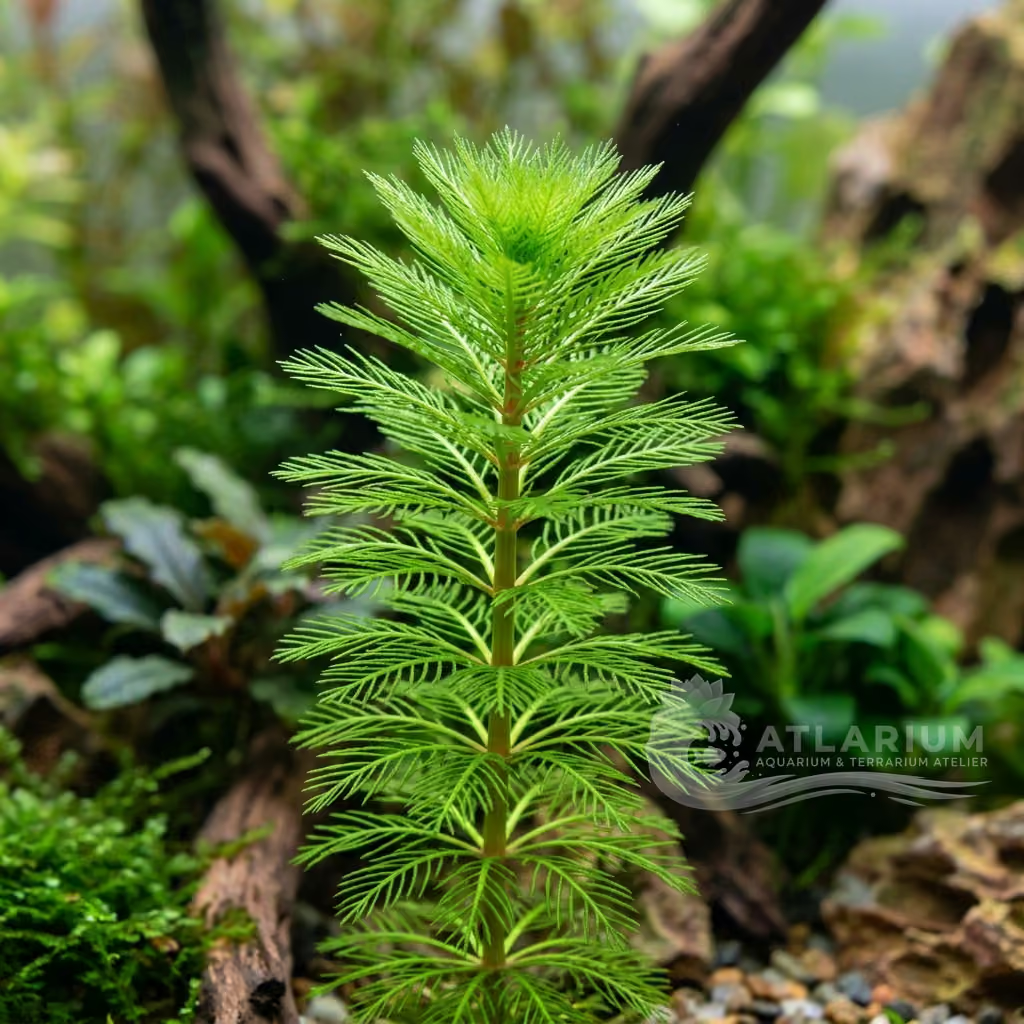
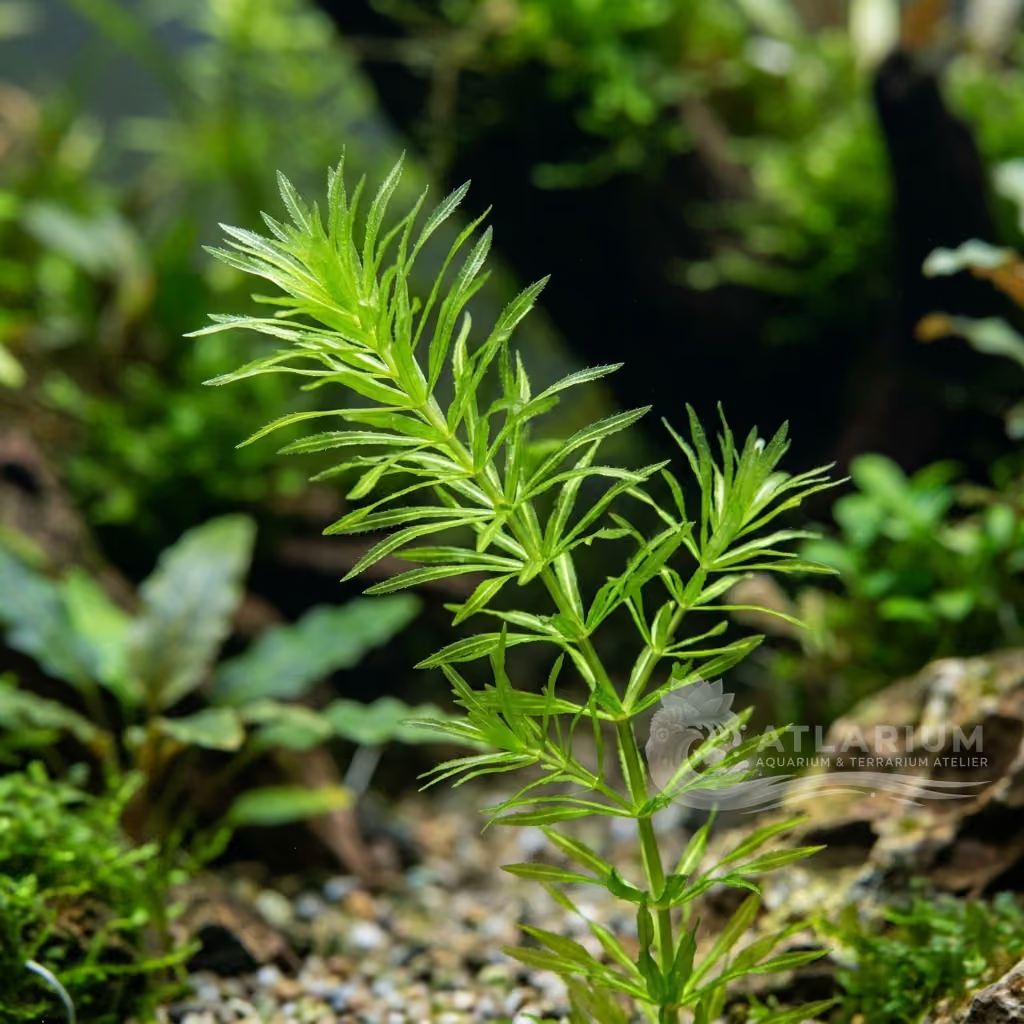
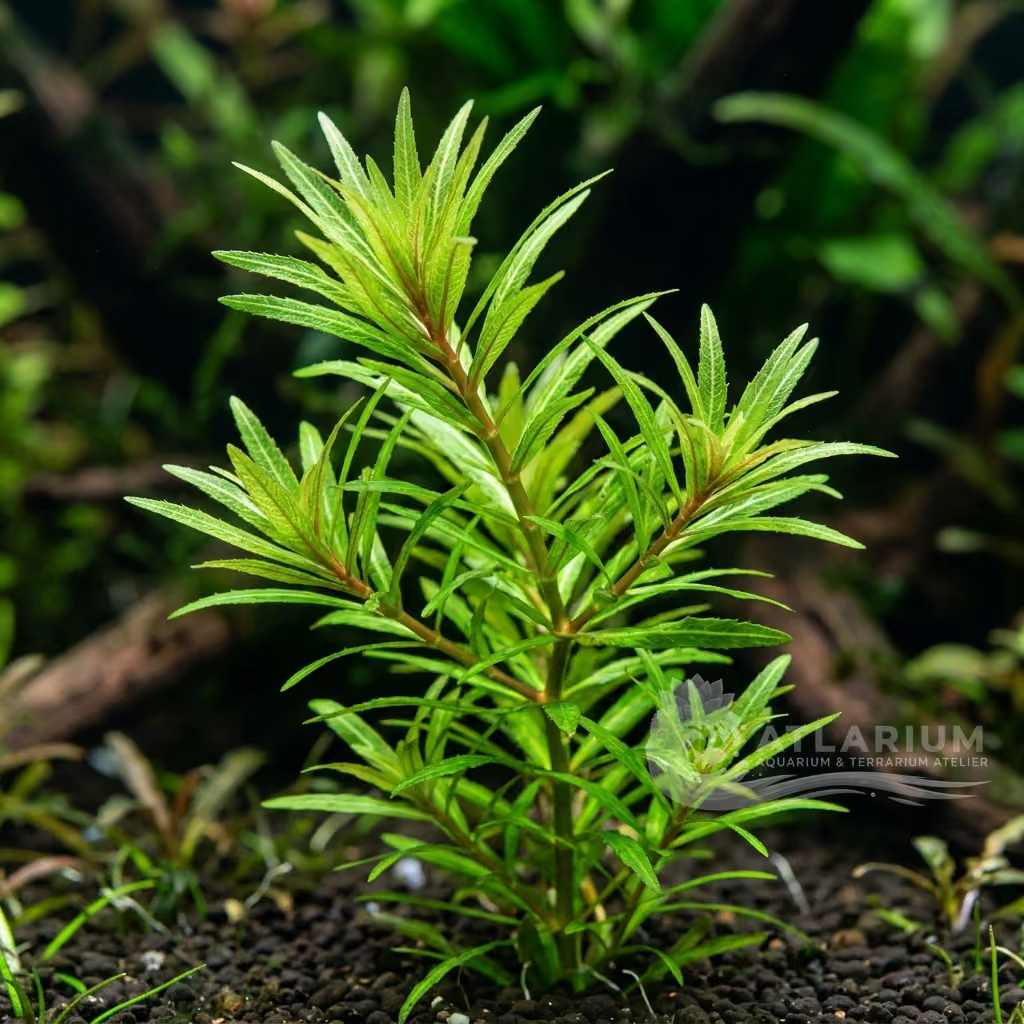
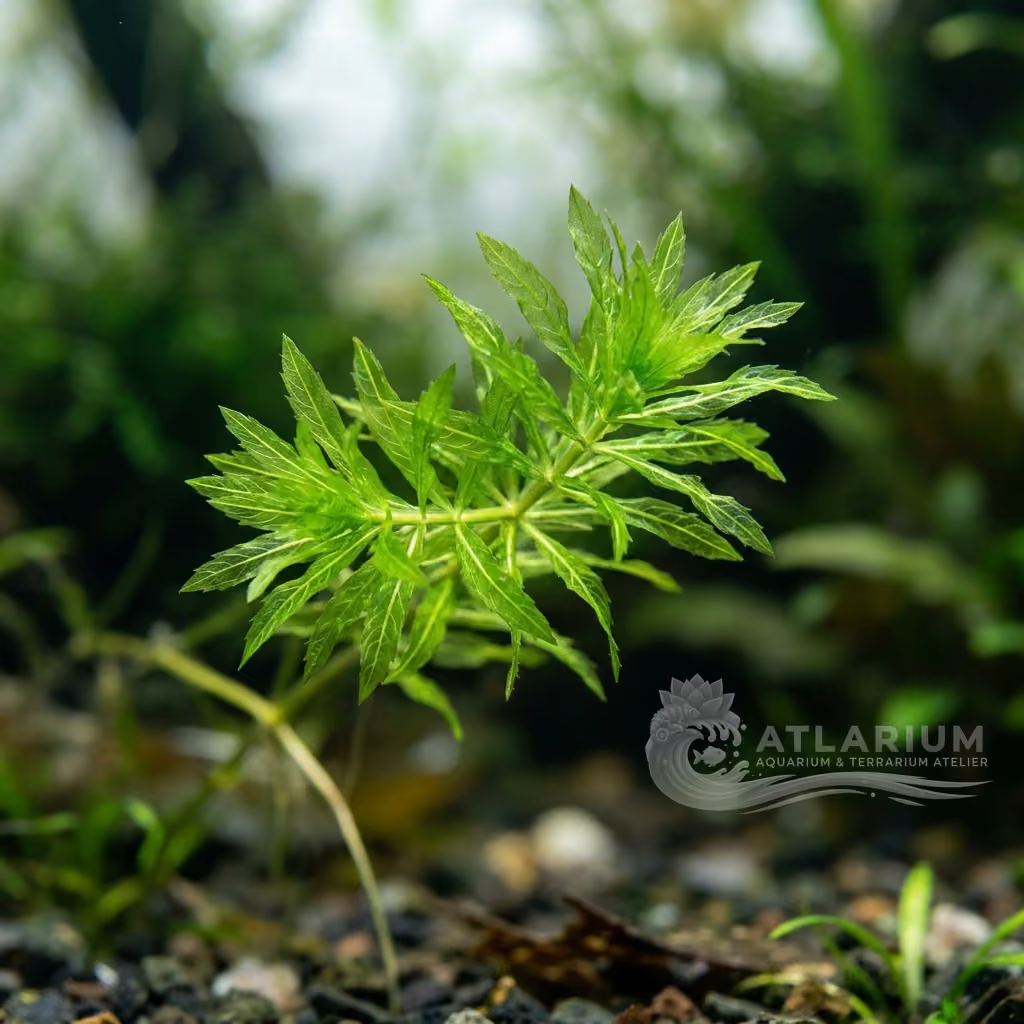
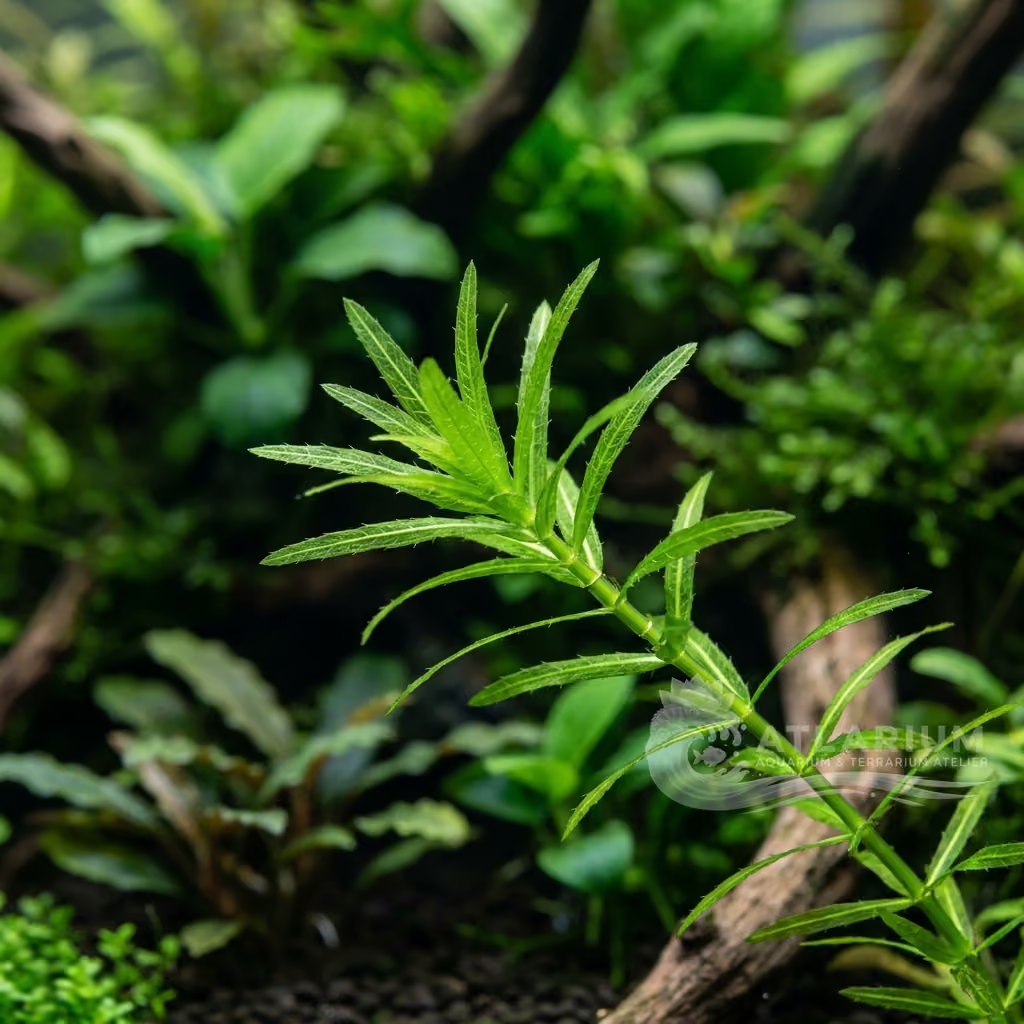
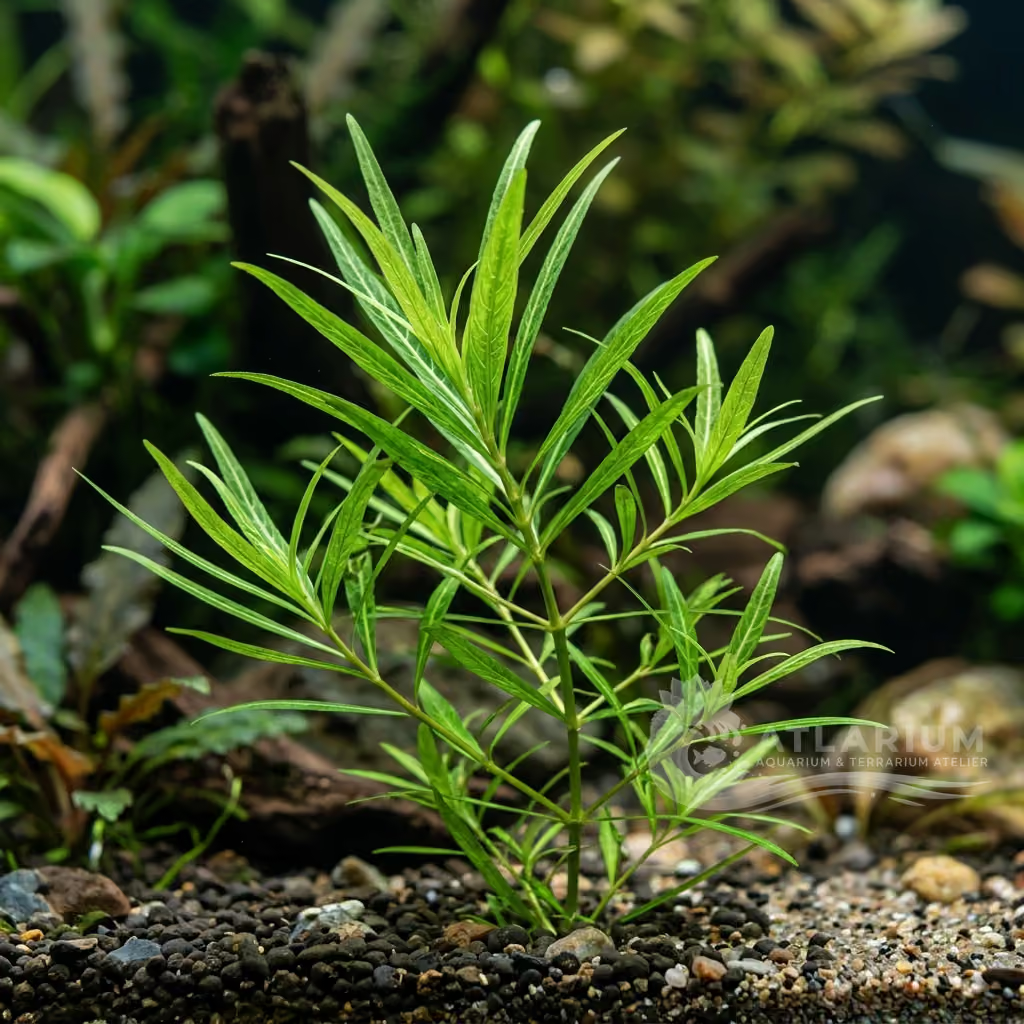
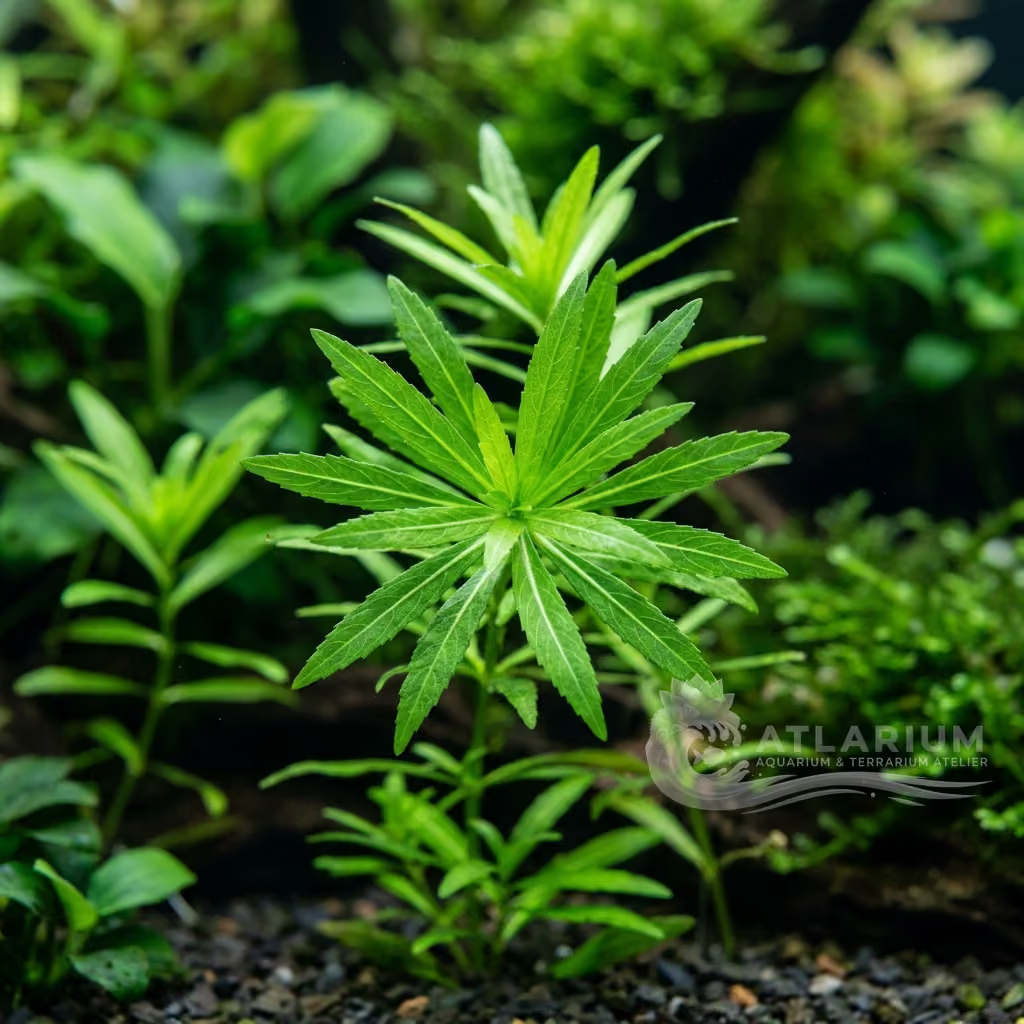
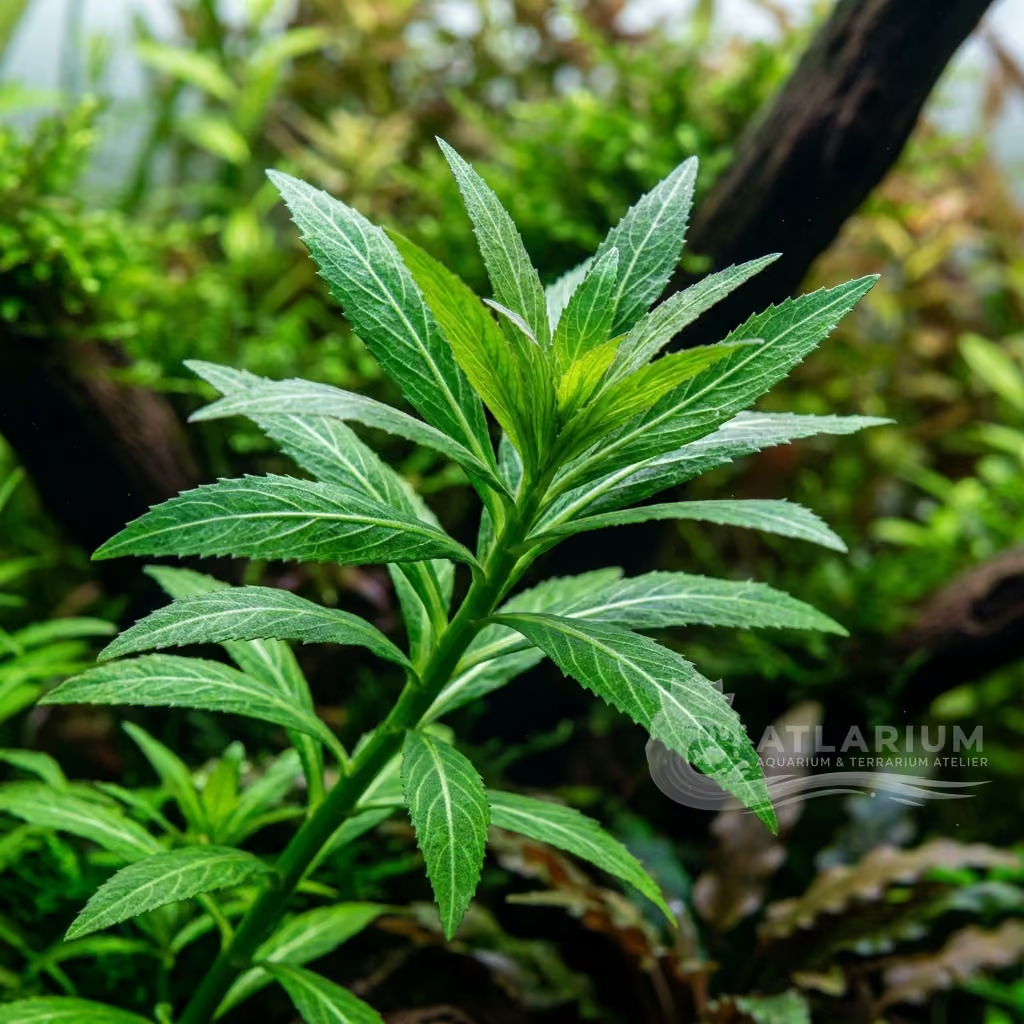
Physical Structure: The physical structure of Myriophyllum aquaticum "Green" is characterized by robust, upright stems adorned with delicate, finely pinnate leaves arranged in whorls along their length. Each leaf is deeply dissected, giving the plant a distinctive feathery or brush-like appearance that adds texture and depth to the aquascape. These stems can grow quite tall, reaching the water surface rapidly under optimal conditions, where they may develop slightly different leaf forms as they transition to emergent growth. Its roots primarily serve for anchoring in the substrate, though the plant absorbs most of its nutrients directly from the water column through its dense foliage.
Color & Texture: The "Green" appellation of Myriophyllum aquaticum specifically highlights its rich, consistent verdant coloration, which remains vibrant and striking even under high light intensity. Its delicate, feathery texture creates a soft, ethereal visual effect, allowing it to sway gently with the slightest water movement, adding dynamic beauty to the tank. This bright green hue contrasts beautifully with darker substrates or red-toned plants, making it a versatile choice for creating focal points or lush midground arrangements. The dense foliage provides excellent shelter for small fish and invertebrates, contributing to a natural and thriving aquatic ecosystem.

Care, breeding and tankmates
Lighting & CO2: Myriophyllum aquaticum "Green" thrives under medium to high lighting conditions, requiring adequate intensity and duration (typically 8-10 hours daily) to maintain its compact growth and vibrant color. Insufficient light can lead to leggy growth, fading color, and the shedding of lower leaves, diminishing its aesthetic appeal. While it can survive without supplemental CO2, injecting carbon dioxide is highly recommended for achieving very fast, dense growth and preventing algae accumulation on its delicate leaves. Optimal CO2 levels will also promote bushier development and a more robust appearance, allowing the plant to reach its full potential rapidly.
Nutrition & Substrate: As a fast-growing stem plant, Myriophyllum aquaticum "Green" is primarily a
Water Chemistry: Myriophyllum aquaticum "Green" exhibits a broad tolerance for water parameters, flourishing in temperatures ranging from 4.0 to 28.0 C, though optimal growth typically occurs in the mid-range of 20-26 C. It prefers a slightly acidic to neutral pH between 5.0 and 7.5 and adapts well to a wide range of water hardness, with KH values from 2.0 to 14.0. Maintaining stable water conditions within these specified ranges is more critical than aiming for absolute values at the extremes, as sudden fluctuations can stress the plant. Consistent water quality, with regular water changes, helps prevent nutrient imbalances and supports overall plant health, minimizing the risk of melting.
Space Management & Placement: Due to its very fast growth rate and potential for significant height, Myriophyllum aquaticum "Green" is best placed in the midground of an aquascape, where it can form dense, bushy groupings. In smaller tanks, it can quickly become a background plant, requiring diligent trimming to prevent it from overwhelming the layout or shading slower-growing species. Ample spacing should be provided between stems initially to allow for good water circulation and light penetration, promoting uniform growth and preventing the lower leaves from dying off. Its lush texture makes it an excellent choice for creating a naturalistic feel or as a transition plant between shorter foreground elements and taller background flora.
Pruning: Regular and consistent pruning is essential for managing the rapid growth of Myriophyllum aquaticum "Green" and maintaining its desired shape and density within the aquascape. When stems reach the water surface or become too tall, they should be trimmed back, typically by cutting the stem above a healthy node, which encourages side shoots and a bushier appearance. The trimmed tops can then be replanted into the substrate to propagate new plants, effectively increasing the plant mass or filling in sparse areas. Frequent trimming prevents the plant from becoming leggy and shading out other aquatic flora, contributing to the overall balance and aesthetic of the aquarium.
Risks & Diseases: While generally robust, Myriophyllum aquaticum "Green" can be susceptible to certain risks if not provided with optimal conditions. Nutrient deficiencies, particularly iron, can manifest as yellowing or fading of the delicate leaves, while insufficient CO2 or light often leads to stunted growth and algae accumulation on its fine foliage. Rapid changes in water parameters, particularly temperature or pH, can induce 'melting,' where parts of the plant, especially older leaves, dissolve. Preventing these issues involves maintaining stable water chemistry, ensuring consistent light and CO2, and adhering to a regular fertilization schedule, along with addressing any signs of nutrient imbalance promptly.

Geographic origin and distribution
Originating from the aquatic environments of South America, particularly the Amazon basin, Myriophyllum aquaticum is a highly adaptable species found in slow-moving streams, ponds, and wetlands. Its natural habitat often involves both submerged and emergent growth, where it can form dense mats along water margins. This plant has successfully naturalized in many parts of the world, often becoming a prolific species in temperate and subtropical climates due to its rapid growth and robust nature.
Origin
Amazon, Orinoco, and Guianas

Plant profile
- Placement
- Midground
- Due to its rapid vertical growth, it is best placed in the background of the aquarium. It looks most impressive when planted in large, dense groups to create a textured, forest-like effect. Regular trimming is needed to prevent it from shadowing midground plants.
- Botanical form
- Stem
- This species features a classic stem plant structure with incredibly fine, pinnate leaves arranged in whorls, presenting a pure bright green coloration. The finely divided foliage gives it a soft, feathery texture. It has a strong tendency to grow straight up toward the light source.
- Growth
- VERY_FAST
- It exhibits a very fast growth rate, especially under optimal high-tech conditions. It can grow several inches per week and will quickly reach the water's surface. Frequent pruning is required to keep the plant bushy and contained.
- Substrate
- Low
- A nutrient-rich aqua soil is the ideal substrate for this fast-growing stem plant. It develops a substantial root system that heavily draws nutrients from the soil. While it can survive in gravel, its growth will be less dense and vibrant without a fertile base.
- Column fertilization
- Recommended
- Comprehensive liquid fertilization is essential to sustain its rapid growth rate. It readily absorbs nutrients directly from the water column through its finely divided leaves. Consistent dosing helps maintain internode density and overall vibrant color.
- Root fertilization
- None
- Root tabs are highly recommended, even if liquid fertilizers are used. The plant utilizes its deep root system to access extra nutrients from the substrate, promoting thicker, sturdier stems. Substrate fertilization is especially helpful in older setups where soil nutrients have depleted.
- Trimming
- Occasional
- Frequent and aggressive trimming is required. You can cut the plant very low, and it will quickly rebound with multiple new shoots. To maintain a neat appearance, replant the tops and discard the older, often bare lower stems.
- Propagation
- Cuttings
- Propagation is simple and straightforward via stem cuttings. Snipping the top portion of a healthy stem and planting it into the substrate will quickly yield a new plant. The rooted bottom half will typically produce multiple side shoots, increasing the bushiness of the stand.
- Sensitivity
- Moderate
- It is generally very hardy but may suffer if shaded by other plants or its own overgrown canopy. Lower leaves tend to rot or fall off if light cannot penetrate the dense upper growth. Good water flow prevents debris from accumulating in its fine leaves.
- Layout role
- Midground, Background
- This plant provides a wonderful, soft green texture for the background. It contrasts perfectly against red plants or solid hardscape materials. Its rapid growth makes it an excellent choice for absorbing excess nutrients in newly set up aquariums.

Related species
Recommendations grouped by close relatives, companion choices, and similar care.