Myriophyllum rubricaule
Myriophyllum rubricaule
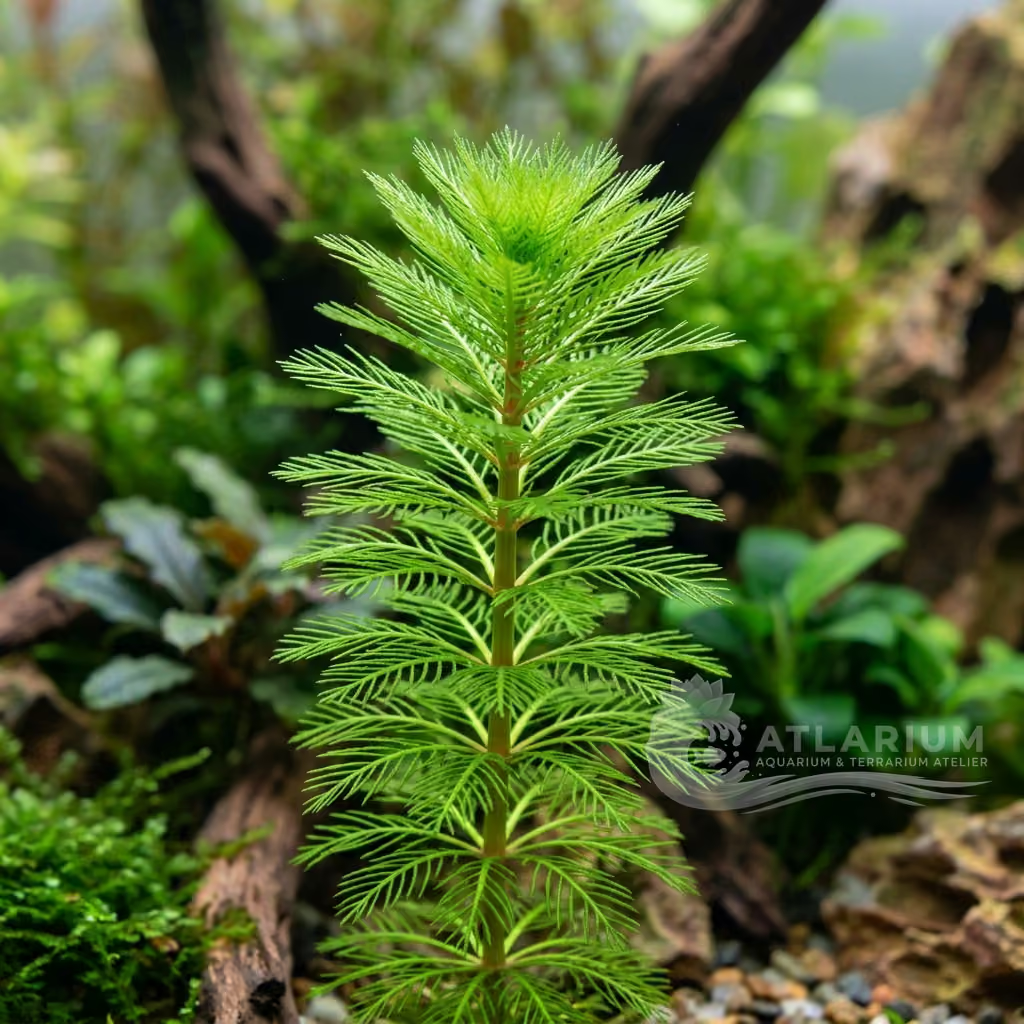
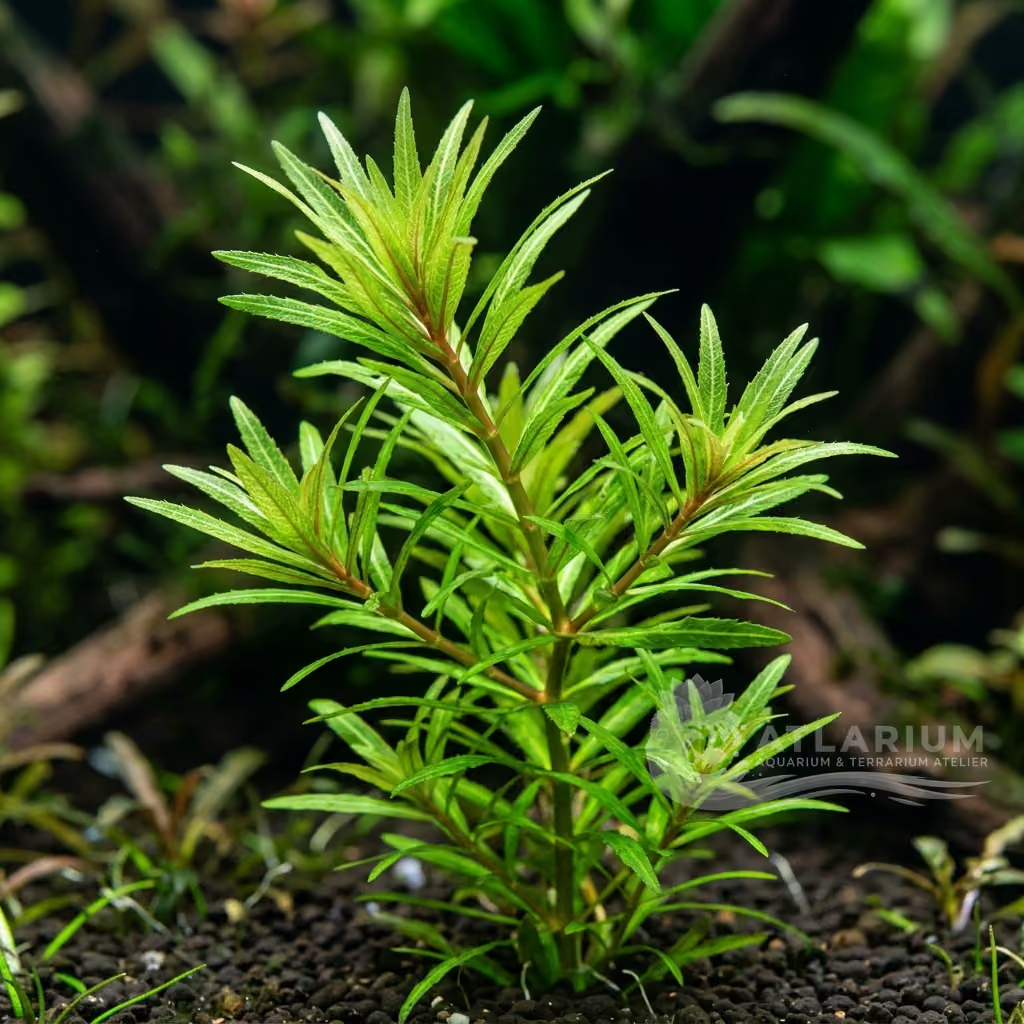
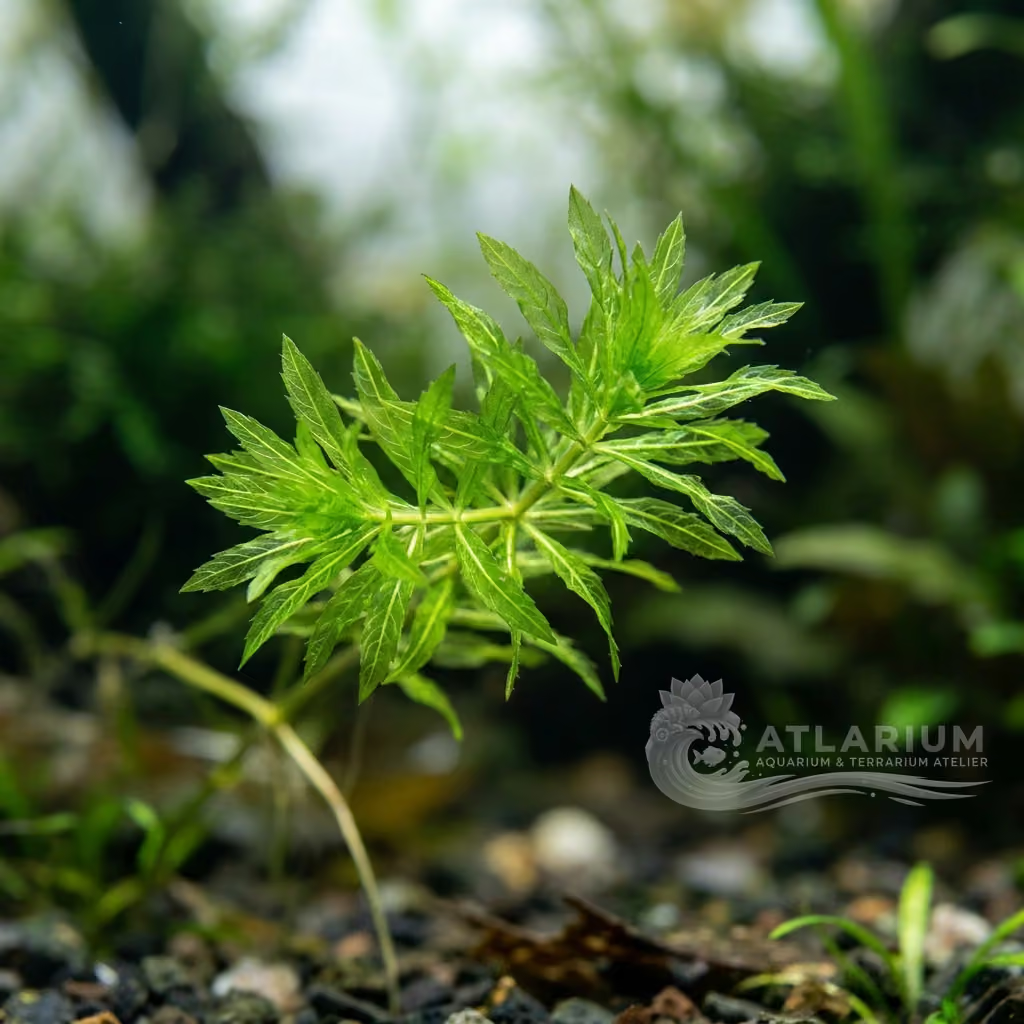
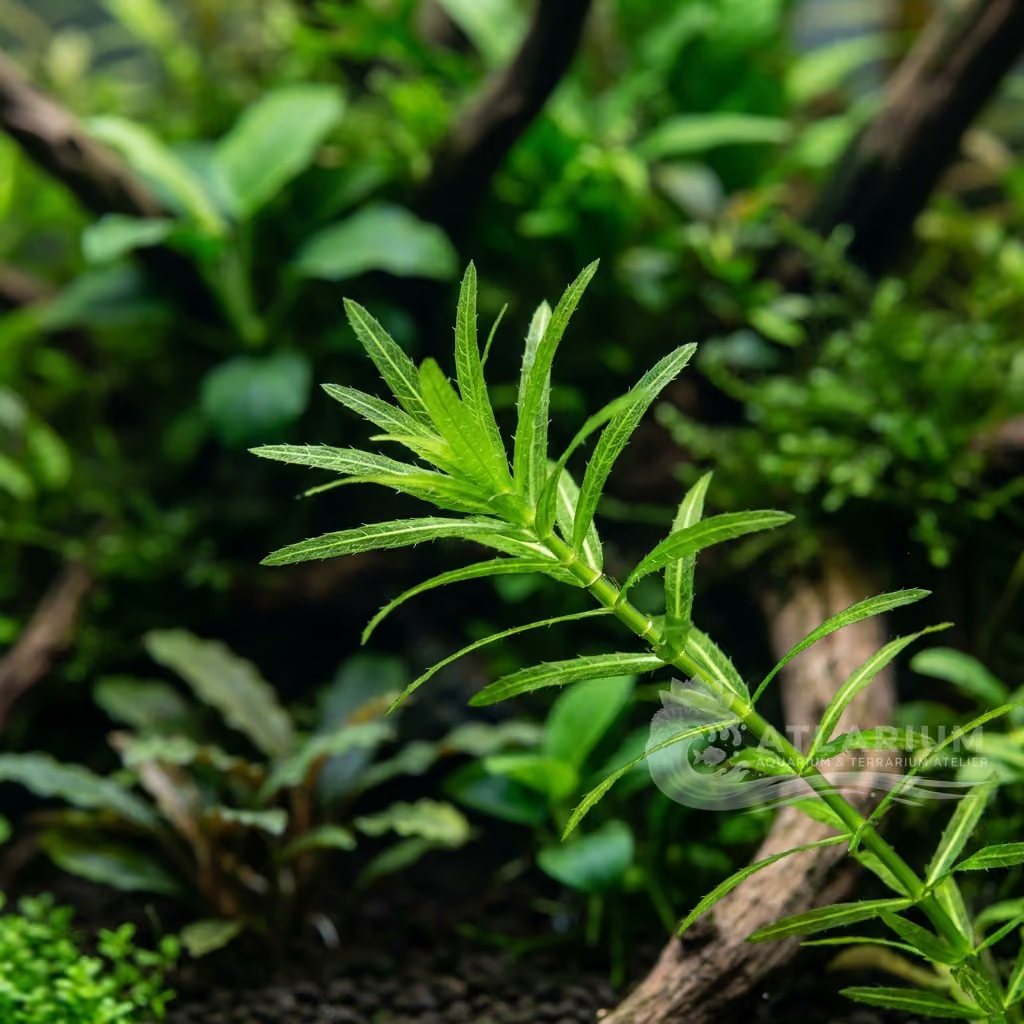
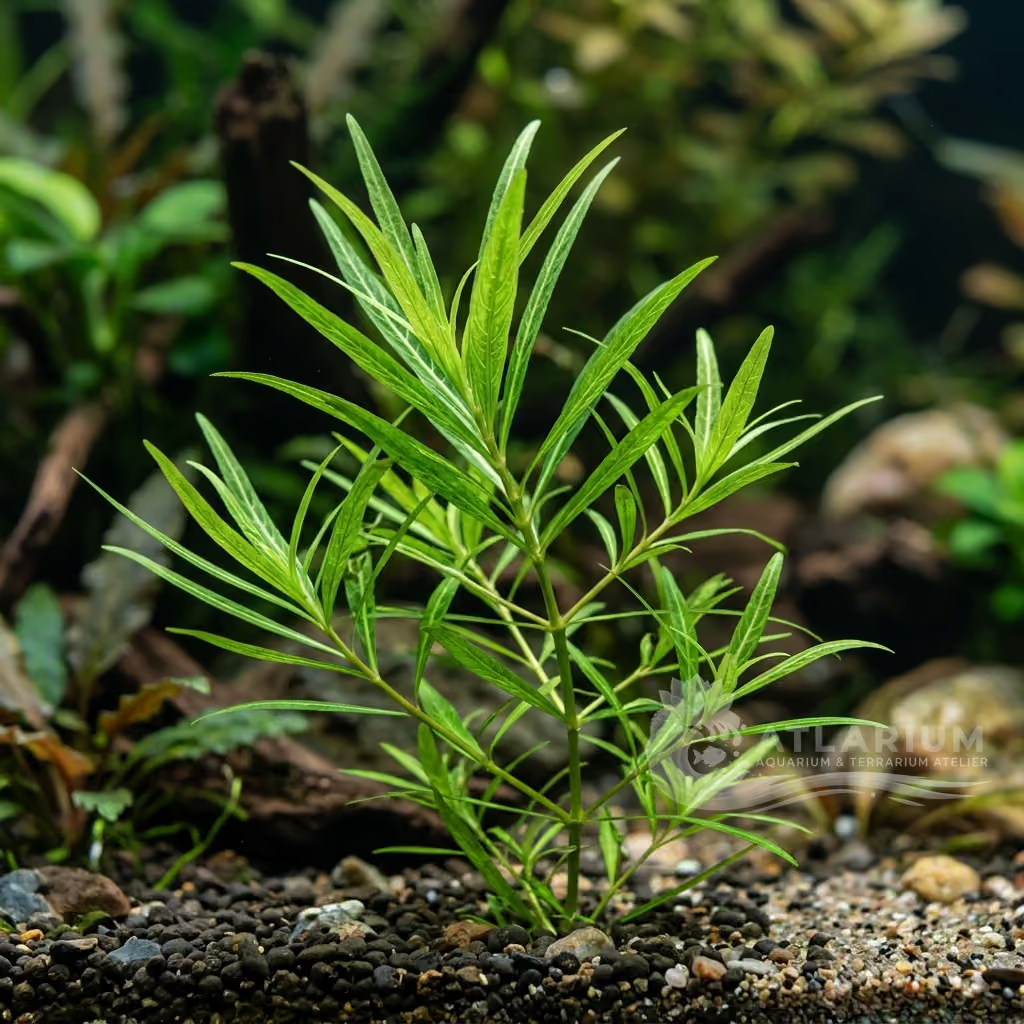
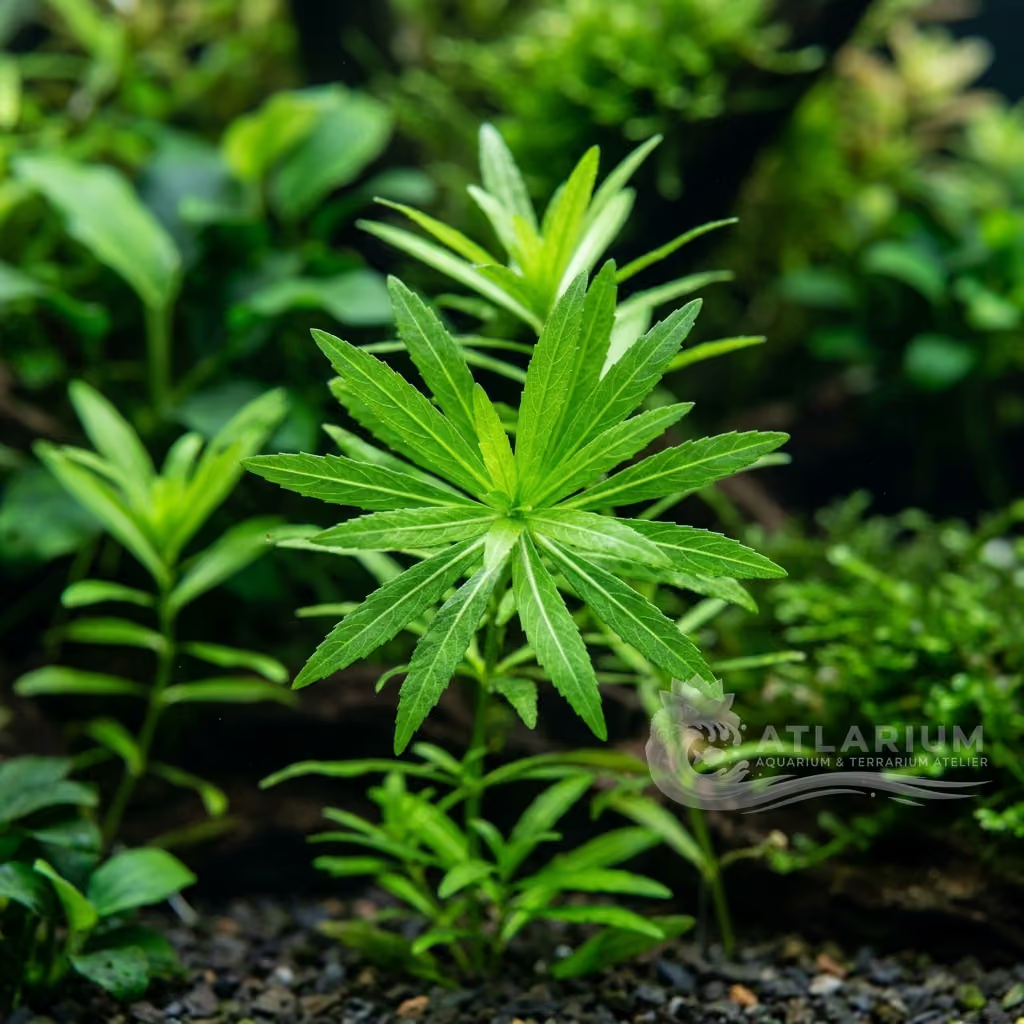
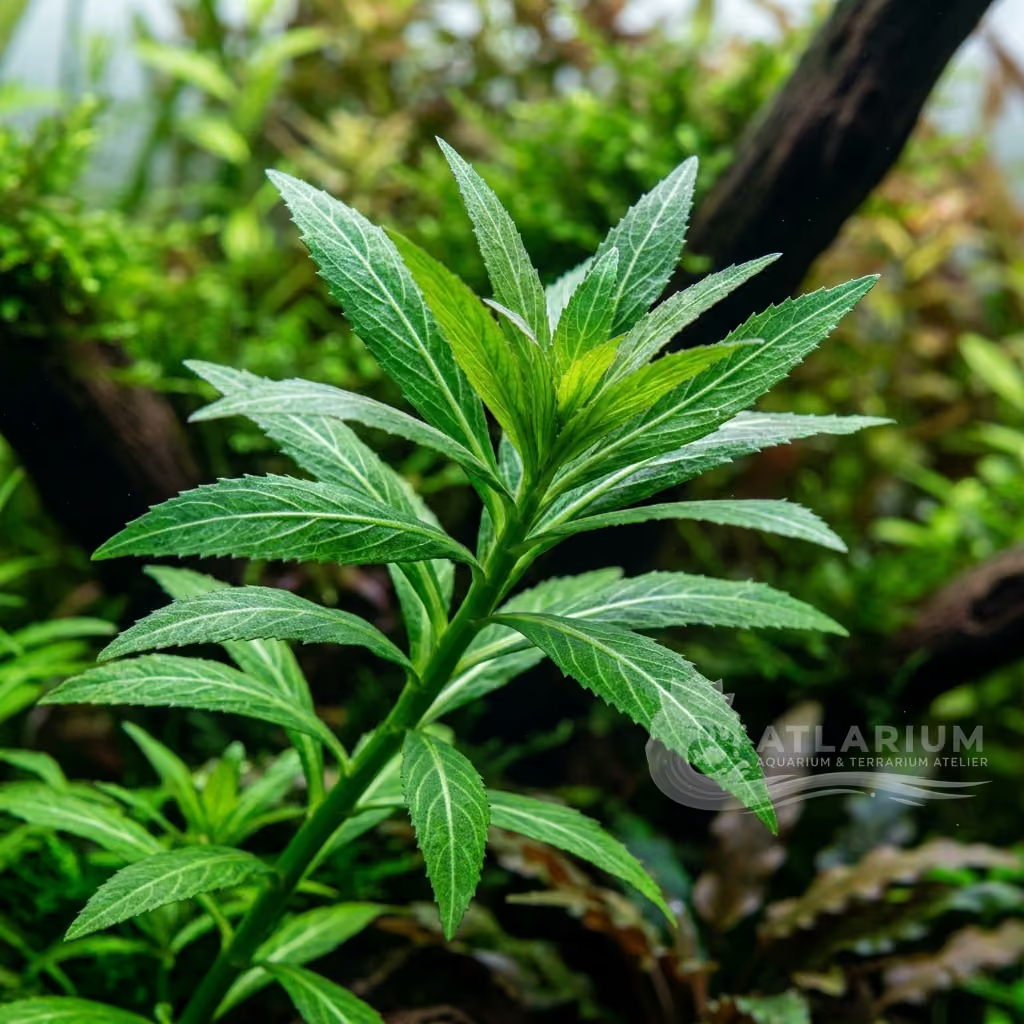
Myriophyllum rubricaule is a strikingly fast-growing stem plant, ideally suited for midground placement to create a dense, fine-textured bush. Its potential for reddish stems offers a beautiful color contrast and dynamic focal point in the aquascape.
Water Temperature
4 - 28 °C
pH Value
5 - 7.5
Water type
Freshwater
Light
Medium to High
CO2
High
KH
2 - 14 dKH

Species description
Geographical Origin and Habitat: Myriophyllum rubricaule is an aquatic species native to the tropical and subtropical regions of South America, particularly Brazil, where it thrives in slow-moving freshwater environments. It is commonly found in rivers, lakes, and ponds, preferring areas with abundant sunlight and nutrient-rich substrates. This natural habitat, characterized by relatively stable temperatures and clean waters, supports its vigorous growth in both submerged and emersed forms, showcasing remarkable adaptability. Its presence in such contexts significantly contributes to local biodiversity, providing shelter and food for aquatic fauna.
Taxonomy & Genetics: Belonging to the Haloragaceae family, Myriophyllum rubricaule is a member of the extensive Myriophyllum genus, renowned for its finely divided aquatic foliage. The scientific name "rubricaule" is derived from the Latin "ruber" (red) and "caulis" (stem), explicitly referring to the characteristic reddish
Color & Texture: ation of its stem under optimal conditions. Taxonomically, it is distinguished by its specific leaf and floral morphologies, although its identification may sometimes require detailed analysis to differentiate it from similar congeneric species. The genetic robustness of this species contributes to its remarkable fast growth rate and relative resilience in the aquarium.
Physical Structure:
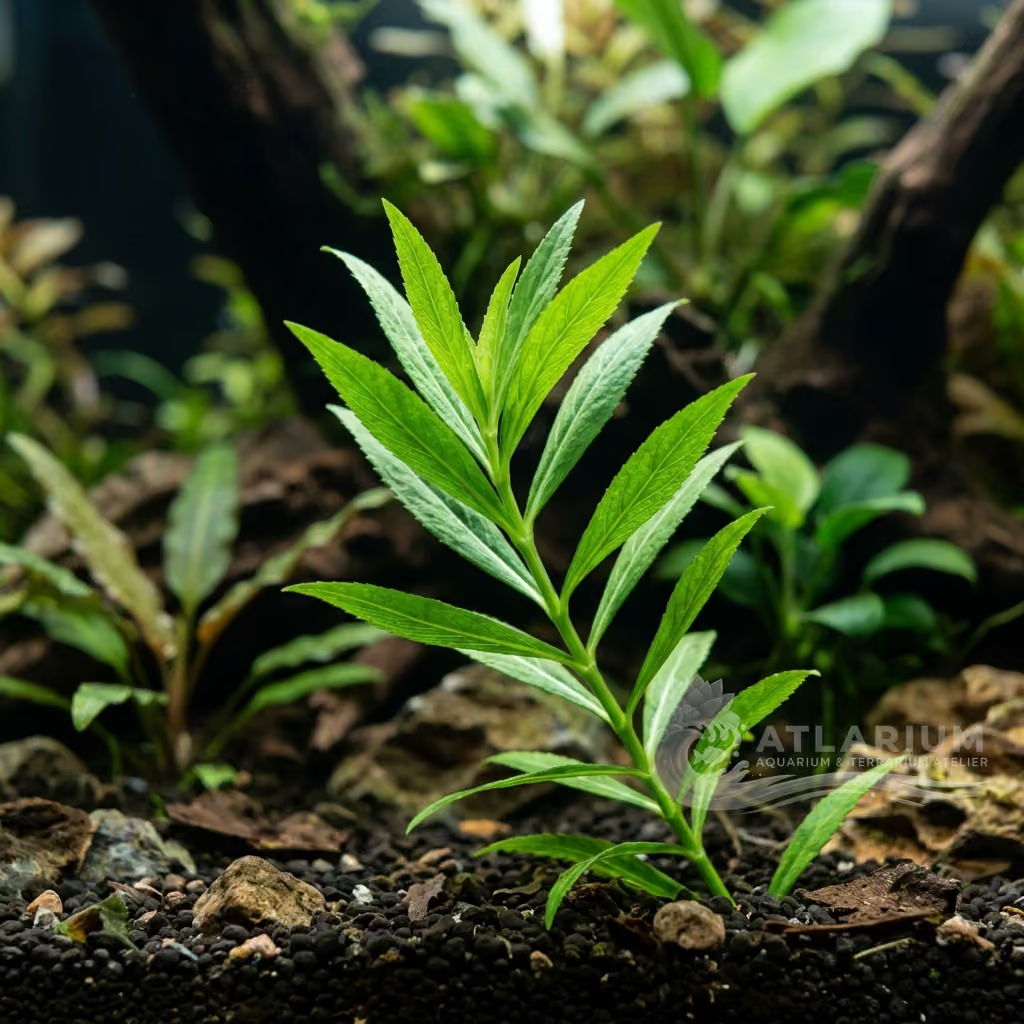
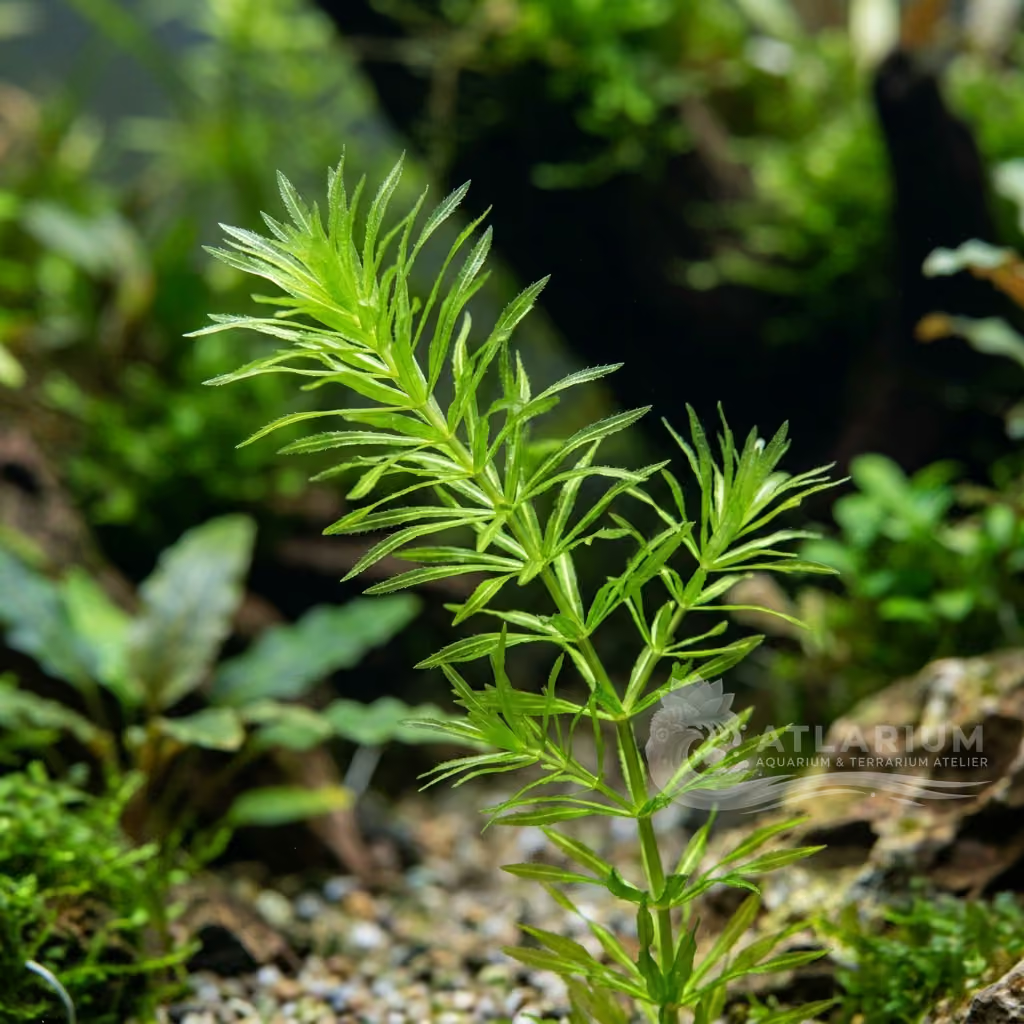
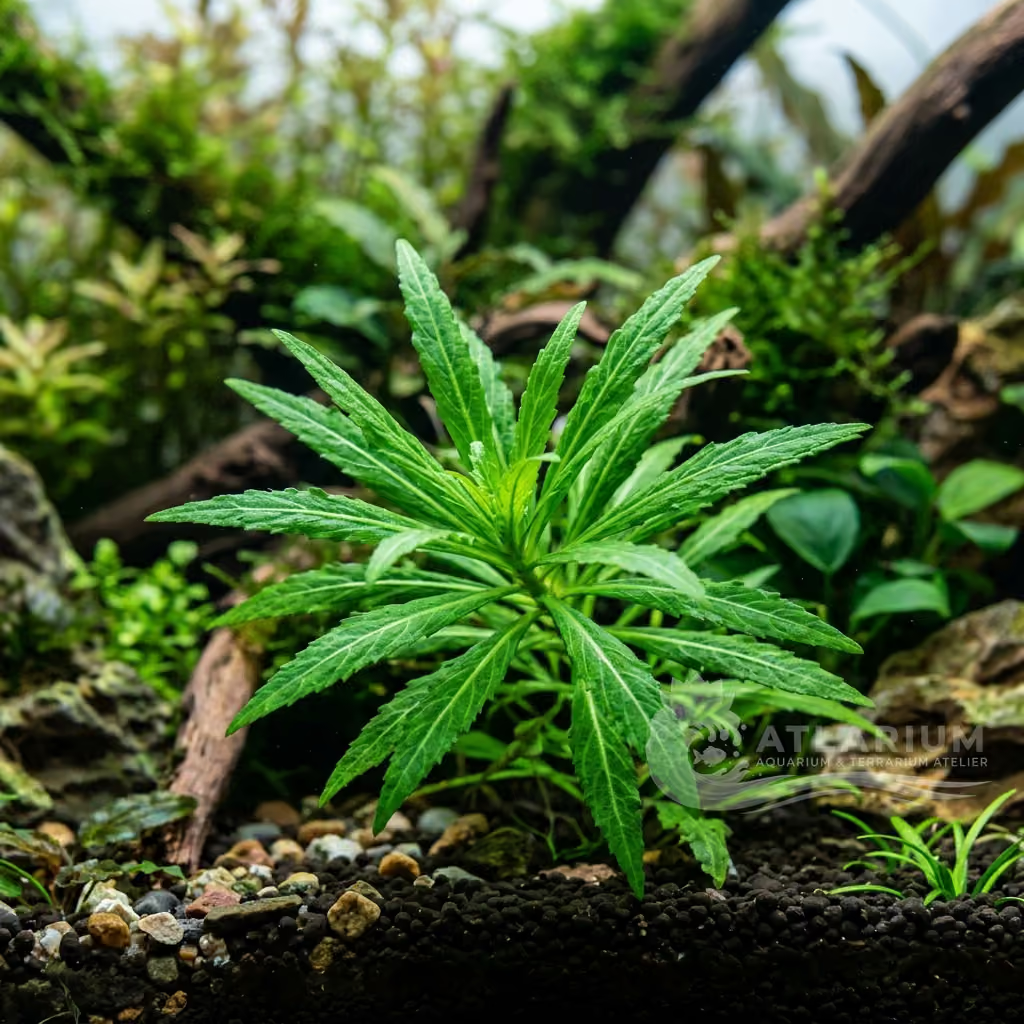
Color & Texture: The most cherished aesthetic feature of Myriophyllum rubricaule lies in its dynamic coloration, which can range from bright green foliage to a captivating reddish-orange on the stems and leaf tips. This intense reddish hue fully manifests under strong lighting and with adequate iron and other micronutrient supplementation, stimulating the production of accessory pigments. The overall texture of the plant is extremely fine and feathery, creating a soft, vaporous effect that adds depth and visual interest to the aquascape. The contrast between the vibrant green and the potential striking red makes it a popular choice for aquascapers seeking a lively color palette.

Care, breeding and tankmates
Lighting & CO2: To achieve optimal growth and fully enhance the stunning reddish coloration of Myriophyllum rubricaule's stems, it is essential to provide medium to high-intensity lighting. Insufficient light will result in stunted growth, elongated and weak stems, and a predominantly green coloration, diminishing its aesthetic appeal. Carbon dioxide (CO2) supplementation is highly recommended to support its very fast growth rate and ensure efficient photosynthesis, allowing the plant to reach its full potential in health and beauty. With adequate CO2, the plant exhibits greater resilience and lush, vibrant growth, truly transforming the aquascape.
Nutrition & Substrate: Myriophyllum rubricaule benefits significantly from a rich, nutritious substrate and regular liquid nutrient supplementation in the
Water Chemistry: This plant proves relatively tolerant regarding water chemistry parameters, thriving across a broad temperature range from 4.0°C to 28.0°C, though it prefers warmer conditions for optimal and consistent growth. It accommodates a pH between 5.0 and 7.5 and a carbonate hardness (KH) between 2.0 and 14.0, demonstrating significant adaptability to various conditions. However, stable, clean water conditions with good circulation are essential to prevent debris accumulation on its delicate fine leaves and to facilitate efficient nutrient absorption. Avoiding extreme fluctuations in parameters is always recommended for the plant's overall health and vigor.
Space Management & Placement: Given its extremely fast growth rate and potential volume, Myriophyllum rubricaule is ideally placed in the midground of the aquarium, where it can form a dense and attractive bush that serves as a captivating focal point. It is crucial to allow sufficient space for it to expand without overshadowing or suffocating neighboring plants, especially those with slower growth rates or higher light demands. For an optimal visual effect and to promote bushy, even growth, it is advisable to plant it in groups, maintaining a slight distance between individual stems. This practice ensures light penetrates effectively to the lower portions of the plant, preventing leaf loss at the base.
Pruning: Regular pruning is a fundamental aspect of Myriophyllum rubricaule care, given its very fast growth rate and tendency to quickly reach the water surface. Neglecting pruning can lead to overcrowding, excessive shading of underlying plants, and subsequent leaf loss in the lower sections of the stems due to insufficient light penetration. The trimmed top portions can be easily replanted into the substrate to propagate the plant or to further densify the existing group. This practice not only controls size and shape but also stimulates lateral branching, resulting in a bushier and more visually appealing plant with a fuller appearance.
Risks & Diseases: While generally a robust plant, Myriophyllum rubricaule can exhibit sensitivity to aquarium imbalances, making it susceptible to filamentous algae or Black Brush Algae (BBA) attacks, especially with CO2 fluctuations or nutrient deficiencies/excesses. Its finely divided leaves tend to easily trap debris and algal particles, compromising its aesthetics and health. Inadequate lighting or severe nutrient deficiencies can weaken the plant, increasing its vulnerability to problems. Constant monitoring of water parameters and plant health is essential to prevent the onset of these issues and maintain a healthy, thriving aquascape environment.

Geographic origin and distribution
Myriophyllum rubricaule is an aquatic species native to the tropical and subtropical regions of South America, particularly Brazil, where it thrives in slow-moving freshwater environments. It is commonly found in rivers, lakes, and ponds, preferring areas with abundant sunlight and nutrient-rich substrates. This natural habitat, characterized by relatively stable temperatures and clean waters, supports its vigorous growth in both submerged and emersed forms, showcasing remarkable adaptability. Its presence in such contexts significantly contributes to local biodiversity, providing shelter and food for aquatic fauna.
Origin
Amazon, Orinoco, and GuianasExtra-Amazon South America

Plant profile
- Placement
- Midground
- This plant thrives best when placed in the background or midground of the aquascape. Its tall, feathery stems create a beautiful, textured backdrop that contrasts well with broad-leaved foreground plants. Adequate spacing between stems is necessary to allow light to penetrate the lower leaves and prevent rotting.
- Botanical form
- Stem
- This species features delicate, finely divided whorled leaves that give it a quintessential red stems. The stems are relatively fragile but can grow quite sturdy when provided with excellent growing conditions. Under intense lighting, the growing tips display the most vibrant reddish hues.
- Growth
- VERY_FAST
- Myriophyllum rubricaule exhibits a remarkably fast growth rate under optimal conditions. In nutrient-rich environments with high light and CO2 injection, it can quickly reach the water surface. Regular pruning is often required to keep its rapid vertical growth in check and maintain a neat appearance.
- Substrate
- High
- Known for its striking appearance, Myriophyllum rubricaule demands a highly enriched, nutrient-dense aquatic soil to maintain its intense coloration and vigorous growth. Its roots are exceptionally active and depend heavily on iron and other trace elements present in the substrate to fuel its metabolic processes. A deep substrate bed of at least 3 inches (7.5 cm) is required to support its extensive root network and to provide a consistent, long-term supply of targeted nutrition.
- Column fertilization
- Recommended
- Liquid fertilization is highly effective and often essential for Myriophyllum rubricaule. Dosing a comprehensive liquid fertilizer daily ensures the plant can rapidly absorb nutrients directly from the water column. Balancing the nitrogen and trace elements is key to maintaining its vibrant reddish coloration and health.
- Root fertilization
- None
- While primarily feeding from the water column, a nutrient-rich substrate greatly benefits its root system. Root tabs can provide a stable base of nutrients that supports thicker stem development. A well-fertilized root zone helps anchor the tall plant firmly and sustains long-term vigorous growth.
- Trimming
- Occasional
- Frequent trimming is necessary to prevent Myriophyllum rubricaule from overshadowing slower-growing species in the tank. Cutting the stems and replanting the tops is the best method to maintain a bushy, compact appearance. Removing older, bare lower stems encourages fresher, more vigorous lateral shoots to emerge.
- Propagation
- Cuttings
- Propagation of Myriophyllum rubricaule is easily achieved through simple stem cuttings. By snipping healthy side shoots or topping the main stem, the cuttings can be replanted directly into the substrate. These cuttings will quickly develop new root systems and continue the rapid vertical growth cycle.
- Sensitivity
- Moderate
- This plant is sensitive to abrupt changes in water parameters, particularly extreme fluctuations in pH or temperature. It does not tolerate prolonged shading, which causes the lower leaves to quickly detach, melt, and deteriorate. Furthermore, it can be quite sensitive to certain chemical treatments and harsh algaecides.
- Layout role
- Midground, Background
- In aquascaping, Myriophyllum rubricaule serves as an excellent background filler to add volume and fine texture. Its red stems provides a soft, flowing aesthetic that beautifully breaks up hardscape elements like rocks and driftwood. It also offers excellent natural hiding spots for fry, small aquatic creatures, and timid fish.

Related species
Recommendations grouped by close relatives, companion choices, and similar care.