Myriophyllum aquaticum var. santacatarinense
Myriophyllum aquaticum var. santacatarinense
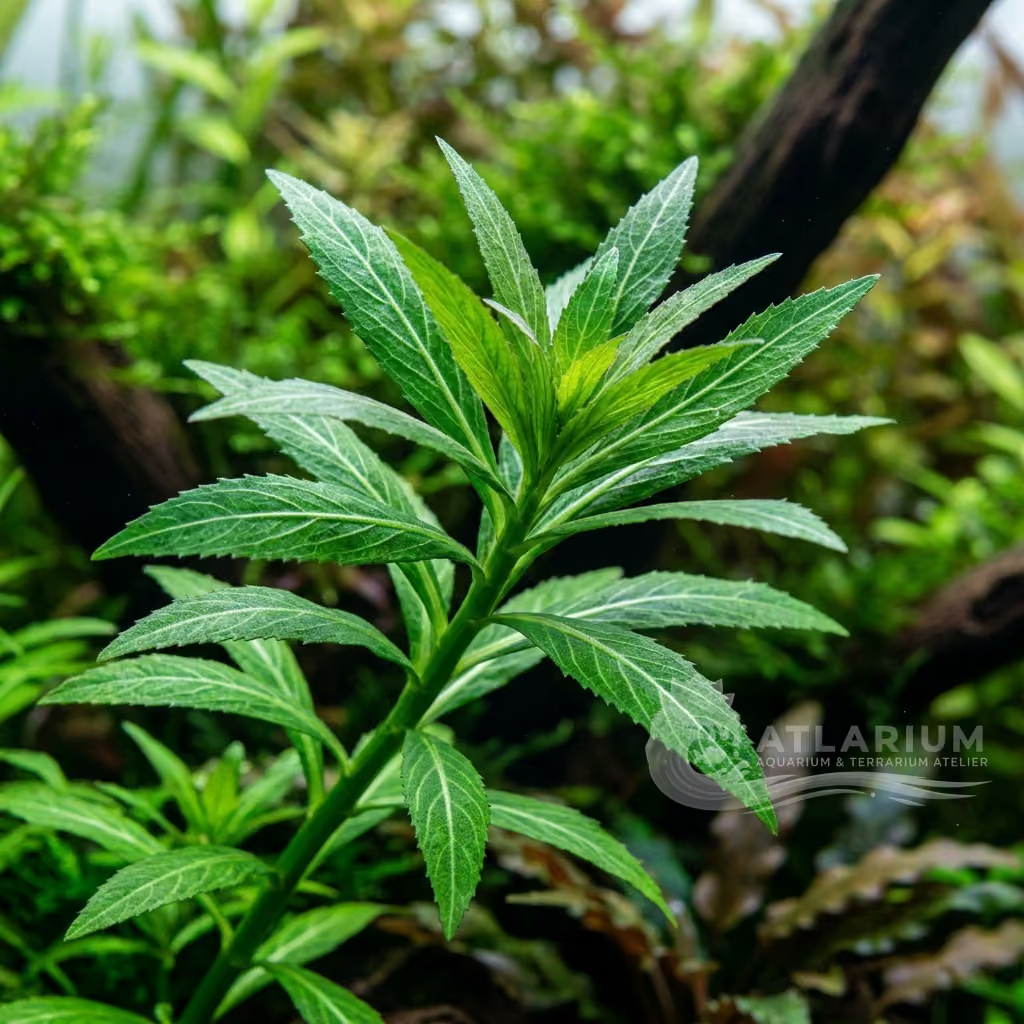
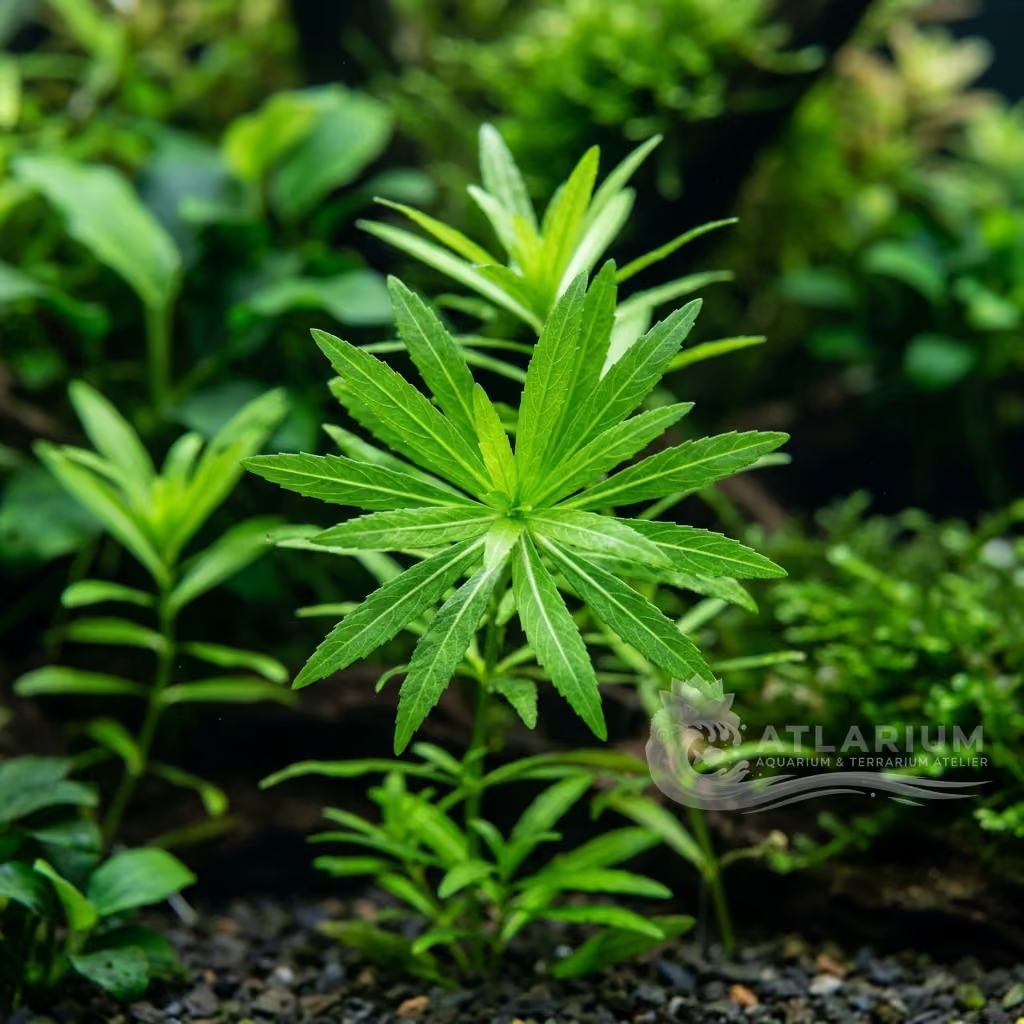
Myriophyllum aquaticum var. santacatarinense is a very fast-growing aquatic plant, ideal for midground placement, adding a fine texture and vibrant green hue to the aquarium. It is a robust species capable of adapting to a wide range of water conditions, making it suitable for aquarists of varying experience levels.
Water Temperature
5 - 30 °C
pH Value
5 - 8
Water type
Freshwater
Light
Medium to High
CO2
High
KH
2 - 21 dKH

Species description
Geographical Origin and Habitat: Originating from the subtropical and tropical regions of South America, particularly areas of southern Brazil such as Santa Catarina, from which its varietal name is derived. This plant thrives in slow-moving or stagnant waters of rivers, lakes, and ponds, often forming dense colonies both submerged and emergent. In its natural habitat, it exhibits remarkable adaptability to various aquatic conditions, flourishing in nutrient-rich and well-lit environments. Its presence in these ecosystems contributes significantly to natural filtration and provides refuge for numerous aquatic species, highlighting its ecological importance.
Taxonomy & Genetics: Myriophyllum aquaticum var. santacatarinense belongs to the Haloragaceae family, a group of aquatic plants known for their delicate structure and ability to adapt to diverse environments. While the species Myriophyllum aquaticum is widely known as "Parrot's Feather," this specific variety is distinguished by its peculiar genetic and morphological characteristics, refined in the Santa Catarina region. The varietal classification highlights slight differences that make it an object of interest for aquascapers seeking botanical specificities and unique textures. Its genetic resilience allows it to thrive in a broad spectrum of aquatic parameters, making it a versatile choice for contemporary aquascaping projects.
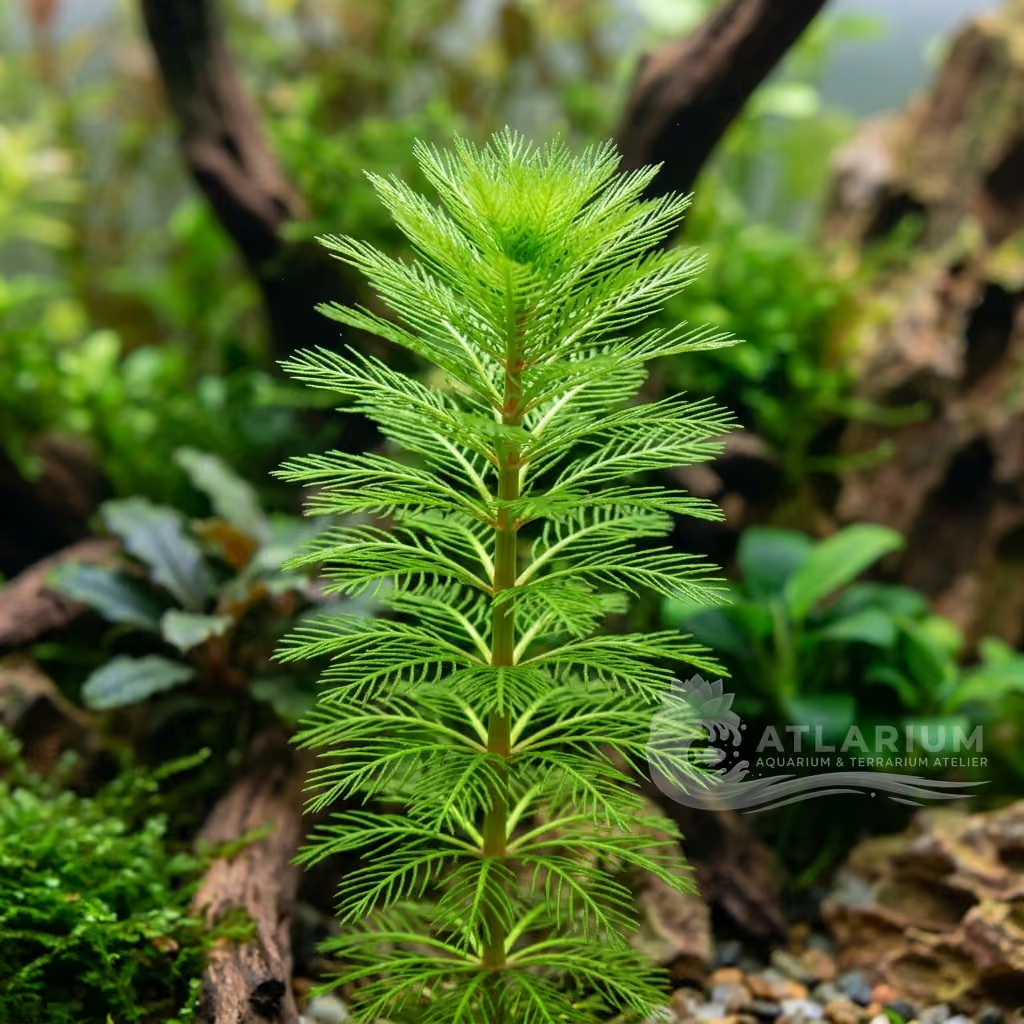
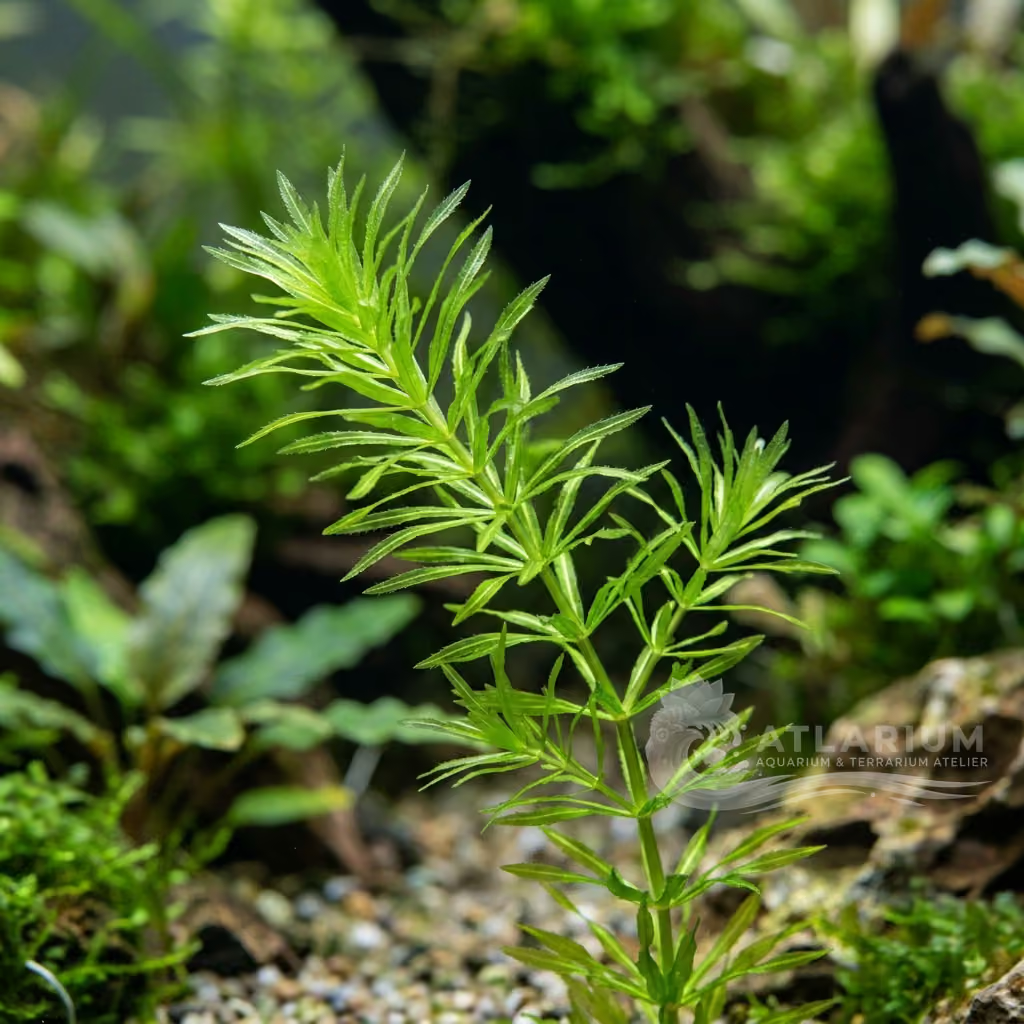
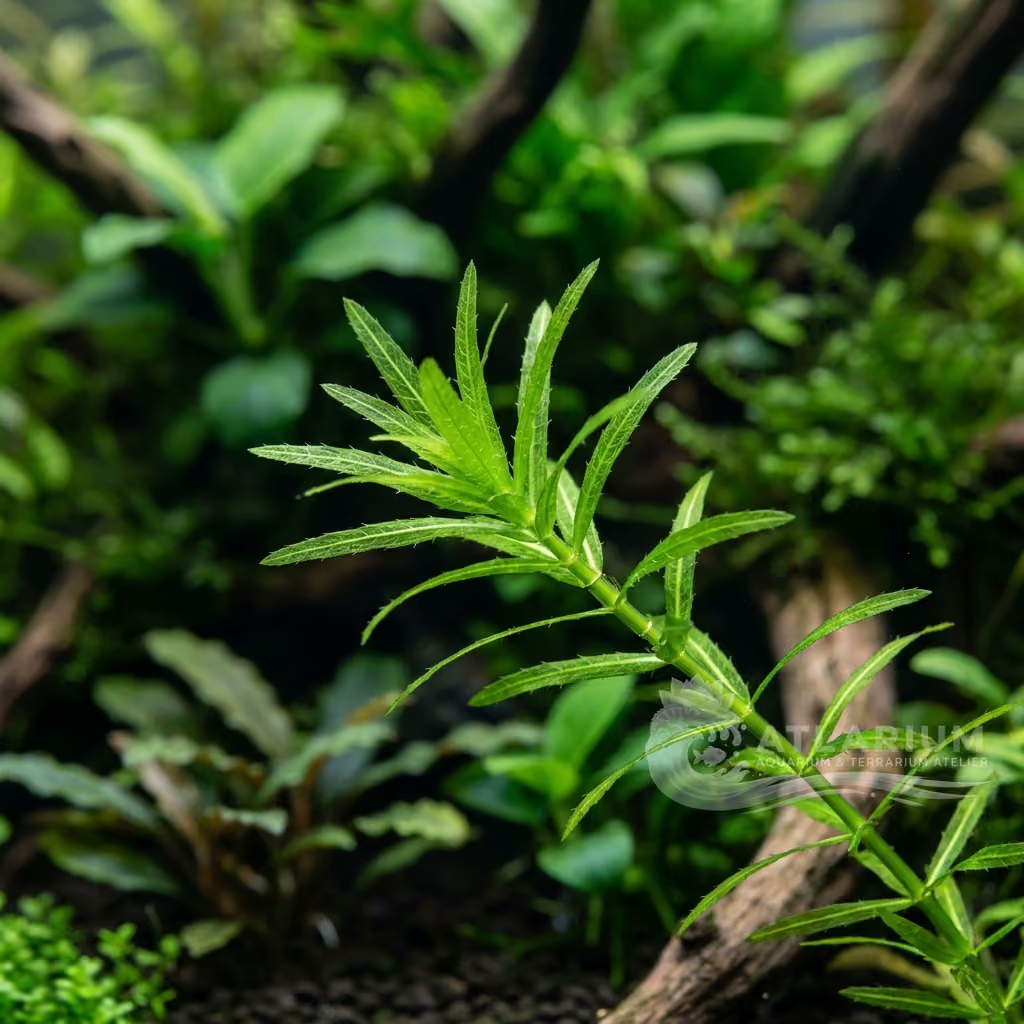
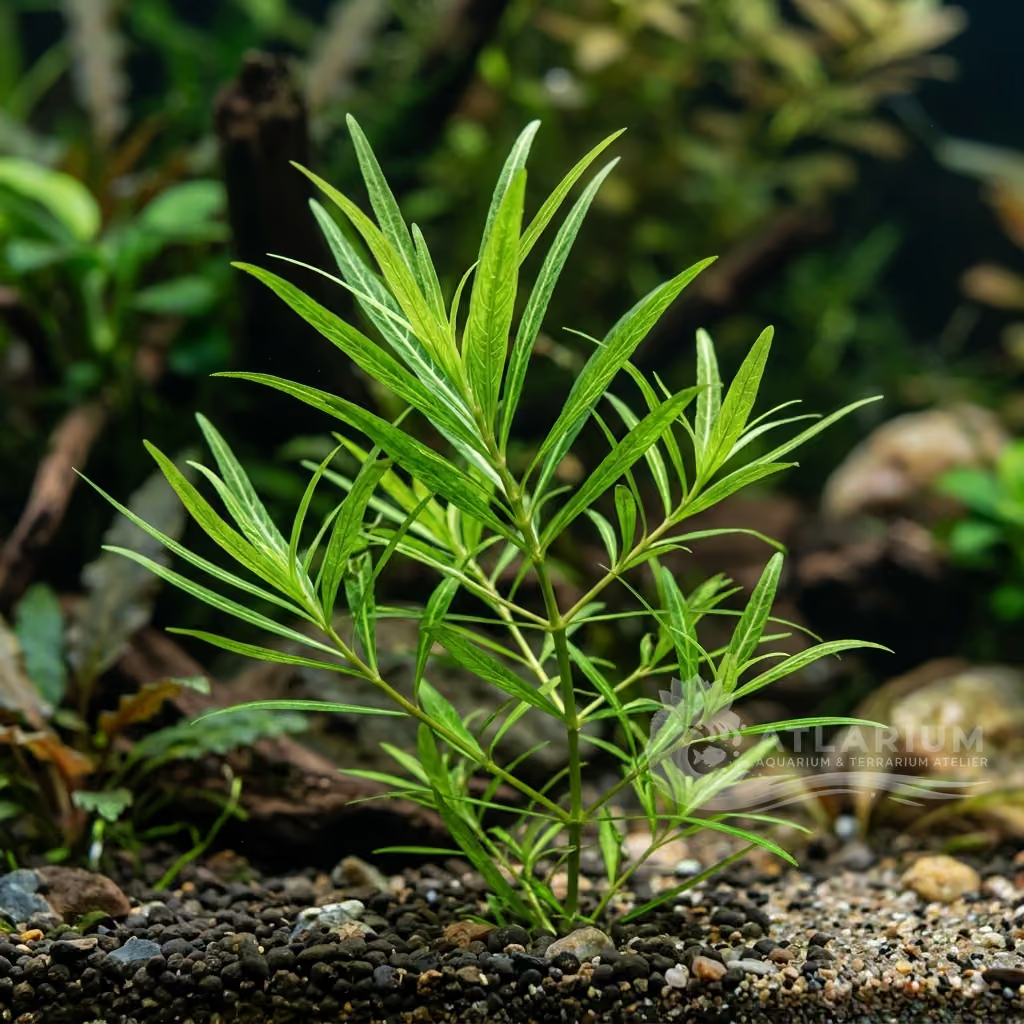
Physical Structure: This variety of Myriophyllum features robust yet flexible stems that can reach considerable lengths, supporting finely pinnate leaves arranged in dense whorls along the stem. Each individual leaflet is slender and profusely branched, giving the plant a feathery, delicate appearance, similar to a bright green plume gently swaying in the water current. Under optimal light conditions and adequate nutrition, internodes can remain compact, creating a dense, bushy, and attractive mass that beautifully fills the aquarium midground. The root system is fibrous and helps anchor the plant in the substrate, though it can also float freely and continue to grow at the surface in some circumstances.
Color & Texture: Myriophyllum aquaticum var. santacatarinense showcases a vibrant light green, almost lime green, coloration that can develop striking reddish or bronze undertones on the upper leaf tips under intense illumination and adequate fertilization with micronutrients like iron. The texture is incredibly fine and feathery, almost velvety to the touch, creating a soft and airy visual contrast with other wider-leaved or more robustly structured plants. This unique combination of color and texture makes it an excellent choice for adding depth, movement, and visual interest to aquariums, contributing to a dynamic and captivating underwater landscape. Its chromatic vibrancy is a direct and clear indicator of the plant's health and well-being in the aquatic environment.

Care, breeding and tankmates
Lighting & CO2: To thrive and display its best coloration, Myriophyllum aquaticum var. santacatarinense requires medium to high lighting, preferably with a full spectrum to promote efficient photosynthesis. Insufficient illumination can lead to weak stems, elongated internodes, and duller, less vibrant coloration, compromising its aesthetic appeal. Carbon dioxide (CO2) supplementation is highly recommended, especially in high-light aquariums, as it significantly stimulates faster and more robust growth, improving compactness and intensifying its vibrant color. A good quality lighting system combined with adequate CO2 injection is therefore crucial for achieving the desired lush and bushy appearance, maximizing the plant's full aesthetic potential.
Nutrition & Substrate: This plant benefits from a nutrient-rich substrate, although it is primarily a "
Water Chemistry: Myriophyllum aquaticum var. santacatarinense is remarkably tolerant of a wide range of water chemical parameters, thriving in temperatures between 5.0 and 30.0 C, pH from 5.0 to 8.0, and KH from 2.0 to 21.0. This broad flexibility makes it suitable for various aquarium setups, from soft and acidic biotopes to harder and more alkaline environments, demonstrating its high adaptability. However, stable conditions are always preferable to avoid unnecessary plant stress, promoting consistent and vigorous growth while minimizing the risk of health issues. Although inherently robust, avoiding extreme and rapid fluctuations in these parameters is key to maintaining its optimal health and preserving its beautiful appearance in the long term.
Space Management & Placement: Given its very fast growth rate and potential to become dense, Myriophyllum aquaticum var. santacatarinense is ideally placed in the midground, where it can form impressive, lush clusters without excessively shading lower, foreground plants. It is crucial to leave adequate space between individual stems or groups to ensure good water circulation and uniform light penetration to all parts of the plant, especially the lower sections. Space management is vital to prevent self-shading, the necrosis of lower leaves, and the degradation of older parts, ensuring that every section of the plant receives the necessary resources to thrive. In larger aquariums, it can also serve effectively as a background plant, creating visual depth and a natural, wild aesthetic.
Pruning: Pruning is a crucial aspect of caring for Myriophyllum aquaticum var. santacatarinense due to its very rapid and vigorous growth. Regular and strategic pruning not only maintains the desired shape and prevents excessive density but also promotes bushier lateral growth, making the plant more compact and visually attractive. Trimmed stems can be easily replanted into the substrate to propagate new plants, effectively helping to fill in or expand desired areas of the aquarium and maintain a healthy, youthful plant mass. It is advisable to remove about one-third to half of the stem length during each pruning session to stimulate healthy regrowth and to control the overall size and spread of the plant.
Risks & Diseases: Although a robust plant, Myriophyllum aquaticum var. santacatarinense can occasionally suffer from nutrient deficiencies, manifesting as yellowing, weak stems, or stunted growth, especially in the absence of adequate and balanced fertilization. Algae attacks, particularly filamentous algae, can occur under conditions of nutritional imbalance, excessive light without adequate CO2 supplementation, or improper management of nitrates and phosphates. It is not particularly susceptible to specific aquatic plant diseases, but an unstable or polluted aquatic environment can stress it, making it more vulnerable to common issues. Maintaining stable water parameters, a balanced fertilization regimen, and good aquarium hygiene are the best precautions against most common problems.

Geographic origin and distribution
Originating from the subtropical and tropical regions of South America, particularly areas of southern Brazil such as Santa Catarina, from which its varietal name is derived. This plant thrives in slow-moving or stagnant waters of rivers, lakes, and ponds, often forming dense colonies both submerged and emergent. In its natural habitat, it exhibits remarkable adaptability to various aquatic conditions, flourishing in nutrient-rich and well-lit environments. Its presence in these ecosystems contributes significantly to natural filtration and provides refuge for numerous aquatic species, highlighting its ecological importance.
Origin
Extra-Amazon South America

Plant profile
- Placement
- Midground
- Due to its rapid vertical growth, it is best placed in the background of the aquarium. It looks most impressive when planted in large, dense groups to create a textured, forest-like effect. Regular trimming is needed to prevent it from shadowing midground plants.
- Botanical form
- Stem
- This species features a classic stem plant structure with incredibly fine, pinnate leaves arranged in whorls around the stem. The finely divided foliage gives it a soft, feathery texture. It has a strong tendency to grow straight up toward the light source.
- Growth
- VERY_FAST
- It exhibits a very fast growth rate, especially under optimal high-tech conditions. It can grow several inches per week and will quickly reach the water's surface. Frequent pruning is required to keep the plant bushy and contained.
- Substrate
- Medium
- A nutrient-rich aqua soil is the ideal substrate for this fast-growing stem plant. It develops a substantial root system that heavily draws nutrients from the soil. While it can survive in gravel, its growth will be less dense and vibrant without a fertile base.
- Column fertilization
- Recommended
- Comprehensive liquid fertilization is essential to sustain its rapid growth rate. It readily absorbs nutrients directly from the water column through its finely divided leaves. Consistent dosing helps maintain internode density and overall vibrant color.
- Root fertilization
- None
- Root tabs are highly recommended, even if liquid fertilizers are used. The plant utilizes its deep root system to access extra nutrients from the substrate, promoting thicker, sturdier stems. Substrate fertilization is especially helpful in older setups where soil nutrients have depleted.
- Trimming
- Occasional
- Trim the plant regularly by cutting the tops and replanting them in the substrate to maintain a lush appearance. The lower stems will quickly sprout new side branches, increasing the density of the group. Avoid letting it grow too thick, as this will shade out the lower leaves.
- Propagation
- Cuttings
- Propagation is simple and straightforward via stem cuttings. Snipping the top portion of a healthy stem and planting it into the substrate will quickly yield a new plant. The rooted bottom half will typically produce multiple side shoots, increasing the bushiness of the stand.
- Sensitivity
- Moderate
- It is a highly adaptable variety but can suffer from leaf drop if light levels are too low. It prefers clean water, so adequate filtration and flow are important to prevent debris from sticking to its fine leaves. Sudden drops in temperature may temporarily slow its growth.
- Layout role
- Midground, Background
- This plant serves as a dominant background feature in planted tanks. Its bright green, fine-textured leaves create a beautiful contrast against darker hardscape or red plants. It is a staple in both Dutch and nature-style aquascapes for its reliability and visual softness.

Related species
Recommendations grouped by close relatives, companion choices, and similar care.