Myriophyllum ussuriense
Myriophyllum ussuriense
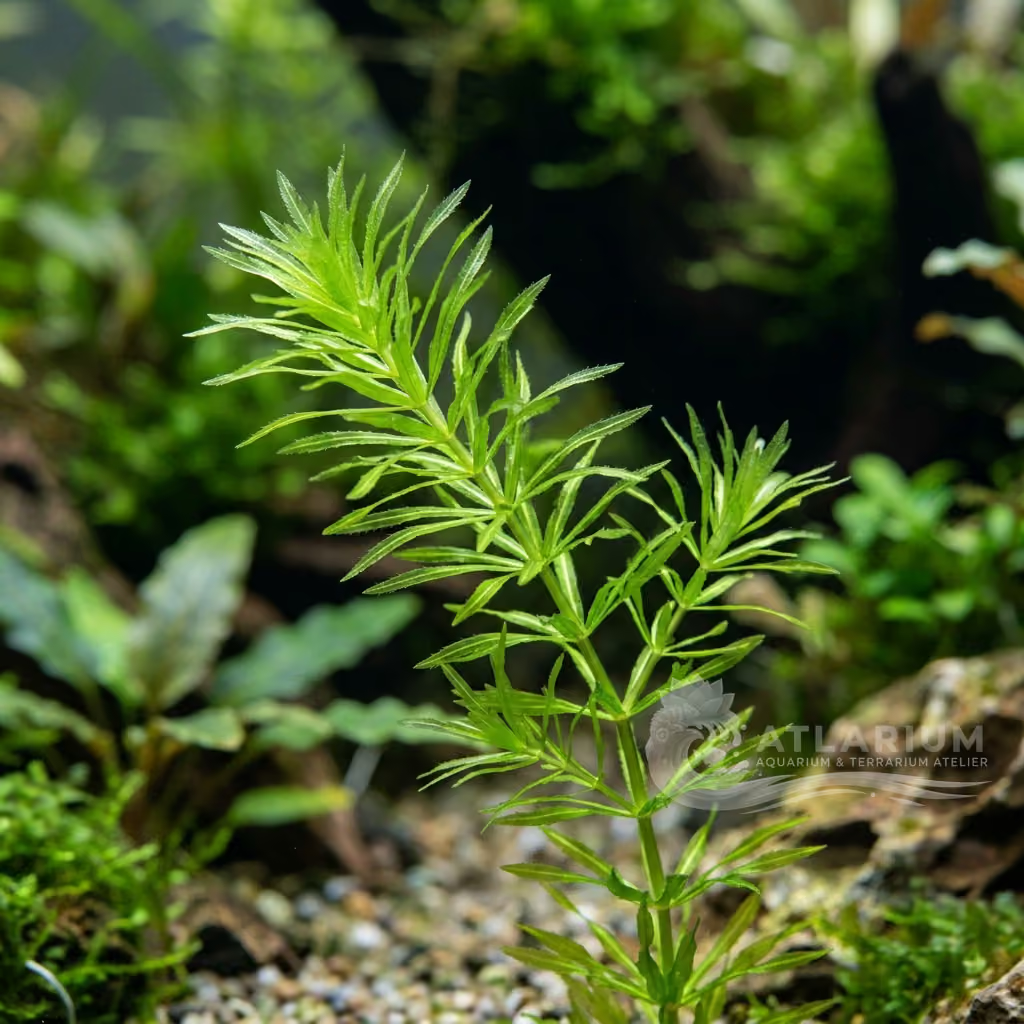
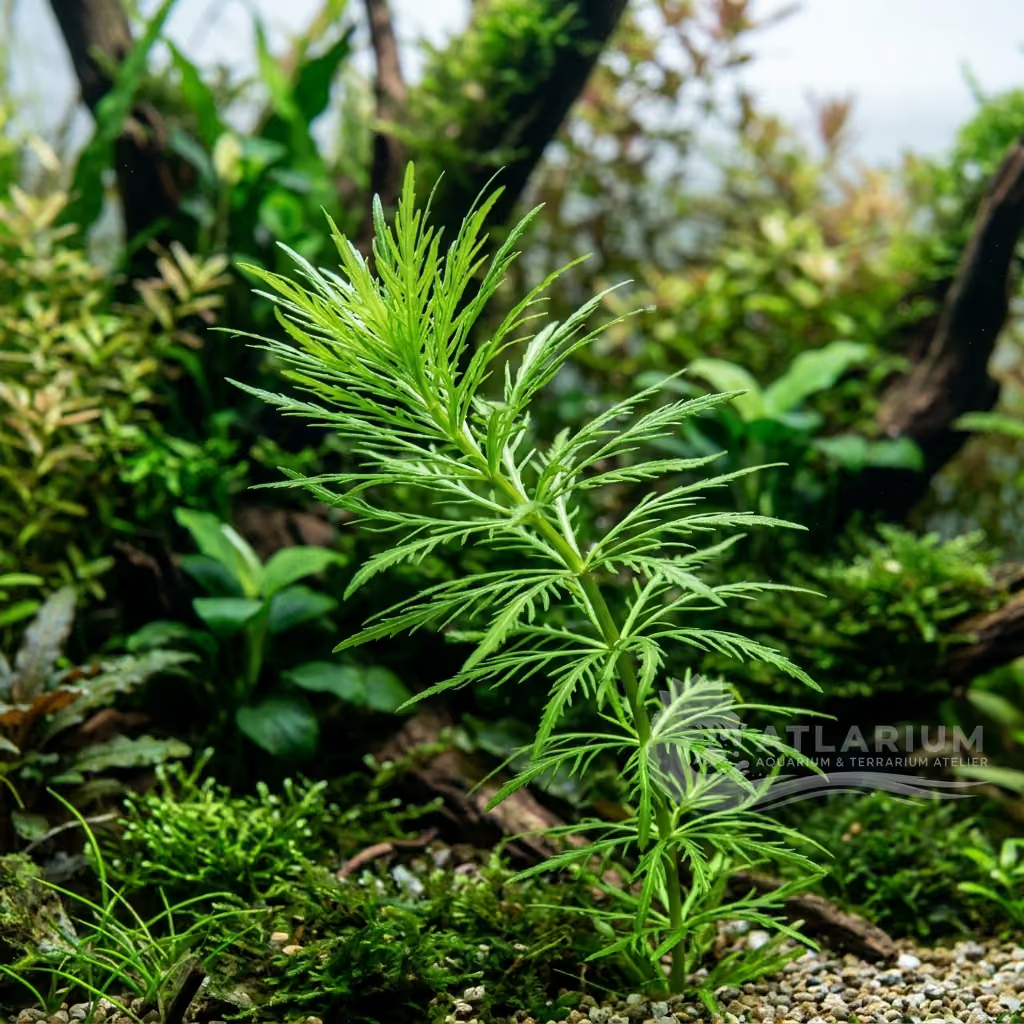
Myriophyllum ussuriense is a feathery stem plant perfect for midground placement, known for its rapid growth rate, making it an excellent filler and a dynamic focal point in the aquarium. Its delicate structure and ability to form dense bushes contribute to creating a lush, natural underwater landscape.
Water Temperature
4 - 32 °C
pH Value
6 - 8
Water type
Freshwater
Light
Medium to High
CO2
High
KH
2 - 15 dKH

Species description
Geographical Origin and Habitat: Myriophyllum ussuriense originates from the humid, temperate regions of East Asia, particularly the Ussuri River basin, which spans across Russia and China. Here, it thrives in the shallow waters of lakes, slow-moving rivers, ponds, and ditches, where seasonal climatic conditions influence its growth and transition between submerged and emersed forms. This species is adapted to a wide range of temperatures and water conditions, making it robust and versatile even in aquariums.
Taxonomy & Genetics: Belonging to the Haloragaceae family, Myriophyllum ussuriense is closely related to other "water milfoil" species that share the characteristic finely divided leaf structure. The botanical classification of this plant highlights its affinity with other aquatic species inhabiting similar environments worldwide. Its genetics bestow remarkable phenotypic plasticity, allowing it to adapt to varying light intensities and nutrient availability, a trait highly valued by aquascapers.
Physical Structure: Structurally, Myriophyllum ussuriense presents as a stem plant with erect, branching stems that can reach considerable lengths, especially under intense lighting. Its leaves are arranged in whorls along the stem, characterized by an extremely fine division that gives them a feathery or filiform appearance. This delicate yet dense architecture creates a visual effect of volume and softness, ideal for softening harsh layout lines or providing natural refuge for aquatic fauna.
Color & Texture: The predominant color of Myriophyllum ussuriense is a bright, vibrant green, which can take on more intense hues and sometimes reddish tints on new leaf tips under very strong light conditions and adequate fertilization. Its texture is incredibly fine and soft to the touch underwater, thanks to its capillary leaves that sway gracefully with the current. This combination of color and texture contributes to an ethereal and natural appearance, making it an excellent choice for creating contrasts with broader or darker-leaved plants.

Care, breeding and tankmates
Lighting & CO2: For vigorous growth of Myriophyllum ussuriense, medium to high lighting is recommended; more intense light will enhance its coloration and density. CO2 injection is highly advisable, as it significantly boosts the plant's metabolism, promoting faster growth and sturdier stems. Without supplemental CO2, growth will still be sustained, but the plant might appear less compact and more elongated.
Nutrition & Substrate: This plant greatly benefits from a nutrient-rich substrate, which is essential for anchoring and primary micronutrient absorption by the roots. It is equally important to supplement
Water Chemistry: Myriophyllum ussuriense is remarkably tolerant of a wide range of water parameters, thriving in temperatures from 4.0 to 32.0 C, although it prefers an intermediate range for optimal growth. The ideal pH is between 6.0 and 8.0, while carbonate hardness (KH) can vary from 2.0 to 15.0. Maintaining these parameters stable is more crucial than pursuing specific boundary values, to avoid water stress on the plant.
Space Management & Placement: Given its rapid growth rate and potential height, Myriophyllum ussuriense is perfect for the midground, where it can form dense and voluminous bushes. It is important to position it so as not to excessively shade shorter plants and to allow space for its lateral and vertical expansion. Its colonizing nature also makes it suitable for creating dynamic backgrounds or quickly filling empty areas in the layout.
Pruning: Regular pruning is essential to keep Myriophyllum ussuriense in shape and prevent it from becoming too dense or overshadowing other plants. Cutting the stem tops stimulates lateral branching, promoting a bushier, more compact growth. This practice not only improves its aesthetic appearance but also prevents excessive shading of the plant's lower parts, which might otherwise lose their leaves.
Risks & Diseases: This plant is generally robust but can show signs of stress in the presence of nutrient imbalances or inadequate water conditions. Nutrient deficiencies can lead to pale leaves or the disintegration of lower whorls. It is susceptible to filamentous algae attacks in the presence of excess nutrients and light combined with poor circulation, which can get trapped in its fine feathery leaves, suffocating it. Carefully monitoring water parameters and fertilization regimen is crucial to prevent these issues.

Geographic origin and distribution
Myriophyllum ussuriense originates from the humid, temperate regions of East Asia, particularly the Ussuri River basin, which spans across Russia and China. Here, it thrives in the shallow waters of lakes, slow-moving rivers, ponds, and ditches, where seasonal climatic conditions influence its growth and transition between submerged and emersed forms. This species is adapted to a wide range of temperatures and water conditions, making it robust and versatile even in aquariums.
Origin
East Asia

Plant profile
- Placement
- Midground
- This species is best suited for the midground or background of the aquarium, where its fine, feathery texture can be fully appreciated. Planting it in dense groups creates a beautiful, bushy effect that contrasts well with plants that have broader, solid leaves. Regular trimming is necessary to encourage bushier growth and prevent the lower portions from becoming bare due to shading.
- Botanical form
- Stem
- It is a graceful stem plant featuring whorls of finely divided, pinnate leaves that give it a characteristic feathery or bottlebrush appearance. The foliage is typically a vibrant, soft green, but under intense lighting, the tips can develop attractive brownish or reddish hues. The stems are somewhat fragile, so care should be taken during planting and maintenance.
- Growth
- Fast
- The growth rate of Myriophyllum ussuriense is moderate to fast, heavily dependent on the availability of light, CO2, and nutrients. In a high-tech setup, it will quickly reach the water surface, necessitating frequent trimming to maintain its desired shape and height within the aquascape.
- Substrate
- Medium
- A nutrient-rich aquarium soil is advantageous for cultivating a strong root system, which helps anchor the plant and provides a secondary source of nutrients. However, because it is a stem plant that heavily utilizes water column nutrients, it can be successfully grown in inert substrates like sand or gravel, provided that liquid fertilization is robust.
- Column fertilization
- Recommended
- Regular dosing of a comprehensive liquid fertilizer is essential to keep Myriophyllum ussuriense healthy and vibrant. The fertilizer should include a balance of nitrogen, phosphorus, and potassium, along with a complete trace element mix. Adequate iron levels must be maintained to prevent the delicate leaves from becoming pale or transparent.
- Root fertilization
- None
- While not strictly mandatory if water column dosing is sufficient, providing root tabs can enhance the plant's overall health and vigor. Root tabs are particularly recommended if the plant is rooted in an inert substrate that provides no natural nutrients. Inserting a tab near the base of the stems every few months will ensure a steady supply of essential minerals directly to the roots.
- Trimming
- Occasional
- Trimming is straightforward; simply cut the stem at the desired height. Replanting the tops will thicken the plant group. Removing the lower, shaded parts helps maintain a clean look in the aquascape.
- Propagation
- Cuttings
- Propagation is easily achieved by taking stem cuttings. Snip a healthy portion of the upper stem, about 3 to 5 inches long, and gently plant it into the substrate. The original stem will usually respond by producing multiple lateral shoots from the nodes below the cut, resulting in a fuller, denser plant over time.
- Sensitivity
- Moderate
- Sensitive to algae growth on its fine leaves, which can suffocate the plant. It requires clean water and good flow to prevent debris accumulation. Sudden changes in water parameters should be avoided to prevent leaf melt.
- Layout role
- Midground, Background
- Excellent for providing fine, feathery texture and a soft backdrop in planted tanks. Its bright green color contrasts well with darker plants and hardscape materials. It can also serve as a hiding place for small fish and shrimp.

Related species
Recommendations grouped by close relatives, companion choices, and similar care.