Myriophyllum spicatum
Myriophyllum spicatum
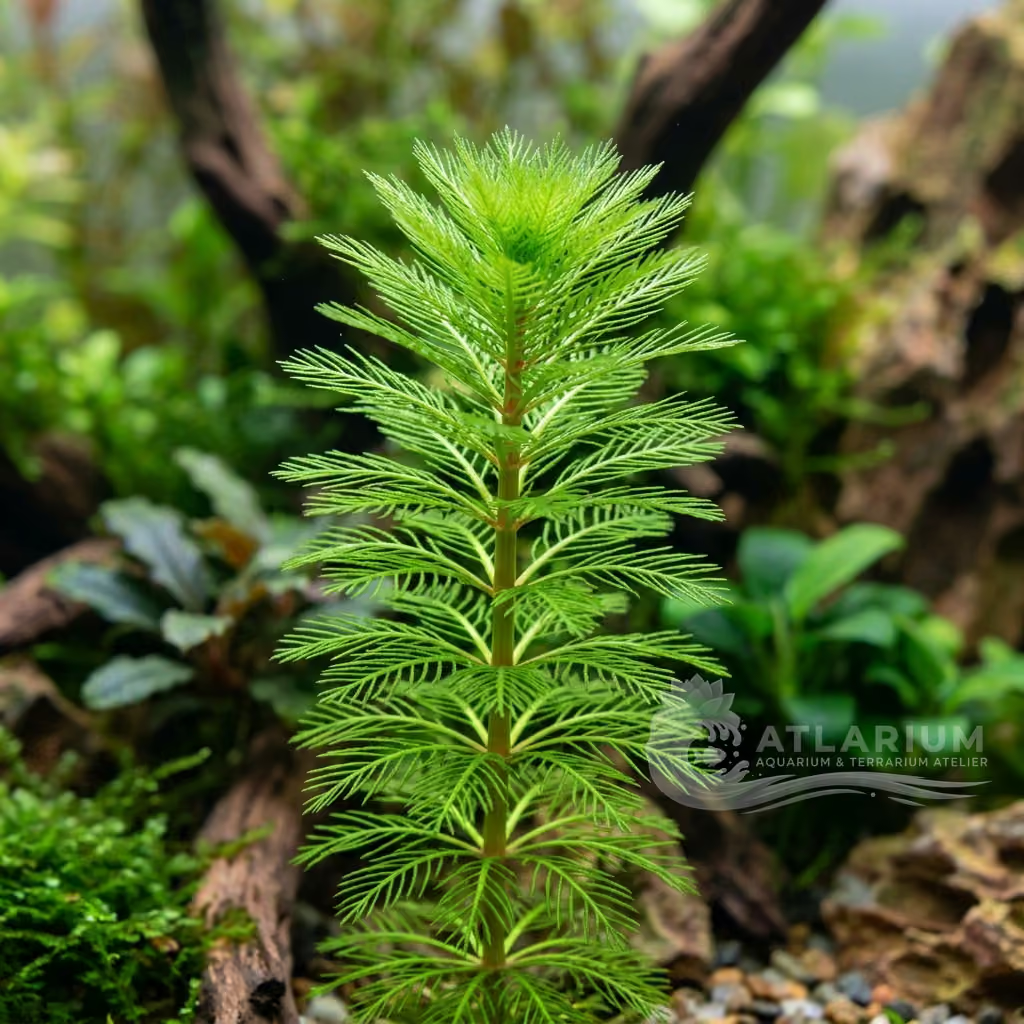
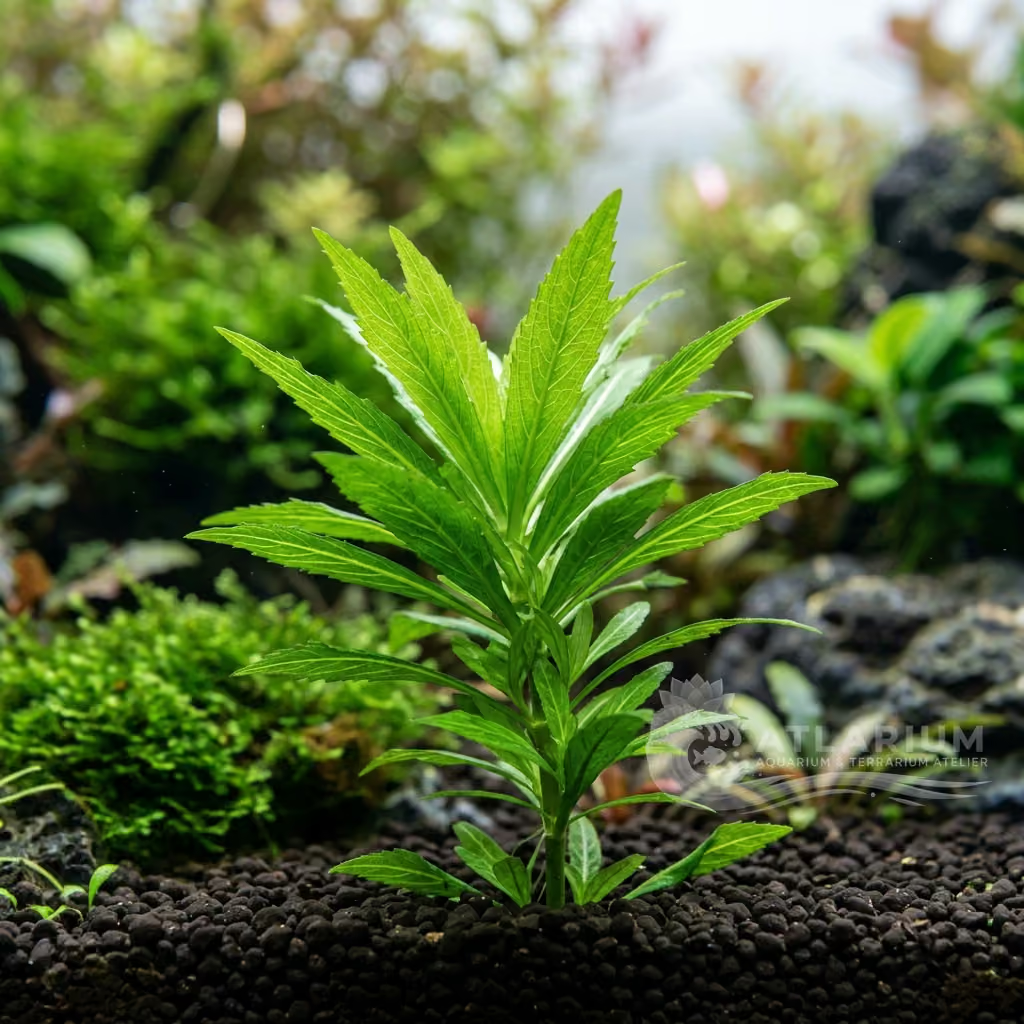
Myriophyllum spicatum is a very fast-growing stem plant, ideally suited for midground to background placement, where it forms dense, feathery bushes due to its finely dissected leaves.
Water Temperature
4 - 30 °C
pH Value
5 - 9
Water type
Freshwater
Light
Medium to High
CO2
High
KH
2 - 21 dKH

Species description
Geographical Origin and Habitat: Myriophyllum spicatum, commonly known as spiked watermilfoil, boasts a cosmopolitan distribution, being native to Europe, Asia, and North Africa, and has become widely introduced, often invasively, in North America. This resilient aquatic plant thrives in a diverse array of freshwater habitats, showing a preference for still or slow-moving waters such as lakes, ponds, ditches, and river margins. Its robust nature allows it to adapt to nutrient-rich substrates, where it can form extensive and dense submerged colonies. The plant's ability to colonize various aquatic environments underscores its adaptability and vigorous growth habits.
Taxonomy & Genetics: Belonging to the Haloragaceae family, Myriophyllum spicatum is one of the most widely recognized species within the Myriophyllum genus, which primarily comprises submerged aquatic plants. The species epithet "spicatum" is derived from Latin, referring to its distinctive spike-like flower clusters that emerge above the water surface during its reproductive phase. While its taxonomic identity is generally clear, the plant is known for its propensity to hybridize with other Myriophyllum species, which can sometimes complicate identification in the field. Genetically, it is a diploid species exhibiting significant phenotypic plasticity, allowing it to adjust its morphology in response to varying environmental conditions.
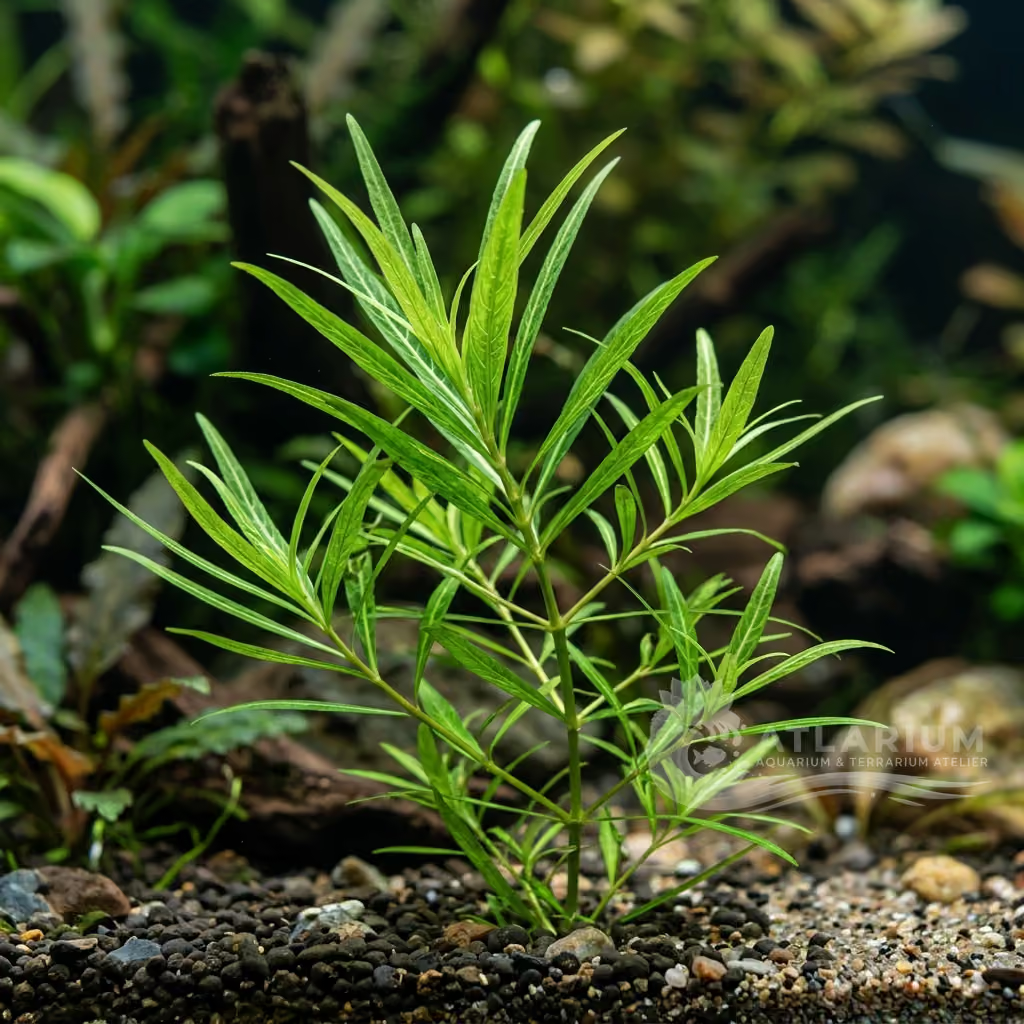
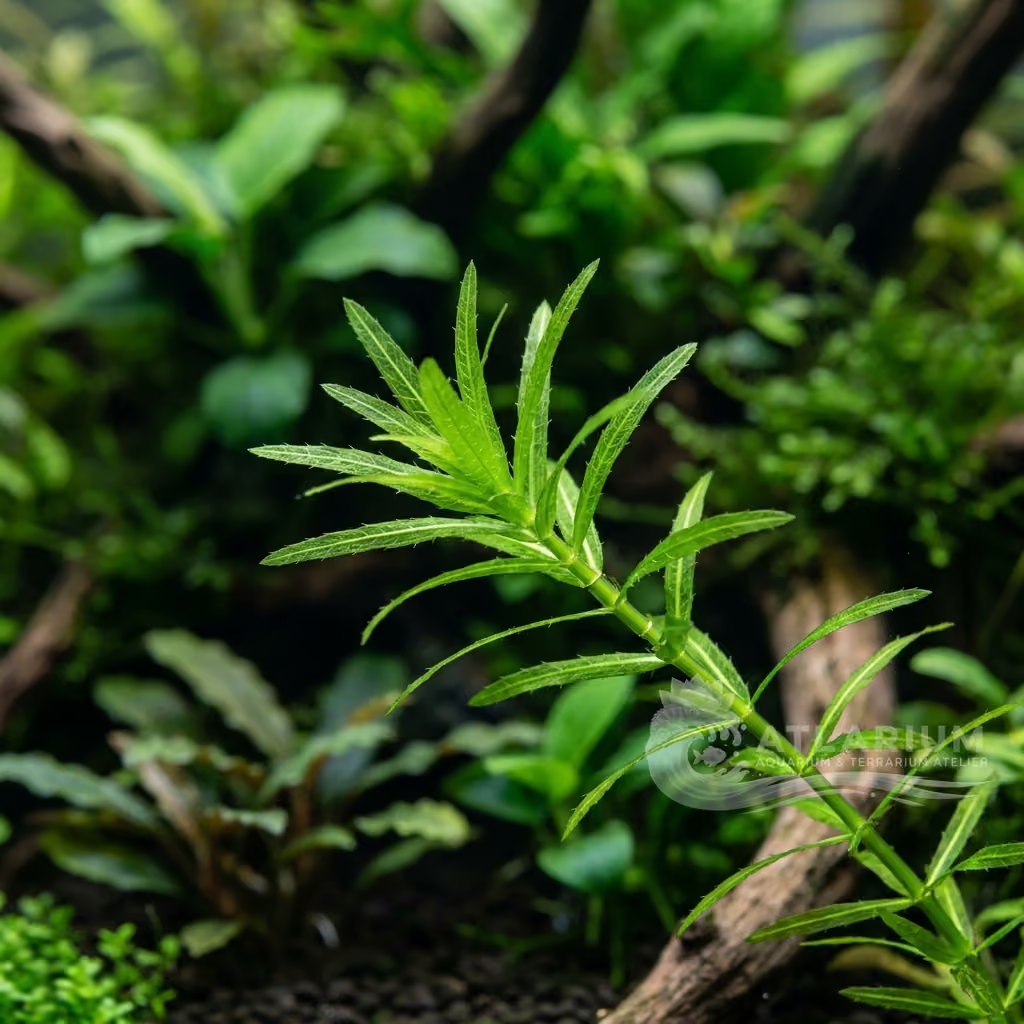
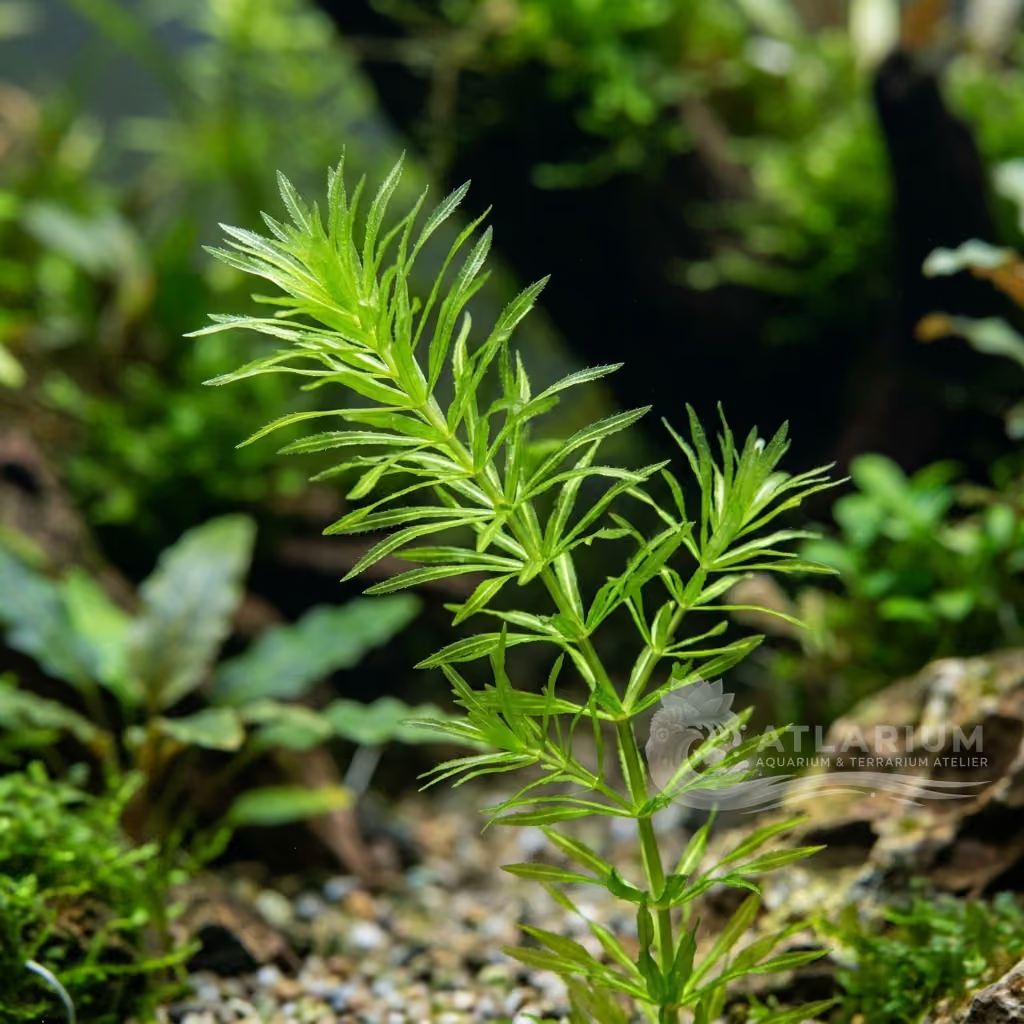
Physical Structure: Myriophyllum spicatum is a classic stem plant characterized by its slender, elongated stems that can grow to considerable lengths, frequently reaching the water's surface. Its most striking feature is its delicate, feather-like leaves, which are finely dissected into numerous thread-like segments and arranged in whorls of 4-5 leaves along the stem. This intricate leaf structure imparts a soft, bushy appearance, making it a highly valued plant in aquascaping for its textural contribution. Adventitious roots can readily form from the nodes along the stem, particularly under favorable conditions or after damage, facilitating its vigorous vegetative propagation and anchorage.
Color & Texture: The predominant coloration of Myriophyllum spicatum is a vibrant, bright green, though the intensity can subtly shift depending on specific lighting and nutrient conditions within the aquarium. Under high light intensity and with adequate supplementation of essential nutrients, particularly iron and phosphates, the tips of the stems and upper leaves can develop attractive reddish or brownish hues, providing a striking color contrast. The plant's texture is exceptionally fine and feathery, almost ethereal, creating a soft visual impact and an elegant, flowing movement with water currents. This intricate, delicate appearance allows for the creation of dense, captivating backdrops or vibrant midground accents in planted aquariums.

Care, breeding and tankmates
Lighting & CO2: For optimal growth and to achieve a compact, vibrant appearance, Myriophyllum spicatum requires medium to high lighting; insufficient light will lead to stretched internodes, sparse growth, and the shedding of lower leaves. CO2 injection is highly recommended as it significantly boosts growth rates, promotes denser foliage, enhances coloration, and helps to suppress algae proliferation. Although the plant can survive without supplemental CO2, its performance will be considerably less robust and its aesthetic appeal diminished. A photoperiod of 8-10 hours per day is generally ideal for encouraging healthy, vigorous development.
Nutrition & Substrate: Myriophyllum spicatum is a voracious nutrient feeder, benefiting significantly from both substrate and
Water Chemistry: This species demonstrates remarkable adaptability concerning water chemistry, tolerating a broad pH range from 5.0 to 9.0 and a wide spectrum of carbonate hardness (KH from 2.0 to 21.0). While it can adapt to slightly acidic conditions, it typically thrives in neutral to slightly alkaline waters. Stability in water parameters is often more critical than adhering to precise values within its wide acceptable range. Water temperatures can range from 4.0 to 30.0 C, but warmer temperatures, ideally between 22-26 C, will stimulate more vigorous growth. Avoiding drastic fluctuations in these parameters is advised to prevent unnecessary stress to the plant.
Space Management & Placement: Myriophyllum spicatum is ideally suited for the midground of an aquarium, but its rapid growth also makes it an excellent choice for the background, where it can form a dense green curtain. It is essential to plant stems in small, closely spaced bunches to create an immediate dense and voluminous visual effect. Due to its vigorous growth rate, regular trimming is necessary to prevent it from overshadowing lower-growing plants and to maintain the desired shape and size. Ensure adequate spacing between plant groups to allow for good water circulation and to ensure light penetration to the lower foliage.
Pruning: Frequent pruning is a critical aspect of Myriophyllum spicatum care, essential for managing its very fast growth rate and encouraging a lush, bushy, and branched appearance. Stems should be cut just above a leaf node; this practice will stimulate the plant to produce new lateral shoots from that point, resulting in a denser, more compact cluster. Healthy, trimmed tops can be easily replanted into the substrate to propagate the plant, while older, less attractive lower sections can be discarded. Regular pruning every 1-2 weeks is often necessary to maintain the desired aquascape and prevent excessive overgrowth.
Risks & Diseases: Myriophyllum spicatum is generally a robust plant, yet it is not entirely without risks or susceptibilities. Nutrient deficiencies, particularly of iron and macronutrients, can lead to pale leaves, stunted growth, and the loss of lower foliage. It is also prone to filamentous and black beard algae if the balance between light, CO2, and nutrient levels is not optimized; a weakened plant is more susceptible to algae overgrowth. Drastic changes in environmental conditions, such as sudden shifts in temperature or water chemistry, can cause the leaves to melt back, especially when transitioning from an emersed to a submerged growth form.

Geographic origin and distribution
Myriophyllum spicatum, commonly known as spiked watermilfoil, boasts a cosmopolitan distribution, being native to Europe, Asia, and North Africa, and has become widely introduced, often invasively, in North America. This resilient aquatic plant thrives in a diverse array of freshwater habitats, showing a preference for still or slow-moving waters such as lakes, ponds, ditches, and river margins. Its robust nature allows it to adapt to nutrient-rich substrates, where it can form extensive and dense submerged colonies. The plant's ability to colonize various aquatic environments underscores its adaptability and vigorous growth habits.
Origin
Cosmopolitan or introduced

Plant profile
- Placement
- Midground
- Best placed in the background or midground of the aquarium where its tall stems can reach the surface. It provides excellent cover for fry and shy fish species. Regular pruning helps maintain a neat and bushy appearance in these areas.
- Botanical form
- Stem
- Features long, graceful stems lined with fine, feathery whorled leaves. The delicate foliage is typically bright green but can develop reddish or bronze tips under strong illumination. It forms dense, attractive thickets that sway gently with the water current.
- Growth
- VERY_FAST
- Exhibits a very fast growth rate when provided with intense lighting and CO2. This rapid growth requires frequent maintenance to prevent it from overshadowing other plants. Under less optimal conditions, growth slows down significantly.
- Substrate
- High
- Myriophyllum spicatum is an aggressive grower that requires a deep, heavily enriched aquatic substrate to reach its full potential and prevent nutrient deficiencies. Its robust and expansive root system rapidly colonizes the substrate bed, drawing substantial amounts of macro and micro elements necessary for maintaining its thick foliage. To properly accommodate these extensive roots and ensure the plant remains anchored against strong water currents, a substrate depth of at least 3 to 4 inches (7.5-10 cm) is highly recommended.
- Column fertilization
- Recommended
- Primarily absorbs its nutrients directly from the water column through its delicate leaves. Regular dosing of a complete liquid fertilizer ensures optimal health and coloration. Maintaining adequate levels of micronutrients like iron is essential for the best visual display.
- Root fertilization
- Recommended
- While it absorbs most nutrients from the water, a nutrient-rich substrate can aid in strong root development. Root tabs are not strictly necessary but can provide a good backup source of nourishment. A well-established root system helps anchor the fast-growing stems securely.
- Trimming
- Occasional
- Requires frequent trimming due to its rapid vertical growth. Cut the stems at the desired height, and replant the healthy tops to propagate new individuals. Removing older, bare lower sections of the stems will rejuvenate the overall look of the plant group.
- Propagation
- Cuttings
- Easily propagated through stem cuttings. Simply snip the upper portion of a healthy stem and insert it into the substrate. The cutting will quickly develop new roots and continue growing, allowing you to rapidly expand your plant mass.
- Sensitivity
- Moderate
- Sensitive to algae treatments containing copper or glutaraldehyde, which can cause its fine leaves to melt. Drastic changes in water parameters or prolonged nutrient deficiencies will lead to stunted growth and leaf loss. Ensure stable conditions and clean water to keep the foliage pristine.
- Layout role
- Midground, Background
- Acts as a fantastic background filler, adding verticality and a soft, textured look to the aquascape. Its dense growth makes it an ideal choice for concealing aquarium equipment like heaters or filter intakes. The contrasting leaf shape works well when planted alongside broad-leaved species.

Related species
Recommendations grouped by close relatives, companion choices, and similar care.