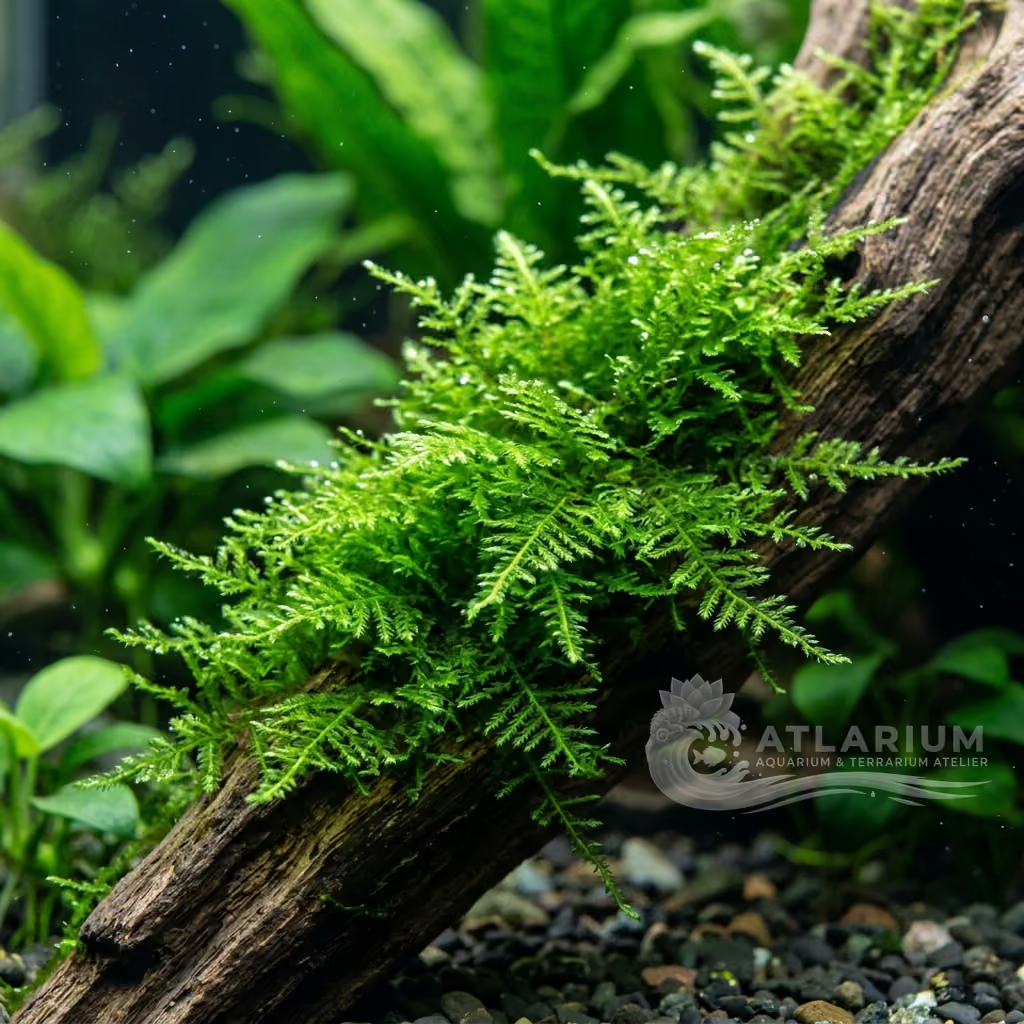
Potamogeton wrightii
Potamogeton wrightii
Potamogeton wrightii is a fast-growing midground aquatic plant known for its vibrant green foliage. It excels in diverse aquascape layouts, providing lush texture and rapid coverage.
Water Temperature
18 - 30 °C
pH Value
6 - 8
Water type
Freshwater
Light
Medium - High
CO2
High
Expected height
50 cm
Expected width
10 cm
KH
2 - 21 dKH

Species description
Geographical Origin and Habitat: Potamogeton wrightii originates primarily from East Asia, encompassing regions such as Japan, Korea, China, and parts of Russia. In its natural habitat, it thrives submerged in a variety of freshwater environments, including clear, slow-moving rivers, tranquil ponds, lakes, and even irrigation ditches. These environments typically feature a substrate rich in organic matter and moderate light penetration, allowing the plant to establish extensive root systems and dense stands.
Taxonomy & Genetics: Belonging to the family Potamogetonaceae, Potamogeton wrightii is a true aquatic macrophyte, scientifically classified under the genus Potamogeton, which includes a diverse array of pondweeds. This genus is recognized for its significant ecological role in freshwater ecosystems, often providing habitat and food sources for aquatic wildlife. Its taxonomic classification highlights its evolutionary adaptations to fully submerged life, distinguishing it from many amphibious plant species.
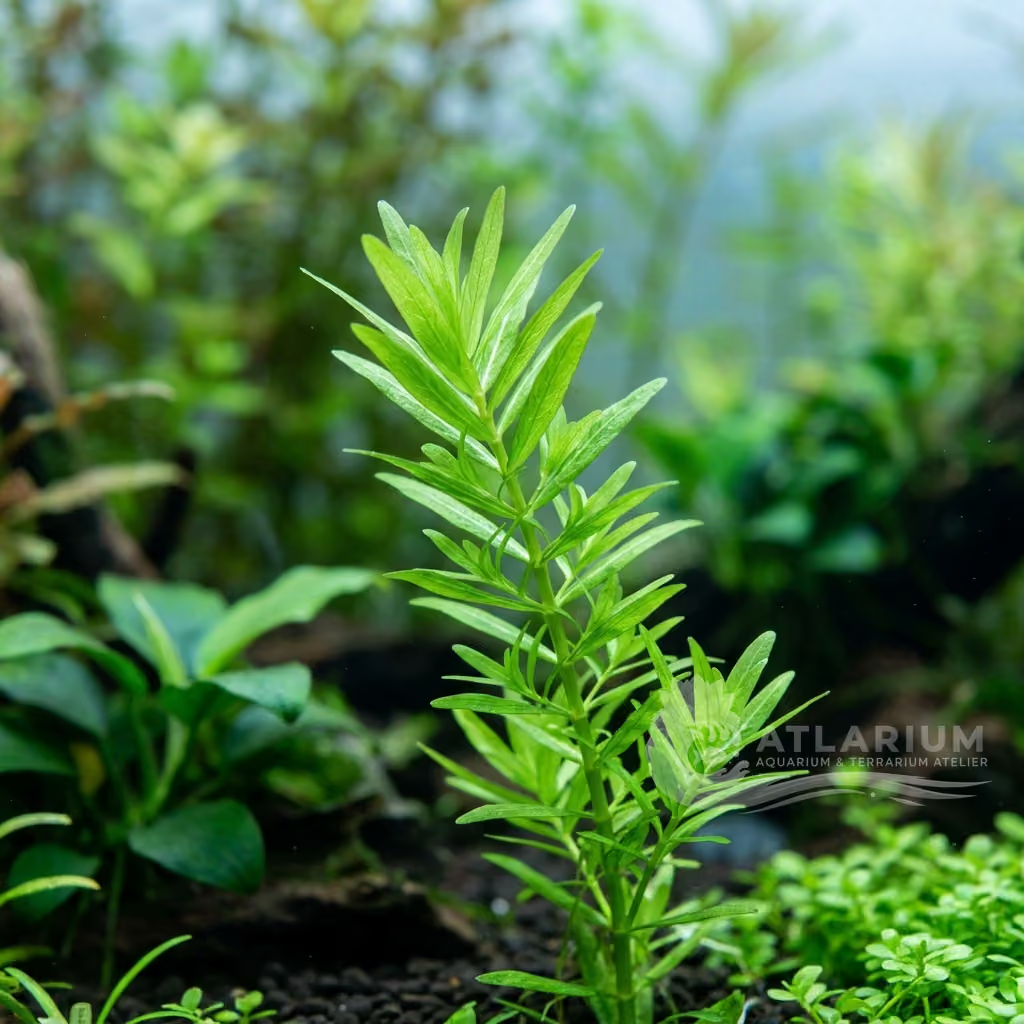
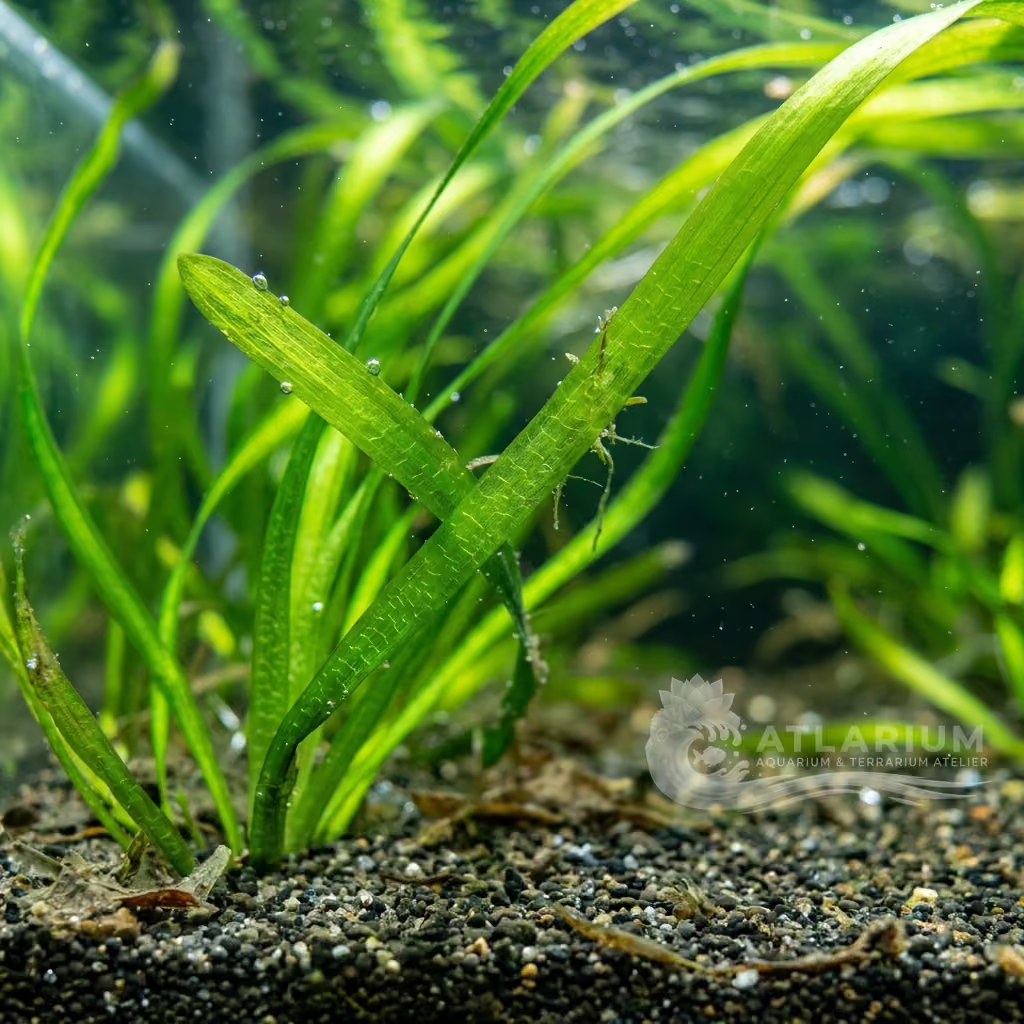
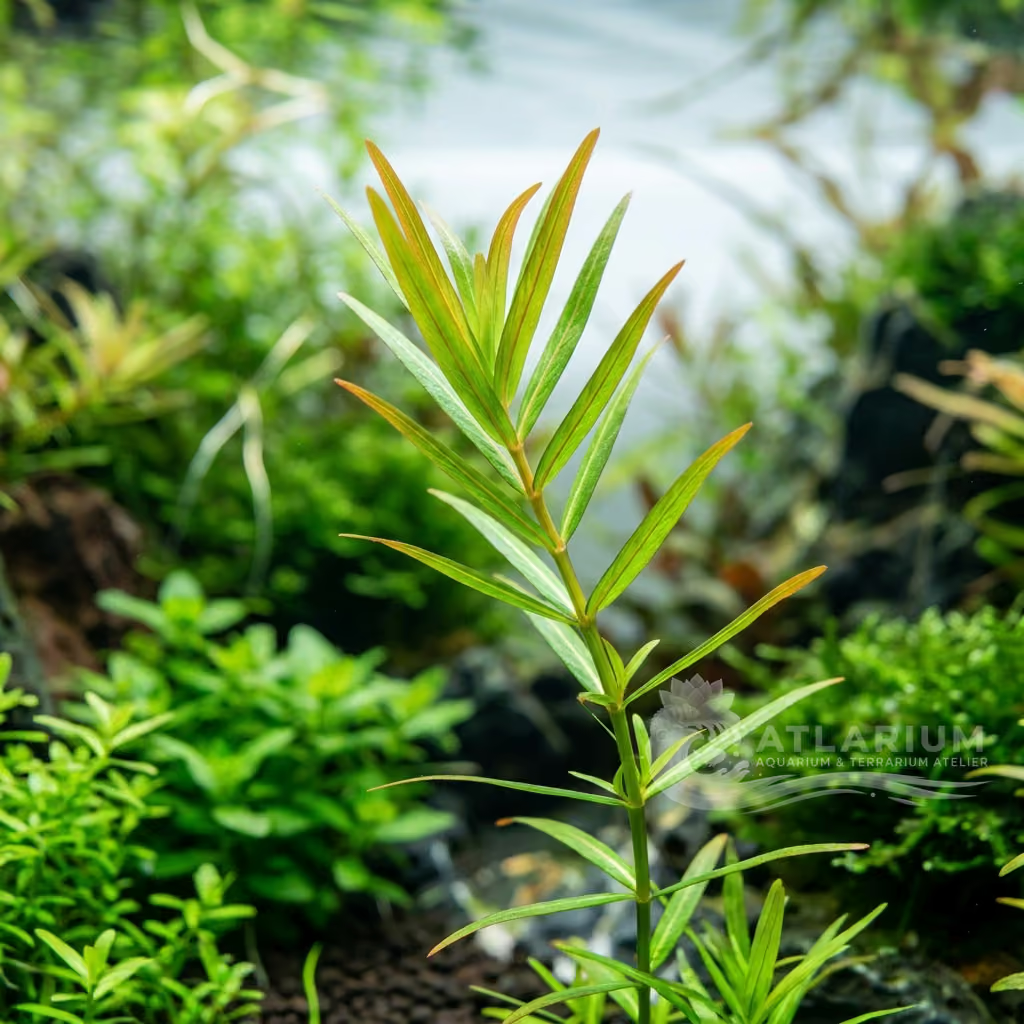
Physical Structure: The physical structure of Potamogeton wrightii is characterized by its long, slender, and highly flexible stems that can reach considerable lengths, making it suitable for midground to background placement in larger tanks. Its submerged leaves are typically linear to narrowly lanceolate, often exhibiting a delicate, translucent quality and a slightly wavy margin. The plant develops a robust, fibrous root system that anchors it firmly in the substrate, enabling efficient nutrient absorption.
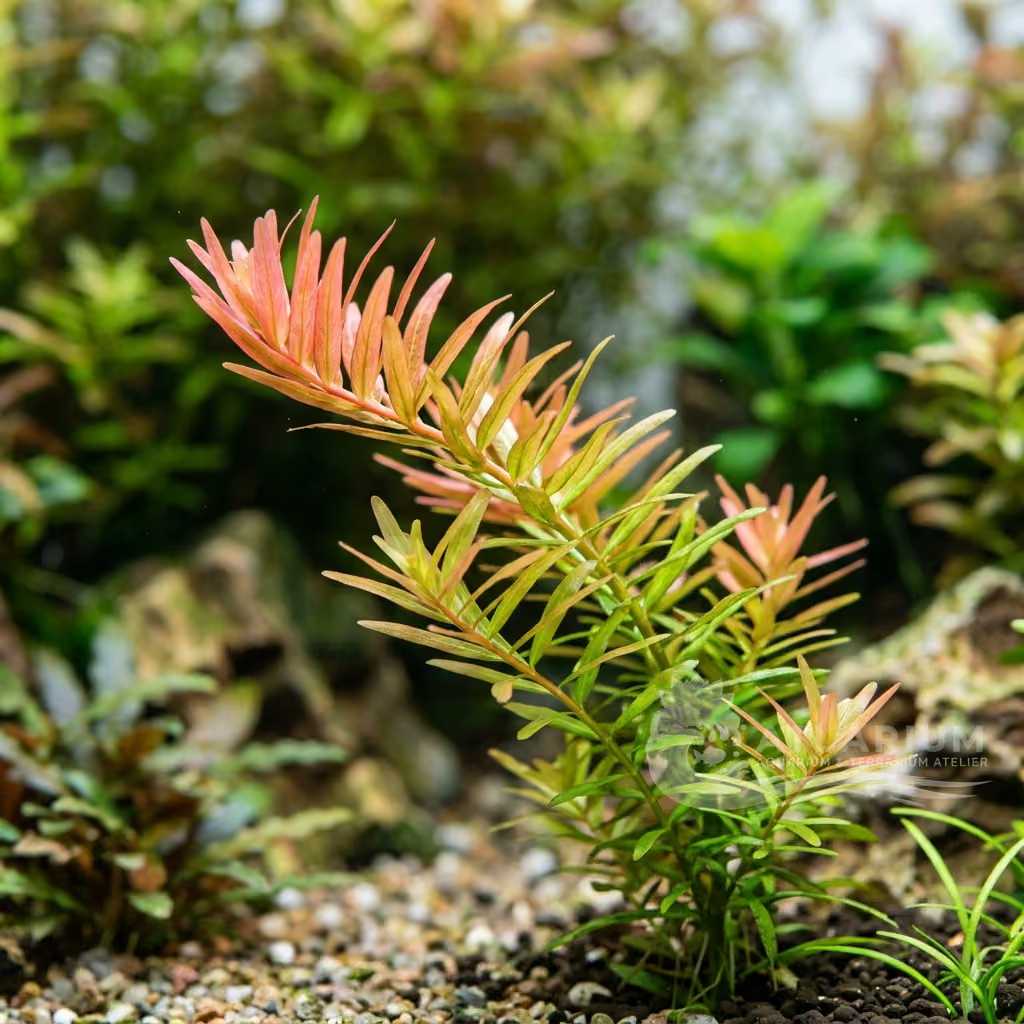
Color & Texture: Potamogeton wrightii generally displays a fresh, vibrant green coloration, which can intensify to a deeper green under optimal lighting and nutrient conditions. The delicate, almost translucent texture of its submerged leaves contributes to a soft, natural aesthetic within the aquascape. Under very high light or specific nutrient regimes, some individuals may exhibit subtle reddish or bronze hues, adding further visual interest to their otherwise verdant appearance.

Care, breeding and tankmates
Lighting & CO2: This species thrives under medium to high lighting conditions, where sufficient light intensity is crucial for robust growth and maintaining its vibrant coloration. While it can tolerate medium light, higher light levels (e.g., 50-80 PAR) will promote faster and denser growth, preventing leggy stems. CO2 supplementation is highly recommended for Potamogeton wrightii, as it significantly enhances its growth rate and overall health, leading to more vigorous development and preventing nutrient uptake issues, particularly in high-light setups.
Nutrition & Substrate: As a fast-growing stem plant, Potamogeton wrightii is a heavy feeder, drawing nutrients from both the
Water Chemistry: Potamogeton wrightii is remarkably adaptable to a wide range of water parameters, making it suitable for various aquarium setups. It flourishes in temperatures between 18.0 and 30.0 °C, demonstrating resilience across typical tropical and subtropical aquaria. A pH range of 6.0 to 8.0 is well-tolerated, along with a broad KH compatibility from 2.0 to 21.0, indicating its ability to thrive in both soft, acidic and harder, alkaline water conditions, provided parameters remain stable.
Space Management & Placement: Given its fast growth rate and potential for considerable stem length, Potamogeton wrightii is ideally placed in the midground of an aquascape, or even the background of smaller tanks, where its lush foliage can create a dense, natural wall. Regular trimming is essential to manage its size and prevent it from overshadowing slower-growing plants or blocking light penetration to the substrate. Its ability to grow quickly makes it excellent for filling empty spaces and creating visual depth.
Pruning: Pruning Potamogeton wrightii is straightforward and crucial for maintaining its desired shape and promoting bushier growth. The top portions of the stems can be cut off and replanted into the substrate to propagate new plants, while the remaining lower sections will often sprout new lateral shoots, leading to a denser appearance. Consistent trimming, perhaps every 1-2 weeks depending on growth, helps control its spread and ensures light reaches the lower parts of the plant, preventing leaf loss.
Risks & Diseases: While generally robust, Potamogeton wrightii can exhibit signs of stress or disease, often stemming from environmental imbalances. Nutrient deficiencies, particularly iron or nitrogen, may lead to yellowing or stunted growth. Algae can become an issue if light, CO2, and nutrient levels are not properly balanced, as the plant's weakened state makes it more susceptible. Ensuring stable water parameters and consistent fertilization is key to preventing most common issues.

Geographic origin and distribution
Potamogeton wrightii originates primarily from East Asia, encompassing regions such as Japan, Korea, China, and parts of Russia. In its natural habitat, it thrives submerged in a variety of freshwater environments, including clear, slow-moving rivers, tranquil ponds, lakes, and even irrigation ditches. These environments typically feature a substrate rich in organic matter and moderate light penetration, allowing the plant to establish extensive root systems and dense stands.
Origin
East Asia

Plant profile
- Placement
- Midground
- Due to its potential size and growth habit, it is best suited for the midground or background. Grouping several stems together creates a dense, natural-looking thicket. It can be used effectively to hide aquarium equipment like heaters or filter intakes. Ensure it is not planted so densely that the lower leaves are completely starved of light.
- Botanical form
- Stem
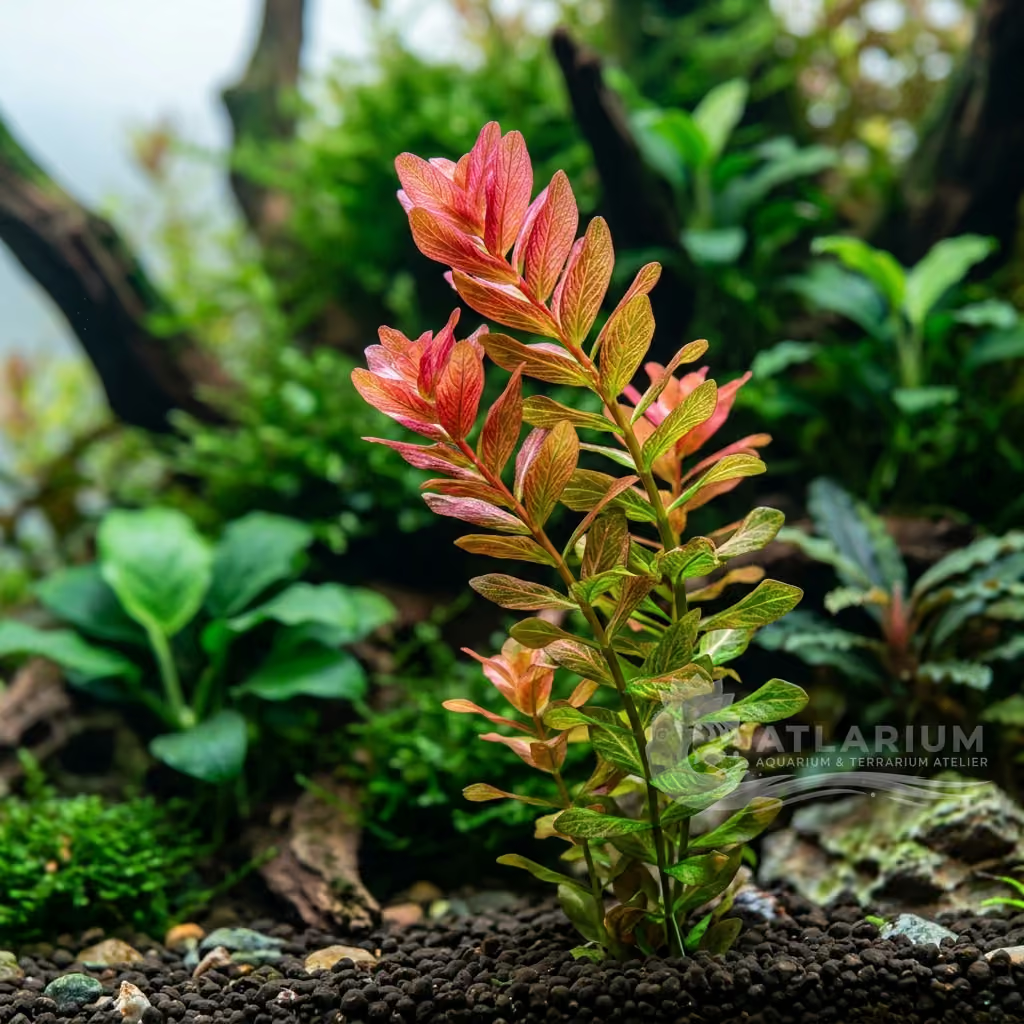
- Botanically, Potamogeton wrightii presents broad, lanceolate leaves with prominent veins arrayed along a thick, sturdy stem. The leaves are typically wide and slightly translucent, catching the light beautifully. Its bright green coloration adds a fresh, vibrant aesthetic to the aquascape. The plant's structure provides a classic aquatic look, highly favored in Dutch-style aquariums.
- Growth
- Fast
- This plant typically exhibits a fast growth rate, especially in well-lit, CO2-injected aquariums. It will quickly breach the water surface if left unchecked. Frequent topping and replanting are required to keep it bushy and at the desired height. In low-tech setups, it still grows reliably, though at a more manageable pace.
- Substrate
- High
- A fertile substrate strongly encourages the healthy development of Potamogeton wrightii. It establishes a vigorous root system that draws heavily from substrate-bound nutrients. Aqua soil or clay-based substrates provide the ideal environment for long-term vitality. In gravel or sand, the addition of heavy root tabs is practically mandatory.
- Column fertilization
- Recommended
- While it feeds heavily from the roots, column fertilization remains important for complete nutrition. Dosing a comprehensive liquid fertilizer ensures trace elements and potassium are always available to the leaves. This is particularly crucial to prevent pinholes from forming in older leaves. Regular dosing keeps the foliage lush and vibrant.
- Root fertilization
- Recommended
- Root fertilization is highly effective and strongly recommended for this species. It absorbs a large portion of its required macronutrients directly through its root network. Insert root tabs deeply beneath the plant groups every few months to sustain vigorous growth. A rich base layer is the key to exceptionally thick stems.
- Trimming
- Regular
- Can be trimmed easily by cutting the stem at the desired height. The lower portion will branch out, creating a denser look over time. Discard old, ugly bases if necessary.
- Propagation
- Cuttings
- Propagating Potamogeton wrightii is exceptionally easy via stem cuttings. Simply snip the upper half of a healthy stem and plant it an inch deep into the substrate. It will quickly root and continue growing upwards. The remaining bottom section will produce lateral shoots, leading to a denser plant grouping over time.
- Sensitivity
- Moderate
- Tolerant of various water conditions but dislikes sudden changes in chemistry. Ensure good water flow to keep the broad leaves clean and free of detritus accumulation.
- Layout role
- Midground, Background
- Great for adding bright green color and a large, striking leaf texture to the background. It can conceal equipment effectively and serve as a lush green backdrop.

Related species
Recommendations grouped by close relatives, companion choices, and similar care.