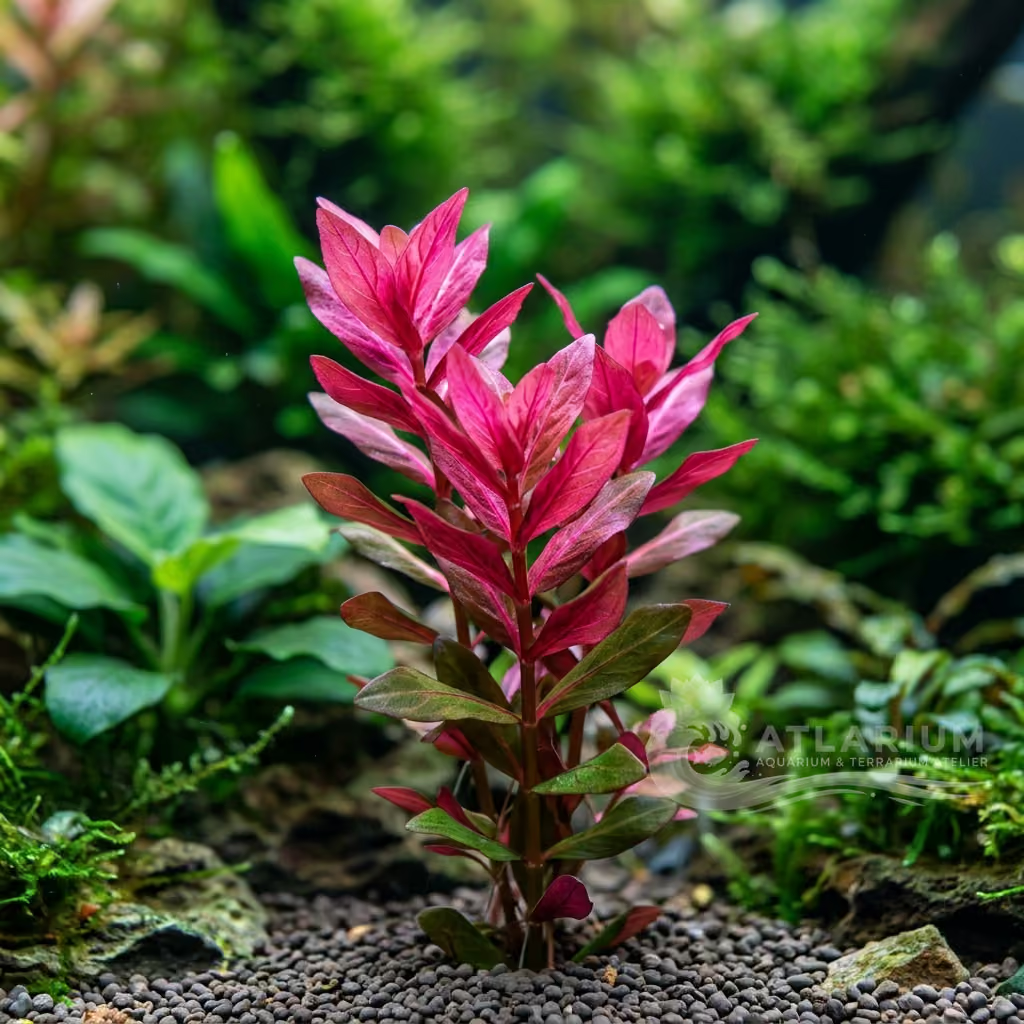
Potamogeton perfoliatus
Potamogeton perfoliatus
Potamogeton perfoliatus is a very fast-growing aquatic plant ideal for the aquarium background. Its distinctive perfoliate leaves and upright growth habit create a dense green or reddish wall, providing structure and refuge.
Water Temperature
4 - 28 °C
pH Value
6 - 8.5
Water type
Freshwater
Light
Medium - High
CO2
High
KH
2 - 21 dKH

Species description
Geographical Origin and Habitat: Potamogeton perfoliatus boasts a remarkably wide geographical distribution, being found across various regions of Europe, Asia, and North America. This ecological versatility allows it to thrive in a diverse range of freshwater aquatic habitats, favoring still or slow-moving waters. It is commonly found rooted in the substrates of lakes, ponds, rivers, and canals, where it can form dense submerged stands that significantly contribute to local biodiversity by offering shelter and substrate to numerous aquatic species.
Taxonomy & Genetics: Belonging to the Potamogetonaceae family, Potamogeton perfoliatus is a member of the genus Potamogeton, known for its rich diversity and frequent tendency for hybridization among closely related species. This characteristic sometimes makes precise identification in nature challenging, although the name "perfoliatus" specifically refers to the unique morphology of its leaves. Its classification places it among submerged aquatic plants that have perfectly adapted to the aquatic environment, developing specialized structures for nutrient absorption and underwater photosynthesis, representing an interesting model for ecological and genetic studies of aquatic plants.
Physical Structure: The physical structure of Potamogeton perfoliatus is characterized by slender, elongated stems, generally rounded, which can reach considerable lengths under optimal conditions, sometimes exceeding a meter in aquariums. Its leaves are its most striking feature: ovate to broadly ovate in shape, they are sessile and "perfoliate," meaning their base completely encircles the stem, as if the stem passes directly through the leaf itself. The leaf venation is prominent and parallel, contributing to their structural rigidity, while the root system is fibrous and well-developed, firmly anchoring the plant to the substrate and ensuring nutrient absorption.
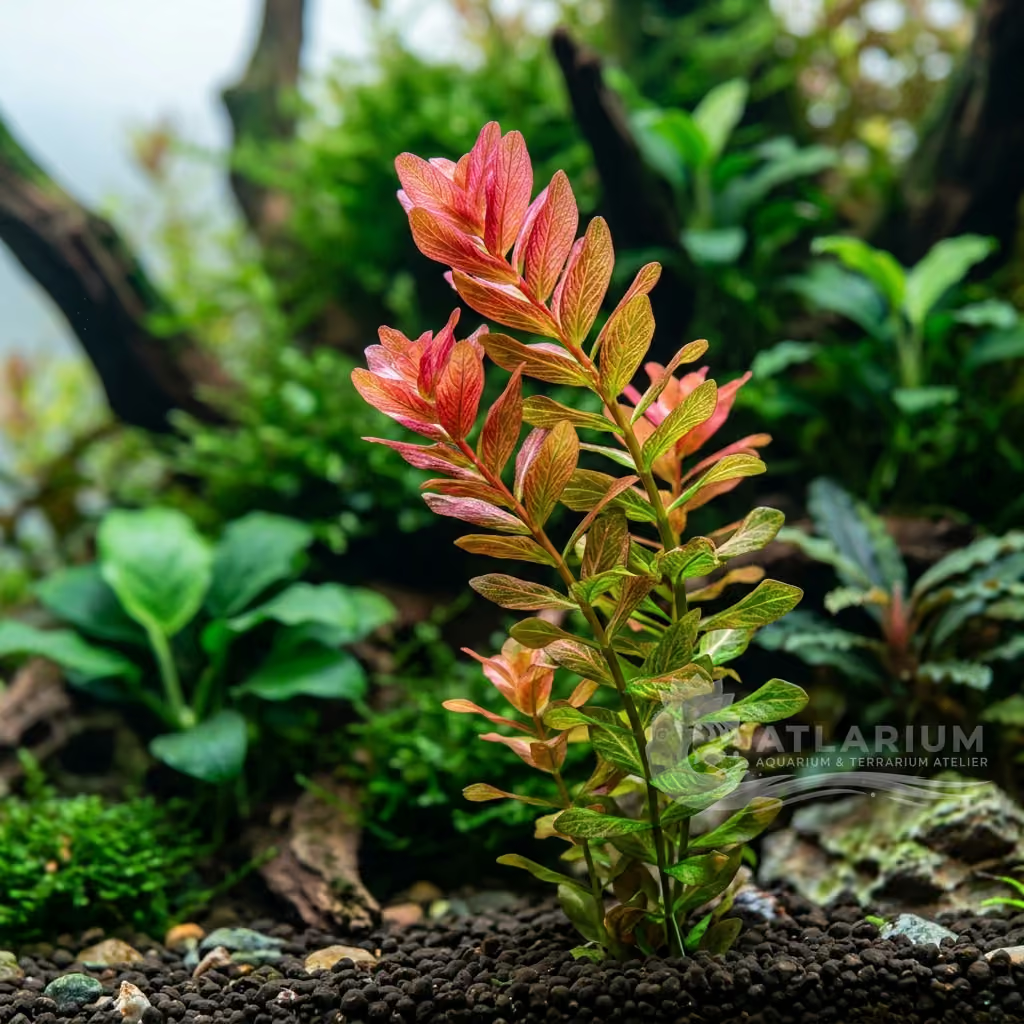
Color & Texture: Potamogeton perfoliatus typically presents with a vibrant, bright green color, which can vary in intensity depending on lighting conditions and nutrient availability. Under intense light and proper fertilization, the leaves can develop reddish or bronze hues, adding an appealing chromatic contrast to the aquarium. The texture of the leaves is generally thin and slightly translucent, giving them a delicate appearance, though they may display slightly wavy or crisped margins, enhancing visual interest. The surface is smooth to the touch, and its transparency allows for appreciation of the intricate network of internal veins.

Care, breeding and tankmates
Lighting & CO2: The light requirement for Potamogeton perfoliatus ranges from medium to high; greater light intensity not only promotes denser and more compact growth but can also intensify the reddish or bronzed hues of the leaves. CO2 injection is highly recommended for this species, as it stimulates exceptionally rapid growth and promotes robust health and more vibrant coloration. While it can survive without CO2, its optimal performance in terms of growth speed, density, and aesthetic beauty is only achieved with adequate carbon dioxide supply, making it an excellent choice for high-tech aquariums.
Nutrition & Substrate: For vigorous growth, Potamogeton perfoliatus greatly benefits from a nutrient-rich substrate, being primarily a root feeder. The use of a fertilized substrate or the integration of substrate fertilizer tabs are effective practices to ensure its optimal development. In addition to root absorption, the plant also benefits from adequate
Water Chemistry: Potamogeton perfoliatus is remarkably tolerant regarding water parameters, adapting to a wide range of temperatures, from 4.0 to 28.0 C, although it prefers cooler to temperate conditions for optimal long-term health. Carbonate hardness (KH) can range between 2.0 and 21.0, while the ideal pH extends from 6.0 to 8.5, demonstrating its high adaptability to diverse water chemical compositions. Maintaining clean and well-oxygenated water is nevertheless fundamental to prevent stress and promote vigorous, healthy growth of this species.
Space Management & Placement: Given its very fast growth rate and the potential length of its stems, Potamogeton perfoliatus is ideal for background placement within the aquarium, where it can grow tall and create a dense and impressive green or reddish wall. This plant requires ample vertical space to express its growth potential and must be carefully planned in the layout to prevent it from excessively shading other underlying species. Its ability to form dense thickets makes it excellent for defining visual boundaries or creating a sense of depth, while also offering a natural hiding place for shyer fish.
Pruning: Due to its very fast growth, regular pruning is a fundamental aspect of caring for Potamogeton perfoliatus to maintain its desired shape and prevent it from suffocating other plants or occupying too much space. The cut stem tops can be easily replanted into the substrate to propagate the plant, creating new colonies or thickening existing areas. It is also advisable to remove older or damaged lower leaves to improve aesthetics, promote water circulation, and reduce the accumulation of organic detritus, keeping the plant healthy and vigorous.
Risks & Diseases: Potamogeton perfoliatus is generally a robust and resilient plant, but it can encounter some risks if conditions are not optimal. Stunted growth or nutrient deficiencies can make it more susceptible to algal growth on its leaves, although its rapid growth usually helps it effectively compete with algae. Macro and micronutrient deficiencies manifest as yellowing or discoloration of the leaves; for example, a lack of iron can cause interveinal chlorosis. It is important to constantly monitor the plant to promptly intervene with corrections to fertilization or water parameters, also avoiding the use of aggressive chemicals that could harm it.

Geographic origin and distribution
Potamogeton perfoliatus boasts a remarkably wide geographical distribution, being found across various regions of Europe, Asia, and North America. This ecological versatility allows it to thrive in a diverse range of freshwater aquatic habitats, favoring still or slow-moving waters. It is commonly found rooted in the substrates of lakes, ponds, rivers, and canals, where it can form dense submerged stands that significantly contribute to local biodiversity by offering shelter and substrate to numerous aquatic species.
Origin
Europe, Mediterranean, and West AsiaNorth AmericaSouth and Southeast AsiaEast Asia

Plant profile
- Placement
- Background
- Due to its potential size and growth habit, it is best suited for the midground or background. Grouping several stems together creates a dense, natural-looking thicket. It can be used effectively to hide aquarium equipment like heaters or filter intakes. Ensure it is not planted so densely that the lower leaves are completely starved of light.
- Botanical form
- Stem
- Botanically, Potamogeton perfoliatus presents wavy, perfoliate leaves clasping the stem arrayed along a thick, sturdy stem. The leaves are typically wide and slightly translucent, catching the light beautifully. Its translucent green to bronze coloration adds a fresh, vibrant aesthetic to the aquascape. The plant's structure provides a classic aquatic look, highly favored in Dutch-style aquariums.
- Growth
- VERY_FAST
- This plant typically exhibits a fast growth rate, especially in well-lit, CO2-injected aquariums. It will quickly breach the water surface if left unchecked. Frequent topping and replanting are required to keep it bushy and at the desired height. In low-tech setups, it still grows reliably, though at a more manageable pace.
- Substrate
- High
- A fertile substrate strongly encourages the healthy development of Potamogeton perfoliatus. It establishes a vigorous root system that draws heavily from substrate-bound nutrients. Aqua soil or clay-based substrates provide the ideal environment for long-term vitality. In gravel or sand, the addition of heavy root tabs is practically mandatory.
- Column fertilization
- Recommended
- While it feeds heavily from the roots, column fertilization remains important for complete nutrition. Dosing a comprehensive liquid fertilizer ensures trace elements and potassium are always available to the leaves. This is particularly crucial to prevent pinholes from forming in older leaves. Regular dosing keeps the foliage lush and vibrant.
- Root fertilization
- Required
- Root fertilization is highly effective and strongly recommended for this species. It absorbs a large portion of its required macronutrients directly through its root network. Insert root tabs deeply beneath the plant groups every few months to sustain vigorous growth. A rich base layer is the key to exceptionally thick stems.
- Trimming
- Regular
- Prune by topping; remove the upper portion of the stem. The remaining lower part will sprout new shoots from the nodes. Replant the tops if you wish to multiply the stand.
- Propagation
- Cuttings
- Propagating Potamogeton perfoliatus is exceptionally easy via stem cuttings. Simply snip the upper half of a healthy stem and plant it an inch deep into the substrate. It will quickly root and continue growing upwards. The remaining bottom section will produce lateral shoots, leading to a denser plant grouping over time.
- Sensitivity
- Moderate
- Can melt if water parameters swing drastically or if relocated abruptly. Requires good water circulation to prevent debris buildup on its broad leaves. Susceptible to spot algae under poor flow.
- Layout role
- Background
- Creates a striking textural contrast with its unique round, clasping leaves. Ideal for creating dense, eye-catching background thickets. Draws the eye due to its unusual morphology.

Related species
Recommendations grouped by close relatives, companion choices, and similar care.