Potamogeton octandrus
Potamogeton octandrus
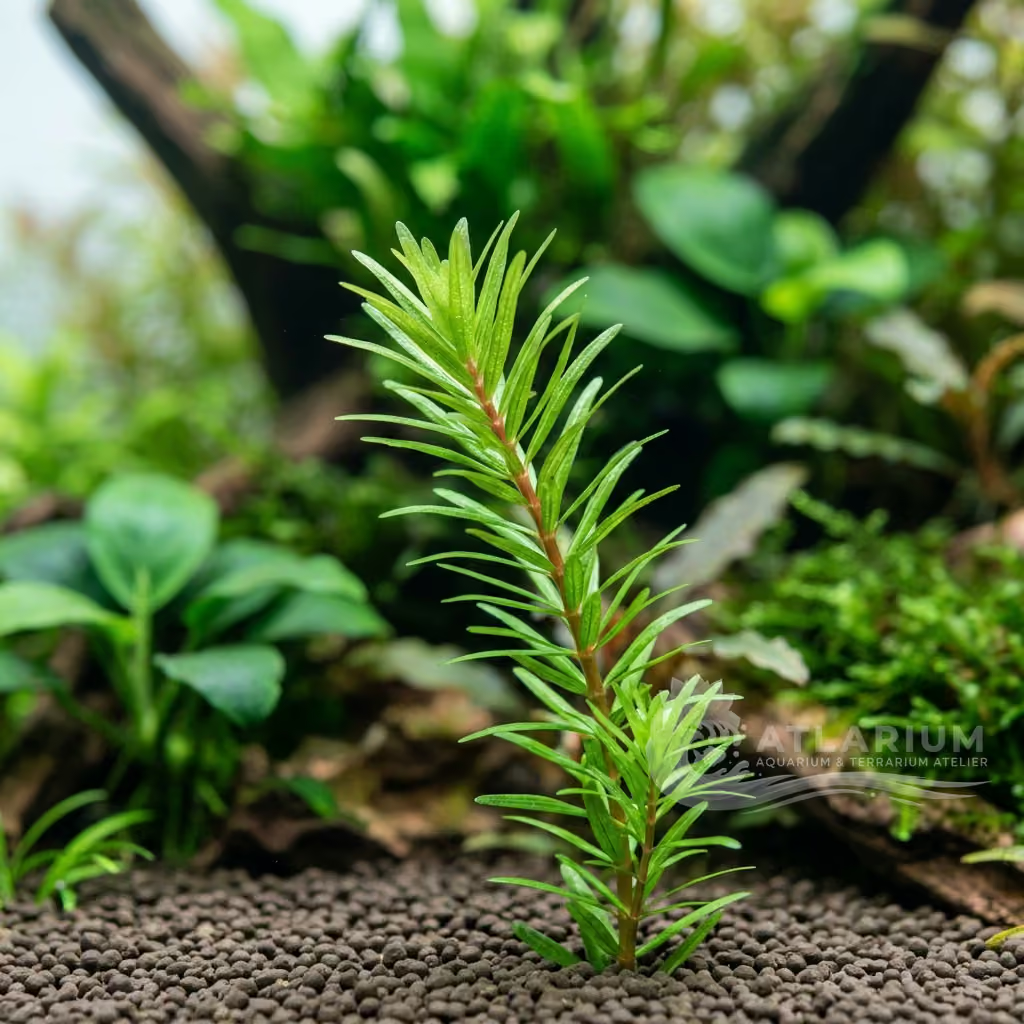
Potamogeton octandrus is a medium-growing stem plant perfectly suited for the midground of an aquarium. Its delicate foliage and graceful appearance make it a captivating addition to a naturalistic aquascape.
Water Temperature
18 - 26 °C
pH Value
6 - 8
Water type
Freshwater
Light
High
CO2
High
KH
2 - 14 dKH

Species description
Geographical Origin and Habitat: Potamogeton octandrus is widely distributed across tropical and subtropical regions of Africa, Asia, and Australia, where it thrives in still or slow-moving freshwater environments. It predominantly inhabits shallow ponds, lakes, and ditches, often growing fully submerged. This broad native range underscores its adaptability to various aquatic conditions, favoring stable and clean water.
Taxonomy & Genetics: As a member of the Potamogetonaceae family, the genus Potamogeton is commonly known as "pondweeds" and encompasses numerous true aquatic species. The specific epithet octandrus typically refers to the presence of eight stamens in its flowers, a distinctive morphological feature of the species. Its taxonomic classification firmly places it among plants whose life cycle is intrinsically linked to fully submerged or semi-submerged aquatic habitats.
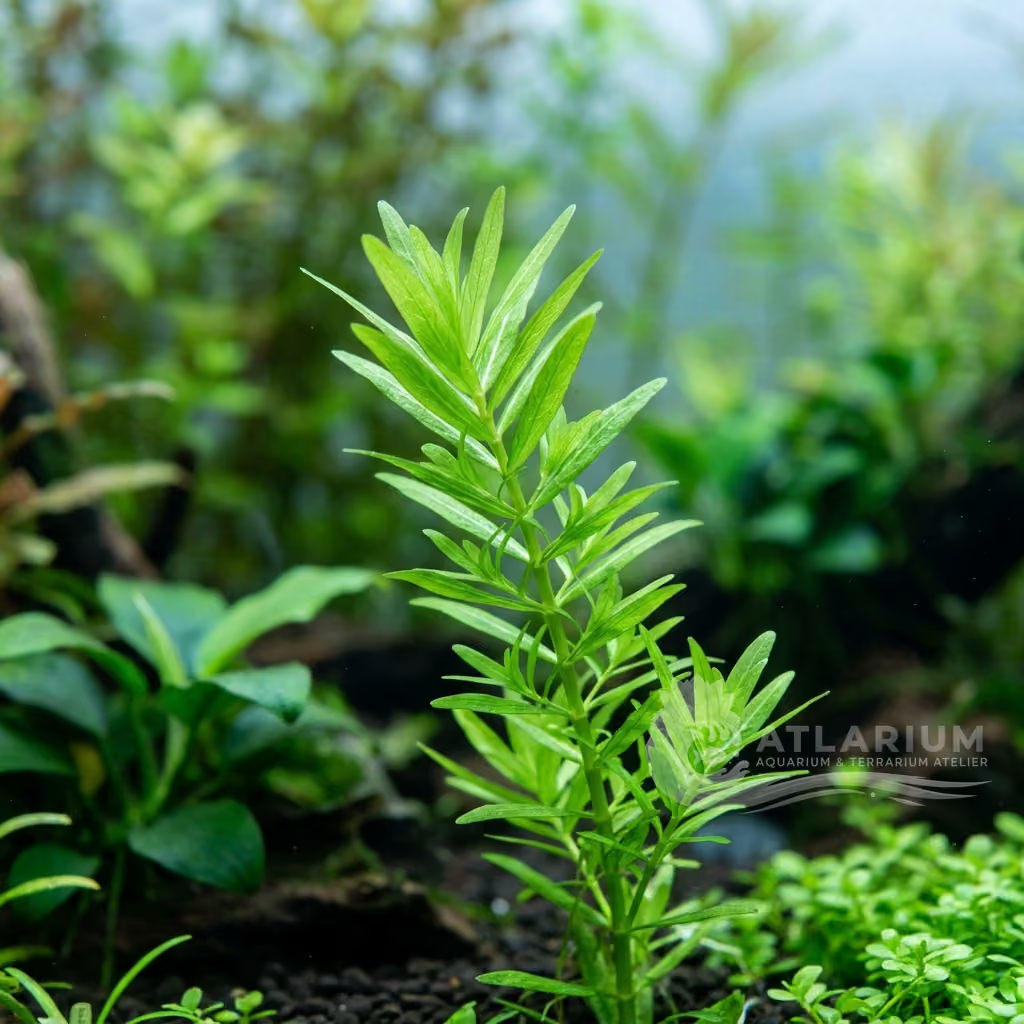
Physical Structure: This plant features slender, upright stems from which delicate, linear submerged leaves emerge. The leaves can grow quite long, maintaining a narrow, elongated shape that makes them ideal for creating dense patches or natural screens within the aquarium. Its root system is rhizomatous, allowing the plant to firmly anchor itself in the substrate and to spread horizontally over time.
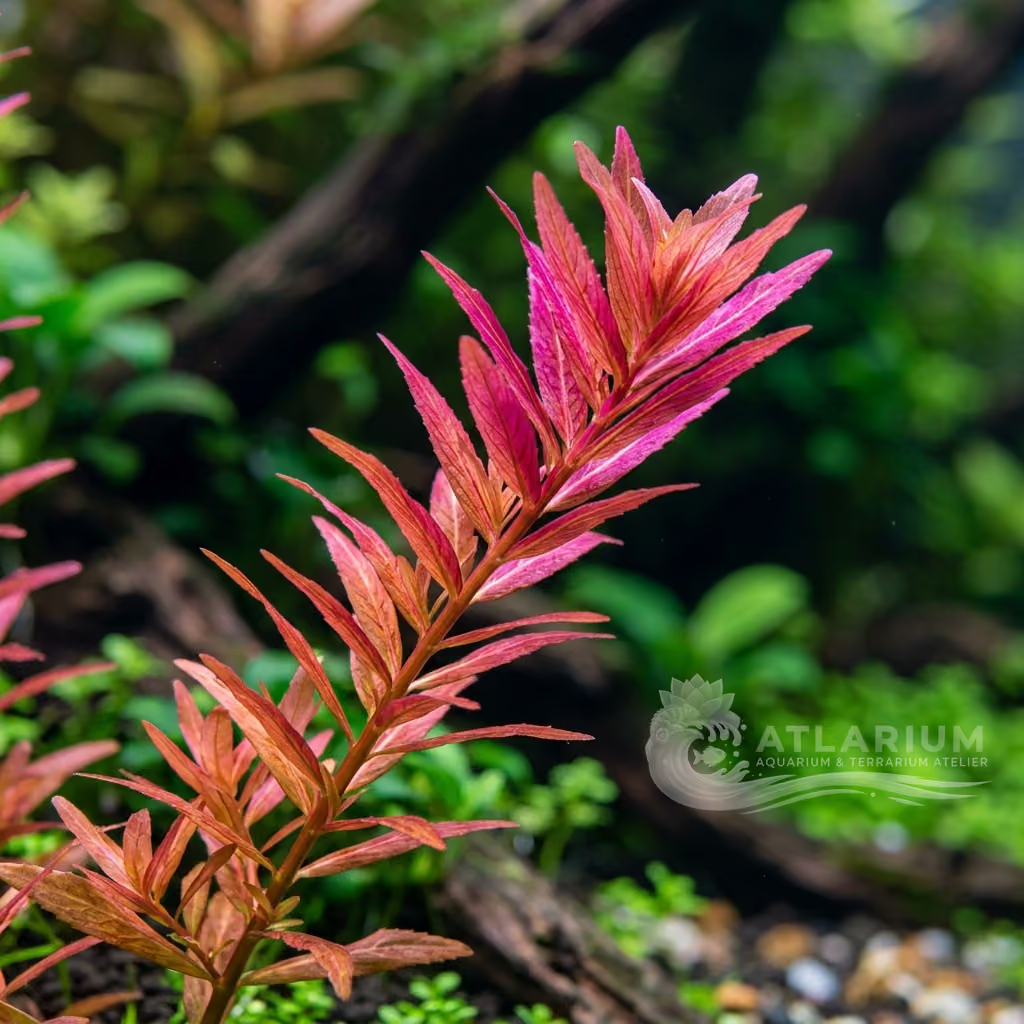
Color & Texture: The submerged leaves of Potamogeton octandrus typically display shades of light green to olive green, which may deepen or acquire subtle reddish tints under strong lighting and optimal nutrient conditions. Their texture is notably soft and translucent, lending an ethereal and airy appearance underwater. This delicate transparency adds visual depth and dynamic movement to the aquatic landscape.

Care, breeding and tankmates
Lighting & CO2: For optimal growth, Potamogeton octandrus requires medium intensity lighting, sufficient to promote vigorous photosynthesis without encouraging undesirable algae growth. CO2 supplementation is highly recommended to stimulate more robust growth and prevent carbon deficiency, which can significantly slow its development. A photoperiod of 8-10 hours per day is generally considered ideal for this species.
Nutrition & Substrate: While capable of absorbing nutrients from the
Water Chemistry: This species thrives in a water temperature range of 20 to 28 °C, preferring slightly acidic to neutral pH conditions (6.0-7.5). The ideal carbonate hardness (KH) ranges from 2 to 12, indicating a good tolerance to various water conditions, though it generally favors soft to moderately hard water. Maintaining stable water parameters is far more crucial than allowing extreme fluctuations for its long-term health.
Space Management & Placement: Given its medium growth rate and potential height, Potamogeton octandrus is ideally placed in the midground of the aquarium, where it can form dense clusters or natural "hedges." In smaller aquariums, it can even serve as a background plant, adding depth and lushness. Ensure individual stems are planted with adequate spacing to allow for good water circulation and light penetration to the lower leaves.
Pruning: Regular pruning is essential to maintain the desired shape and promote bushier growth. When the plant reaches the water surface or becomes excessively dense, trim the upper stems and replant them to propagate new plants. This practice also encourages branching from the lower internodes, creating a more compact and bushy appearance in the midground of the aquascape.
Risks & Diseases: Potamogeton octandrus is generally resilient, but it can be susceptible to nutrient deficiencies, which may manifest as yellowing leaves or stunted growth. Algae can proliferate on its delicate foliage if nutrient balance or lighting conditions are unstable. Consistent monitoring of water parameters and plant health is crucial to prevent serious issues and maintain a thriving aquarium.

Geographic origin and distribution
Potamogeton octandrus is widely distributed across tropical and subtropical regions of Africa, Asia, and Australia, where it thrives in still or slow-moving freshwater environments. It predominantly inhabits shallow ponds, lakes, and ditches, often growing fully submerged. This broad native range underscores its adaptability to various aquatic conditions, favoring stable and clean water.
Origin
Africa and MadagascarSouth and Southeast AsiaEast AsiaAustralia, New Guinea, and Oceania

Plant profile
- Placement
- Midground
- Midground to background placement is ideal due to its tendency to reach the surface. It looks best when grouped together for a nice bushy appearance. Ensure it is not shaded by taller, broader plants.
- Botanical form
- Stem
- This is a stem plant with delicate, slightly wavy leaves. It exhibits distinctive light green to brownish coloration depending on the light intensity. The internodes can elongate if light is insufficient.
- Growth
- Medium
- Fast-growing, especially under high light and CO2 injection. It will quickly form a dense canopy near the surface. Regular maintenance is needed to prevent it from blocking light.
- Substrate
- Medium
- Potamogeton octandrus appreciates a nutrient-rich substrate such as aqua soil to maintain its slender profile and steady growth rate. Its delicate roots effectively grip into the substrate to provide necessary anchorage while efficiently absorbing essential minerals from below. Planting the stems in a substrate depth of about 2 to 3 inches (5-8 cm) will ensure stable support against water flow. Although it draws some nutrients from the water column, root feeding will result in healthier, more resilient growth.
- Column fertilization
- Recommended
- Benefits significantly from regular liquid fertilization containing macronutrients and micronutrients. It is especially sensitive to iron deficiency, which can cause pale leaves. Consistent dosing promotes vibrant colors.
- Root fertilization
- Recommended
- Adding root tabs into the substrate near the base promotes thicker stems and healthier growth. A nutrient-rich soil will also support a strong root system. It anchors well once established.
- Trimming
- Regular
- Trim simply by cutting the stems and replanting the tops. Trimming encourages side shoots, making the bush denser. Remove older, decaying lower portions if they become unsightly.
- Propagation
- Cuttings
- Very easy to propagate through stem cuttings. Simply snip a healthy top shoot and replant it directly into the substrate. Roots will quickly develop from the buried nodes.
- Sensitivity
- Moderate
- Generally tolerant to a wide range of parameters, making it adaptable. However, it is prone to algae on its leaves if the water flow is too low. Stable conditions prevent leaf melt.
- Layout role
- Midground, Background, group
- Adds a wild, natural look to the midground or background of the aquascape. It is excellent for filling vertical space and creating dense thickets. The leaf texture contrasts nicely with broader plants.

Related species
Recommendations grouped by close relatives, companion choices, and similar care.