Phyllanthus fluitans
Phyllanthus fluitans
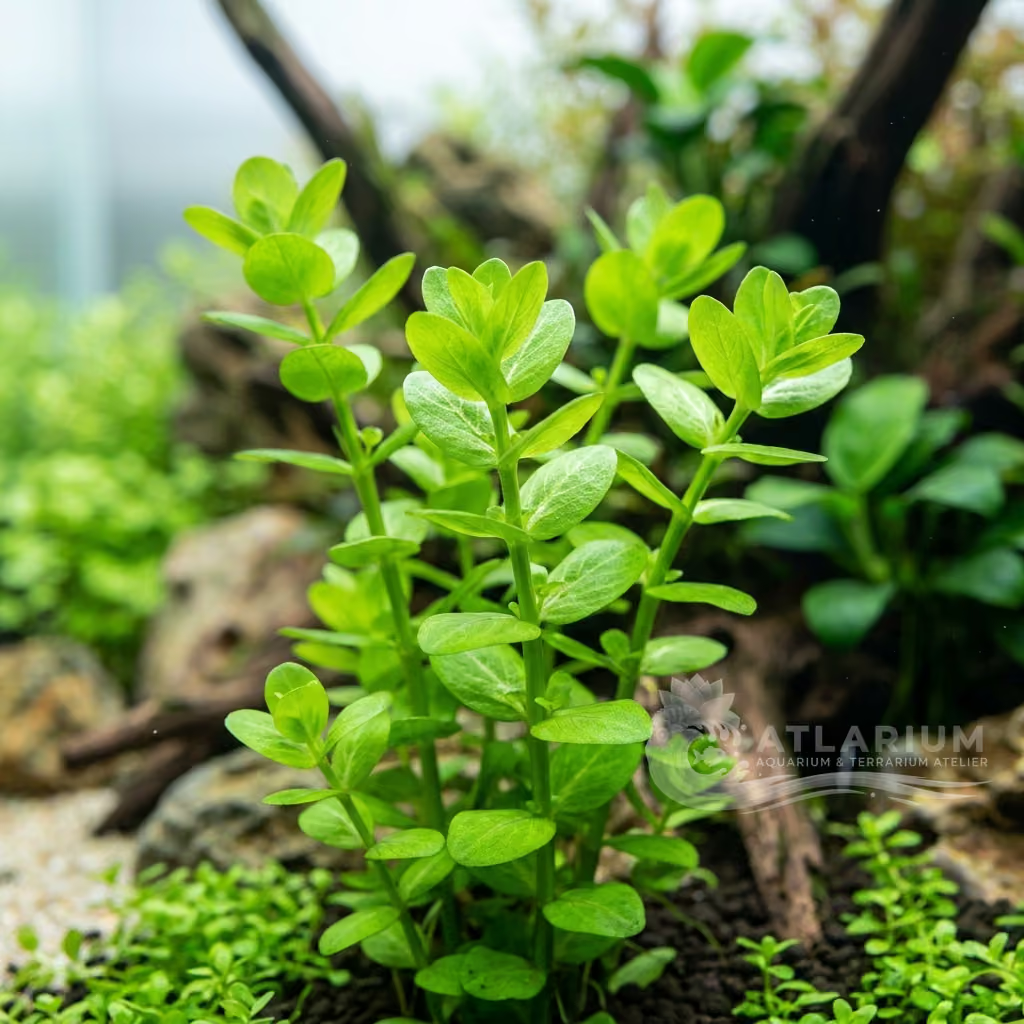
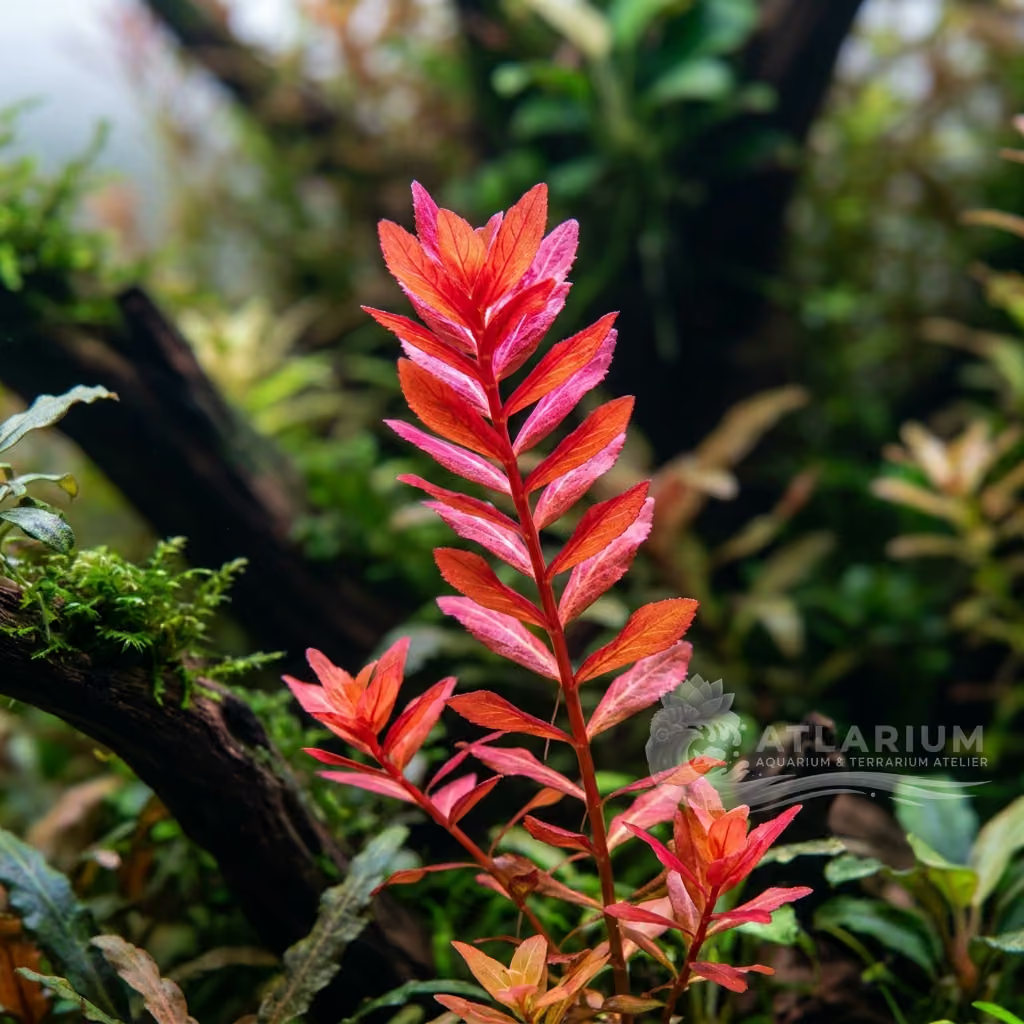
Phyllanthus fluitans is a versatile tropical floating plant, cherished for its heart-shaped leaves and vibrant hues ranging from bright green to intense red under strong light. It grows rapidly across the water's surface, offering shelter and creating a captivating visual layer in the midground of the aquarium.
Water Temperature
18 - 30 °C
pH Value
5 - 8
Water type
Freshwater
Light
Medium to High
CO2
High
KH
0 - 14 dKH

Species description
Geographical Origin and Habitat:
Taxonomy & Genetics: Belonging to the family Phyllanthaceae, Phyllanthus fluitans is a member of the extensive Phyllanthus genus, which encompasses over 1200 diverse species, most of which are terrestrial. This particular aquatic species stands out due to its unique adaptations to a floating lifestyle, a less common trait within its family. Although it is often mistaken for an aquatic fern due to its appearance, it is not botanically related to ferns but is a flowering plant with a well-defined genetic classification within the eudicots.
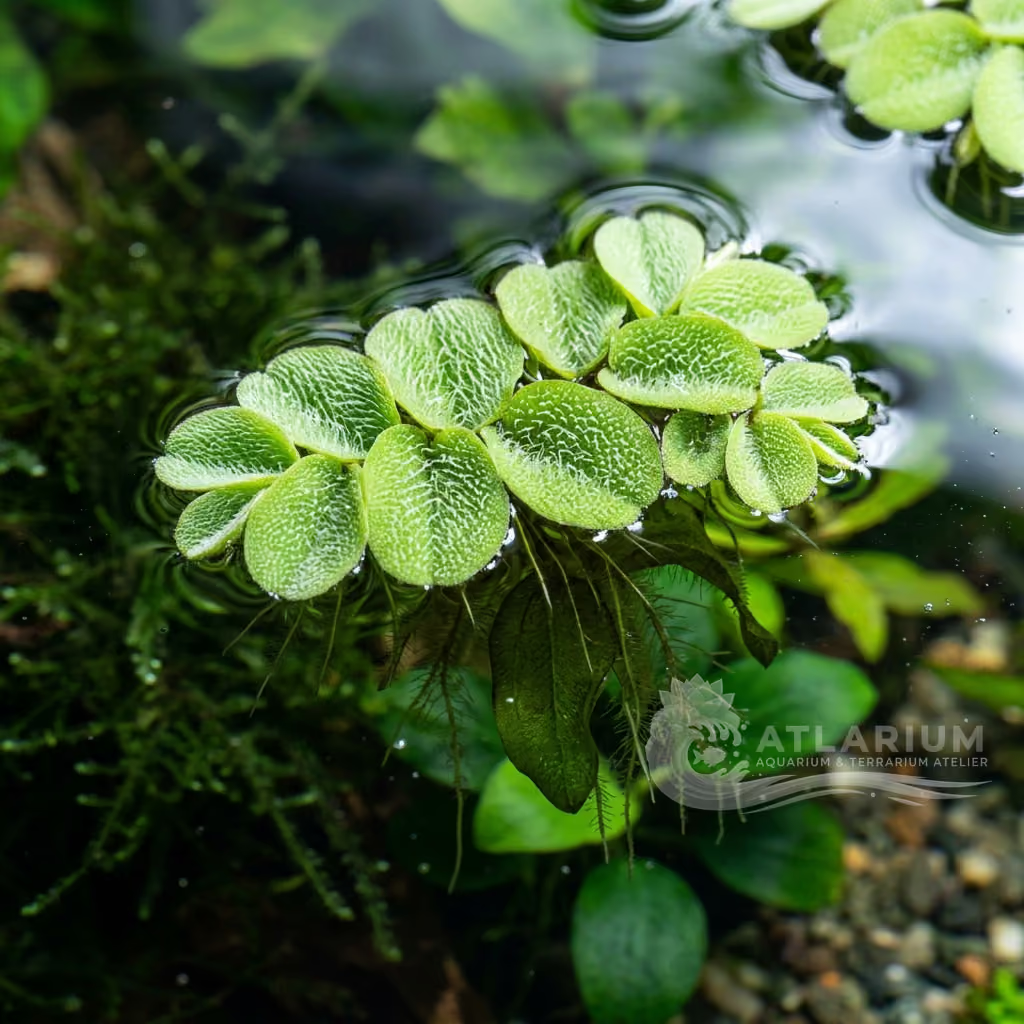
Physical Structure: Phyllanthus fluitans presents as a robust floating plant, characterized by slender, flexible stems that extend horizontally across the water's surface. Its small, heart- or kidney-shaped leaves are alternately arranged along these stems. Below the surface, it develops an extensive, fibrous red root system that can extend significantly into the water column, providing an ideal habitat and hiding places for small fish and invertebrates. Its structure is inherently adapted to maximize the absorption of light and nutrients directly from the water.
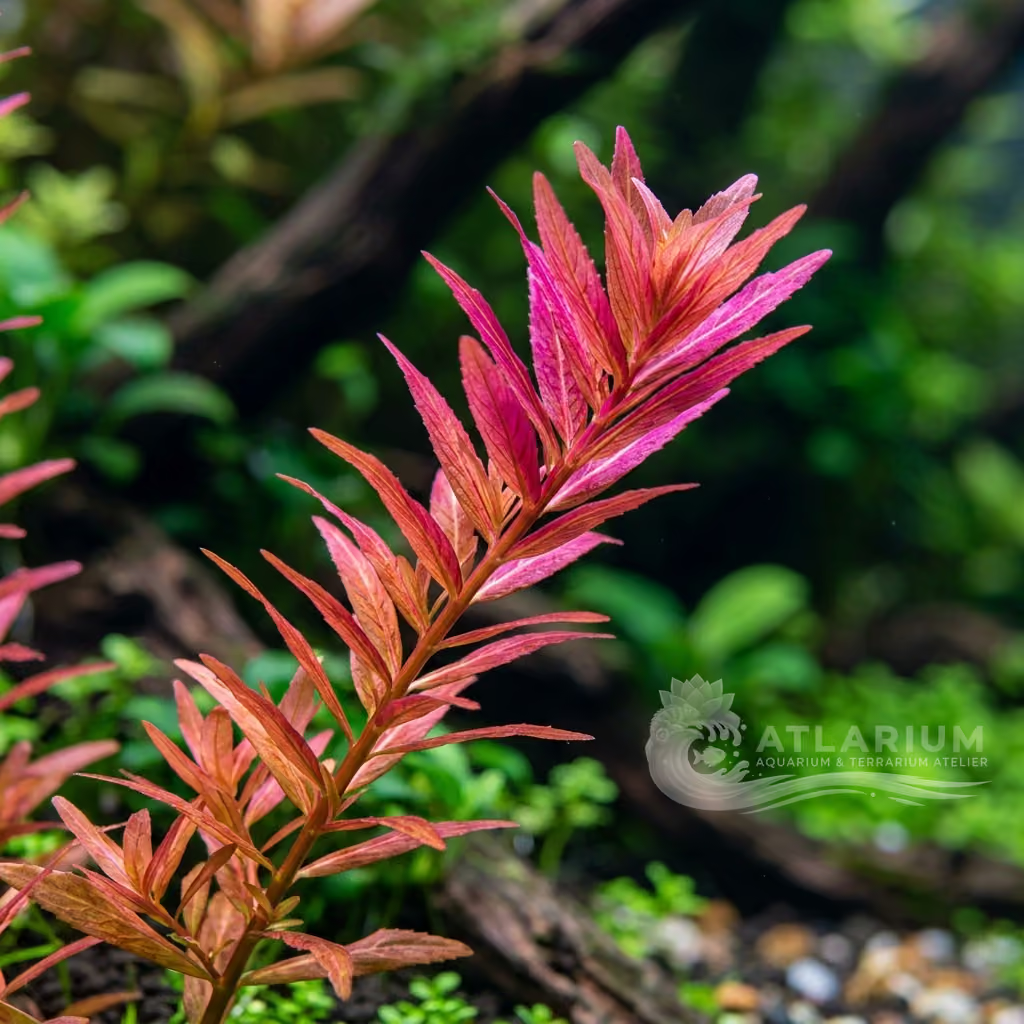
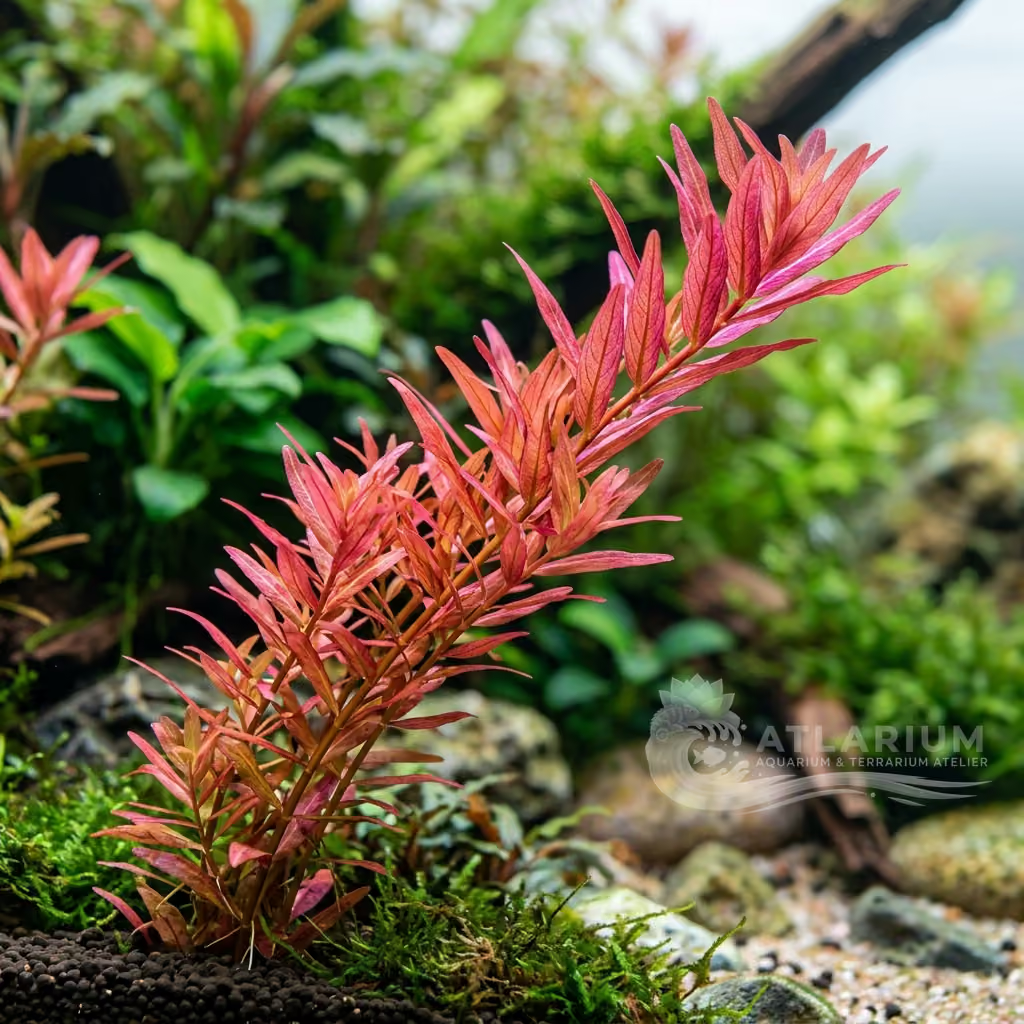
Color & Texture: The leaves of Phyllanthus fluitans are notable for their coloration and texture. Typically bright green, they can develop striking reddish or intense burgundy hues when exposed to high light conditions and sufficient nutrient availability, particularly iron. The upper surface of the leaves is velvety to the touch and highly water-repellent, thanks to tiny structures that trap air, making them unmistakable. The contrast between the green of younger or less illuminated leaves and the vivid red of exposed ones significantly enhances the aquarium's aesthetic, adding depth and visual interest.

Care, breeding and tankmates
Lighting & CO2: Phyllanthus fluitans thrives under medium to high lighting, which is crucial for enhancing its vibrant red coloration; insufficient light will tend to keep the leaves a more uniform green. To achieve the most intense red hue, light spectra with a significant red component and an intensity of at least 0.5-0.8 watts per liter, or high PAR levels, are recommended. While not strictly necessary, CO2 supplementation can promote faster and more robust growth, although the plant primarily absorbs carbon dioxide from the atmosphere.
Nutrition & Substrate: As a floating plant, Phyllanthus fluitans does not require substrate for anchoring, but it benefits tremendously from dissolved nutrients in the
Water Chemistry: This plant adapts to a wide range of water parameters, making it quite tolerant and versatile for various aquatic setups. It prefers temperatures between 18.0 and 30.0 °C, reflecting its natural tropical environment. The ideal pH ranges from 5.0 to 8.0, while carbonate hardness (KH) can vary from 0.0 to 14.0. Although tolerant, maintaining stable values within these ranges will help prevent stress and promote healthy growth, though slightly acidic and soft water are often associated with better coloration.
Space Management & Placement: While primarily a floating plant, Phyllanthus fluitans can be strategically employed to create a "midground" effect in aquarium layouts, especially in shallow tanks or paludariums where its roots can dangle into the water column without reaching the bottom. Its rapid growth means it can quickly cover the surface, creating shaded areas beneficial for certain fish and limiting filamentous algae growth through nutrient competition. It must be managed to prevent it from completely suffocating the surface, which would compromise gas exchange and light for plants below.
Pruning: Pruning Phyllanthus fluitans is a simple and necessary process to manage its rapid proliferation and maintain the desired aquarium aesthetic. It involves manually removing excess stems or portions that have extended too far, especially those that begin to excessively overlap. This operation not only prevents over-shading of plants below but also stimulates denser, more compact growth in the remaining portions. It is advisable to regularly remove about a third of the floating mass to maintain an optimal balance in the system.
Risks & Diseases: Phyllanthus fluitans is generally a robust plant, but it can be sensitive to unfavorable environmental conditions. Excessive surface flow or too much water movement can damage its delicate leaves and compromise its ability to float. Nutrient deficiencies, particularly iron and potassium, can lead to yellowing and deterioration of the leaves. Additionally, while it helps prevent algae, excessive accumulation of organic matter can encourage biofilm formation on the leaf surface, hindering photosynthesis and water-repellent capabilities.

Geographic origin and distribution
This species originates from: South America.
Origin
Amazon, Orinoco, and Guianas

Plant profile
- Placement
- Midground
- This plant must be placed exclusively floating freely on the aquarium's surface. It creates a striking canopy that provides natural shading for fish that prefer dim environments. Using a floating ring can effectively corral the plant and prevent it from being submerged by filter outputs. Careful management ensures it does not block light from lower plants.
- Botanical form
- Stem
- Botanically, Phyllanthus fluitans features small, round, water-repellent leaves that rest buoyantly on the water. The leaves are structurally adapted to repel water and remain dry on the top surface. Below the surface, it trails a beautiful network of fine roots. This morphology makes it a stunning addition to open-top aquariums.
- Growth
- Fast
- The growth rate is extremely fast, especially when provided with strong light and abundant nutrients. Under optimal conditions, it can double in mass within a matter of weeks. Regular and sometimes aggressive culling is required to prevent it from entirely covering the water surface. In nutrient-poor setups, its growth will significantly stall.
- Substrate
- None
- As an obligate floating aquatic plant, Phyllanthus fluitans has absolutely zero interaction with the substrate. Its delicate root structures hang downward directly into the water column to absorb dissolved minerals. It must never be buried or planted in gravel or soil. Provide a still or slow-moving surface environment to prevent root damage.
- Column fertilization
- Recommended
- Column dosing is the sole and most vital method for nourishing this plant. It rapidly consumes macronutrients like nitrogen and phosphorus directly from the water. A comprehensive liquid fertilizer is mandatory in tanks with low bioloads to sustain its growth. Daily or every-other-day dosing often yields the best results.
- Root fertilization
- None
- Root fertilization is completely irrelevant and impossible for this species. Substrate-based nutrients will not be accessible to its floating root system. Do not waste root tabs or enriched soils on floating plants. All effort must be directed toward maintaining a rich water column.
- Trimming
- Occasional
- Trimming Phyllanthus fluitans requires a careful approach to encourage bushy and attractive regrowth. Use sharp aquascaping scissors to make clean cuts just above a healthy set of leaves or nodes. Regular pruning prevents the lower portions from becoming shaded and bare. The cuttings can often be replanted to propagate the species further.
- Propagation
- Cuttings
- Propagation occurs effortlessly and automatically through the production of runners or daughter plants. As the plant matures, tiny offshoots will develop along its edges. Once these offshoots form their own roots and leaves, they detach naturally. The aquarist only needs to provide favorable conditions to witness exponential multiplication.
- Sensitivity
- Moderate
- Phyllanthus fluitans can be somewhat sensitive to sudden fluctuations in water parameters, particularly large pH or temperature swings. Algaecides and certain chemical treatments should be used with extreme caution. It requires a stable environment with consistent CO2 levels to prevent melting. Maintaining excellent water quality through regular changes is essential for its well-being.
- Layout role
- Midground, Floating
- In terms of aquascaping, Phyllanthus fluitans plays a vital role as a structural or accent element. Its floating nature and green to deep red appearance make it perfect for creating focal points or softening hardscape lines. By grouping several stems or patches together, you can achieve a dense and visually striking effect. It seamlessly bridges the gap between different zones in the aquarium.

Related species
Recommendations grouped by close relatives, companion choices, and similar care.