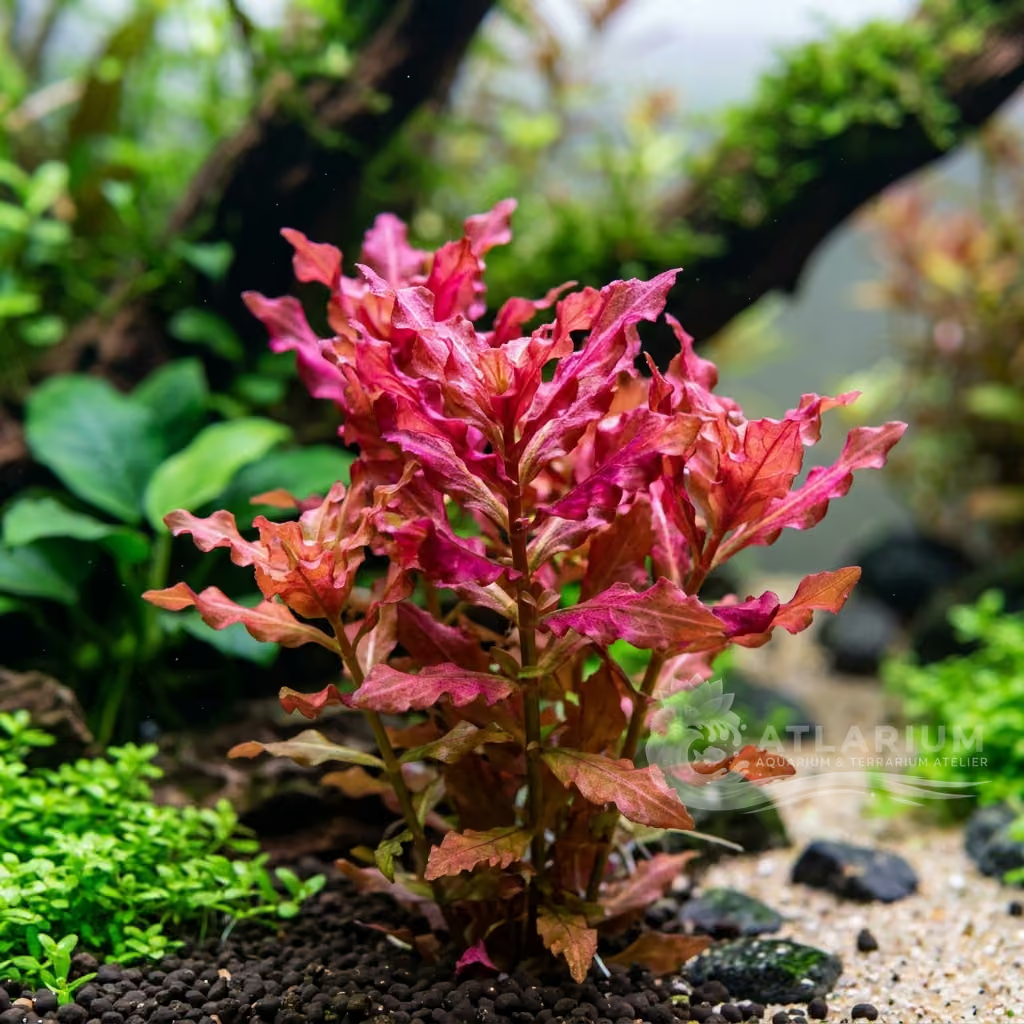
Rhaphidophora beccarii
Rhaphidophora beccarii
Rhaphidophora beccarii is a slow-growing plant ideal for midground placement in an aquascape, typically utilized in an emersed or semi-emersed setup. Its adaptable nature as an aroid makes it perfect for creating natural transitions between aquatic and terrestrial environments in paludariums or terrariums.
Water Temperature
20 - 28 °C
pH Value
5 - 7
Water type
Freshwater
Light
Medium - High
CO2
Low - High
Expected height
20 cm
Expected width
15 cm
KH
0 - 14 dKH

Species description
Geographical Origin and Habitat: Rhaphidophora beccarii originates from the tropical rainforests of Southeast Asia, where it thrives as an epiphyte or hemi-epiphyte, clinging to tree trunks or rocks. This species is typically found in extremely humid environments, often near water bodies, but is rarely fully submerged in its natural habitat. Its adaptability to these conditions makes it an excellent candidate for paludariums or terrariums, where it can replicate its natural borderland existence between water and land.
Taxonomy & Genetics: Belonging to the vast Araceae family, Rhaphidophora beccarii shares many characteristics with other tropical aroids, distinguishing itself by its unique growth habits and morphology. The genus Rhaphidophora is known for its diversity and often fenestrated or deeply lobed leaves, although R. beccarii may exhibit more entire leaves in juvenile stages or under specific environmental conditions. Its classification underscores the importance of a humid and warm environment, typical of its family members.
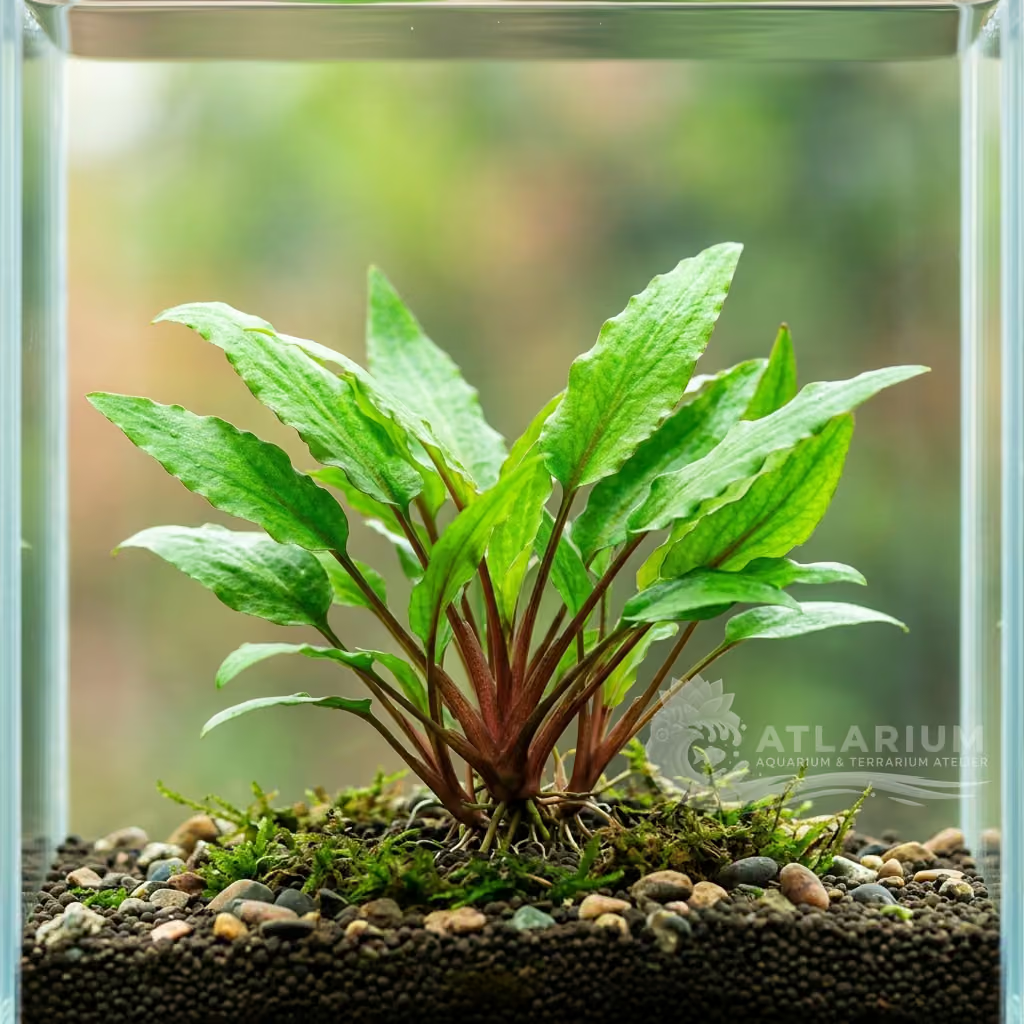
Physical Structure: Physically, Rhaphidophora beccarii develops robust stems that can branch out, producing leaves of varying sizes depending on growing conditions and plant age. Its aerial roots, characteristic of epiphytes, firmly attach to the substrate or hardscape, providing stability and absorbing moisture and nutrients from the surrounding environment. In an aquascape or paludarium context, these roots can be partially or fully submerged, while the stem and leaves gracefully emerge above the water surface.
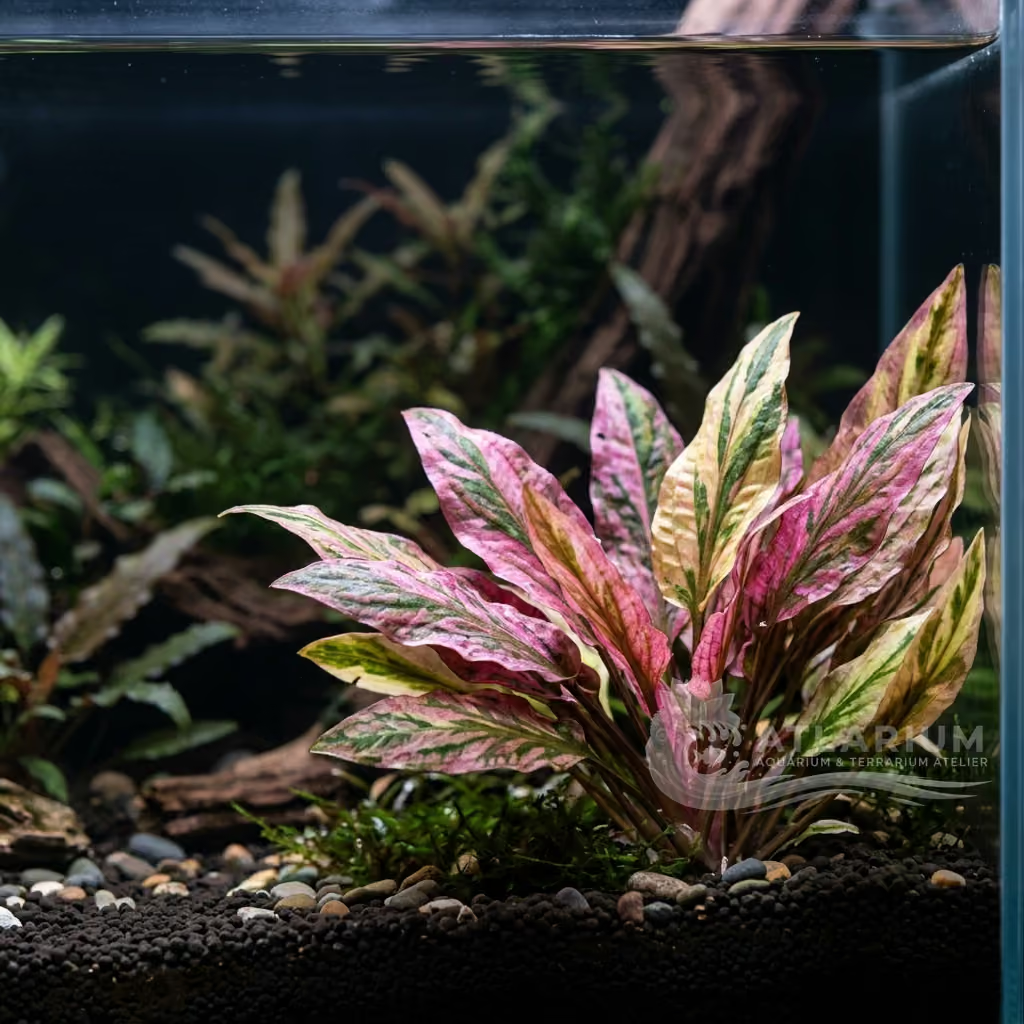
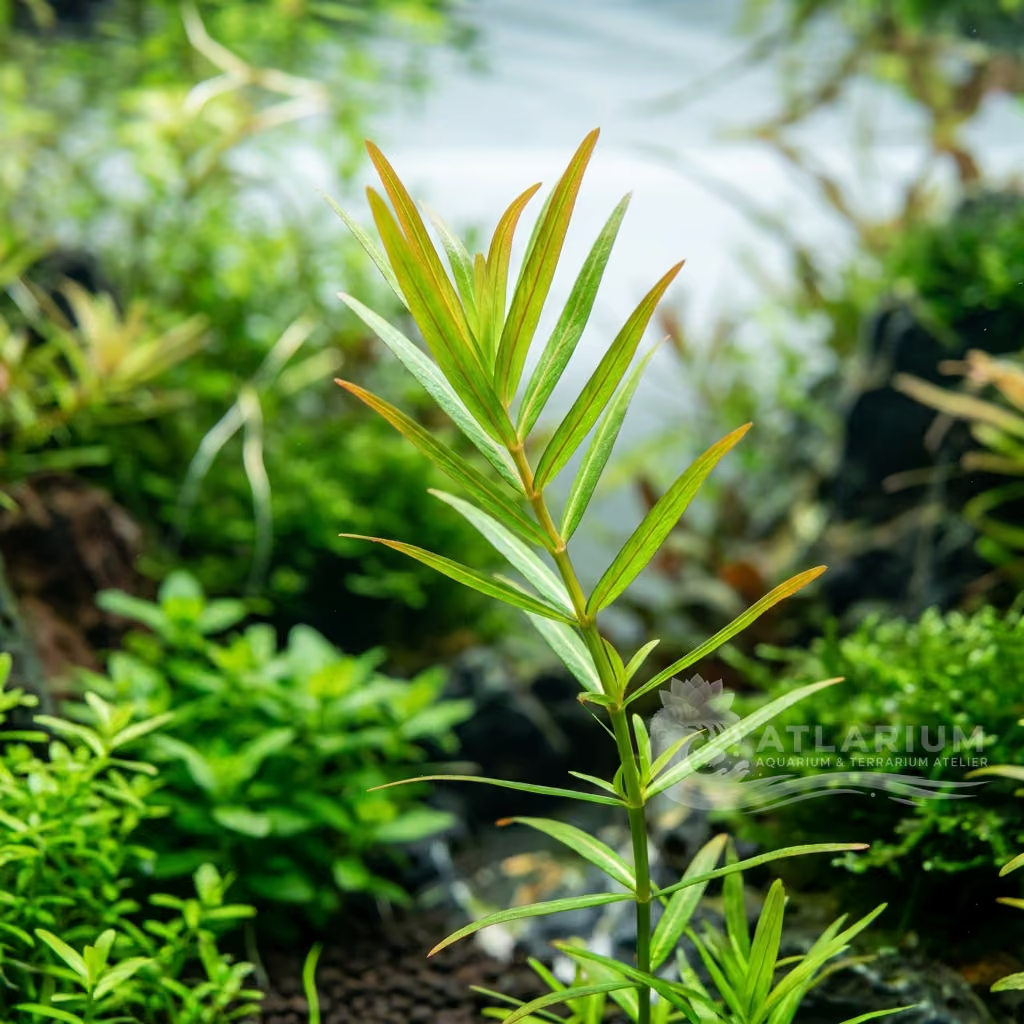
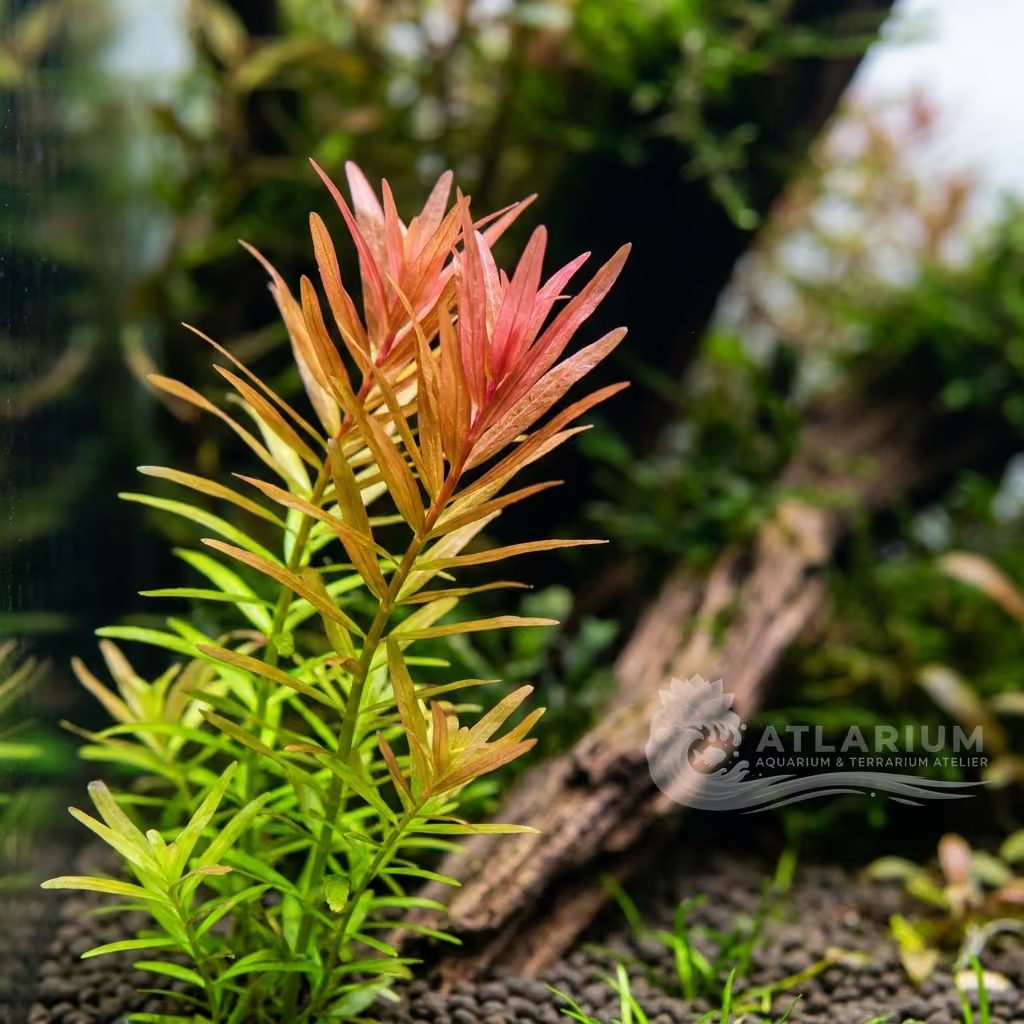
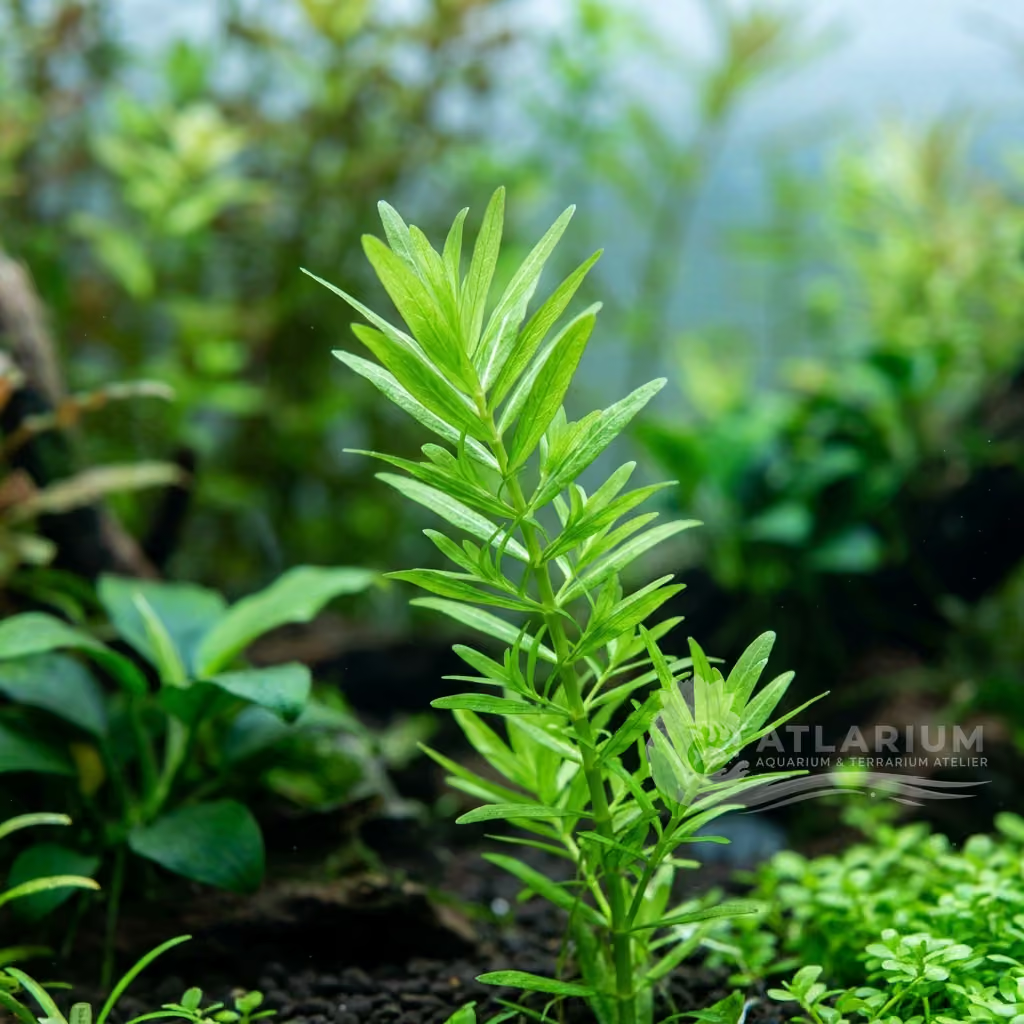
Color & Texture: The leaves of Rhaphidophora beccarii display a coloration ranging from deep green to lighter green, sometimes with slightly darker nuances on the upper surface. Their texture is generally smooth and waxy, imparting a glossy and healthy appearance to the plant under optimal conditions. The leaf shape can vary from oval to lanceolate, with entire margins, contributing to a lush and natural aesthetic in its cultivated environment.

Care, breeding and tankmates
Lighting & CO2: Rhaphidophora beccarii is a versatile plant regarding lighting, tolerating low to high light intensity when grown emersed. In a paludarium, moderate light is usually sufficient to promote healthy growth and vibrant leaf coloration. As it is primarily an emersed plant, CO2 injection into the
Water Chemistry: is not a primary requirement for the growth of its aerial parts, though enriching the substrate or water with nutrients can support robust root development.
Nutrition & Substrate: For Rhaphidophora beccarii, nutrition is crucial, especially when its roots are immersed. A substrate rich in organic matter or the addition of liquid fertilizers to the water can promote vigorous growth and overall good health. Being an epiphytic plant, it can also benefit from foliar application of diluted fertilizers if grown entirely emersed, replicating the absorption of nutrients from rain and humid air in its natural habitat.
Water Chemistry: Water parameters for Rhaphidophora beccarii should be maintained within a temperature range of 20 to 28 °C, with a slightly acidic to neutral pH (6.0-7.5) and a carbonate hardness (KH) between 2 and 12. While its leaves grow emersed, it is crucial that the roots, if submerged, are exposed to stable and clean conditions to prevent rot. Clean, well-oxygenated water significantly contributes to the root health of this species.
Space Management & Placement: Due to its slow growth and ideal midground placement, Rhaphidophora beccarii is perfect for creating a focal point or connecting the aquatic and terrestrial environments in paludariums. It is often anchored to driftwood or rocks, allowing its roots to delve into the water while its foliage rises above the surface, creating a natural and dynamic effect. This type of arrangement maximizes its aesthetic potential and replicates its original habitat.
Pruning: Pruning of Rhaphidophora beccarii is generally minimal, focusing on the removal of old or damaged leaves to maintain the plant's aesthetic and health. When aiming to control size or encourage denser growth, longer stems can be trimmed, stimulating branching. These cuts should be performed with sharp, sterilized tools to avoid introducing diseases and promote rapid healing.
Risks & Diseases: Rhaphidophora beccarii is generally robust, but it can be susceptible to common houseplant pests such as spider mites or mealybugs, especially in environments with poor air circulation or low humidity. Root rot can be an issue if the roots are constantly submerged in stagnant water or under low oxygen conditions. Regular monitoring and maintaining a clean, well-ventilated environment are essential to prevent most risks and diseases.

Geographic origin and distribution
Rhaphidophora beccarii originates from the tropical rainforests of Southeast Asia, where it thrives as an epiphyte or hemi-epiphyte, clinging to tree trunks or rocks. This species is typically found in extremely humid environments, often near water bodies, but is rarely fully submerged in its natural habitat. Its adaptability to these conditions makes it an excellent candidate for paludariums or terrariums, where it can replicate its natural borderland existence between water and land.
Origin
South and Southeast Asia

Plant profile
- Placement
- Midground
- This climbing rheophyte is best placed attached to hardscape materials like driftwood or textured rocks. It thrives in the midground where its climbing nature can create striking vertical accents. Avoid planting its rhizome directly into the substrate to prevent rot.
- Botanical form
- Stem
- It exhibits a classic climbing vine-like form with distinct, leathery leaves arranged alternately along a creeping rhizome. The foliage has a robust texture designed to withstand strong water currents in its natural habitat. Its adventitious roots clasp tightly to surfaces for stability.
- Growth
- Slow
- The growth rate is relatively slow, similar to other aquatic aroids like Anubias or Bucephalandra. It produces new leaves at a measured pace, gradually extending its rhizome along the attached surface. Under optimal CO2 and light, the growth speed increases slightly.
- Substrate
- None
- Rhaphidophora beccarii is an epiphytic and climbing plant that does not require traditional substrate for its growth. Its aerial roots naturally anchor themselves to hardscape materials such as driftwood, rocks, or background panels in a terrarium or paludarium. Rather than drawing nutrients from soil, it absorbs water and dissolved minerals directly from the humid surrounding environment and the surfaces it climbs. It is best grown by securing the stem to a vertical support where its roots can freely attach and spread.
- Column fertilization
- Recommended
- Column fertilization is crucial as it depends on its exposed roots to absorb dissolved nutrients. A comprehensive liquid fertilizer containing potassium, iron, and trace elements is highly recommended. Regular dosing prevents deficiencies and keeps the leaves looking vibrant.
- Root fertilization
- None
- Root fertilization is generally unnecessary and ineffective since the plant should not be buried in the substrate. Its root system is adapted for aquatic absorption rather than soil penetration. Focus entirely on maintaining water column nutrient concentrations.
- Trimming
- Occasional
- Trimming should be done carefully by cutting the rhizome between leaf nodes using sharp scissors. The pruned sections can be reattached elsewhere to start new colonies. Remove any yellowing or decaying older leaves to maintain optimal health and aesthetics.
- Propagation
- Cuttings
- Propagation is straightforward and achieved through simple rhizome division. Ensure each cut section has at least a few healthy leaves and intact roots for the best success rate. Tie or glue the new cuttings to hardscape until they naturally anchor themselves.
- Sensitivity
- Moderate
- It is generally hardy but can be sensitive to sudden extreme changes in water parameters or prolonged lack of nutrients. Algae can sometimes establish on its slow-growing leaves if the aquarium balance is off. Keep water flow moderate to high to prevent detritus accumulation on the foliage.
- Layout role
- Epiphyte, Nano
- In aquascaping, it serves as a unique focal point or textured accent on hardscape structures. Its creeping, climbing habit makes it perfect for naturalizing wood and rocks in nature-style aquariums. It provides a wild, jungle-like aesthetic as it wraps around its support.

Related species
Recommendations grouped by close relatives, companion choices, and similar care.