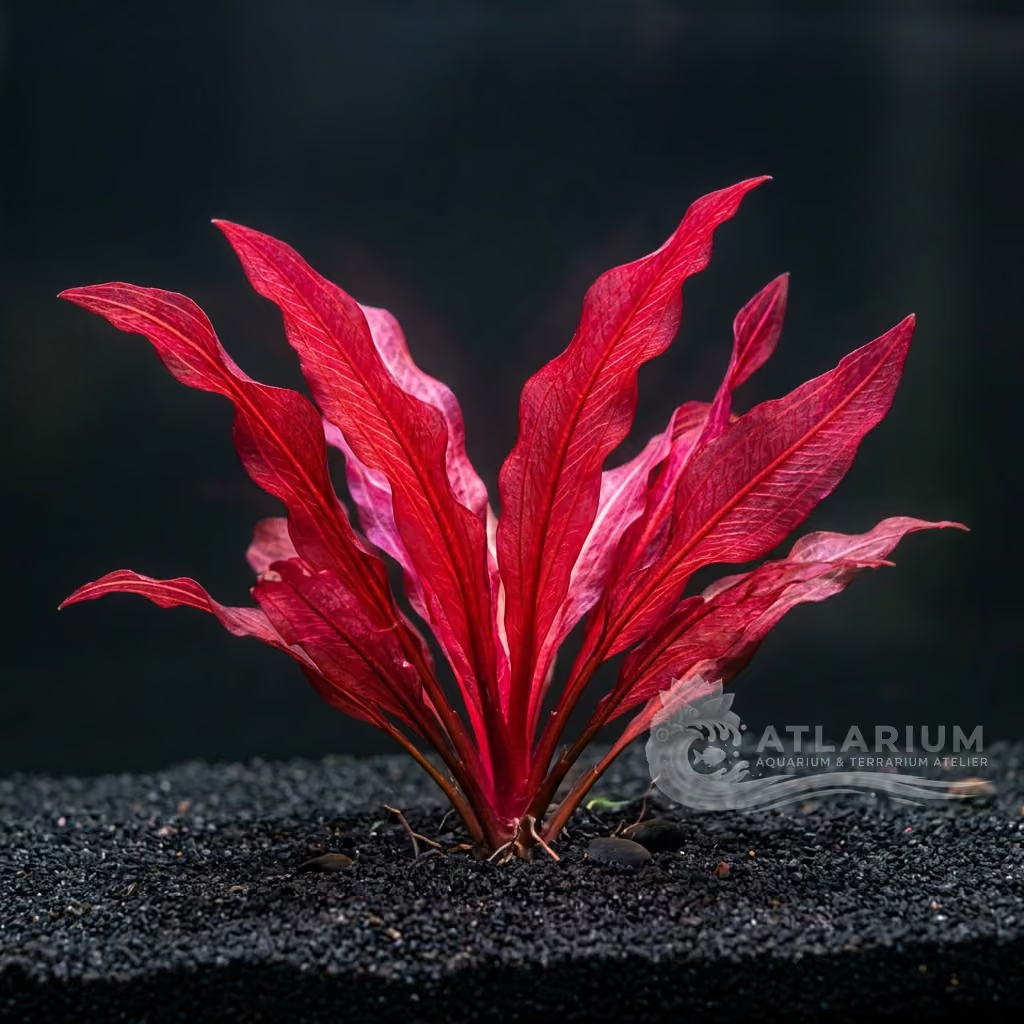
Ranalisma rostratum
Ranalisma rostratum
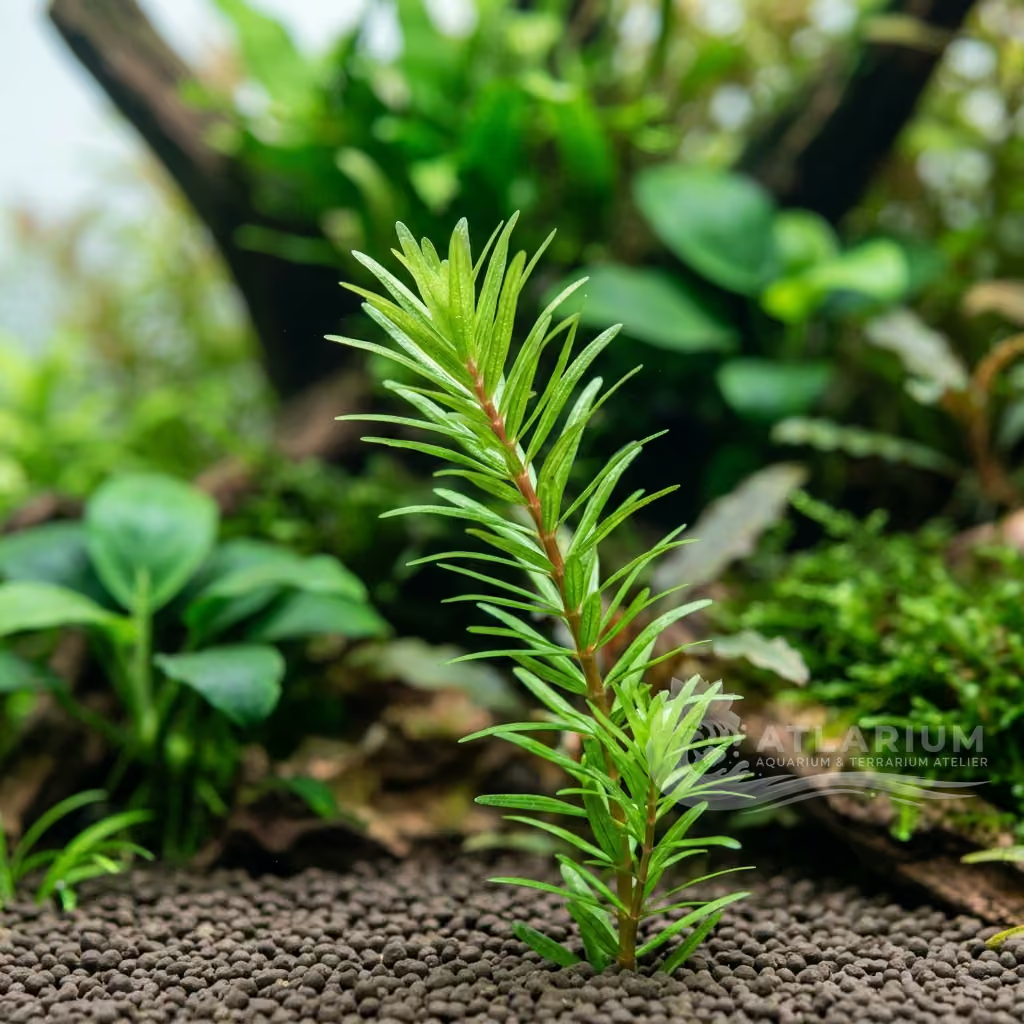
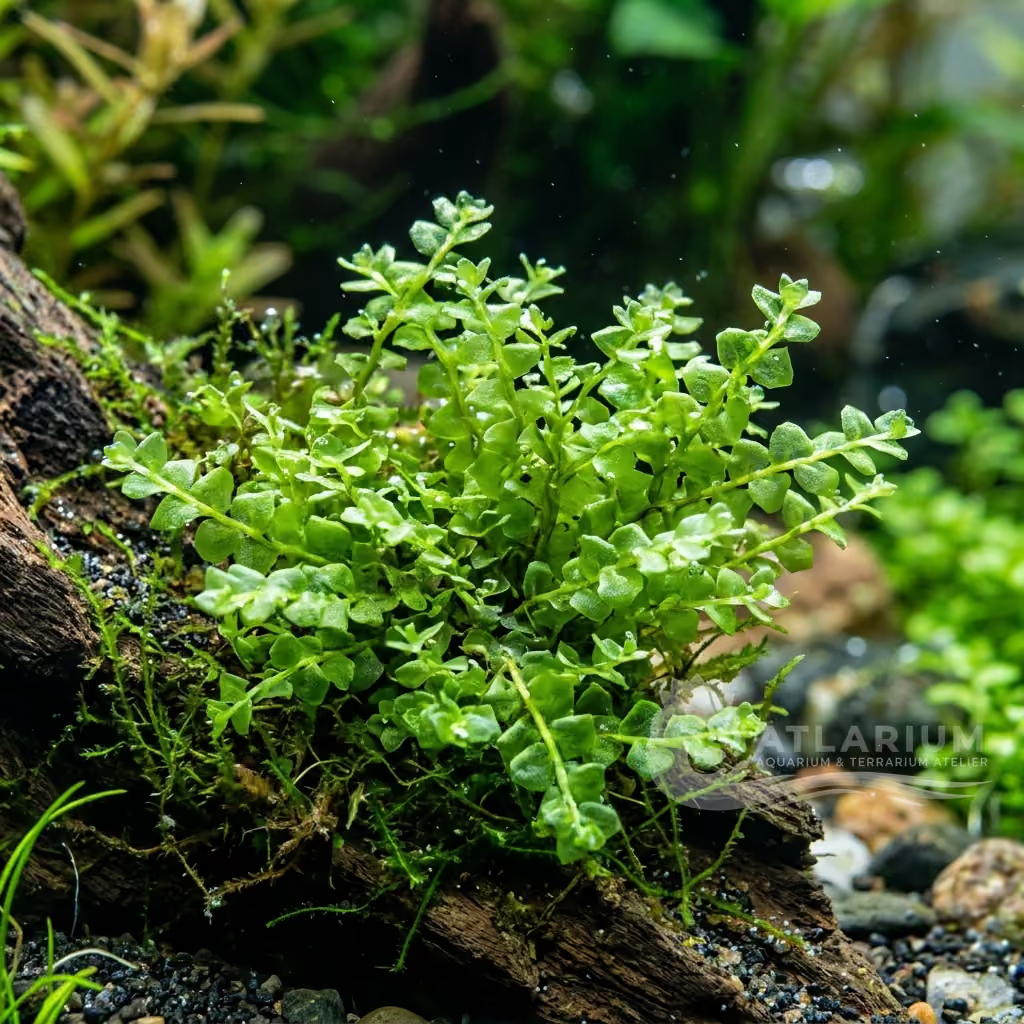
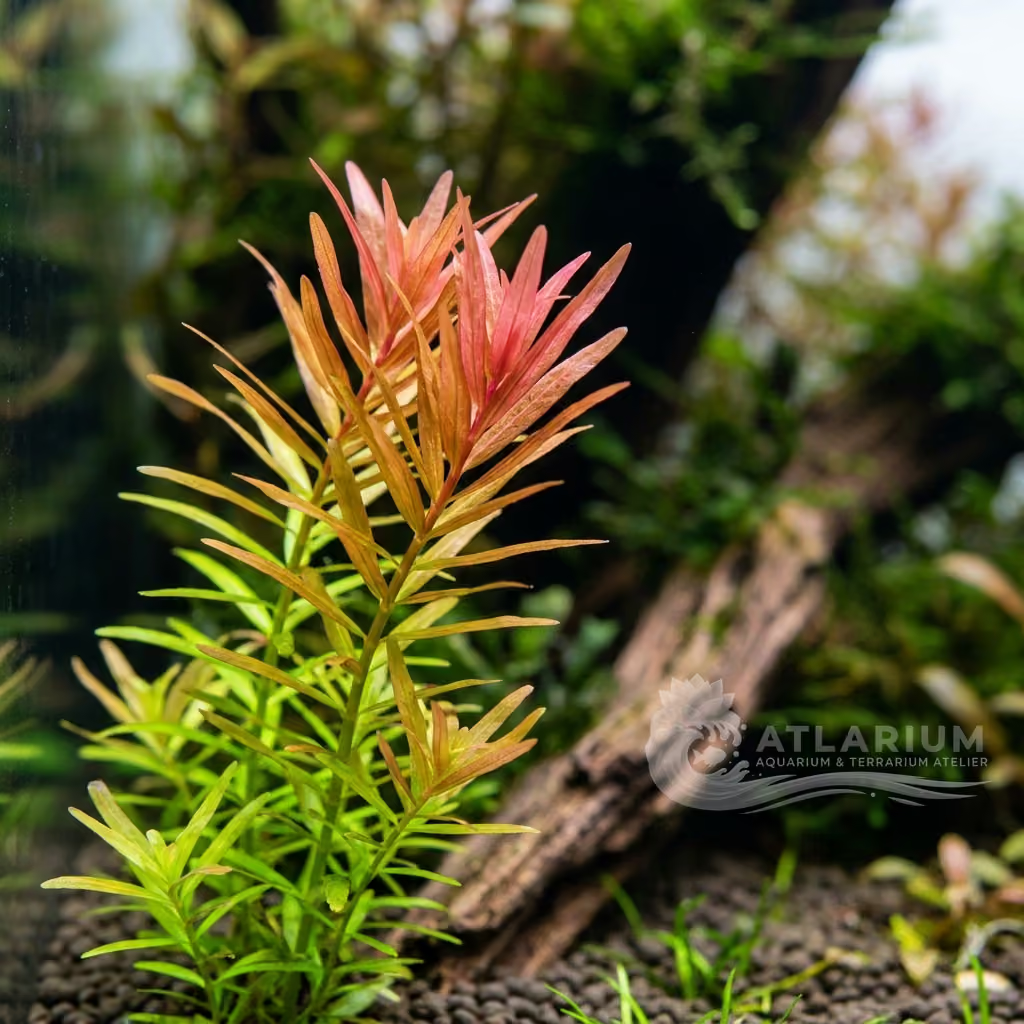
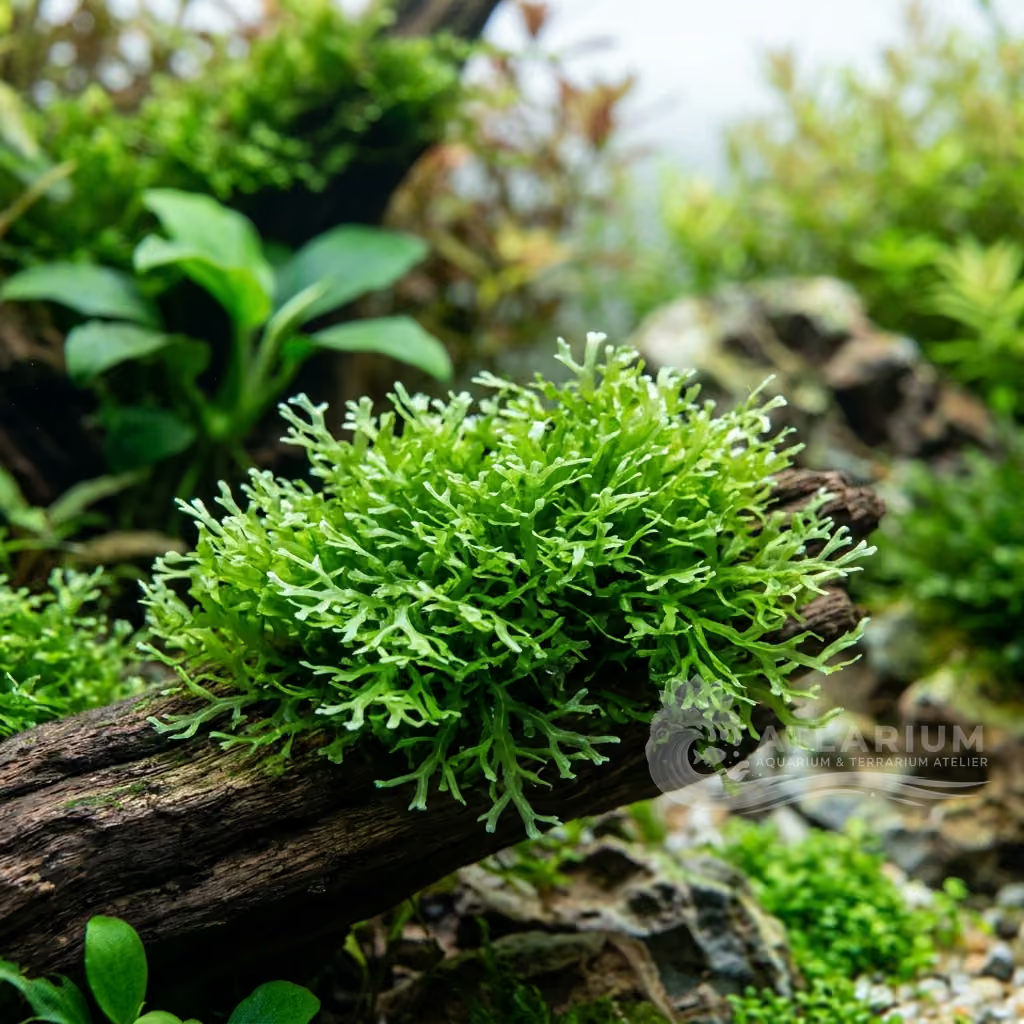
Ranalisma rostratum is a fascinating and fast-growing aquatic plant, perfect for the aquarium foreground, where it forms dense, grassy carpets. Its delicate yet resilient leaves and vibrant green coloration make it an excellent choice for adding depth and vitality to any layout. It is a versatile species that adapts well to various aquarium conditions, thriving with proper care.
Water Temperature
20 - 28 °C
pH Value
5 - 7
Water type
Freshwater
Light
Medium - High
CO2
Low - High
Expected height
10 cm
Expected width
15 cm
KH
0 - 14 dKH

Species description
Geographical Origin and Habitat: Ranalisma rostratum originates from the tropical and subtropical regions of Asia, specifically found in countries such as Vietnam, China, and Thailand. It typically thrives in shallow aquatic habitats, including rice paddies, ditches, marshes, and the margins of slow-moving water bodies. In these natural environments, it often develops in both submerged and emergent forms, demonstrating remarkable adaptability to varying water levels and sunlight availability. This ecological background makes it particularly well-suited for the artificial aquatic environment, provided optimal growth conditions are replicated.
Taxonomy & Genetics: Ranalisma rostratum belongs to the Alismataceae family, a group of monocotyledonous aquatic plants well-known for their presence in wetlands and aquatic environments. Within this family, Ranalisma distinguishes itself through its unique morphological characteristics, while sharing some genetic traits with other genera like Sagittaria and Echinodorus, although phylogenetically distinct. The botanical classification of this species has been a subject of study, confirming its position within a relatively small but interesting genus, whose reproductive biology and geographical distribution are indicators of its specialized evolution in aquatic ecosystems. Understanding its taxonomy helps contextualize its care requirements and its potential for adaptation in an aquarium.
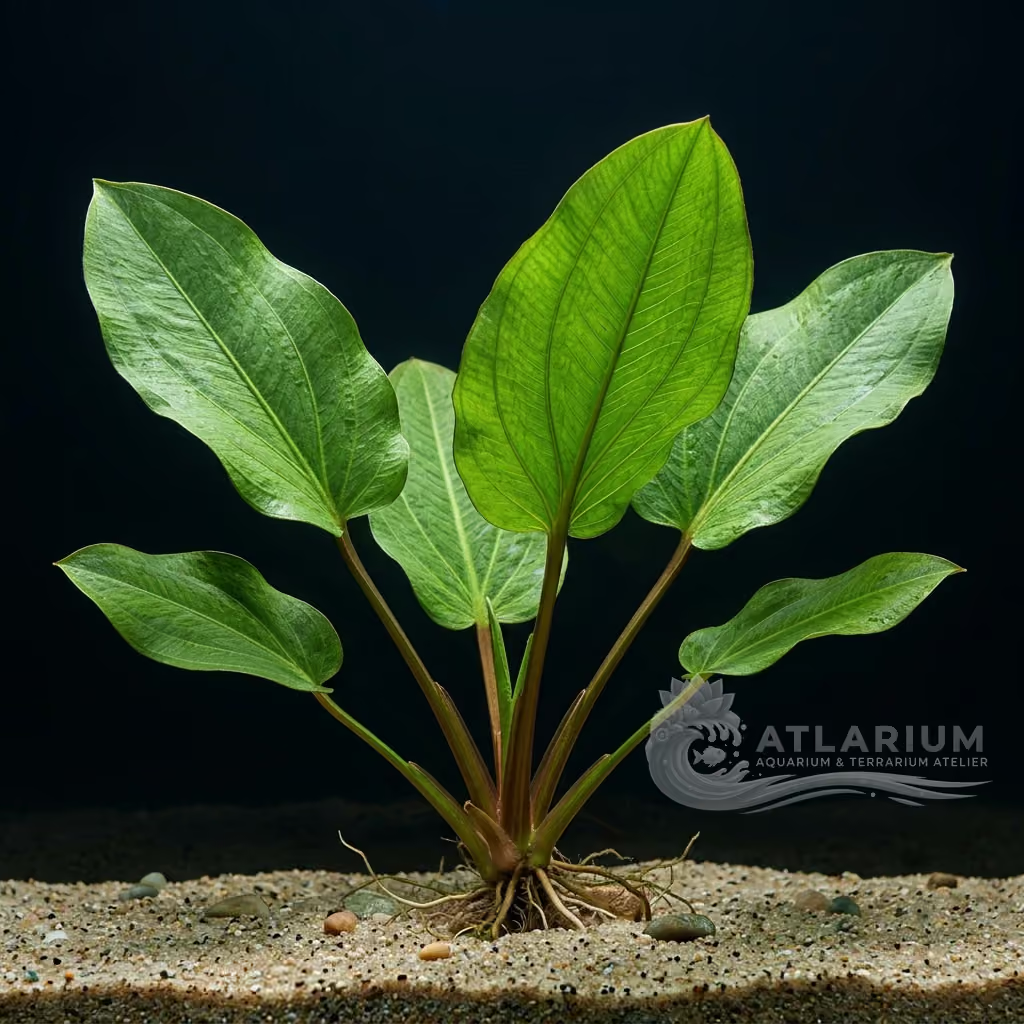
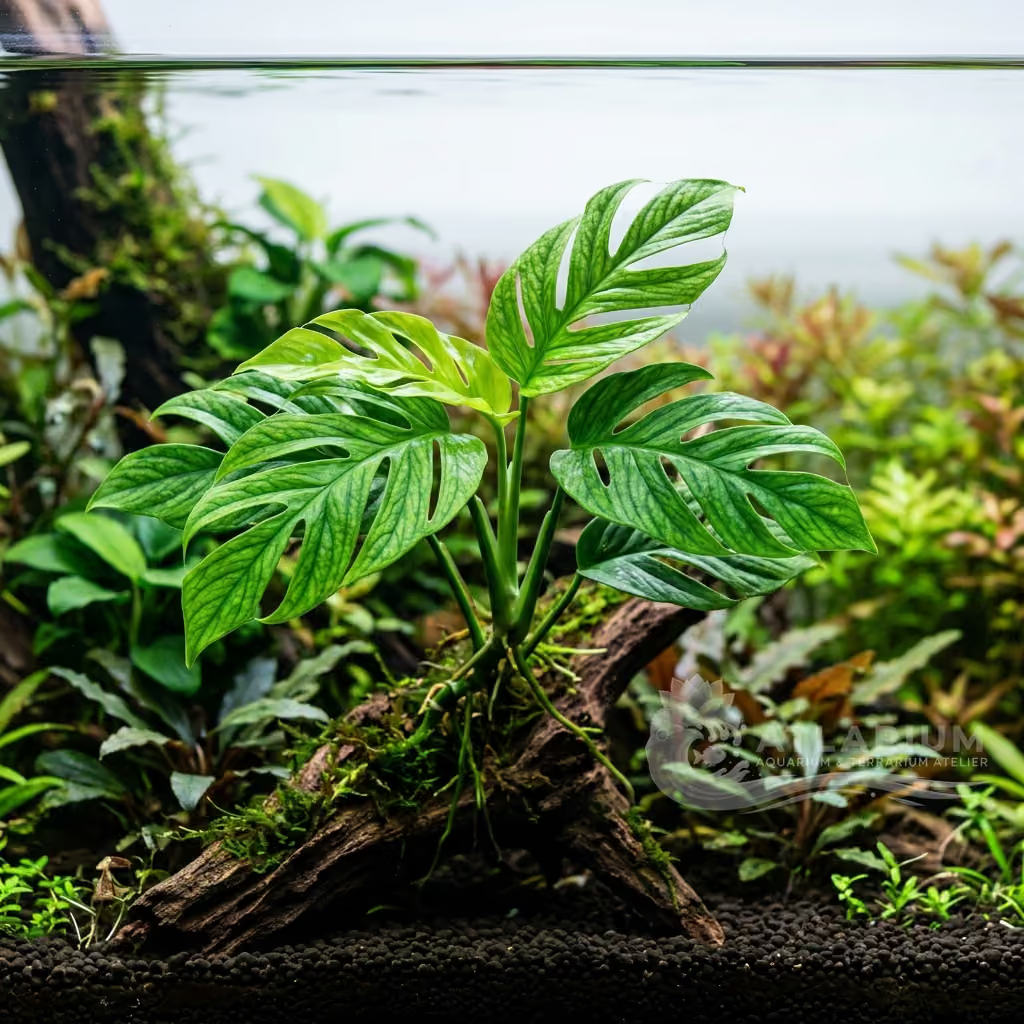
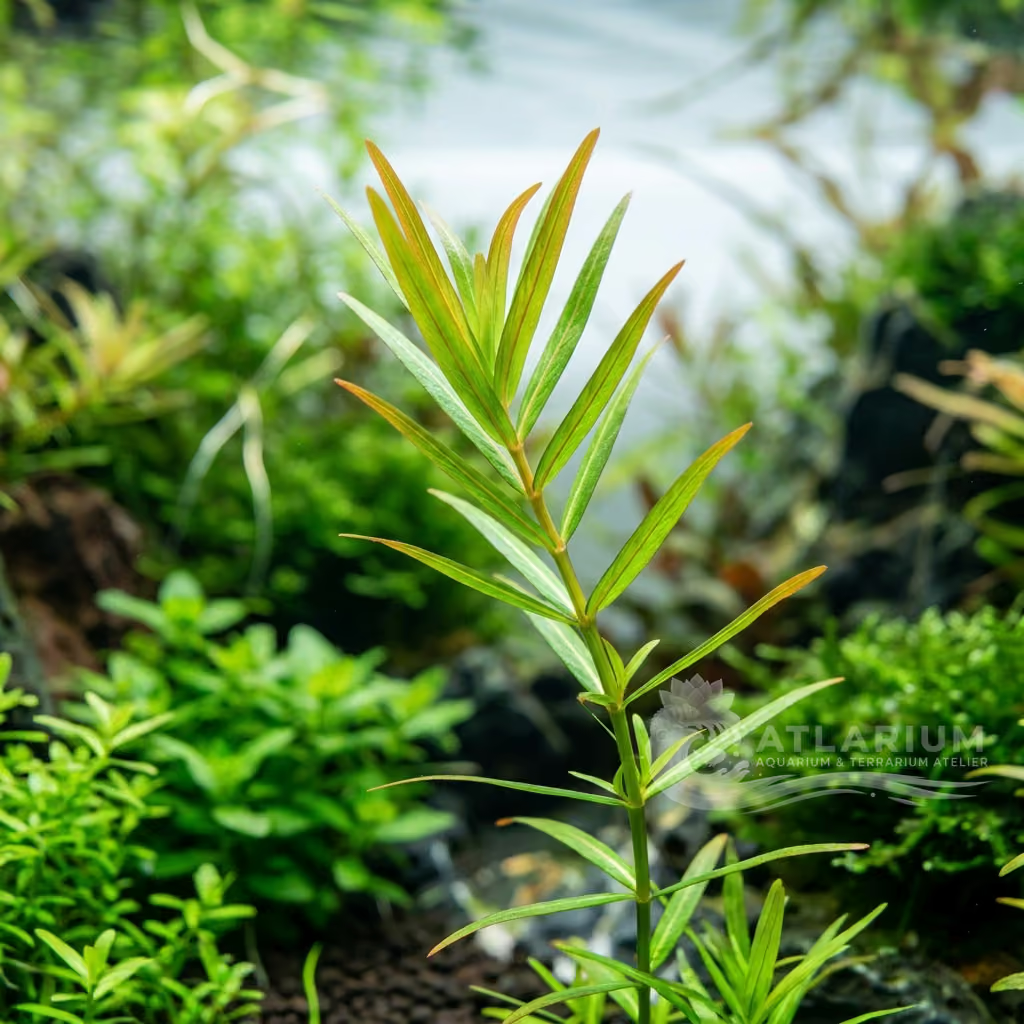
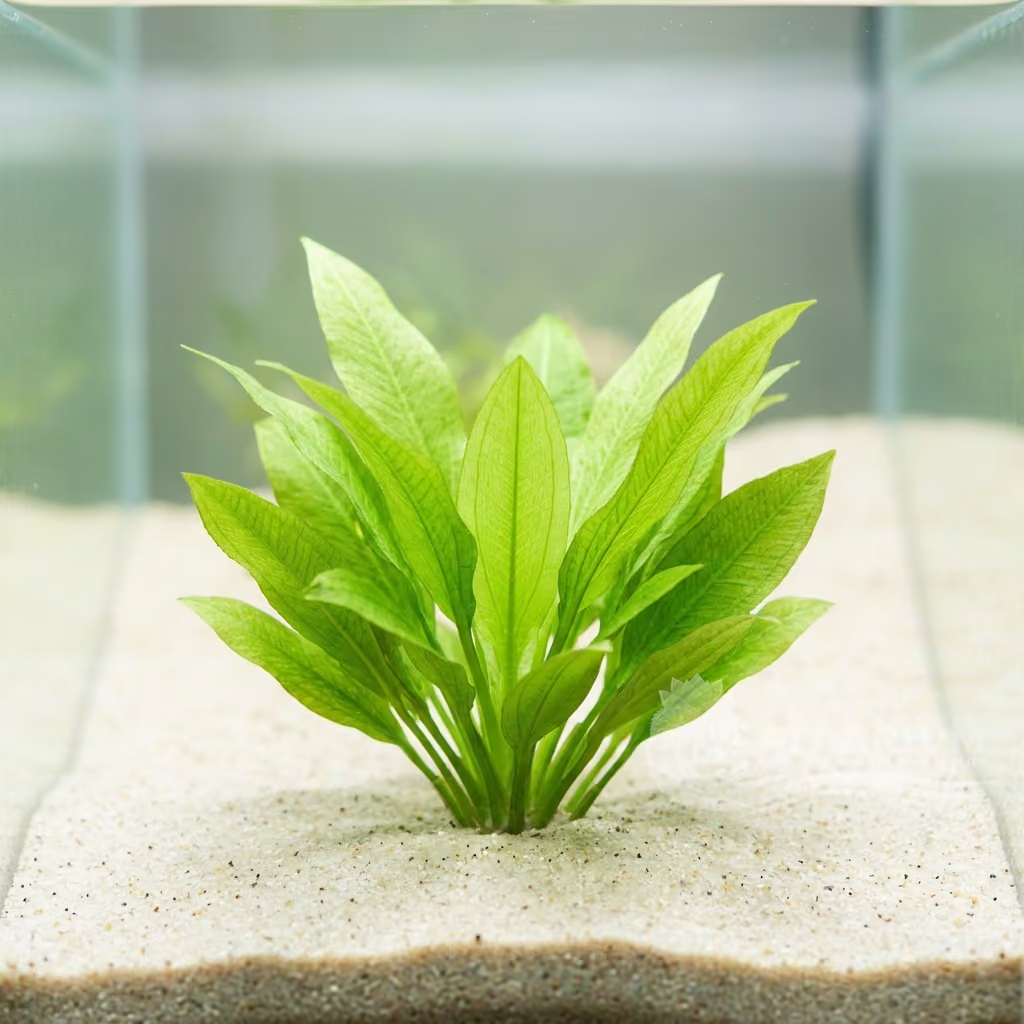
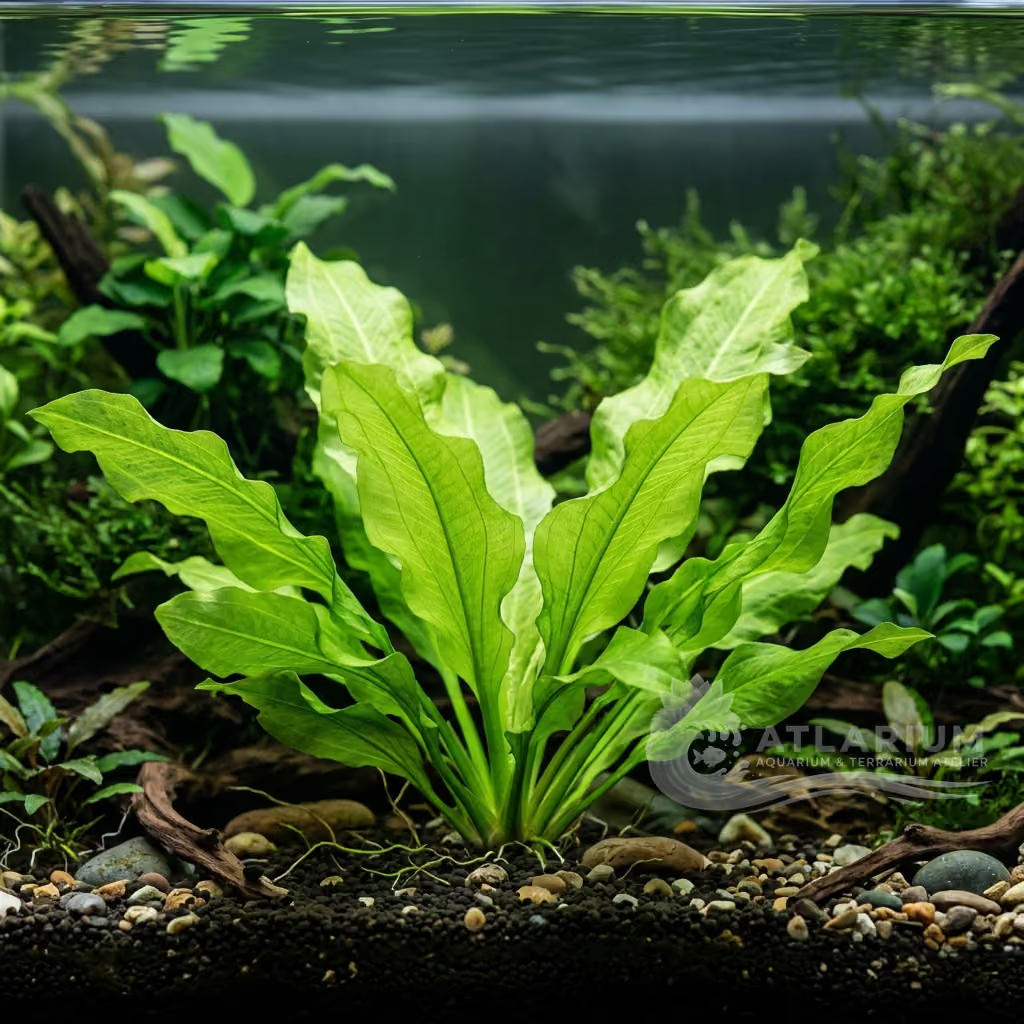
Physical Structure: The physical structure of Ranalisma rostratum is characterized by a compact rosette growth habit, with leaves emerging from an underground rhizome. The leaves are typically linear or lanceolate, featuring smooth margins and a tapered tip that resembles a rostrum, hence the name "rostratum." This plant also produces slender stolons that branch out from the mother plant, enabling rapid expansion and the formation of dense carpets. Flowers, though rarely observed in submerged aquarium forms, are small and white, borne on stalks that can emerge from the water surface under ideal conditions. Its root system is fibrous and well-developed, firmly anchoring the plant to the substrate.
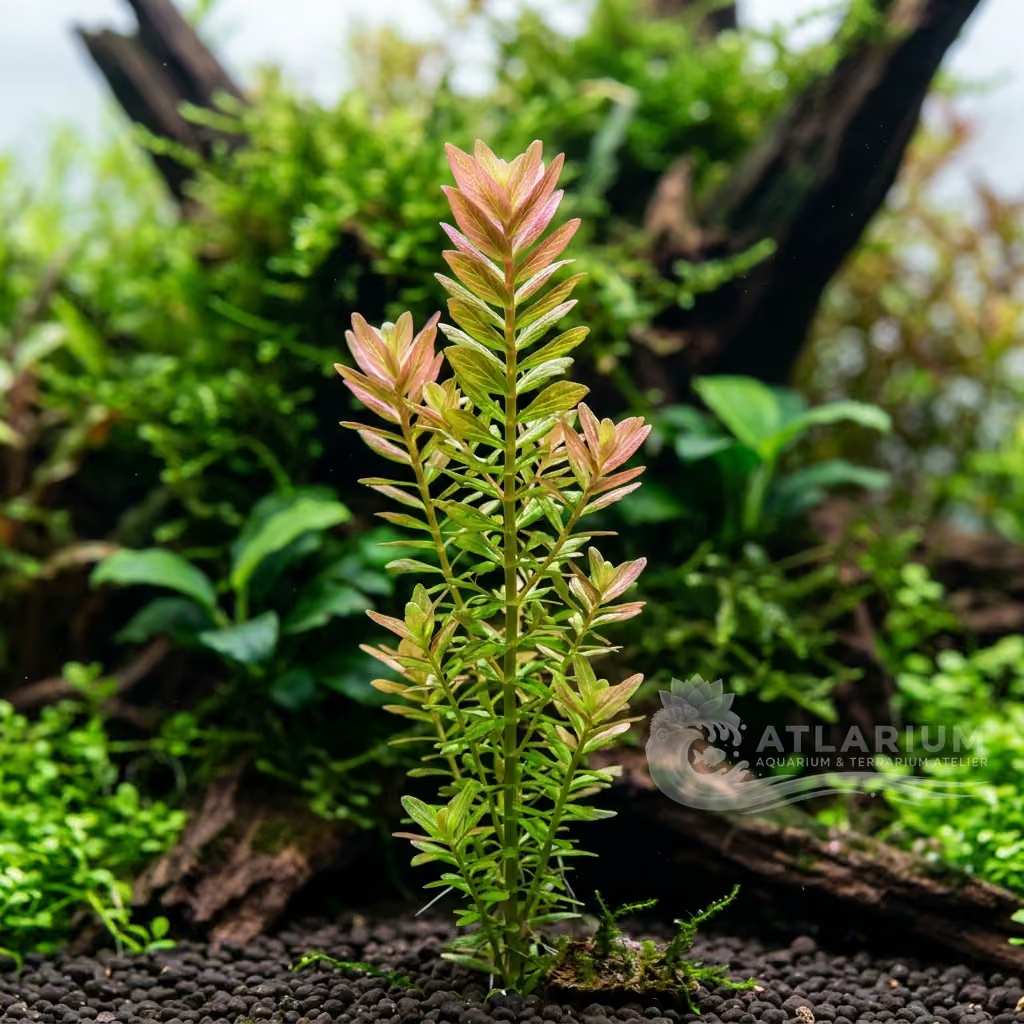
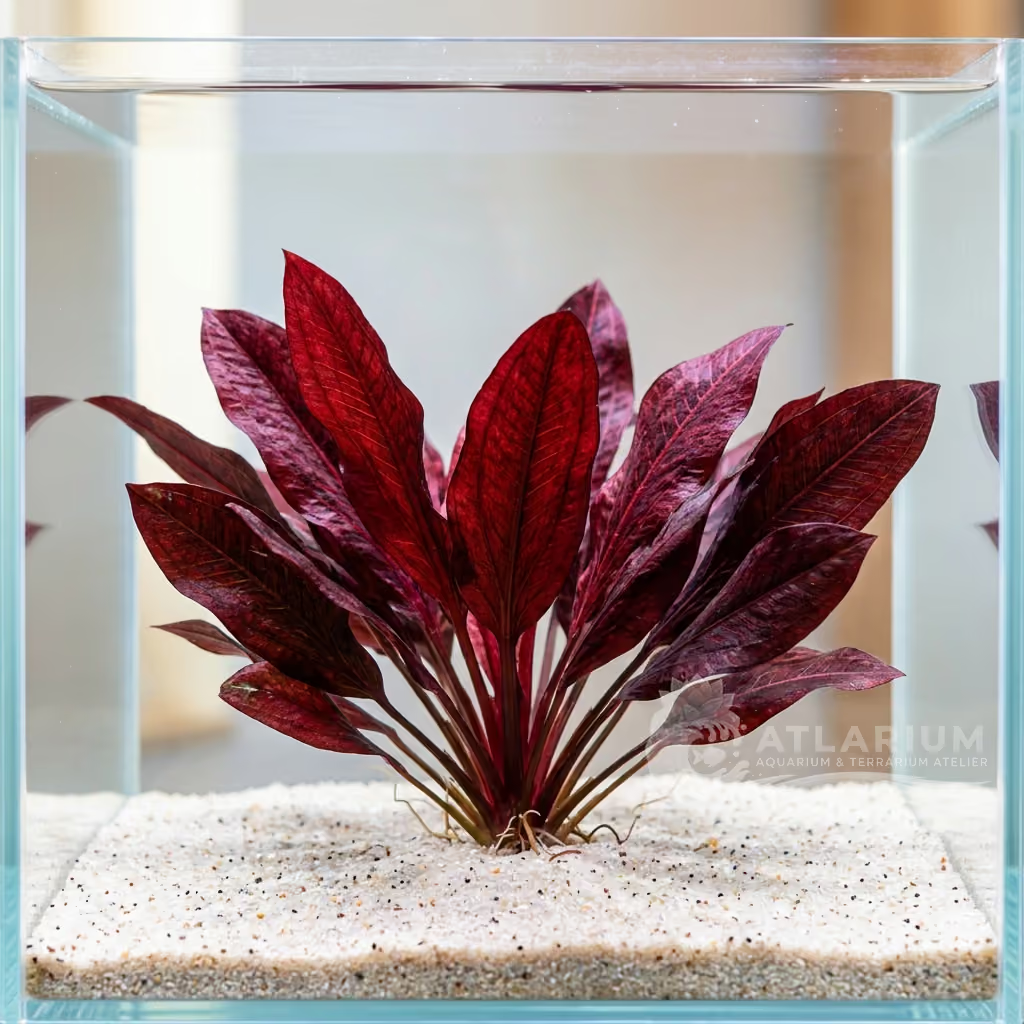
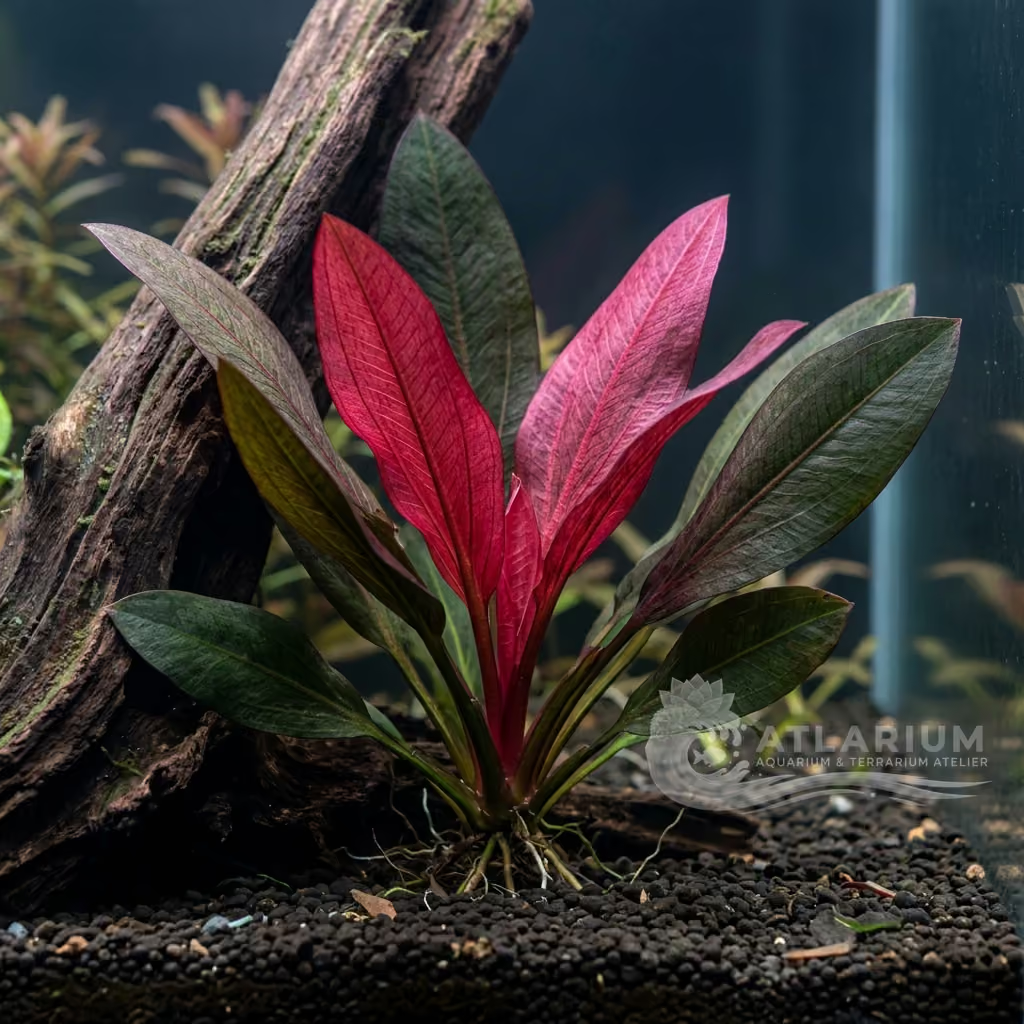
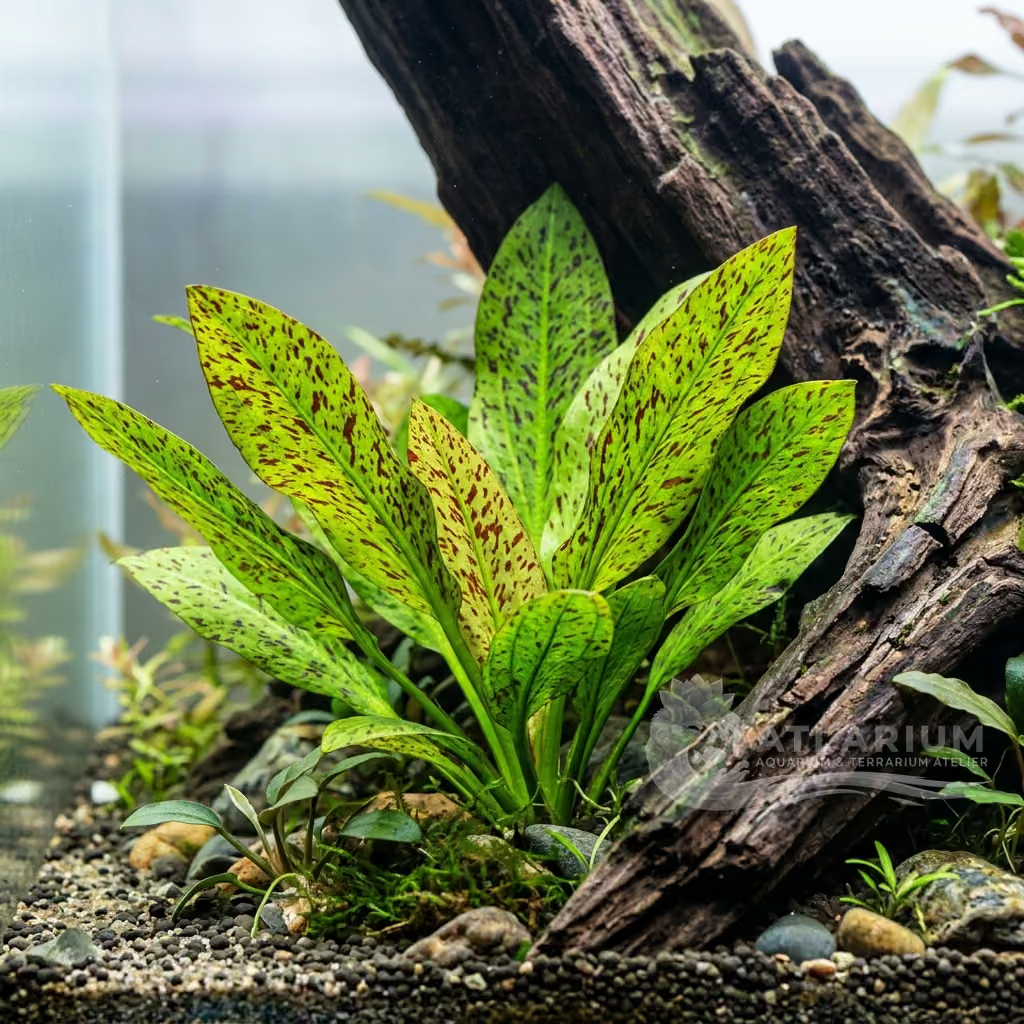
Color & Texture: Ranalisma rostratum stands out for its bright and vibrant green color, which can range from a fresh, light green to more intense hues depending on light intensity and nutrient availability. Under strong lighting, some leaves may develop slight warmer undertones or an exceptionally brilliant green, adding an attractive contrast with other plants. The texture of the leaves is smooth and slightly fleshy, giving them a delicate yet resilient appearance. The combination of color and texture contributes to a lush and natural visual effect, making it an excellent choice for enriching the foreground color palette in the aquarium.

Care, breeding and tankmates
Lighting & CO2: For Ranalisma rostratum, medium to high lighting is crucial for vigorous growth and maintaining its vibrant green coloration. Insufficient light intensity can lead to stunted development, pale leaves, and less dense growth, compromising the desired carpeting effect. CO2 injection is highly recommended, especially in aquariums with high lighting, as it significantly enhances the rate of photosynthesis and accelerates the plant's rapid growth. Stable carbon dioxide levels (20-30 ppm) will help the plant reach its full potential, preventing deficiencies and promoting healthy coloration and a compact habit.
Nutrition & Substrate: Ranalisma rostratum, being a fast-growing foreground plant, greatly benefits from a nutritious substrate rich in essential micronutrients and macronutrients. It is advisable to use an aquatic plant-specific substrate that can gradually release nutrients to the roots, or to supplement with fertilizer tabs placed near the base of the plant. Liquid column fertilization, with a balanced regimen of NPK (nitrogen, phosphorus, potassium) and trace elements like iron and manganese, is also fundamental to support its rapid leaf growth and prevent deficiencies. Adequate nutrient availability ensures healthy leaves, vibrant coloration, and rapid expansion through stolons.
Water Chemistry: Ranalisma rostratum thrives in stable and well-maintained water conditions. Keeping the temperature between 20.0 and 28.0 C is ideal, with extremes potentially causing stress to the plant. Water pH should be maintained in a slightly acidic to neutral range, between 6.0 and 7.5, to optimize nutrient absorption and overall health. The ideal carbonate hardness (KH) ranges from 2 to 12, indicating tolerance to a moderate range of hardness. It is important to avoid drastic fluctuations in these parameters by monitoring them regularly with water tests and performing consistent partial water changes to ensure a stable and pollutant-free environment.
Space Management & Placement: As a foreground plant, Ranalisma rostratum is perfect for creating dense, natural-looking carpets within the aquarium. It is important to plant it carefully, separating small clumps and gently burying them in the substrate at an adequate distance to allow for their expansion. Given its fast growth rate, it requires sufficient space to spread via stolons, forming a uniform and lush cover. Placing it in the front part of the aquarium allows its form and color to be fully appreciated, serving as a soft transition between the substrate and midground or background plants. Ensure it is not overshadowed by taller plants to guarantee it receives the necessary light.
Pruning: Pruning Ranalisma rostratum is essential to maintain the desired carpet appearance and prevent excessive density that could suffocate lower leaves or other plants. Since the plant propagates via stolons, it is important to monitor its expansion and regularly trim excess stolons or new plantlets that invade undesirable areas. Older or damaged leaves at the base of the rosette can be gently removed with sharp tweezers to promote healthier growth and better water circulation. Regular and careful pruning encourages more compact growth and a lusher, more uniform carpet.
Risks & Diseases: Ranalisma rostratum is generally a robust plant, but like all aquatic species, it can be susceptible to risks if conditions are not optimal. Nutritional deficiencies, particularly of iron or other micronutrients, can manifest as yellowing leaves (chlorosis) or stunted growth. Insufficient lighting or a lack of CO2 can lead to slow and weak growth, making the plant more vulnerable to algal growth on its leaves. While not particularly prone to specific diseases, an unstable aquarium environment or poor water quality can weaken it, encouraging algae attacks or tissue decay. Maintaining stable parameters and balanced fertilization is the best prevention.

Geographic origin and distribution
Ranalisma rostratum originates from the tropical and subtropical regions of Asia, specifically found in countries such as Vietnam, China, and Thailand. It typically thrives in shallow aquatic habitats, including rice paddies, ditches, marshes, and the margins of slow-moving water bodies. In these natural environments, it often develops in both submerged and emergent forms, demonstrating remarkable adaptability to varying water levels and sunlight availability. This ecological background makes it particularly well-suited for the artificial aquatic environment, provided optimal growth conditions are replicated.
Origin
South and Southeast Asia

Plant profile
- Placement
- Foreground
- This species is ideally utilized as a striking foreground or midground carpeting plant. Plant small portions in a grid-like pattern to encourage it to fill in the empty spaces rapidly. Ensure it is completely unshaded by taller plants, as it requires direct, intense light. Once established, it creates a lush, highly textured mat across the aquarium floor.
- Botanical form
- Rosette
- Botanically, Ranalisma rostratum is recognized by its spoon-shaped leaves forming a low rosette. It grows as a creeping rhizome that sends up individual leaves or small rosettes at regular intervals. Its striking bright green color provides a refreshing carpet effect that contrasts beautifully with darker hardscape. The overall texture is incredibly unique and highly sought after by aquascapers.
- Growth
- Fast
- Under high lighting and abundant CO2, the growth rate is impressively fast. It will aggressively send out runners in all directions, quickly forming a dense carpet. In low-tech conditions, the growth is considerably slower, and the plant may grow taller rather than spreading outward. Regular thinning is required to prevent the mat from becoming too thick and uprooting itself.
- Substrate
- High
- A fine-grained, nutrient-rich substrate is absolutely essential for the success of Ranalisma rostratum. Aqua soils provide the perfect texture for its delicate roots and runners to penetrate and spread. Inert gravel or large pebbles will severely hinder its ability to carpet effectively. A mature substrate heavily enriched with organics yields the best results.
- Column fertilization
- Recommended
- While heavily dependent on the substrate, column fertilization is still necessary to provide comprehensive nutrition. Dosing a high-quality liquid fertilizer ensures the leaves remain pristine and free of algae. Potassium and trace elements are particularly important to dose into the water. A well-fertilized column supports the rapid development of new leaves.
- Root fertilization
- None
- Root fertilization is the absolute key to achieving a thick, healthy carpet of Ranalisma rostratum. The plant absorbs the vast majority of its macronutrients through its extensive root system. If not using a commercial aqua soil, heavy application of root tabs is mandatory. Replenishing substrate nutrients periodically ensures the carpet remains vibrant long-term.
- Trimming
- Occasional
- Rarely requires trimming of individual leaves. Maintenance mostly involves pruning the runners if it starts spreading into unwanted areas or overtaking other plants.
- Propagation
- Runners
- Propagation happens naturally and aggressively through the production of lateral runners. The main plant will continuously shoot out stems that root into the substrate and form new plantlets. To propagate manually, simply cut the runner between two established nodes and replant the new section. This makes it extremely easy to cover large areas of the aquarium.
- Sensitivity
- Moderate
- Can easily melt or stunt if heavily shaded by taller background plants. Ensure the foreground area remains well-lit and free of accumulating detritus.
- Layout role
- Foreground, group
- Perfect for creating a natural, grassy foreground carpet in Nature Aquarium layouts. It provides a soft, lawn-like base that transitions beautifully into hardscape.

Related species
Recommendations grouped by close relatives, companion choices, and similar care.