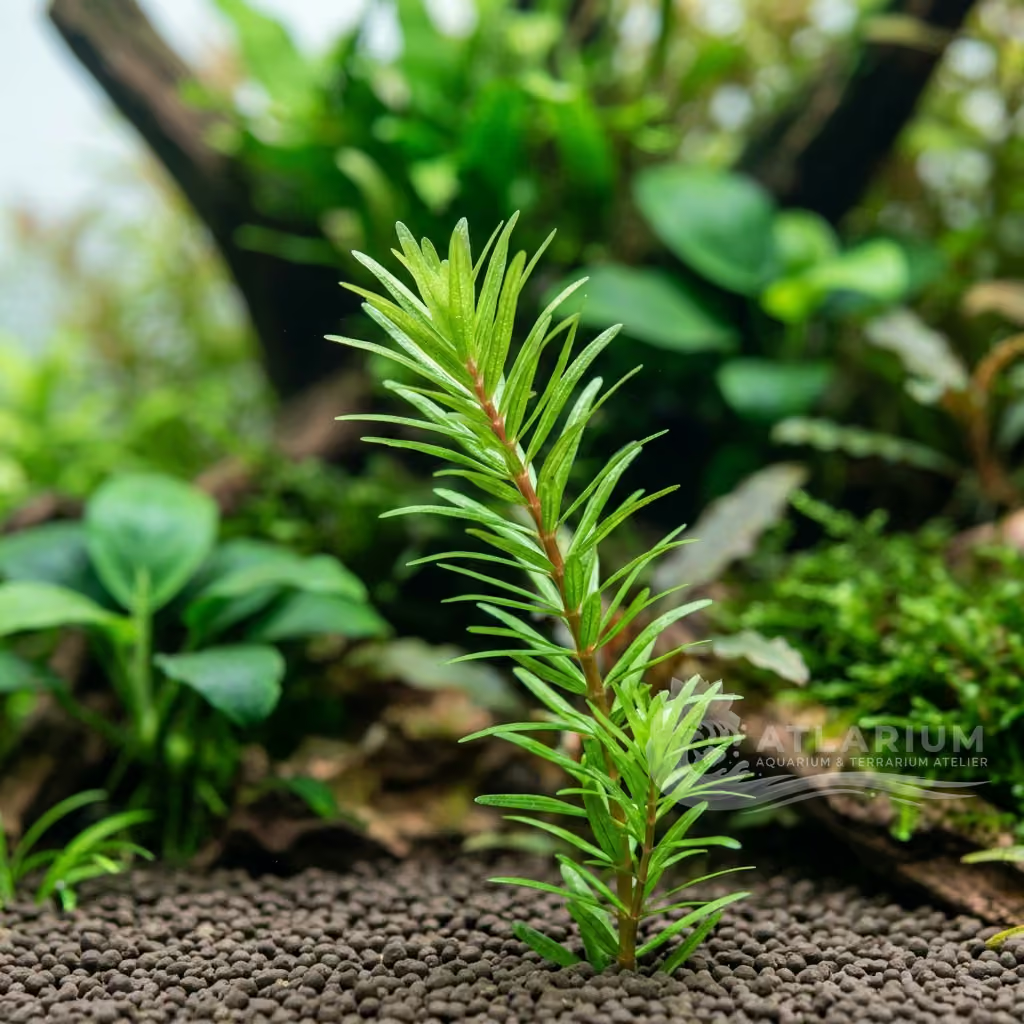
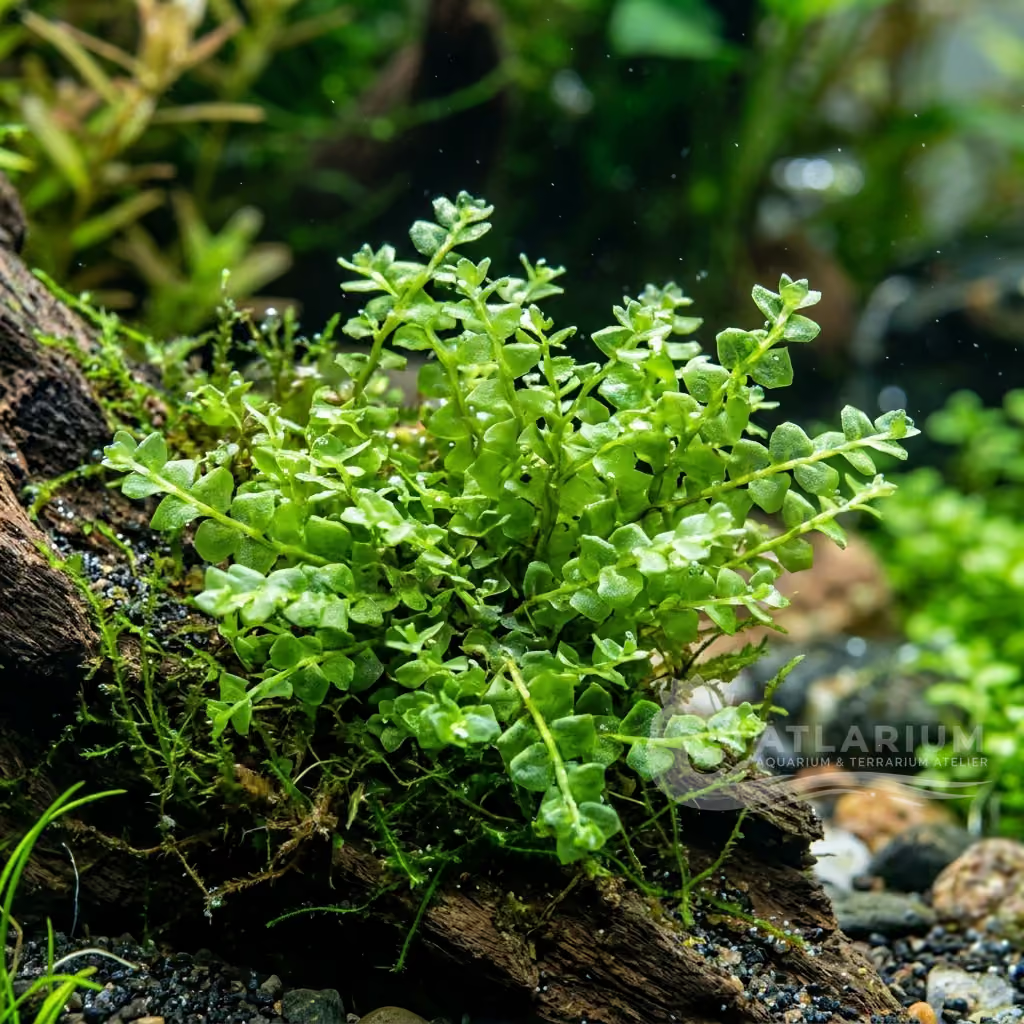
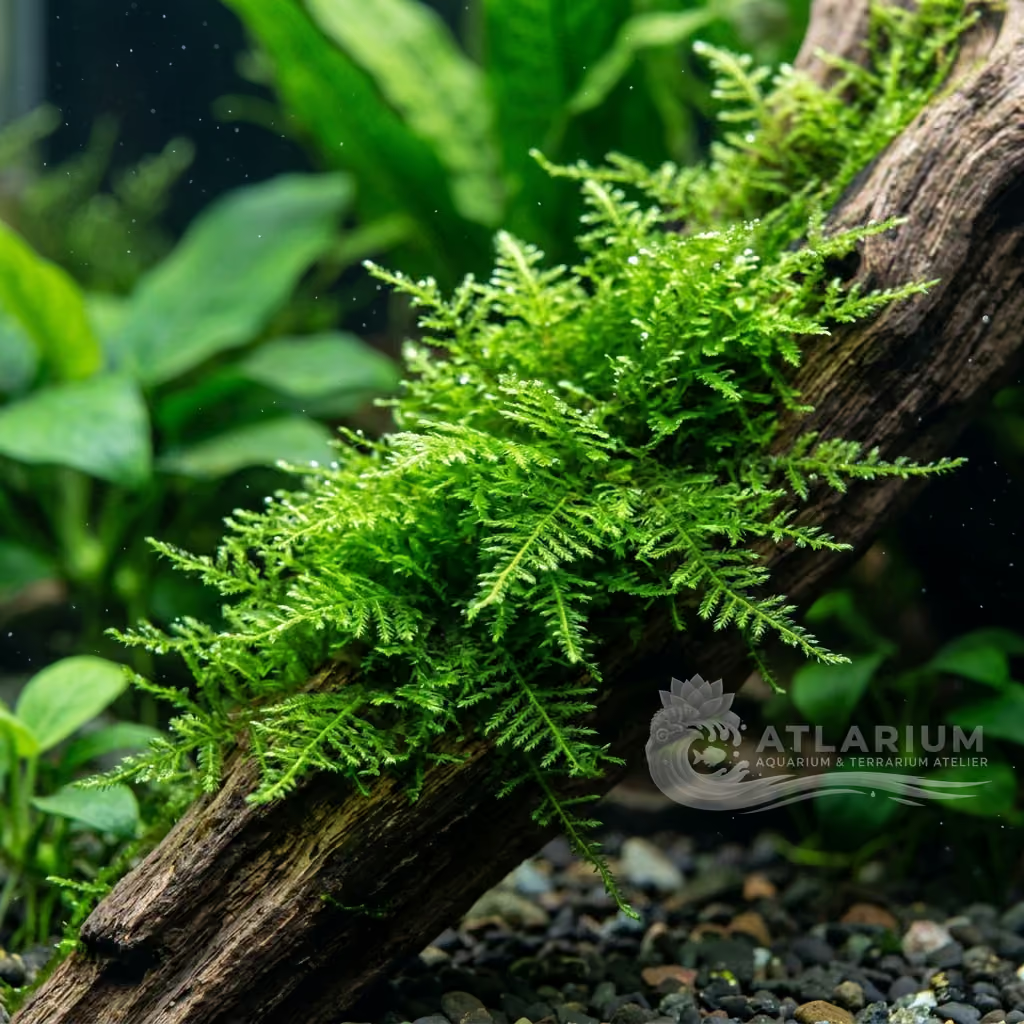
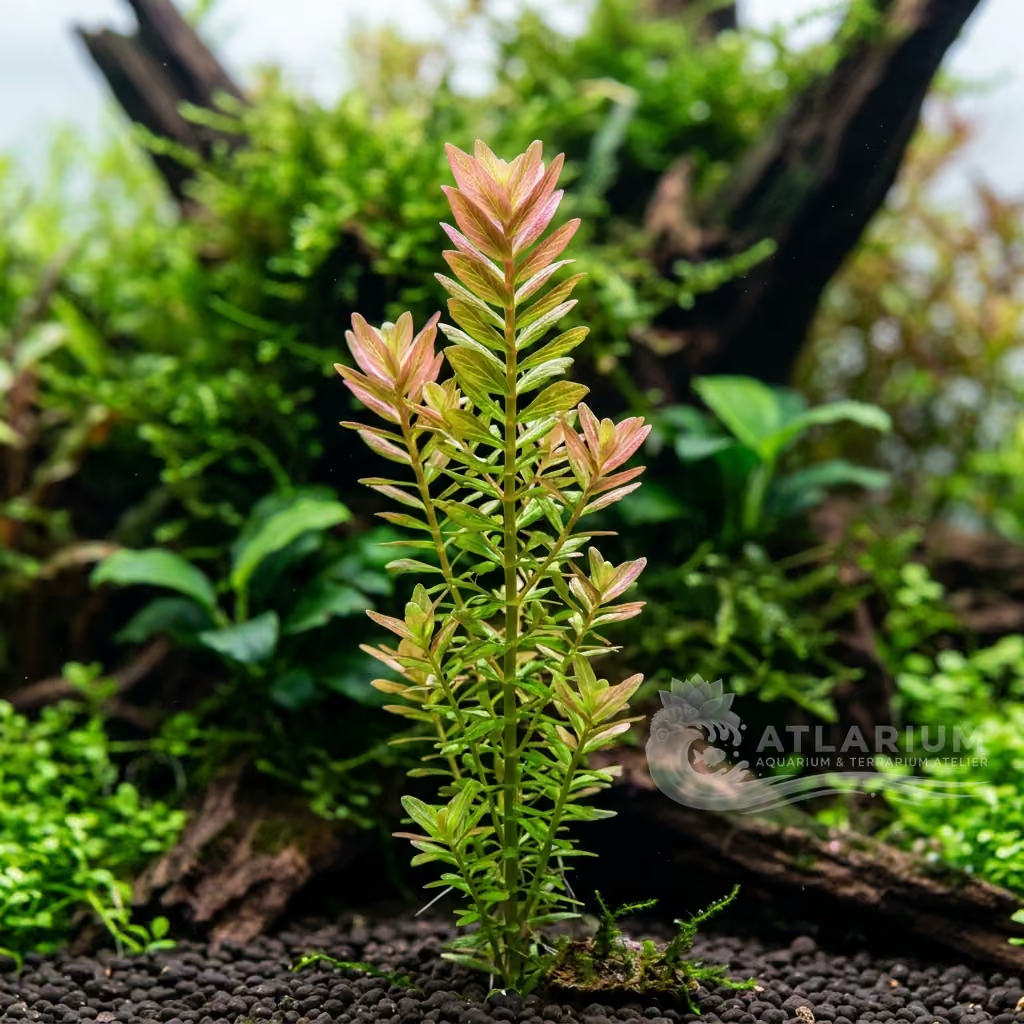
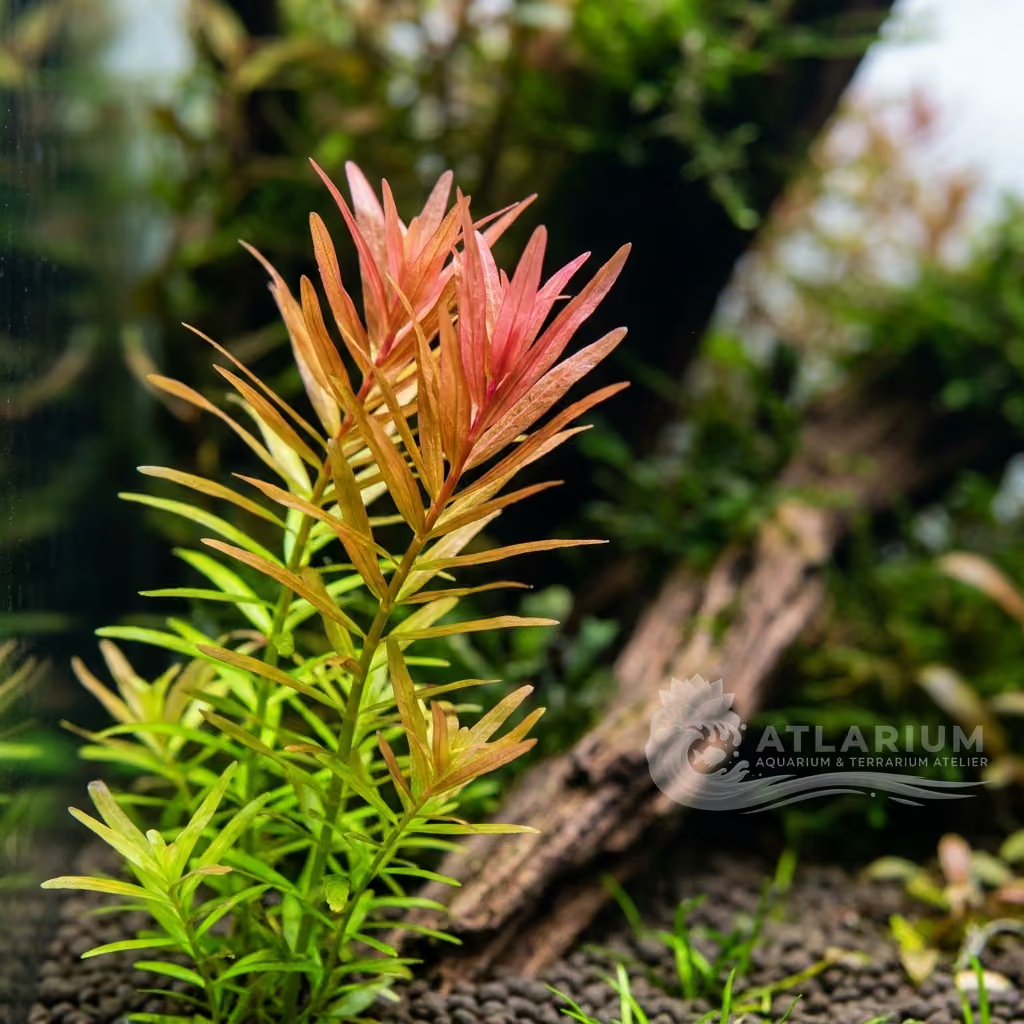
Riccardia spp.
Riccardia spp.
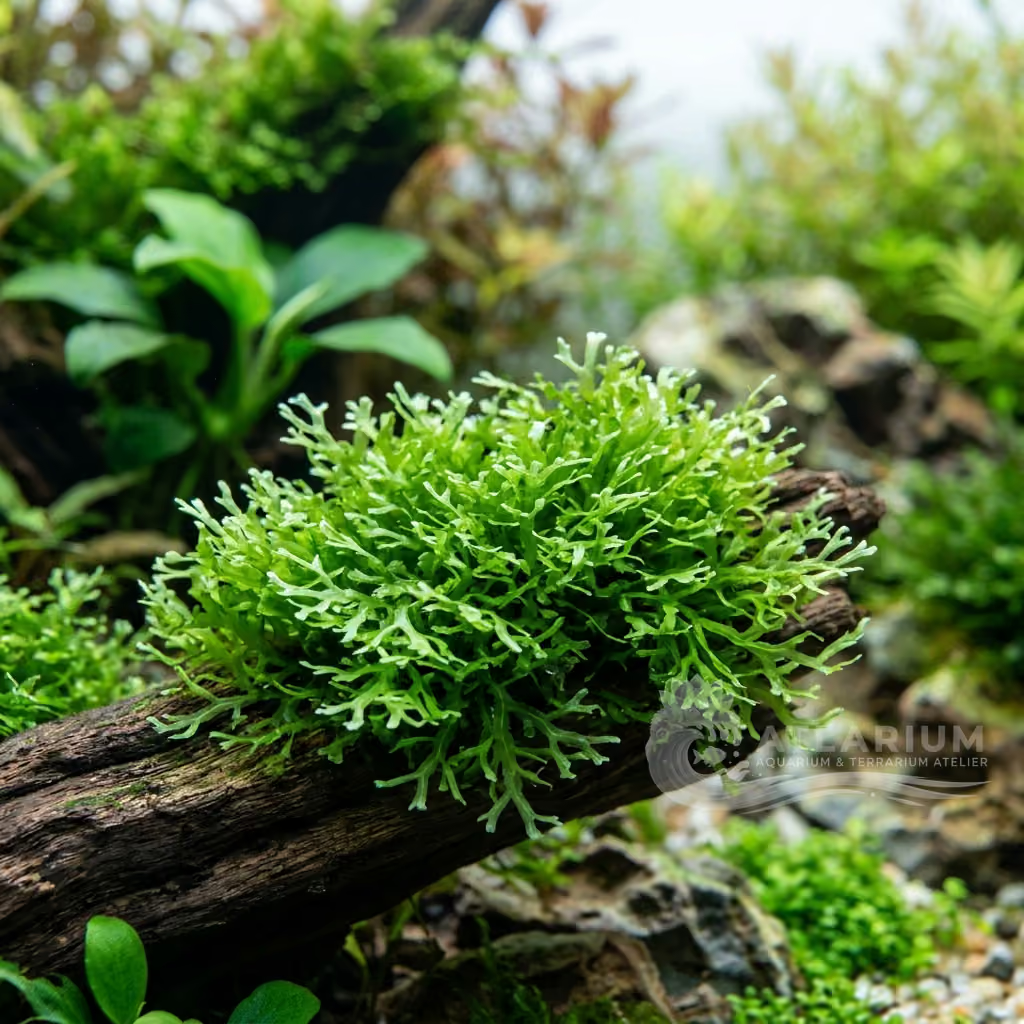
Riccardia spp. is a versatile, slow-growing liverwort ideal for midground placement, offering a unique texture to the aquatic landscape. Its epiphytic nature makes it perfect for adorning wood and rocks, creating a lush and natural appearance in the aquarium.
Water Temperature
18 - 28 °C
pH Value
5 - 7.5
Water type
Freshwater
Light
Medium - High
CO2
High
KH
0 - 14 dKH

Species description
Geographical Origin and Habitat: The genus Riccardia spp. boasts a cosmopolitan distribution, found across various tropical and temperate regions worldwide. These thalloid liverworts thrive in humid, shaded environments, typically growing on rocks, submerged wood, or earthy substrates near water bodies. Their ability to adapt to both fully submerged and emersed conditions makes them an interesting component in various aquatic and paludarium habitats.
Taxonomy & Genetics: Riccardia spp. belongs to the Aneuraceae family, a group of thalloid liverworts characterized by a relatively simple yet fascinating structure. The suffix "spp." indicates that it refers to multiple species within the genus Riccardia, which share many morphological and cultural characteristics. This genus of bryophytes is distinctive for its branching growth and the lack of true leaves or stems, elements that define its taxonomic identity in the plant kingdom.
Physical Structure:
Color & Texture: The coloration of Riccardia spp. typically ranges from light to dark green, sometimes taking on brownish or reddish hues depending on light intensity and nutrient availability. Its texture is distinctive, appearing velvety or almost spongy due to the dense, overlapping branches of the thallus. This intricate appearance adds unique visual depth and tactile interest to the aquarium layout.

Care, breeding and tankmates
Lighting & CO2: Riccardia spp. requires medium to high lighting to fully thrive and maintain compact, vibrant growth. Insufficient light can lead to a more straggly and less dense appearance, while adequate illumination stimulates photosynthesis and rich pigmentation. CO2 supplementation is highly recommended to encourage robust growth, increased density, and to help prevent competitive algae growth on its delicate surface.
Nutrition & Substrate: As an epiphytic plant lacking a true root system, Riccardia spp. absorbs all its nutrients directly from the
Water Chemistry: Ideal water conditions for Riccardia spp. include a temperature range between 18.0 and 28.0 C, supporting healthy metabolism without thermal stress. It prefers soft to medium-hard water, with a KH between 0.0 and 14.0, and a slightly acidic to neutral pH, ranging from 5.0 to 7.5. Stability in these parameters is crucial to prevent shock and ensure consistent, vigorous growth.
Space Management & Placement: Riccardia spp. is an excellent choice for midground placement, where it can be tied or glued to driftwood, rocks, or other decorative elements. Its slow growth rate makes it easy to manage in terms of space, allowing for precise and long-lasting detail in the aquascape design. It can be used to form low-lying "carpets" or to add a natural touch to hardscape elements, enhancing the perspective and depth of the aquarium.
Pruning: Pruning Riccardia spp. is essential to maintain its desired shape, promote dense growth, and prevent lower layers from suffocating due to lack of light. Since its growth is slow, pruning won't be frequent but must be done carefully to avoid damaging the thallus. Regular trimming encourages denser branching and a more compact, healthy appearance of the plant.
Risks & Diseases: Riccardia spp. is generally robust, but it can be susceptible to algal growth if aquarium conditions are imbalanced, particularly with excess nutrients or light. Sudden shifts in water parameters or nutritional deficiencies can also cause the thalli to perish or melt. A stable and well-balanced environment is the best defense against diseases and growth problems.

Geographic origin and distribution
The genus Riccardia spp. boasts a cosmopolitan distribution, found across various tropical and temperate regions worldwide. These thalloid liverworts thrive in humid, shaded environments, typically growing on rocks, submerged wood, or earthy substrates near water bodies. Their ability to adapt to both fully submerged and emersed conditions makes them an interesting component in various aquatic and paludarium habitats.
Origin
Cosmopolitan or introduced

Plant profile
- Placement
- Midground
- These liverworts are obligate epiphytes and must be secured to rocks, wood, or mesh pads. They are typically used in the foreground or as accent plants on midground hardscape structures. Never cover them with soil or sand, as they require direct exposure to water flow and light.
- Botanical form
- epiphyte or epilith
- The generic Riccardia botanical form features a creeping, extensively branched thallus that looks like miniature, dark green coral. They lack true roots, stems, or leaves, relying on tiny rhizoids to grip surfaces tightly. The dense mats they form provide a unique, highly textured surface.
- Growth
- Slow
- They are notoriously slow growers, requiring stable conditions and time to form dense cushions. CO2 injection is highly recommended to encourage steady growth and maintain their compact form. Under low tech conditions, their growth is almost imperceptible.
- Substrate
- None
- Plants within the Riccardia genus are predominantly epiphytic liverworts that do not possess roots and do not need a substrate for cultivation. These versatile plants naturally grow by creeping along and anchoring onto solid surfaces like driftwood, lava rock, or specialized planting meshes. Nutrient absorption occurs entirely through the surface of their cellular structure directly from the surrounding water. They should be affixed to a hardscape anchor point where they will eventually develop a strong hold and form dense, textured green mats.
- Column fertilization
- Recommended
- Since they draw nutrition directly from the water, a balanced liquid fertilizer is essential. Dosing should be lean but consistent to ensure the plants have a steady supply of trace elements and iron. This keeps their coloration dark and vibrant.
- Root fertilization
- None
- Root fertilization is completely ineffective and unnecessary. Because they are grown on hardscape, they have no interaction with the substrate. All nutritional management must be handled via the water column.
- Trimming
- Occasional
- When the mats become excessively thick, the lower portions receive no light and can die, causing the whole clump to detach. Regular thinning with scissors is vital to maintain their grip on the hardscape. The trimmings should be siphoned out or reused.
- Propagation
- Cuttings
- Propagation is straightforward through fragmentation. Any piece of the thallus that is removed and reattached to a solid surface will continue to grow. Cyanoacrylate super glue is the most common and effective method for attaching fragments.
- Sensitivity
- Moderate
- They are highly sensitive to algae infestations, particularly thread and brush algae, which are very difficult to remove without damaging the plant. They prefer excellent water circulation to keep their surfaces clean. They also favor cooler water and may struggle in tanks kept above 28°C.
- Layout role
- Epiphyte, Nano
- Riccardia species are the ultimate detail plants in aquascaping, used to add age and realism to the hardscape. They create beautiful, moss-like accents that contrast nicely with broader-leafed epiphytes like Anubias. Their compact nature makes them highly favored for intricate Iwagumi or diorama layouts.

Related species
Recommendations grouped by close relatives, companion choices, and similar care.