Penthorum sedoides
Penthorum sedoides
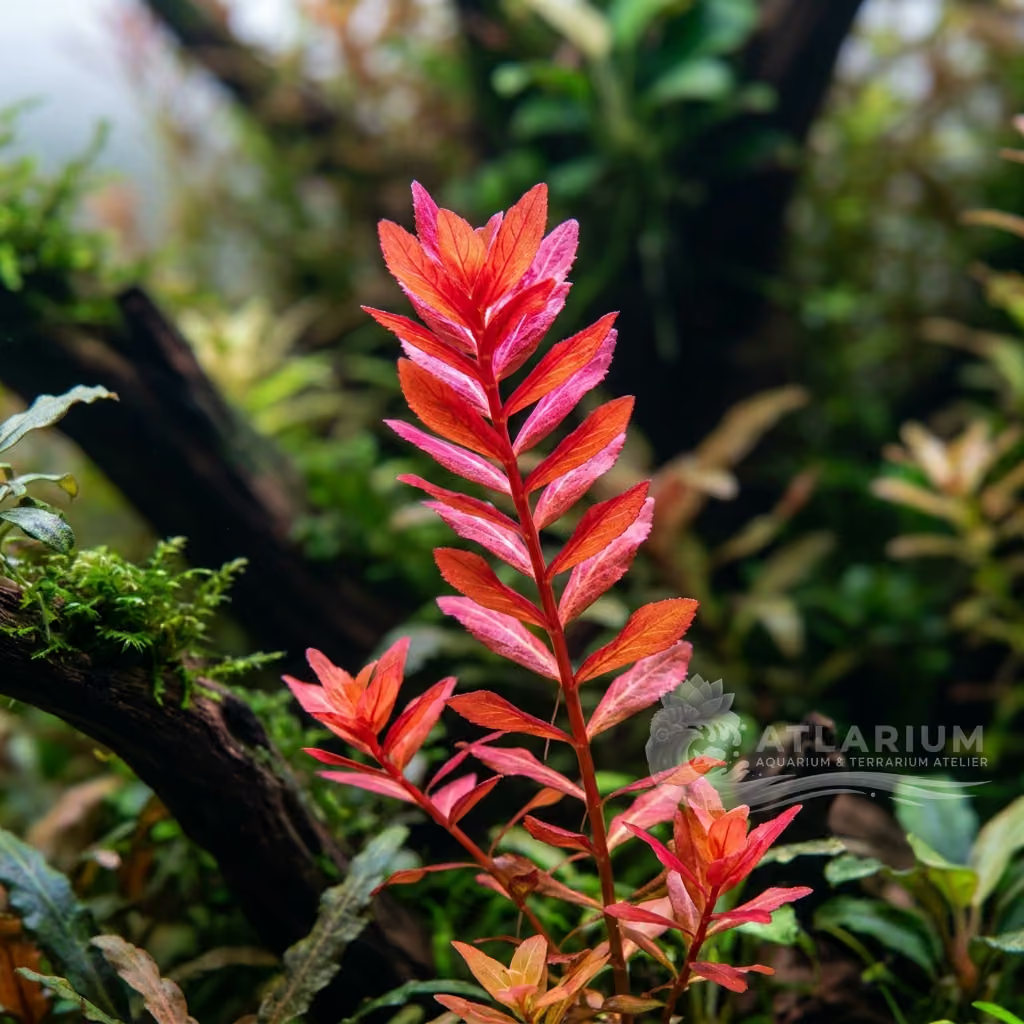
Penthorum sedoides is a slow-growing midground plant, perfect for adding a natural, somewhat wild texture to the aquascape. Its adaptable nature and potential for reddish hues under strong light make it an intriguing addition for various setups.
Water Temperature
4 - 28 °C
pH Value
5 - 7
Water type
Freshwater
Light
Medium to High
CO2
High
KH
0 - 14 dKH

Species description
Geographical Origin and Habitat: Penthorum sedoides is indigenous to a vast region of eastern North America, stretching from southeastern Canada down to Florida and west to Texas. It thrives primarily in wetland environments, frequently found along the muddy shores of ponds, slow-moving streams, ditches, and swampy areas. In its natural habitat, it commonly grows emersed or partially submersed, preferring soft, silty substrates rich in organic matter. This natural preference for moist, boggy conditions informs its adaptability to certain aquatic settings, especially paludariums or tanks with fluctuating water levels.
Taxonomy & Genetics: Taxonomically, Penthorum sedoides holds a unique position as the sole species within the monotypic genus Penthorum, which in turn forms the entire family Penthoraceae. Its classification has been a subject of phylogenetic debate, often placed within the order Saxifragales due to morphological similarities with families like Saxifragaceae and Crassulaceae, though recent genetic analyses confirm its distinct lineage. This singular status highlights its evolutionary uniqueness and specific adaptations that have allowed it to thrive across a wide North American range.
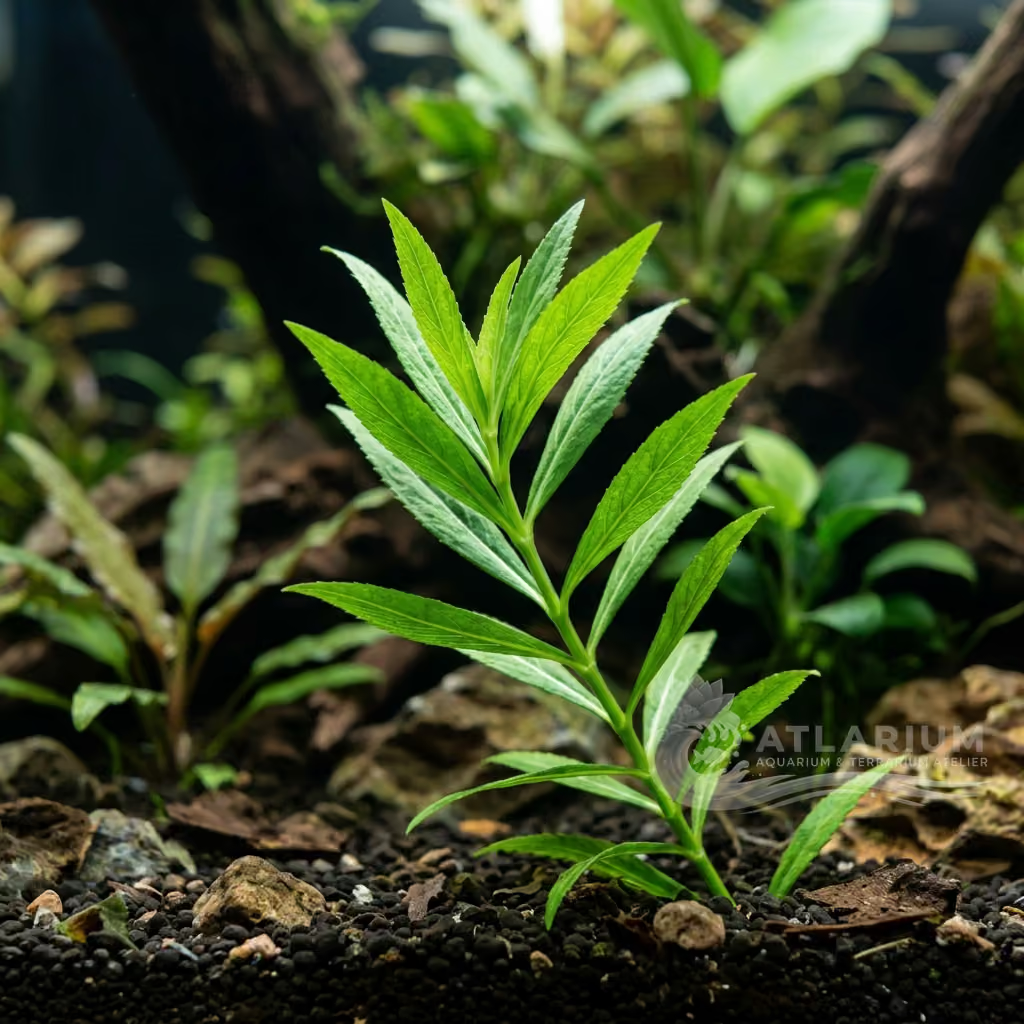
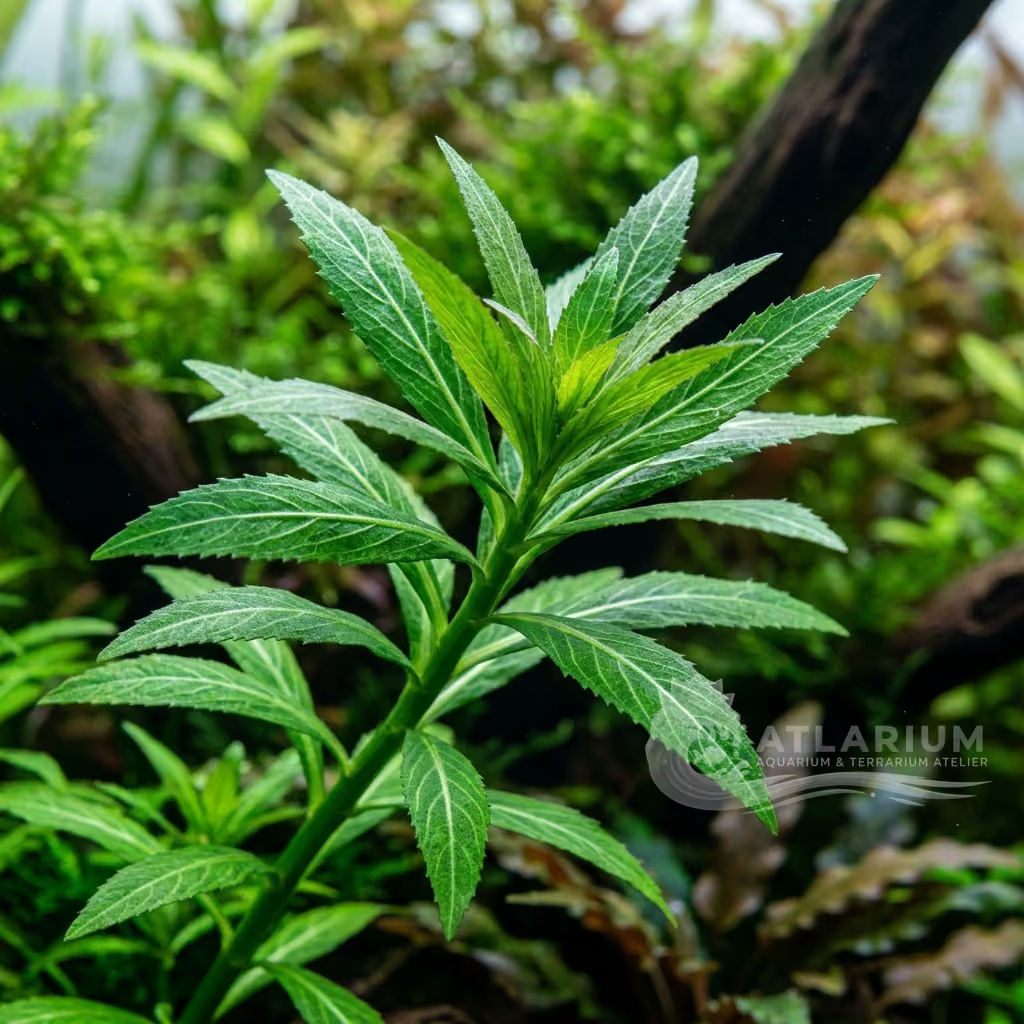
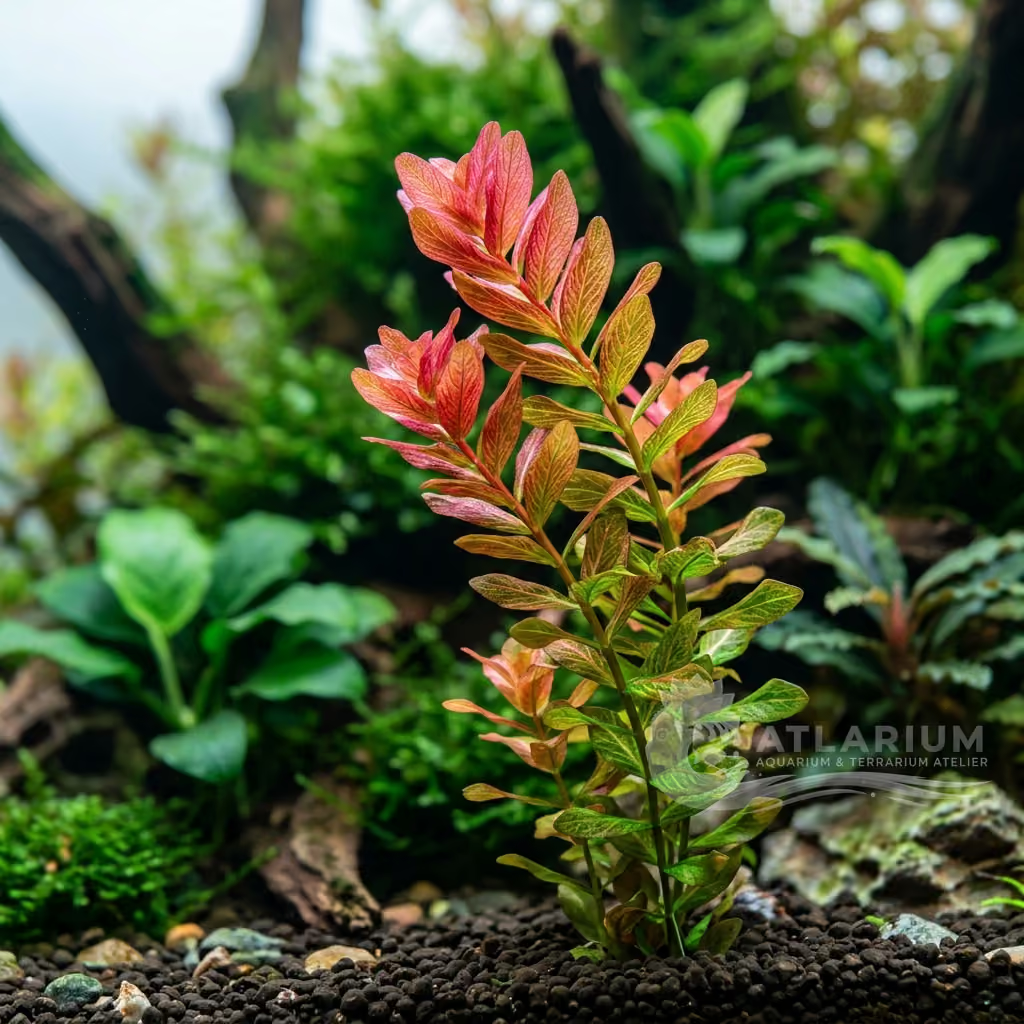
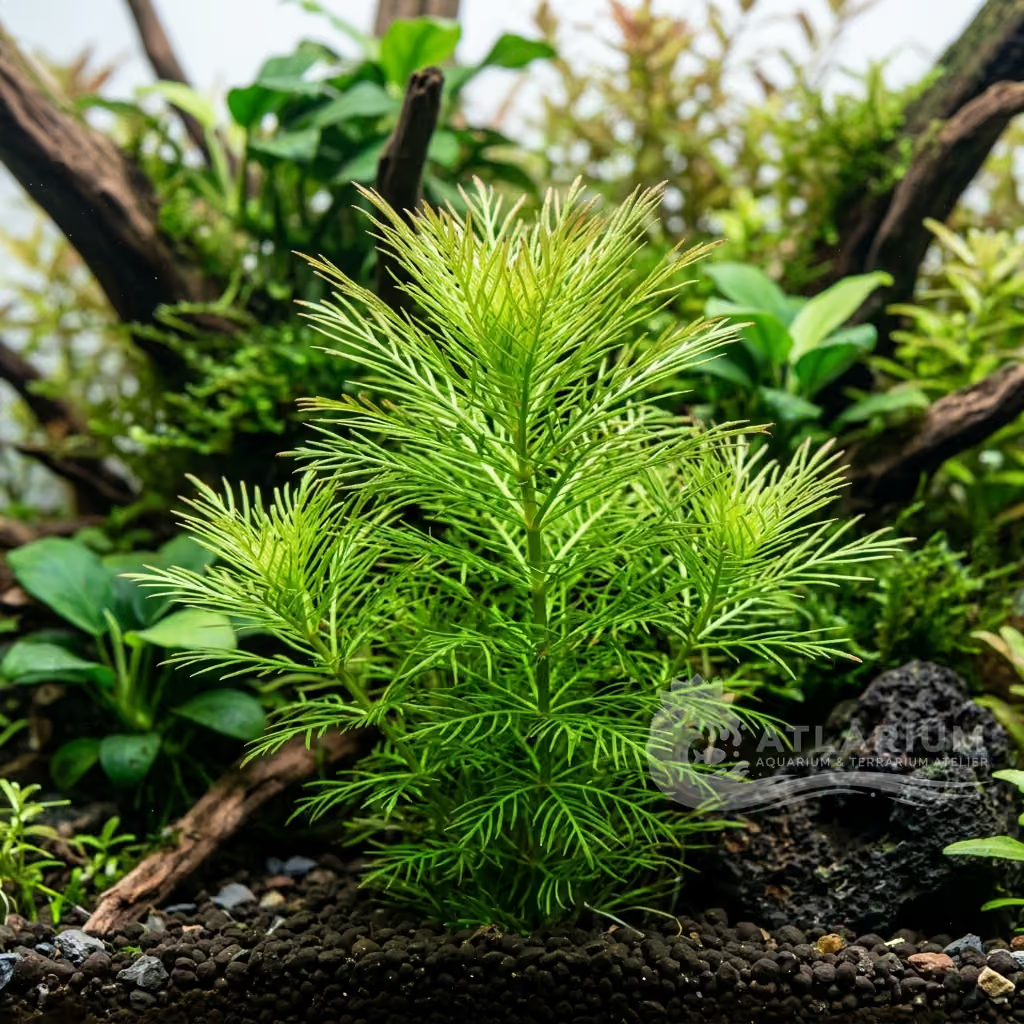
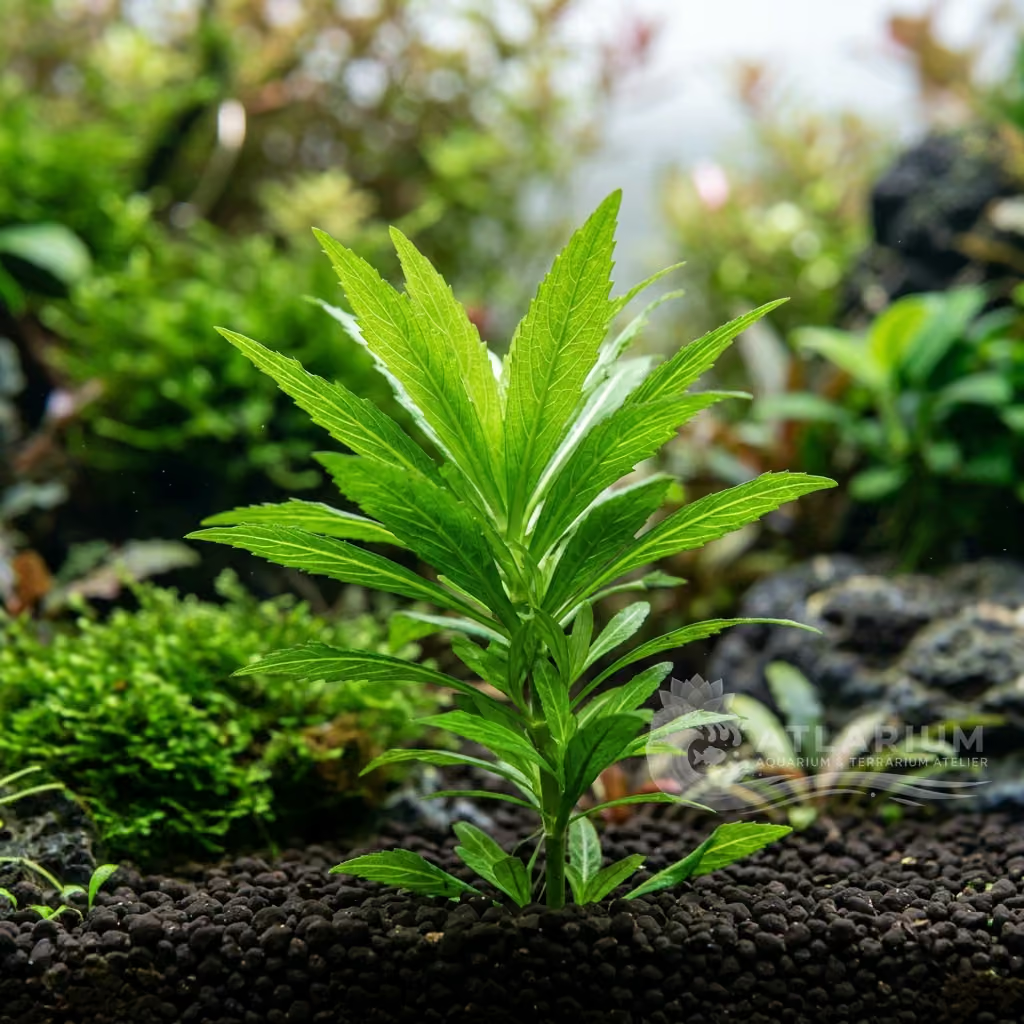
Physical Structure: The physical structure of Penthorum sedoides is characterized by erect, often branching stems that can reach significant heights in emersed conditions, but remain more compact when submerged. Its leaves are arranged alternately along the stem, typically lanceolate to elliptical in shape with finely serrated margins, giving them a distinct, crisp appearance. When grown submersed, the plant generally maintains its characteristic upright growth, developing a denser foliage with robust stems that contribute to a strong midground presence. Its resilience lies in these sturdy stems and well-formed leaf structure.
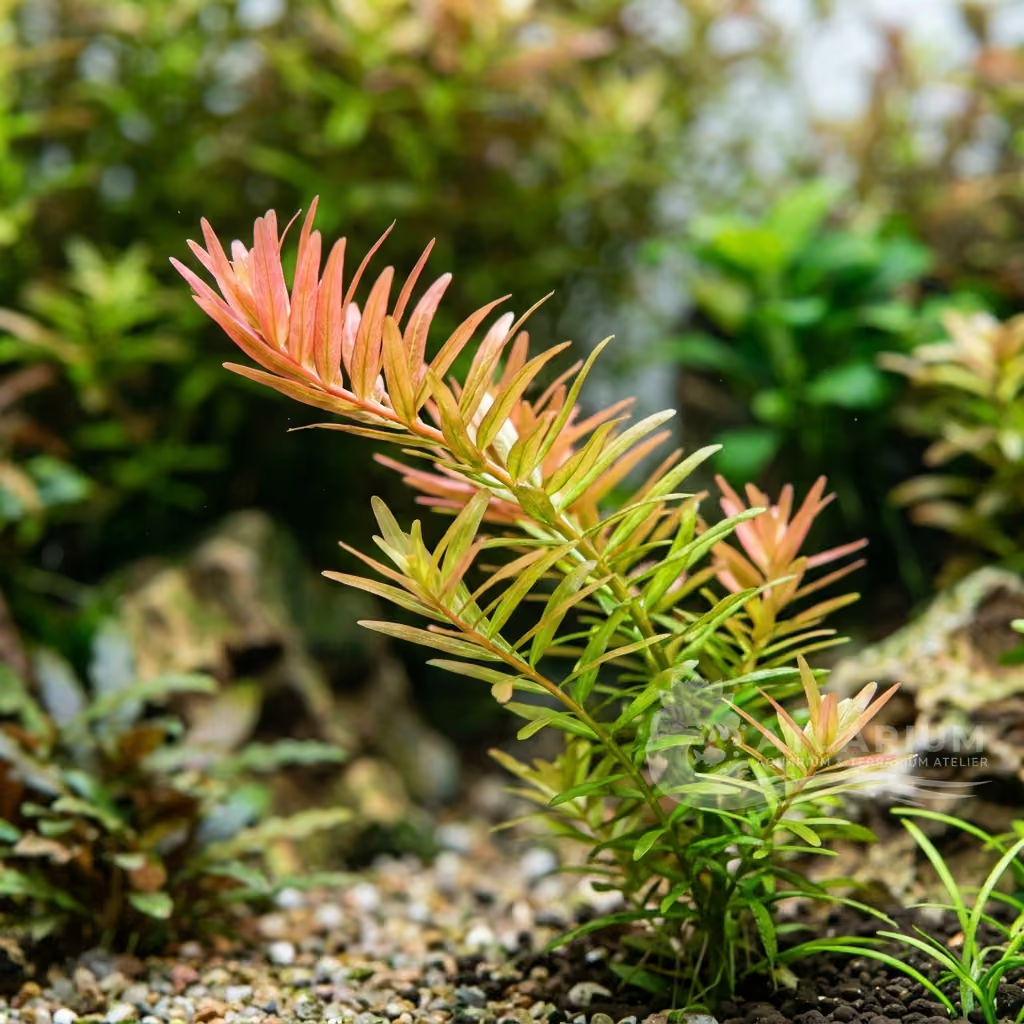
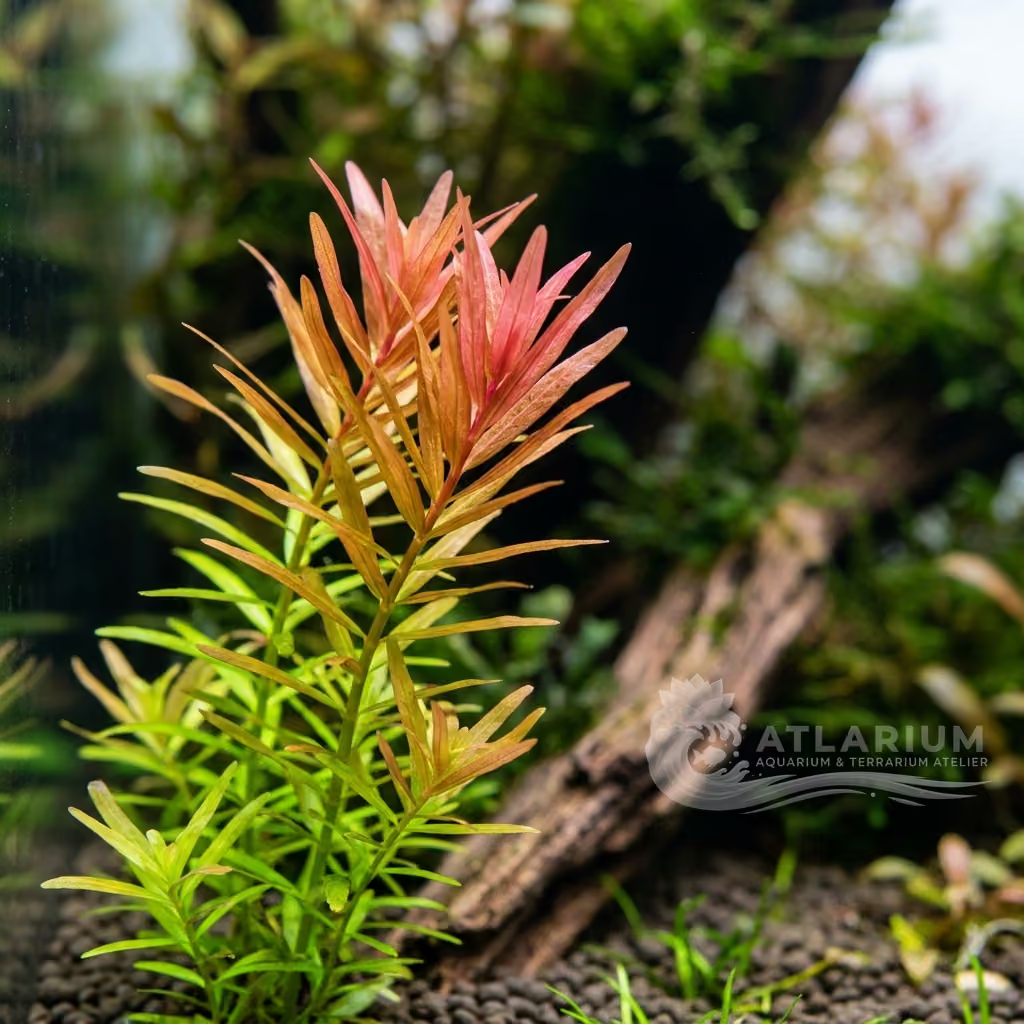
Color & Texture: The coloration of Penthorum sedoides is primarily a vibrant green, though under optimal conditions, particularly with high light intensity and ample micronutrients like iron, the stems and undersides of the leaves can develop attractive reddish or bronze tints. The leaves possess a somewhat succulent, fleshy texture, reminiscent of certain Sedum species, which contributes to its common name, "ditch stonecrop." This subtle texture adds a nuanced visual interest to the aquascape, contrasting well with finer-leaved plants and enhancing depth.

Care, breeding and tankmates
Lighting & CO2: Penthorum sedoides thrives under medium to high light conditions, with higher intensity promoting more robust growth and enhancing the desirable reddish coloration in its stems and leaves. A Photosynthetically Active Radiation (PAR) value between 30-60 µmol/m²/s is generally recommended for optimal submerged health. While not strictly dependent on CO2 injection due to its slow growth rate, supplementing with CO2 at around 15-30 ppm can significantly accelerate its development, improve nutrient uptake, and result in denser, healthier foliage, especially in high-light setups.
Nutrition & Substrate: This plant benefits greatly from a nutrient-rich substrate, as it is a root feeder, drawing essential minerals from its environment. An aquasoil or fine-grained substrate enriched with root tabs containing iron, potassium, and trace elements is highly recommended. Regular dosing of a comprehensive liquid fertilizer, providing macro and micronutrients, will also support overall health and vibrant coloration, preventing deficiencies such as yellowing leaves or stunted growth. Adequate iron is particularly crucial for the development of reddish hues.
Water Chemistry: Penthorum sedoides is remarkably tolerant of a wide range of water parameters, making it adaptable to various aquarium setups. It prefers a slightly acidic to neutral pH, ideally between 5.0 and 7.0, and can thrive in soft to moderately hard water, with a KH range of 0.0 to 14.0. Its broad temperature tolerance, from a cool 4.0°C to a tropical 28.0°C, allows it to be used in both unheated and heated aquariums. Maintaining stable parameters within these ranges, rather than sudden fluctuations, is key to its long-term success.
Space Management & Placement: Given its slow growth rate and moderate height potential, Penthorum sedoides is ideally suited for placement in the midground of an aquascape. It can be planted individually to create accent points or grouped together to form dense, natural-looking clumps that provide structure and visual weight. Adequate spacing should be provided between individual stems to ensure proper light penetration to lower leaves and promote good water circulation, preventing shaded areas that could lead to melting or algae growth. Its upright habit helps it blend seamlessly with other midground and background plants.
Pruning: Pruning Penthorum sedoides is a straightforward process primarily aimed at maintaining its desired shape and encouraging bushier growth. When the plant reaches an undesirable height or begins to look leggy, stems can be cut above a node, which will stimulate new lateral shoots to emerge from below the cut point. Regularly removing older, lower leaves that may yellow or become shaded will also redirect energy to new growth and improve overall plant health. These removed stem cuttings can then be replanted to propagate new individuals.
Risks & Diseases: While Penthorum sedoides is generally robust, it can exhibit melting or initial stress upon introduction to a fully submerged environment, especially if transitioned directly from emersed growth. This is a natural adaptation process and usually resolves with stable parameters. Nutrient deficiencies, particularly of iron or potassium, can lead to pale or yellowing leaves. Algae can become an issue if light and nutrient levels are imbalanced, often indicating too much light without sufficient CO2 or nutrients to match the photosynthetic demands of the plant.

Geographic origin and distribution
Penthorum sedoides is indigenous to a vast region of eastern North America, stretching from southeastern Canada down to Florida and west to Texas. It thrives primarily in wetland environments, frequently found along the muddy shores of ponds, slow-moving streams, ditches, and swampy areas. In its natural habitat, it commonly grows emersed or partially submersed, preferring soft, silty substrates rich in organic matter. This natural preference for moist, boggy conditions informs its adaptability to certain aquatic settings, especially paludariums or tanks with fluctuating water levels.
Origin
North America

Plant profile
- Placement
- Midground
- This plant is ideally placed in the midground or background of the aquarium. Its upward growth habit provides a lush backdrop for smaller foreground species. Grouping several stems together creates a dense and visually striking thicket.
- Botanical form
- Stem
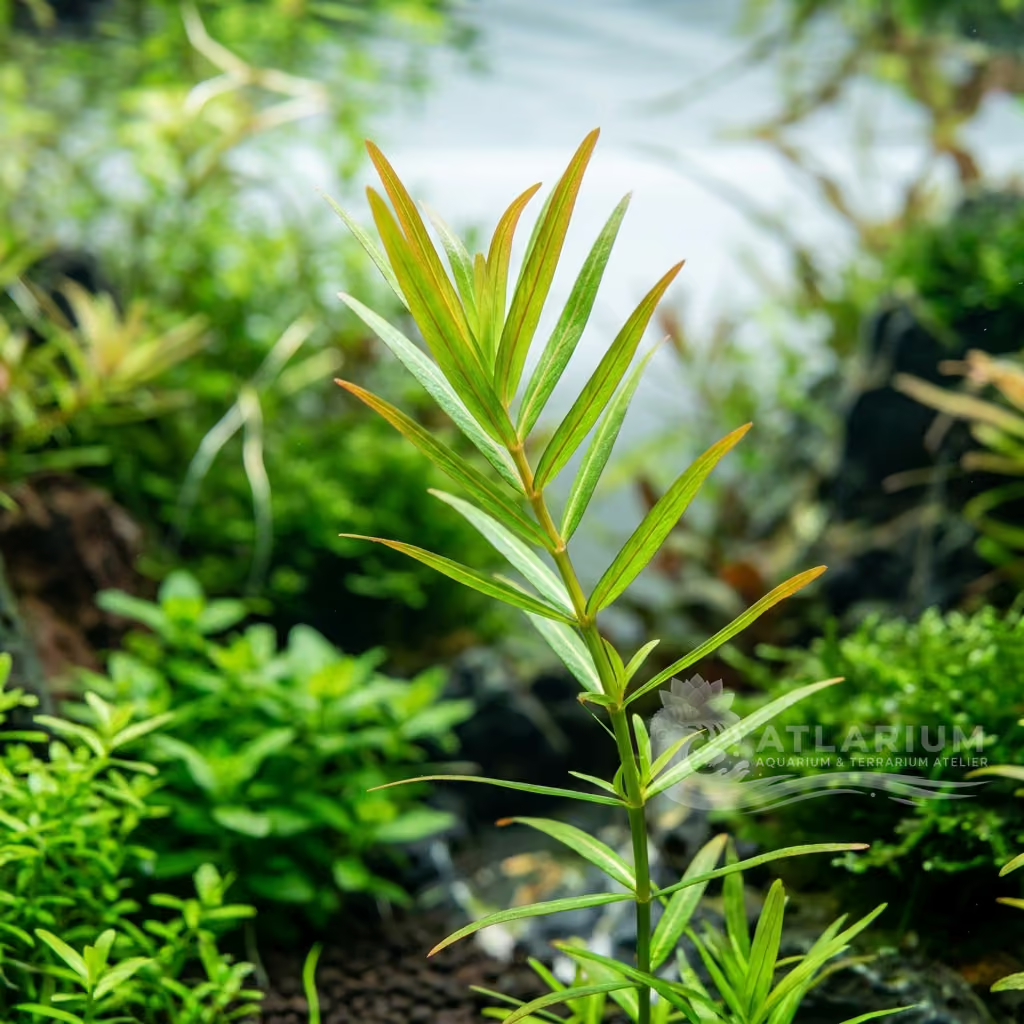
- It is characterized by an elegant stem structure adorned with delicately shaped leaves. The foliage grows in an alternating or opposite pattern, creating a structured appearance. Its graceful form adds a distinct textural contrast to the aquarium.
- Growth
- Slow
- Penthorum sedoides exhibits a moderate to fast growth rate under optimal conditions. High light and CO2 injection significantly accelerate its development and branching. Steady growth requires a balanced and consistent nutrient supply.
- Substrate
- High
- Penthorum sedoides, often grown along the margins of ponds or in heavily lit aquariums, benefits significantly from a rich, active substrate. A fertile aquasoil or a heavily amended laterite base promotes strong root development and vibrant leaf coloration. Maintaining a substrate depth of 4 to 6 centimeters ensures the plant can anchor firmly while its roots efficiently access the stored macronutrients necessary for robust vertical growth.
- Column fertilization
- Recommended
- Liquid fertilization is highly beneficial as Penthorum sedoides readily absorbs nutrients through its leaves. A comprehensive fertilizer ensures the rapid metabolism is fully supported. Potassium and micronutrients are essential to prevent leaf holes.
- Root fertilization
- Recommended
- While it draws heavily from the water column, a fertile substrate greatly benefits this species. Root tabs or a quality aquasoil promote a strong and deep root system. Healthy roots anchor the plant securely and enhance overall vigor.
- Trimming
- Occasional
- Trimming is straightforward: simply cut the stems at the desired height using sharp scissors. The lower sections left in the substrate will typically produce new lateral shoots. Regular pruning encourages a bushier and more compact growth form.
- Propagation
- Cuttings
- Propagation is easily achieved by taking stem cuttings. Snipping a healthy top portion and replanting it directly into the substrate establishes a new plant rapidly. The remaining bottom section will often sprout multiple new branches.
- Sensitivity
- Moderate
- Penthorum sedoides is sensitive to sudden fluctuations in water parameters or temperature. Insufficient light quickly leads to the loss of lower leaves and weak stems. Care should be taken to avoid placing it with aggressive herbivorous fish.
- Layout role
- Midground, Background
- Its primary role is to provide vertical structure and textural contrast in planted layouts. The bright foliage stands out beautifully against dark hardscape materials. The gently swaying stems add a dynamic and natural feel to the water column.

Related species
Recommendations grouped by close relatives, companion choices, and similar care.