Nymphoides indica
Nymphoides indica
Nymphoides indica is a fast-growing aquatic plant ideal for the midground of an aquarium, distinguished by its unique lily-pad-like leaves that create an attractive focal point. It is highly adaptable, thriving in a wide range of conditions, making it suitable for aquarists of moderate experience.
Water Temperature
15 - 32 °C
pH Value
5 - 8
Water type
Freshwater
Light
Medium to High
CO2
High
KH
1 - 20 dKH

Species description
Geographical Origin and Habitat: Nymphoides indica, often known as the "Banana Plant" due to its distinctive tuberous root structures, is native to tropical and subtropical regions across the globe, including Asia, Africa, Australia, and the Americas. It typically inhabits calm or slow-moving waters such as ponds, lakes, and rivers, where its leaves often float on the surface. This natural habitat makes it highly adaptable to both submerged and floating environments within an aquarium, though it can also grow emergent and flower out of water under suitable conditions.
Taxonomy & Genetics: Belonging to the Menyanthaceae family, Nymphoides indica is closely related to other aquatic plants known for their floating leaves and ability to form dense mats. Taxonomically, it shares superficial resemblances with the genus Nymphaea (true water lilies), despite being from a different family. This classification distinguishes it by its peculiar banana-shaped rhizome structures, which serve as nutrient reserves—a defining characteristic that sets it apart from many other aquatic genera.
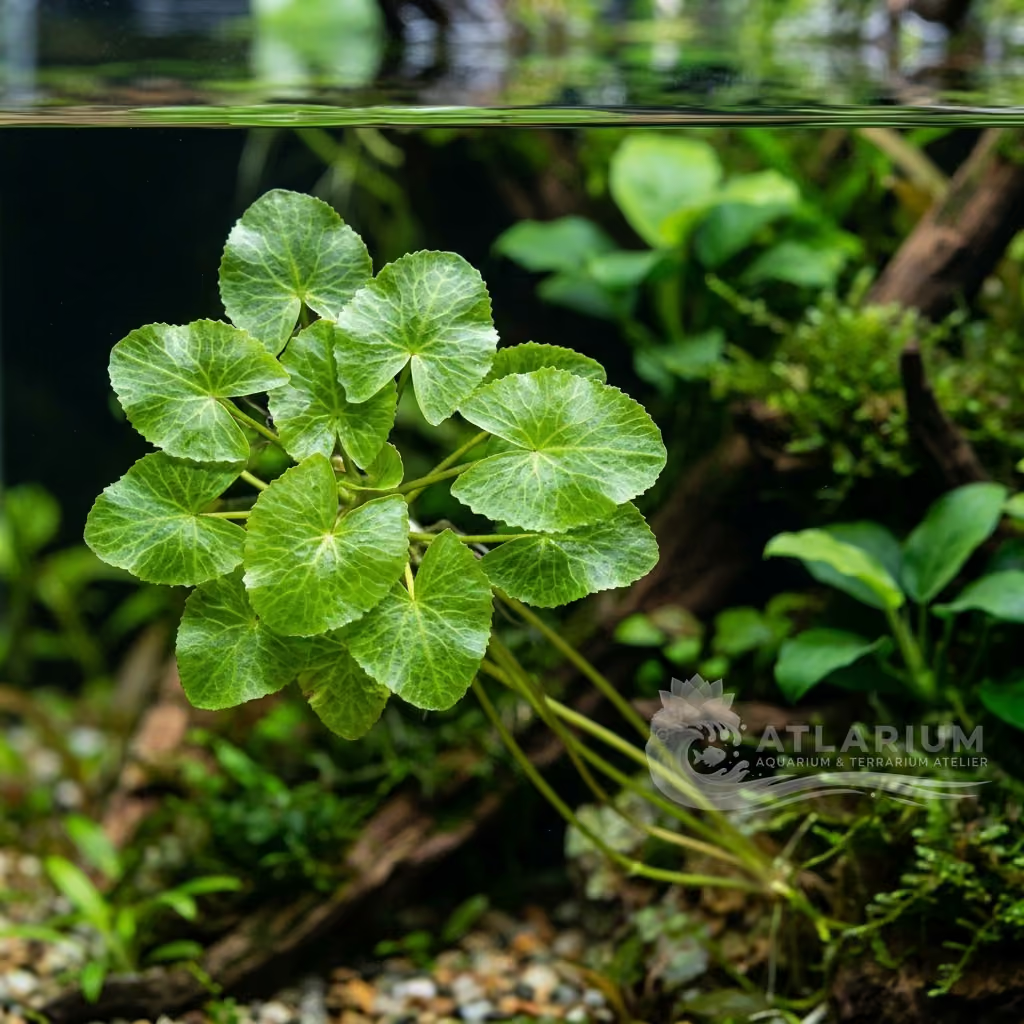
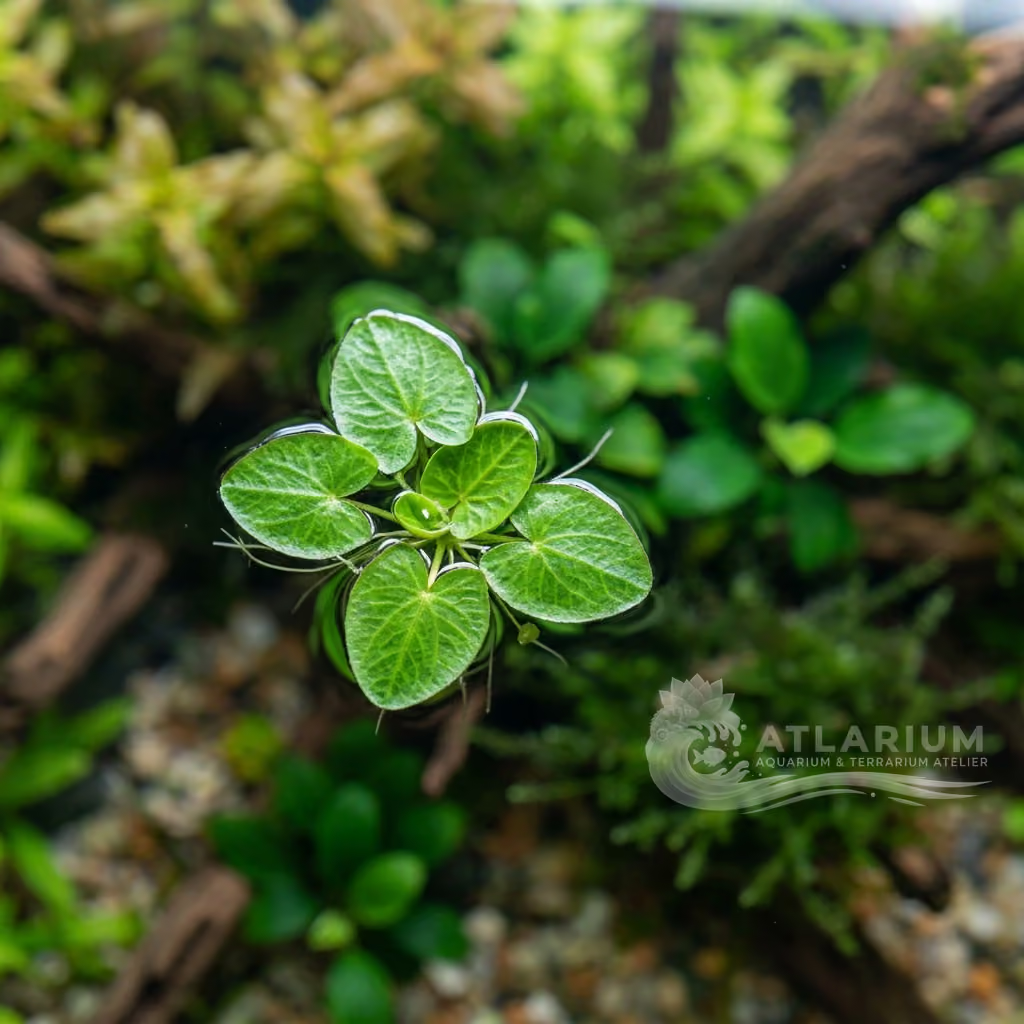
Physical Structure: Nymphoides indica develops a unique root system comprised of tuberous rhizomes that closely resemble small bananas, giving rise to its common name. From these rhizomes, long petioles emerge, supporting orbicular or heart-shaped leaves, often with slightly wavy or crinkled margins. While it can maintain submerged growth with smaller, denser leaves, it naturally tends to send floating leaves to the surface if not pruned, offering a miniature water lily appearance. It may also produce emergent flower stalks adorned with delicate white or yellow blooms.
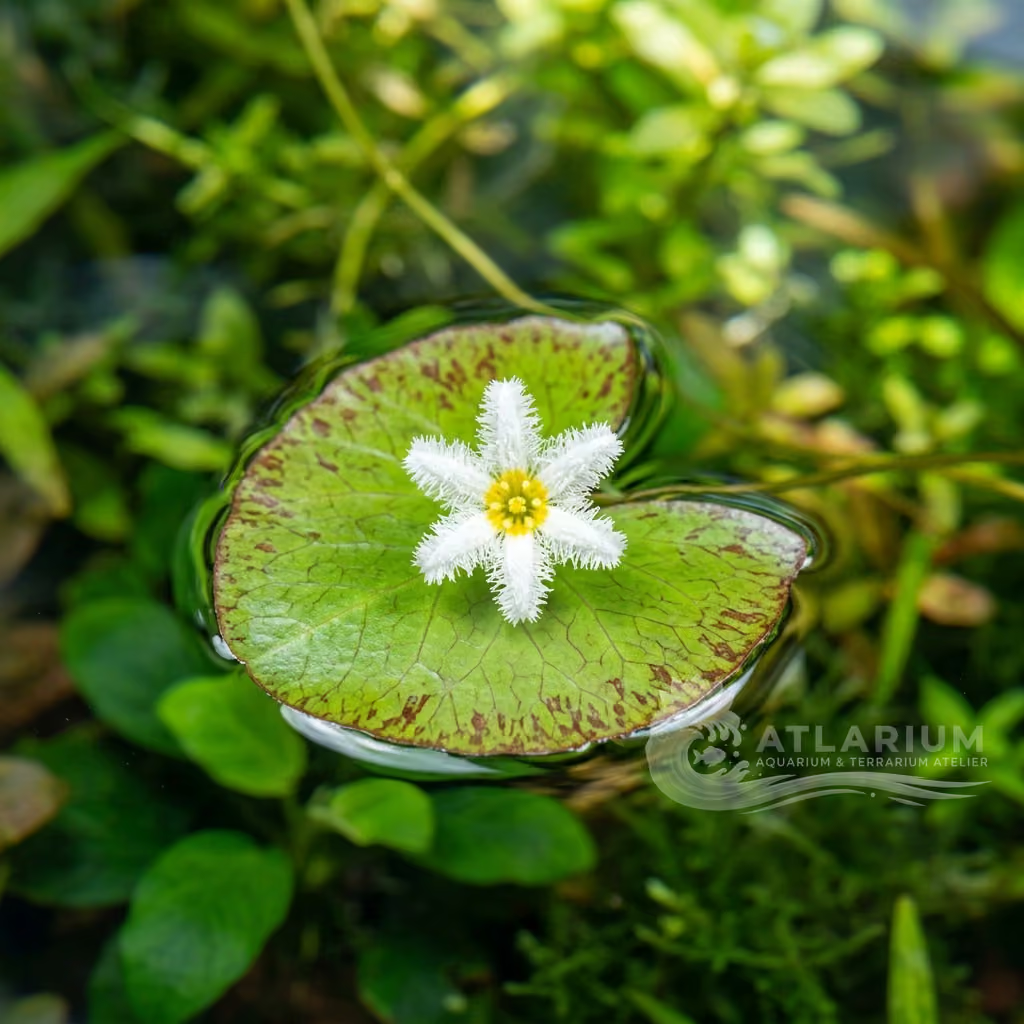
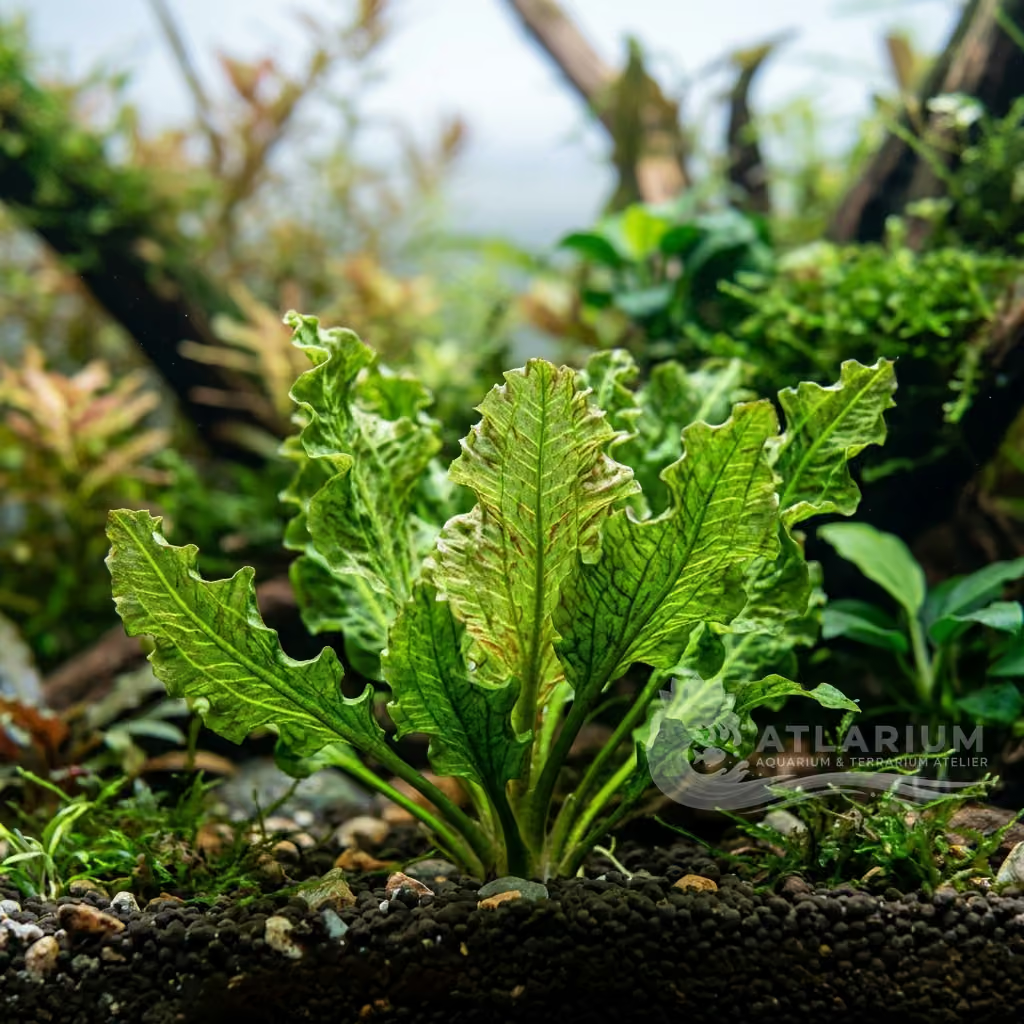
Color & Texture: The leaves of Nymphoides indica are characterized by a vibrant light to medium green coloration, often with a slightly darker shade on the underside or a reddish tint under intense lighting. Their texture is smooth and slightly waxy to the touch, featuring a water-repellent surface that aids in effective buoyancy. Some varieties may exhibit brown or purplish mottling, adding further visual interest to their appearance. The flowers, if present, are typically white or yellow, with finely fringed petals that create an ethereal look.

Care, breeding and tankmates
Lighting & CO2: Nymphoides indica requires medium to high lighting to truly thrive and exhibit its vigorous growth. Under insufficient light, leaves may excessively stretch towards the surface, becoming weak and elongated. While CO2 injection is not strictly mandatory for this plant's survival, it will significantly boost its growth rate, leaf density, and color vibrancy, promoting a more compact and robust growth habit. An 8-10 hour photoperiod daily is optimal to prevent algae growth and encourage efficient photosynthesis.
Nutrition & Substrate: To support its rapid growth, Nymphoides indica greatly benefits from a nutrient-rich substrate. The addition of root tabs directly beneath its tuberous "banana" roots is highly recommended to provide a consistent source of essential micro and macro elements. Furthermore, a balanced liquid fertilization regimen, rich in nitrates, phosphates, potassium, and micronutrients like iron, should be administered regularly to prevent deficiencies and maintain healthy, vibrant foliage. The plant draws nutrients from both the substrate and the
Water Chemistry: This species is remarkably tolerant of a wide range of water parameters, making it suitable for various aquarium setups. Ideal temperatures range between 15.0 and 32.0 C, though it often prefers the upper end for more vigorous, tropical growth. The pH can range from 5.0 to 8.0, indicating its adaptability to both slightly acidic and alkaline waters. Tolerated carbonate hardness (KH) spans from 1.0 to 20.0, making it suitable for nearly all freshwater types, although stability and prevention of sudden fluctuations are always preferred for plant health.
Space Management & Placement: Nymphoides indica is an excellent choice for the midground in an aquascape, where its broad leaves and growth habit can serve as a focal point or a transition between shorter foreground plants and taller background species. Given its tendency for rapid growth and sending up floating leaves, it is crucial to provide ample space for it to expand without overshadowing other plants. Its management requires careful consideration of aquarium size; in smaller tanks, it may need more frequent
Pruning: Pruning Nymphoides indica is essential for controlling its growth and keeping it within the desired area of the aquarium. Leaves that reach the surface can be removed at the base of the petiole to encourage the plant to produce new, lower submerged leaves, promoting a denser, more compact appearance. The "banana" roots should not be pruned, as they are the plant's primary energy reserve. Regularly removing older or damaged leaves will help keep the aquarium tidy and direct the plant's energy toward healthy new growth.
Risks & Diseases: Like many aquatic plants, Nymphoides indica can be susceptible to nutrient deficiencies if not adequately fertilized, manifesting as yellowing leaves or stunted growth. Insufficient lighting can cause leaves to etiolate, becoming pale and stretched. Initially, plants grown emersed may "melt" after introduction to a submerged aquarium, but they usually recover quickly once acclimated. It is relatively resistant to specific plant diseases, but suboptimal water conditions or severe algae infestations can still compromise its health. Maintaining stable parameters and good aquarium hygiene is crucial.

Geographic origin and distribution
Nymphoides indica, often known as the "Banana Plant" due to its distinctive tuberous root structures, is native to tropical and subtropical regions across the globe, including Asia, Africa, Australia, and the Americas. It typically inhabits calm or slow-moving waters such as ponds, lakes, and rivers, where its leaves often float on the surface. This natural habitat makes it highly adaptable to both submerged and floating environments within an aquarium, though it can also grow emergent and flower out of water under suitable conditions.
Origin
South and Southeast AsiaAmazon, Orinoco, and GuianasExtra-Amazon South AmericaCentral America and CaribbeanNorth AmericaAfrica and MadagascarAustralia, New Guinea, and Oceania

Plant profile
- Placement
- Midground
- Given its tendency to produce large floating leaves, this plant is an ideal centerpiece for the midground or background. It creates a beautiful, natural canopy effect in the aquarium, making it perfect for sheltering light-sensitive species. To maintain a purely submerged bush effect, diligent and constant trimming of upward shoots is necessary.
- Botanical form
- Rosette
- This species produces broad, nearly circular to heart-shaped leaves that are a vibrant, cheerful green. The floating leaves are thick and lily-like, providing a resting place for small frogs or anabantoids. It is highly prized for its beautiful, densely fringed, star-shaped white flowers that feature a yellow center.
- Growth
- Fast
- The plant is a notoriously fast grower, especially when provided with strong illumination and CO2 addition. It rapidly sends thick petioles straight to the water's surface, often producing several leaves a week. Regular maintenance is absolutely required to prevent it from overtaking the tank and blocking out the light.
- Substrate
- High
- A robust, deep, and nutrient-dense substrate is highly recommended to anchor the plant and feed its fine roots. High-quality aquasoils are the preferred medium, offering immediate access to essential minerals and organic acids. If grown in plain gravel, frequent and heavy root tab supplementation is strictly required for success.
- Column fertilization
- Recommended
- Liquid fertilization is a vital component of its care, as it readily absorbs nutrients directly through its leaves. A balanced daily or weekly dosing schedule helps prevent the older leaves from developing holes or yellowing. Column dosing must be well-managed to prevent surface algae from growing on the floating lily pads.
- Root fertilization
- Required
- While it is a capable water column feeder, strong root fertilization promotes thicker stems and greater overall resilience. Placing nutrient-rich root tabs directly under the plant base significantly boosts leaf size and vigor. Replenishing these substrate fertilizers periodically ensures the plant never runs out of necessary elemental building blocks.
- Trimming
- Occasional
- Trim excess floating leaves by cutting the stem at the base to allow light to penetrate to lower levels of the aquarium. Leaving cut stems can cause them to rot, so remove the entire stem. Prune frequently to maintain a balanced look.
- Propagation
- Division
- Propagation is remarkably simple, occurring naturally when adventitious roots form at the leaf node just below the blade. Once a new plantlet is clearly visible with its own roots, the petiole can be cut, and the new plant placed in the substrate. Floating leaves that are detached may also naturally form new roots and plantlets over time.
- Sensitivity
- Moderate
- It is tolerant of various water conditions but can melt if suddenly moved to a completely different environment, such as drastically different pH or hardness. It handles warmer temperatures well. High light is needed for flowering.
- Layout role
- Midground, accent
- Excellent for open-top aquariums where its flowers can be seen. It provides essential shade for low-light plants or timid fish species underneath. It brings a slice of a natural pond ecosystem into the home.

Related species
Recommendations grouped by close relatives, companion choices, and similar care.