Nymphoides aquatica
Nymphoides aquatica
Nymphoides aquatica, commonly known as the banana plant due to its unique root structure, is a slow-growing foreground plant that serves as a distinctive accent. It is valued for its unique tuberous roots and attractive foliage, making it ideal as a focal point or for gently filling the front and middle areas of an aquarium.
Water Temperature
15 - 28 °C
pH Value
6.5 - 7.2
Water type
Freshwater
Light
Medium to High
CO2
High
Expected height
15 cm
Expected width
20 cm
KH
5 - 12 dKH

Species description
Geographical Origin and Habitat: Nymphoides aquatica is native to the southeastern United States, where it thrives in freshwater aquatic environments such as ponds, swamps, and slow-moving streams. It is often found rooted in the muddy substrate of these waters, benefiting from the abundant nutrients present. Its adaptability to varying conditions makes it a robust species, although it prefers calm, nutrient-rich waters, reflecting its natural marshy habitat.
Taxonomy & Genetics: Belonging to the family Menyanthaceae, Nymphoides aquatica is a distinct genus, not to be confused with true water lilies of the family Nymphaeaceae, despite the similarity in name. This classification distinguishes it by its unique morphology, particularly its rhizomatous tubers that resemble small bananas, from which its common name is derived. Genetically, it is adapted to store energy and nutrients in these tubers, a crucial evolutionary trait for its survival in fluctuating environments.
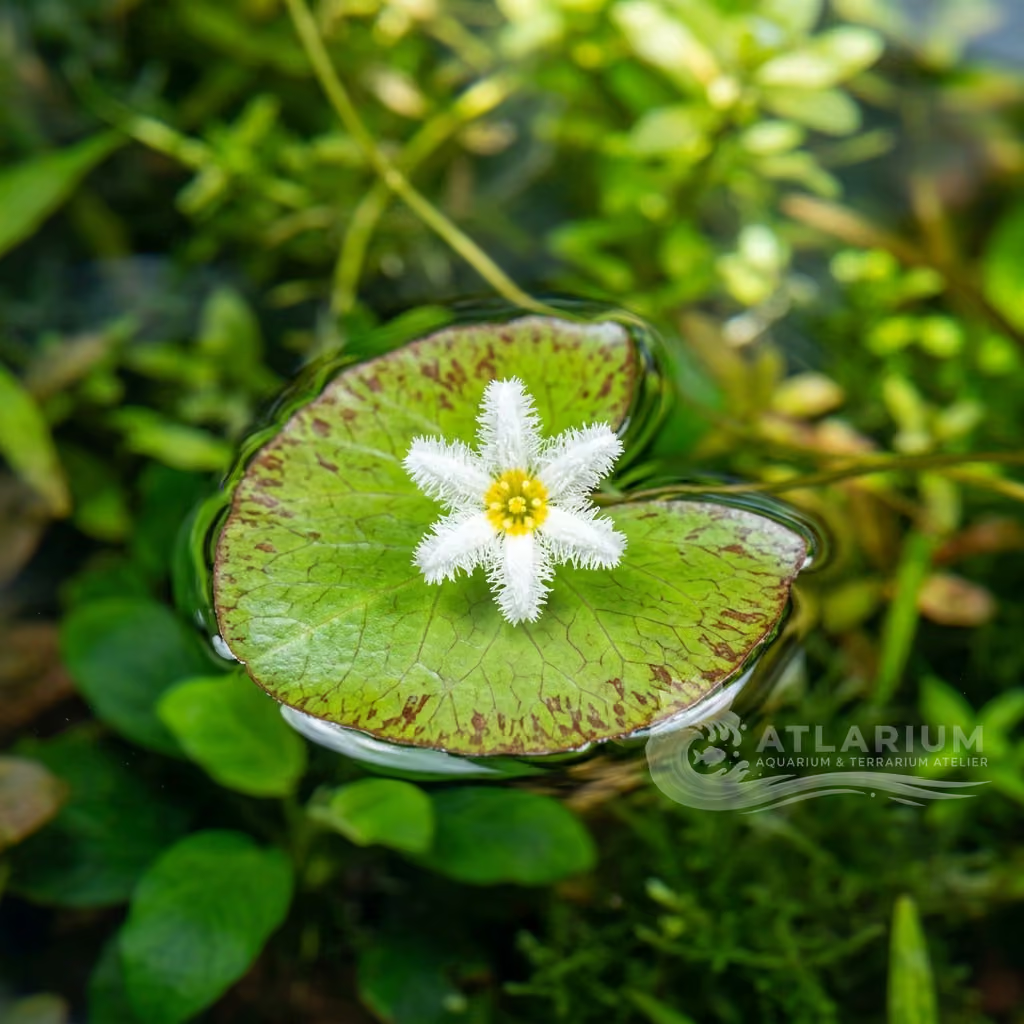
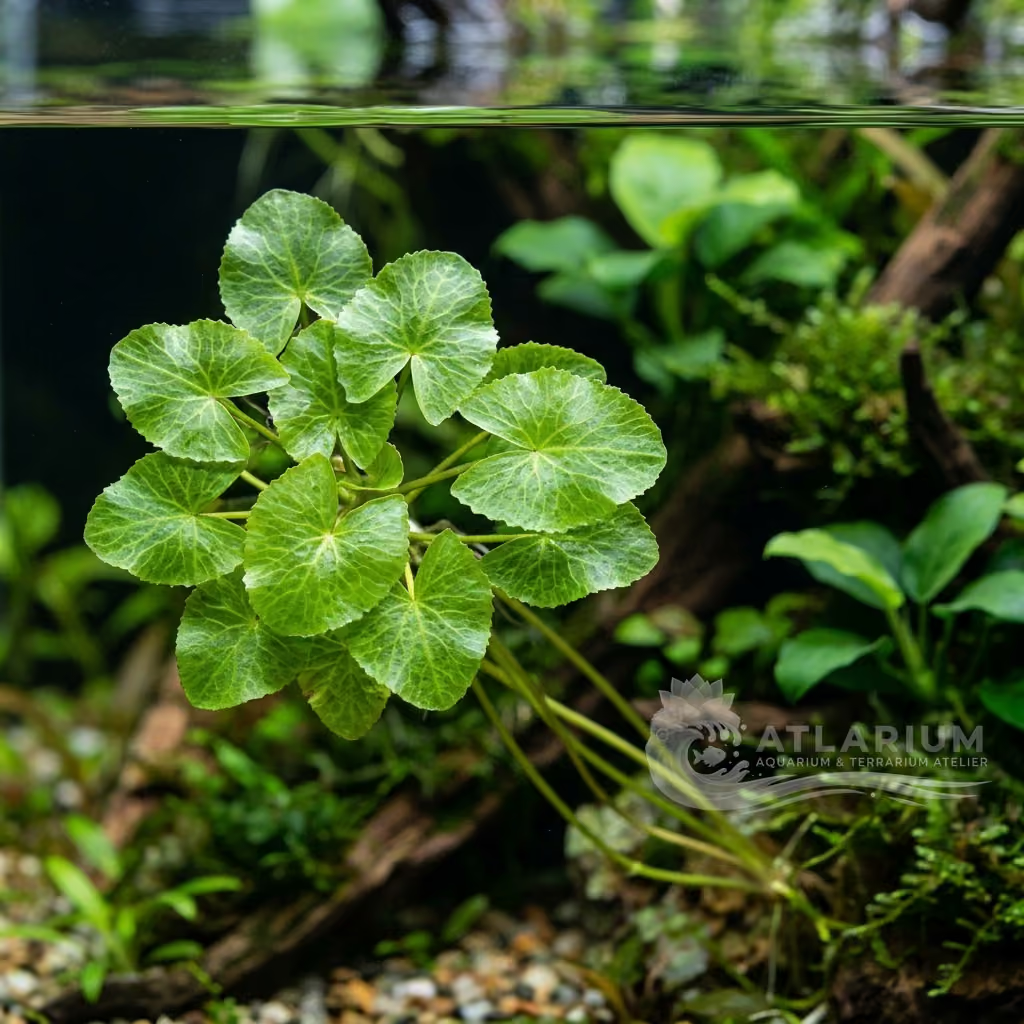
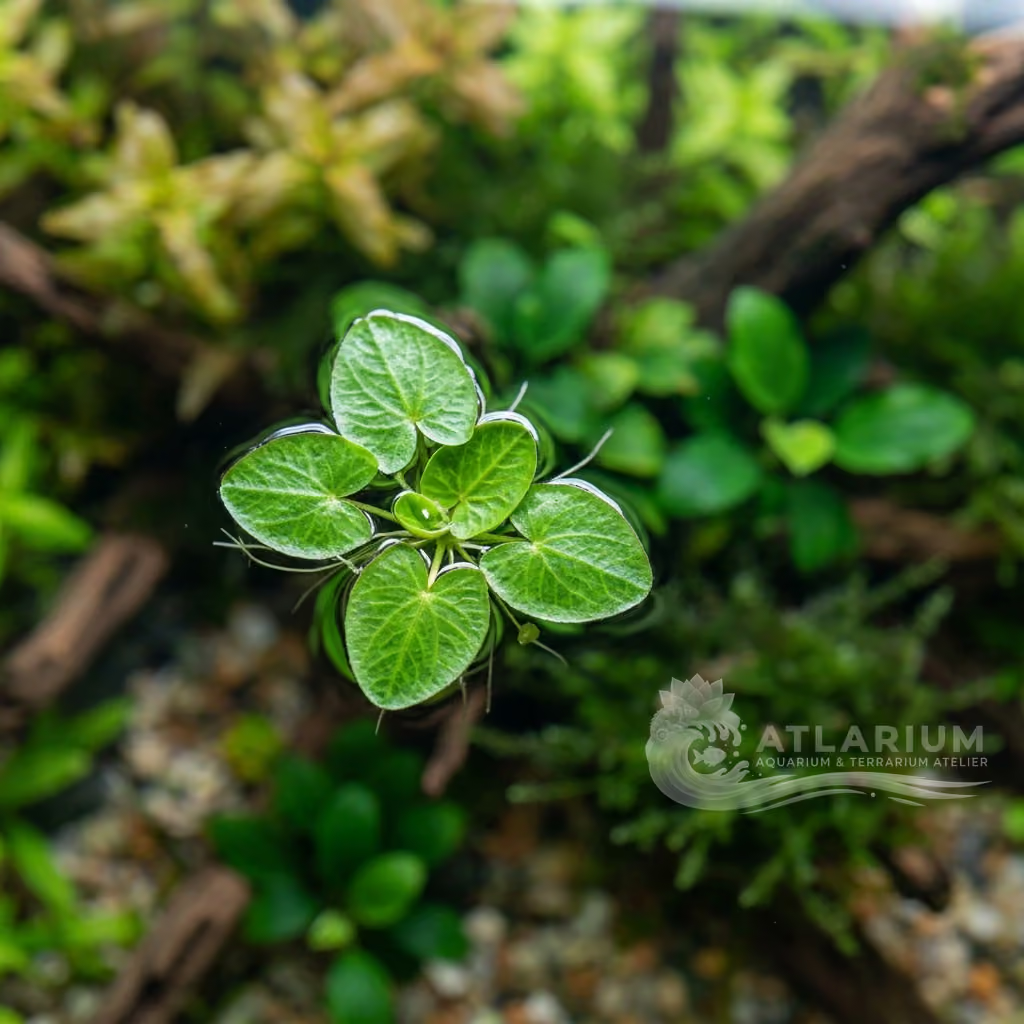
Physical Structure: The physical structure of Nymphoides aquatica is immediately recognizable due to its distinctive banana-shaped tubers, which serve as nutrient reserves for the plant. From these tubers emerge slender petioles supporting either floating or submerged leaves, depending on light conditions and available space. Submerged leaves are generally round to heart-shaped, while floating leaves can be larger and more oval. Under optimal conditions, the plant can also produce small white flowers that emerge from the water's surface, adding an extra element of beauty.
Color & Texture: The foliage of Nymphoides aquatica typically displays a bright to medium green coloration, which can vary in intensity depending on the lighting. Under high light conditions and with adequate nutrient availability, the leaves may develop reddish or bronze hues, especially on the underside. The texture of the leaves is smooth and slightly fleshy, lending a delicate yet robust appearance to the overall plant. The chromatic contrasts offered by this plant make it a fascinating focal point in any aquatic setup.

Care, breeding and tankmates
Lighting & CO2: Nymphoides aquatica thrives under medium to high lighting, which promotes compact growth and more vibrant leaf colors. Insufficient light can induce the plant to produce floating leaves to reach the surface, and to become less dense and vigorous. While CO2 injection is not strictly essential for its survival, its supplementation significantly enhances growth rate, leaf robustness, and color intensity, making it a very beneficial addition for achieving the best aesthetic and plant health results.
Nutrition & Substrate: As a plant that stores nutrients in its "banana" tubers, Nymphoides aquatica greatly benefits from a rich, nutritious substrate. The use of root tabs or a specific aquatic plant substrate is fundamental for its optimal development, providing a constant supply of macro and micronutrients directly to the roots. Liquid fertilization can complement substrate nutrient uptake, especially to support the growth of emergent leaves or in cases of visible deficiencies, ensuring balanced nutrition for the entire plant.
Water Chemistry: For Nymphoides aquatica, maintaining stable water parameters within a specific range is crucial. The ideal temperature is between 15.0 and 28.0 °C, while the pH should be kept between 6.5 and 7.2, slightly acidic to neutral. Carbonate hardness (KH) should be between 5.0 and 12.0, indicating soft to moderately hard water. Avoiding sudden fluctuations in these values is essential to prevent plant stress, which could manifest as leaf melt or growth arrest.
Space Management & Placement: Despite being classified as a foreground plant, Nymphoides aquatica can grow quite tall and spread, serving as an excellent accent plant in the foreground or midground. It requires adequate space to allow its leaves to expand without excessively shading neighboring plants. Its placement should consider the potential development of floating leaves, which can be managed by
Pruning: Pruning Nymphoides aquatica is relatively simple and primarily aims to maintain the desired shape and prevent excessive shading. Old, damaged, or excessively long leaves should be removed at the base of the petiole to encourage new growth and maintain a tidy appearance. Removing floating leaves is crucial if exclusively submerged growth is desired and to prevent the plant from excessively shading the aquarium below. Propagation can occur by separating the "bananas" or by cutting and replanting new shoots that form on runners.
Risks & Diseases: Nymphoides aquatica is generally robust, but can be susceptible to common issues if conditions are not optimal. Nutrient deficiencies can manifest as yellowing leaves or stunted growth, while insufficient lighting can cause etiolation and excessive production of floating leaves. Algae on the leaves may indicate an imbalance between light and nutrients or insufficient water flow around the plant. "Melting" of leaves is common after transplanting or in response to drastic changes in water parameters, but the plant often recovers with new growth if conditions stabilize.

Geographic origin and distribution
Nymphoides aquatica is native to the southeastern United States, where it thrives in freshwater aquatic environments such as ponds, swamps, and slow-moving streams. It is often found rooted in the muddy substrate of these waters, benefiting from the abundant nutrients present. Its adaptability to varying conditions makes it a robust species, although it prefers calm, nutrient-rich waters, reflecting its natural marshy habitat.
Origin
North America

Plant profile
- Placement
- Foreground
- This quirky plant is an excellent foreground or midground feature that inevitably draws attention. It should be placed where its banana-shaped tubers are clearly visible to observers. The plant will eventually send lily-like pads to the surface, which can provide excellent cover for anabantoids and top-dwelling fish.
- Botanical form
- Rosette
- The plant is famous for its cluster of thick, green, root-like tubers that closely resemble a bunch of unripe bananas. It produces light green, heart-shaped or rounded leaves on long, slender petioles. Small, delicate white, five-petaled flowers may appear just above the water surface if floating leaves are allowed to mature.
- Growth
- Slow
- The growth rate is moderate, accelerating significantly under higher light and CO2 supplementation. When well-fed, it continuously pushes new leaves towards the surface to form a canopy. Trimming these floating leaves encourages the plant to maintain its submerged foliage and directs energy back to the tubers.
- Substrate
- High
- While it can be left floating or lightly anchored, planting the roots in a nutrient-rich substrate encourages faster leaf growth. Only the long stringy roots should be buried, leaving the thick, banana-like tubers resting on top of the substrate. Burying the tubers completely will inevitably lead to rot and the death of the plant.
- Column fertilization
- Recommended
- Because the tubers are often unburied, column fertilization is highly beneficial and readily absorbed by the plant. A complete liquid fertilizer ensures the leaves remain a vibrant light green and prevents nutrient-deficiency holes. Regular dosing supports the overall health of the floating pads and the structural integrity of the stems.
- Root fertilization
- Required
- If the fine stringy roots are planted in the substrate, providing root tabs will significantly boost its growth. Root fertilization is secondary to water column dosing but helps in producing larger, more robust leaves. Care must be taken to only fertilize the true roots, keeping the banana tubers above the soil line.
- Trimming
- Occasional
- Trim older, decaying leaves at the base to keep the plant looking tidy. If it sends too many leaves to the surface, snip them off to encourage lower, submerged growth. Pruning helps redirect energy to the main plant body.
- Propagation
- Division
- Propagation can occur naturally when a mature floating leaf is detached and left to float on the surface. Roots and tiny new banana tubers will eventually form at the junction of the leaf and the petiole. Once the new plantlet has developed sufficient weight and roots, it will naturally sink and establish itself.
- Sensitivity
- Moderate
- The 'bananas' should never be fully buried in the substrate, as this will cause them to rot. Simply rest them on the surface or gently press them slightly into the gravel or soil. It prefers cooler to moderate water temperatures.
- Layout role
- Foreground, Midground, accent, group
- It acts as a unique, quirky novelty plant in the aquascape. Its structural form provides a great conversation piece. It breaks up traditional carpeting or stem plant layouts.

Related species
Recommendations grouped by close relatives, companion choices, and similar care.