Nymphoides thunbergiana
Nymphoides thunbergiana
Nymphoides thunbergiana is a medium-growth aquatic plant ideal for midground placement, renowned for its distinctive foliage and adaptability. It serves excellently as a focal point or a transitional element, adding depth and visual interest to any aquascape.
Water Temperature
15 - 30 °C
pH Value
5 - 8
Water type
Freshwater
Light
Medium to High
CO2
High
KH
0 - 14 dKH

Species description
Geographical Origin and Habitat: Nymphoides thunbergiana is native to Southern Africa, where it thrives in a variety of freshwater aquatic habitats, including slow-moving rivers, ponds, and marshy areas. Its inherent adaptability allows it to flourish under diverse environmental conditions, from tranquil waters to those with a gentle current, demonstrating remarkable resilience. In its native range, this species firmly anchors itself in the substrate, sending up both submerged and floating leaves to maximize light absorption. This ecological versatility makes it a robust and rewarding candidate for home aquaria, provided its fundamental requirements are met.
Taxonomy & Genetics: Nymphoides thunbergiana belongs to the Menyanthaceae family, a group of aquatic and wetland plants closely related to the Gentianaceae. This family is characterized by the presence of alternate or opposite leaves and typically five-petaled flowers, often fringed or hairy. The species' classification, while well-defined, highlights its affinity with other Nymphoides species, known for their lily-pad-like floating leaves and ability to rapidly colonize vast aquatic areas. Studying its genetics can reveal mechanisms of adaptation to specific environments and potential genetic variation within the species, which is crucial for its conservation and cultivation.
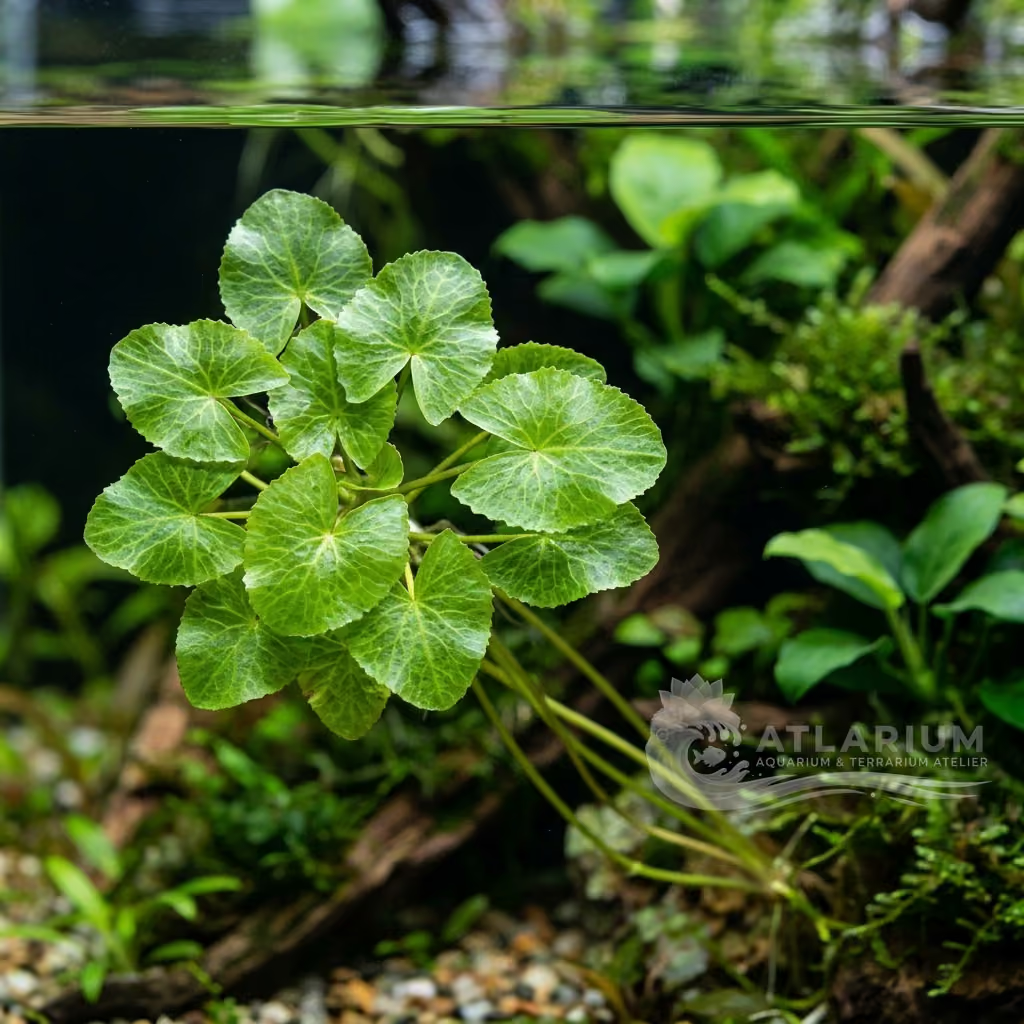
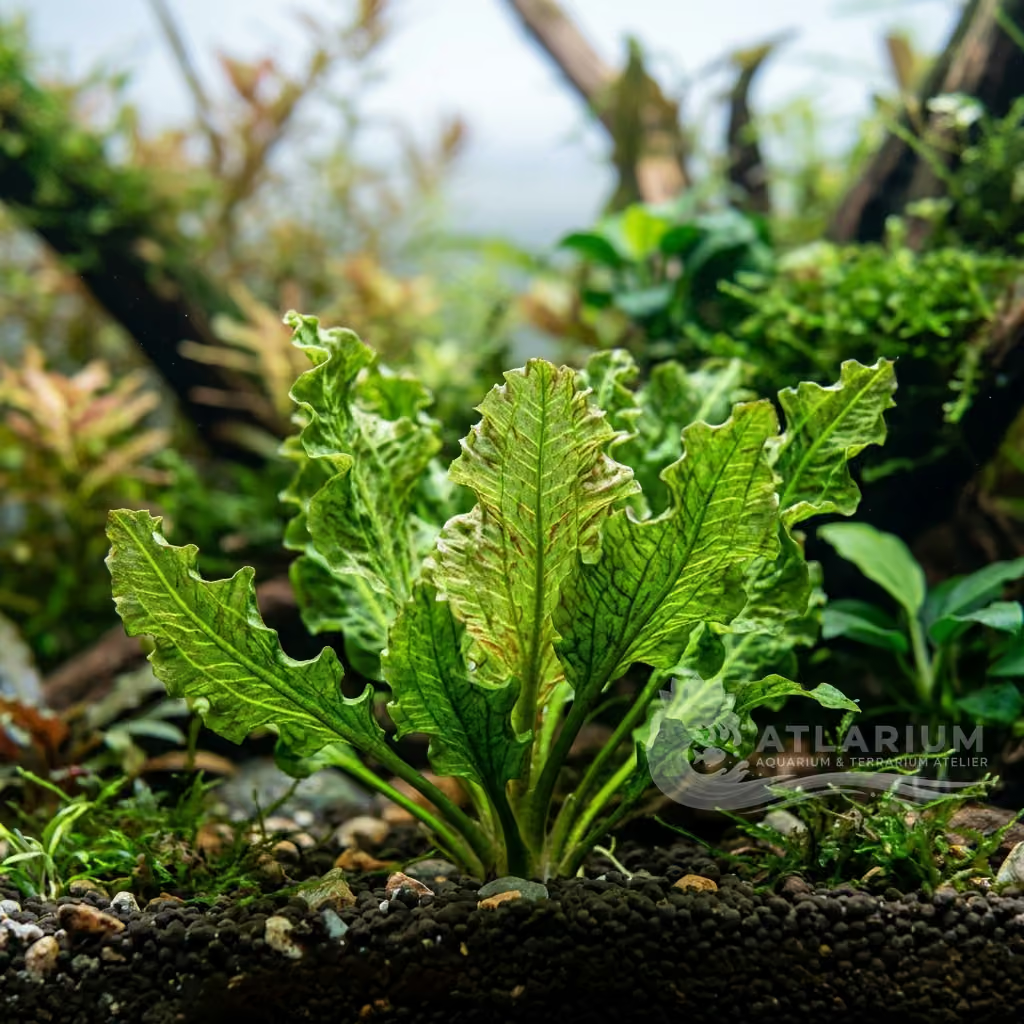
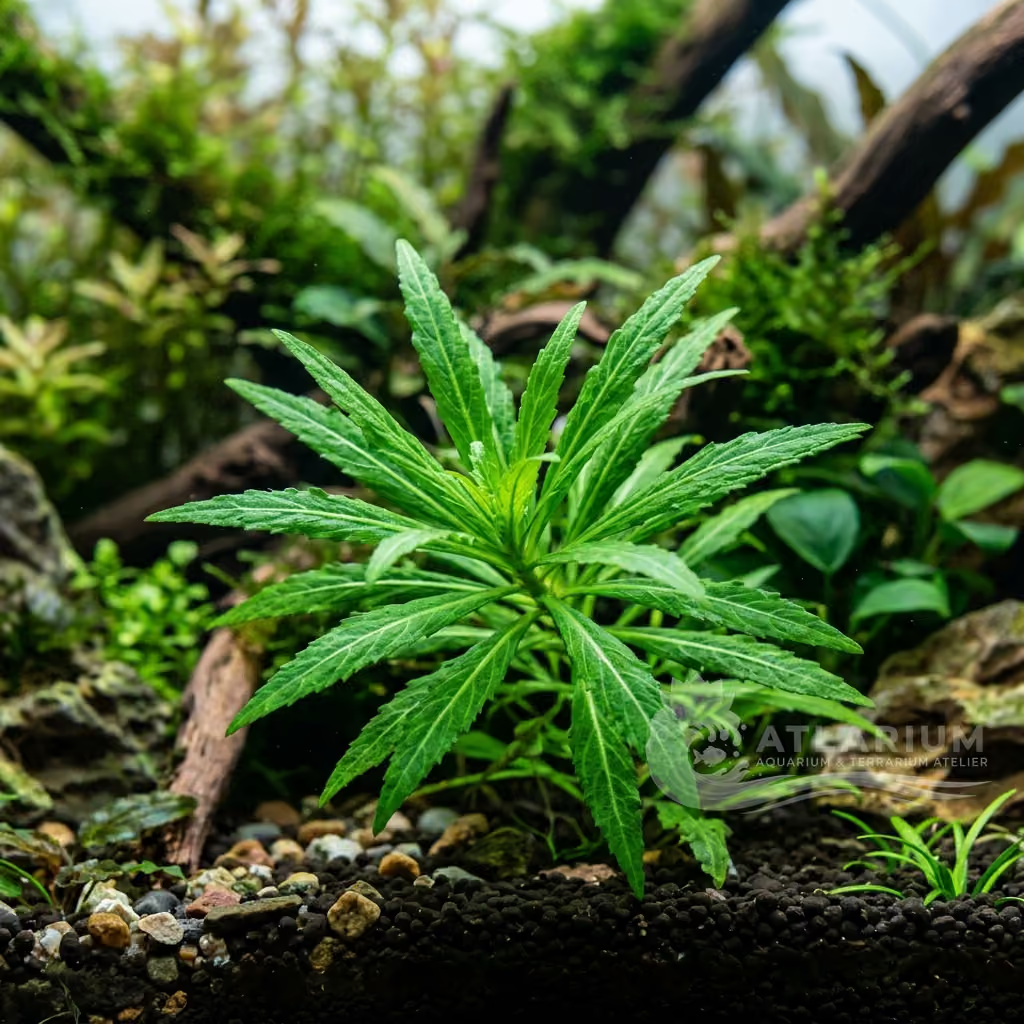
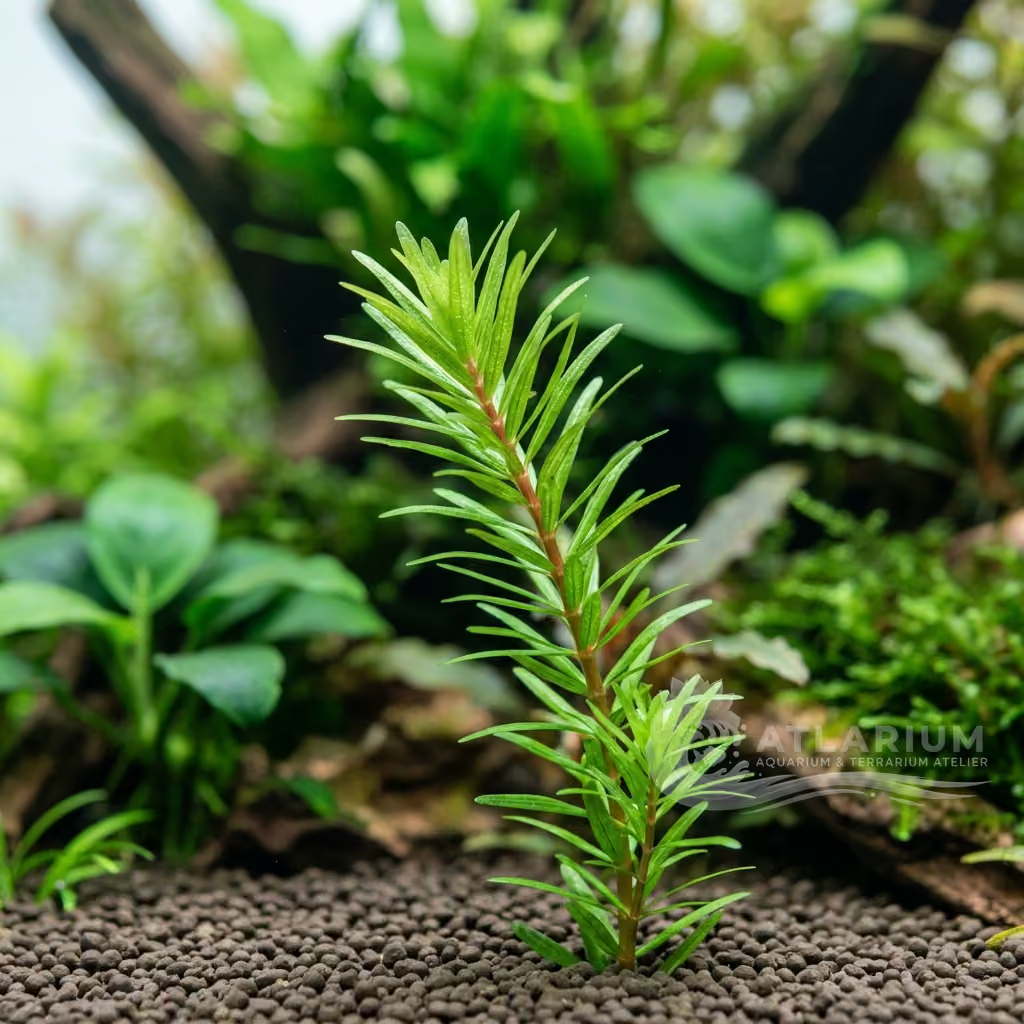
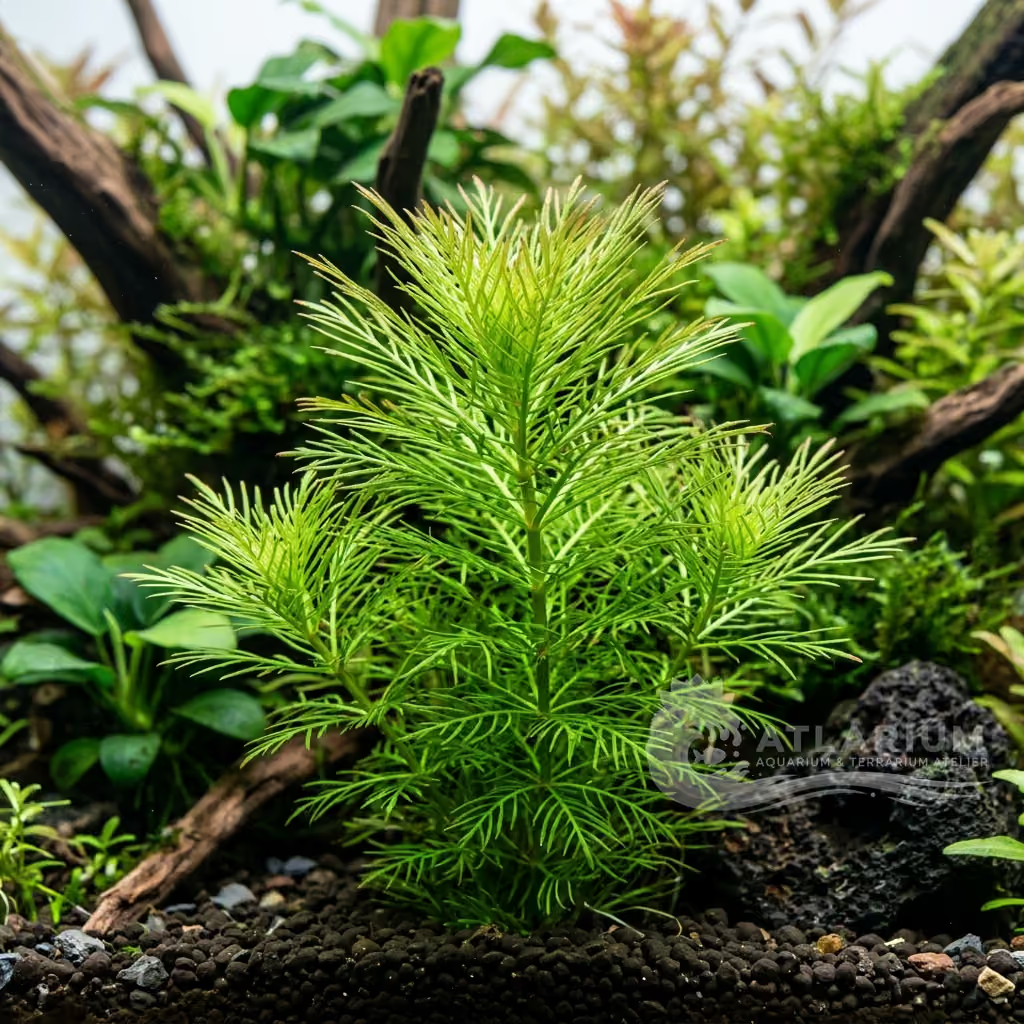
Physical Structure: Nymphoides thunbergiana typically develops submerged leaves that are round to oval in shape, emerging from a basal rosette or a rhizome. These leaves are supported by petioles of varying lengths, depending on water depth and light intensity, and the plant can also produce floating leaves that reach the water's surface. Its root system is robust and fibrous, firmly anchoring the plant in the substrate and facilitating essential nutrient absorption. Under optimal conditions, the plant may produce lateral stolons from which new plantlets develop, allowing for effective spread and the formation of dense clusters.
Color & Texture: The submerged leaves of Nymphoides thunbergiana display a vibrant to medium green hue, which can intensify or subtly shift towards a yellowish-green under very strong lighting. Their surface is smooth and slightly waxy to the touch, possessing a firm texture that renders them resilient to minor mechanical damage. Floating leaves, if present, tend to be a darker green and may have a slightly thicker texture. The overall appearance of the plant contributes a sense of freshness and vitality to the aquarium, with its lively color standing out among other darker or fine-leaved plants.

Care, breeding and tankmates
Lighting & CO2: Nymphoides thunbergiana thrives under medium to high lighting; insufficient light can slow growth and cause petioles to elongate as the plant attempts to reach the surface. Intense lighting promotes more compact and robust growth, simultaneously stimulating a more vivid coloration of the leaves. CO2 supplementation is highly recommended for this species, as it significantly accelerates its growth rate, strengthens leaf structure, and enhances photosynthetic capacity. With adequate CO2, the plant will respond with increased vigor and a denser leaf mass, becoming a visually impactful element in the aquascape.
Nutrition & Substrate: For vigorous growth, Nymphoides thunbergiana greatly benefits from a nutrient-rich substrate abundant in micronutrients and macroelements. Utilizing an enriched substrate or supplementing with root tabs beneath the plant are essential practices to support its robust development. The provision of balanced liquid fertilizers containing all necessary nutrients is also important for leaves that absorb directly from the
Water Chemistry: Nymphoides thunbergiana is quite tolerant regarding water parameters, adapting to temperatures between 15.0 and 30.0 C, although a consistent temperature around 22-26 C is optimal for most tropical aquariums. It prefers a pH range of 5.0 to 8.0, indicating good tolerance for both slightly acidic and slightly alkaline waters. Carbonate hardness (KH) can vary from 0.0 to 14.0, demonstrating its ability to adapt to different water types, from very soft to moderately hard, provided the parameters are stable and do not undergo sudden fluctuations.
Space Management & Placement: Given its medium growth potential, Nymphoides thunbergiana is ideally positioned in the midground of the aquarium, where its leaves can form a lush focal point without overshadowing smaller plants. It's important to consider the space it may occupy, especially if allowed to develop floating leaves, which could shade plants below. Its ability to send out stolons also makes it suitable for gradually filling an area, creating a very attractive mass of green. Strategic placement allows for highlighting its structure and color, harmoniously integrating it into the overall aquascape layout.
Pruning: Pruning Nymphoides thunbergiana is relatively straightforward and primarily serves to control its size and remove old or damaged leaves. Yellowed or deteriorating leaves should be cut at the base of the petiole to maintain the plant's aesthetic and promote the growth of new, healthy fronds. If the plant begins to produce too many floating leaves, which can shade underlying species, these can be removed to encourage more compact submerged growth. Regular pruning also helps prevent excessive density and ensures all parts of the plant receive sufficient light.
Risks & Diseases: Nymphoides thunbergiana is generally a robust plant, but it can be susceptible to nutrient deficiencies if it does not receive adequate fertilization, manifesting as leaf yellowing or decay. Like many aquatic plants, it is vulnerable to excessive algae growth, especially under conditions of imbalance between light, nutrients, and CO2. Attacks by snails or herbivorous fish are less common, but in rare cases, tender leaves can be damaged. Maintaining stable environmental conditions and a regular maintenance regimen is key to preventing most problems and ensuring the plant's health.

Geographic origin and distribution
Nymphoides thunbergiana is native to Southern Africa, where it thrives in a variety of freshwater aquatic habitats, including slow-moving rivers, ponds, and marshy areas. Its inherent adaptability allows it to flourish under diverse environmental conditions, from tranquil waters to those with a gentle current, demonstrating remarkable resilience. In its native range, this species firmly anchors itself in the substrate, sending up both submerged and floating leaves to maximize light absorption. This ecological versatility makes it a robust and rewarding candidate for home aquaria, provided its fundamental requirements are met.
Origin
Africa and Madagascar

Plant profile
- Placement
- Midground
- This plant is best utilized as a background or corner feature in medium to large aquariums due to its vertical growth habit. It will rapidly send stems to the surface to form a natural, floating canopy that provides excellent shade. Pruning surface leaves can encourage submerged growth, but the plant inherently desires to be a floating lily.
- Botanical form
- Rosette
- The plant exhibits a characteristic growth pattern, sending long, slender petioles up to the surface where broad, heart-shaped leaves unfurl. The floating leaves are vibrant green and slightly thick, providing excellent resting spots for surface-dwelling fauna. It is celebrated for its stunning, fringed yellow flowers that bloom spectacularly just above the water line.
- Growth
- Medium
- Under favorable conditions featuring strong light and CO2, its growth rate is extremely fast and vigorous. The plant can produce multiple leaves a week, sending them rocketing towards the water's surface. Regular, strict maintenance is required to prevent it from entirely blocking light to the lower levels of the tank.
- Substrate
- High
- A nutrient-dense, deep substrate is highly recommended to anchor the plant and feed its fine, branching root system. Utilizing a specialized planted aquarium soil ensures that the roots have immediate access to necessary organic compounds. When planting in inert substrates like gravel or sand, the frequent insertion of root tabs is absolutely critical.
- Column fertilization
- Recommended
- Liquid fertilization is an essential aspect of its care, as the plant rapidly absorbs dissolved minerals through its submerged stems and leaves. A comprehensive dosing regimen ensures the fast-growing foliage does not exhaust the tank's nutrient reserves. Care must be taken with surface agitation to ensure liquid nutrients mix well without damaging the floating pads.
- Root fertilization
- Required
- While it draws heavily from the water, targeted root fertilization encourages the development of thicker, more resilient stems. Placing high-quality root tabs deep in the substrate near the base promotes vigorous overall health and faster recovery from pruning. This secondary feeding method acts as a reliable buffer against sudden drops in water column nutrients.
- Trimming
- Occasional
- Frequent pruning is necessary if you wish to maintain it in a submerged form. Cut the stems that reach for the surface at the base. Removing too many leaves at once can stunt the plant temporarily.
- Propagation
- Division
- Propagation naturally and readily occurs at the leaf nodes located just below the floating pads. As a leaf matures, a cluster of roots and a new small plantlet will form directly on the petiole. Once established, this new plantlet can be snipped off with a small piece of the stem and replanted into the substrate.
- Sensitivity
- Moderate
- It is relatively adaptable to varying water parameters, though it prefers moderate to high lighting. It can be sensitive to sudden, large fluctuations in temperature or pH.
- Layout role
- Midground, accent
- Useful for providing a canopy effect or creating a natural, swamp-like appearance. The shade it provides is excellent for reducing light intensity for plants like Anubias or Java Fern.

Related species
Recommendations grouped by close relatives, companion choices, and similar care.