Nymphoides ezannoi
Nymphoides ezannoi
Nymphoides ezannoi is a fast-growing plant ideal for midground placement, offering a vibrant and dynamic focal point in the aquarium. It is distinguished by its characteristic submerged leaves that add significant depth and structural interest.
Water Temperature
20 - 30 °C
pH Value
5 - 8
Water type
Freshwater
Light
Medium to High
CO2
High
KH
2 - 18 dKH

Species description
Geographical Origin and Habitat: Nymphoides ezannoi originates from the tropical regions of Africa, where it thrives in various aquatic environments such as slow-moving rivers, ponds, and marshes. In these natural habitats, the plant adapts to fluctuating light conditions and nutrient-rich substrates, developing both submerged and floating leaves. Its presence often indicates fresh, oxygenated waters, which are crucial for its vigor and rapid growth. This species exemplifies African aquatic biodiversity, adapting to a wide range of seasonal hydrological conditions.
Taxonomy & Genetics: Nymphoides ezannoi belongs to the Menyanthaceae family, a group of aquatic and semi-aquatic plants known for their alternate leaves and showy flowers. Within the genus Nymphoides, it is distinguished by specific morphological and genetic characteristics that set it apart from closely related species, such as Nymphoides hydrophylla or Nymphoides Taiwan. The botanical classification of this plant highlights its evolutionary origin and its phylogenetic relationships with other Old World aquatic plants. Studying its genome can reveal unique adaptations to aquatic environments and its tolerance to diverse water chemistry conditions.
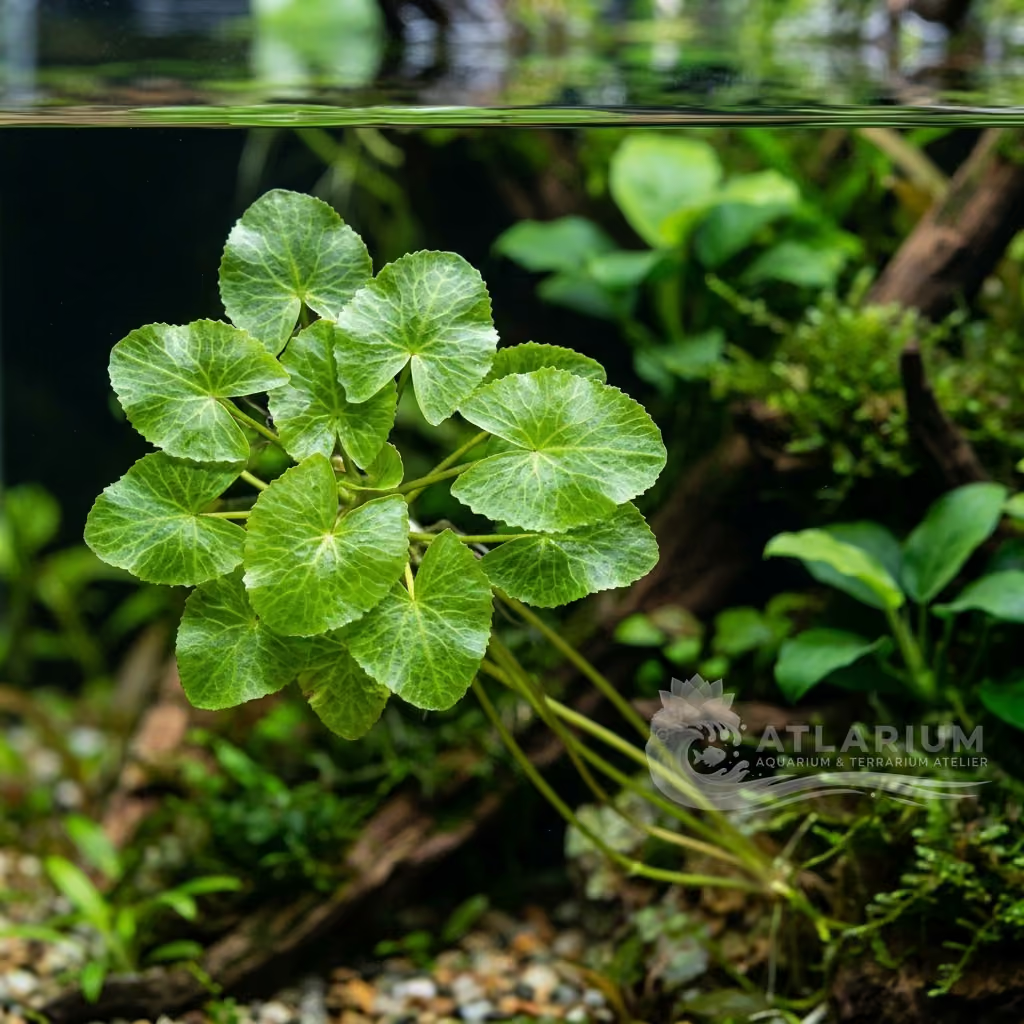
Physical Structure: The physical structure of Nymphoides ezannoi is characterized by a robust underground rhizome from which long petioles emerge, supporting both submerged and, under favorable conditions, floating leaves. Submerged leaves are generally rounded or heart-shaped, with slightly wavy margins, and can reach considerable sizes. Its well-developed root system aids in anchoring it to the substrate, while lateral stolons allow for rapid horizontal propagation. Its ability to produce floating leaves makes it a versatile plant that can cover the water surface if not regularly pruned.
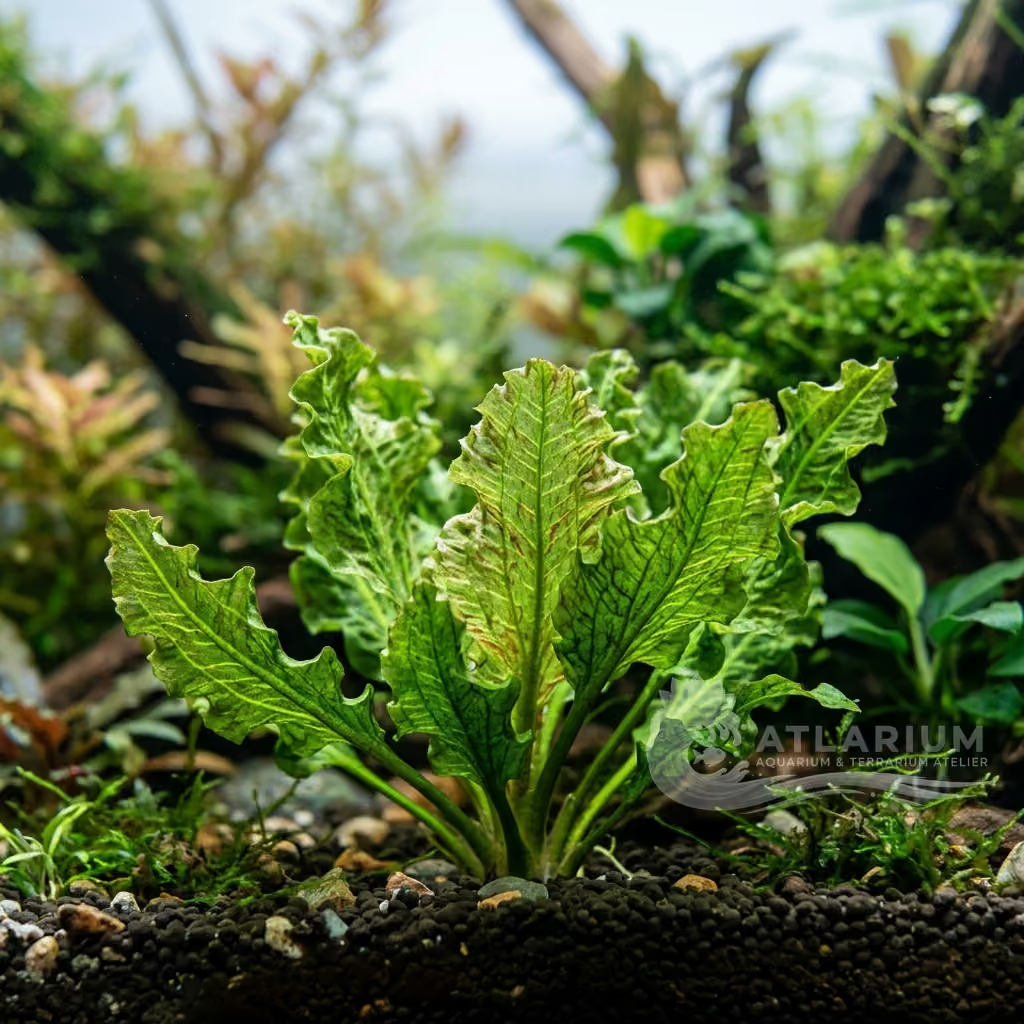
Color & Texture: The submerged leaves of Nymphoides ezannoi display a bright green coloration, often embellished with darker mottling or venation, which adds significant visual interest to the aquarium. The leaf texture is smooth and slightly fleshy, imparting a velvety appearance underwater. Floating leaves, if present, tend to be a more intense green, often with a glossy, slightly waxy surface to repel water. This combination of colors and textures creates a captivating contrast, making it an excellent focal point plant in an aquatic layout.

Care, breeding and tankmates
Lighting & CO2: Nymphoides ezannoi thrives under medium to high lighting to fully express its growth potential and vibrant coloration. Insufficient light can slow growth and cause petioles to etiolate, while excessively strong light might encourage algal growth on the leaves. CO2 supplementation is highly recommended for this fast-growing plant, as it supports vigorous photosynthesis and prevents nutrient deficiencies, promoting larger, more robust leaves. A stable CO2 supply of 20-30 ppm, combined with good lighting, will ensure lush growth and a healthy appearance.
Nutrition & Substrate: For optimal growth, Nymphoides ezannoi requires a nutrient-rich substrate, preferably clay-based or supplemented with fertilizer tabs at the base of the rhizome. This plant is a heavy consumer of macro and micronutrients due to its rapid growth rate. Regular dosing of liquid fertilizers containing iron, potassium, and other trace elements is essential to prevent chlorosis and maintain intense leaf coloration. An inert substrate will necessitate more consistent fertilizer integration, both in the substrate and
Water Chemistry: Nymphoides ezannoi is tolerant of a wide range of water parameters, flourishing in temperatures between 20.0 and 30.0 C and a pH ranging from 5.0 to 8.0. Regarding carbonate hardness (KH), it adapts from 2.0 to 18.0, demonstrating remarkable flexibility. However, for vigorous growth and vibrant colors, maintaining stable parameters and avoiding drastic fluctuations that could stress the plant is advised. Well-filtered water with regular changes is crucial for its long-term health.
Space Management & Placement: Given its fast growth and potential size, Nymphoides ezannoi is ideal for the midground, where it can create a lush green focal point. It is crucial to provide it with sufficient space to expand without overshadowing neighboring plants, as its petioles can elongate considerably. Positioning it in a spot where it receives ample light and is not overly shaded by other elements will promote harmonious development and the production of healthy leaves. This placement also allows for the admiration of its distinctive submerged leaves before they reach the surface.
Pruning: Pruning Nymphoides ezannoi is necessary to control its rapid growth and prevent floating leaves from excessively shading the aquarium surface. It is advisable to regularly remove older or damaged leaves from the base of the petiole to stimulate the growth of healthier new submerged leaves. To manage height and spread, you can trim the petioles of leaves attempting to reach the surface, redirecting the plant's energy towards underwater growth. Pruning lateral stolons is essential for managing propagation and maintaining the desired shape.
Risks & Diseases: Although Nymphoides ezannoi is generally robust, it can be susceptible to nutrient deficiencies, manifesting as chlorosis (yellowing) of the leaves, particularly iron or potassium deficiency. Insufficient lighting or extreme fluctuations in water parameters can stress the plant, making it more vulnerable to algal growth on its leaves. It is important to carefully monitor aquarium conditions and intervene promptly with fertilizers or light adjustments. A stable and well-balanced environment is the best defense against risks and diseases.

Geographic origin and distribution
Nymphoides ezannoi originates from the tropical regions of Africa, where it thrives in various aquatic environments such as slow-moving rivers, ponds, and marshes. In these natural habitats, the plant adapts to fluctuating light conditions and nutrient-rich substrates, developing both submerged and floating leaves. Its presence often indicates fresh, oxygenated waters, which are crucial for its vigor and rapid growth. This species exemplifies African aquatic biodiversity, adapting to a wide range of seasonal hydrological conditions.
Origin
Africa and Madagascar

Plant profile
- Placement
- Midground
- This plant is best utilized in the midground to background of the aquarium, where its stems can grow tall and reach for the light. It serves as a beautiful accent plant, offering a distinct textural contrast with its light green, heart-shaped leaves. Frequent trimming is necessary to prevent it from quickly shading the foreground plants.
- Botanical form
- Rosette
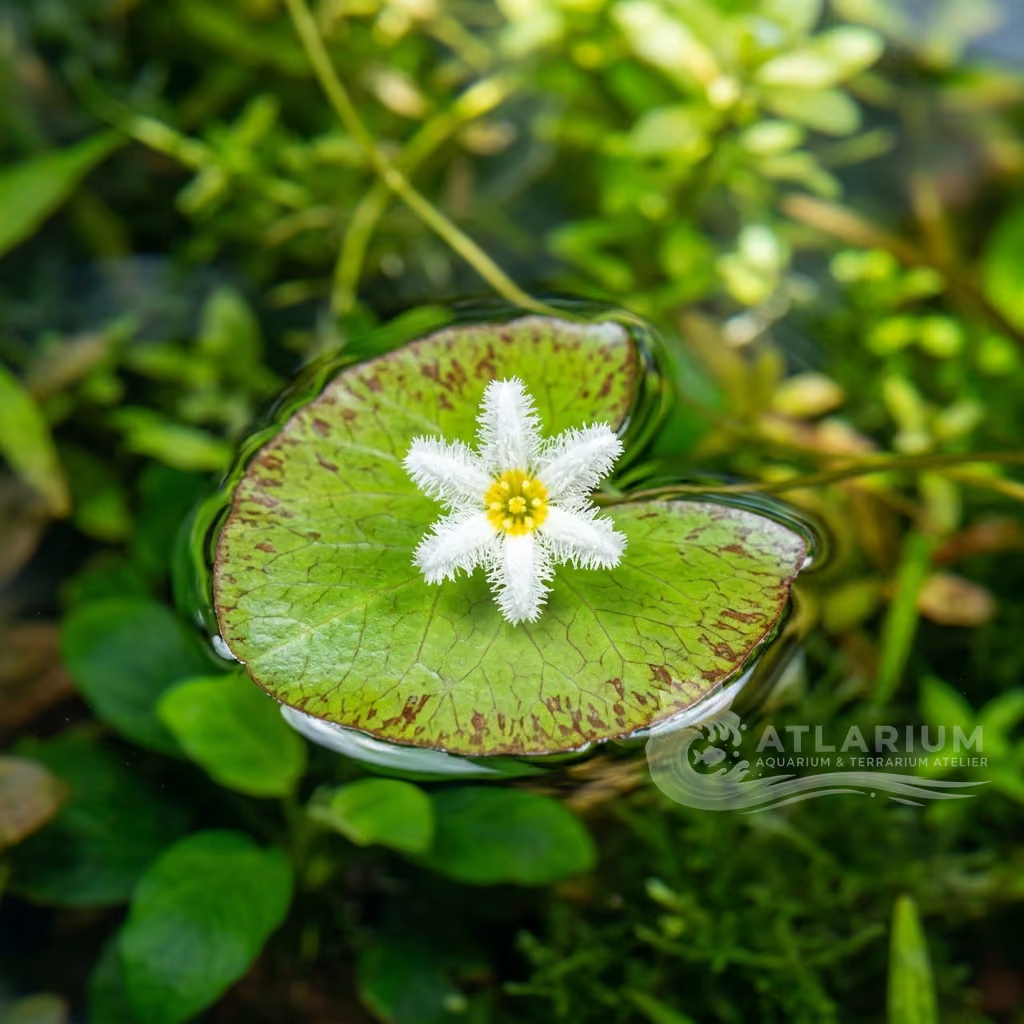
- The plant exhibits a characteristic stem-like structure from which light green, delicate, deeply lobed or heart-shaped leaves emerge. Unlike Nymphaea species, the leaves grow directly from the petiole nodes rather than a central tuber. It occasionally produces small, highly ornate fringed white or yellow flowers at the water's surface.
- Growth
- Fast
- The growth rate of Nymphoides ezannoi is extremely fast, especially when provided with strong light and CO2 injection. It will rapidly produce new leaves that eagerly stretch toward the water's surface to form lily pads. Aggressive and frequent pruning is essential to maintain a compact, submerged bush form.
- Substrate
- High
- A fine, nutrient-rich soil or clay-based substrate is optimal to support the delicate root system of this species. Root development is relatively shallow compared to true water lilies, but a fertile base significantly enhances overall vigor. Regular use of root tabs in inert substrates is strongly recommended to sustain healthy growth.
- Column fertilization
- Recommended
- It is an aggressive column feeder, quickly taking up dissolved macronutrients directly from the water through its foliage. A consistent regimen of comprehensive liquid fertilization is essential to prevent stunted growth and leaf melting. Regular liquid dosing supports the rapid generation of new leaves and stems.
- Root fertilization
- Required
- While it draws heavily from the water column, root fertilization provides a crucial secondary nutrient source. Burying root tabs in the vicinity of the plant's base encourages thicker stems and larger, more robust leaves. This practice ensures the plant has a stable reserve of nutrients if water column levels fluctuate.
- Trimming
- Occasional
- Requires frequent trimming of surface leaves to prevent it from completely shading the tank below. Cut the stems as close to the base as possible to avoid rotting stumps. Removing older leaves encourages fresh, vibrant new ones.
- Propagation
- Division
- Propagation is incredibly easy and occurs through vegetative reproduction at the leaf nodes. New roots and plantlets will sprout directly from the petiole just below an mature leaf. Simply cut the stem an inch below the new plantlet and replant it directly into the substrate to grow a new specimen.
- Sensitivity
- Moderate
- Relatively hardy but needs good light to prevent the lower portions of the stems from rotting. Sudden changes in water chemistry can lead to leaf melt. It prefers a gentle water flow.
- Layout role
- Midground, accent
- Great for creating a lily pad effect at the surface, providing natural shade and cover for shy or surface-dwelling fish. It adds a natural, biotope-like feel to the upper levels of the aquarium.

Related species
Recommendations grouped by close relatives, companion choices, and similar care.