Nymphoides sp. 'Taiwan' ('Flipper')
Nymphoides sp. 'Taiwan' ('Flipper')
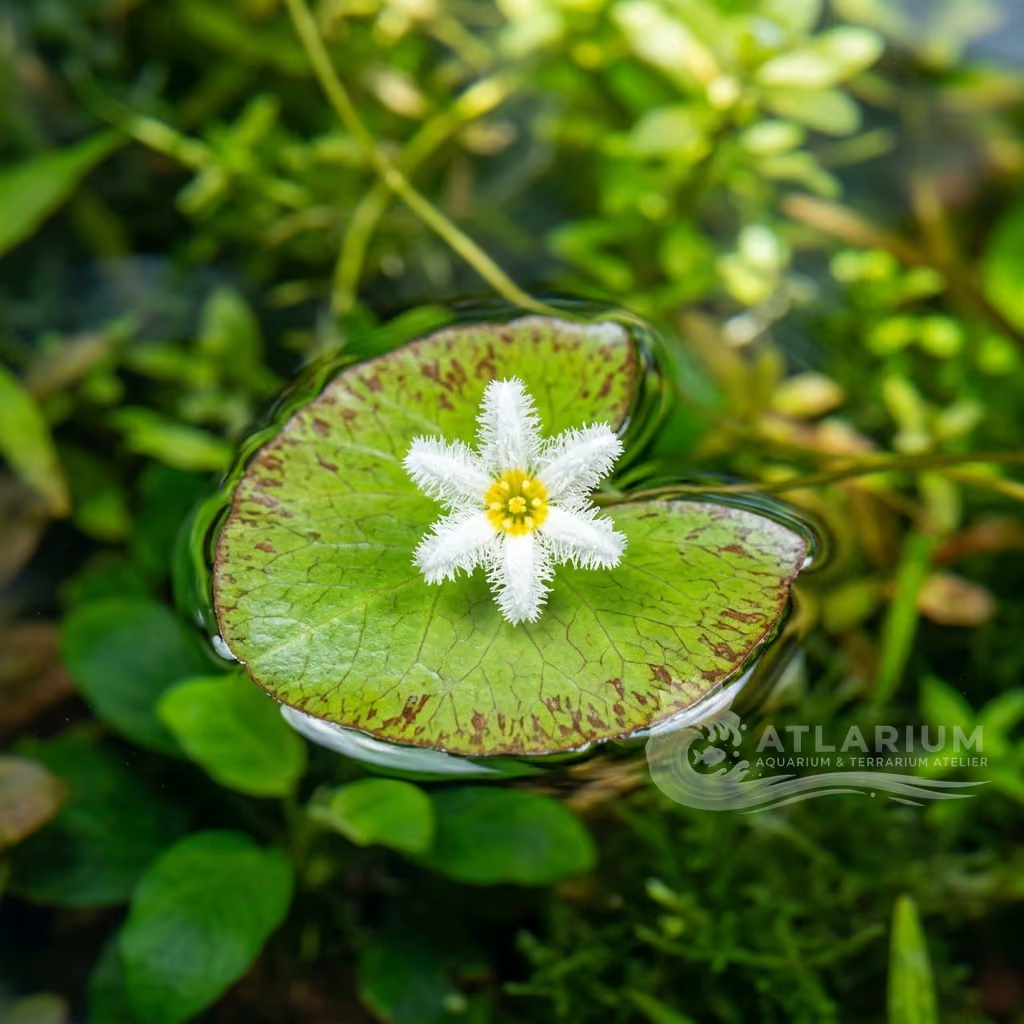
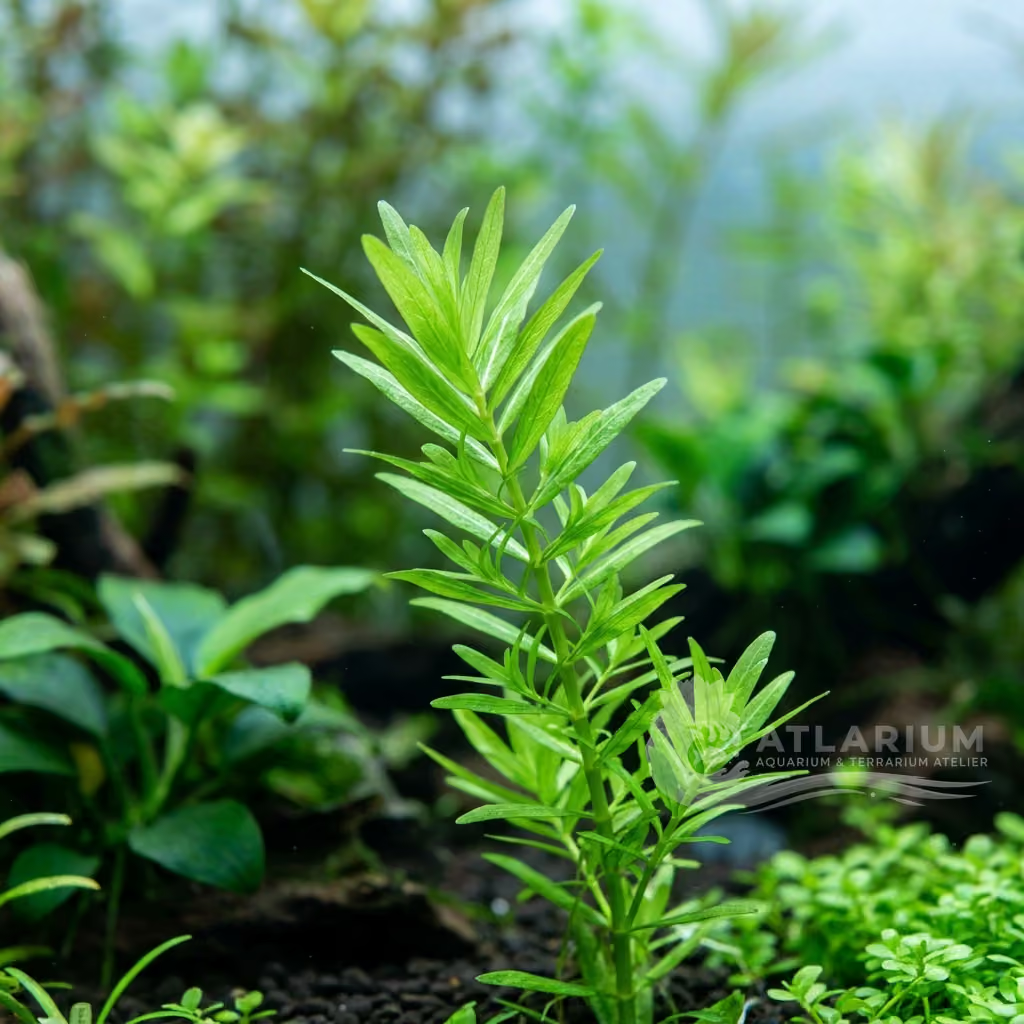
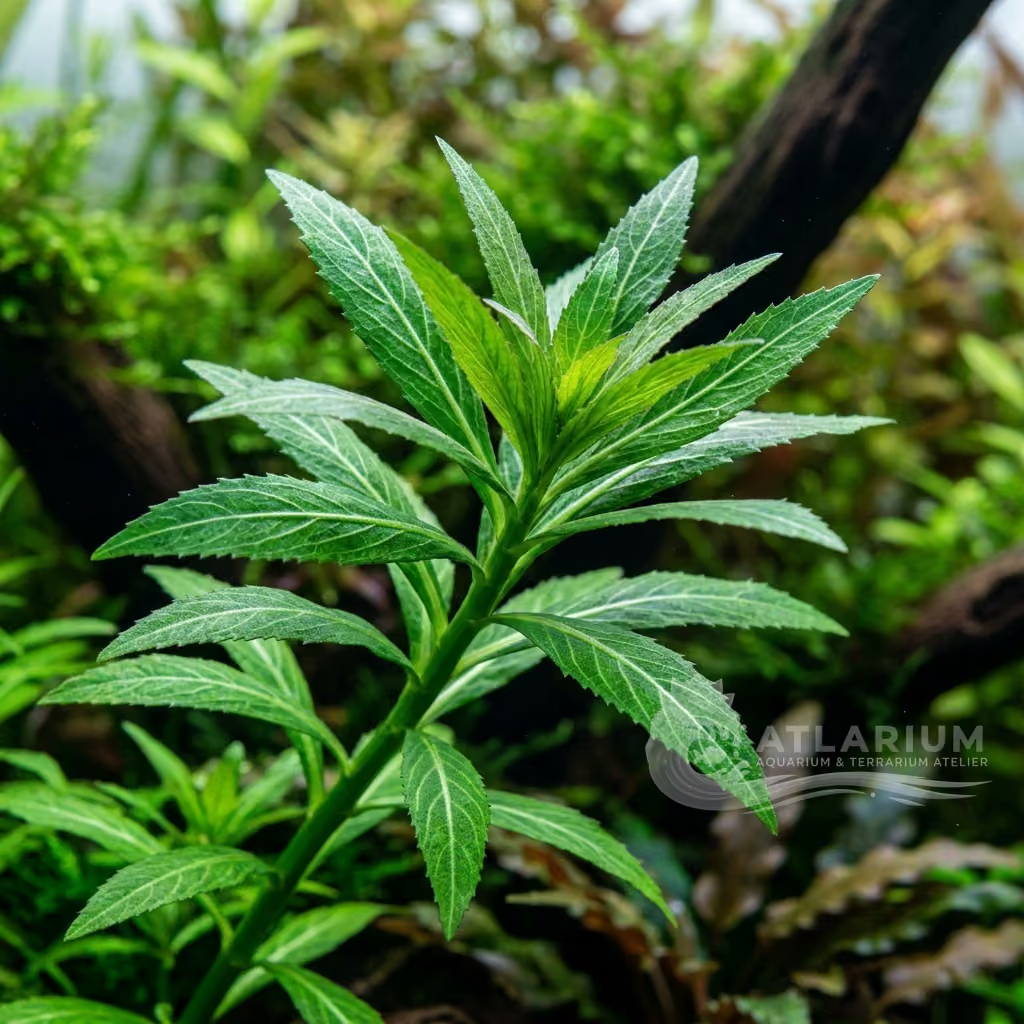
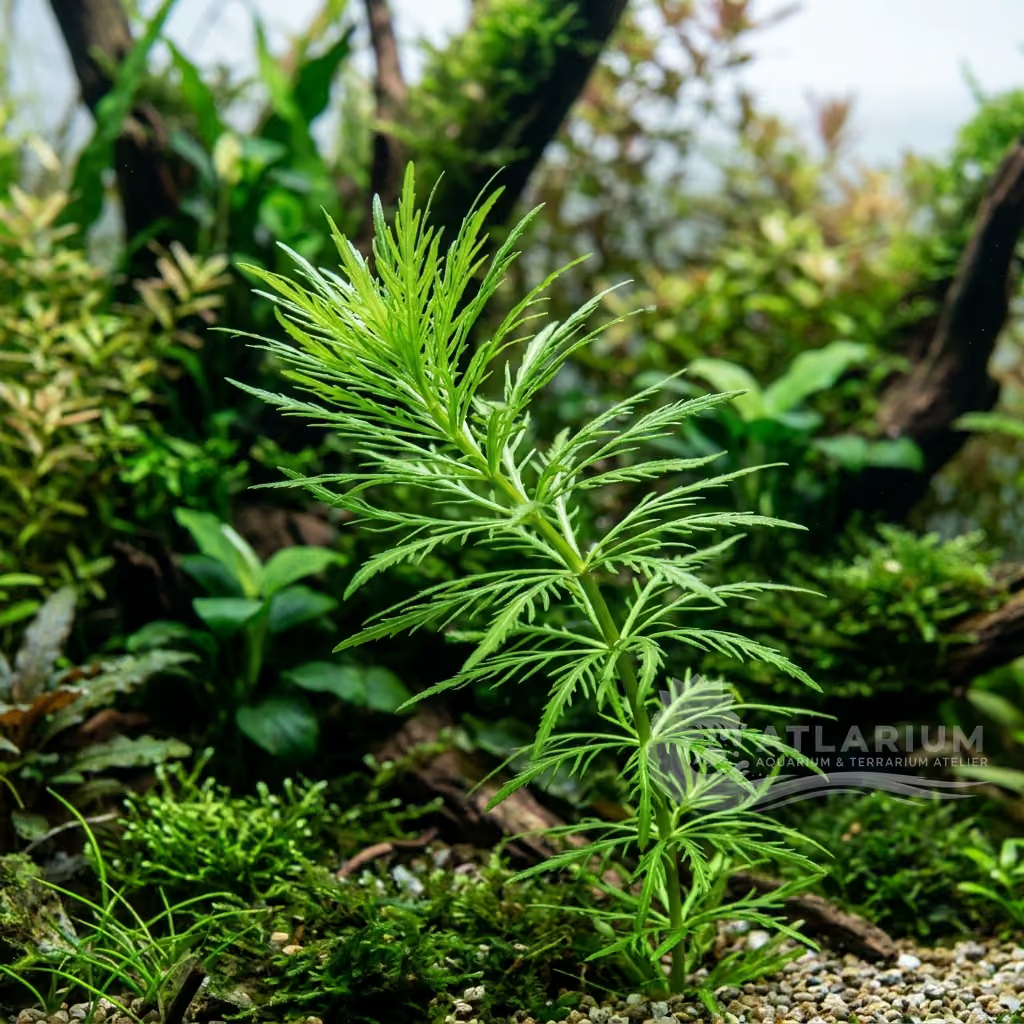
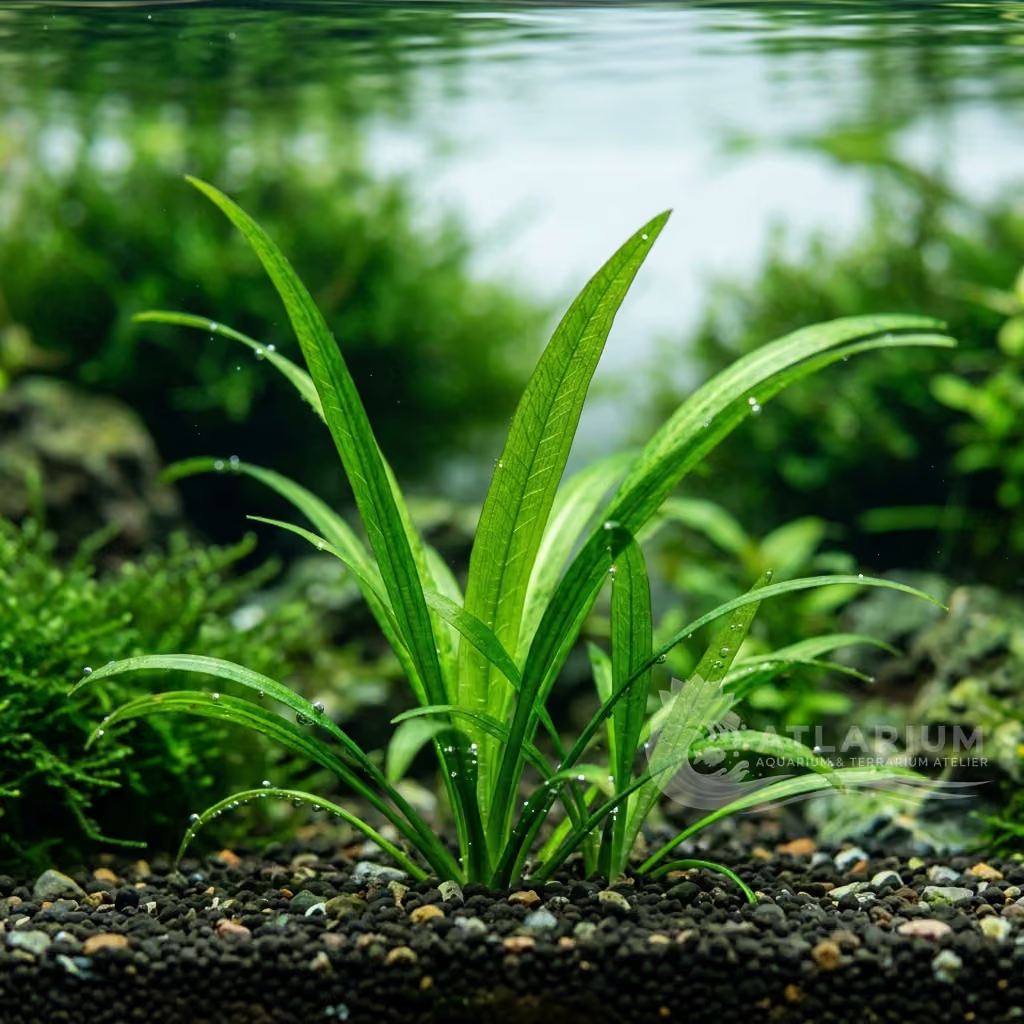
Nymphoides sp. 'Taiwan' ('Flipper') is a fast-growing aquatic plant ideal for midground placement, where it creates a vibrant focal point. Its distinctive ruffled leaves and rapid expansion make it perfect for adding dynamic volume and striking color to an aquarium layout.
Water Temperature
15 - 32 °C
pH Value
5 - 8
Water type
Freshwater
Light
Medium to High
CO2
High
KH
0 - 21 dKH

Species description
Geographical Origin and Habitat: Nymphoides sp. 'Taiwan' ('Flipper') is an aquatic plant whose common name strongly associates it with the island of Taiwan, though its precise wild origin or specific cultivar status remains a subject of botanical discussion. In its presumed natural habitats, it thrives in freshwater environments such as slow-moving rivers, ponds, or shallow lakes, where conditions typically offer clear, nutrient-rich waters. The plant is adapted to tropical or subtropical climates, showcasing remarkable adaptability once established in an aquarium. Its presence in nature can contribute to forming dense submersed or floating mats.
Taxonomy & Genetics: Belonging to the Menyanthaceae family, Nymphoides sp. 'Taiwan' ('Flipper') shares common traits with other species in the Nymphoides genus, which are typically perennial aquatic plants. The 'sp.' designation in its scientific name suggests it may be an undescribed species or a distinct geographical variant. Genetic and morphological analyses continue to explore precise relationships within the genus, given the frequent variability among wild populations. This plant is often considered an ornamental form, selected for its distinctive aesthetic characteristics, particularly the unique leaf shape.
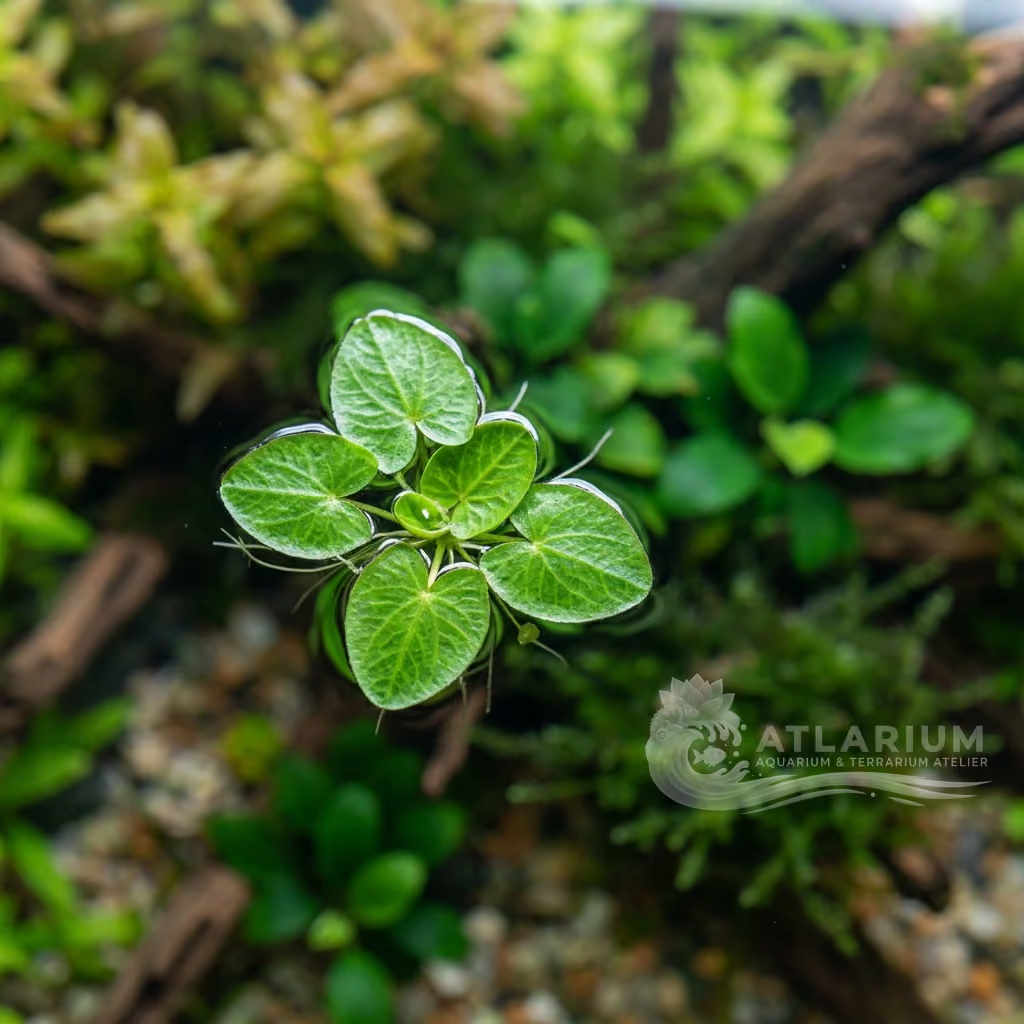
Physical Structure: Nymphoides sp. 'Taiwan' ('Flipper') is characterized by a growth system that includes both a creeping rhizome and the production of stolons, enabling it to expand horizontally across the substrate or through the water column. Its leaves are the most distinctive feature, typically round or heart-shaped, reaching diameters of 5-10 cm. Each leaf is attached to a long petiole that extends from the base of the plant or its stolons, with a tendency to grow towards the surface if left unchecked. Under optimal conditions, it forms a dense bush in the midground but can also develop floating leaves that may shade underlying plants.
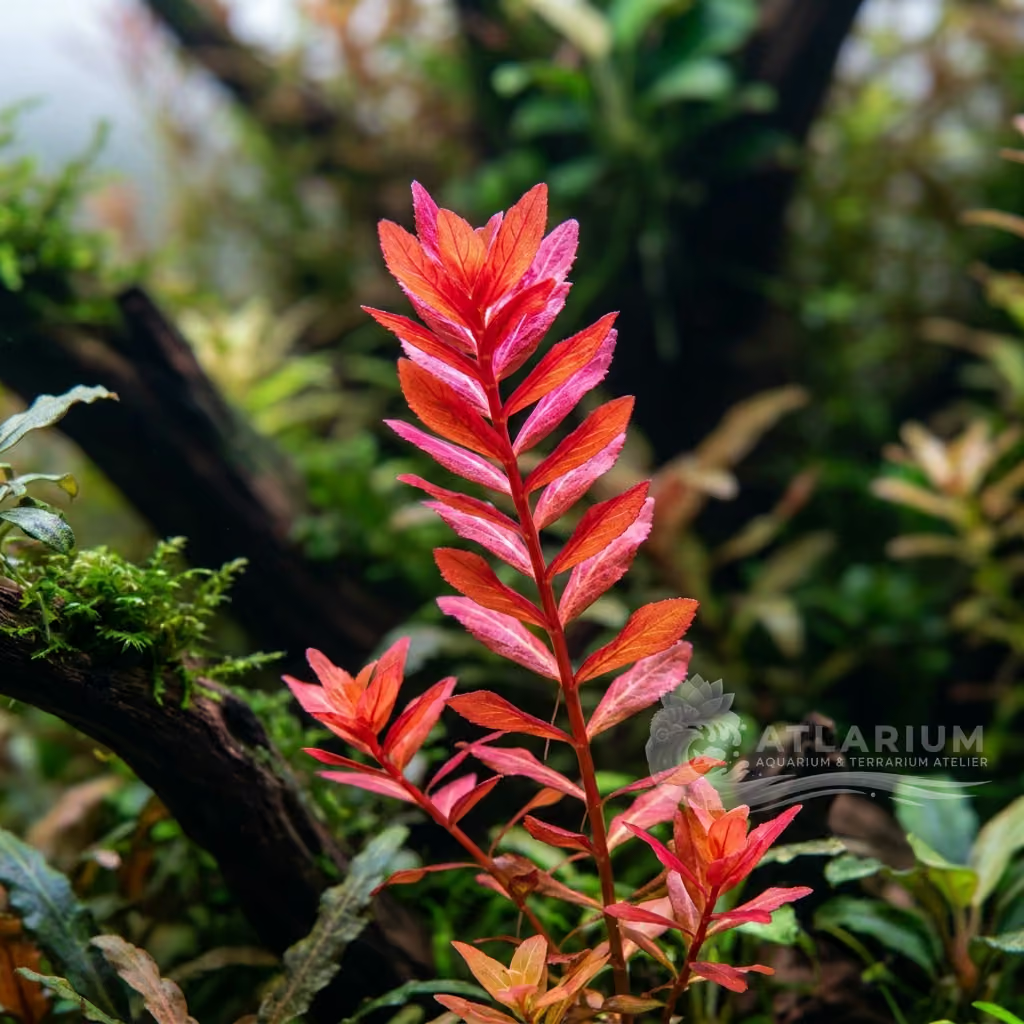
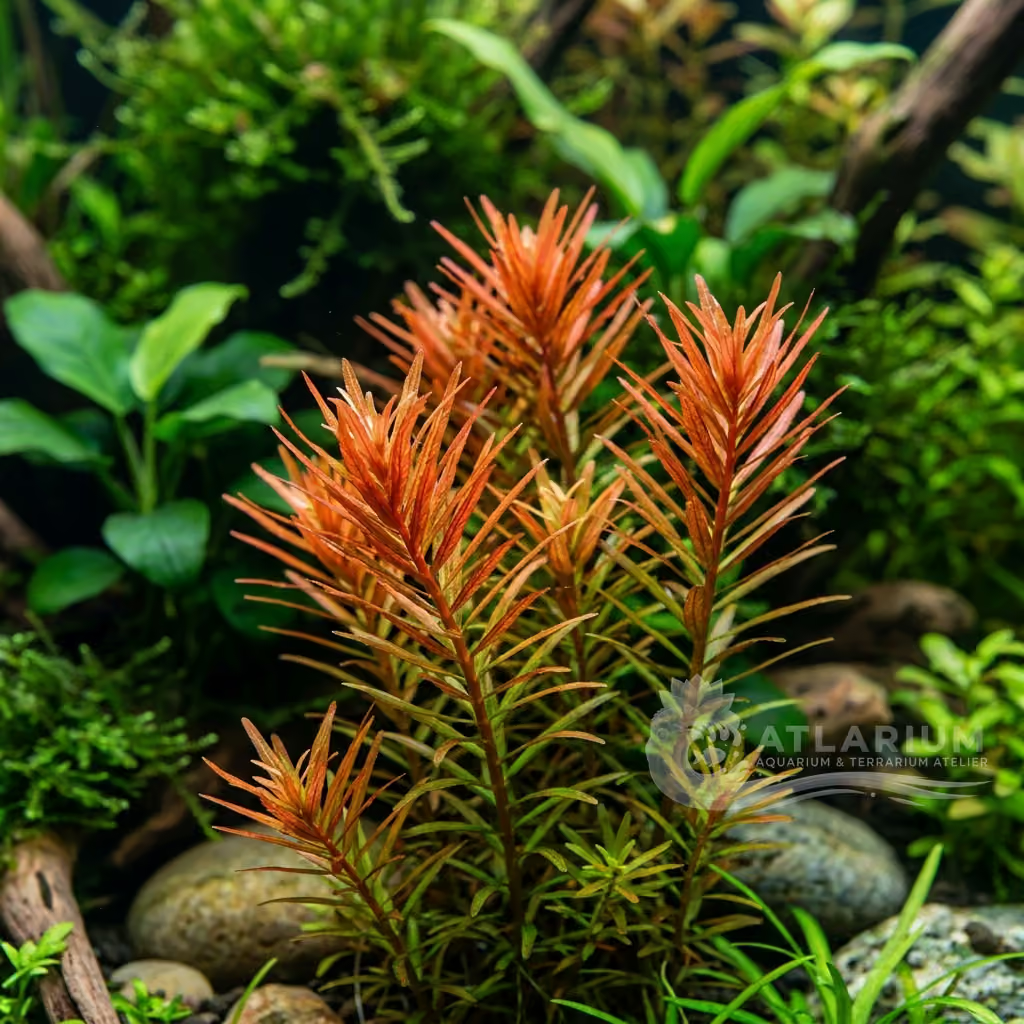
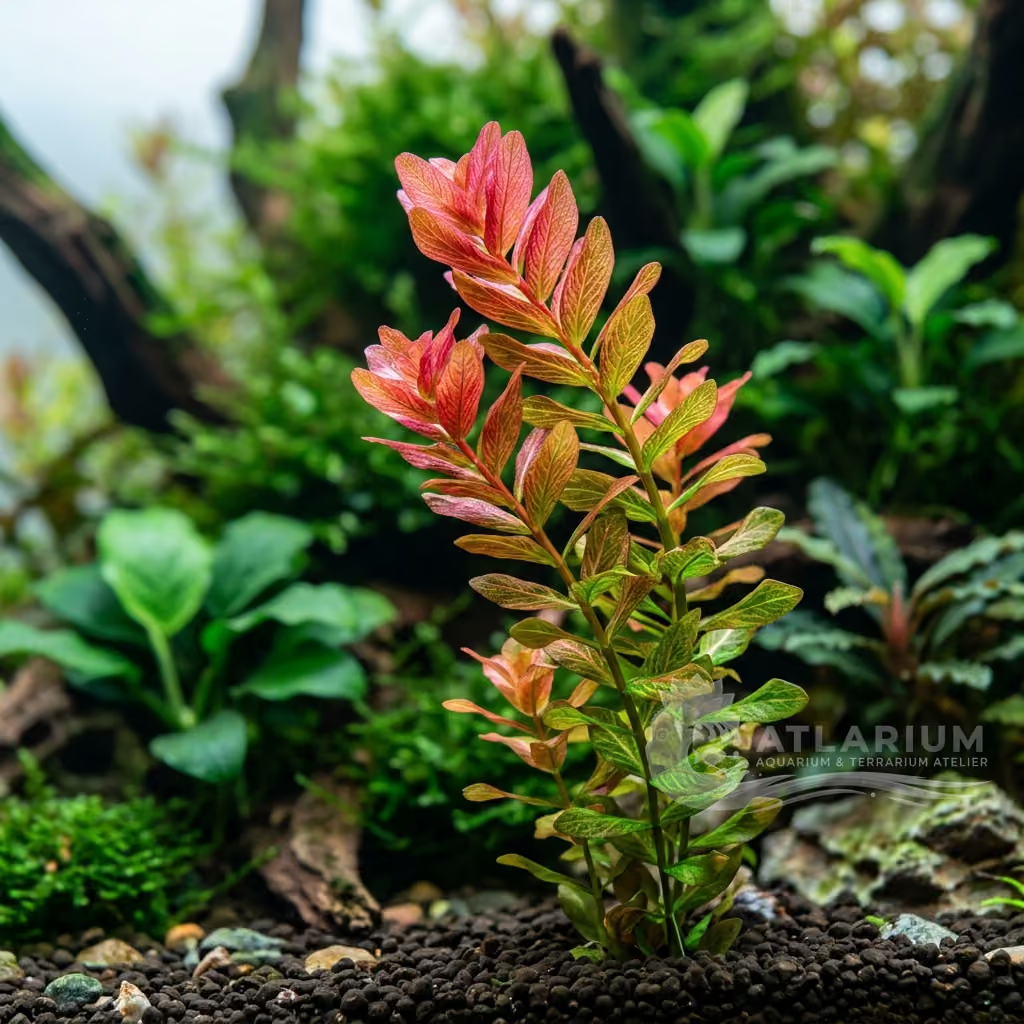
Color & Texture: The leaf coloration of Nymphoides sp. 'Taiwan' ('Flipper') ranges from light green to medium green, with the ability to develop coppery or reddish hues on the underside and along the margins under intense lighting and adequate nutrient supplementation. The leaf texture is smooth and slightly waxy, contributing to its glossy, healthy appearance. The "Flipper" characteristic refers to the distinctively ruffled or wavy edges of the leaves, which give them a dynamic and intricate look. This aesthetic peculiarity makes it a highly valued plant for creating visual contrasts and adding structural interest to the aquascape.

Care, breeding and tankmates
Lighting & CO2: Nymphoides sp. 'Taiwan' ('Flipper') thrives under medium to high lighting conditions, which are crucial for promoting its vibrant coloration and robust growth. Adequate light intensity, ideally with specific PAR values for high-demand plants, will encourage the development of its distinctive ruffled leaves and prevent etiolation. While not strictly mandatory, CO2 injection significantly boosts its rapid growth rate, leading to larger, healthier plants and more intense leaf pigmentation. Supplementing with CO2 also helps prevent algal competition by promoting vigorous plant health.
Nutrition & Substrate: As a fast-growing plant, Nymphoides sp. 'Taiwan' ('Flipper') has high nutritional demands, requiring both a nutrient-rich substrate and
Water Chemistry: Nymphoides sp. 'Taiwan' ('Flipper') is a relatively tolerant plant regarding water parameters, adapting to a wide range of temperatures, pH, and carbonate hardness (KH). The ideal temperature range is between 15.0 and 32.0 C, allowing it to thrive in both tropical and subtropical aquariums. For pH, it tolerates values between 5.0 and 8.0, and a KH between 0.0 and 21.0, indicating good flexibility. However, for optimal growth and to maximize color vibrancy, it is preferable to maintain water parameters as stable as possible, avoiding extreme fluctuations that could stress the plant.
Space Management & Placement: Given its rapid growth rate and tendency to produce floating leaves, Nymphoides sp. 'Taiwan' ('Flipper') requires careful space management and strategic placement in the aquarium layout. It is ideal for the midground, where it can form a dense bush and serve as a focal point or a transition between shorter and background plants. It is important to ensure it has sufficient space to expand without excessively shading nearby plants, given the potential size of its leaves. Regular
Pruning: Pruning Nymphoides sp. 'Taiwan' ('Flipper') is a fundamental operation to control its rapid growth and maintain the desired aesthetics in the aquarium. It is advisable to regularly remove older or damaged leaves from the base of the plant, as well as excessively long petioles that tend to reach the water surface. To manage its lateral expansion and prevent overcrowding, stolons and new shoots developing from the rhizome can be trimmed or replanted elsewhere. Consistent pruning not only improves the plant's appearance but also stimulates denser, more compact growth at the midground level.
Risks & Diseases: Despite being a robust plant, Nymphoides sp. 'Taiwan' ('Flipper') can be susceptible to common aquatic problems if conditions are not optimal. Nutrient deficiencies manifest as yellowing leaves (chlorosis, often due to lack of iron or nitrogen) or holes (potassium deficiency). Insufficient lighting can lead to smaller, less colored leaves with elongated stems (etiolation). Like many fast-growing plants, it can attract algae if the nutrient-light balance is imbalanced. It is also important to monitor root health in the substrate, as compacted or anaerobic substrate can cause root rot and compromise its growth.

Geographic origin and distribution
Nymphoides sp. 'Taiwan' ('Flipper') is an aquatic plant whose common name strongly associates it with the island of Taiwan, though its precise wild origin or specific cultivar status remains a subject of botanical discussion. In its presumed natural habitats, it thrives in freshwater environments such as slow-moving rivers, ponds, or shallow lakes, where conditions typically offer clear, nutrient-rich waters. The plant is adapted to tropical or subtropical climates, showcasing remarkable adaptability once established in an aquarium. Its presence in nature can contribute to forming dense submersed or floating mats.
Origin
East Asia

Plant profile
- Placement
- Midground
- This beautiful, light-green plant makes an excellent focal point in the midground of an aquascape. Its bright coloration offers a striking contrast to darker green mosses or deep red background plants. Unlike many other Nymphoides, 'Taiwan' tends to stay submerged longer, making it highly desirable for strictly underwater aquascaping.
- Botanical form
- Rosette
- The plant is characterized by its exceedingly delicate, translucent, bright green leaves that are broad and kidney-shaped. It forms a dense, bushy rosette of submerged foliage that looks incredibly fragile but is surprisingly resilient. It rarely attempts to produce floating lily pads, preferring to maintain its lush, underwater 'flipper' form.
- Growth
- Fast
- The growth rate is exceptionally fast, especially in high-tech setups with CO2 injection and intense lighting. It rapidly produces a dense cluster of submerged leaves, constantly expanding its footprint in the aquarium. Frequent trimming is required to keep the plant compact and prevent it from overshadowing adjacent foreground flora.
- Substrate
- High
- It thrives best in a nutrient-rich aquasoil that provides a soft, penetrable medium for its fine root system. While not strictly reliant on heavy root feeding like bulb plants, a fertile substrate dramatically increases its size and bushiness. If using inert sand, the periodic addition of high-quality root tabs is essential for sustained health.
- Column fertilization
- Recommended
- Because of its fast growth and thin leaves, it draws heavily on nutrients directly from the water column. A comprehensive liquid fertilization routine is imperative to prevent the older leaves from quickly yellowing and disintegrating. Daily dosing of NPK and trace elements yields the most robust, densely foliated specimens.
- Root fertilization
- Required
- Root fertilization acts as an excellent supplementary nutrient source, ensuring stable growth during water parameter fluctuations. Burying root tabs beneath its base encourages the development of a stronger root network and thicker petioles. This is particularly important in older setups where the aquasoil's initial nutrients have been depleted.
- Trimming
- Occasional
- Remove older, larger leaves at the base to encourage fresh, compact new growth from the center of the rosette. Trimming prevents it from taking over the tank and keeps the leaves a manageable size.
- Propagation
- Division
- Propagation is unique and incredibly easy; the plant spontaneously produces plantlets at the junction of the leaf and the stem. As the mature leaf ages, roots and a new crown form directly on the leaf node. You can simply snip the stem below this node and plant the new tuft into the substrate to grow a new plant.
- Sensitivity
- Moderate
- It is a very hardy and adaptable plant. However, due to its broad leaves, it can be prone to collecting detritus and algae in setups with very slow water flow.
- Layout role
- Midground, accent
- Acts as a fantastic, bright green midground bush that provides a stark contrast to darker green, red, or finely textured stem plants. Its ruffled leaves add a unique texture.

Related species
Recommendations grouped by close relatives, companion choices, and similar care.