Cryptocoryne hudoroi
Cryptocoryne hudoroi
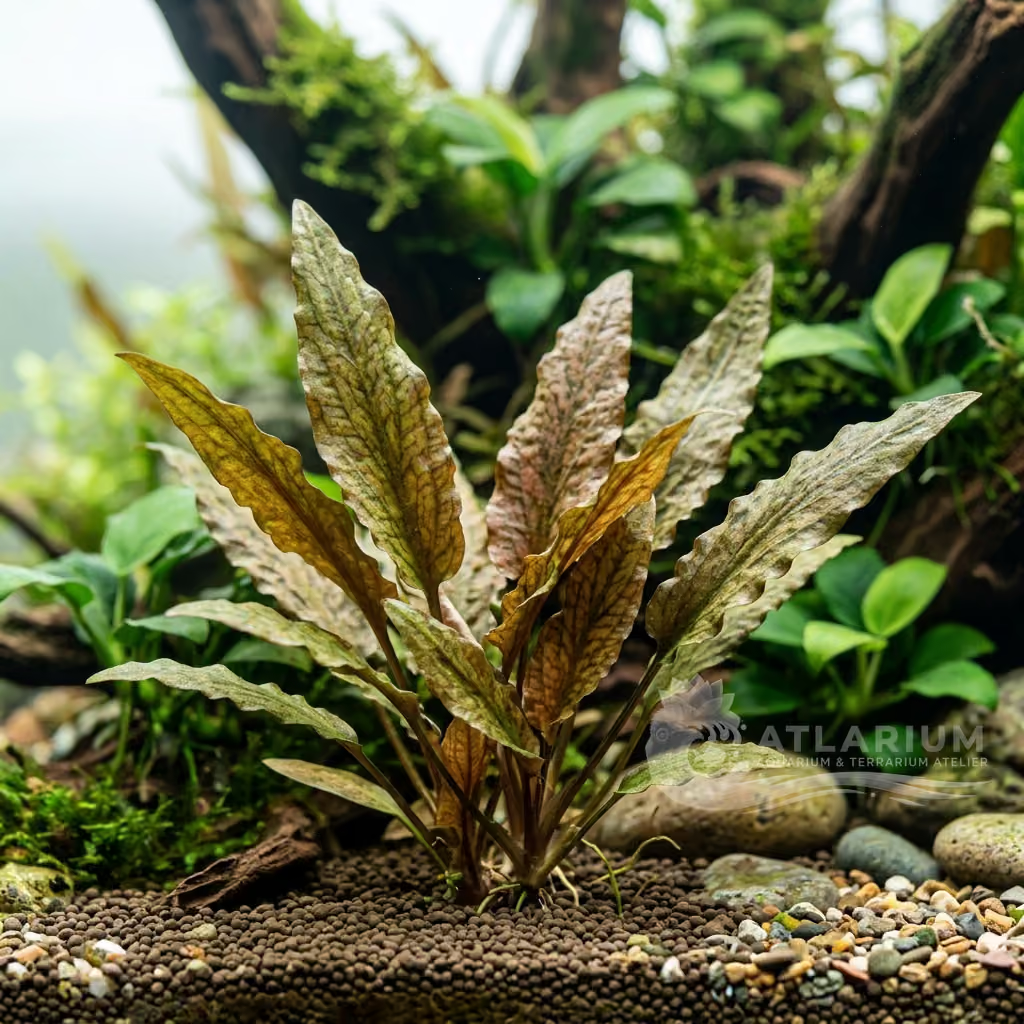
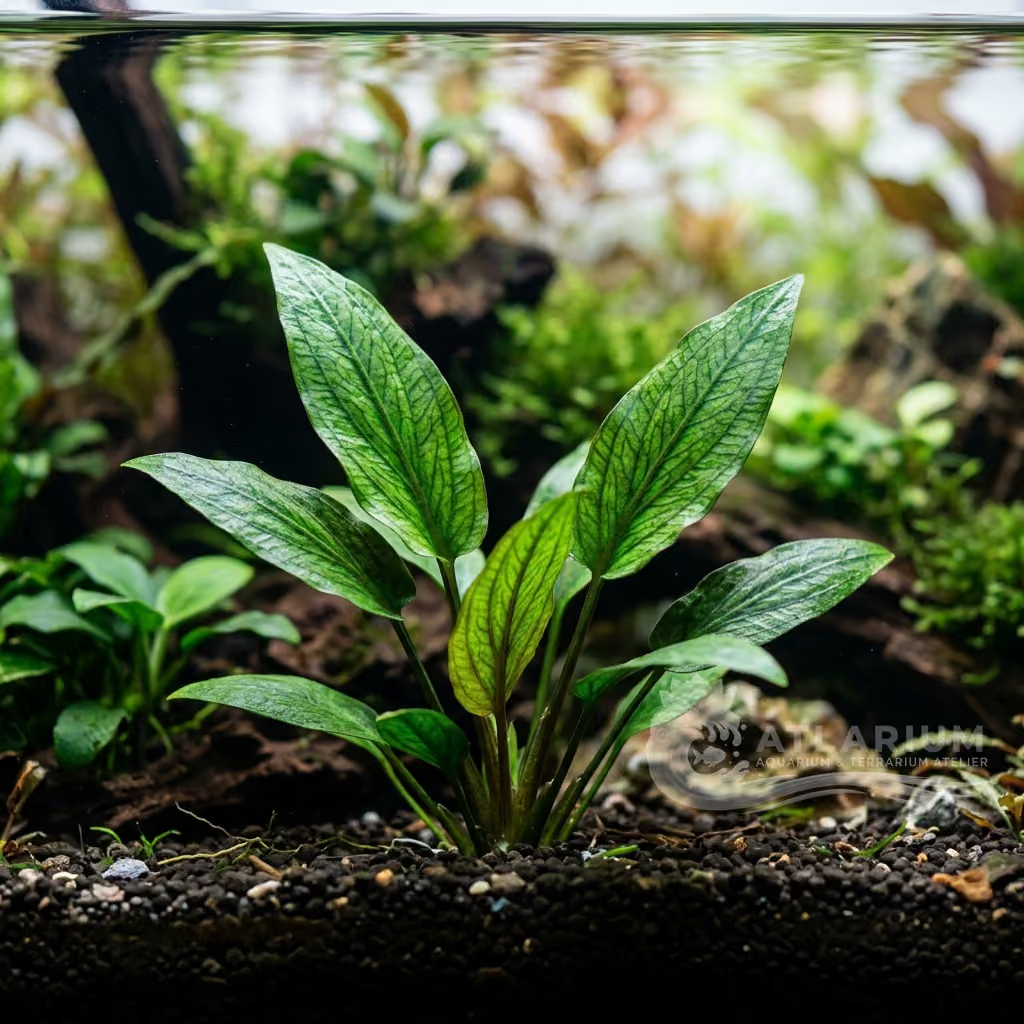
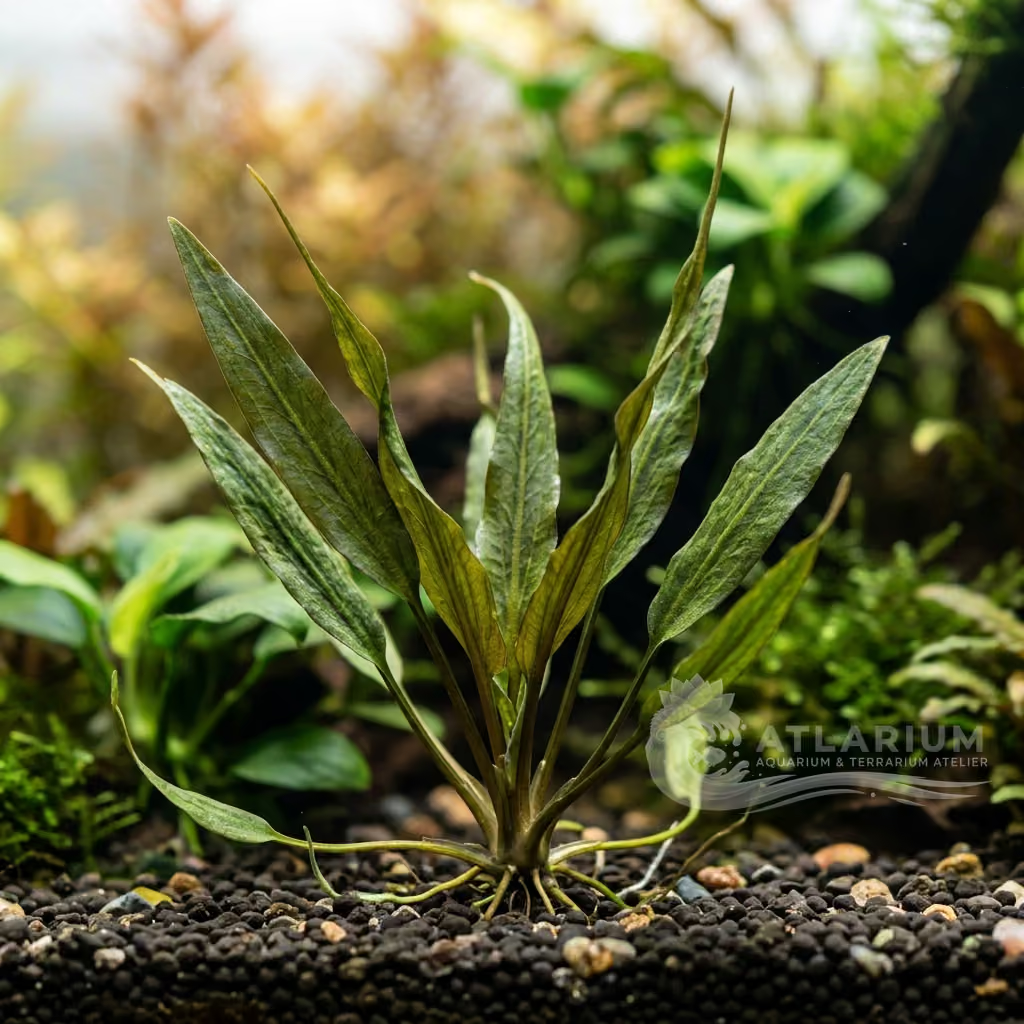
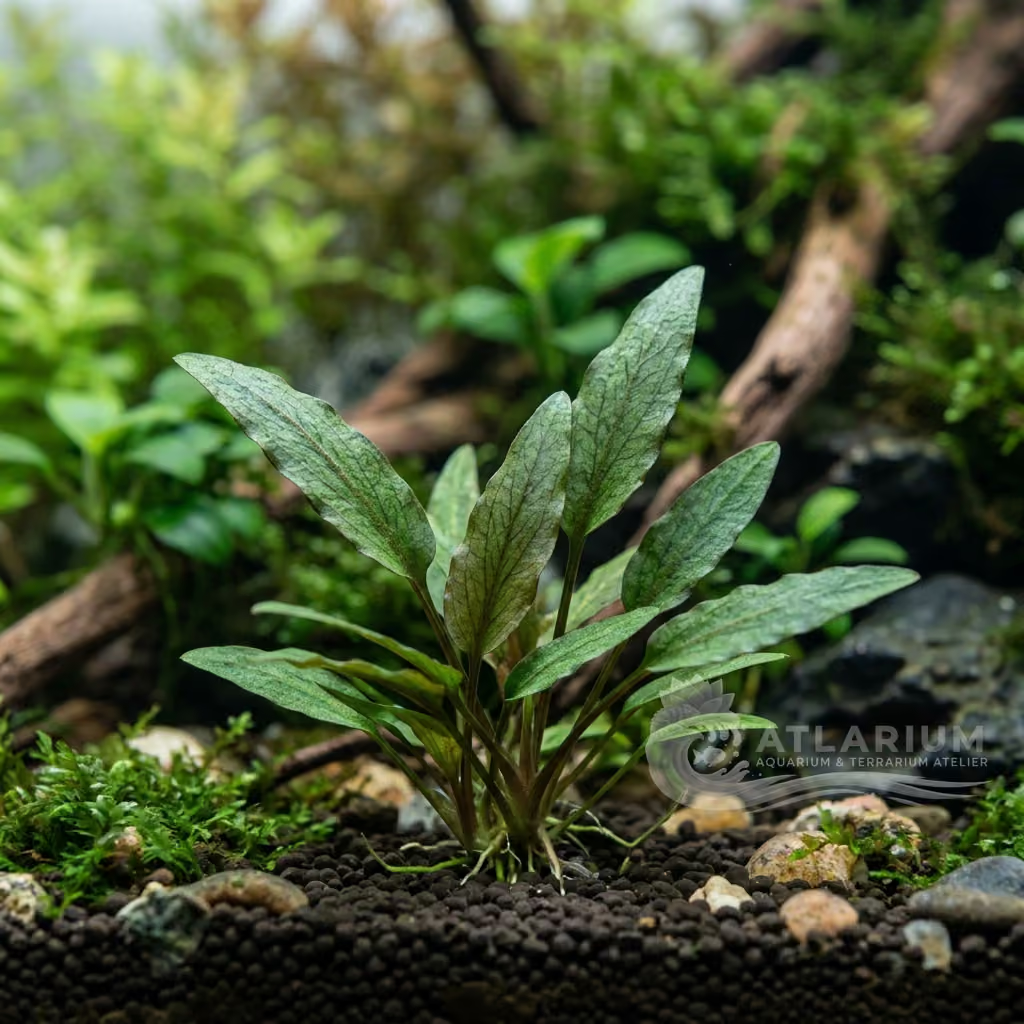
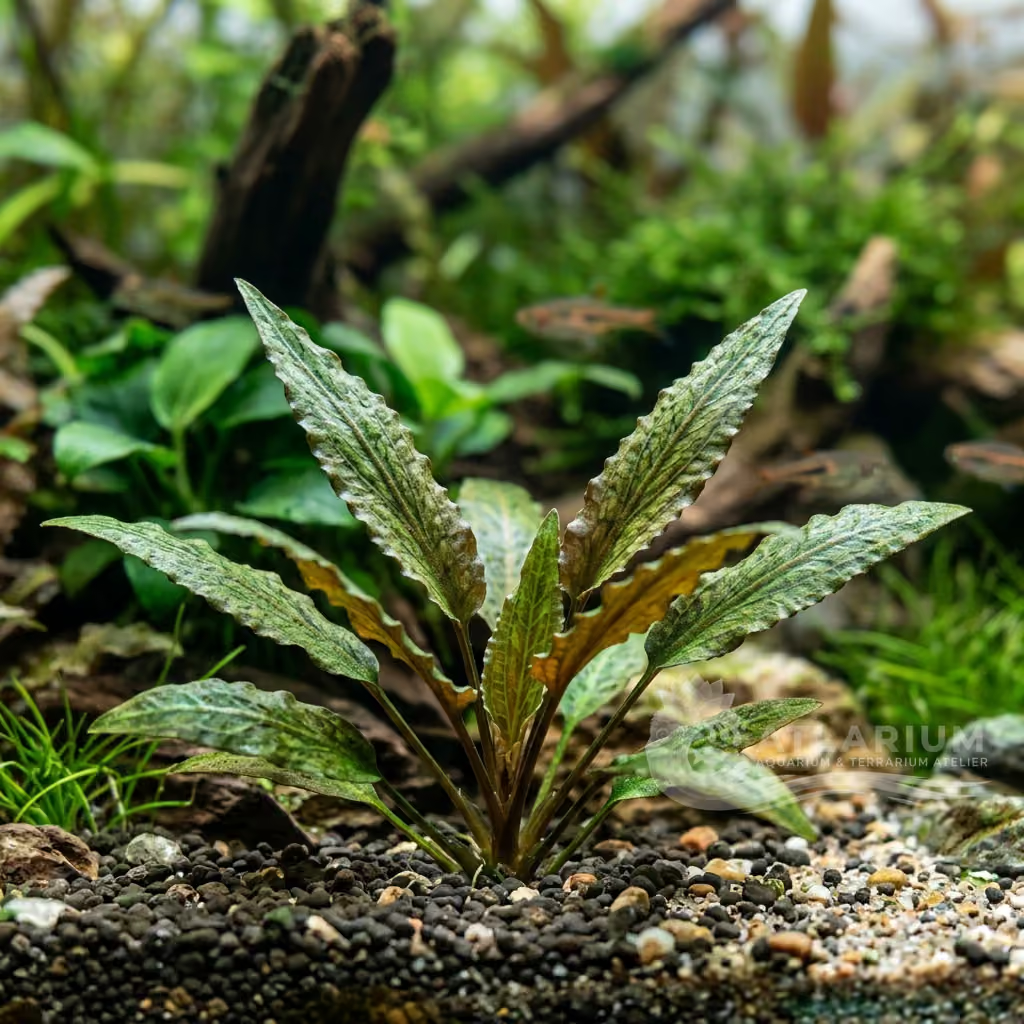
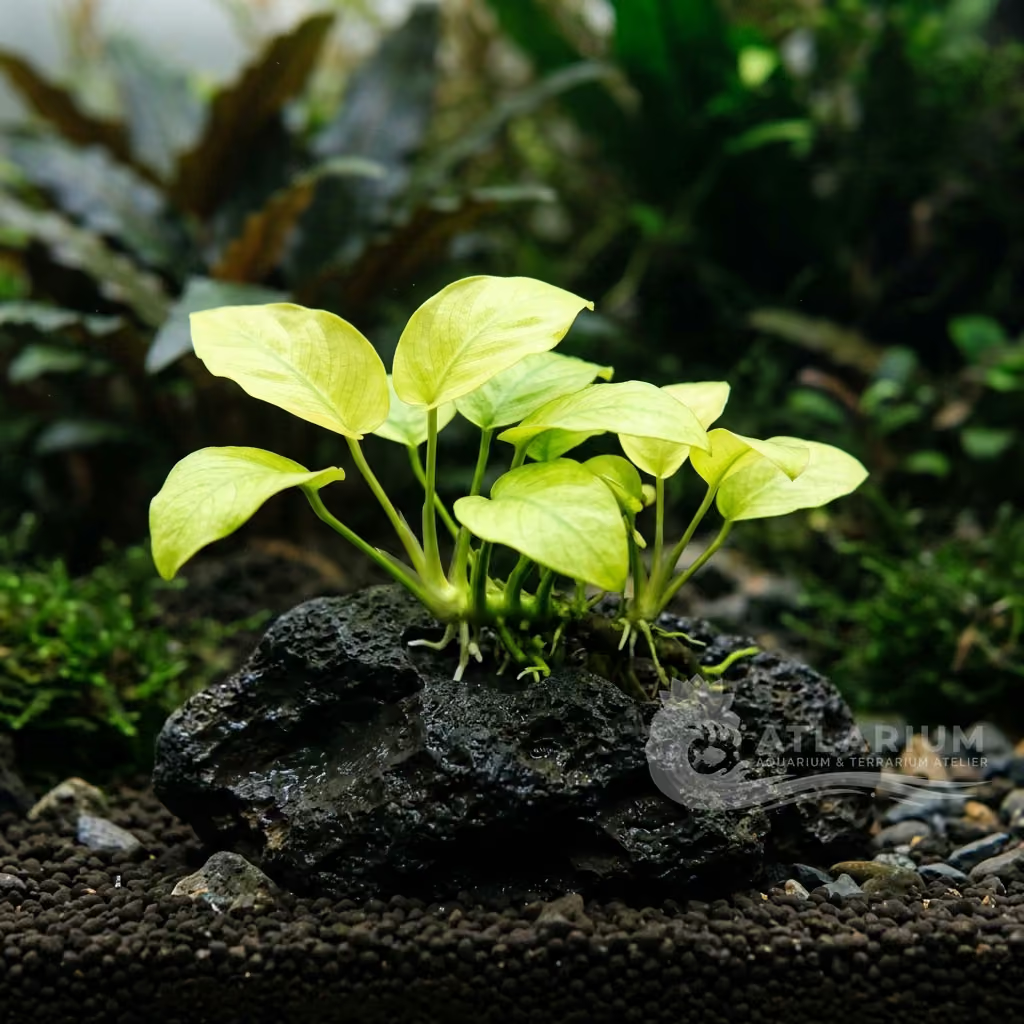
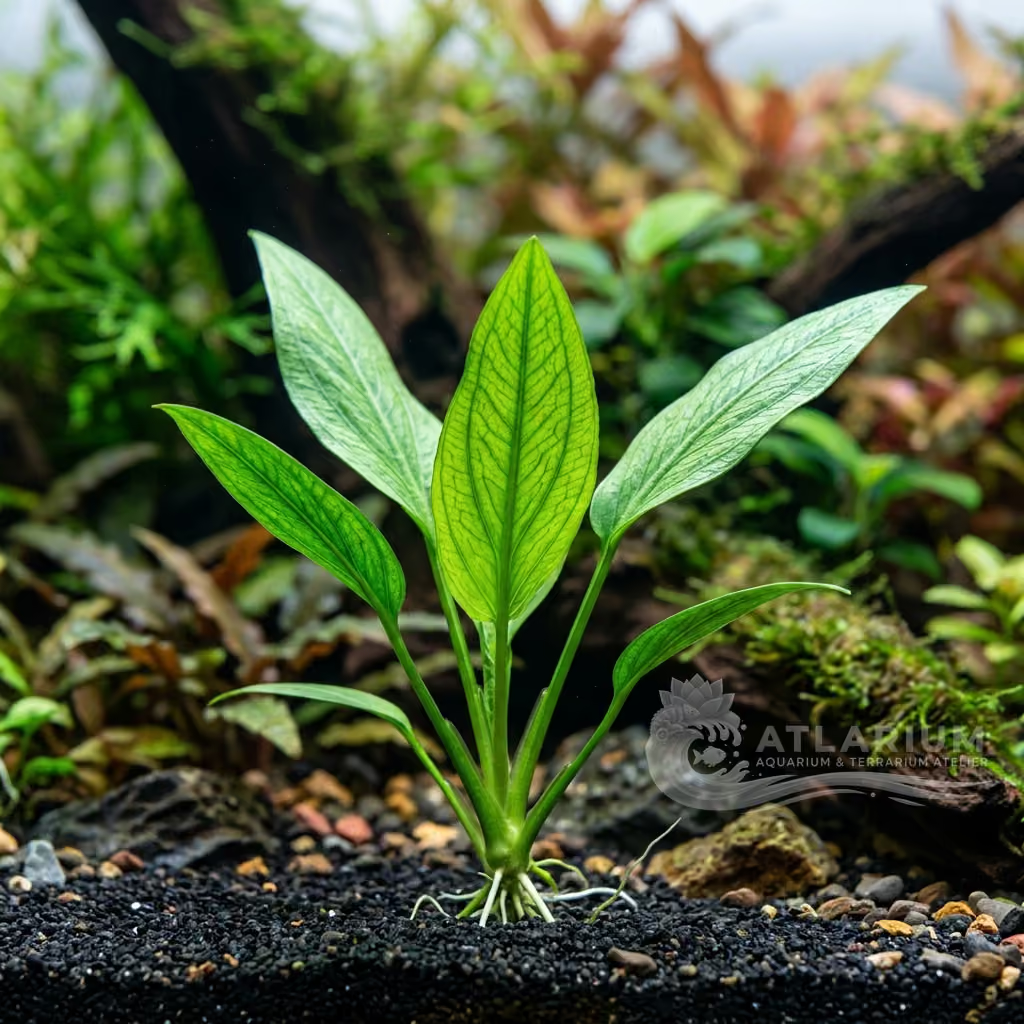
Cryptocoryne hudoroi: an extraordinary rosette plant with deeply puckered, dark green bullate leaves. Extremely decorative, ideal as a midground focal point. Light: Low to high.
Water Temperature
18 - 30 °C
pH Value
5 - 7.5
Water type
Freshwater
Light
Low to High
CO2
Low - High
Expected height
35 cm
Expected width
20 cm
KH
2 - 12 dKH

Species description
Geographical Origin and Habitat: Cryptocoryne hudoroi is native to South Kalimantan (Borneo, Indonesia). It inhabits fast-flowing rivers and streams, often growing in substrates of gravel or calcareous sand. This species is adapted to seasonal water level fluctuations and tolerates strong currents due to the tough texture of its leaves and its powerful root system.
Taxonomy & Genetics: It belongs to the Araceae family, genus Cryptocoryne. It was scientifically described based on specimens collected in Bornean river systems. Genetically, it features a distinct expression of genes responsible for the bullate (hammered) cellular structure, an evolutionary adaptation that increases leaf surface area to maximize gas exchange in rapid currents.
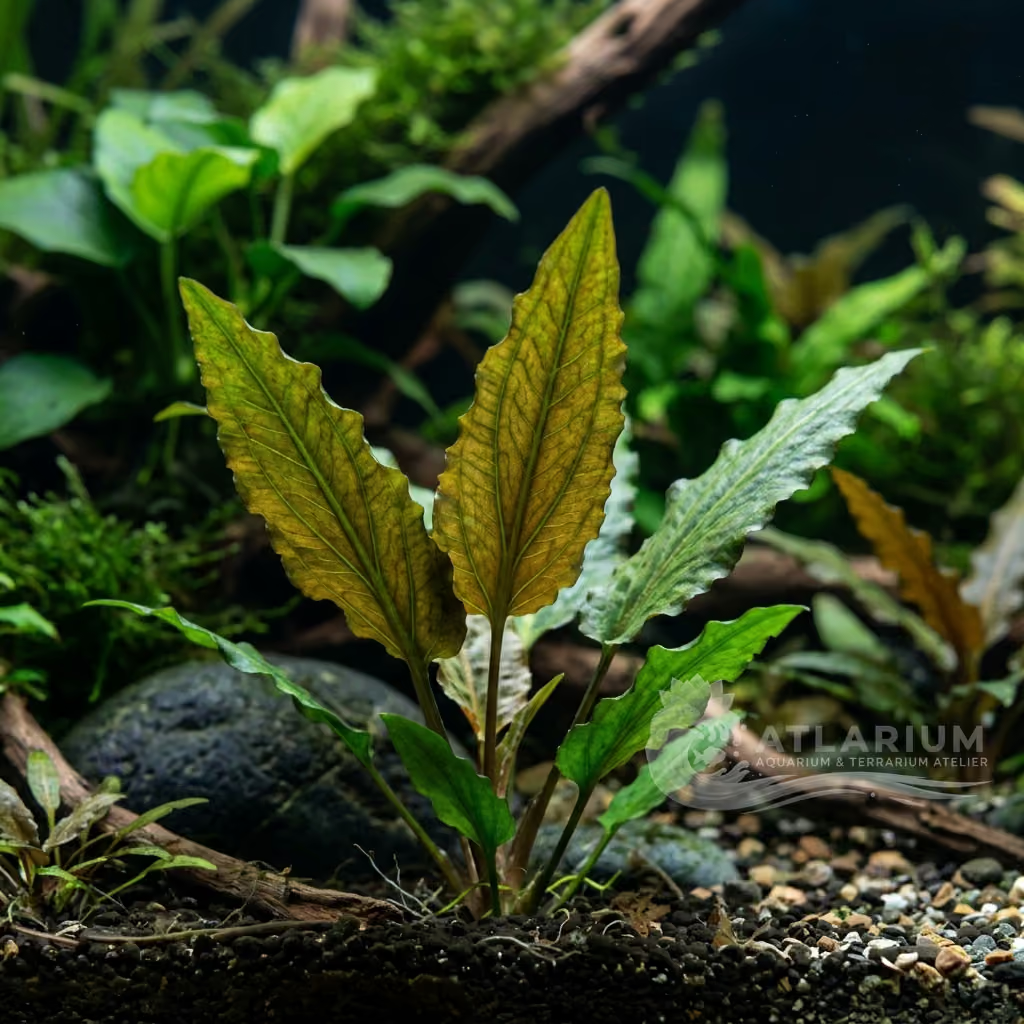
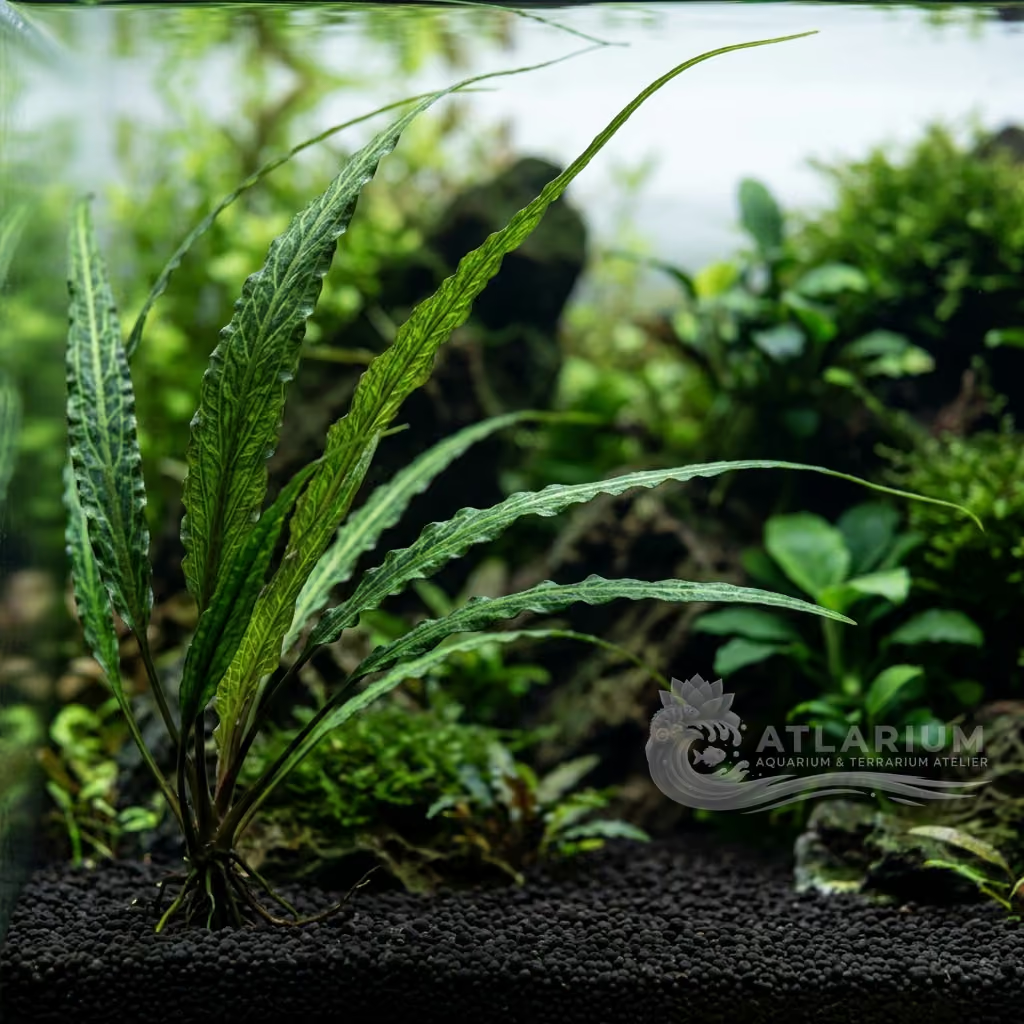
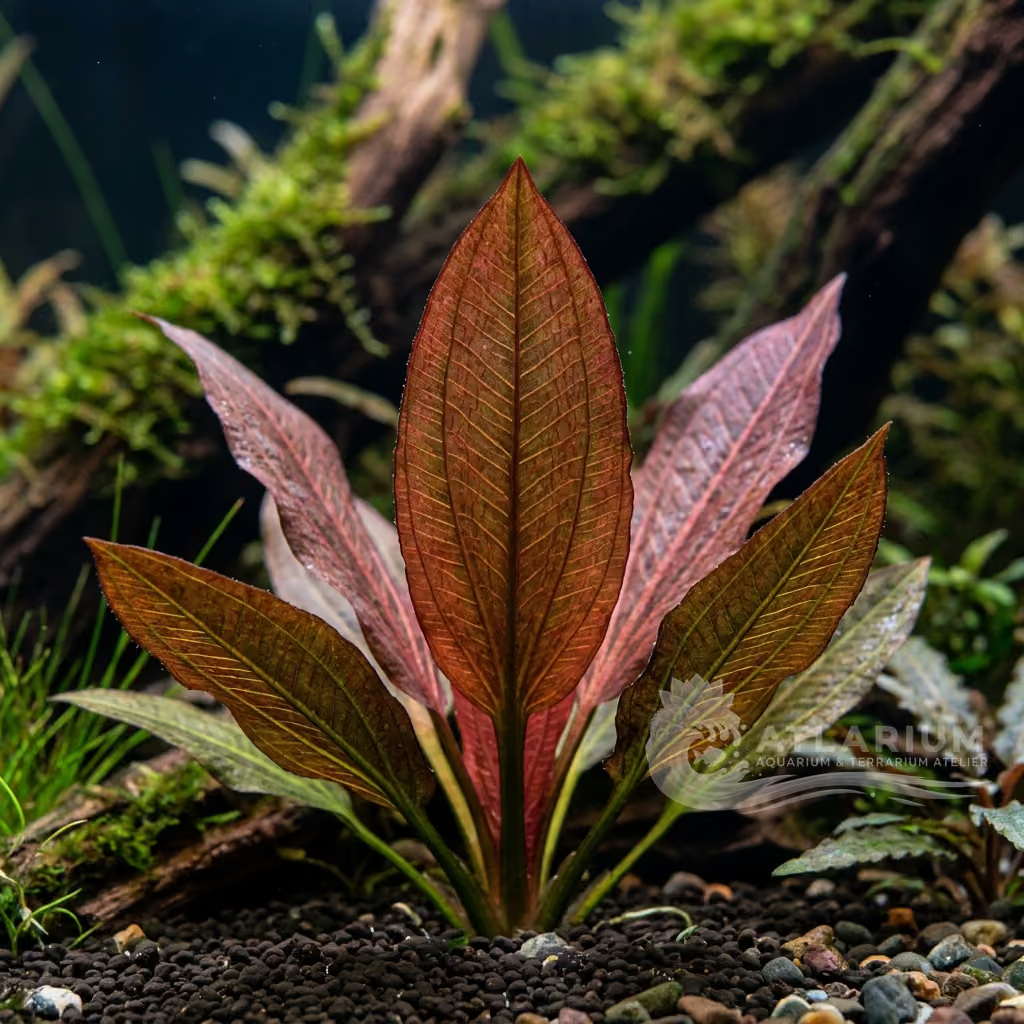
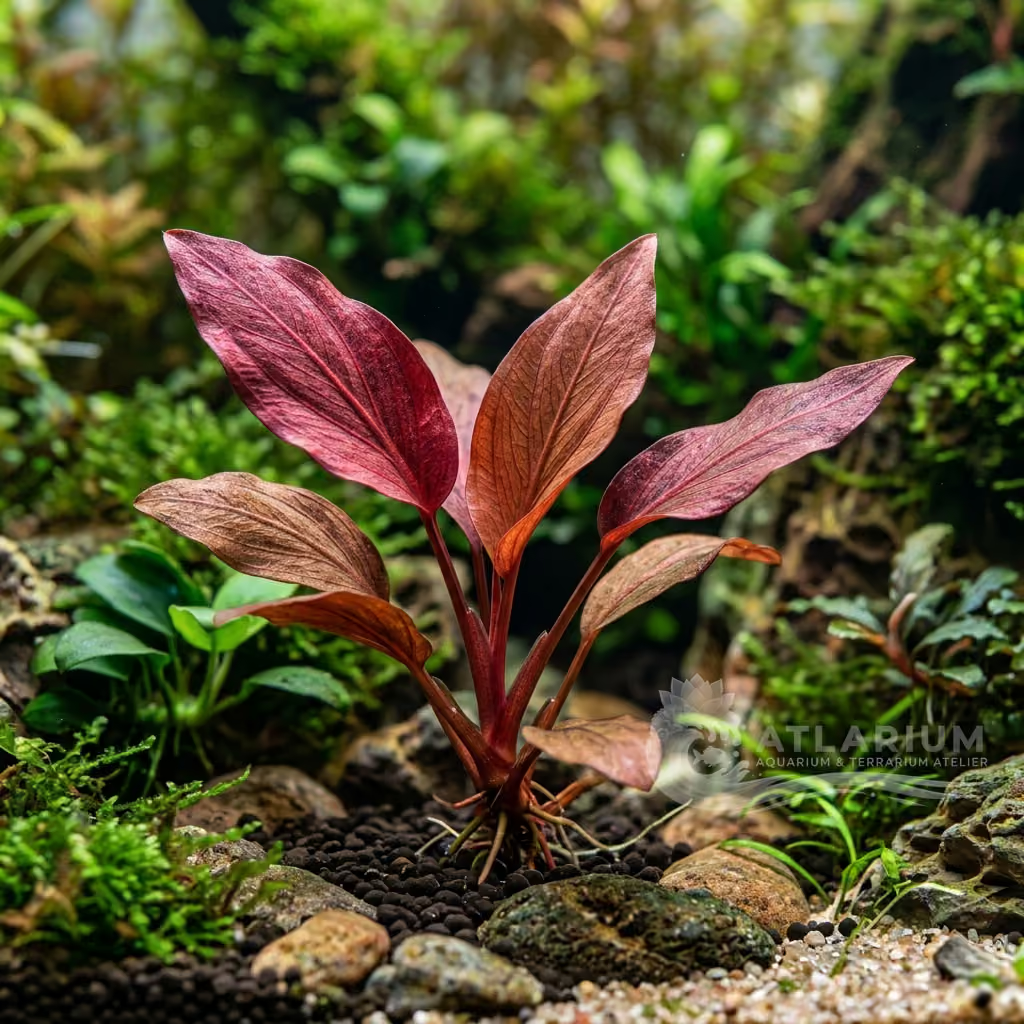
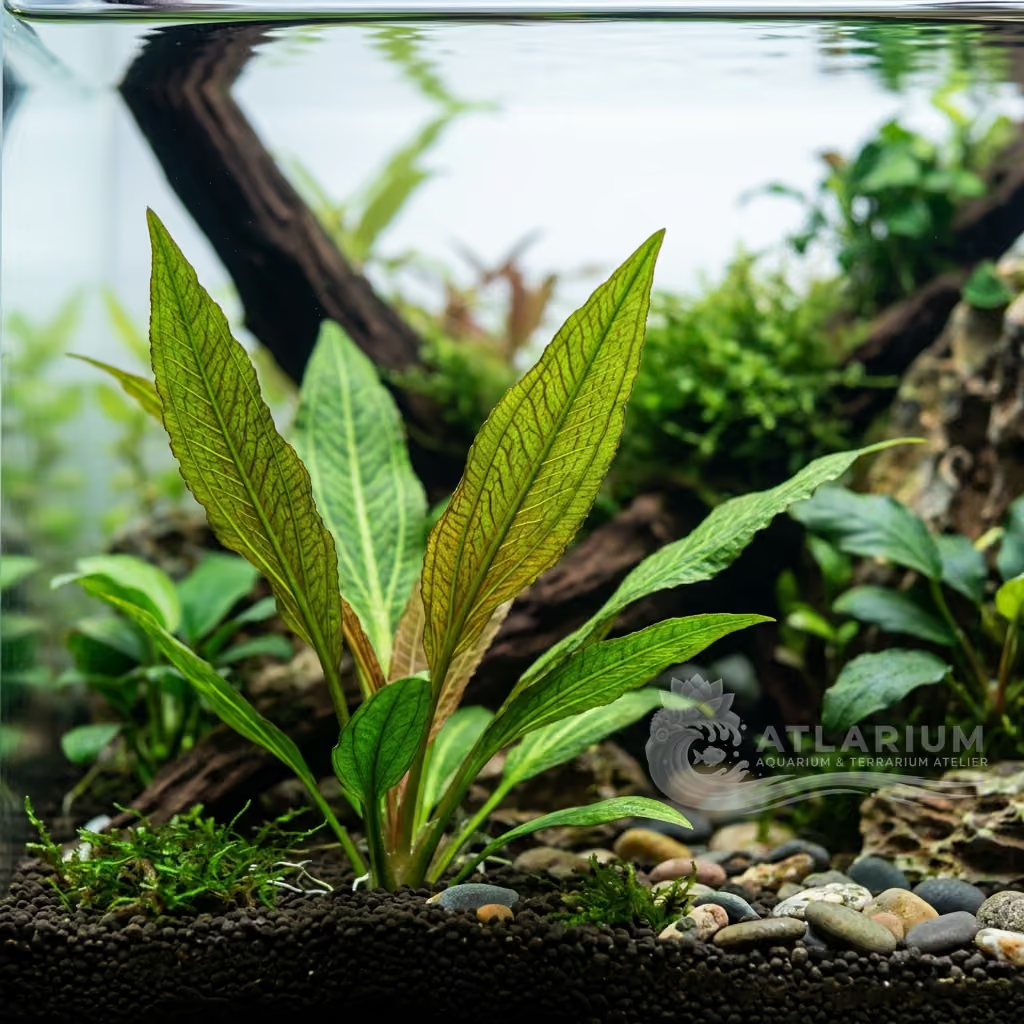
Physical Structure: It presents as an erect rosette of medium to large size, with a height ranging between 25 and 40 cm. The leaves are narrow and lanceolate, characterized by wavy margins and, most notably, a heavy puckering across the leaf surface. The rhizome is short and stocky, from which an exceptionally extensive and robust root system develops.
Color & Texture: It exhibits a deep dark green coloration, glossy on the upper side, while the underside can show lighter green or slightly bronze shades. The leaf texture is highly unique due to the strong bullation, creating exceptional light and shadow patterns under aquarium lighting, resembling reptile skin.

Care, breeding and tankmates
Lighting & CO2: Highly adaptable to lighting, growing well under low to high light. Under intense light, the leaves remain shorter and the bullation becomes incredibly pronounced, but nutrients must be balanced. CO2 is not mandatory but is highly recommended to promote lush growth and thick leaves.
Nutrition & Substrate: It requires a fertile substrate rich in iron and macronutrients. Adding root tabs is crucial for this demanding species, as nutrient deficiencies quickly manifest as thinning of leaf tissues and the appearance of small holes in the concave parts of the bullate leaves.
Water Chemistry: Unlike many other Bornean Cryptocorynes, it tolerates and even prefers soft to moderately hard water (KH 2-12 dKH) with a pH between 5.0 and 7.5. It is thermally adaptable, tolerating temperatures from 18°C to 30°C.
Space Management & Placement: Its unique leaf structure makes it a perfect focal point for the midground or background of the aquarium. It should be planted in isolated groups so that the texture of its leaves stands out against smooth-leaved plants. Allow ample space for root expansion.
Pruning: Pruning consists solely of removing damaged or old outer leaves. Cuts should be made with sharp scissors near the base of the rosette to prevent decaying of remaining tissues.
Risks & Diseases: Though robust, it can suffer from Cryptocoryne melt if introduced into unstable tanks or during massive water changes without pre-treatment. Stablity of water parameters is key to keeping this plant healthy.

Geographic origin and distribution
Cryptocoryne hudoroi is native to South Kalimantan (Borneo, Indonesia). It inhabits fast-flowing rivers and streams, often growing in substrates of gravel or calcareous sand. This species is adapted to seasonal water level fluctuations and tolerates strong currents due to the tough texture of its leaves and its powerful root system.
Origin
South and Southeast Asia

Plant profile
- Placement
- Midground
- It is an exceptional midground to background plant that thrives in areas with moderate to strong water flow. The water current helps keep its deeply textured leaves free from settling detritus, which could otherwise invite algae. It should be given ample space, as its leaves will eventually spread out to form an impressive, bushy rosette.
- Botanical form
- Rosette
- This species is celebrated for its incredibly 'bullate' or deeply hammered leaves, giving them a three-dimensional, puckered appearance. The leaves are somewhat elongated and stiff, usually displaying a vibrant green to slightly olive coloration. The striking texture makes it one of the most structurally interesting plants in the aquarium hobby.
- Growth
- Medium
- Like many bullate Cryptocorynes, it exhibits a slow growth rate, taking its time to establish a solid root foundation before sending up new foliage. Once settled, it provides a consistent, albeit slow, production of deeply hammered leaves. Providing CO2 injection can slightly accelerate its growth, but it will never be a fast-growing species.
- Substrate
- High
- Cryptocoryne hudoroi heavily relies on a fertile substrate to power the growth of its striking, deeply textured leaves. An active aqua soil loaded with iron and essential minerals will yield the most robust plants and the fastest lateral propagation. A deep substrate layer of 3 inches (7-8 cm) or more is recommended so its extensive, fleshy root system can firmly anchor down. Although it can survive in inert gravels, it will require continuous and heavy root tab supplementation to avoid melting and stunting.
- Column fertilization
- Recommended
- Water column dosing should be careful and balanced, focusing mainly on micronutrients and maintaining GH (calcium/magnesium). High levels of liquid NPK should be avoided unless the tank is heavily planted with fast-growing stems, as algae can easily take hold in the depressions of its textured leaves. Clean water is more important than heavy dosing.
- Root fertilization
- Recommended
- A nutrient-rich substrate is non-negotiable for C. hudoroi to reach its full potential. Utilizing a high-quality aquasoil or regularly providing root tabs ensures the plant has the energy required to produce its thick, textured foliage. Consistent root nutrition prevents the older leaves from yellowing and dying off.
- Trimming
- Occasional
- Trimming is rarely needed and should be restricted to removing only the oldest or damaged outer leaves. Use a sharp tool to cut the leaf at the base of the rosette to keep the plant looking tidy. Aggressive pruning can severely stunt its growth and should be strictly avoided.
- Propagation
- Runners
- Propagation happens naturally through subterranean runners that emerge around the parent plant. Due to the slow growth rate, it can take several months before a daughter plant is large enough to be safely separated. Wait until the new plantlet has several well-developed, hammered leaves of its own before cutting the runner.
- Sensitivity
- Moderate
- It is moderately sensitive to sudden shifts in water parameters, which can trigger Crypt melt. However, its thick rhizome makes it surprisingly resilient, and it will almost always bounce back if the environment stabilizes. Maintaining consistent CO2 levels and fertilization routines will help prevent any melting episodes.
- Layout role
- Midground, focal point
- Its deeply puckered leaves provide an unparalleled textural element that instantly draws the eye. It is perfect for creating a dramatic focal point in the midground or adding depth and complexity to background arrangements. It contrasts beautifully with fine-leaved plants and smooth hardscape materials.

Related species
Recommendations grouped by close relatives, companion choices, and similar care.