Ciliated Cryptocoryne
Cryptocoryne ciliata
Widely distributed in South and Southeast Asia, from India through Indonesia to Papua New Guinea. Found in brackish tidal zones, mangrove swamps, and.
Water Temperature
22 - 28 °C
pH Value
6.5 - 8
Water type
Freshwater / Brackish
Light
Medium
CO2
Low
Expected height
40 cm
Expected width
20 cm
GH
4 - 20 dGH
KH
2 - 15 dKH

Species description
Geographical Origin and Habitat: Widely distributed in South and Southeast Asia, from India through Indonesia to Papua New Guinea. Found in brackish tidal zones, mangrove swamps, and estuaries. Inhabits brackish tidal zones, mangrove swamps, and riverbanks in South and Southeast Asia, where salinity changes daily.
Taxonomy & Genetics: Belonging to the Araceae family and Cryptocoryne genus. Named ciliata because of the fringed or ciliated margin of the spathe (flower). Belongs to the family Araceae. Divided into diploid and triploid forms, showing a rare tolerance to salinity.
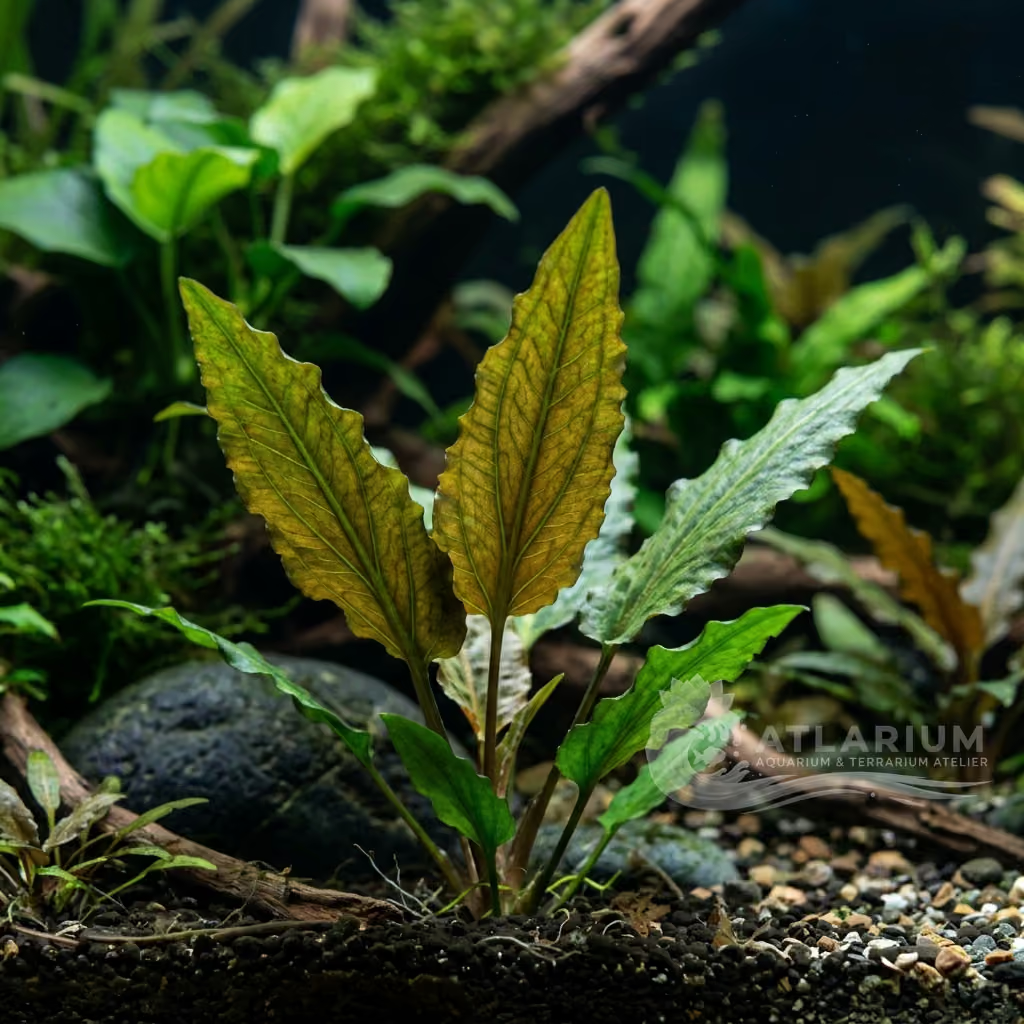
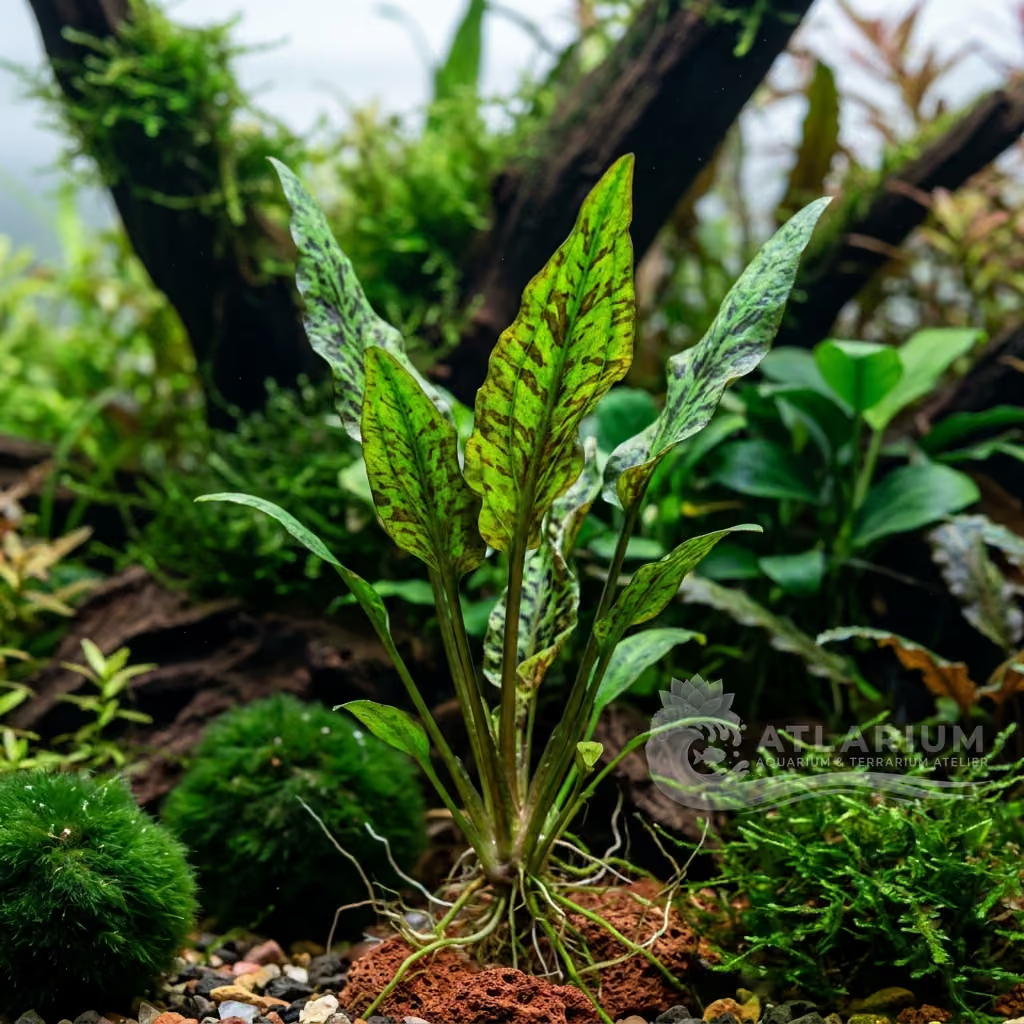
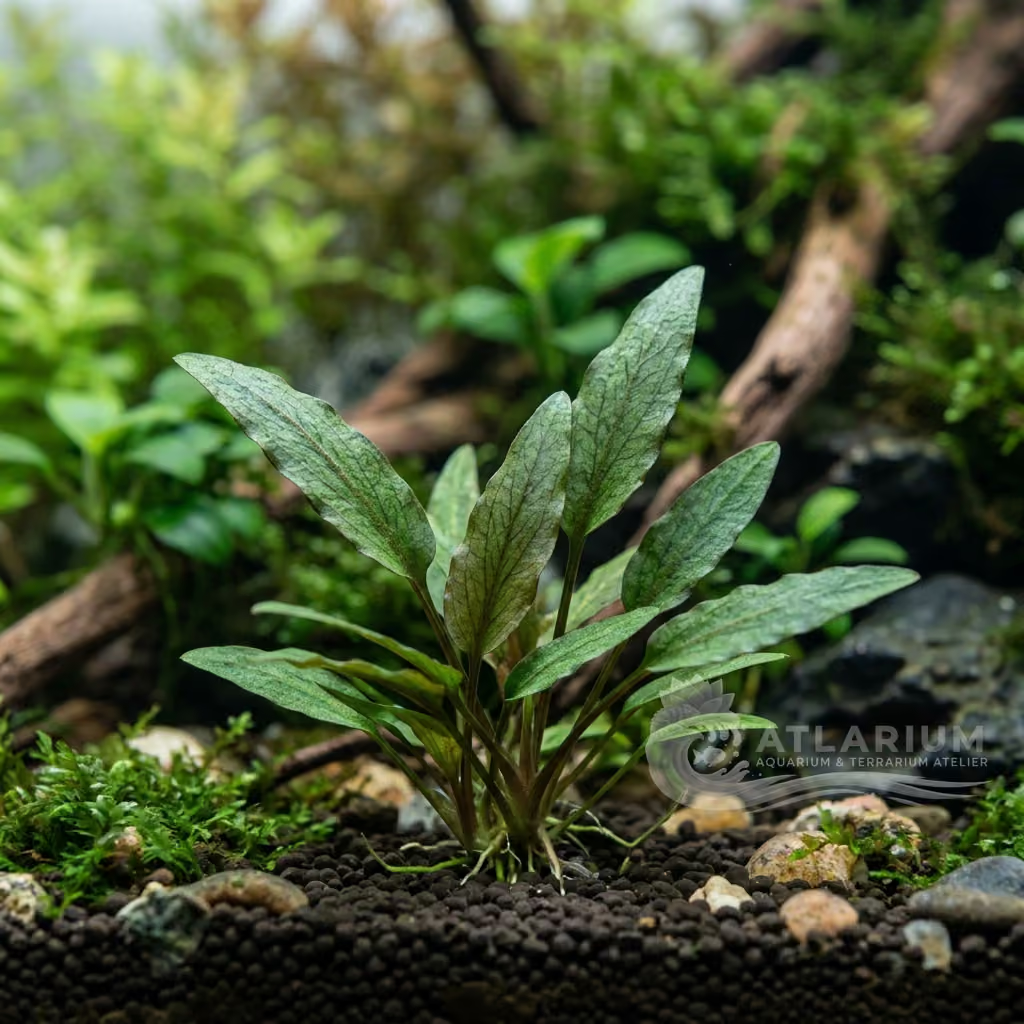
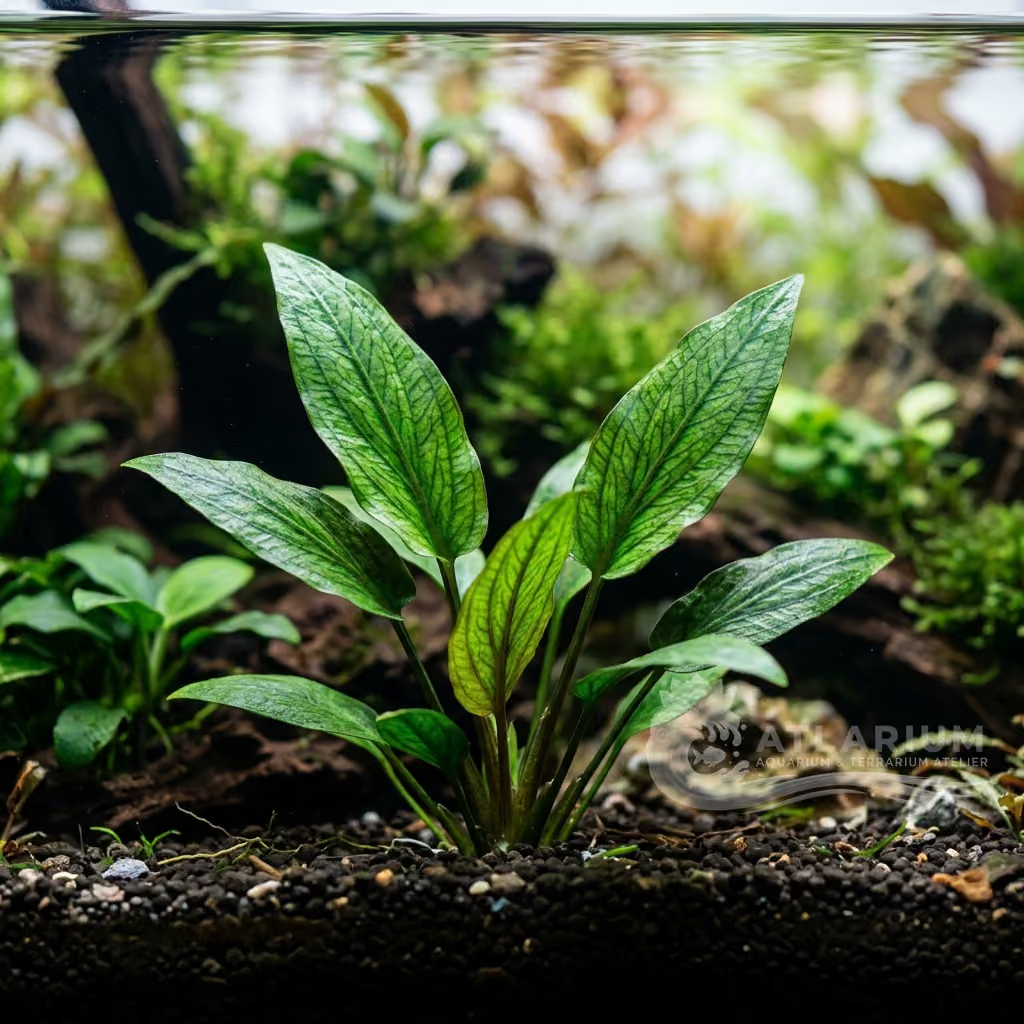
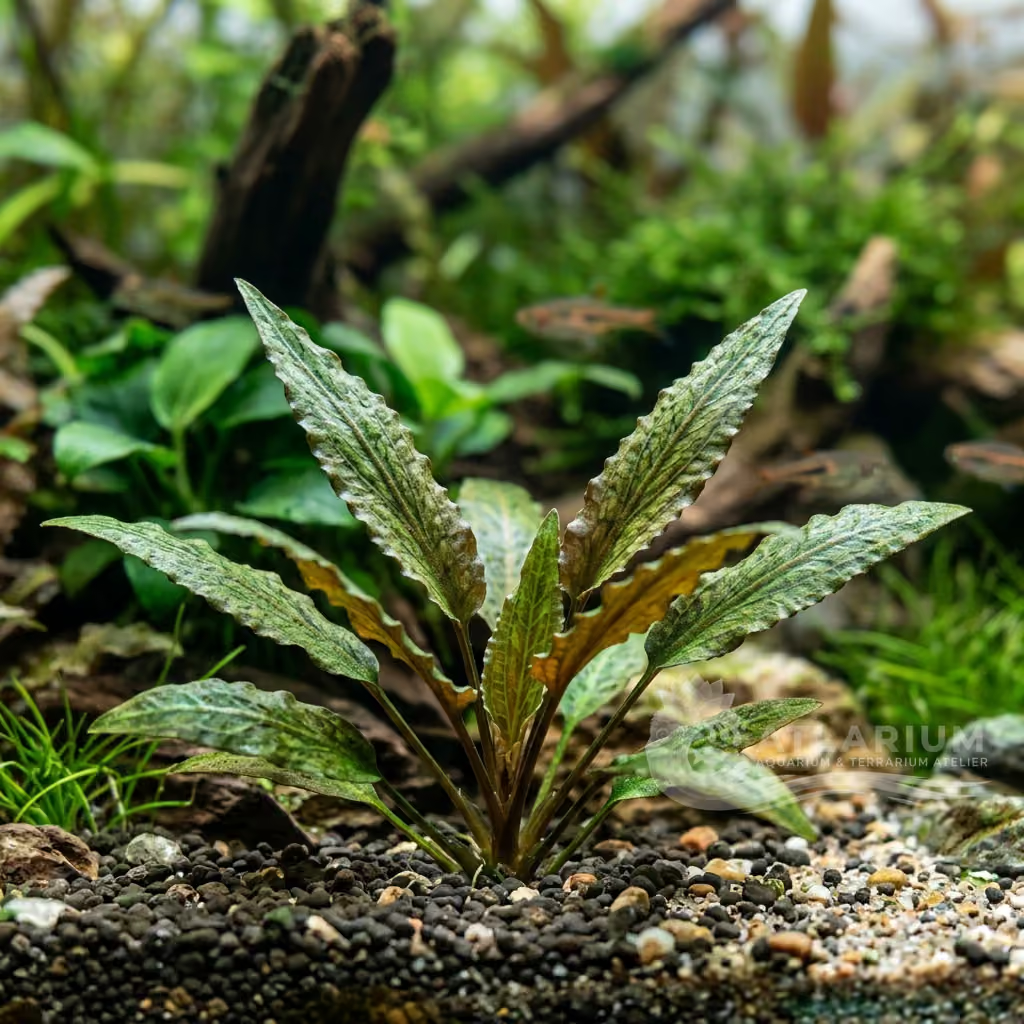
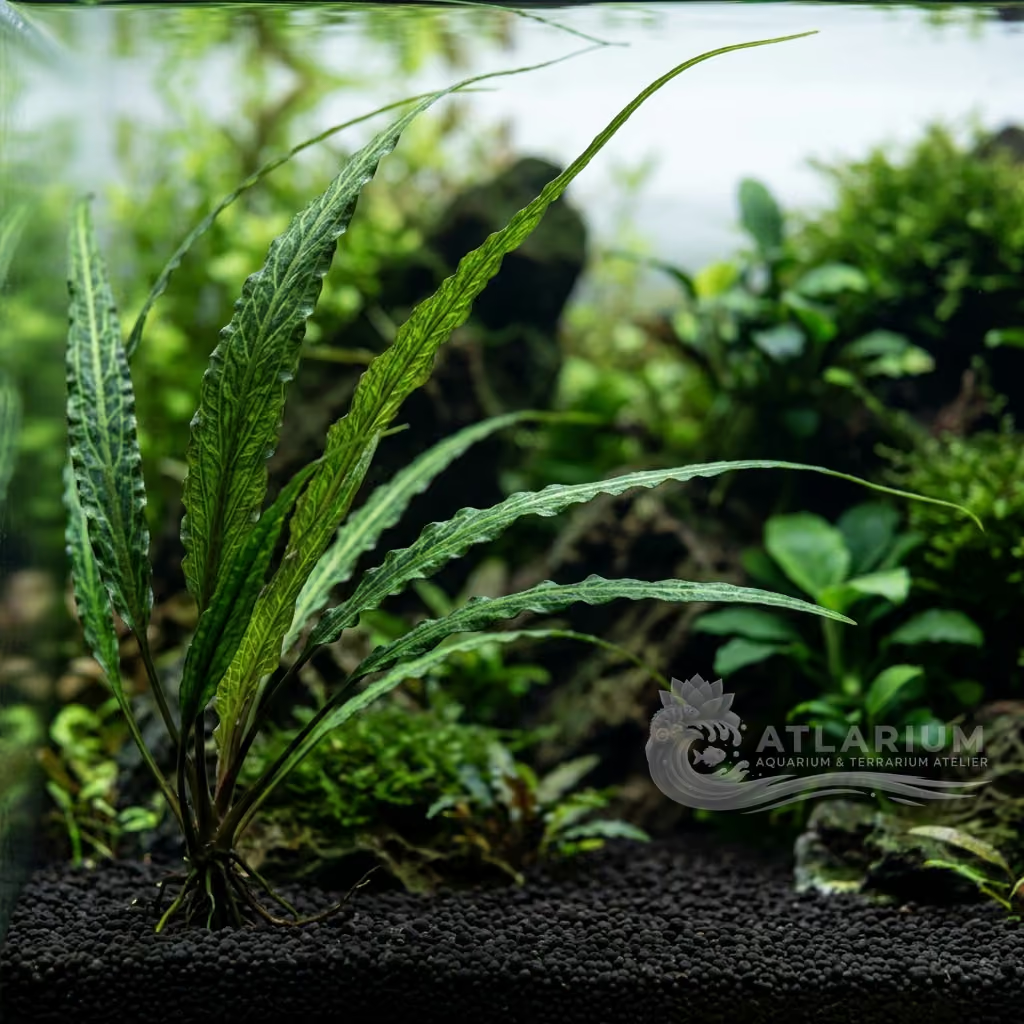
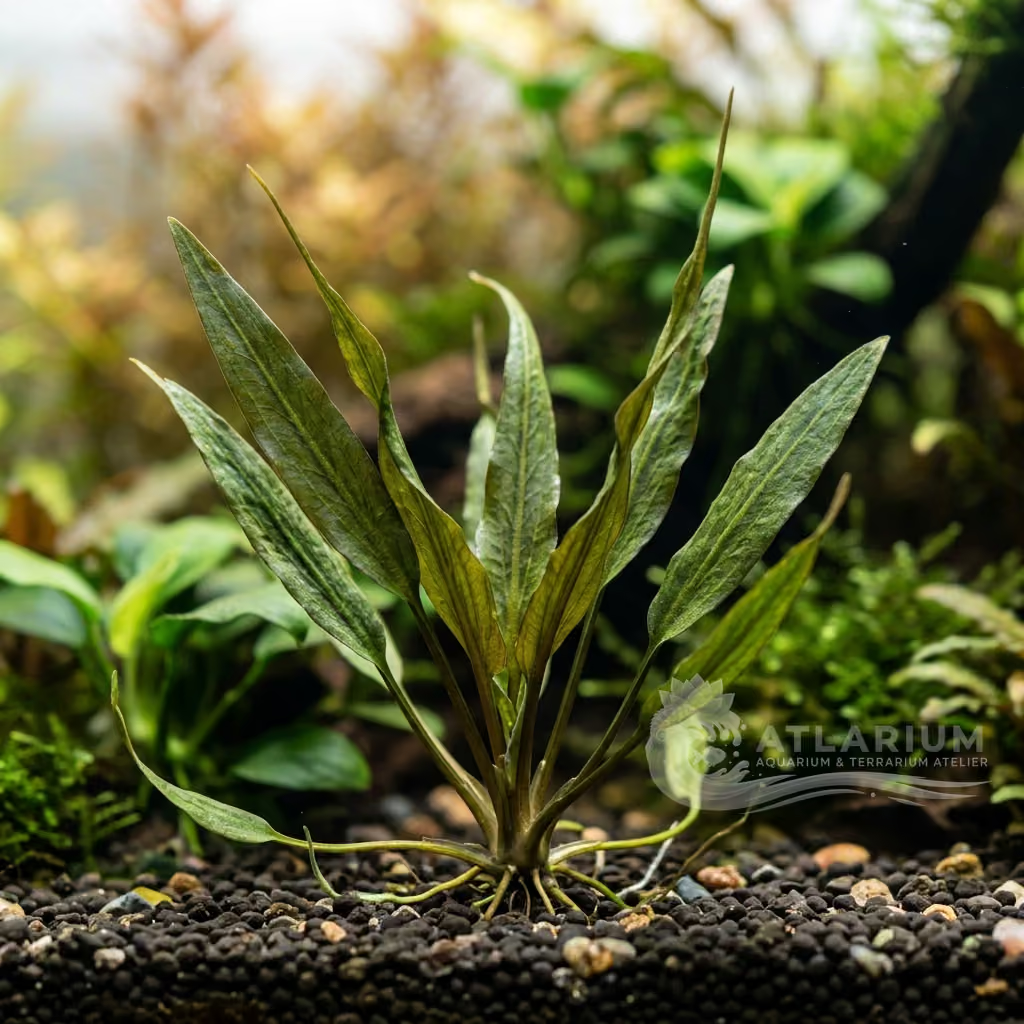
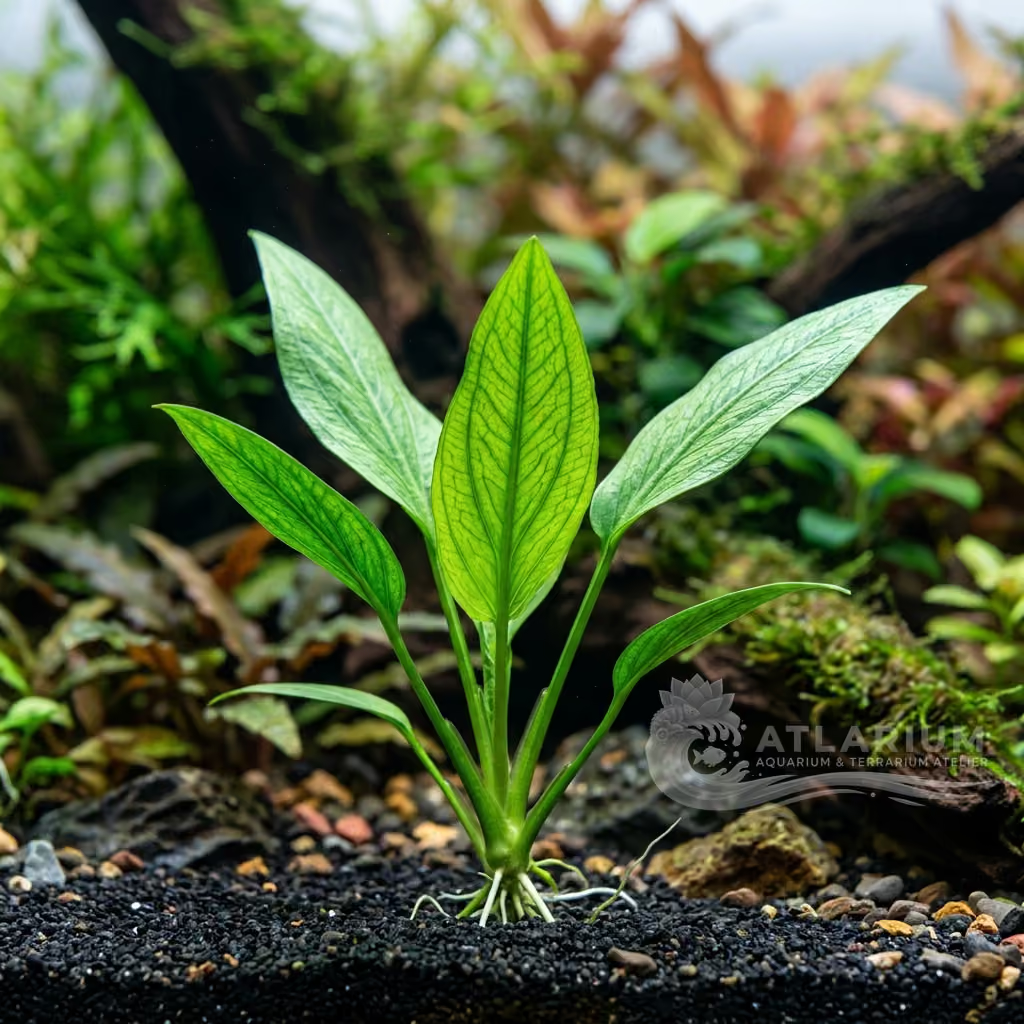
Physical Structure: One of the largest species in the genus. It grows in a rosette form with upright, lanceolate leaves on thick petioles, developing a very large root system. Sells a strong creeping rhizome with a thick rosette of large lanceolate leaves. Spathe has ciliated margins.
Color & Texture: Leaves are bright light green to olive green, smooth with a prominent and thick central vein. Light to bright green leaves with a smooth, thick texture that protects them from dry air during low tides.

Care, breeding and tankmates
Lighting & CO2: Medium light demand. Proper lighting helps keep the plant compact. CO2 injection is beneficial but not strictly necessary for survival. Moderate to high lighting is needed for optimal growth. CO2 is not required but accelerates leaf development.
Nutrition & Substrate: Requires a deep, nutrient-rich substrate since it is a heavy root feeder. Root tabs containing iron and micronutrients are highly recommended. Demands a thick, nutrient-rich substrate of sand and clay. Root tabs should be added periodically near the roots.
Water Chemistry: Extremely adaptable, it tolerates hard water and brackish conditions. Temperature 22-28°C, pH between 6.5 and 8.0. Extremely versatile: temperature 22-28°C, pH 7.0-8.5. Can thrive in brackish water up to 1.010 specific gravity.
Space Management & Placement: Ideal for the background of large aquariums due to its height (growing up to 40-50 cm). Avoid transplanting once established as roots are sensitive. Best placed in the background of large aquariums or used as an emergent plant in open paludariums.
Pruning: Prune damaged outer leaves near the base of the rosette. Control propagation by cutting and removing daughter plants developed on runners. Prune old or decaying leaves near the base. Keep the plant in one place, as they dislike transplanting.
Risks & Diseases: Susceptible to Cryptocoryne melt, where leaves decay rapidly following sudden changes in water parameters or lighting. Relatively resistant to Cryptocoryne rot. Ensure parameters are stable to prevent sudden leaf loss.

Geographic origin and distribution
Widely distributed in South and Southeast Asia, from India through Indonesia to Papua New Guinea. Found in brackish tidal zones, mangrove swamps, and estuaries. Inhabits brackish tidal zones, mangrove swamps, and riverbanks in South and Southeast Asia, where salinity changes daily.
Origin
Africa and MadagascarSouth and Southeast AsiaEast AsiaAustralia, New Guinea, and Oceania

Plant profile
- Placement
- Background
- This species is ideally placed in background of the aquarium. Its growth habit allows it to blend naturally with surrounding hardscape or other plants. When planted in small groups, it creates a cohesive and visually pleasing bush. Ensure it is not completely shaded by larger overhanging plants.
- Botanical form
- Rosette
- Cryptocoryne ciliata features very large and upright light green leaves. Its rosette growth pattern is typical of the genus, creating a dense crown of foliage. The distinct leaf shape and coloration make it stand out in the aquarium. It is tolerant of hard and even brackish water.
- Growth
- Medium
- The growth rate of Cryptocoryne ciliata is generally moderate. Under lower light, it will grow slowly, but adding CO2 and moderate lighting can increase its pace. It steadily produces new leaves from its rosette once it has adapted to its environment. Patience is key, as it may take time to establish.
- Substrate
- High
- Ciliated Cryptocoryne (Cryptocoryne ciliata) is a large-growing marginal species that requires a deep, highly nutritious substrate layer to support its extensive root mass. A substrate depth of at least 3 to 4 inches of rich aqua soil or a mineralized soil underlayer is ideal for establishing this robust plant. It draws massive amounts of macronutrients through its roots, so maintaining a fertile bottom layer is essential to fuel its rapid vertical growth and prevent the lower leaves from melting.
- Column fertilization
- Optional
- While primarily a root feeder, it still benefits from regular water column fertilization. Dosing a comprehensive liquid fertilizer ensures that micronutrients are available. Be careful not to overdose, as excessive nutrients in the water column can promote algae on its slow-growing leaves. A balanced approach is ideal.
- Root fertilization
- Optional
- Root fertilization is crucial for the optimal development of Cryptocoryne ciliata. Providing a rich soil substrate or regularly inserting root tabs will yield the best results. Strong root feeding promotes larger, more robust leaves. It also makes the plant more resilient to environmental fluctuations.
- Trimming
- Occasional
- Trimming should be done carefully by cutting old or decaying leaves near the base. Avoid pulling or uprooting the plant, as it has a delicate and extensive root system. Regular maintenance to remove dying leaves will keep the plant looking fresh and prevent rot. Only trim what is necessary.
- Propagation
- Runners
- Propagation is easily achieved through the natural production of runners. The mother plant will send out runners through the substrate, forming new plantlets. Once these plantlets have developed their own roots and a few leaves, they can be separated. You can carefully cut the runner and replant the new specimen.
- Sensitivity
- Sensitive
- Like many in its family, Cryptocoryne ciliata is prone to 'Crypt melt' when parameters suddenly change. Variations in temperature, lighting, or water chemistry can cause it to shed its leaves. However, the rhizome usually remains healthy. If melting occurs, leave the roots undisturbed and new leaves will soon emerge.
- Layout role
- Background
- Its layout role is primarily for Tall background stands. The dense foliage and unique texture provide a natural transition between different zones of the aquascape. It is highly versatile and works well in both Nature Aquarium and Dutch styles. Its enduring presence makes it a reliable staple.

Related species
Recommendations grouped by close relatives, companion choices, and similar care.