Balansae Crypt
Cryptocoryne crispatula
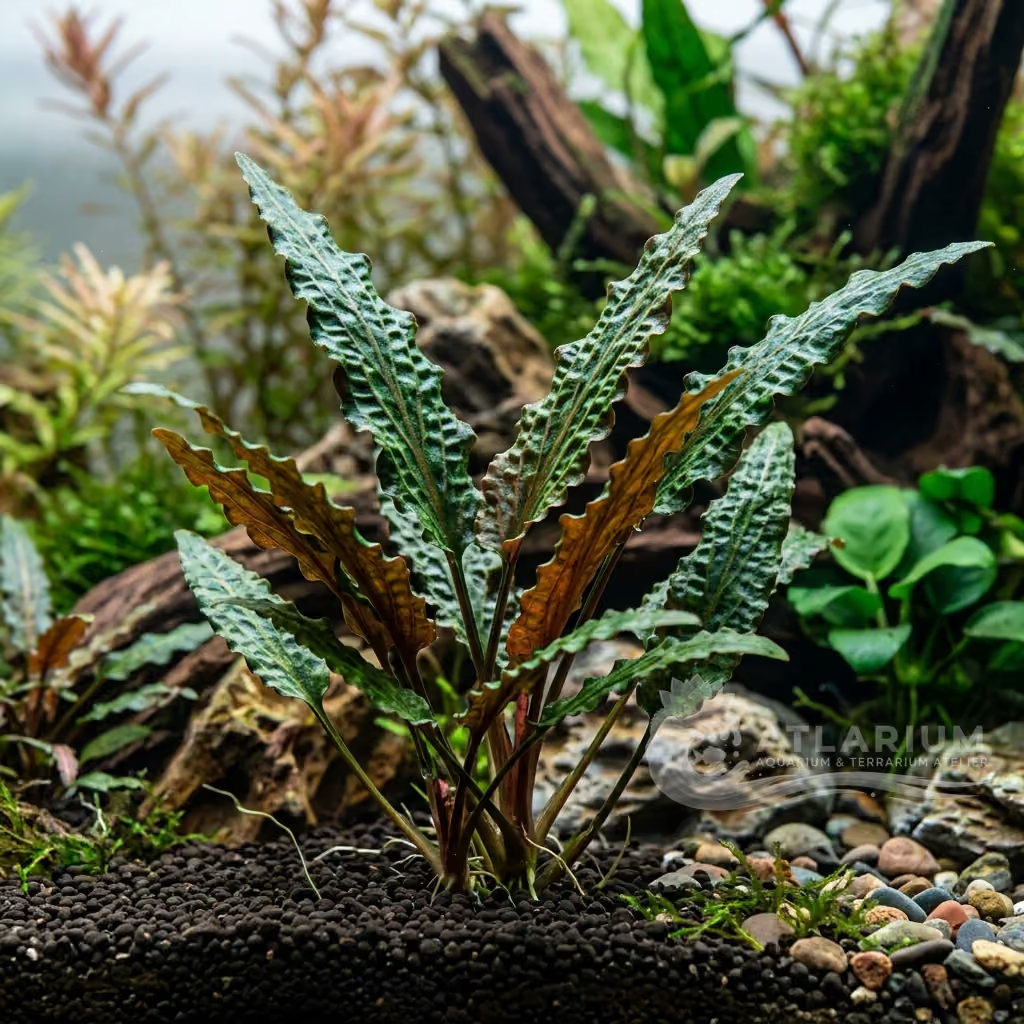
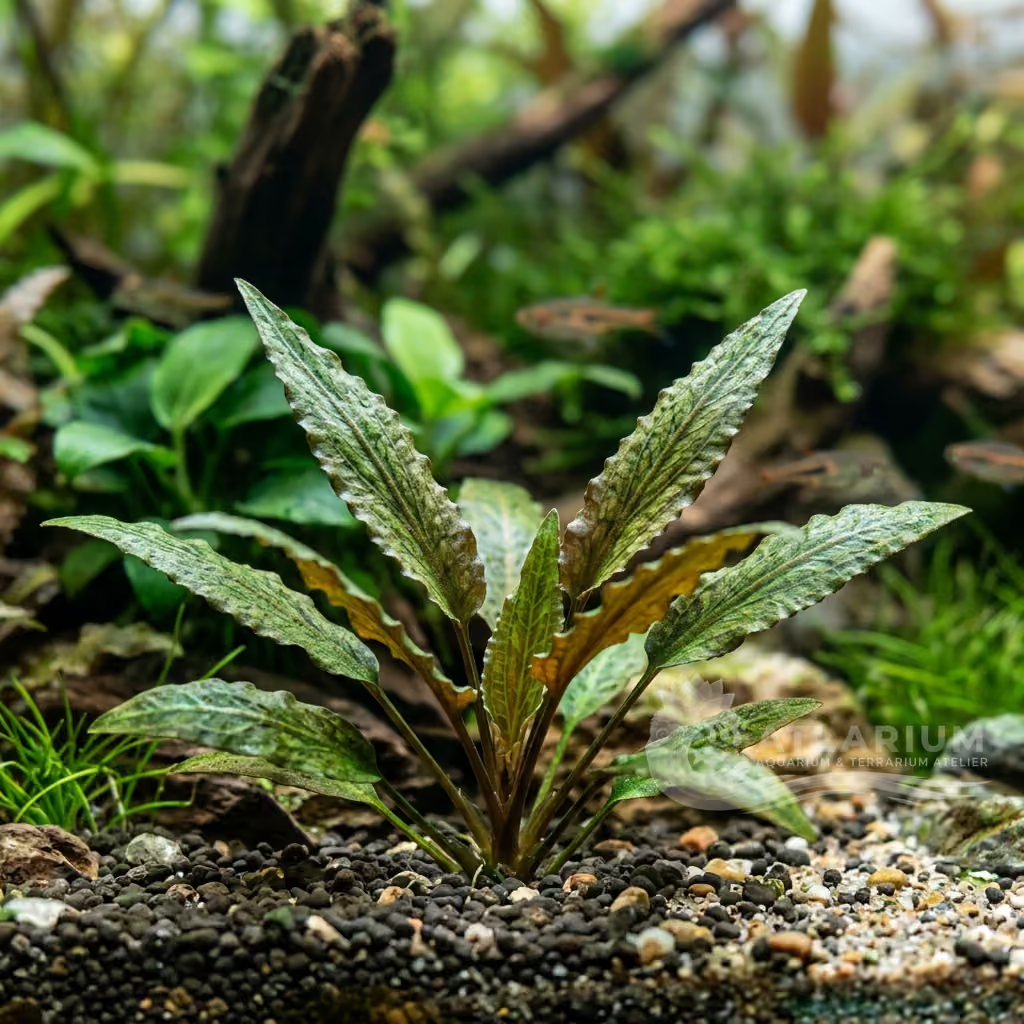
Found across Southeast Asia, this adaptable species grows long, ribbon-like leaves with varying degrees of puckering. It adapts to low light but develops denser, reddish, hammered textures under high light and CO2.
Water Temperature
20 - 28 °C
pH Value
6 - 9
Water type
Freshwater
Light
Medium
CO2
Low
Expected height
60 cm
Expected width
15 cm
GH
4 - 20 dGH
KH
2 - 15 dKH

Species description
Geographical Origin and Habitat: Cryptocoryne crispatula is native to southern China, Vietnam, Thailand, and Laos. It predominantly grows in fast-flowing limestone streams and river banks, showing a high adaptability to seasonal flooding and dry periods.
Taxonomy & Genetics: Belongs to the Araceae family. This species comprises several distinct varieties, with Cryptocoryne crispatula var. balansae being the most popular in the aquarium trade due to its stable genetic and morphological traits.
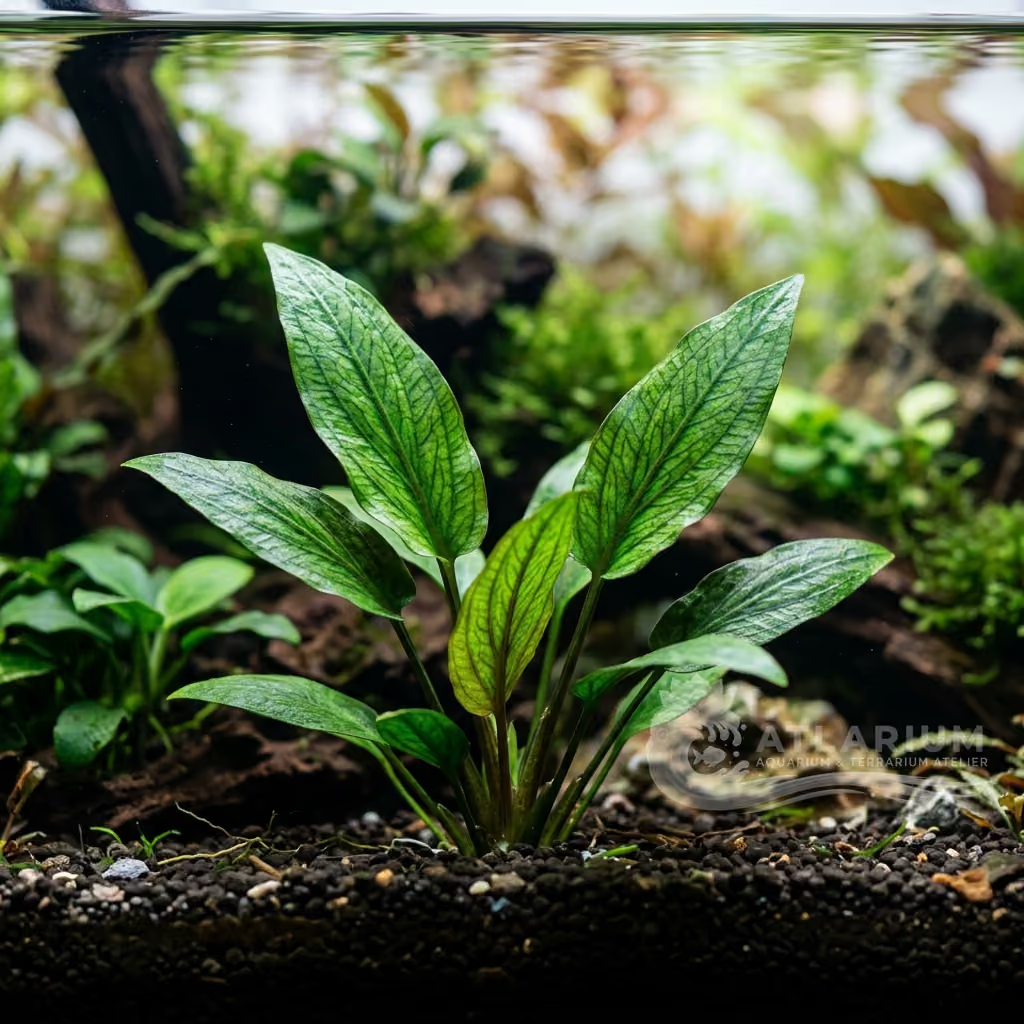
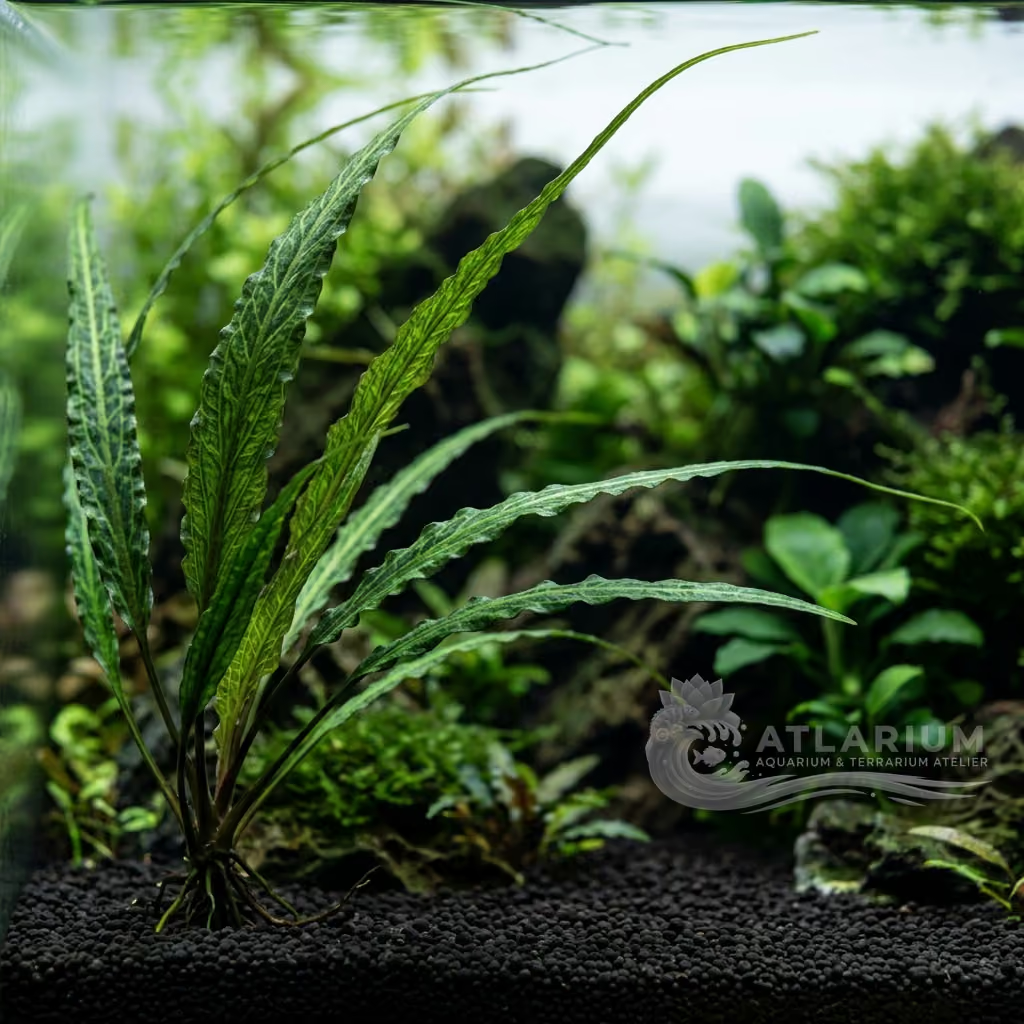
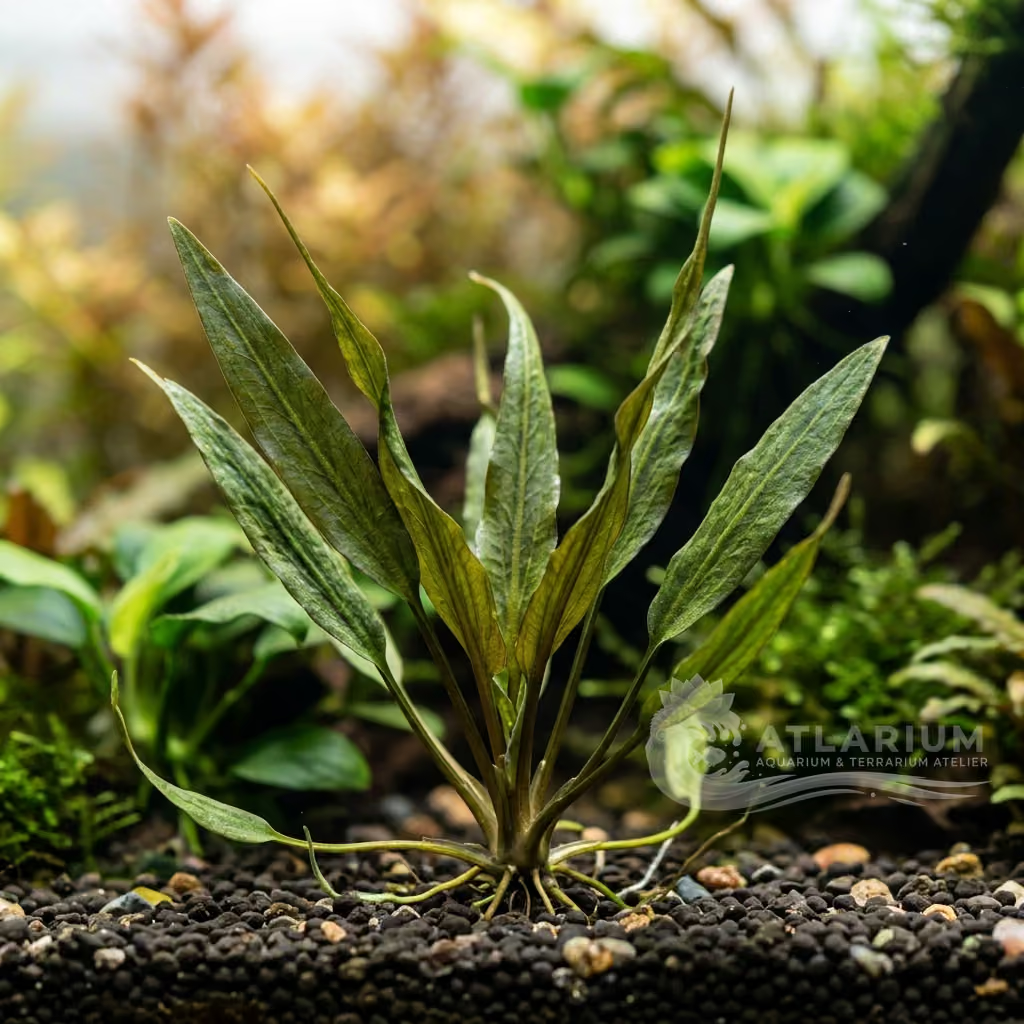
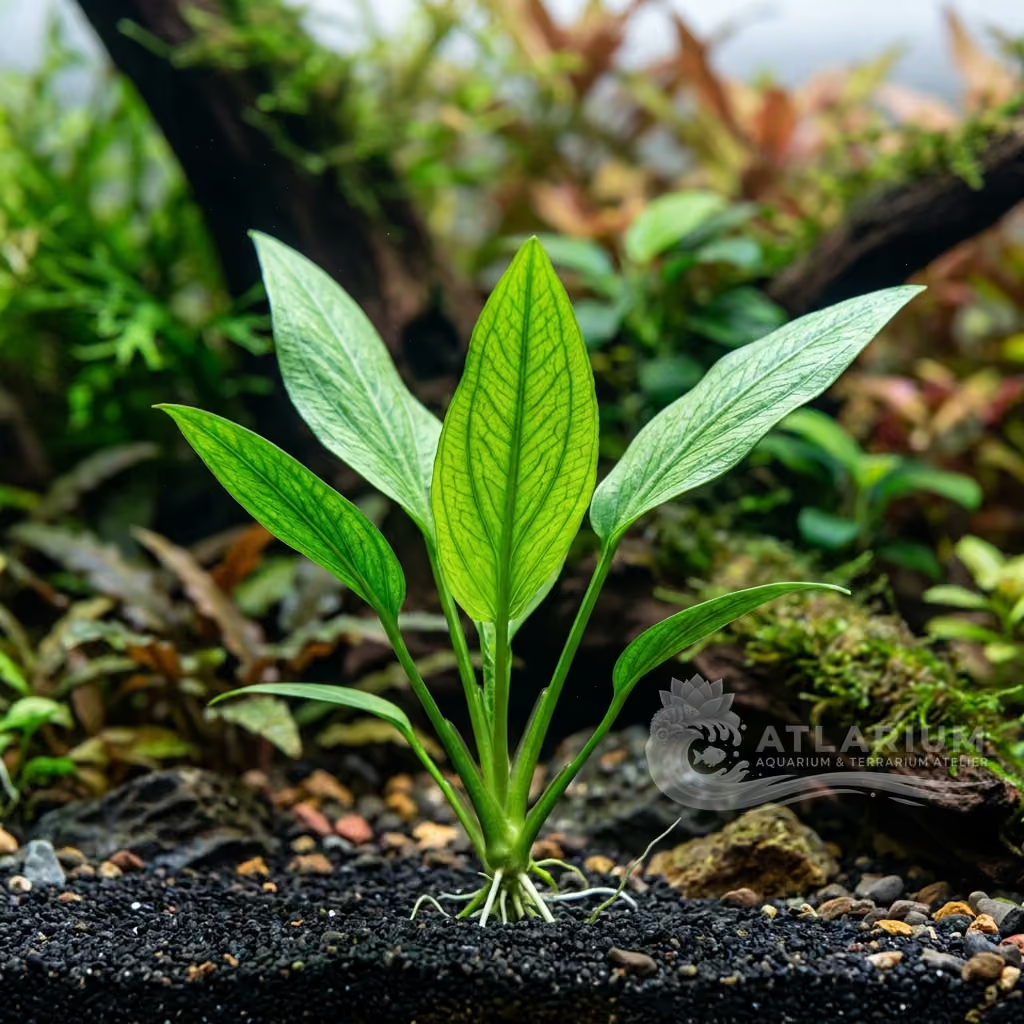
Physical Structure: Grows from a thick underground rhizome. It produces long, narrow, strap-like leaves that can reach 50 to 70 cm in height under optimal conditions. The leaf surfaces are heavily puckered or bullate, reducing water drag in fast currents.
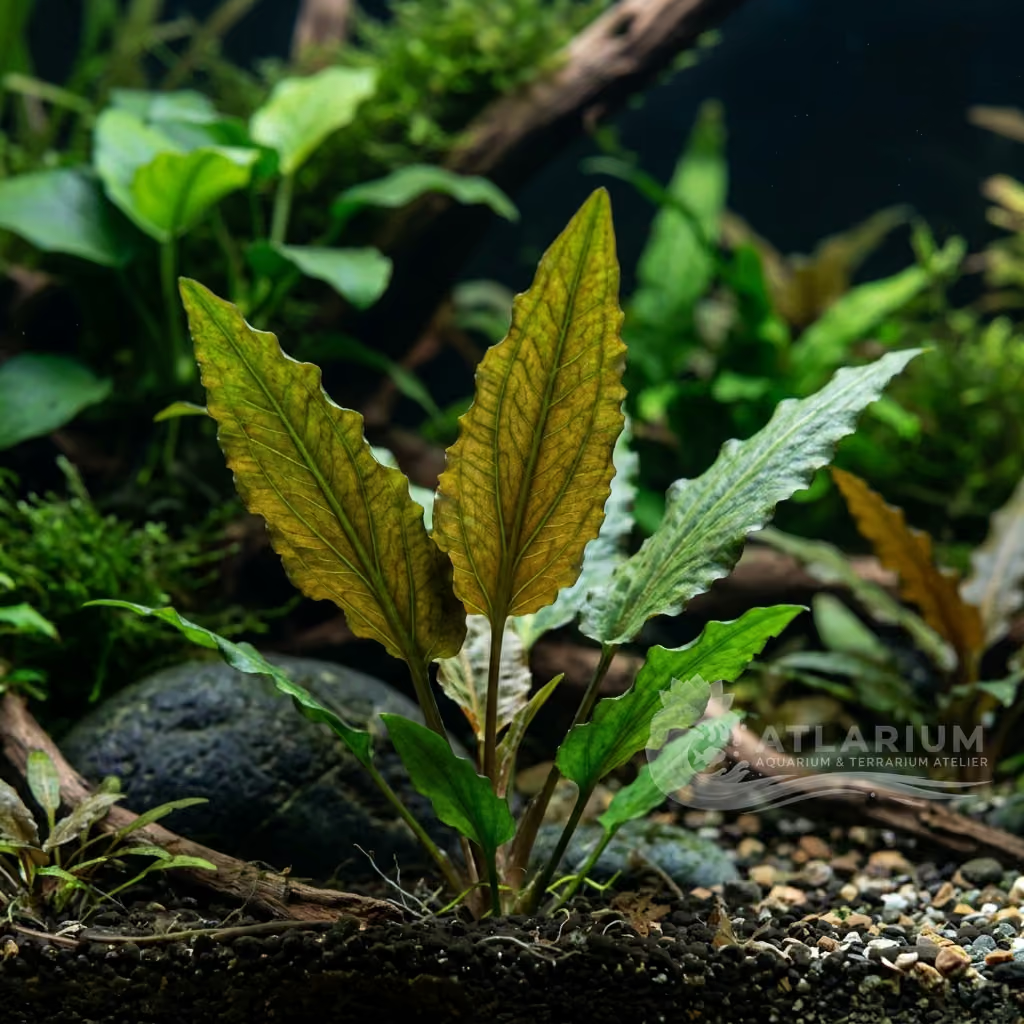
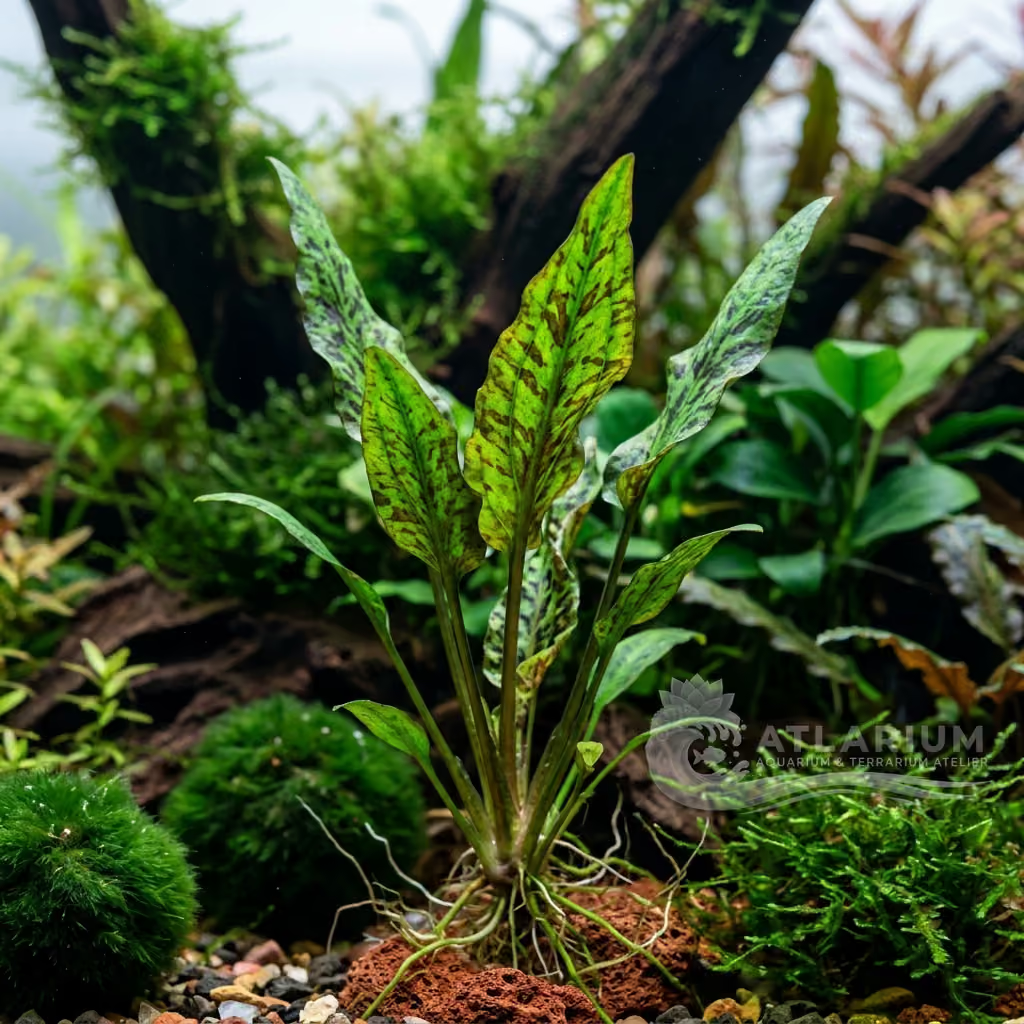
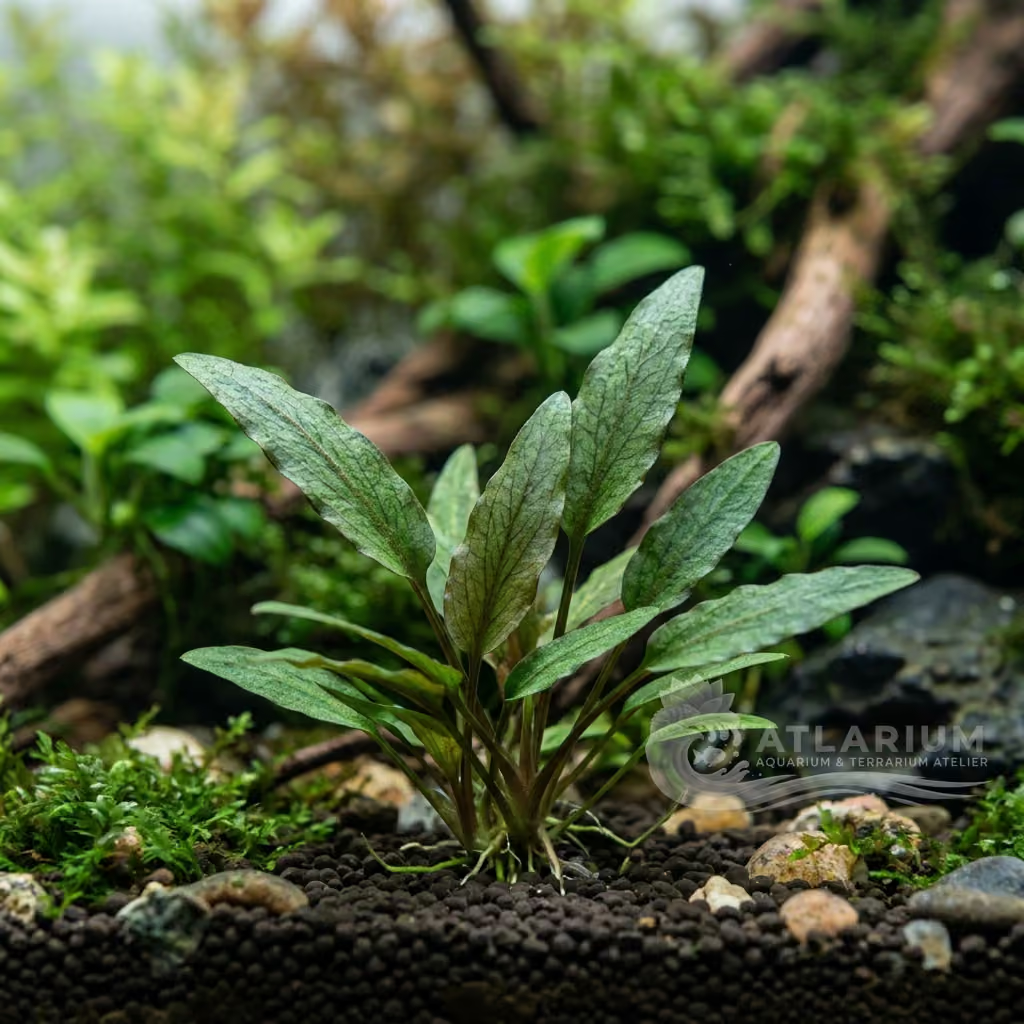
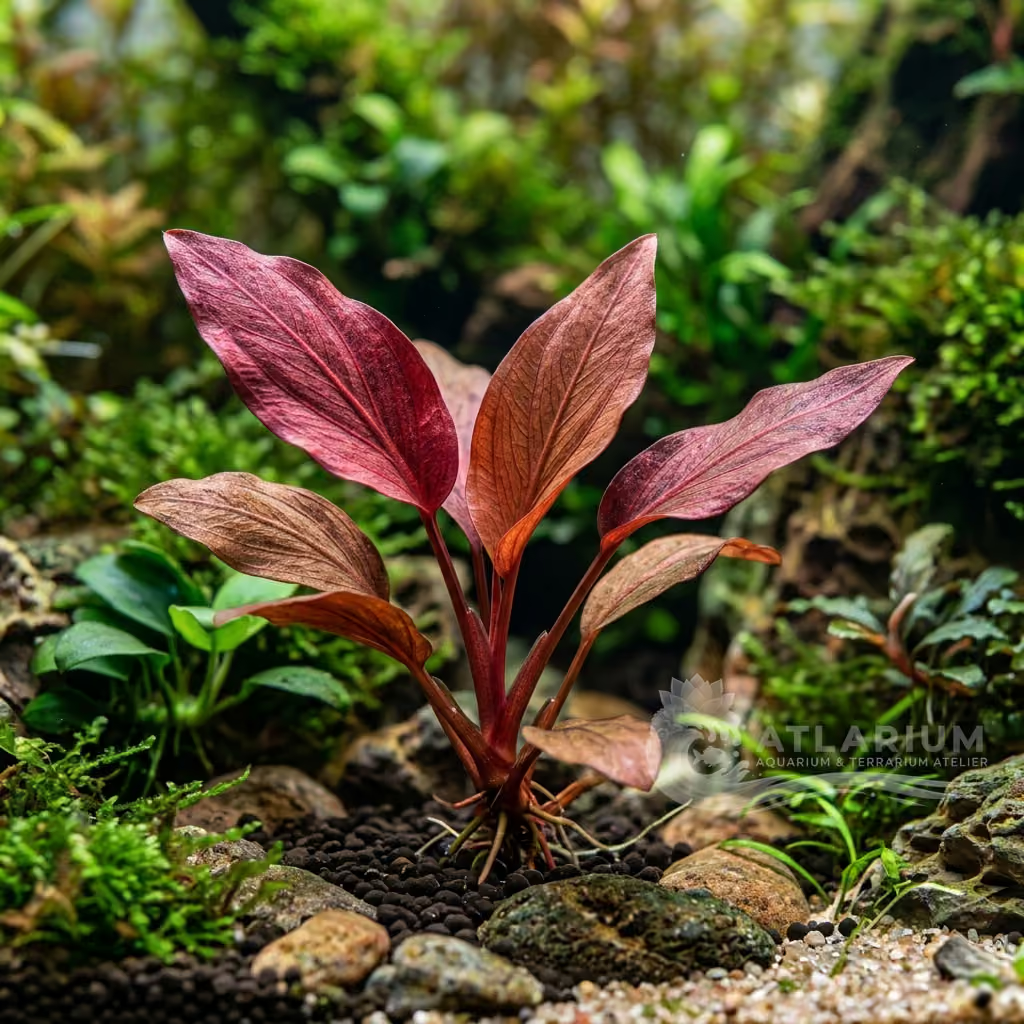
Color & Texture: Leaf color ranges from bright olive green to rich copper-brown, influenced by lighting intensity and iron availability. The texture is tough, leathery, and distinctly crinkled, creating a dramatic visual effect in aquascapes.

Care, breeding and tankmates
Lighting & CO2: Adapts to low to moderate lighting. Medium-high light enhances puckering and reddish tones. Carbon dioxide (CO2) injection is not mandatory but highly recommended to stimulate faster growth and denser leaf production.
Nutrition & Substrate: Primarily a root feeder. It requires a deep, nutrient-rich substrate. Place root tabs near the root base periodically, ensuring a good supply of iron and essential macro-nutrients to sustain its deep root system.
Water Chemistry: Prefers moderately hard to hard water with a pH range of 7.0 to 8.0, reflecting its limestone-rich natural habitat. Maintain temperatures between 20°C and 28°C. Ensure water parameters remain stable to avoid melting.
Space Management & Placement: Best positioned in the background of medium to large aquariums. The long leaves will reach the surface and drape across it, providing shade and shelter for shy fish species while blocking excess overhead light.
Pruning: Trim old, decaying, or overgrown leaves by cutting them off close to the rhizome at the base. Never cut leaves in half. When planting, leave the crown of the plant slightly exposed above the substrate to prevent rot.
Risks & Diseases: Highly susceptible to 'Crypt Melt,' where sudden changes in light, temperature, or water chemistry cause the leaves to rapidly disintegrate. Do not discard the plant if this occurs, as the healthy rhizome will slowly sprout new leaves.

Geographic origin and distribution
Cryptocoryne crispatula is native to southern China, Vietnam, Thailand, and Laos. It predominantly grows in fast-flowing limestone streams and river banks, showing a high adaptability to seasonal flooding and dry periods.
Origin
South and Southeast AsiaEast Asia

Plant profile
- Placement
- Background
- Due to its potentially impressive height and narrow, flowing leaves, this species is best positioned in the background of most aquariums. In very large setups, it can serve as a striking midground focal point if allowed to form a dense cluster. It creates a beautiful visual effect when its long foliage is allowed to gently cascade across the water surface in the current.
- Botanical form
- Rosette
- This species is recognized by its elongated, strap-like leaves that often display distinctly ruffled or hammered margins, giving it a highly textured appearance. The foliage coloration can range from bright green to bronze or reddish-brown depending on the specific variety and the intensity of lighting. It grows from a central rosette, with older leaves curving outward while new growth emerges from the crown's center.
- Growth
- Medium
- Like many of its relatives, this Cryptocoryne typically exhibits a slow to moderate growth rate, especially during its initial acclimation phase. Once established and properly nourished, it will steadily produce new leaves and runners, gradually expanding its territory. Providing higher light and CO2 injection can slightly accelerate its development, though it remains a relatively unhurried grower overall.
- Substrate
- High
- Crispatula Water Trumpet (Cryptocoryne crispatula) develops a massive root network that requires a deep, nutrient-dense substrate layer of 3 to 4 inches to properly anchor its tall, flowing leaves. It thrives in commercial aqua soils or mineral-rich base layers that can continuously supply heavy amounts of nutrients. Because of its large size and fast growth rate, the regular insertion of root fertilizer tabs into the substrate is highly recommended to prevent nutrient exhaustion and maintain its beautifully textured foliage.
- Column fertilization
- Optional
- Liquid fertilization plays a supportive rather than primary role for this root-feeding plant, ensuring trace elements and micronutrients are readily available. Regular dosing of a comprehensive liquid fertilizer helps maintain vibrant leaf colors and prevents deficiencies like pinholes or yellowing. Care should be taken not to overdose macronutrients in the water column, as this species heavily relies on substrate absorption.
- Root fertilization
- Required
- Root fertilization is fundamentally important for the health and vitality of this species, as it naturally draws most of its nourishment from the soil. Providing an active soil base or supplementing with high-quality root tabs will ensure strong, uninterrupted growth. Regular replenishment of substrate nutrients every few months is highly recommended to sustain large, established stands.
- Trimming
- Occasional
- Trimming should be approached cautiously by carefully snipping older or damaged leaves as close to the base of the rosette as possible. It is important to avoid cutting the leaves mid-stem, as the remaining portion will simply decay and foul the water. Because it grows somewhat slowly, aggressive pruning is rarely necessary and should be minimized to avoid stressing the plant.
- Propagation
- Runners
- Propagation occurs naturally and gradually through the production of subterranean runners that emerge around the parent plant. Once these daughter plants have developed their own distinct root systems and a few sets of leaves, they can be carefully severed. For the best results, it is advisable to let the new plantlets grow to a moderate size before transplanting them to other areas.
- Sensitivity
- Sensitive
- Like many Cryptocoryne species, it is highly susceptible to 'Crypt melt,' a condition where leaves disintegrate rapidly in response to sudden environmental changes. Shifts in water parameters, lighting, or being uprooted can trigger this severe reaction, making stability crucial for its care. Although the leaves may completely die back during a melt, the healthy root system will almost always bounce back and produce new foliage if left undisturbed.
- Layout role
- Background
- Its elegant, flowing architecture provides exceptional verticality and a sense of movement to background areas or the corners of large aquariums. The textured, narrow leaves create excellent contrast against broad-leaved species and fine-stemmed plants alike. Planted densely, it creates a soothing, natural curtain effect that subtly hides equipment while offering shelter for shy aquatic inhabitants.

Related species
Recommendations grouped by close relatives, companion choices, and similar care.