Cryptocoryne "pigmea"
Cryptocoryne "pigmea"
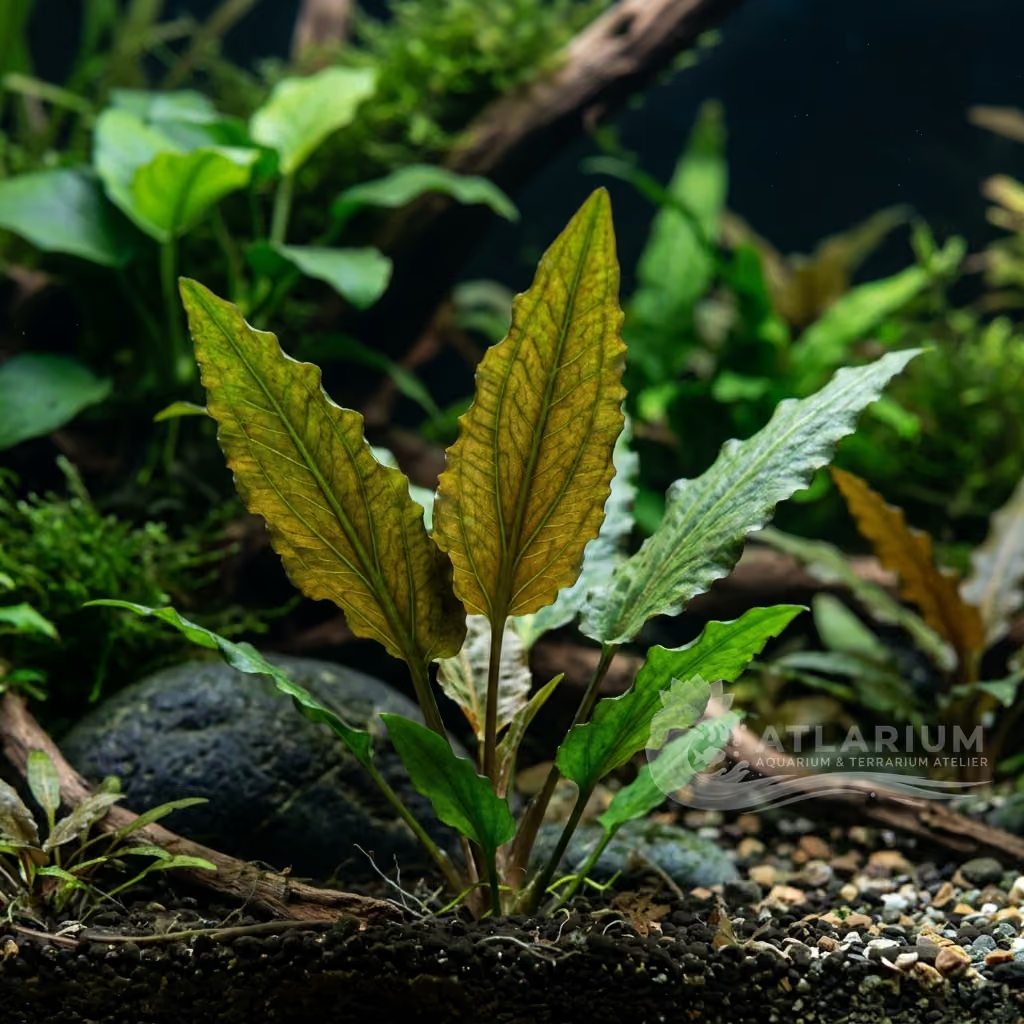
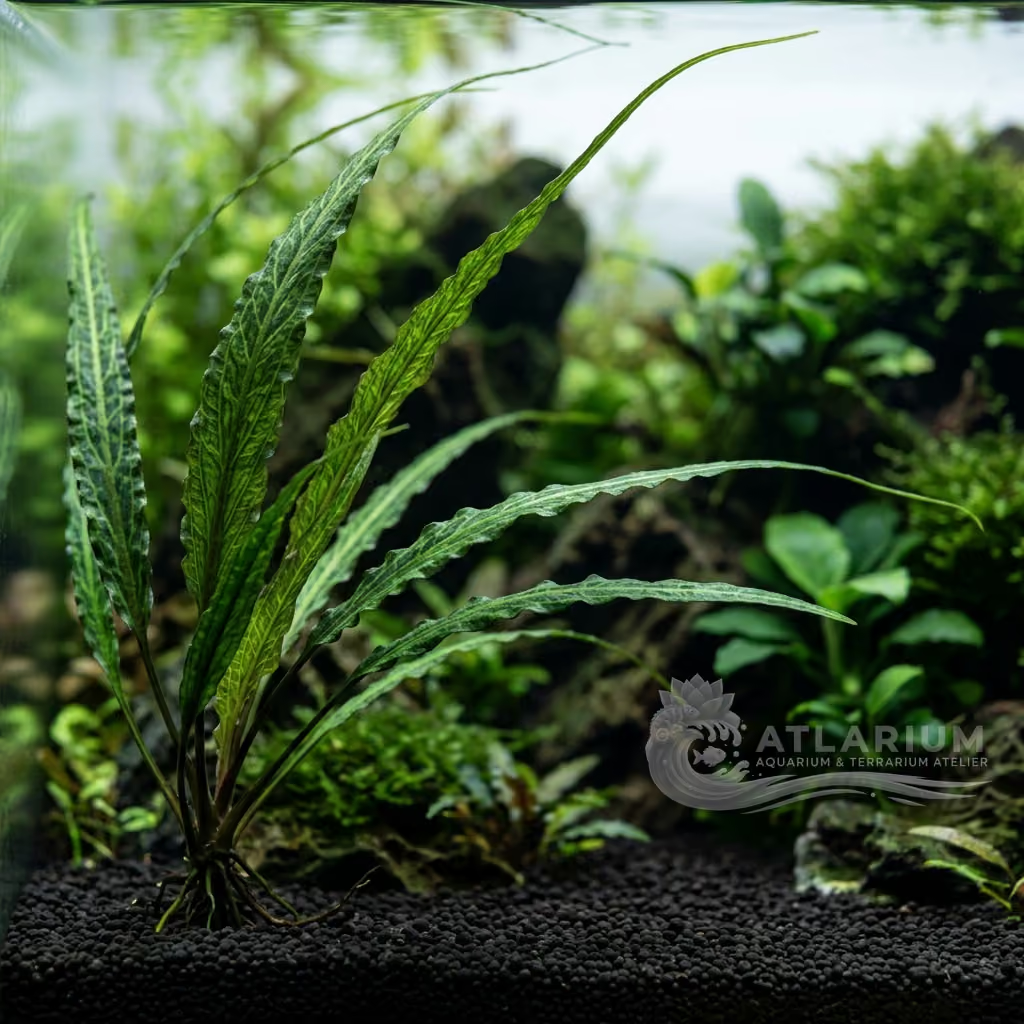
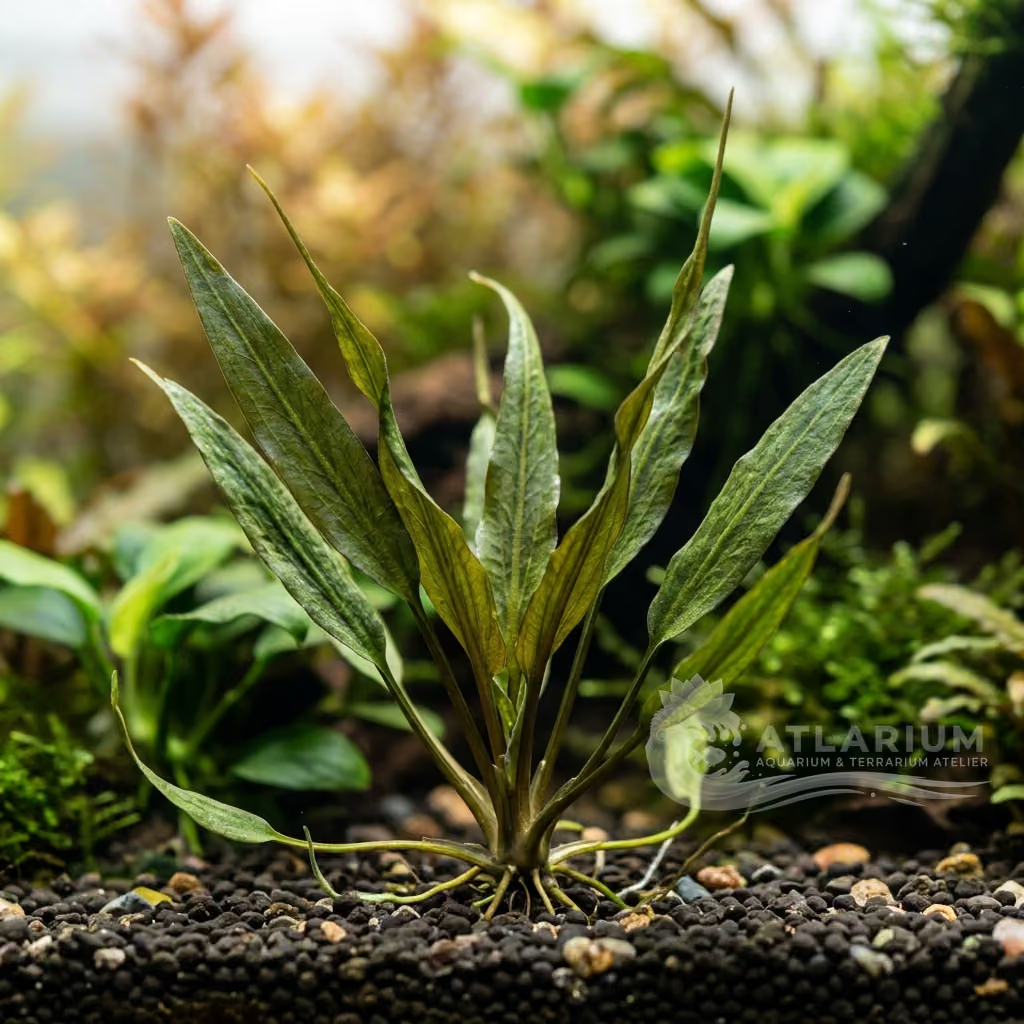
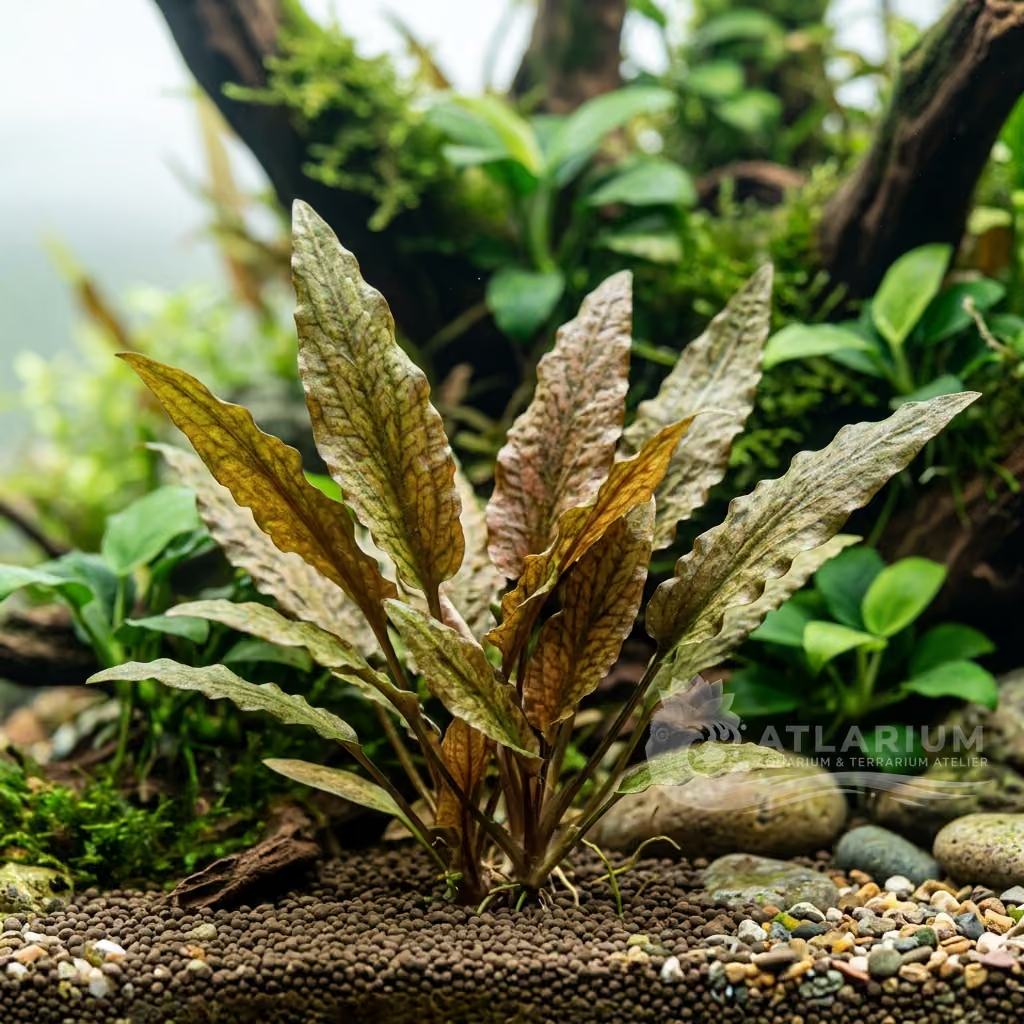
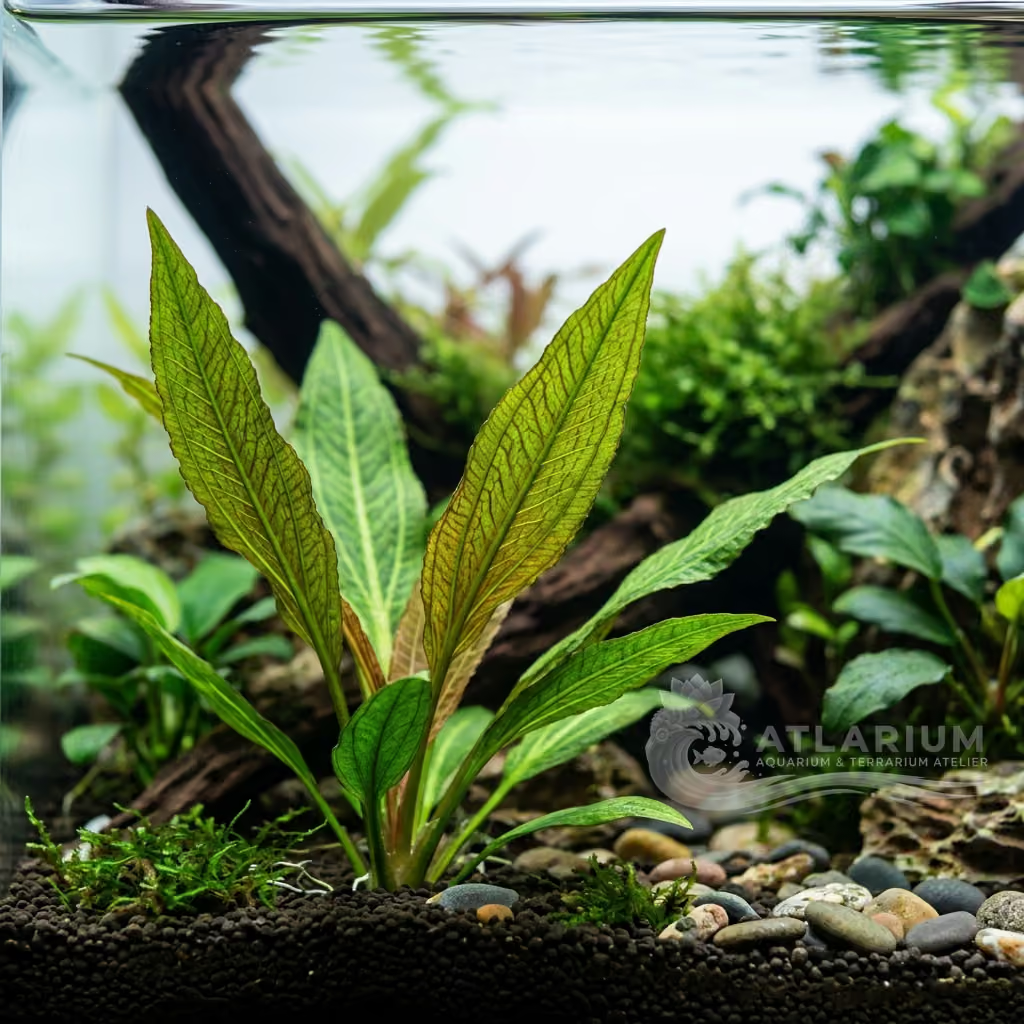
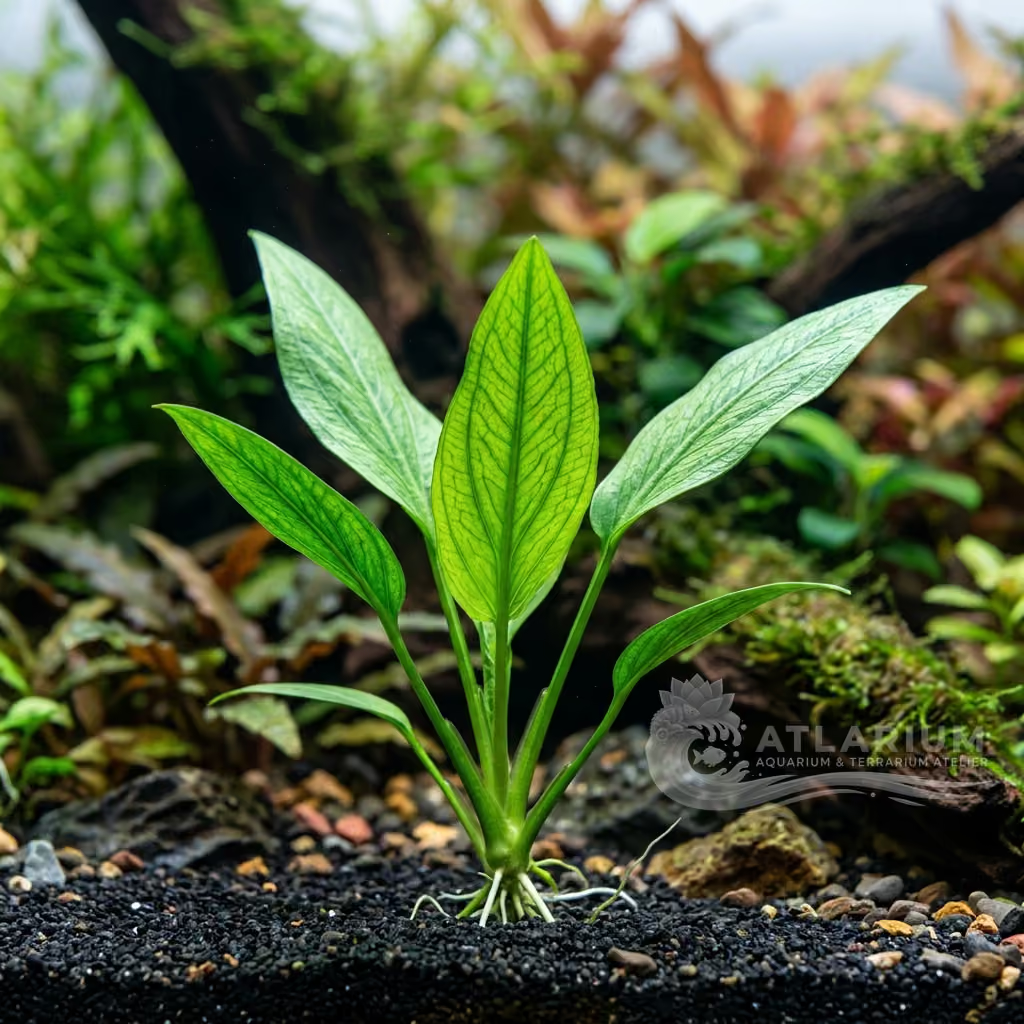
Cryptocoryne 'pigmea' is a versatile dwarf rosette plant native to the Philippines. Its narrow, olive-green leaves quickly form dense, low bushes, offering lush coverage for nano tanks and foregrounds.
Water Temperature
22 - 28 °C
pH Value
6 - 7.5
Water type
Freshwater
Light
Low
CO2
Medium - High
Expected height
15 cm
KH
2 - 10 dKH

Species description
Geographical Origin and Habitat: Cryptocoryne 'pigmea' (often marketed as Cryptocoryne pygmaea) is native to the islands of the Philippine archipelago, particularly Leyte, Mindanao, and Samar. In nature, it colonizes the muddy and sandy banks of small rivers and streams flowing under the dense canopy of the rainforest. This species adapts to sudden water level changes, remaining submerged for long periods during monsoon rains and partially emerging during dry spells, where its height is further reduced.
Taxonomy & Genetics: It belongs to the Araceae family, genus Cryptocoryne. Descrbed by Merrill, this species is distinct within the genus for its small size and leaf structure. Stable genetics and specific adaptations allow it to tolerate very low light levels and propagate efficiently by vegetative means. There is a close morphological proximity to other Southeast Asian species, but it is distinguished by the unique characteristics of the floral spathe, which features a short, smooth spiral.
Physical Structure: It presents as a small erect or prostrate rosette plant, reaching a maximum height of 10-15 cm. The leaves are narrowly lanceolate or linear, with a short, flexible petiole arising from a branched rhizome. The root system is compact and branched, designed to penetrate sandy-clay substrates and ensure strong absorption of the nutrients needed by the plant.
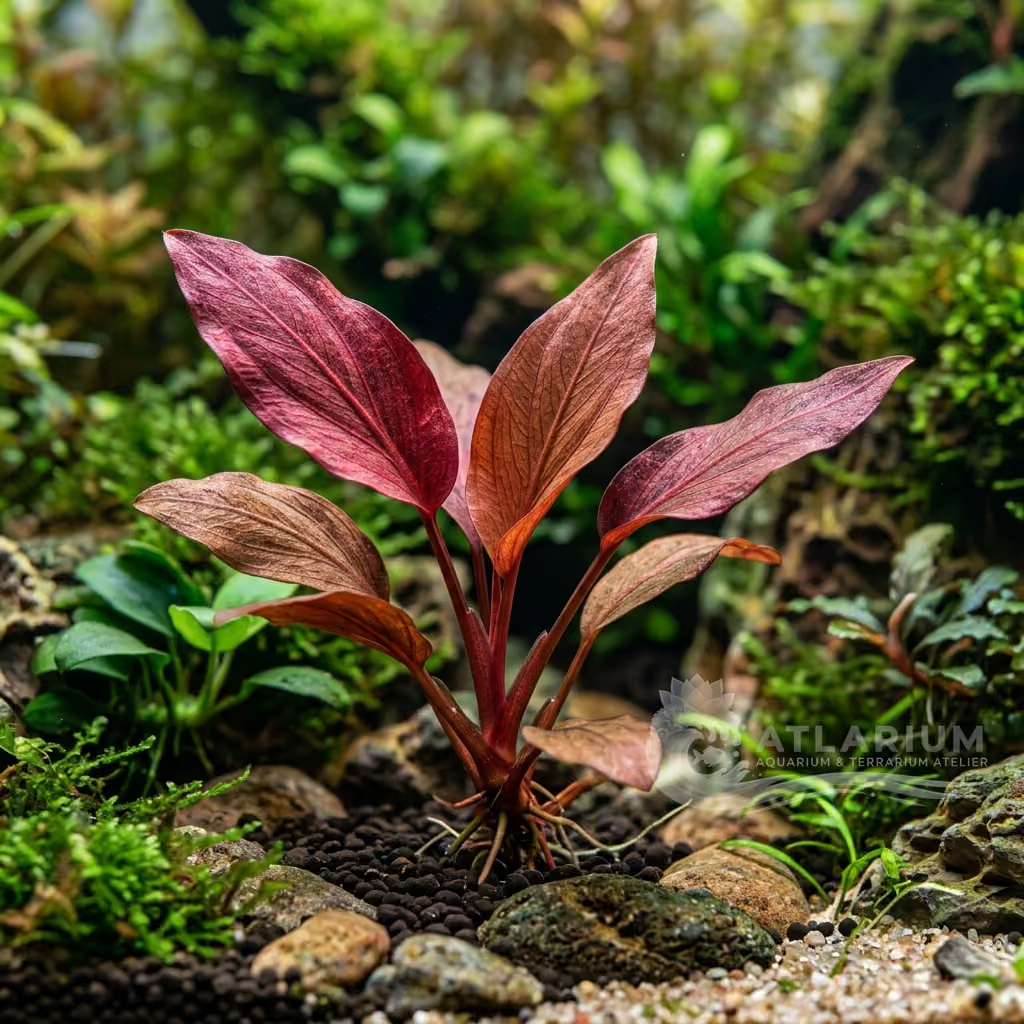
Color & Texture: Leaf color varies from bright green to olive or bronze-green, with the underside often showing reddish or light brown hues, especially under medium lighting. The surface of the leaves is smooth with entire or slightly wavy margins, displaying a matte texture that fits harmoniously into the aquatic landscape, creating a natural look.

Care, breeding and tankmates
Lighting & CO2: Suitable for aquariums with low to moderate lighting. Excessive light intensity is not necessary and can lead to the leaves flattening against the substrate, while too little light significantly slows its development. CO2 injection is not essential for cultivation, but a light supply (5-10 mg/L) stimulates growth and promotes the emission of new, healthy leaves.
Nutrition & Substrate: Prefers a fine and fertile substrate, such as silica sand mixed with soil or mature aquasoil. Being a plant with strong root nutrition, the addition of fertilizer tabs containing iron and trace elements near the rosette greatly stimulates growth. Liquid fertilization in the
Water Chemistry: Highly tolerant, it thrives in soft to moderately hard water with stable pH between 6.0 and 7.5. The optimal water temperature ranges between 20°C and 28°C. Avoid sudden swings in conductivity or excessively large water changes that could stress the plant.
Space Management & Placement: Due to its small size, it is ideal as a foreground or midground plant in small and nano-aquariums. Plant it in small groups, spacing individual plants 2-3 cm apart; over time, the specimens will merge to form a dense, low bush that offers excellent shelter for small invertebrates.
Pruning: Medium and compact growth minimizes maintenance. Pruning consists of cutting damaged, yellowing, or algae-covered outer leaves close to the rhizome base with sharp scissors. This encourages the growth of fresh foliage from the center of the rosette.
Risks & Diseases: It is moderately susceptible to Cryptocoryne melt. To prevent this problem, avoid placing the plant in un-cycled aquariums or moving it frequently after the initial transplant. Due to its slow growth, old leaves can accumulate green spot algae.

Geographic origin and distribution
Cryptocoryne 'pigmea' (often marketed as Cryptocoryne pygmaea) is native to the islands of the Philippine archipelago, particularly Leyte, Mindanao, and Samar. In nature, it colonizes the muddy and sandy banks of small rivers and streams flowing under the dense canopy of the rainforest. This species adapts to sudden water level changes, remaining submerged for long periods during monsoon rains and partially emerging during dry spells, where its height is further reduced.
Origin
South and Southeast Asia

Plant profile
- Placement
- Midground
- This species is best suited as a foreground or nano midground plant in the aquarium. Its compact rosette with brownish-green leaves provides excellent contrast against both fine-leaved stems and hardscape materials. Careful positioning ensures it receives adequate light without being overshadowed by faster-growing plants.
- Botanical form
- Rosette
- Cryptocoryne "pigmea" features a beautiful compact rosette with brownish-green leaves that adapts to its submerged environment. The leaf shape and stem length can shift dynamically based on the available light intensity and spectrum. Its robust crown and creeping rhizome form the foundation of this elegant aquatic plant.
- Growth
- Medium
- Cryptocoryne "pigmea" exhibits a naturally slow pace of growth, typical of many species in its genus. It prioritizes root development initially, resulting in a delayed emergence of new leaves after planting. Environmental stability rather than high energy input is the key to steady, reliable growth.
- Substrate
- Medium
- For the best results, Cryptocoryne "pigmea" should be planted in a high-quality, mineral-rich substrate. Since it draws the majority of its nutrition from the roots, a well-established bottom layer is essential. Sand or fine gravel can be used successfully provided adequate root tabs are consistently supplied.
- Column fertilization
- Recommended
- Although primarily a root feeder, Cryptocoryne "pigmea" absorbs significant nutrients from the water column. A balanced liquid fertilizer dosed weekly will support its overall metabolic functions. Care must be taken not to overdose, which could invite algae on its slower-growing leaves.
- Root fertilization
- None
- Because Cryptocoryne "pigmea" develops a massive root system, it requires substantial subterranean feeding. Burying nutrient capsules near its base every few months guarantees lush and continuous growth. Neglecting root fertilization often leads to stunted leaves and a gradual decline in plant mass.
- Trimming
- Occasional
- Trimming should be done sparingly, removing only older or decaying leaves near the base. Cut the stems as close to the substrate as possible using sharp aquascaping scissors. Avoid cutting healthy foliage, as the slow growth rate means it will take time to recover.
- Propagation
- Runners
- The most effective way to propagate Cryptocoryne "pigmea" is by dividing its natural runner network. Wait until the young plantlets exhibit independent roots before separating them from the parent rhizome. Replanting them gently with root tabs ensures they transition smoothly without melting.
- Sensitivity
- Moderate
- Cryptocoryne pygmaea is notoriously sensitive to sudden changes in water parameters, which can trigger 'Crypt melt'. If melting occurs, leave the root system intact as it will typically bounce back with new, adapted leaves. It prefers stable environments with consistent lighting and fertilization.
- Layout role
- Foreground, Midground, Nano, group
- In aquascaping, Cryptocoryne pygmaea serves as a fantastic structural element or accent plant. Its light to medium green tones provide great contrast against typical green aquatic plants. It works exceptionally well in Nature Aquarium styles and shaded areas beneath driftwood.

Related species
Recommendations grouped by close relatives, companion choices, and similar care.