Cryptocoryne retrospiralis
Cryptocoryne retrospiralis
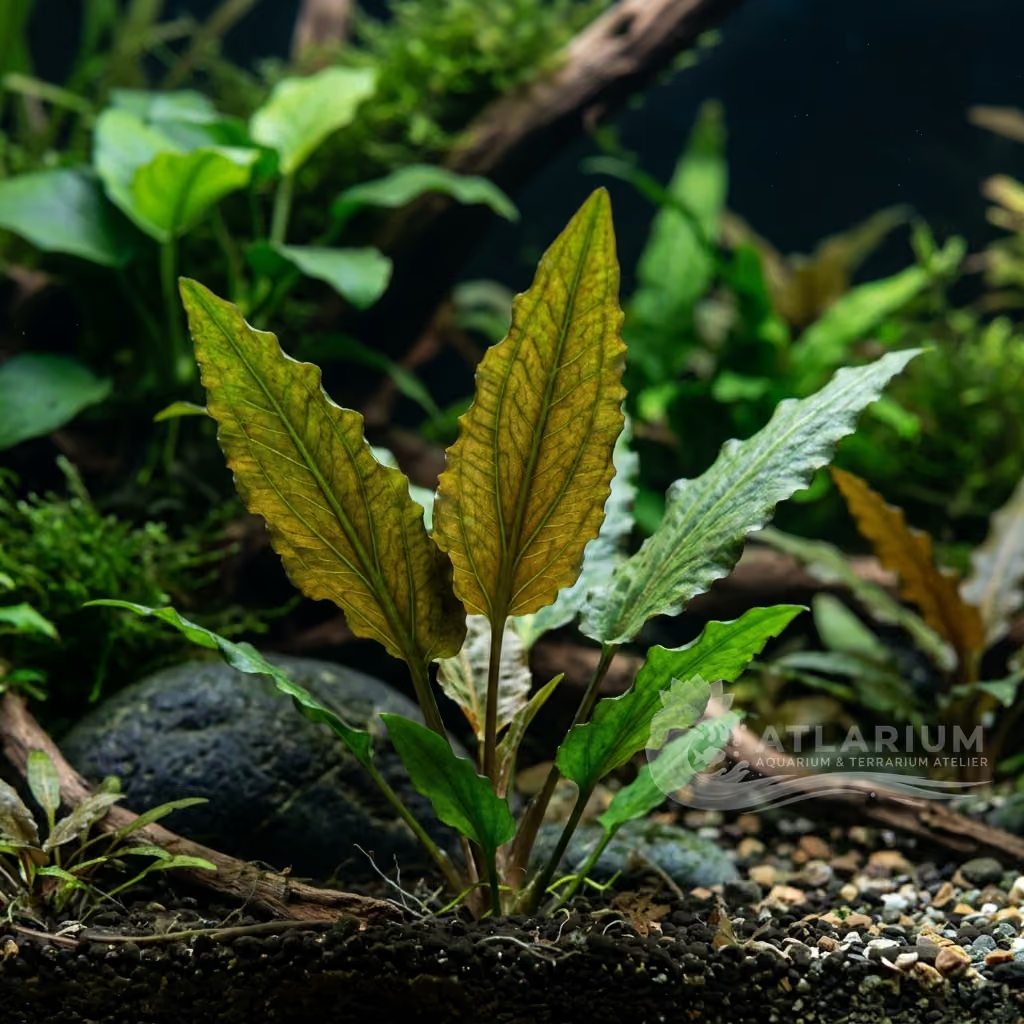
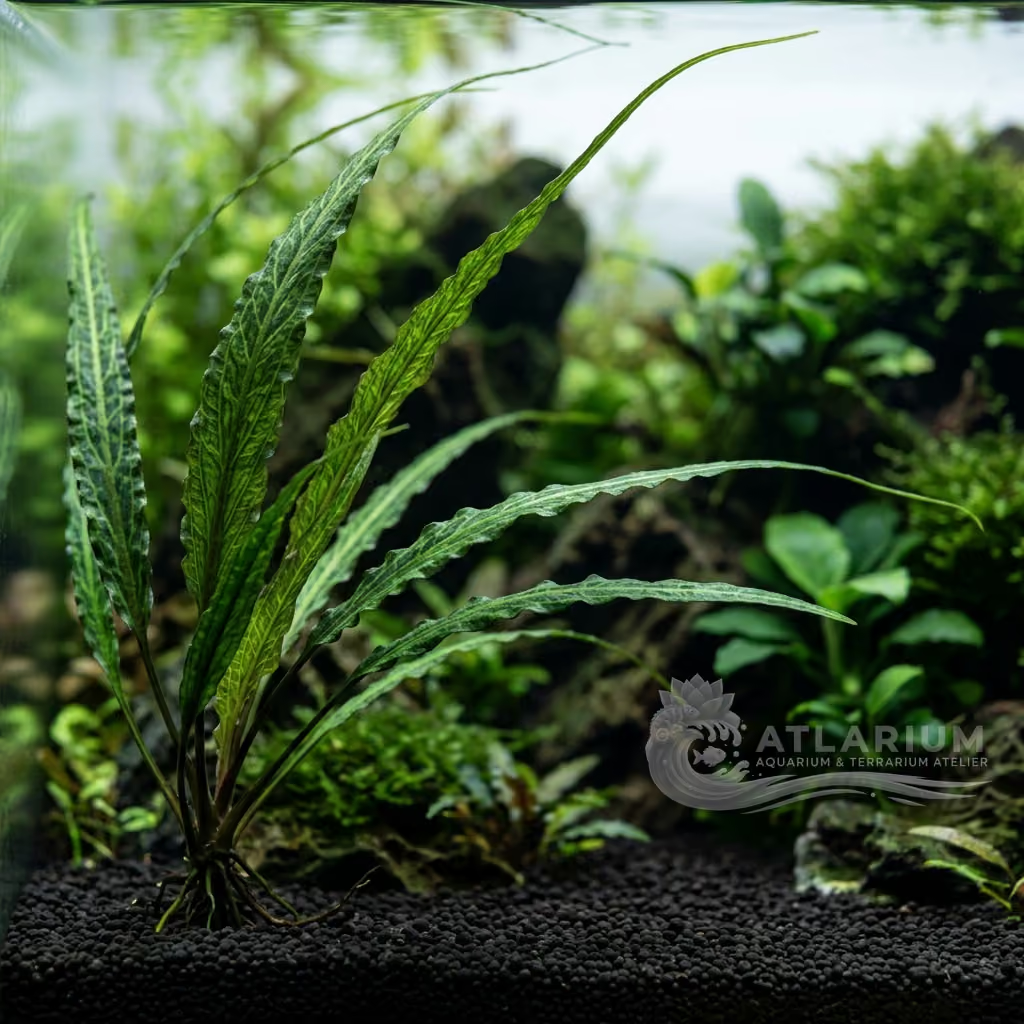
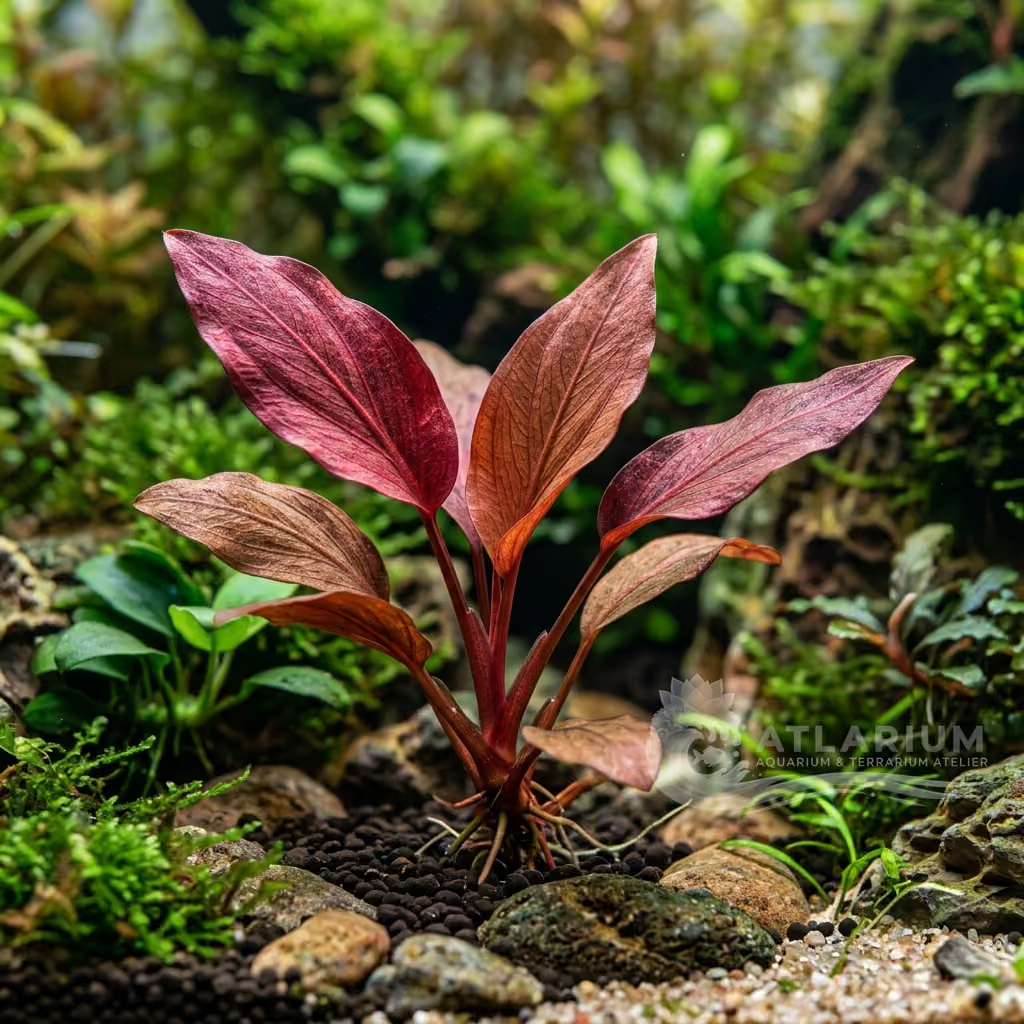
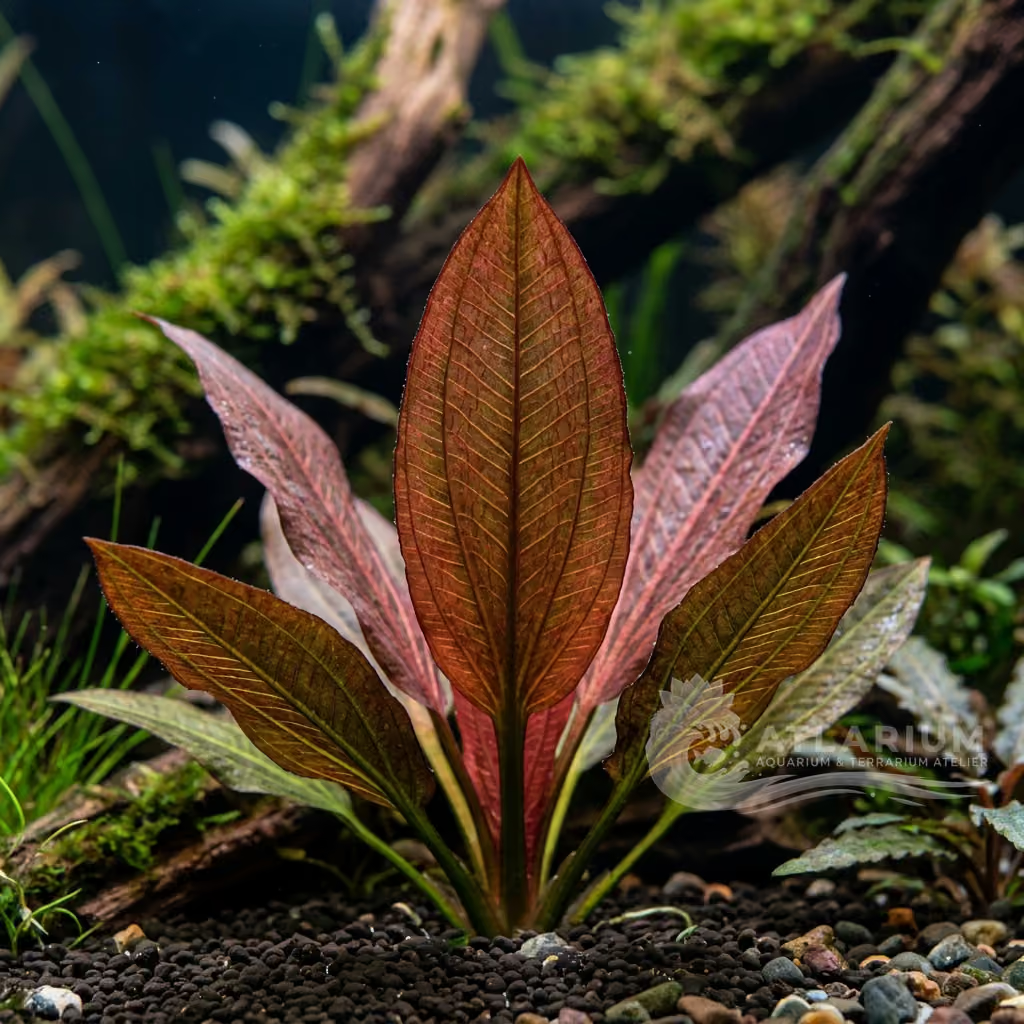
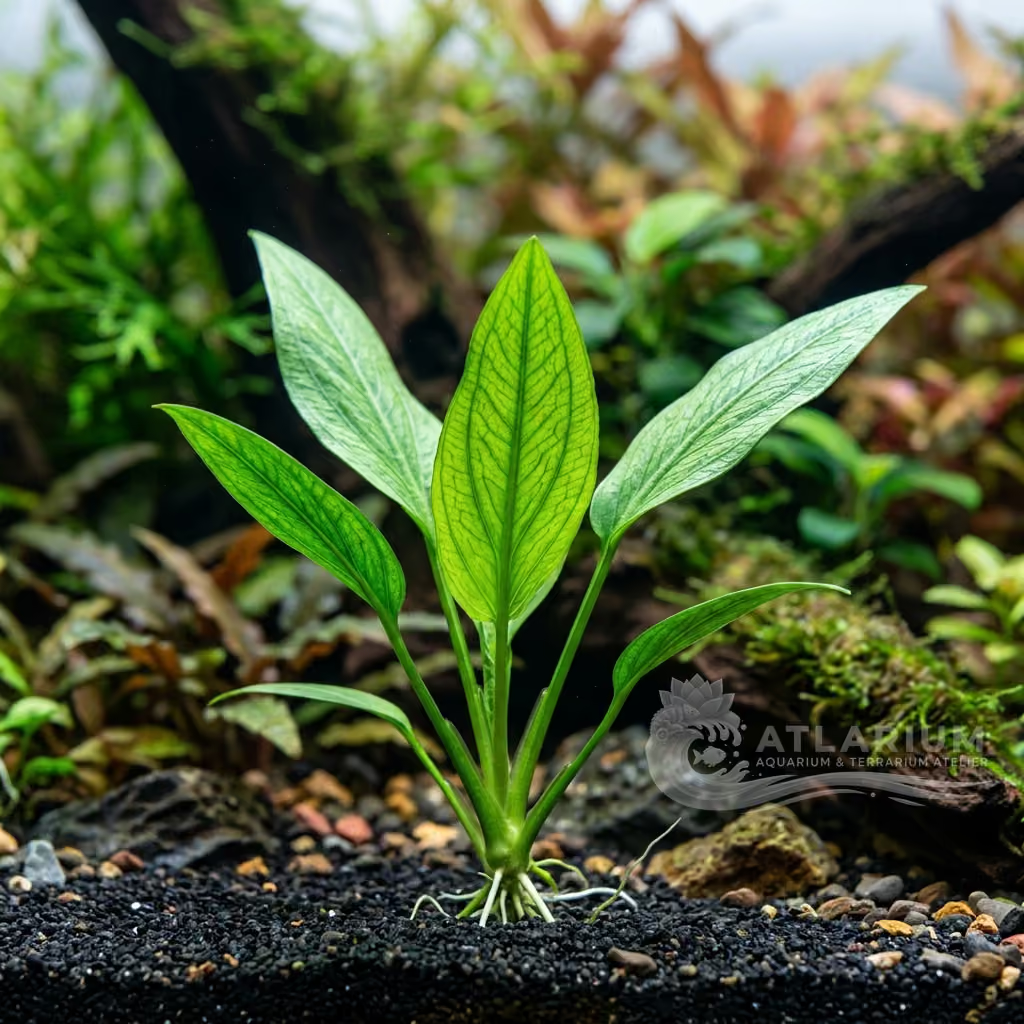
Cryptocoryne retrospiralis is a striking background plant native to India. Its long, slender, strongly twisted leaves sway elegantly in the water current, adding vertical dynamism and natural grace.
Water Temperature
18 - 30 °C
pH Value
5 - 8
Water type
Freshwater
Light
Medium to High
CO2
Low - High
Expected height
30 cm
KH
2 - 20 dKH

Species description
Geographical Origin and Habitat: Cryptocoryne retrospiralis is native to the tropical regions of India, particularly within the central and southern river basins, where it grows along the sandy and gravelly banks of fast-flowing streams. In the wild, this plant experiences extreme seasonal water level fluctuations, growing fully submerged during the monsoon season and emersed during the dry summer months, which is when it flowers. The substrate it roots in is typically composed of coarse sand, river gravel, and pebbles rich in mineral deposits carried down by the rains.
Taxonomy & Genetics: It belongs to the Araceae family, Aroideae subfamily, and Cryptocoryneae tribe. Genetically, it shares a close relationship with the widespread Cryptocoryne spiralis, from which it is distinguished by the shape and curling of the leaf blade, as well as the characteristics of the floral spathe. It is a polymorphic species, with local ecotypes showing minor variations in leaf curl and thickness depending on the water current speed and sunlight exposure.
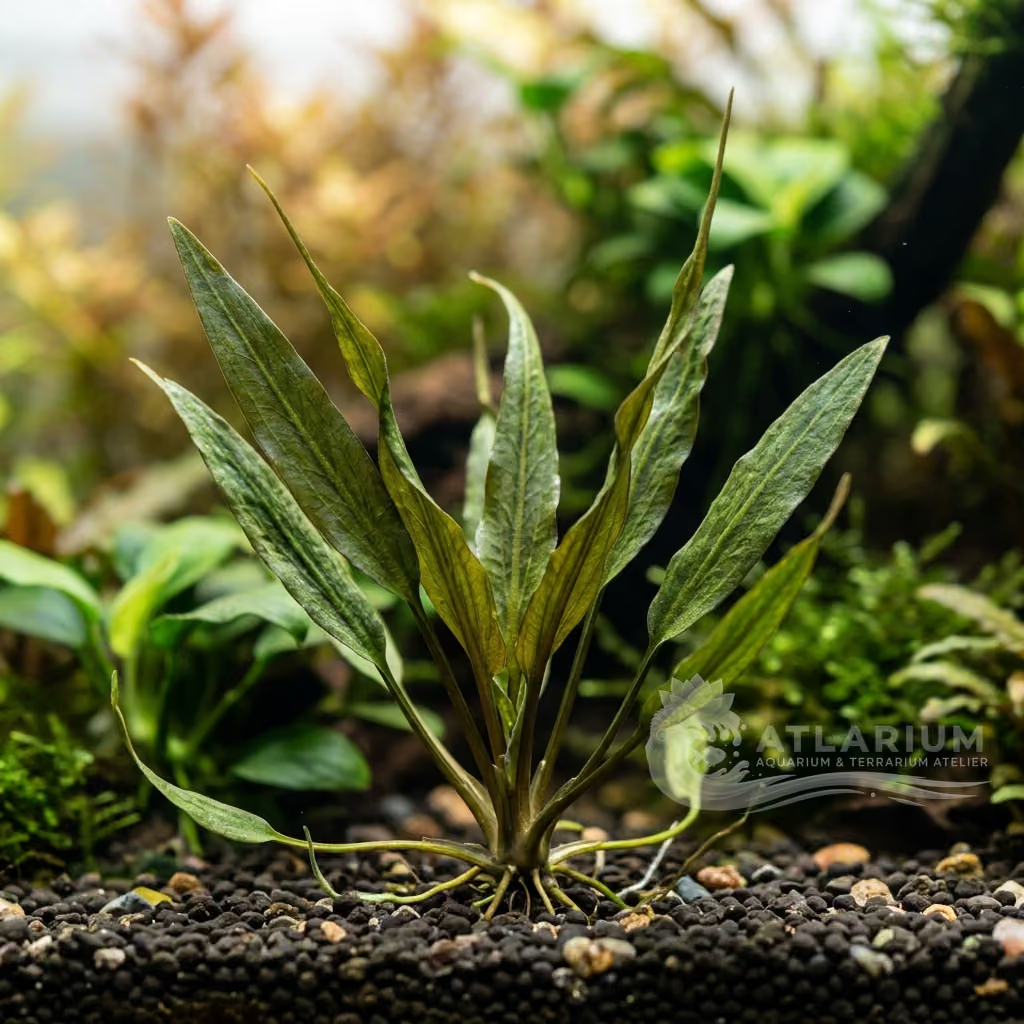
Physical Structure: The plant exhibits an erect, bushy rosette growth habit, lacking a true aerial stem. The leaves are ribbon-like, narrow, and elongated, supported by short, sturdy petioles and arranged in a spiral around a fleshy, compact central rhizome. The root system is exceptionally well-developed, penetrating deeply into the aquarium substrate to anchor the plant and absorb essential micro and macroelements from the soil.
Color & Texture: The leaves display olive-green to dark emerald-green coloration, with the underside sometimes displaying coppery or bronze hues under intense light. The leaf surface has a slightly leathery and rugose texture to the touch, with distinct longitudinal veins and wavy or spiraling margins that add depth and a unique texture to the aquascape.

Care, breeding and tankmates
Lighting & CO2: It requires moderate to medium-high lighting to prevent the leaves from stretching excessively and to promote compact growth. While CO2 injection is not critical for survival, it stimulates faster, healthier growth, with stable concentrations between 10 and 20 mg/L recommended for densely planted tanks.
Nutrition & Substrate: A fertile, nutrient-rich substrate is vital for this plant due to its strong root uptake. It is recommended to use an active aquasoil or regularly insert fertilizer root tabs containing iron and trace elements near the base of the rosette.
Water Chemistry: It exhibits remarkable adaptability, tolerating water with KH values between 2 and 20 dKH and a pH from acidic to alkaline (5.0-8.0). The ideal temperature range for its cultivation is between 18°C and 30°C, making it suitable for both heated tropical aquariums and temperate setups.
Space Management & Placement: It is ideal for midground or background placement in medium to large aquariums due to its potential height. Plant individual rosettes a few centimeters apart to allow light to reach the lower parts of the plant and prevent early leaf decay.
Pruning: Pruning is limited to removing the oldest, damaged, or yellowing outer leaves by cutting them close to the rhizome base with sharp scissors. This encourages new leaf production from the center of the rosette and prevents organic decay on the substrate.
Risks & Diseases: Like all Cryptocoryne species, it is sensitive to 'Cryptocoryne melt,' which causes sudden leaf decay after rapid changes in light intensity or water chemistry. To minimize this risk, it is best to plant it in mature aquariums and avoid drastic parameters changes during maintenance.

Geographic origin and distribution
Cryptocoryne retrospiralis is native to the tropical regions of India, particularly within the central and southern river basins, where it grows along the sandy and gravelly banks of fast-flowing streams. In the wild, this plant experiences extreme seasonal water level fluctuations, growing fully submerged during the monsoon season and emersed during the dry summer months, which is when it flowers. The substrate it roots in is typically composed of coarse sand, river gravel, and pebbles rich in mineral deposits carried down by the rains.
Origin
South and Southeast Asia

Plant profile
- Placement
- Midground
- This species is best suited as a background waving accent in the aquarium. Its tall rosette with narrow, heavily undulated leaves provides excellent contrast against both fine-leaved stems and hardscape materials. Careful positioning ensures it receives adequate light without being overshadowed by faster-growing plants.
- Botanical form
- Rosette
- Cryptocoryne retrospiralis features a beautiful tall rosette with narrow, heavily undulated leaves that adapts to its submerged environment. The leaf shape and stem length can shift dynamically based on the available light intensity and spectrum. Its robust crown and creeping rhizome form the foundation of this elegant aquatic plant.
- Growth
- Medium
- Cryptocoryne retrospiralis exhibits a naturally moderate pace of growth, typical of many species in its genus. It prioritizes root development initially, resulting in a delayed emergence of new leaves after planting. Environmental stability rather than high energy input is the key to steady, reliable growth.
- Substrate
- High
- For the best results, Cryptocoryne retrospiralis should be planted in a high-quality, mineral-rich substrate. Since it draws the majority of its nutrition from the roots, a well-established bottom layer is essential. Sand or fine gravel can be used successfully provided adequate root tabs are consistently supplied.
- Column fertilization
- Recommended
- Although primarily a root feeder, Cryptocoryne retrospiralis absorbs significant nutrients from the water column. A balanced liquid fertilizer dosed weekly will support its overall metabolic functions. Care must be taken not to overdose, which could invite algae on its slower-growing leaves.
- Root fertilization
- None
- Because Cryptocoryne retrospiralis develops a massive root system, it requires substantial subterranean feeding. Burying nutrient capsules near its base every few months guarantees lush and continuous growth. Neglecting root fertilization often leads to stunted leaves and a gradual decline in plant mass.
- Trimming
- Occasional
- Trimming should be done sparingly, removing only older or decaying leaves near the base. Cut the stems as close to the substrate as possible using sharp aquascaping scissors. Avoid cutting healthy foliage, as the slow growth rate means it will take time to recover.
- Propagation
- Cuttings
- The most effective way to propagate Cryptocoryne retrospiralis is by dividing its natural runner network. Wait until the young plantlets exhibit independent roots before separating them from the parent rhizome. Replanting them gently with root tabs ensures they transition smoothly without melting.
- Sensitivity
- Moderate
- Cryptocoryne retrospiralis is notoriously sensitive to sudden changes in water parameters, which can trigger 'Crypt melt'. If melting occurs, leave the root system intact as it will typically bounce back with new, adapted leaves. It prefers stable environments with consistent lighting and fertilization.
- Layout role
- Midground, Background
- In aquascaping, Cryptocoryne retrospiralis serves as a fantastic structural element or accent plant. Its green to bronze tones provide great contrast against typical green aquatic plants. It works exceptionally well in Nature Aquarium styles and shaded areas beneath driftwood.

Related species
Recommendations grouped by close relatives, companion choices, and similar care.