Cryptocoryne crispatula var. kubotae
Cryptocoryne crispatula var. kubotae
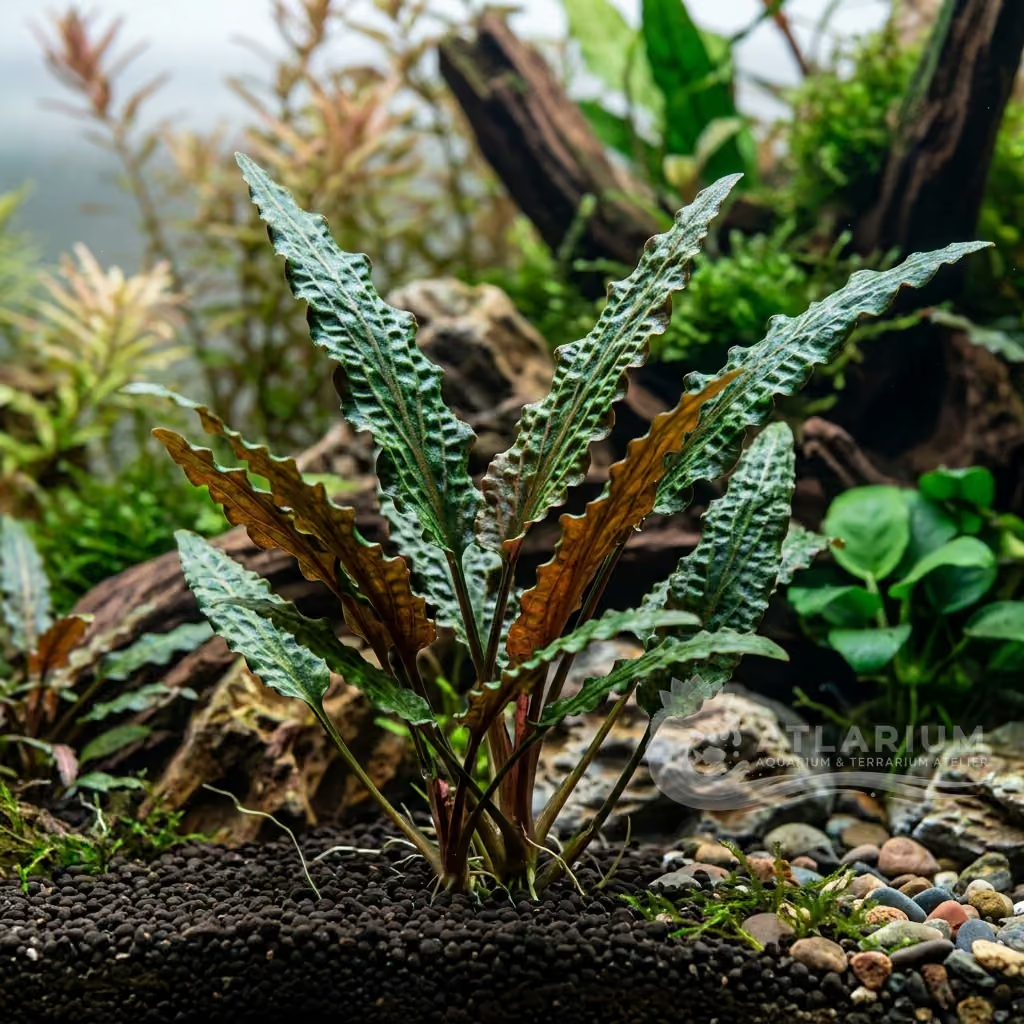
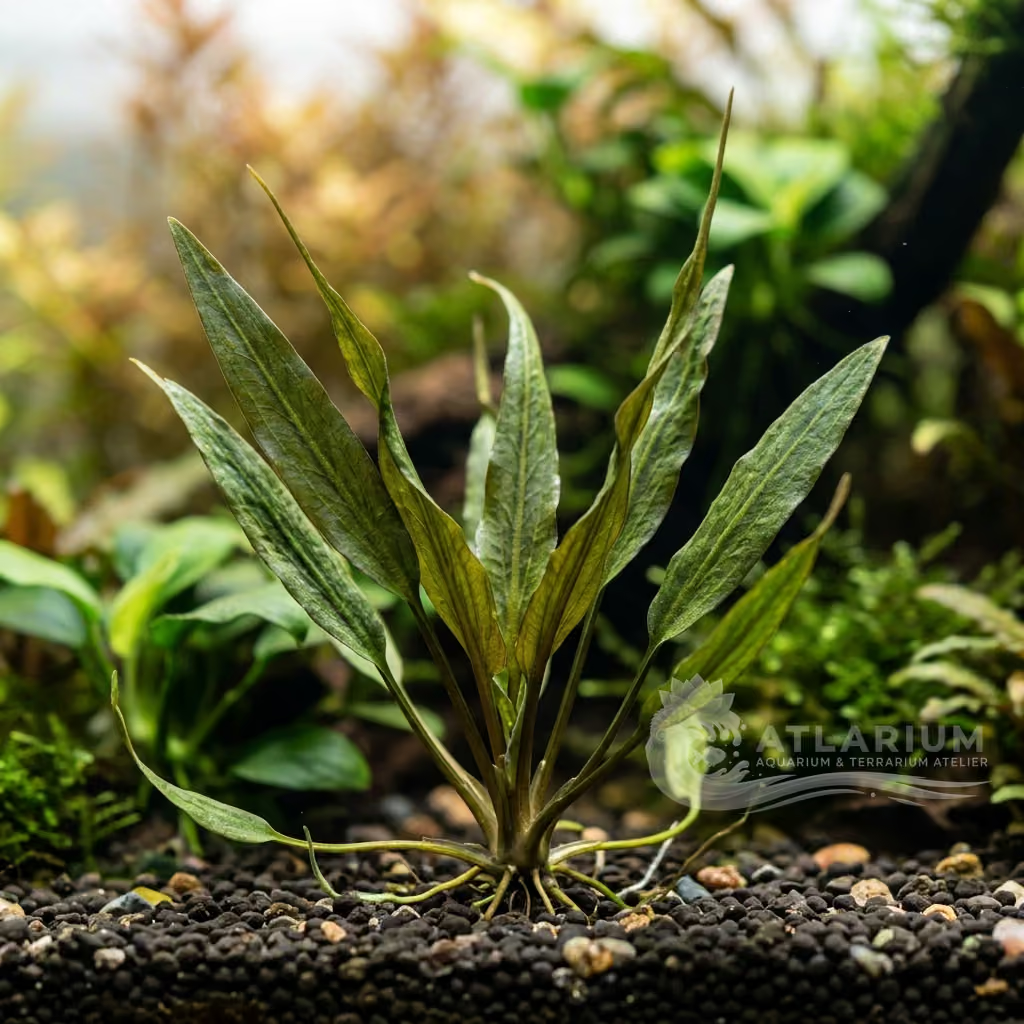
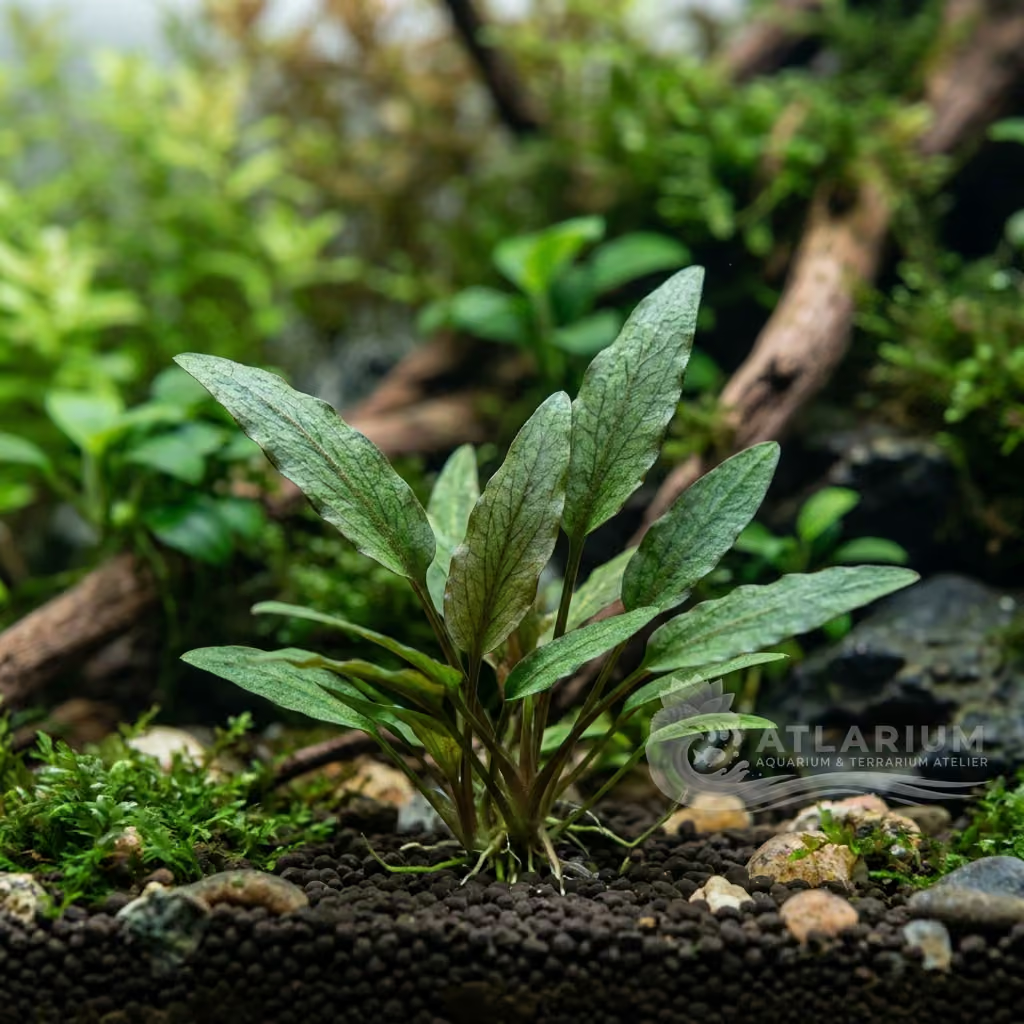
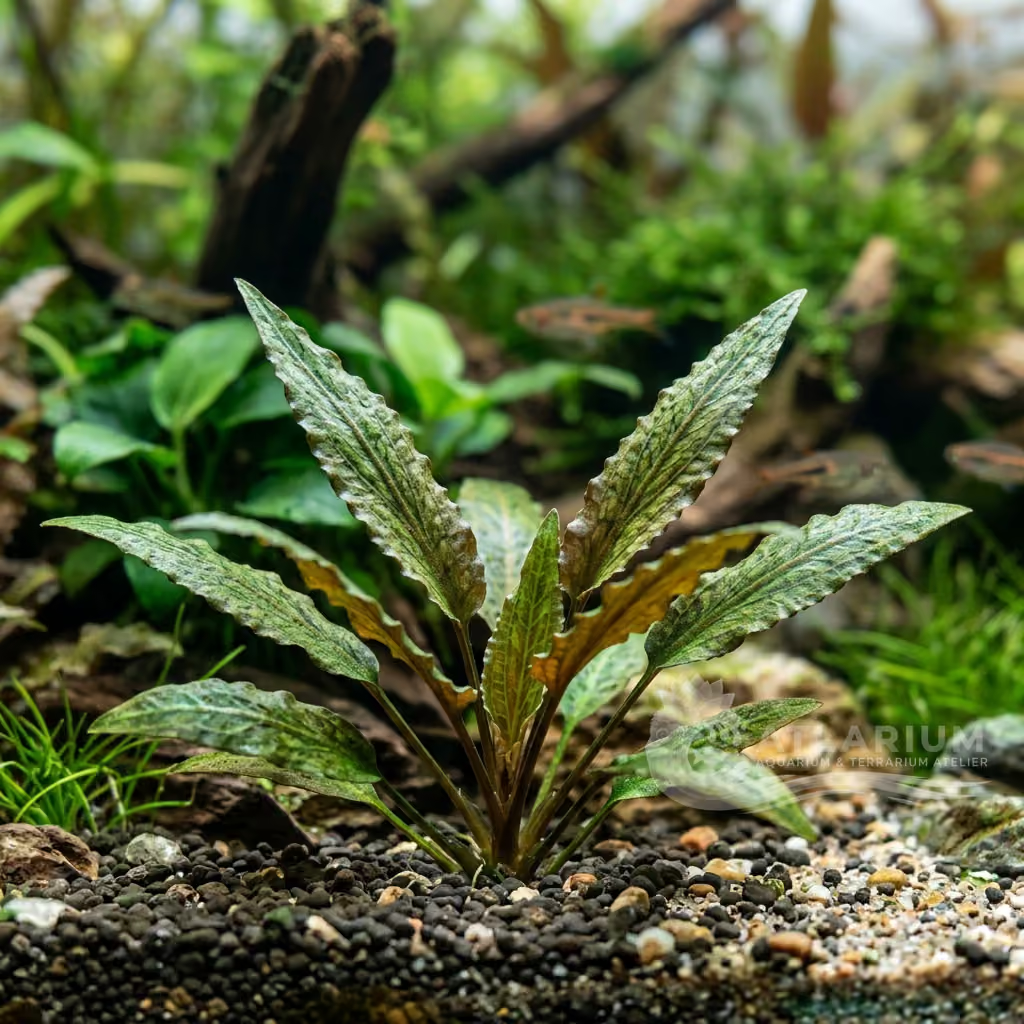
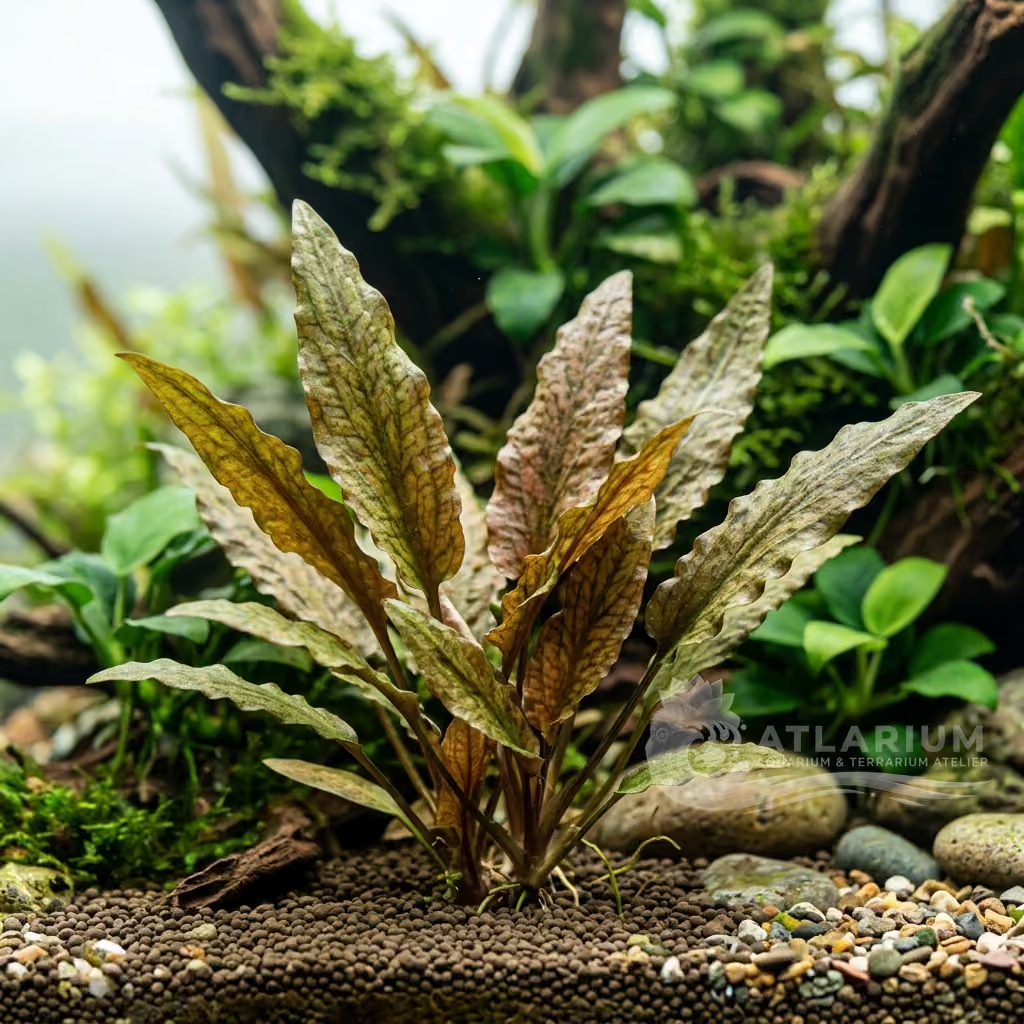
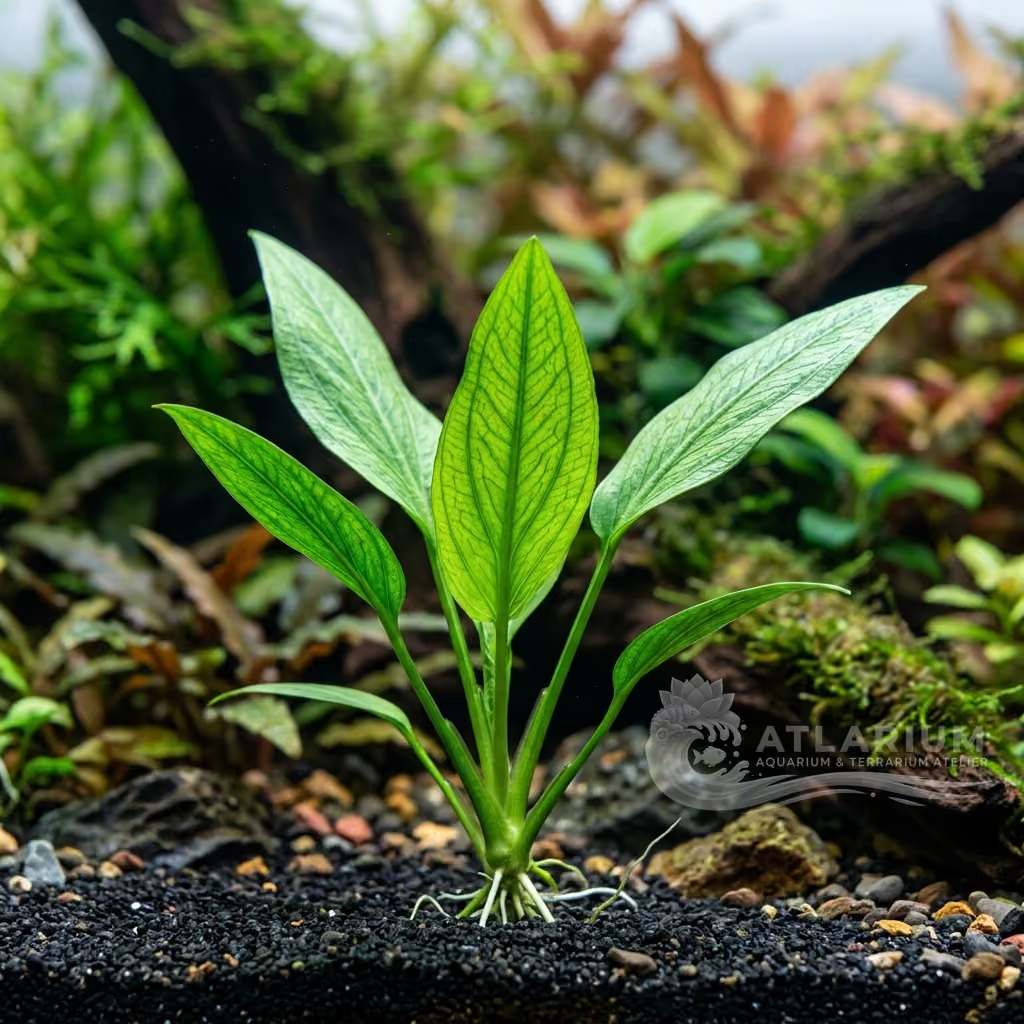
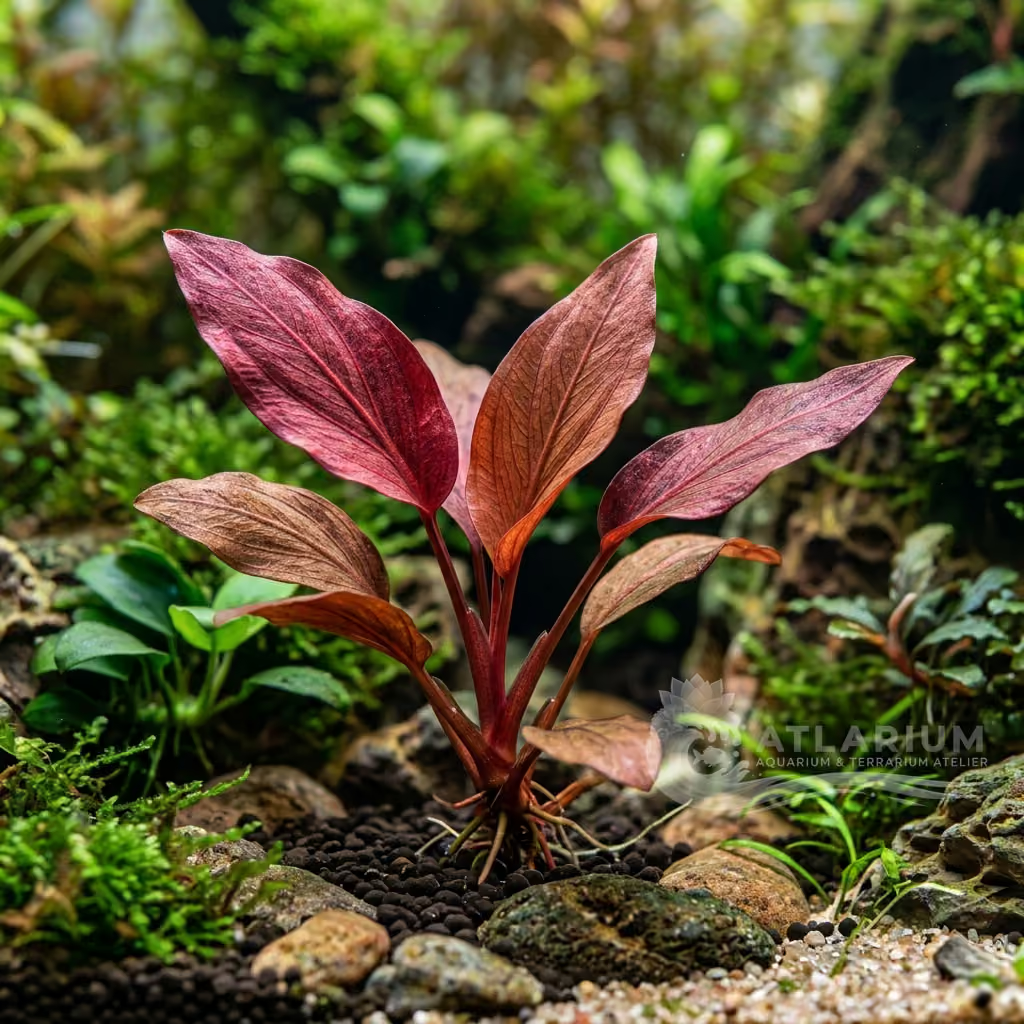
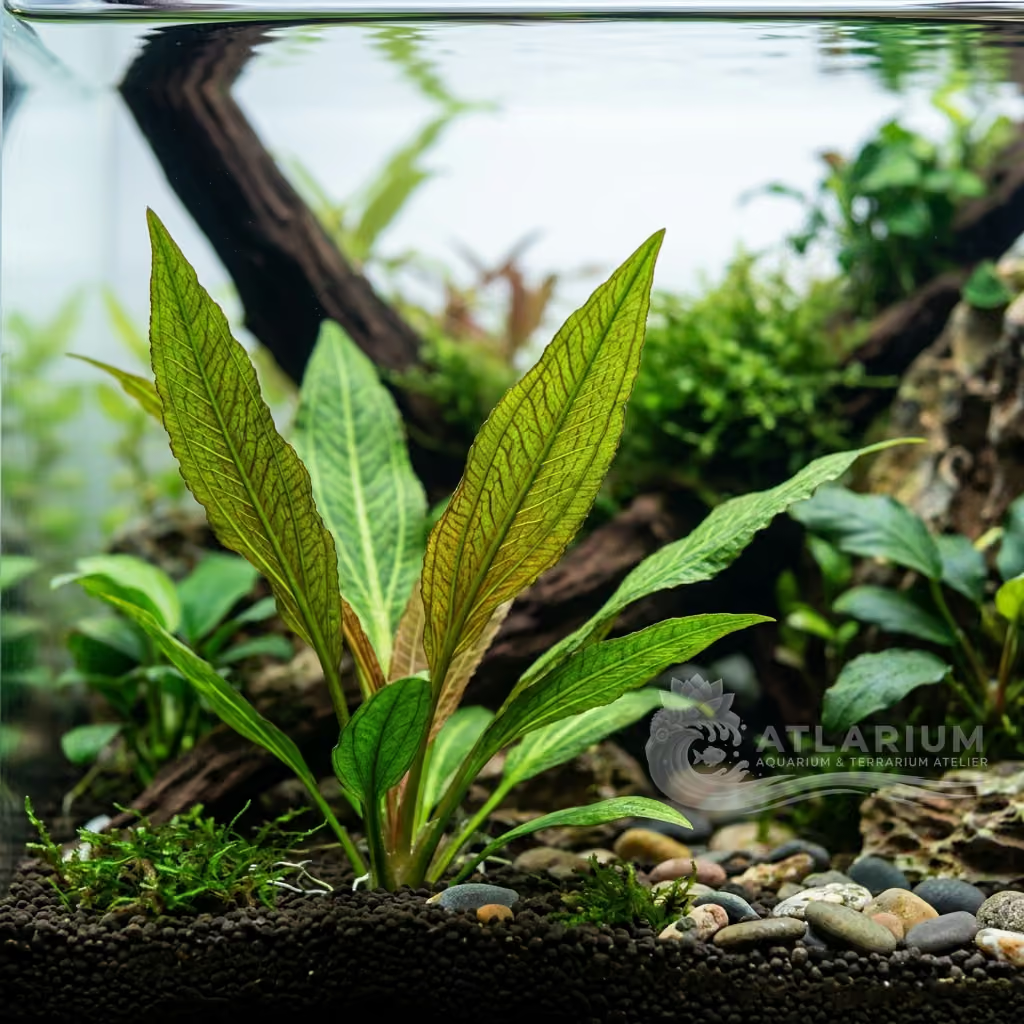
Cryptocoryne crispatula var. kubotae: an elegant rosette plant with extremely narrow, crinkled bronze-red ribbon-like leaves. Outstanding for vertical layouts. Light: Medium to high.
Water Temperature
20 - 28 °C
pH Value
6 - 7.5
Water type
Freshwater
Light
Medium to High
CO2
Low - High
Expected height
30 cm
Expected width
10 cm
KH
2 - 12 dKH

Species description
Geographical Origin and Habitat: This botanical variety is native to southern Thailand, where it colonizes limestone riverbeds and seasonal streams. In the wild, it grows anchored to sandy or gravelly substrates rich in calcium carbonate. It is adapted to constant water flow and water level variations, developing its typical form during the submerged phase.
Taxonomy & Genetics: It belongs to the Araceae family, genus Cryptocoryne. Taxonomically it is classified as a variant within the Cryptocoryne crispatula complex, named after the plant collector Kubota. Genetically, it has evolved leaves with extremely reduced width to offer minimal resistance to the strong river currents of its habitat.
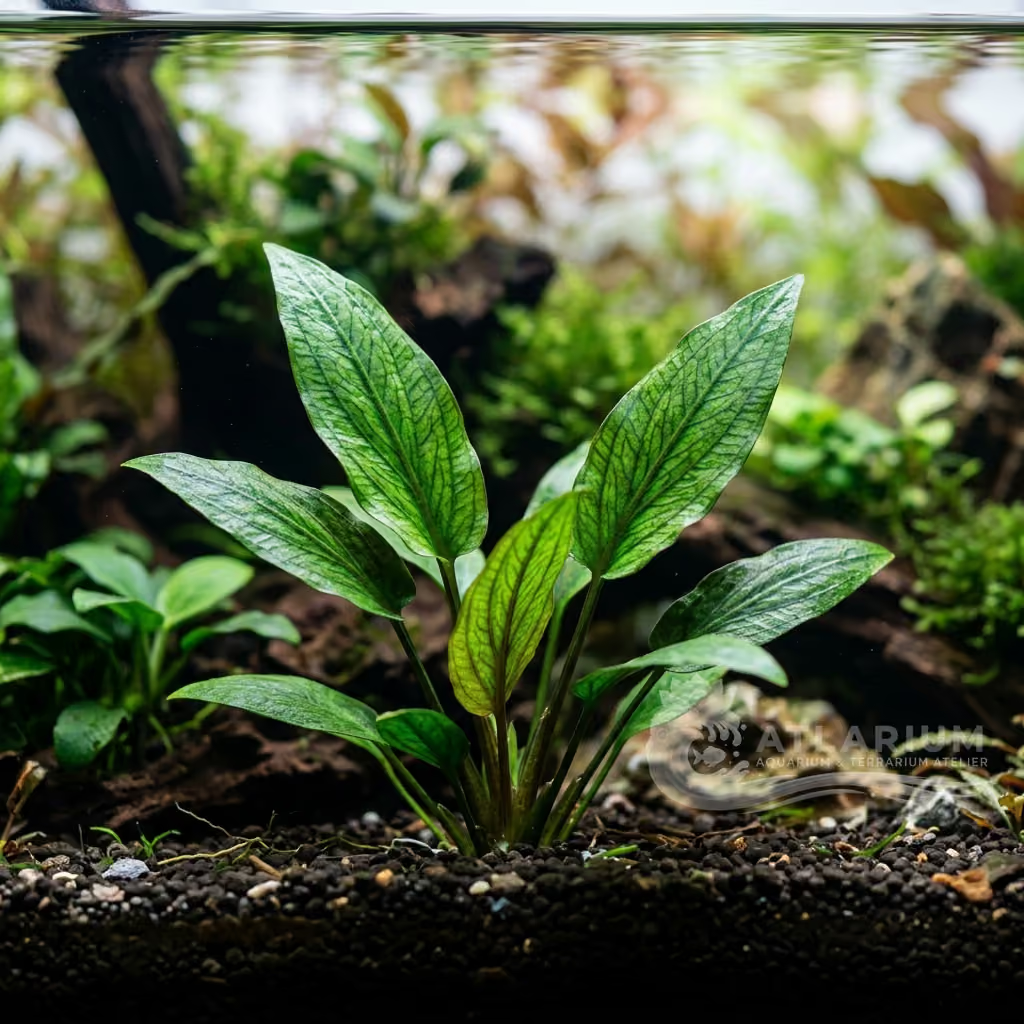
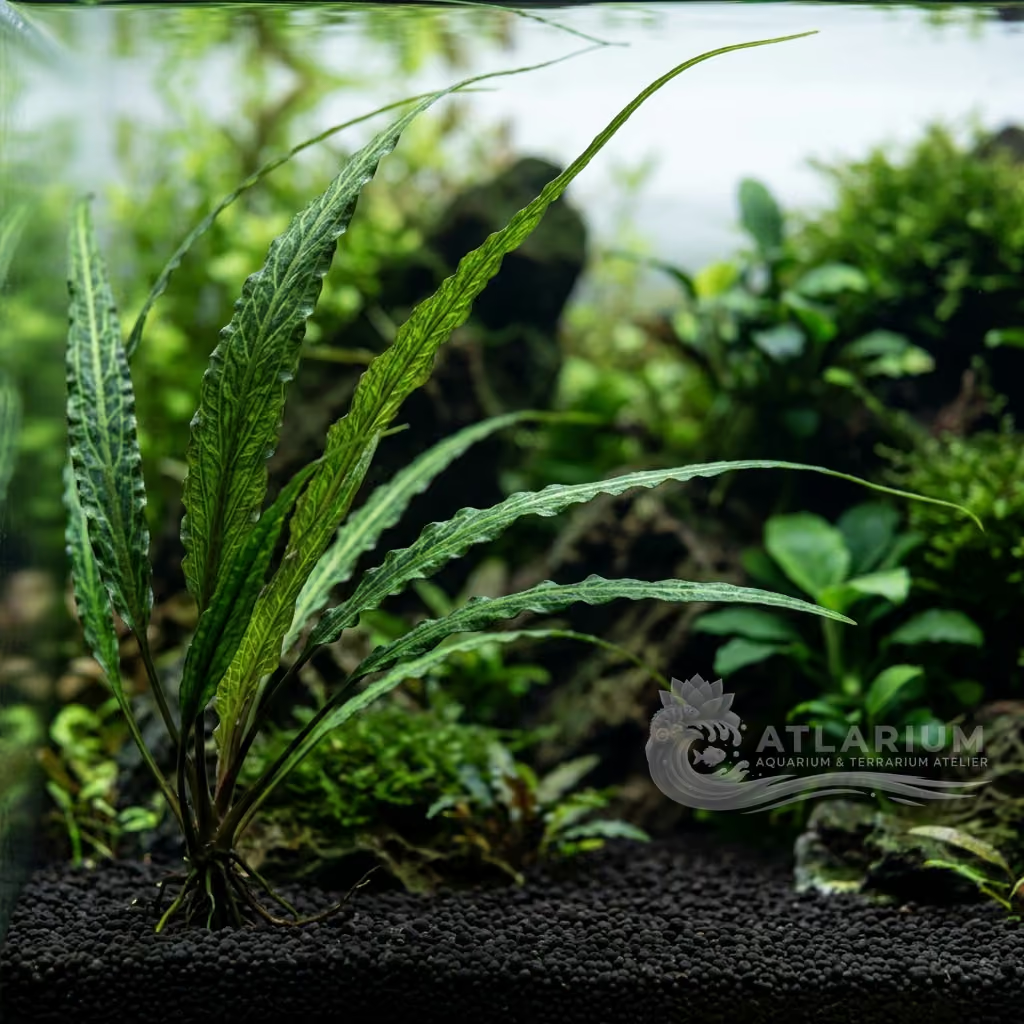
Physical Structure: It features an erect rosette of extremely narrow ribbon-like leaves, just a few millimeters wide, which stretch upwards to 20-35 cm. The leaves originate from a short, woody rhizome that develops deep, sturdy roots suited for anchoring in sandy soils subject to erosion.
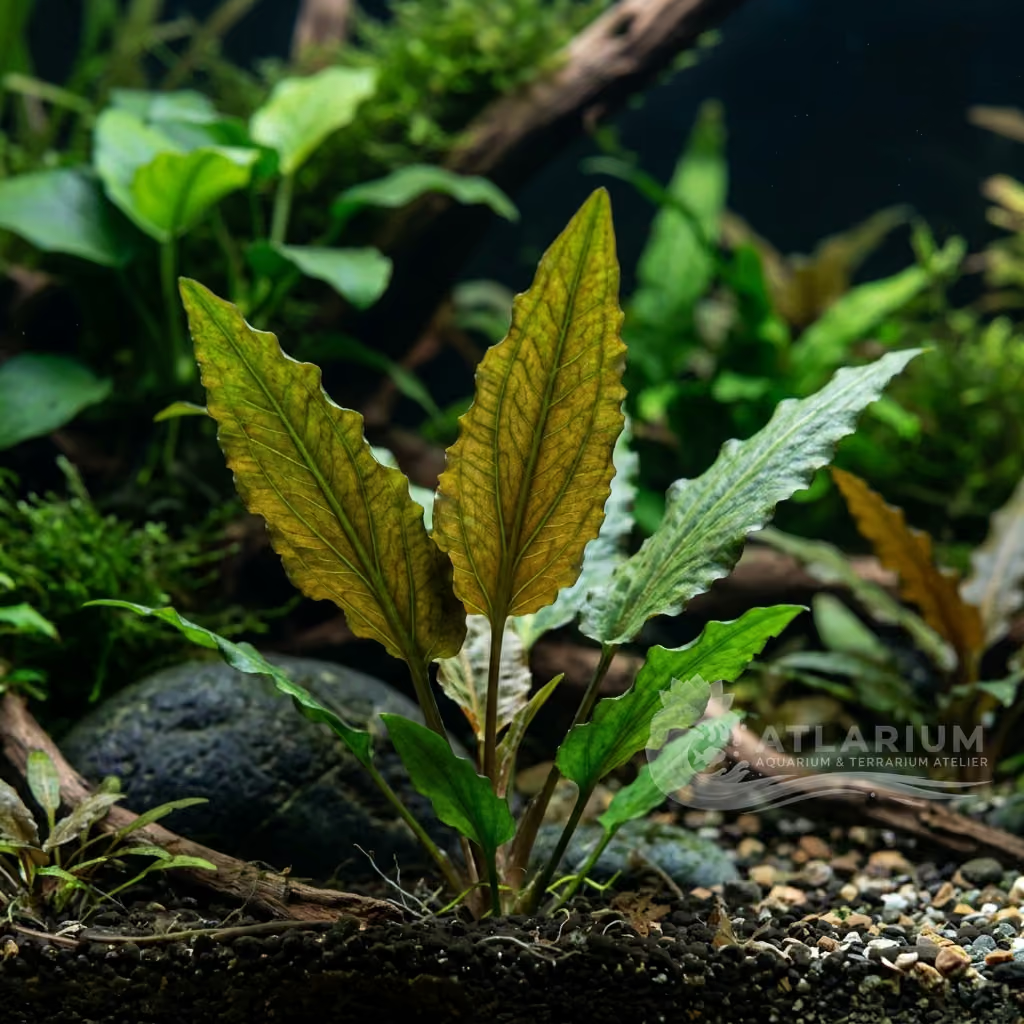
Color & Texture: The leaves display a highly decorative reddish-brown or copper-brown color, sometimes with dark olive-green tones under lower light. The leaf texture is characterized by strongly wavy and crinkled margins, giving the leaves a dynamic 'crisped' appearance that sways gently with the water flow.

Care, breeding and tankmates
Lighting & CO2: It requires moderate to intense lighting to maintain its bronze coloration and compact growth. Under weak light, growth becomes excessively slow and colors fade to olive green. CO2 injection is highly recommended to accelerate growth and favor leaf thickness.
Nutrition & Substrate: A fertile substrate rich in nutrients and iron is essential. It benefits from the regular insertion of root tabs. This variety responds positively to the presence of calcium in the substrate, reflecting the limestone river conditions of its origin.
Water Chemistry: It prefers soft to moderately hard water (KH 2-12 dKH) with a pH between 6.0 and 7.5. The optimal temperature is between 20°C and 28°C. Regular water changes help keep its narrow leaves clean of sediment.
Space Management & Placement: It is ideal for the midground or background of small aquariums (nano aquascaping) or the midground of larger tanks. It should be planted in small, dense groups to create a natural 'reed' effect. Avoid placing it in total shade.
Pruning: Maintenance consists of removing older or damaged leaves by cutting them near the base of the rosette with sharp scissors. Do not pull leaves off to prevent damage to the rhizome.
Risks & Diseases: It is sensitive to leaf melt due to sudden parameter shifts or debris settling on its leaves. Thread algae is a concrete risk due to the narrow shape of the plant, so good water flow and cleaner shrimp are recommended.

Geographic origin and distribution
This botanical variety is native to southern Thailand, where it colonizes limestone riverbeds and seasonal streams. In the wild, it grows anchored to sandy or gravelly substrates rich in calcium carbonate. It is adapted to constant water flow and water level variations, developing its typical form during the submerged phase.
Origin
South and Southeast Asia

Plant profile
- Placement
- Background
- Given its extremely narrow, grass-like appearance, it is perfectly suited for creating subtle vertical lines in the midground or background. When planted in groups, it forms a fine-textured curtain that gently sways with the water flow. It is often positioned near hardscape materials like driftwood or stones to soften their edges with its elegant foliage.
- Botanical form
- Rosette
- Var. kubotae is distinguished by its incredibly thin, needle-like leaves that are among the narrowest of the Cryptocoryne genus. The leaves are smooth, lacking the hammered texture of balansae, and grow upright in a tight rosette. The bright green color and grass-like morphology make it a unique and highly sought-after variety.
- Growth
- Slow
- This is generally a slow-growing plant that requires patience, especially after initial planting or relocation. Once acclimated, it provides a very stable, steady growth pattern that rarely overtakes the aquarium. CO2 supplementation can modestly increase its growth speed and overall density.
- Substrate
- High
- To achieve optimal growth and coloration, Cryptocoryne crispatula var. kubotae should be planted in a mineral-rich substrate that caters to its heavy root-feeding nature. Aqua soils with a fine to medium grain size are excellent for allowing the delicate yet expansive roots to penetrate deeply and extract iron and macronutrients. A substrate depth of 2.5 inches (6 cm) or more is critical for stabilizing the plant. If utilizing an inert substrate like decorative sand, a consistent regimen of root fertilization tabs is mandatory to sustain its vitality.
- Column fertilization
- Recommended
- Liquid fertilization should be kept to a minimum, primarily to supply essential trace elements that might be missing from the substrate. Heavy dosing of liquid NPK can easily trigger algal blooms that will suffocate its fine leaves. Focus instead on providing clean, well-oxygenated water.
- Root fertilization
- Recommended
- Root feeding is absolutely essential for the success of var. kubotae. A mature, nutrient-dense aquasoil is the ideal growing medium, but inert substrates must be heavily supplemented with root tabs. Consistent root nutrition prevents the plant from shedding its oldest leaves prematurely.
- Trimming
- Occasional
- Pruning should be extremely conservative, involving only the removal of yellowing or damaged leaves at their base. Because its leaves are so fine and grass-like, care must be taken not to uproot the entire rosette while trimming. Frequent pruning is generally unnecessary due to its slow, compact growth habit.
- Propagation
- Runners
- Propagation is slow but steady, achieved through the natural formation of basal runners beneath the substrate. Over time, a single plant will develop into a small, dense colony of interconnected rosettes. Daughter plants can be safely separated from the parent once they have developed a robust root system.
- Sensitivity
- Moderate
- It is notably sensitive to sudden environmental changes, making it highly susceptible to Crypt melt. Maintaining stable temperature, pH, and lighting conditions is critical to prevent total defoliation. Should melting occur, the plant will usually recover from the rootstock if left undisturbed in a stable environment.
- Layout role
- Nano, Midground
- It excels as a transitional plant between low foreground species and taller background stems. Its fine texture provides a beautiful contrast against broad-leaved Anubias or larger Cryptocoryne species. The delicate, grass-like appearance adds a very natural, meadow-like aesthetic to any layout.

Related species
Recommendations grouped by close relatives, companion choices, and similar care.