Cryptocoryne sivadasanii
Cryptocoryne sivadasanii
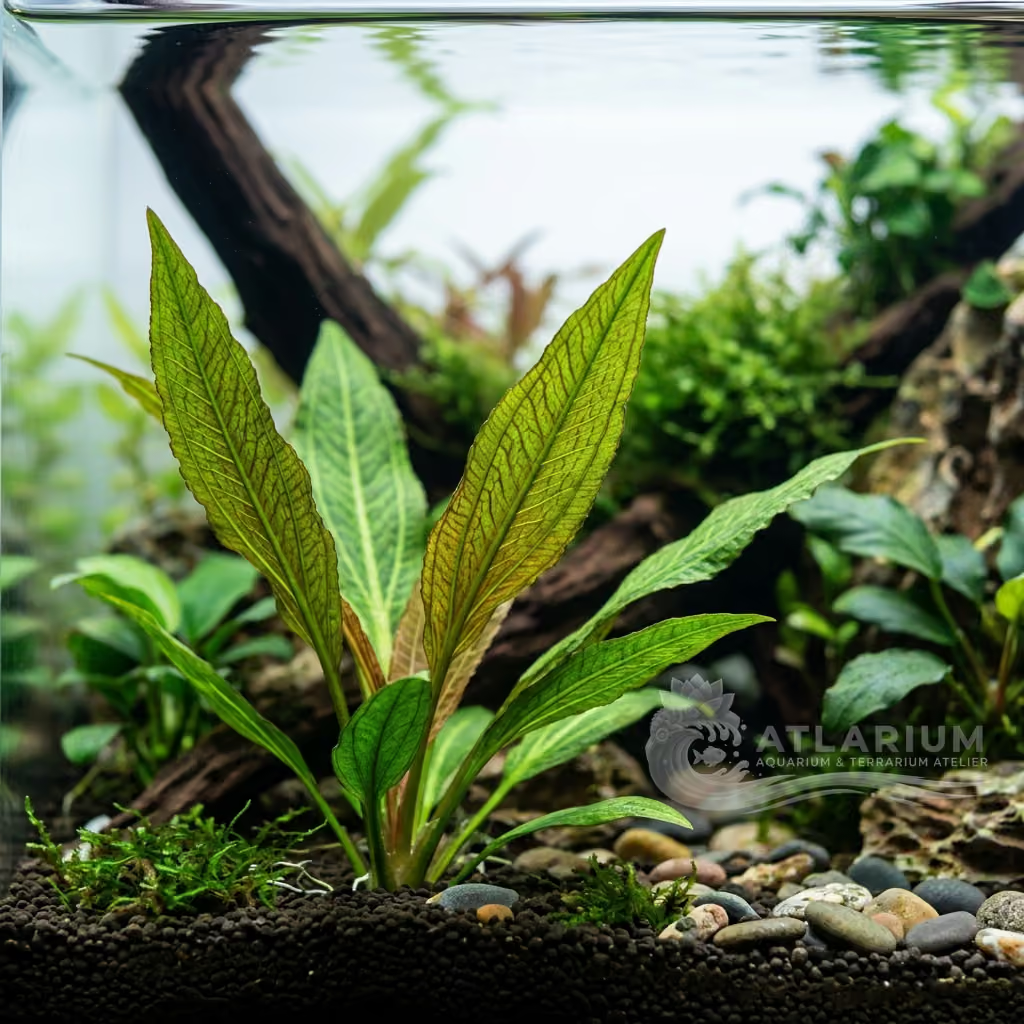
Cryptocoryne sivadasanii is an exceptionally tall, ribbon-leaved plant from India. Its extremely narrow, gracefully flowing green foliage is ideal for creating dramatic background focal points.
Water Temperature
22 - 28 °C
pH Value
6 - 7.5
Water type
Freshwater
Light
Medium to High
CO2
Medium - High
Expected height
120 cm
KH
2 - 10 dKH

Species description
Geographical Origin and Habitat: Cryptocoryne sivadasanii is endemic to southwestern India, particularly in the states of Kerala and Karnataka. In the wild, it grows exclusively in the gravelly and sandy beds of fast-flowing forest streams and seasonal rivers. During the summer monsoon, the plants grow completely submerged under strong currents, with their elongated leaves floating in the water column; during the dry season, the water level drops drastically and the plant grows emersed on damp banks, flowering and releasing seeds.
Taxonomy & Genetics: It belongs to the Araceae family, genus Cryptocoryne. Formally described only recently (in 1997 by Bogner), it is named after the Indian botanico M. Sivadasan. Genetically, it belongs to the Indian narrow-leaved group but is clearly distinguished from similar species like C. spiralis or C. retrospiralis by its exceptional leaf length and floral spathe, which has a very tight spiral and a purple inner
Color & Texture:
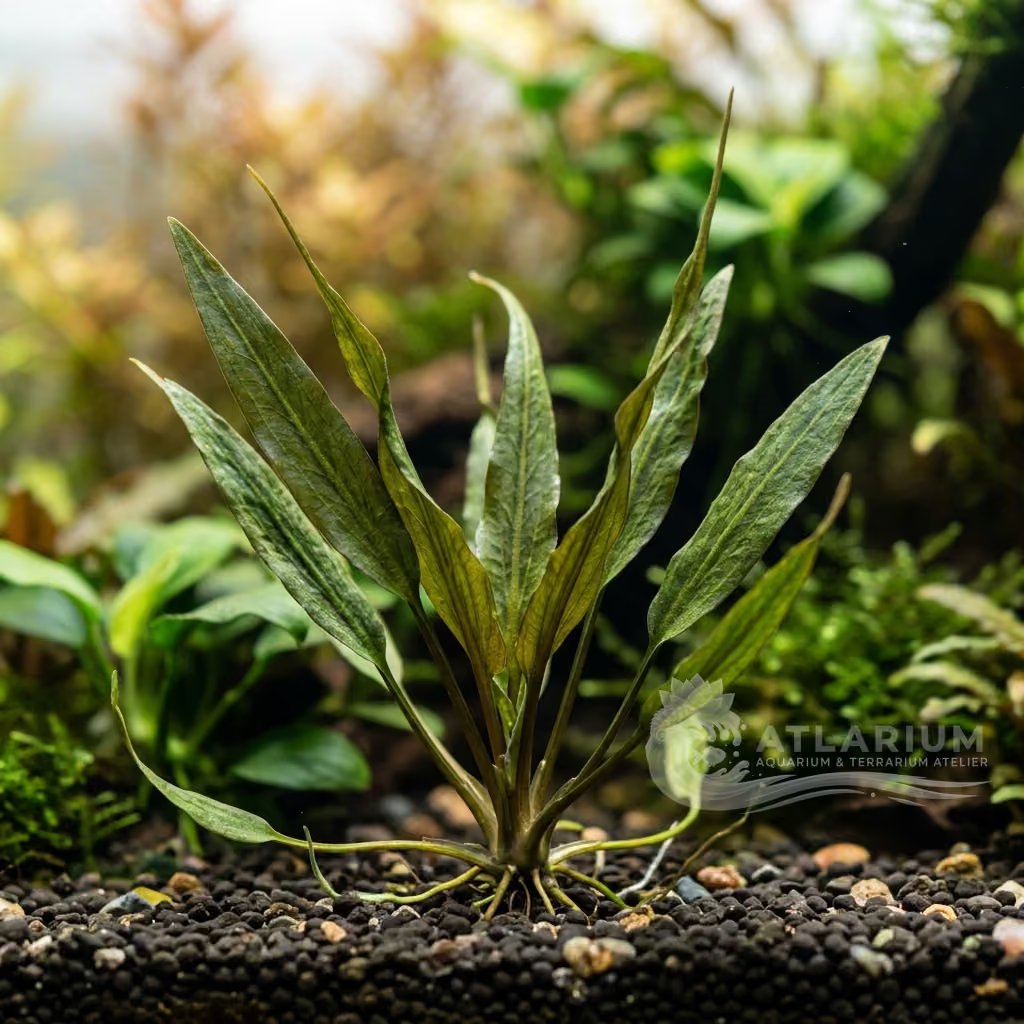
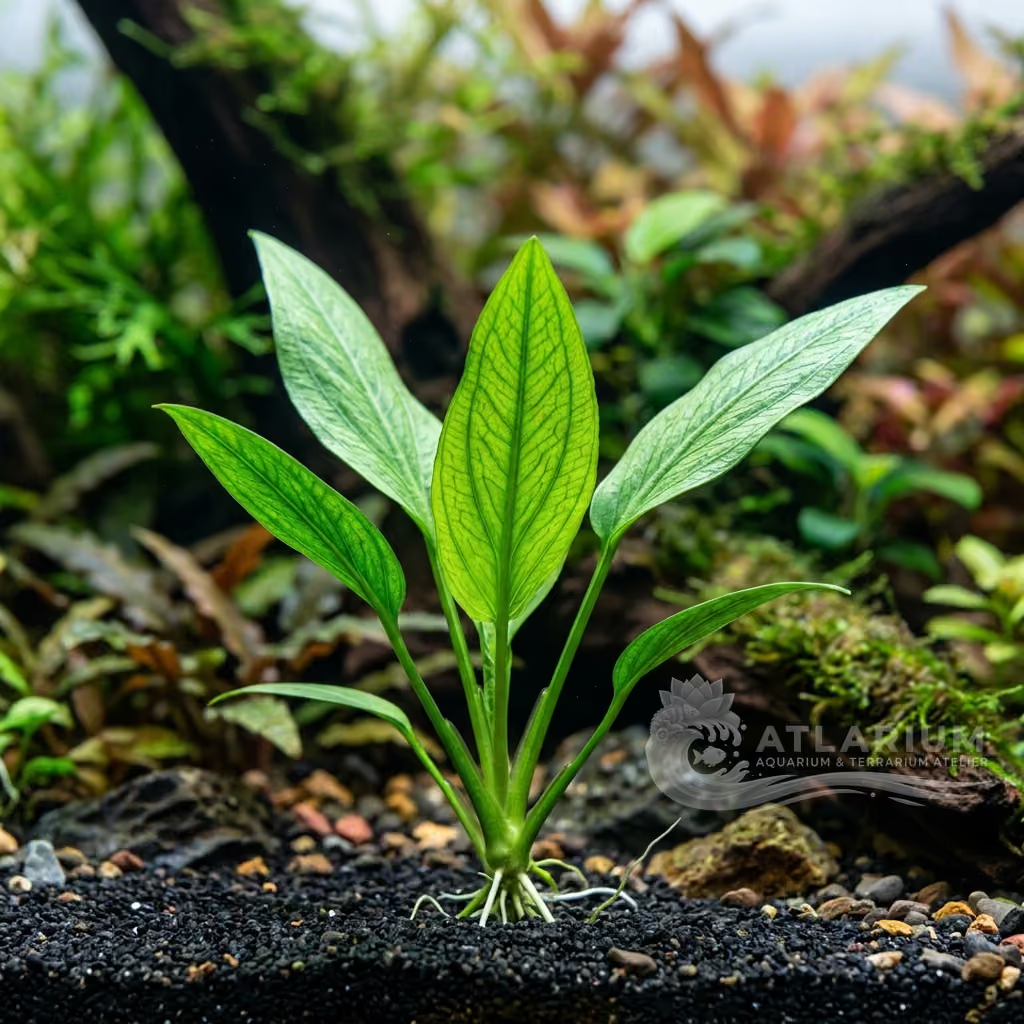
Physical Structure: It is an impressive rosette plant distinguished by the length of its ribbon-like leaves, which can reach and exceed 120 cm in cultivation. The leaves are extremely narrow (only 0.5-1.5 cm wide) and flexible, adapted to resist strong river currents without tearing. The rhizome is thick, hard, and woody, anchored to the ground by very long, thick roots that grow deep into the substrate.
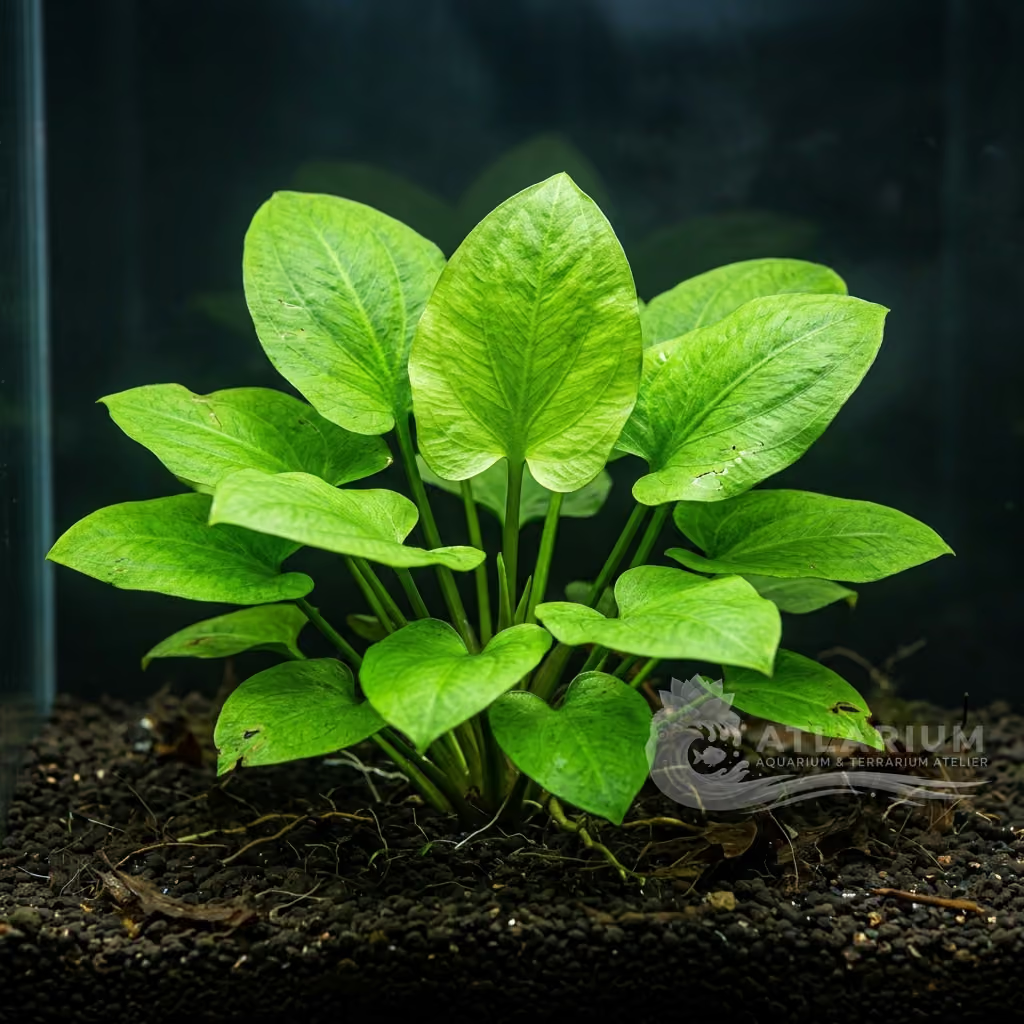
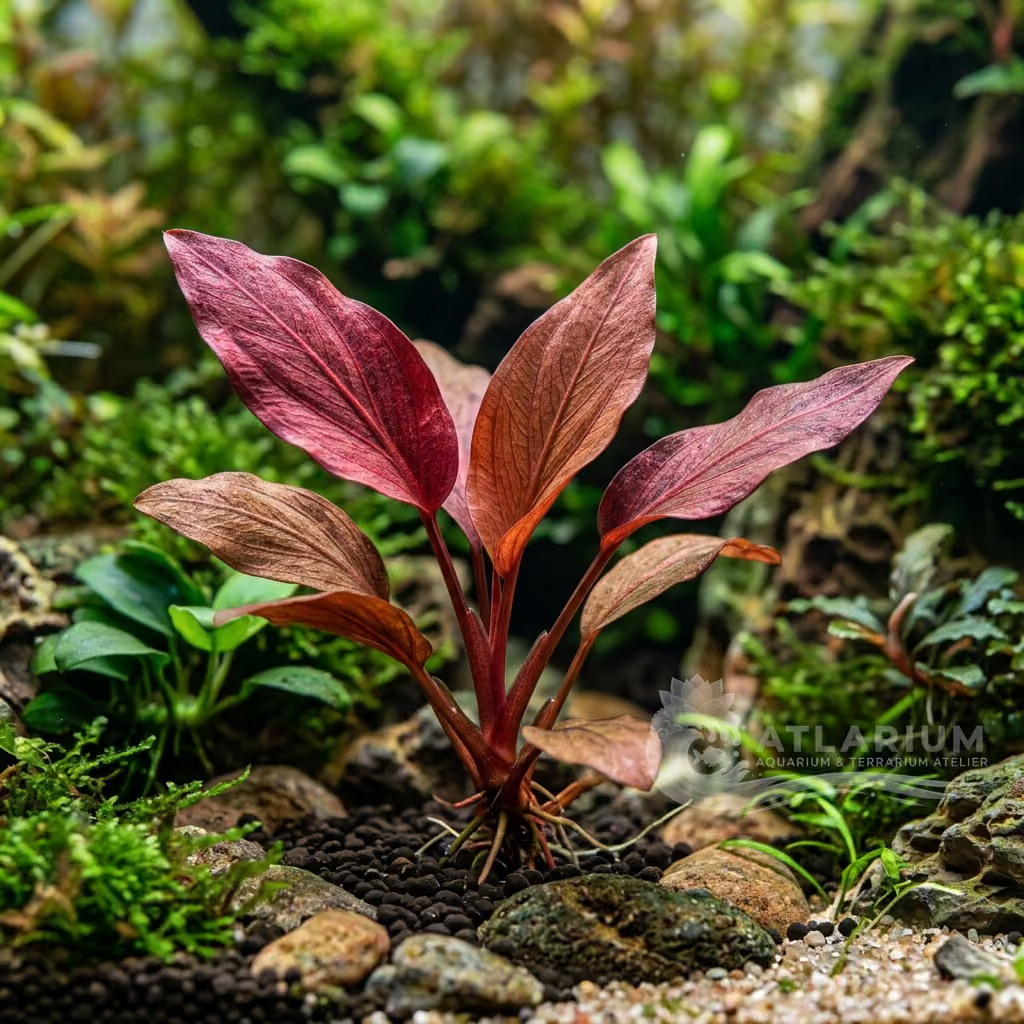
Color & Texture: The foliage has a uniform olive-green to dark green coloration, sometimes with bronze or reddish hues under intense lighting and with adequate micronutrients. The leaf blade surface is smooth, with faint parallel veins and entire or slightly wavy margins, giving the plant a fluid, floating texture that adds a sense of naturalness and motion to the aquascape.

Care, breeding and tankmates
Lighting & CO2: Requires moderate to high lighting to support photosynthesis in such long leaves. While it tolerates medium light levels, intense light promotes density and prevents leaf bleaching. CO2 injection (15-25 mg/L) is highly recommended to stimulate growth, which is otherwise extremely slow and stationary.
Nutrition & Substrate: A fertile substrate, preferably high-quality aquasoil or enriched with slow-release fertilizer tablets rich in iron, is essential. The plant absorbs most nutrients through its massive root system. Column fertilization with iron and potassium is useful to prevent leaf chlorosis.
Water Chemistry: Prefires soft to moderately hard water, with a slightly acidic or neutral pH (6.0-7.5) and medium-low conductivity. The ideal water temperature must be kept stable between 20°C and 28°C; significant thermal shocks can slow down its development or damage the leaves.
Space Management & Placement: Due to its extraordinary height, it should be placed in the midground or background of very large, tall aquariums (at least 50-60 cm tall). The leaves tend to lay on the water surface, creating shaded areas, which must be considered when choosing surrounding plants.
Pruning: Pruning consists of manually removing older or damaged leaves by cutting them at the base of the rhizome with long scissors. Avoid cutting healthy leaves in half, as the cut portion will rot quickly.
Risks & Diseases: It is moderately susceptible to Cryptocoryne melt. It is crucial not to move or transplant the specimen frequently once rooted, as root disturbance is a primary cause of leaf decay and plant stress.

Geographic origin and distribution
Cryptocoryne sivadasanii is endemic to southwestern India, particularly in the states of Kerala and Karnataka. In the wild, it grows exclusively in the gravelly and sandy beds of fast-flowing forest streams and seasonal rivers. During the summer monsoon, the plants grow completely submerged under strong currents, with their elongated leaves floating in the water column; during the dry season, the water level drops drastically and the plant grows emersed on damp banks, flowering and releasing seeds.
Origin
South and Southeast Asia

Plant profile
- Placement
- Midground
- Due to its incredibly long and slender grass-like leaves, it is best placed in the background or midground of the aquarium. It looks spectacular when swaying in a gentle water current, creating a dynamic visual effect. It should be given enough space so it does not overshadow smaller foreground plants.
- Botanical form
- Rosette
- It develops very narrow, ribbon-like leaves that can grow impressively long, reaching the water surface in many setups. The leaves are typically bright green and exhibit a delicate, slightly undulating texture. It forms dense clumps over time through vegetative reproduction.
- Growth
- Slow
- It exhibits a moderate to fast growth rate when provided with optimal conditions, especially under good lighting and CO2 supplementation. However, like many Cryptocoryne species, it may experience a slow start when first introduced. Once acclimated, it steadily produces new leaves and runners.
- Substrate
- High
- This species requires a deep, nutrient-rich substrate to support its extensive root system. An active soil or sand enriched with root tabs will promote robust growth and prevent nutrient deficiencies. A mature substrate is highly beneficial for establishing healthy root structures.
- Column fertilization
- Recommended
- While it relies heavily on root feeding, supplemental column fertilization with micronutrients and iron ensures vibrant leaf coloration. Liquid fertilizers containing potassium and trace elements are highly recommended to prevent leaf decay. Avoid excessive macronutrient dosing, which might favor algae growth on its long leaves.
- Root fertilization
- None
- Root fertilization is the most critical aspect of feeding this plant, given its robust and deep-reaching root system. Regularly inserting nutrient-rich root tabs into the substrate near its base will result in vigorous growth. It is particularly responsive to iron and potassium provided directly at the root zone.
- Trimming
- Occasional
- Trimming should be done sparingly, removing only older or decaying leaves near the base. Cut the stems as close to the substrate as possible using sharp aquascaping scissors. Avoid cutting healthy foliage, as the slow growth rate means it will take time to recover.
- Propagation
- Cuttings
- Propagation is achieved naturally through the production of subterranean runners, leading to the formation of new plantlets around the mother plant. Once these daughter plants develop a sufficient root system and a few leaves, they can be carefully separated. Replanting them in nutrient-rich substrate will encourage independent growth.
- Sensitivity
- Moderate
- Cryptocoryne sivadasanii is notoriously sensitive to sudden changes in water parameters, which can trigger 'Crypt melt'. If melting occurs, leave the root system intact as it will typically bounce back with new, adapted leaves. It prefers stable environments with consistent lighting and fertilization.
- Layout role
- Midground, Background
- In aquascaping, Cryptocoryne sivadasanii serves as a fantastic structural element or accent plant. Its bright green tones provide great contrast against typical green aquatic plants. It works exceptionally well in Nature Aquarium styles and shaded areas beneath driftwood.

Related species
Recommendations grouped by close relatives, companion choices, and similar care.