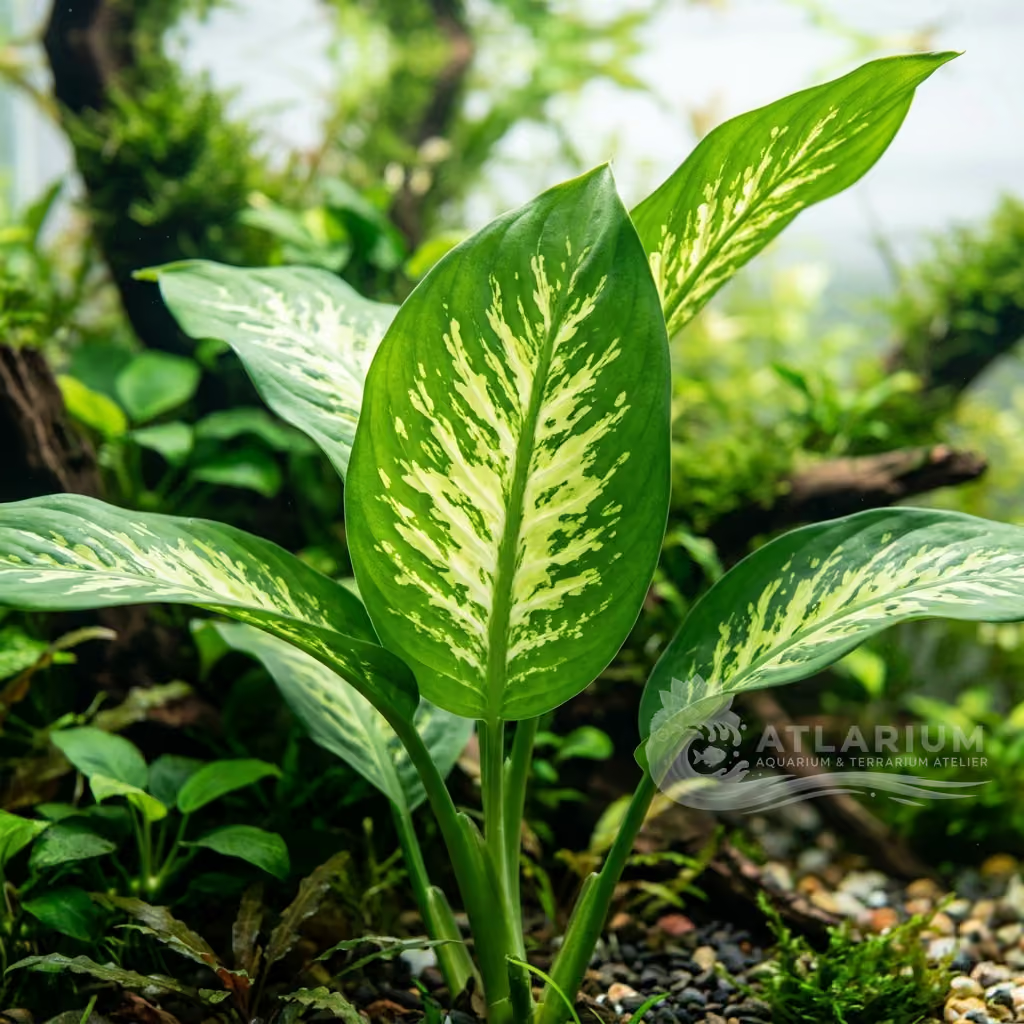
Cryptocoryne dewitii
Cryptocoryne dewitii
Cryptocoryne dewitii: an extremely rare rosette plant native to Papua New Guinea, with dark green lanceolate leaves and very slow growth. For experienced aquarists. Light: Low to medium.
Water Temperature
22 - 28 °C
pH Value
5.5 - 7.2
Water type
Freshwater
Light
Low to Medium
CO2
Low - High
Expected height
15 cm
Expected width
10 cm
KH
0 - 14 dKH

Species description
Geographical Origin and Habitat: Cryptocoryne dewitii is endemic to Papua New Guinea, where it lives in small forest streams and heavily shaded freshwater swamps. The climate in these tropical forests is constantly wet and warm, and the plant grows submerged or emersed in silty substrates rich in humic acids from decaying forest leaves. The native waters are typically soft and low in dissolved nutrients.
Taxonomy & Genetics: It belongs to the Araceae family, genus Cryptocoryne. It was scientifically described in honor of the botanist H.C.D. de Wit. From a genetic and phylogenetic perspective, it belongs to an isolated group within the genus due to its Papuan geographical origin, making it a unique collector's item in the hobby.
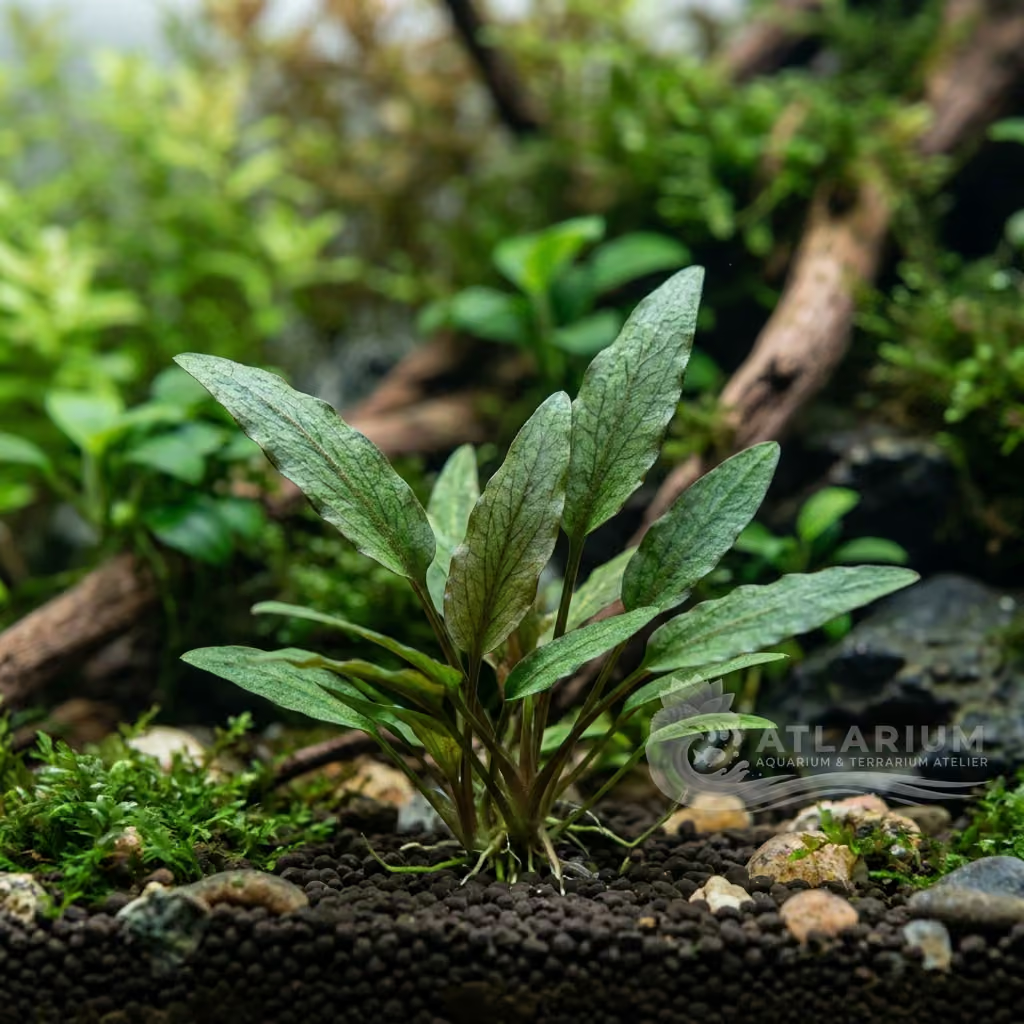
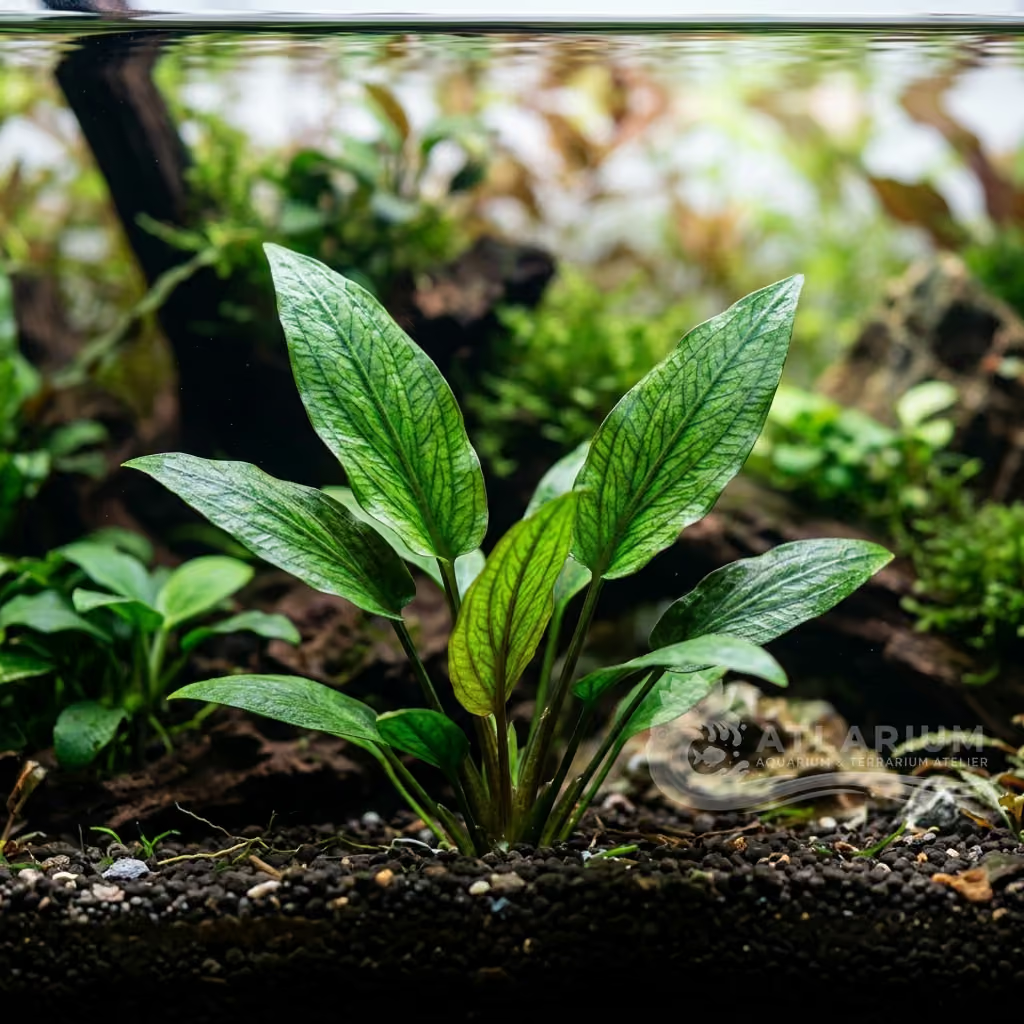
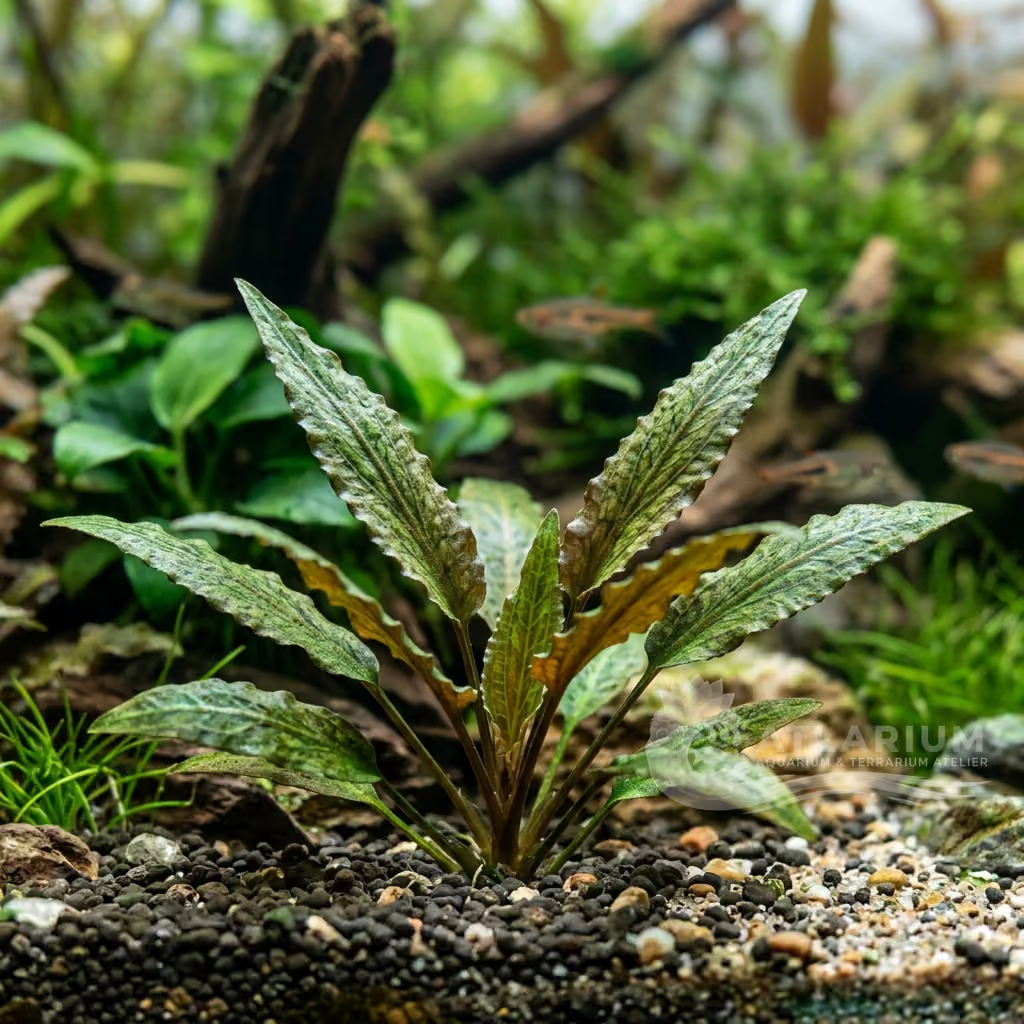
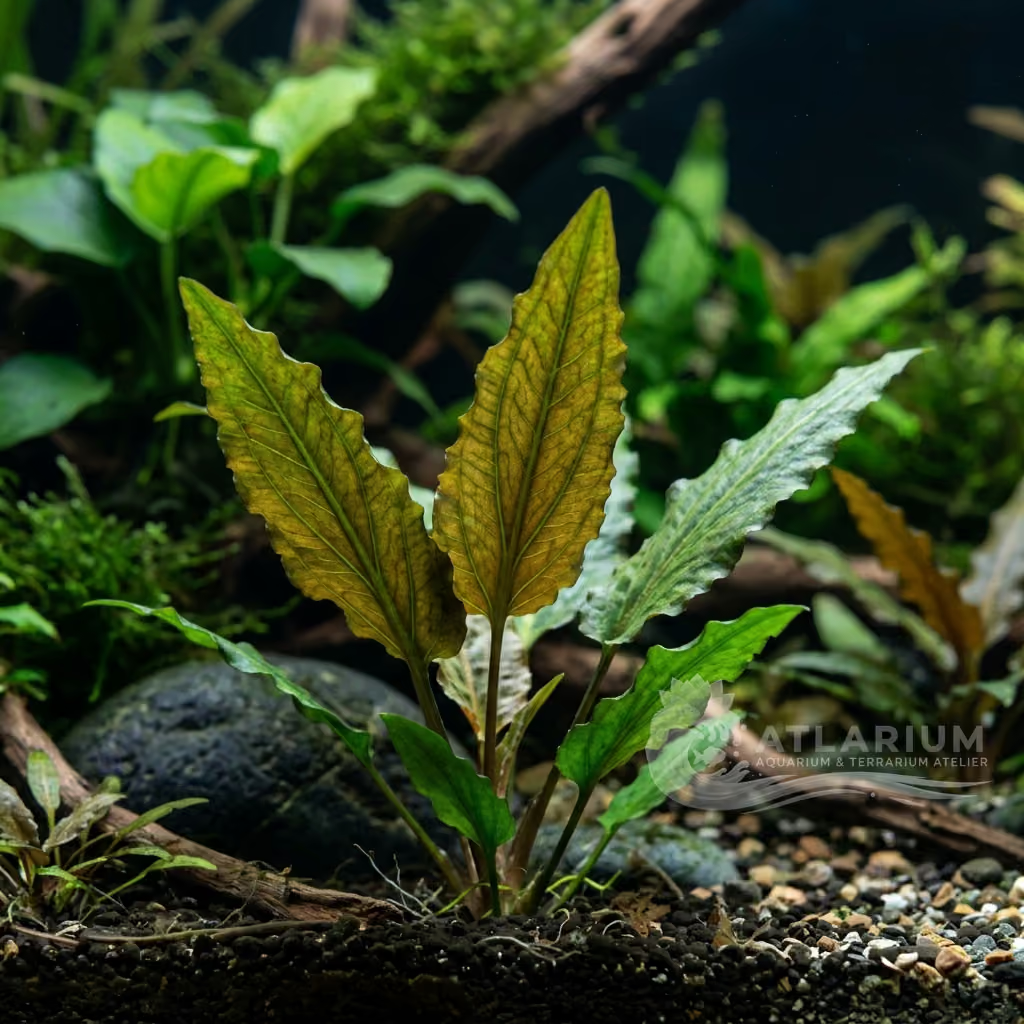
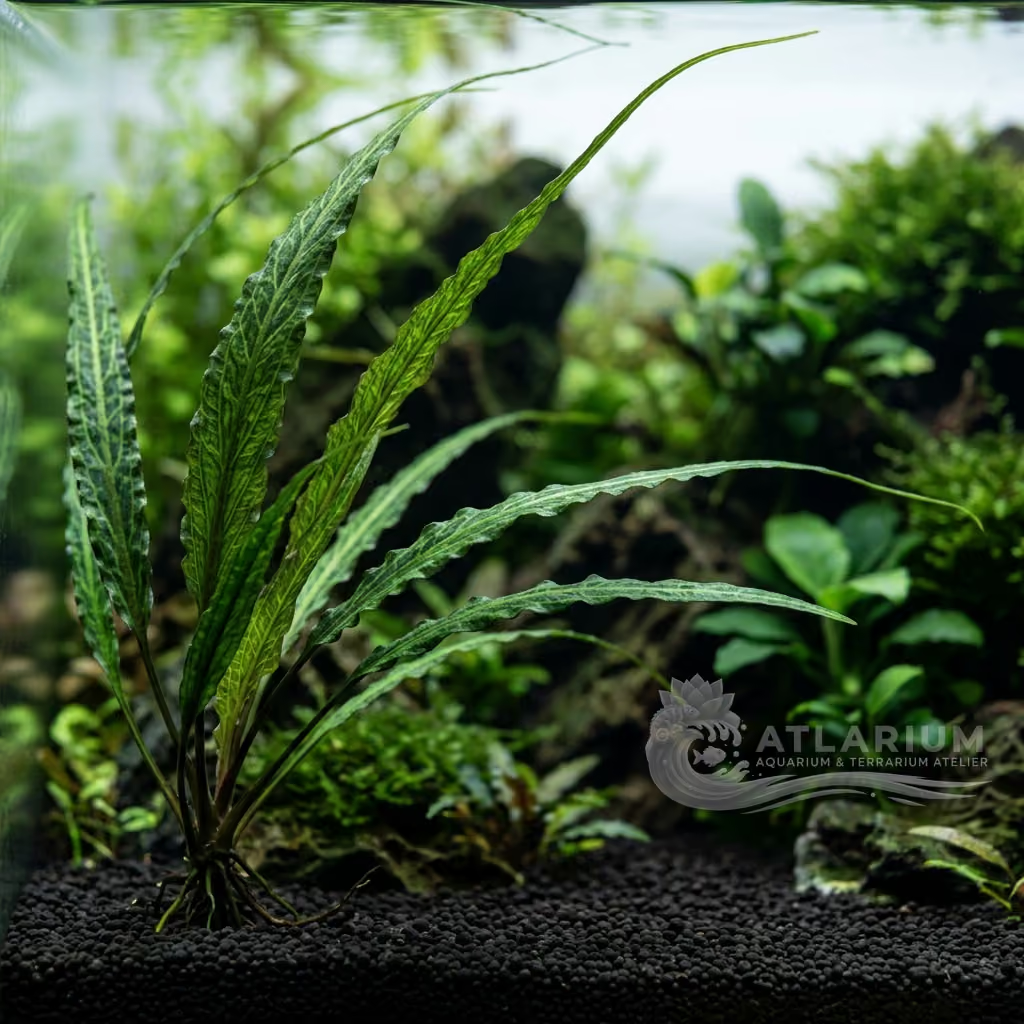
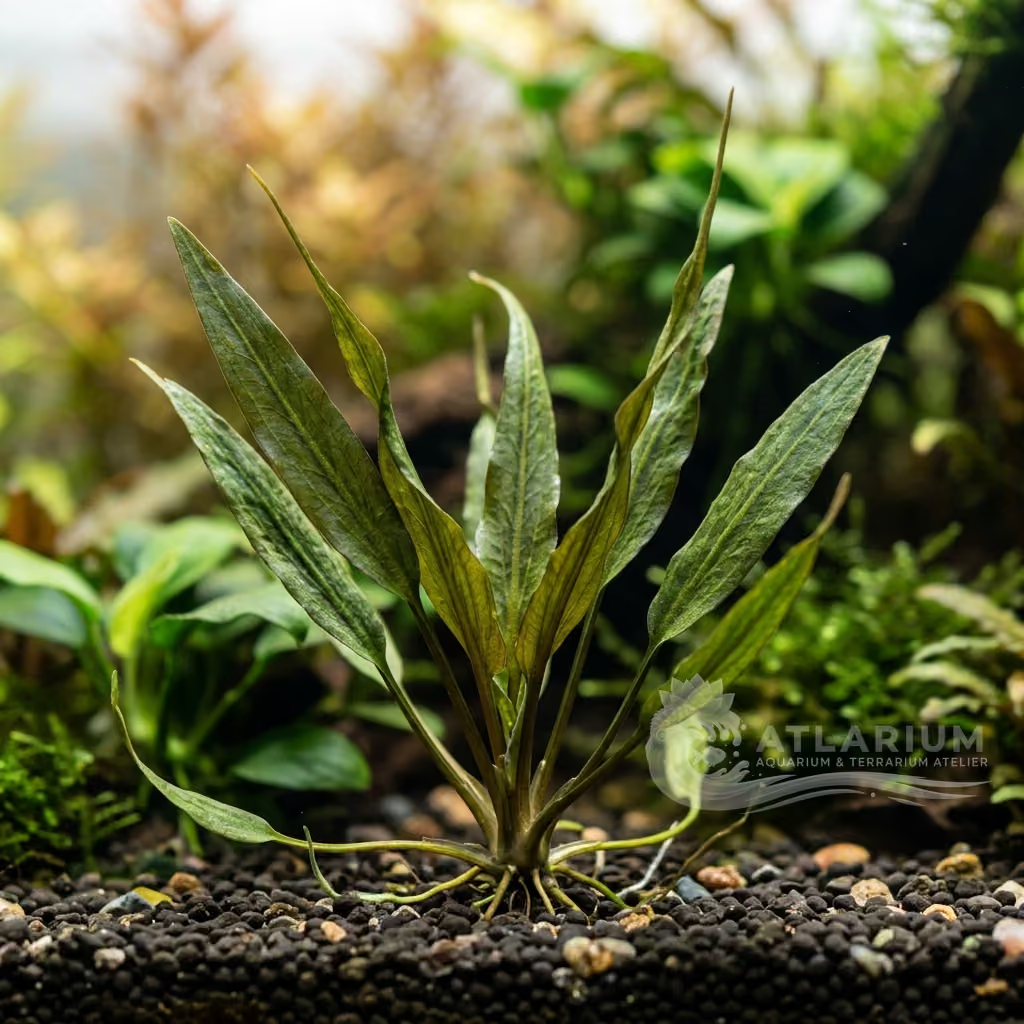
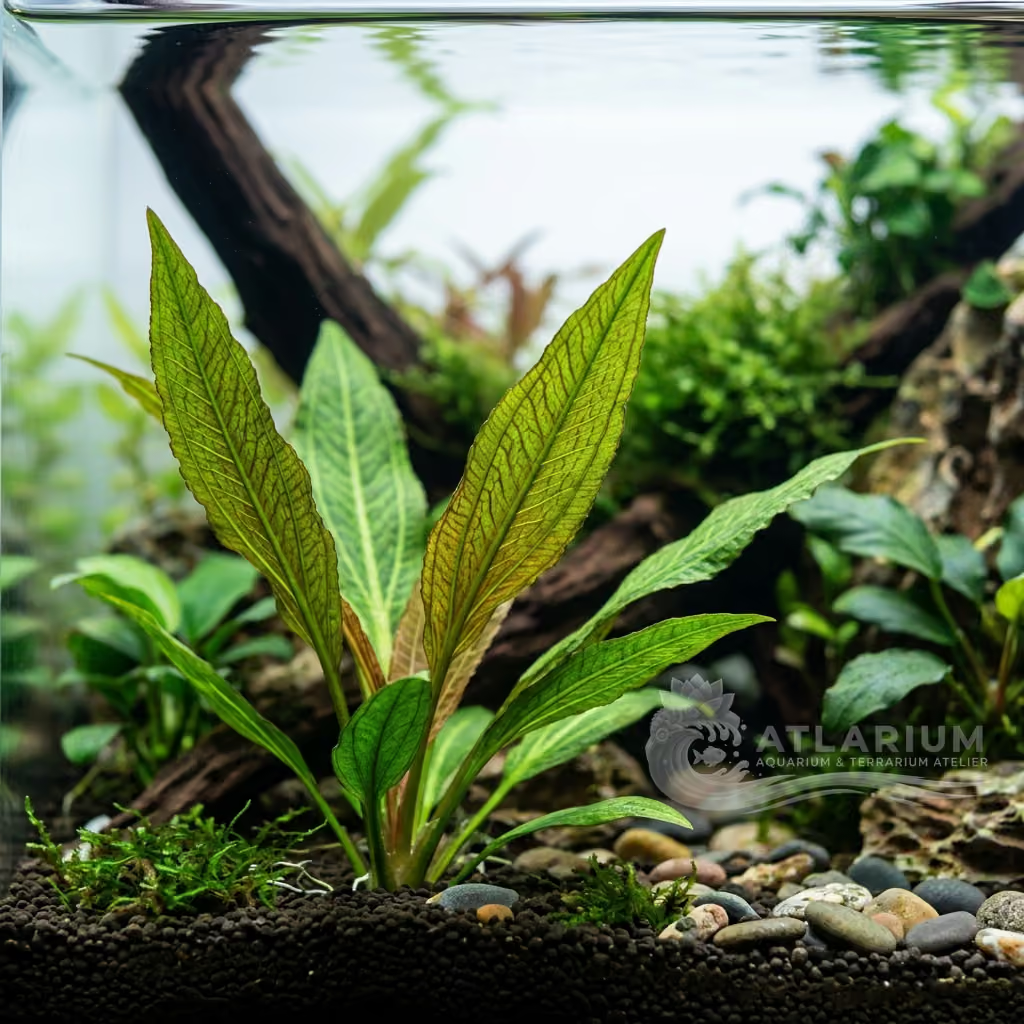
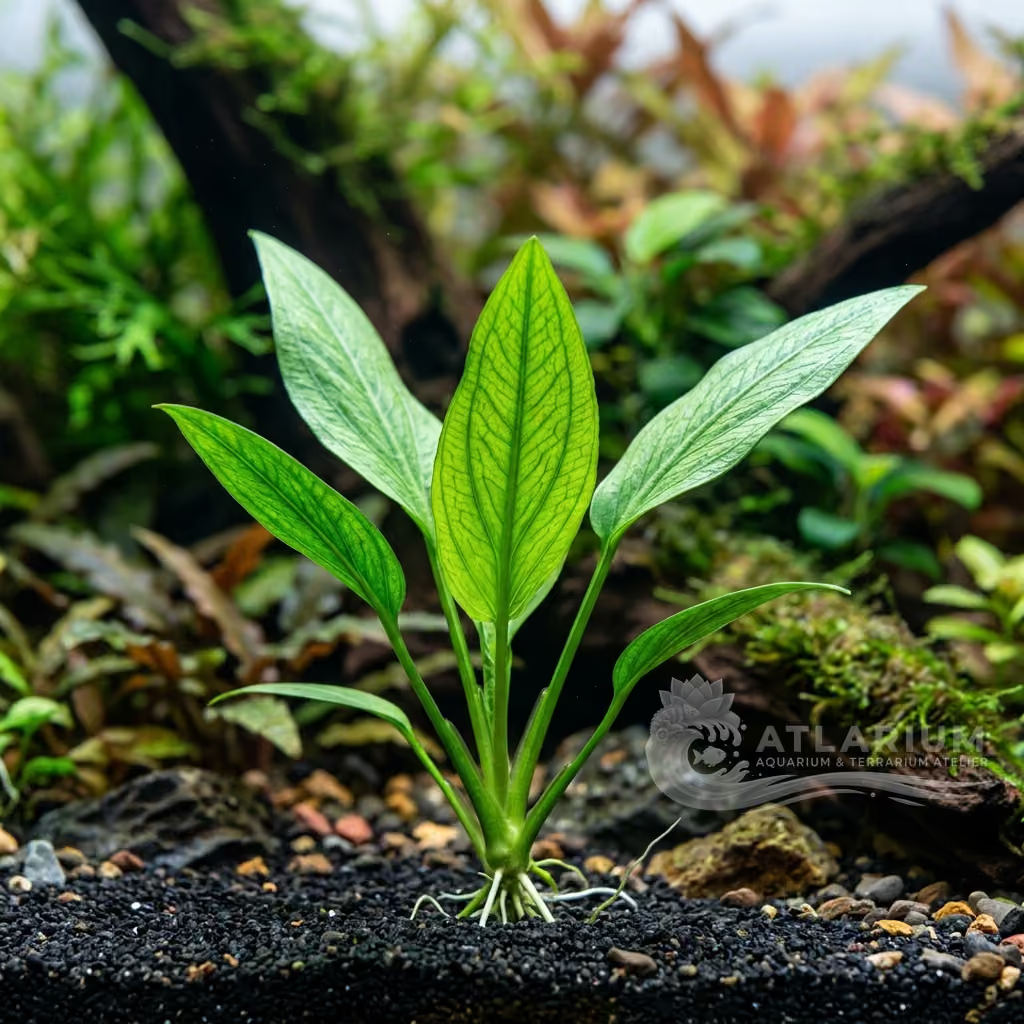
Physical Structure: It develops a compact, erect rosette about 10-15 cm tall. The leaves are lanceolate with sturdy petioles. The rhizome is woody and develops a deep root system that anchors the plant firmly in silty substrates. Propagation occurs via horizontal runners that grow extremely slowly.
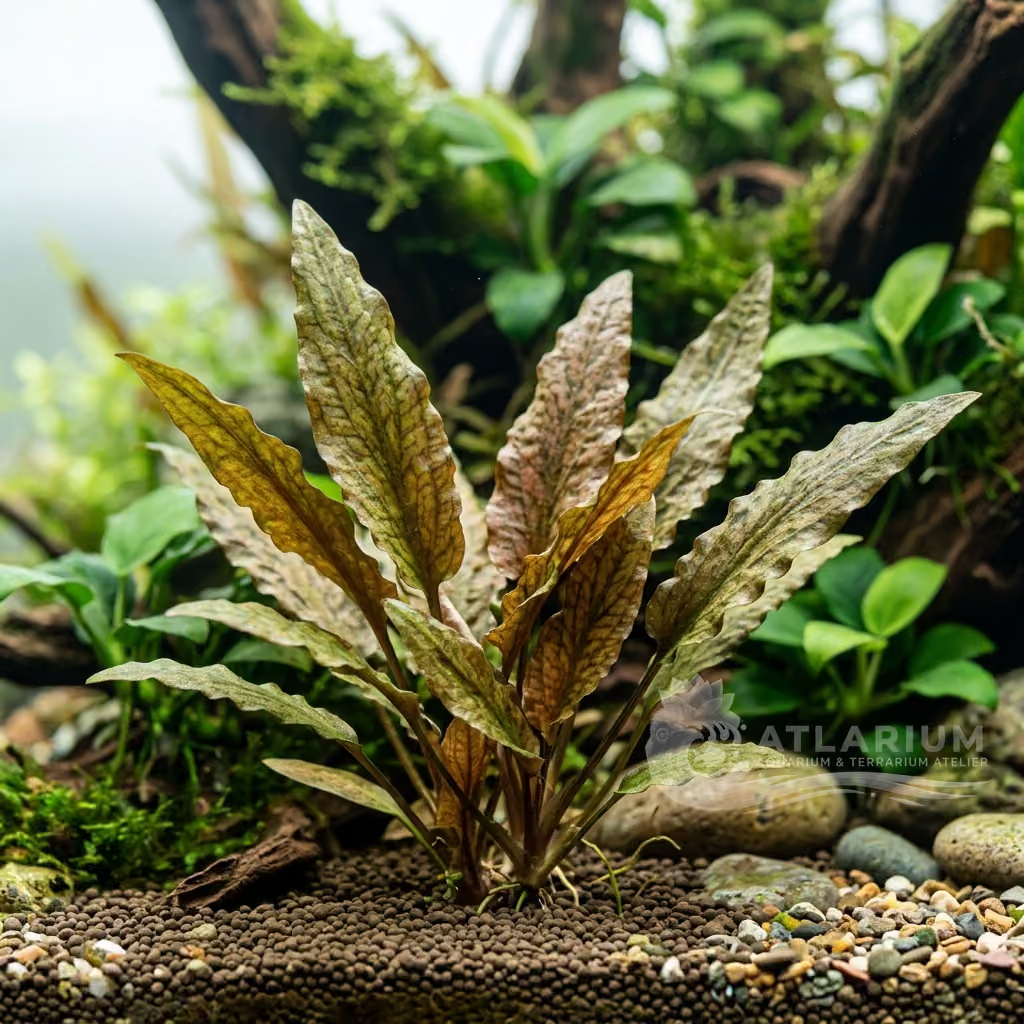
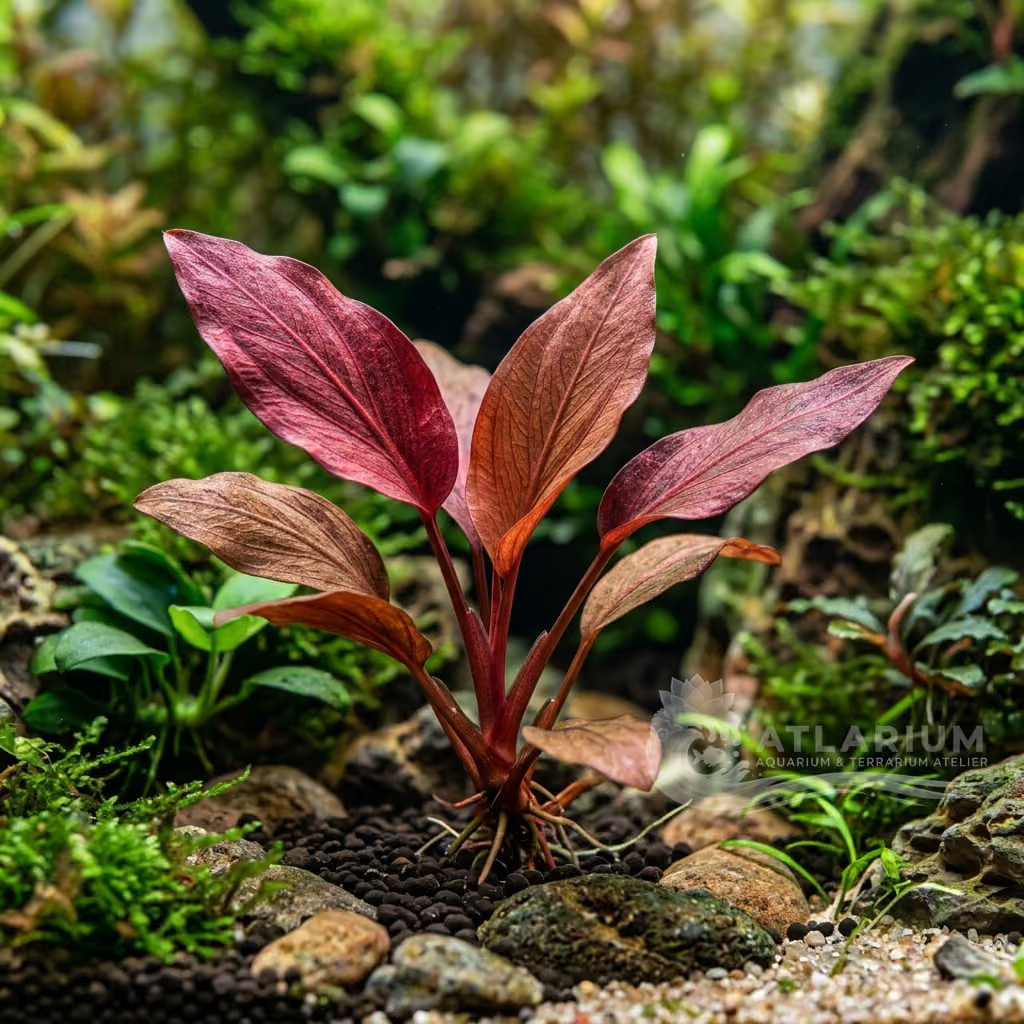
Color & Texture: The leaves show a dark olive-green or bronze-brown color on the upper side, with thin, discreet veins. The underside can present pale purple or reddish tones. The leaf surface has a waxy, smooth, and compact texture.

Care, breeding and tankmates
Lighting & CO2: It requires low to moderate lighting. It suffers under high light, which blocks its development and can cover its leaves with algae. CO2 injection is not mandatory, but given the plant's extreme slowness of growth, a light supply helps stimulate photosynthesis and keep chemical parameters stable.
Nutrition & Substrate: It requires a fertile, acidic substrate. The use of active soil supplemented with root tabs near the roots is recommended. Liquid column fertilization must be extremely mild so as not to promote algae, as the plant absorbs very few nutrients from the
Water Chemistry: It prefers soft and acidic water (pH 5.5-7.2, KH 0-14 dKH) rich in humic acids. It is extremely sensitive to hard, alkaline water and does not tolerate rapid swings in pH or temperature, which cause complete leaf melt. Keep the temperature stable between 22°C and 28°C.
Space Management & Placement: Due to its small size and slow growth, it should be positioned in the midground or foreground of dedicated aquariums. It must not be disturbed or completely shaded by floating or fast-growing plants. Avoid moving it at all costs after introduction.
Pruning: Maintenance is reduced to the bare minimum. Only remove deteriorated leaves by cutting them near the base of the rosette with precision scissors. Be careful not to injure the main rhizome.
Risks & Diseases: It is a species at high risk of Cryptocoryne melt if tank conditions fluctuate. It is recommended to grow it only in mature, stable aquariums established for several months, preferably in tanks of experienced collectors who regularly monitor parameters.

Geographic origin and distribution
Cryptocoryne dewitii is endemic to Papua New Guinea, where it lives in small forest streams and heavily shaded freshwater swamps. The climate in these tropical forests is constantly wet and warm, and the plant grows submerged or emersed in silty substrates rich in humic acids from decaying forest leaves. The native waters are typically soft and low in dissolved nutrients.
Origin
Australia, New Guinea, and Oceania

Plant profile
- Placement
- Midground
- Given its rarity and unique appearance, it should be placed in the midground where its distinct foliage can be easily admired as a specimen plant. It prefers shaded or moderately lit areas, as intense direct light can cause the broad leaves to develop algae. Proper spacing is necessary to allow its large rosette to open fully.
- Botanical form
- Rosette
- This species features beautifully broad, somewhat ovate to lanceolate leaves with a uniquely textured, bullate surface. The coloration ranges from deep green to a stunning reddish-brown or bronze depending on the lighting conditions. The sturdy petioles support a thick, leathery leaf structure that distinctly separates it from the crispatula complex.
- Growth
- Slow
- Growth is notoriously slow, particularly when kept submersed in an aquarium. It can take several months for the plant to acclimate and produce even a single new leaf. Emersed cultivation in high humidity yields slightly faster growth, but it remains a challenging, slow-paced species regardless of the environment.
- Substrate
- High
- Cryptocoryne dewitii is a rare species that benefits greatly from a mature, nutrient-packed substrate to replicate its natural marshy habitat. An enriched aqua soil or a dirted tank approach capped with sand ensures the heavy root system has ample access to vital macro and micronutrients. Providing a substrate depth of 2 to 3 inches (5-8 cm) allows the roots to branch out fully and establish a firm hold. When grown in plain gravel, frequent and targeted root fertilization is absolutely essential to prevent the plant from deteriorating.
- Column fertilization
- Recommended
- Liquid fertilization should be approached very cautiously. A lean dosing regime focusing mainly on potassium and trace elements is safest to avoid algae outbreaks on its slow-growing leaves. Heavy liquid NPK dosing provides little benefit, as the plant fundamentally relies on root absorption.
- Root fertilization
- Recommended
- Robust root nutrition is the most critical aspect of successfully keeping C. dewitii. A deep, mature aquasoil bed is highly recommended, ideally supplemented with high-quality root capsules. The plant's expansive root system must never be allowed to exhaust its local nutrient supply.
- Trimming
- Occasional
- Pruning should only be done when absolutely necessary, such as removing completely dead or melting leaves. Because it grows so slowly, cutting healthy leaves will significantly set back the plant's progress. Use sharp scissors to snip near the base of the petiole to avoid damaging the crown.
- Propagation
- Runners
- Propagation in an aquarium is a rare event, occurring very slowly through the production of basal runners. Due to its slow growth, daughter plants may take a year or more to develop into separable plantlets. Commercial propagation is almost exclusively done via tissue culture or emersed setups.
- Sensitivity
- HIGH
- It is extremely sensitive to environmental changes and notoriously difficult to keep submersed long-term. Crypt melt is highly probable if water parameters fluctuate, or if the substrate becomes anaerobic. Unwavering stability in temperature, pH, and water chemistry is paramount to its survival.
- Layout role
- midground contrast, collector plant
- In an aquascape, it serves as a highly prized collector's centerpiece. Its broad, textured, and deeply colored leaves draw the eye and provide strong contrast against fine-stemmed background plants. It brings an undeniable aura of wild, exotic beauty to a well-established planted tank.

Related species
Recommendations grouped by close relatives, companion choices, and similar care.