Cryptocoryne griffithii
Cryptocoryne griffithii
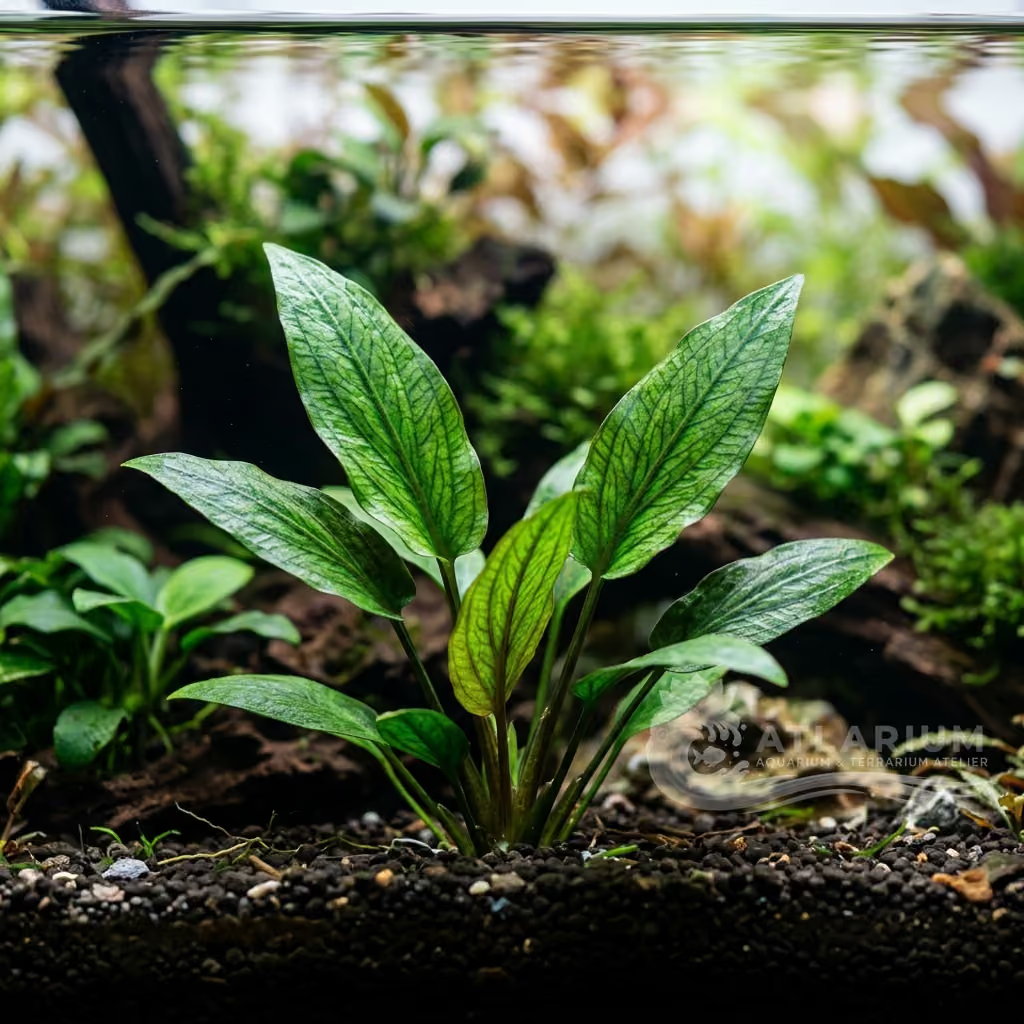
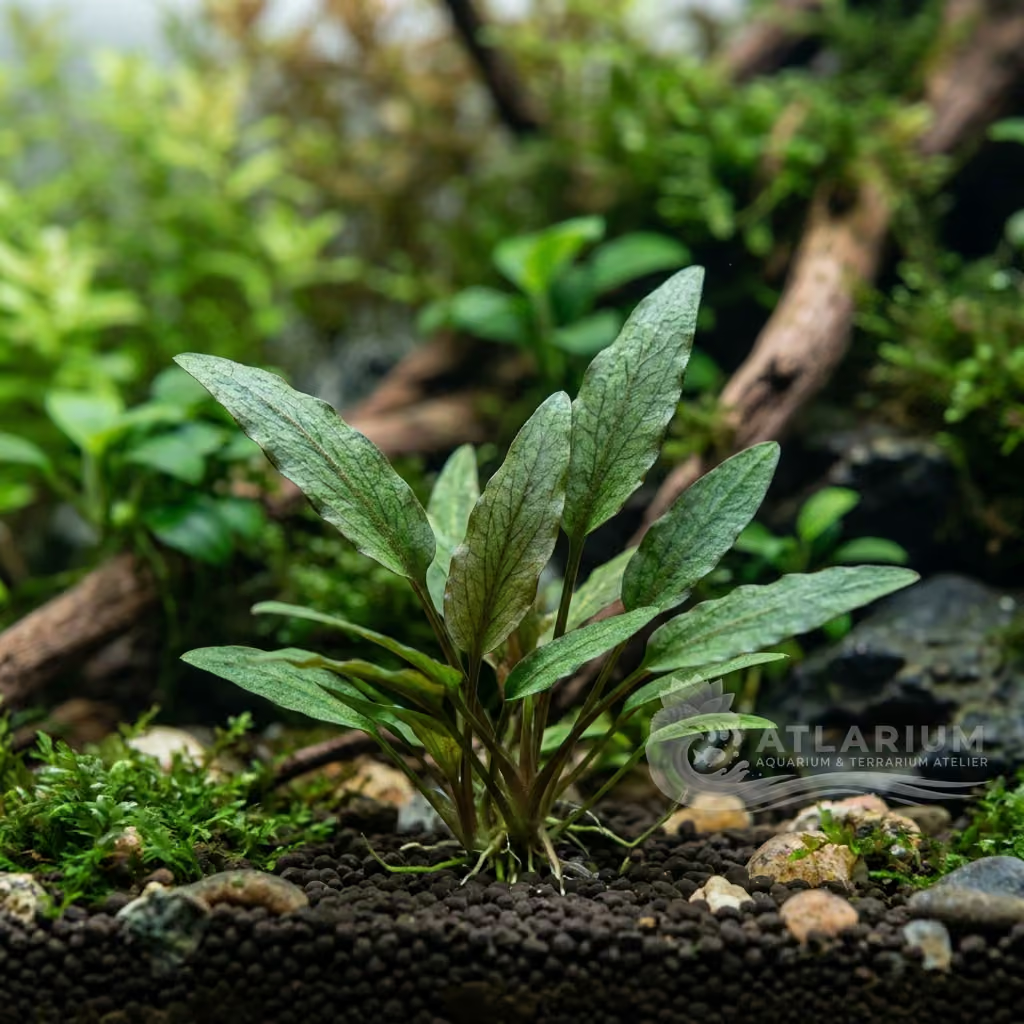
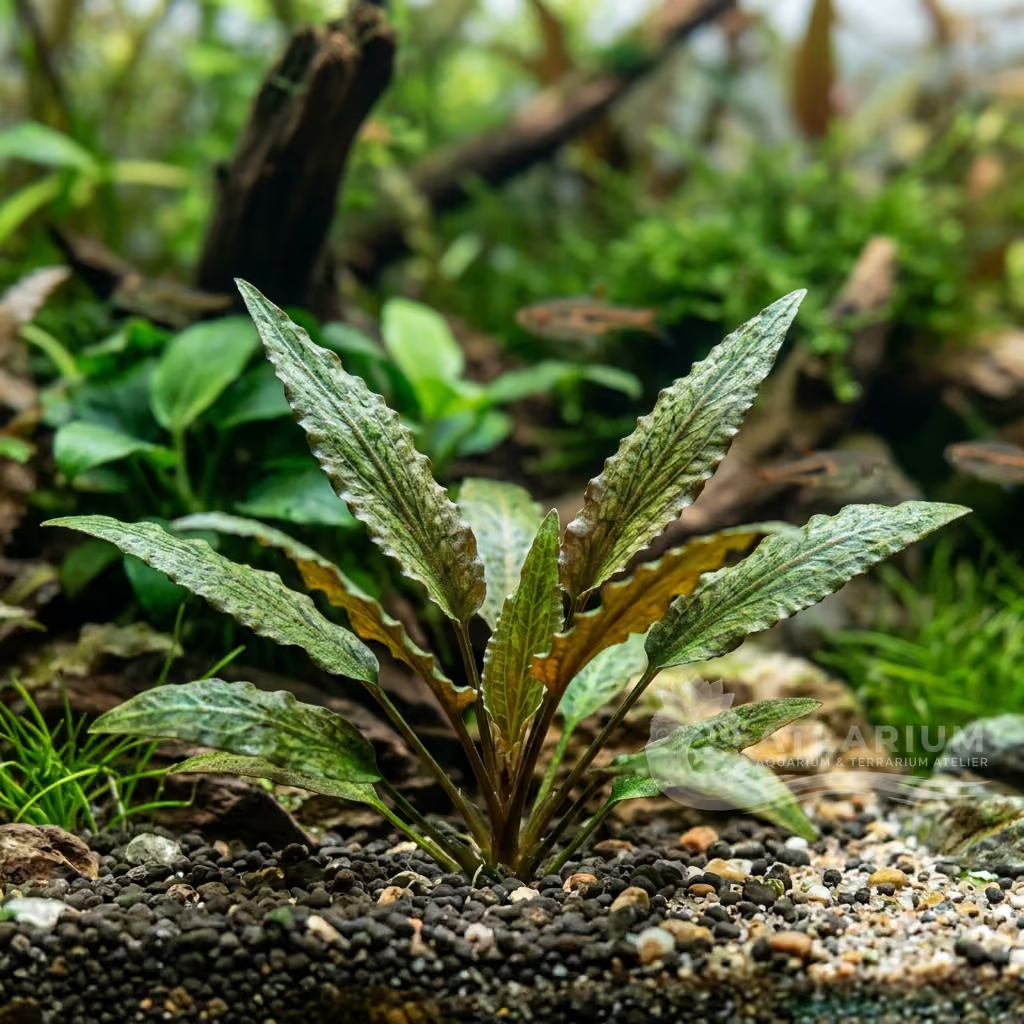
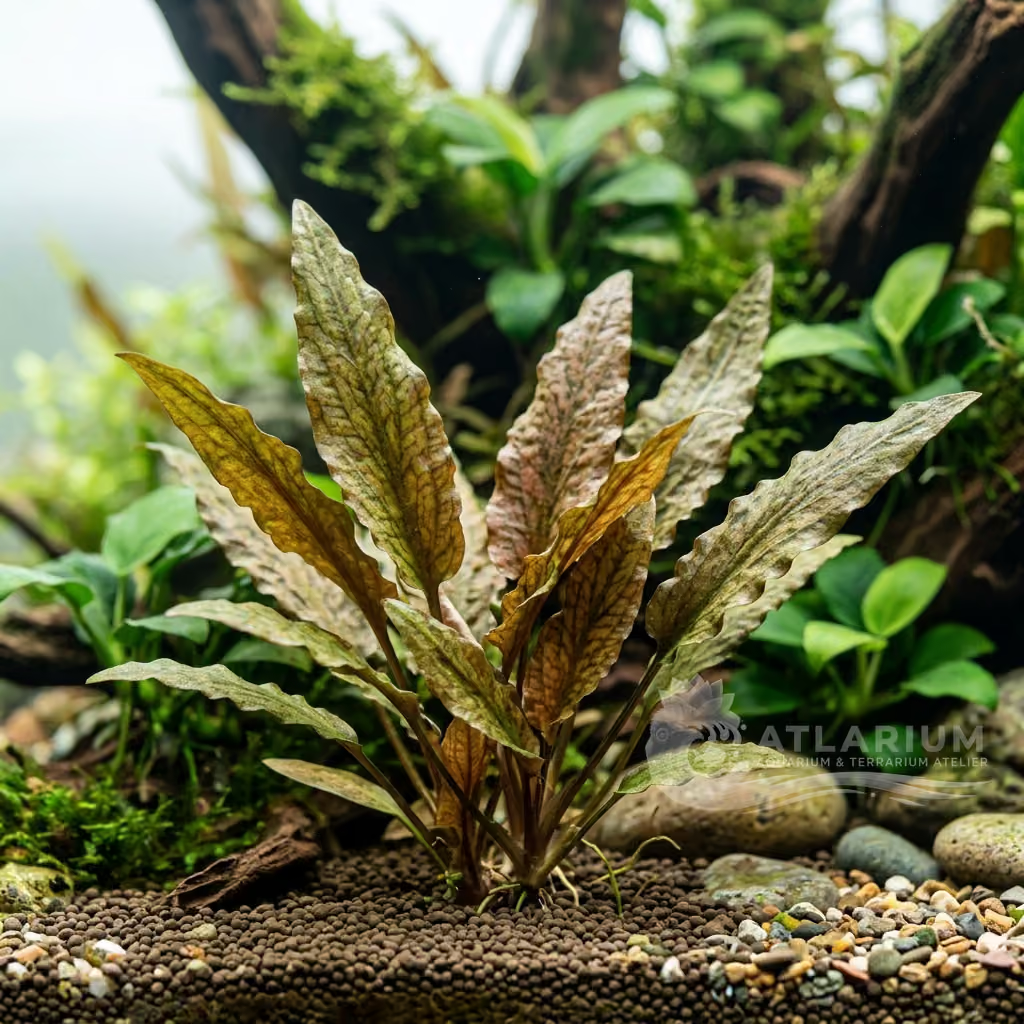
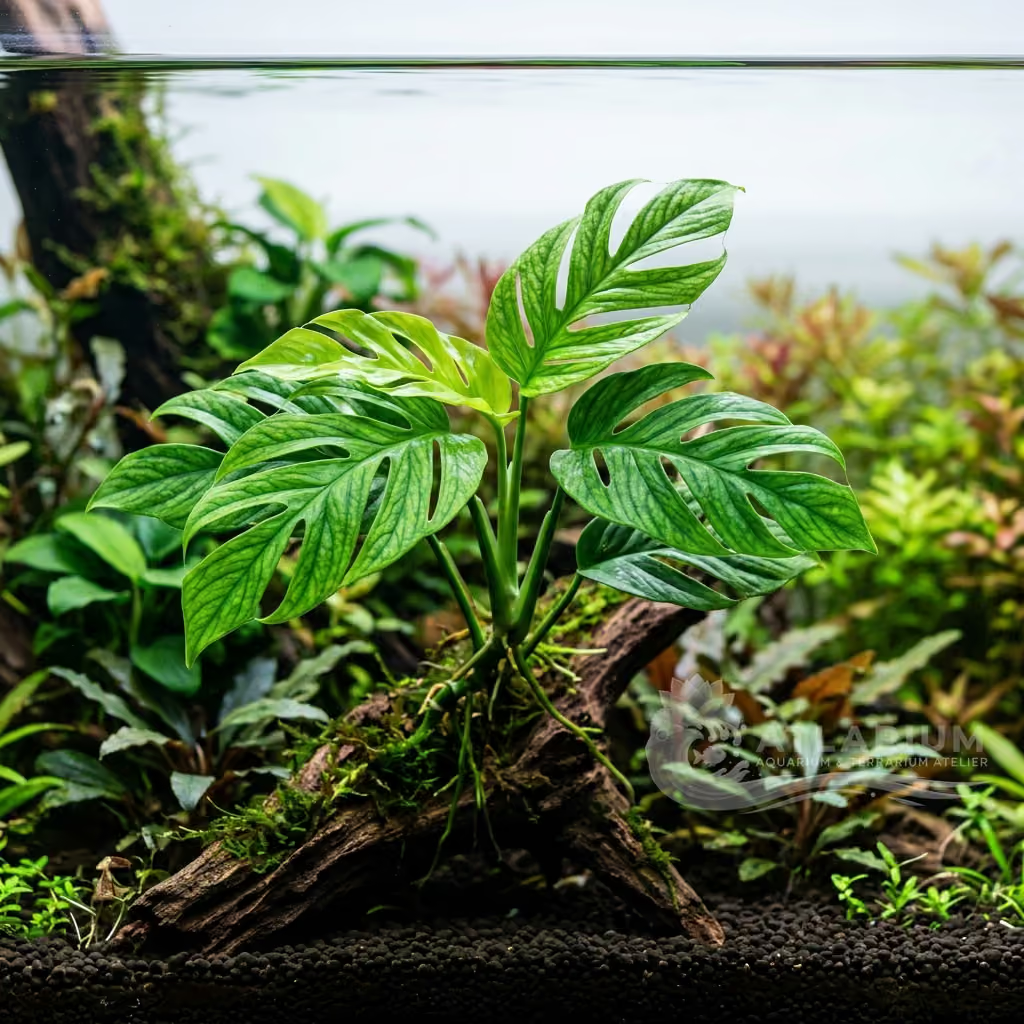
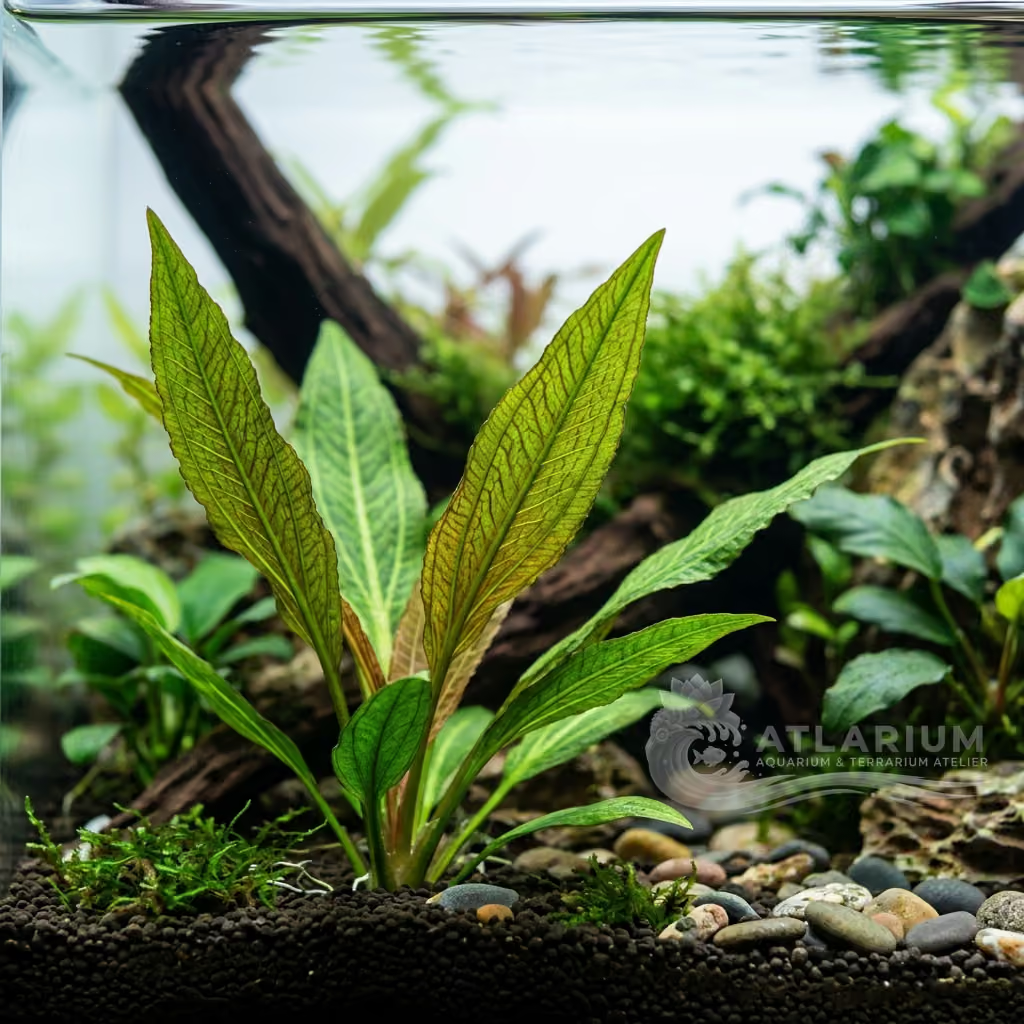
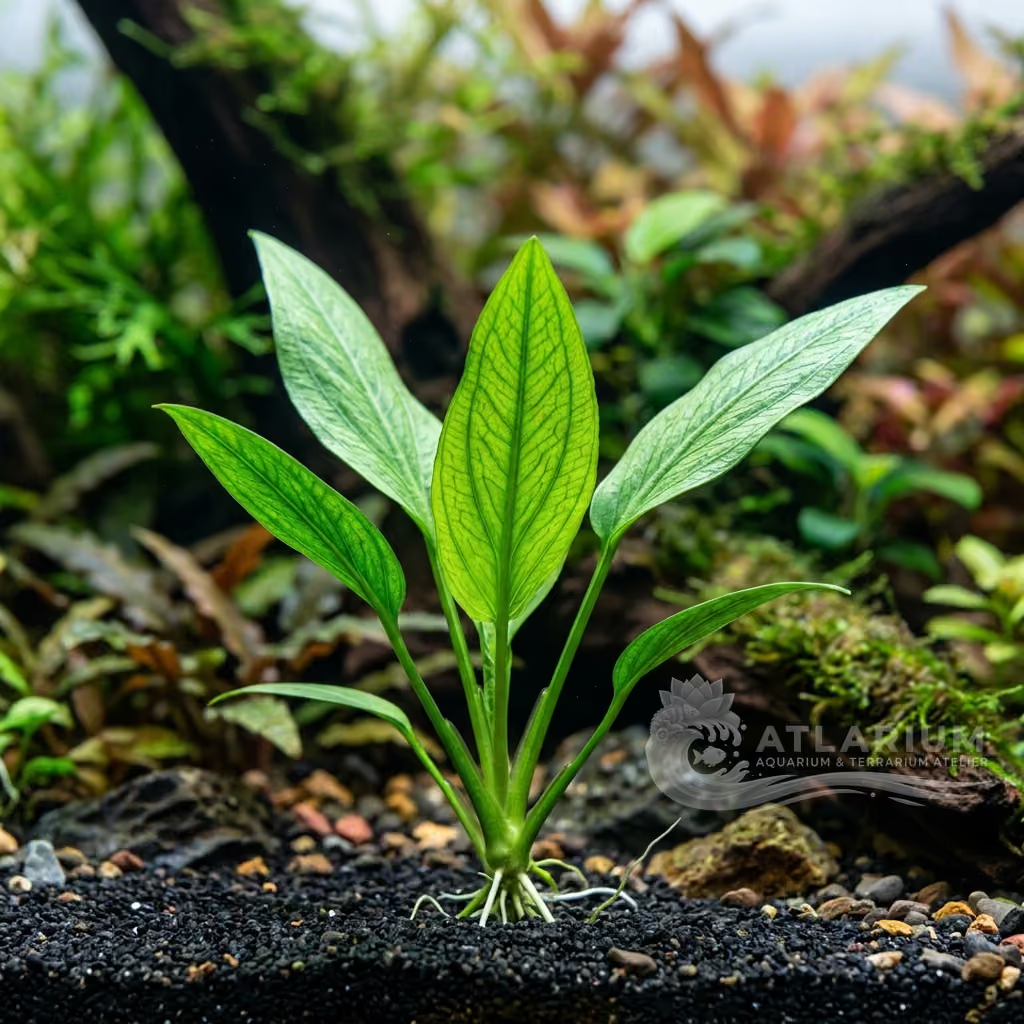
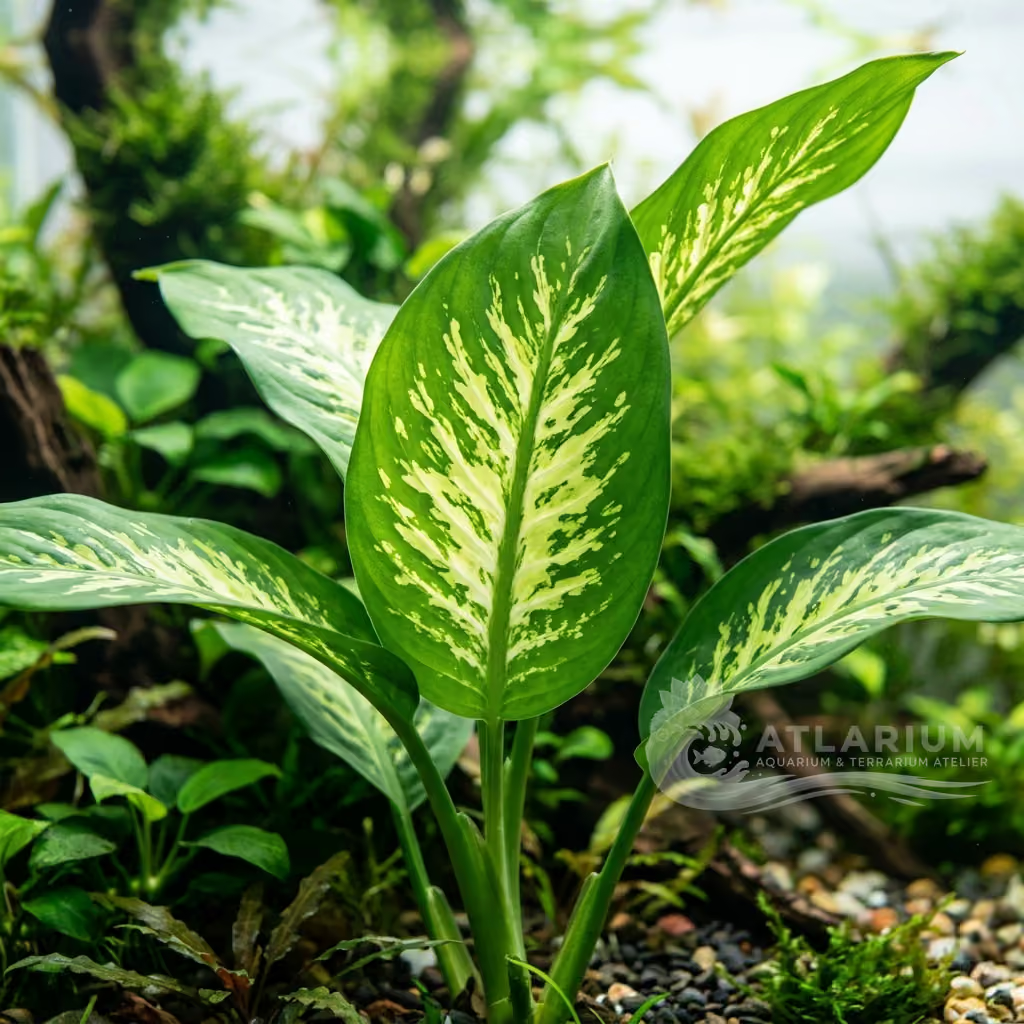
Cryptocoryne griffithii is a rare, slow-growing Araceae from Southeast Asia. It features broad, ovate leaves with striking marbled patterns, perfect for creating a lush, dark midground in aquariums.
Water Temperature
22 - 28 °C
pH Value
6 - 7.5
Water type
Freshwater
Light
Medium - High
CO2
Medium - High
Expected height
20 cm
Expected width
15 cm
KH
2 - 10 dKH

Species description
Geographical Origin and Habitat: Cryptocoryne griffithii is native to the southern part of the Malay Peninsula (Malaysia) and the island of Singapore. It predominantly inhabits freshwater forest swamps, slow-moving streams, and shaded creeks within primary rainforests. It grows in highly acidic, mineral-poor water (blackwater), often on peaty substrates rich in decaying leaves and plant debris, remaining submerged for most of the year.
Taxonomy & Genetics: It belongs to the Araceae family, genus Cryptocoryne. First described in the 19th century, it is considered a classic and distinct species characterized by stricter environmental demands compared to other more widespread congenerics. Genetic adaptations allow it to optimize photosynthesis in extremely shaded forest environments, although this makes it more sensitive to alkaline chemical parameters or excessively hard water.
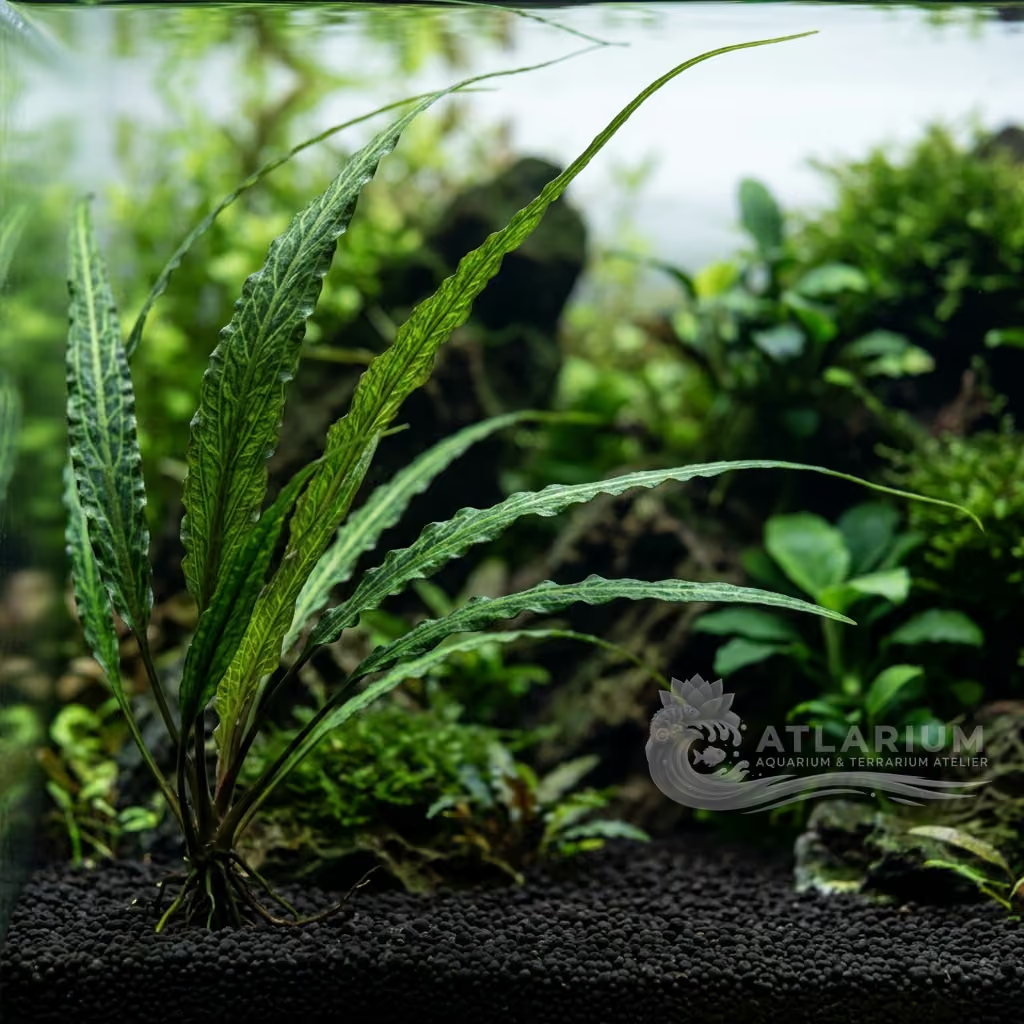
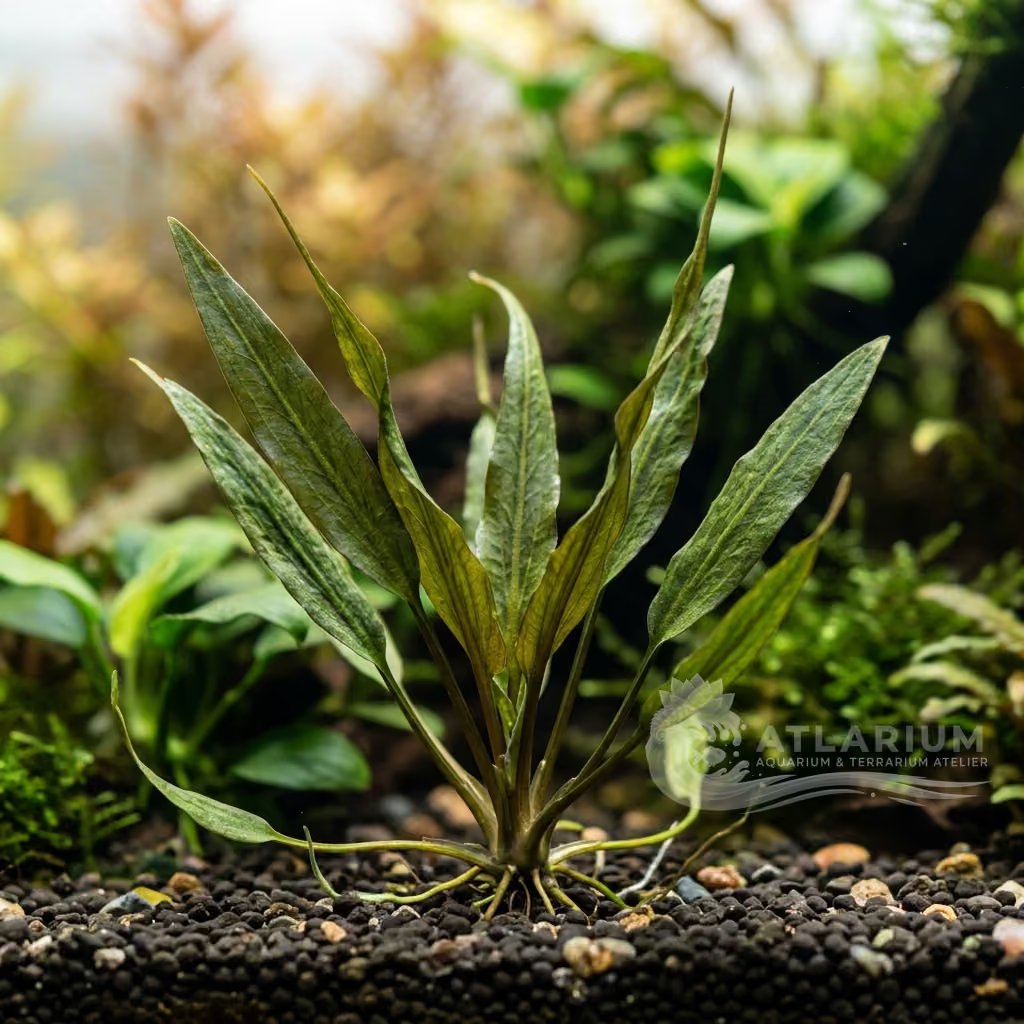
Physical Structure: It presents a typical rosette of broad leaves supported by long, flexible petioles. The leaves have an ovate to elliptical blade, measuring 6-12 cm in length and 4-6 cm in width, with a slightly rounded tip. The rhizome is robust and produces fleshy roots that penetrate deep into muddy or peaty soils to absorb organic nutrients and anchor firmly.
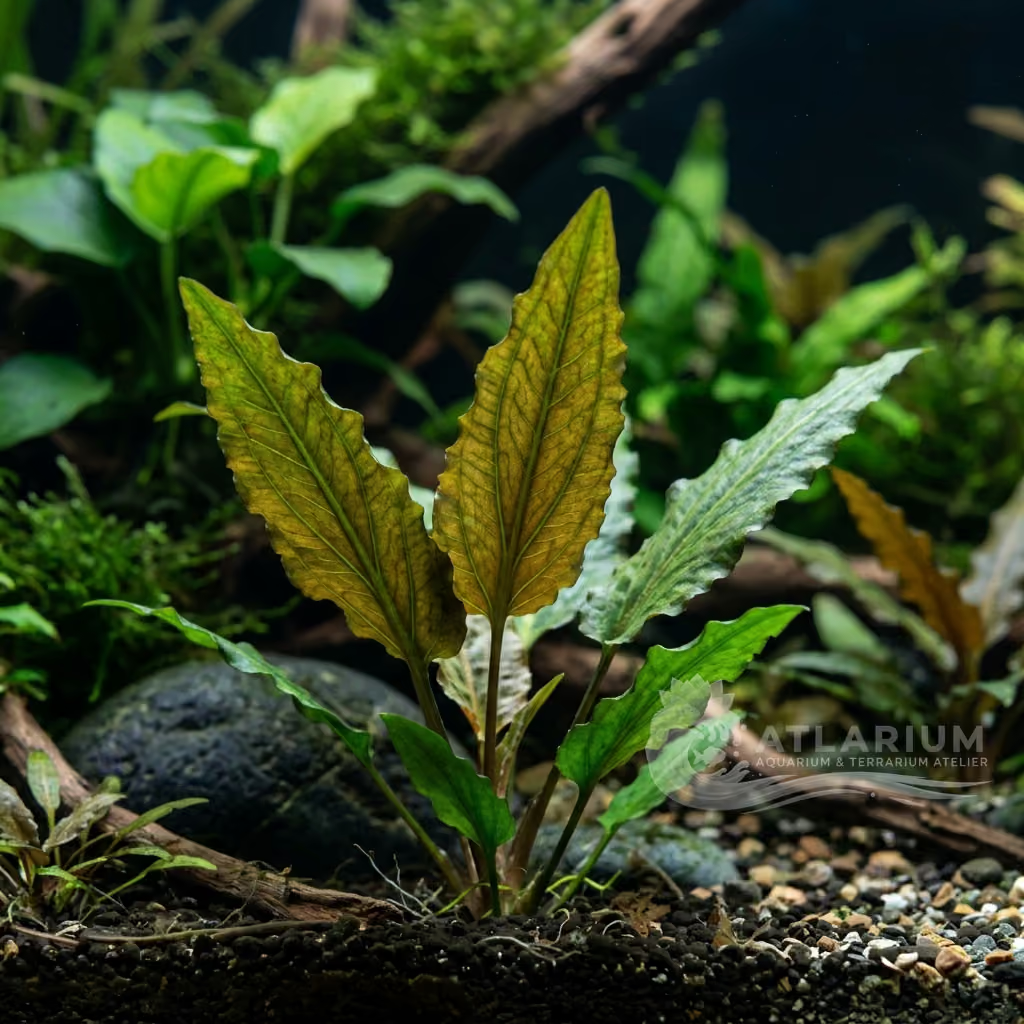
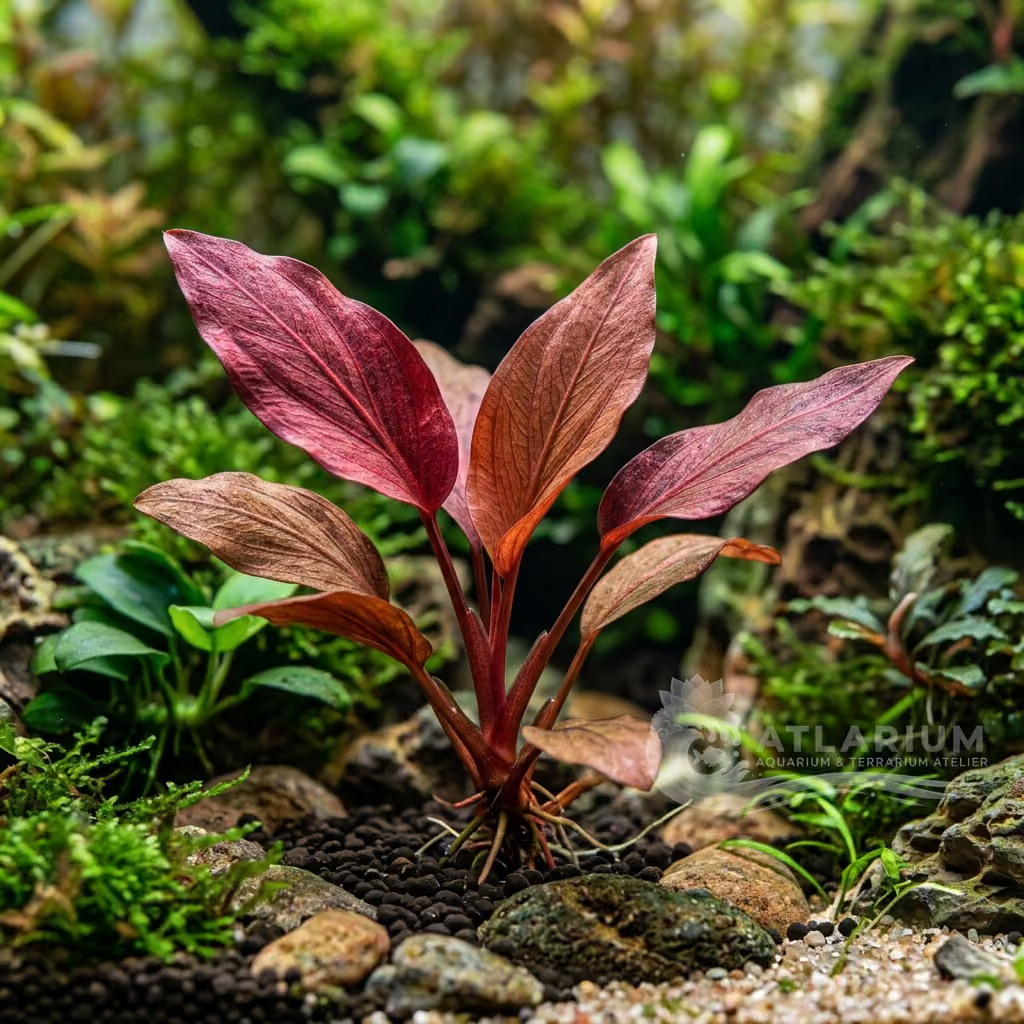
Color & Texture: The leaves show a dark green or greenish-brown coloration on the upper side, often enriched by highly decorative purple and reddish marbling or veins. The lower side is typically a deep purplish-red or intense purple. The leaf texture is slightly leathery, smooth but with prominent secondary veins that create a tridimensional surface.

Care, breeding and tankmates
Lighting & CO2: Requires low to moderate lighting levels. Too intense lighting can burn the leaves or promote algae growth on the blade. Carbon dioxide supply is recommended to support the healthy development of this slow species and prevent leaf decay in artificial systems.
Nutrition & Substrate: An acidic substrate rich in organic nutrients, such as peaty aquasoil, is ideal. It needs periodic root fertilization via tabs rich in iron and humic acids to mimic the floor of native rainforests and stimulate root growth.
Water Chemistry: Prefers soft, acidic water, with an optimal pH between 5.5 and 6.8 and a KH below 4 dKH. It does not tolerate hard, calcareous water. It requires warm, stable temperatures, preferably between 22°C and 28°C, with regular but not drastic water changes.
Space Management & Placement: Preferably place in the midground of the aquarium. It can be planted as a single specimen or in small, spaced groups. Avoid planting near fast-growing plants that could excessively shade it or quickly deplete water column nutrients.
Pruning: Pruning is limited to the removal of older outer leaves that begin to deteriorate or yellow. Cut the leaf near the rhizome using sharp scissors to avoid tearing healthy tissue or disturbing the rhizome.
Risks & Diseases: It is one of the most sensitive Cryptocorynes to "Cryptocoryne melt." It does not tolerate sudden shifts in conductivity, pH, or temperature, which cause rapid leaf decay. Move it as little as possible after planting.

Geographic origin and distribution
Cryptocoryne griffithii is native to the southern part of the Malay Peninsula (Malaysia) and the island of Singapore. It predominantly inhabits freshwater forest swamps, slow-moving streams, and shaded creeks within primary rainforests. It grows in highly acidic, mineral-poor water (blackwater), often on peaty substrates rich in decaying leaves and plant debris, remaining submerged for most of the year.
Origin
South and Southeast Asia

Plant profile
- Placement
- Midground
- Due to its broad, sprawling leaf structure, it is best utilized as a midground feature or a focal point in smaller aquariums. It appreciates somewhat shaded areas, especially if the tank is brightly lit, to prevent algae accumulation on its slow-growing foliage. In paludariums or emersed setups, it makes an excellent foreground plant where its beautiful flowers can be observed.
- Botanical form
- Rosette
- C. griffithii is recognized by its broad, ovate to almost round leaves that feature a slightly cordate (heart-shaped) base. The foliage is typically a dark, rich green, but under optimal conditions, it can display attractive reddish or purplish mottling. It grows from a stout central rhizome, forming a robust, low-lying rosette.
- Growth
- Slow
- This is a notoriously slow grower when kept submersed, requiring patience from the aquarist. It can take several months just to settle in and produce its first few new leaves. Cultivating it emersed in high humidity significantly increases its growth rate and is the preferred method for commercial propagation.
- Substrate
- High
- Known for its preference for soft, acidic conditions, Cryptocoryne griffithii flourishes when planted in a nutrient-rich, clay-based or commercial aqua soil. Its strong root network draws the majority of its sustenance directly from the ground, making a fertile bed of 2 to 3 inches (5-8 cm) deep essential for its success. A fine to medium substrate grain helps protect its fragile roots while allowing unimpeded growth. In setups utilizing only inert sand or gravel, the aggressive use of root tabs is required to simulate its naturally rich environment.
- Column fertilization
- Recommended
- Liquid fertilization should be minimal, providing only essential micronutrients and iron to support leaf coloration. The plant is simply too slow-growing to effectively utilize high levels of macronutrients in the water column. A lean water dosing strategy combined with heavy root feeding is the most effective approach.
- Root fertilization
- Recommended
- An active, acidic soil substrate is highly recommended for this species to thrive submersed. Without a nutrient-dense base, the plant will struggle to maintain its large leaves and may slowly waste away. Supplementing inert substrates with comprehensive root capsules is mandatory for long-term success.
- Trimming
- Occasional
- Pruning should be strictly limited to the removal of decaying or heavily algae-infested leaves. Use sharp scissors to cut the petiole as close to the rhizome as possible without disturbing the root system. Never remove healthy leaves, as the plant cannot quickly replace them.
- Propagation
- Runners
- Submersed propagation occurs very slowly through the formation of basal runners. These daughter plants will eventually emerge near the parent rosette but should not be separated until they have established their own robust root systems. Emersed propagation is much faster and more reliable.
- Sensitivity
- Moderate
- It is highly susceptible to 'Crypt melt' caused by sudden changes in water chemistry, temperature, or lighting. Submersed specimens strongly resent being uprooted and should be left undisturbed once planted. Maintaining stable, soft, and slightly acidic water is key to preventing leaf degradation.
- Layout role
- Midground, Specimen
- Its broad, dark leaves provide an excellent textural contrast when placed among fine-stemmed plants or grassy foregrounds. It serves as a strong, anchoring visual element in the midground of nature aquariums and biotope setups. The distinctive, sometimes mottled foliage adds a touch of wild authenticity to the aquascape.

Related species
Recommendations grouped by close relatives, companion choices, and similar care.