Cryptocoryne nevillii
Cryptocoryne nevillii
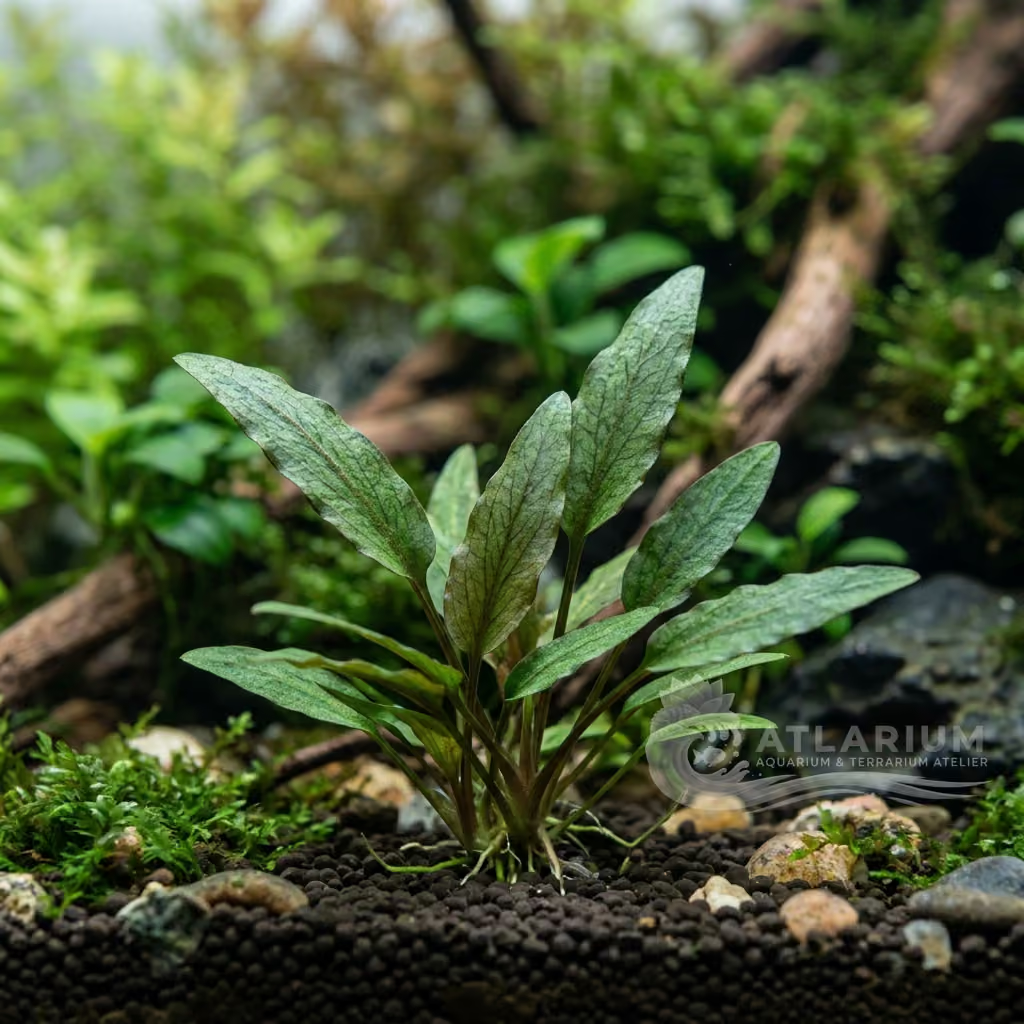
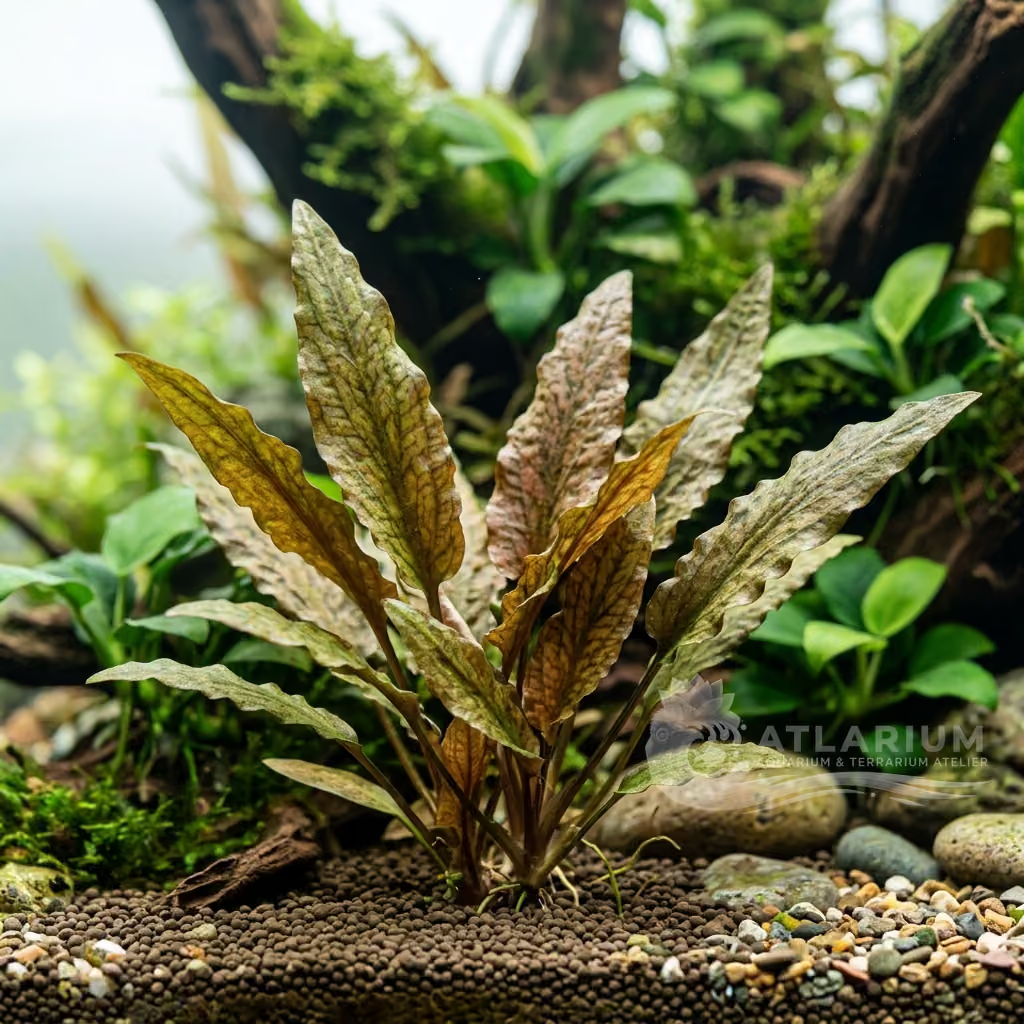
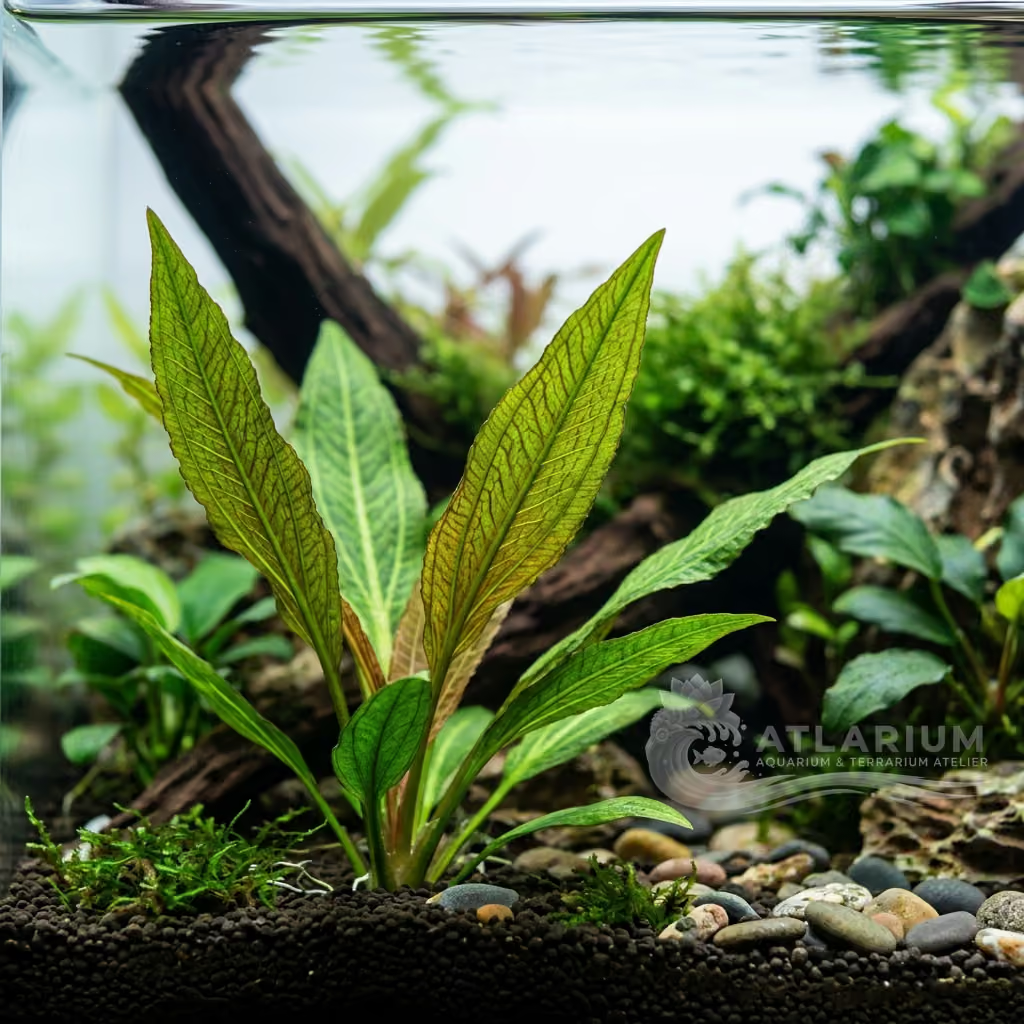
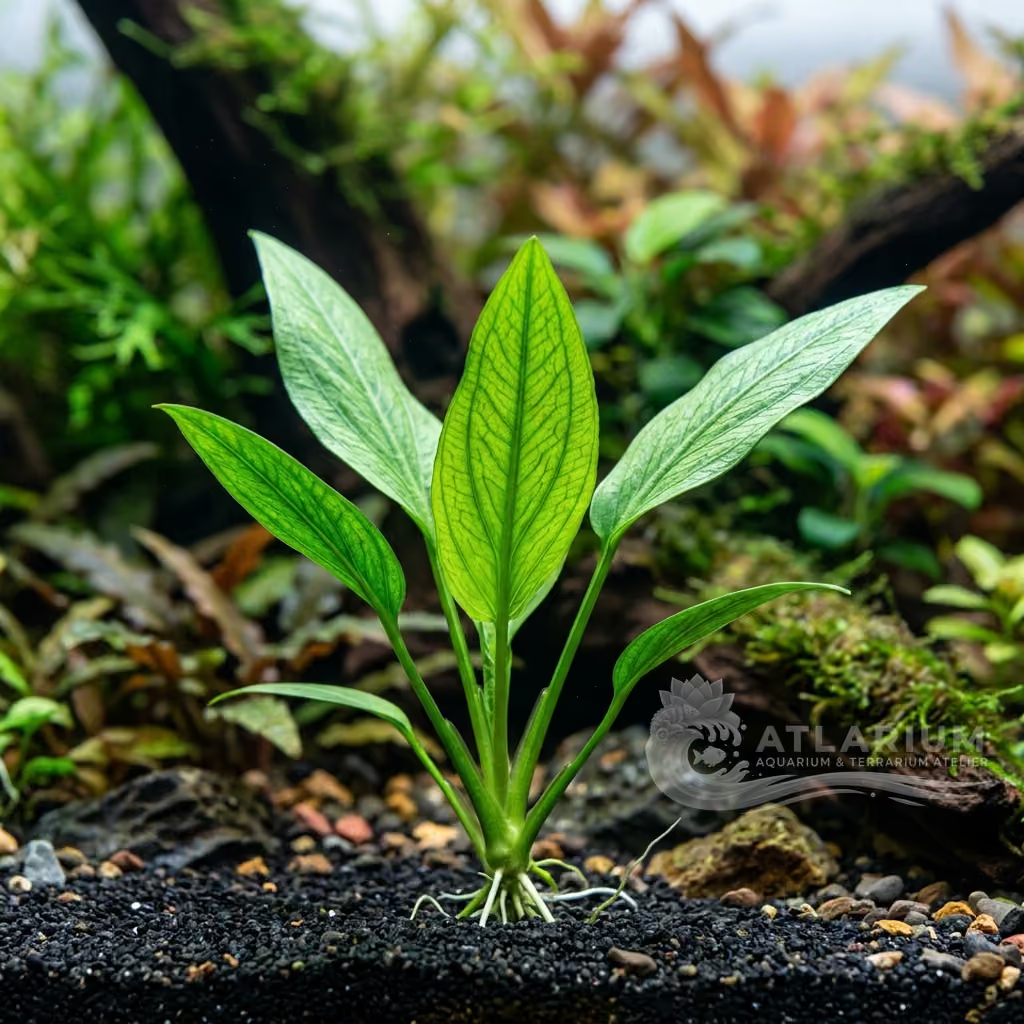
Cryptocoryne nevillii is a charming, compact rosette plant from Sri Lanka. Featuring thick, bright green lanceolate leaves, it naturally forms a neat, low-growing carpet perfect for the foreground.
Water Temperature
22 - 28 °C
pH Value
6 - 7.5
Water type
Freshwater
Light
Low
CO2
Medium - High
Expected height
12 cm
Expected width
8 cm
KH
2 - 10 dKH

Species description
Geographical Origin and Habitat: Cryptocoryne nevillii is native to the wetlands and coastal marshes of eastern Sri Lanka. In nature, it grows in areas periodically flooded by fresh or slightly brackish water, rooted in very compact clayey or silty soils rich in organic matter. During the rainy season, it lives completely submerged, while in the dry season it partially emerges, reducing its leaf size and producing its characteristic spathe inflorescences.
Taxonomy & Genetics: It belongs to the Araceae family, genus Cryptocoryne. Historically, there has been significant taxonomic confusion regarding this species: many plants sold in the past as Cryptocoryne nevillii were actually forms of Cryptocoryne willisii. Genetically, C. nevillii is a distinct and stable species, characterized by thicker, shorter leaves and a floral spathe with a smooth, dark purplish-brown interior limb.
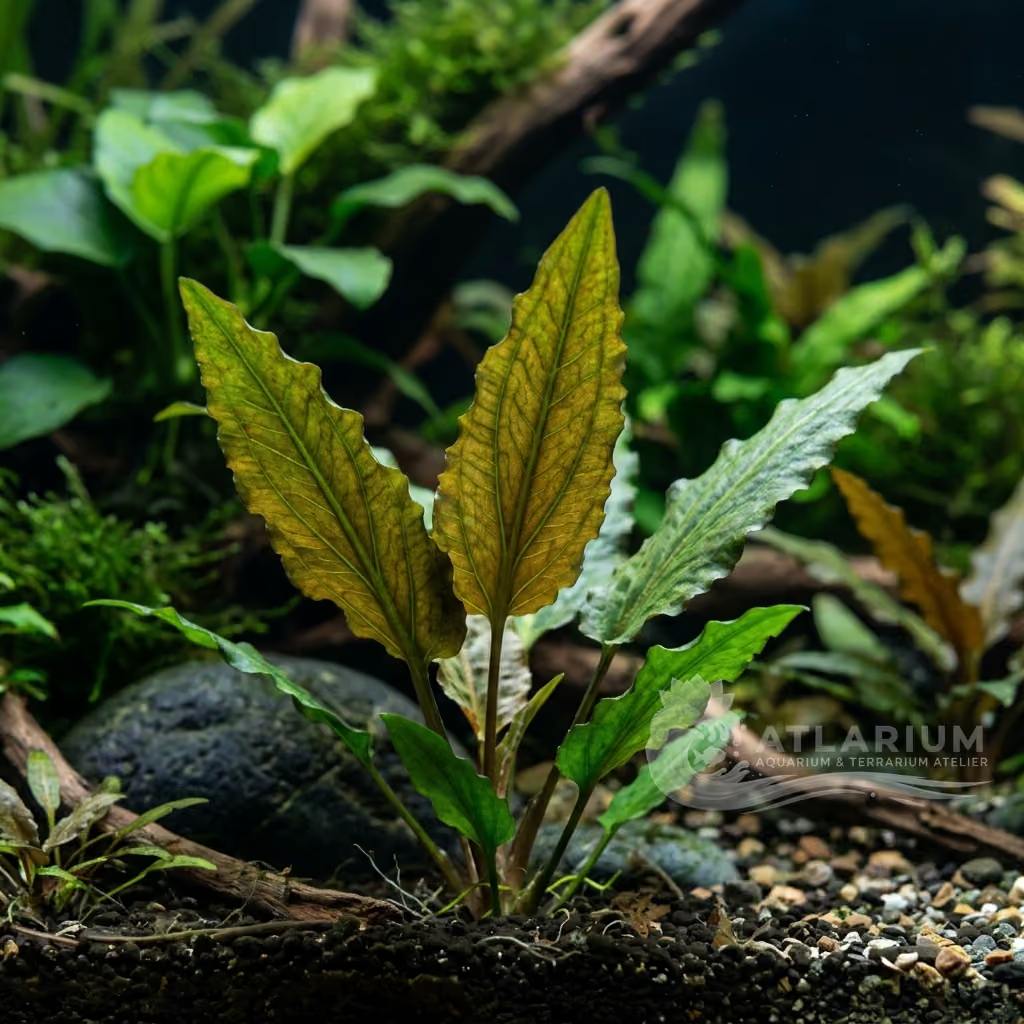
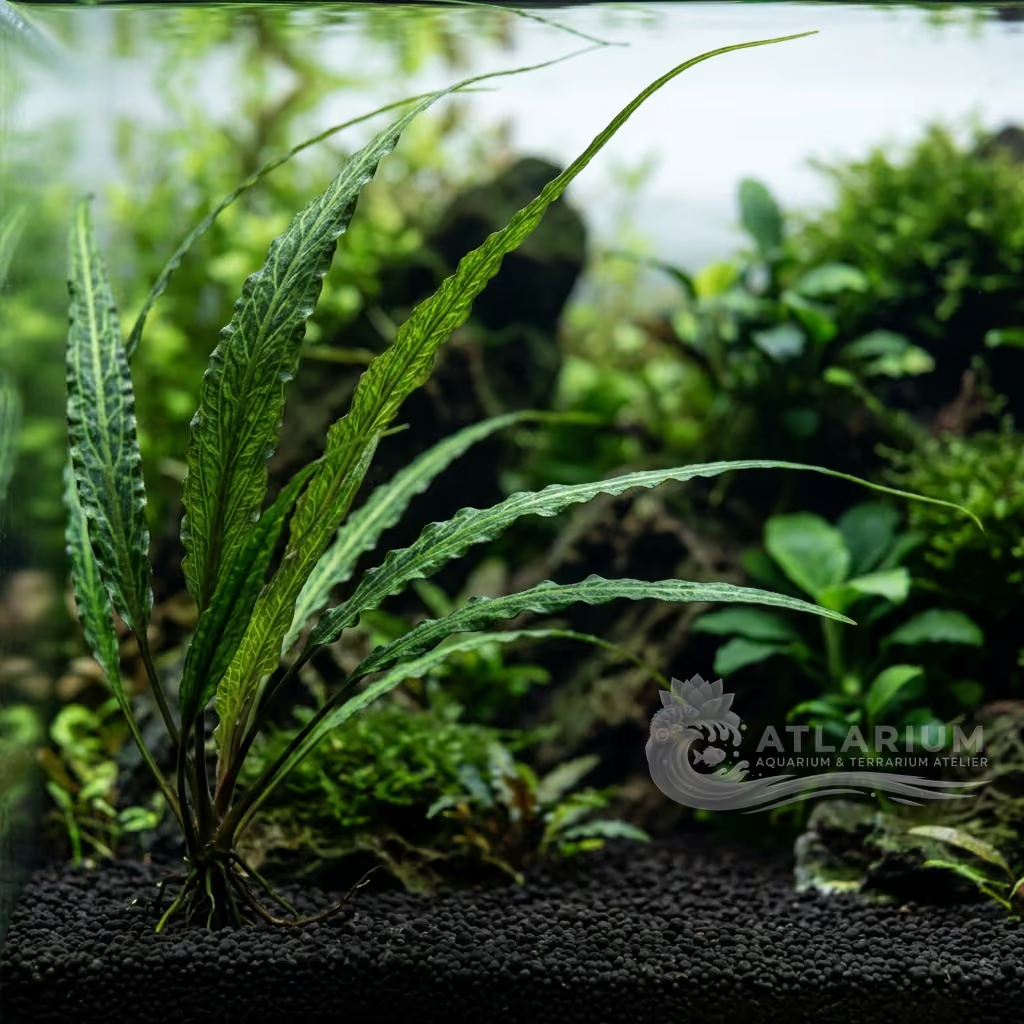
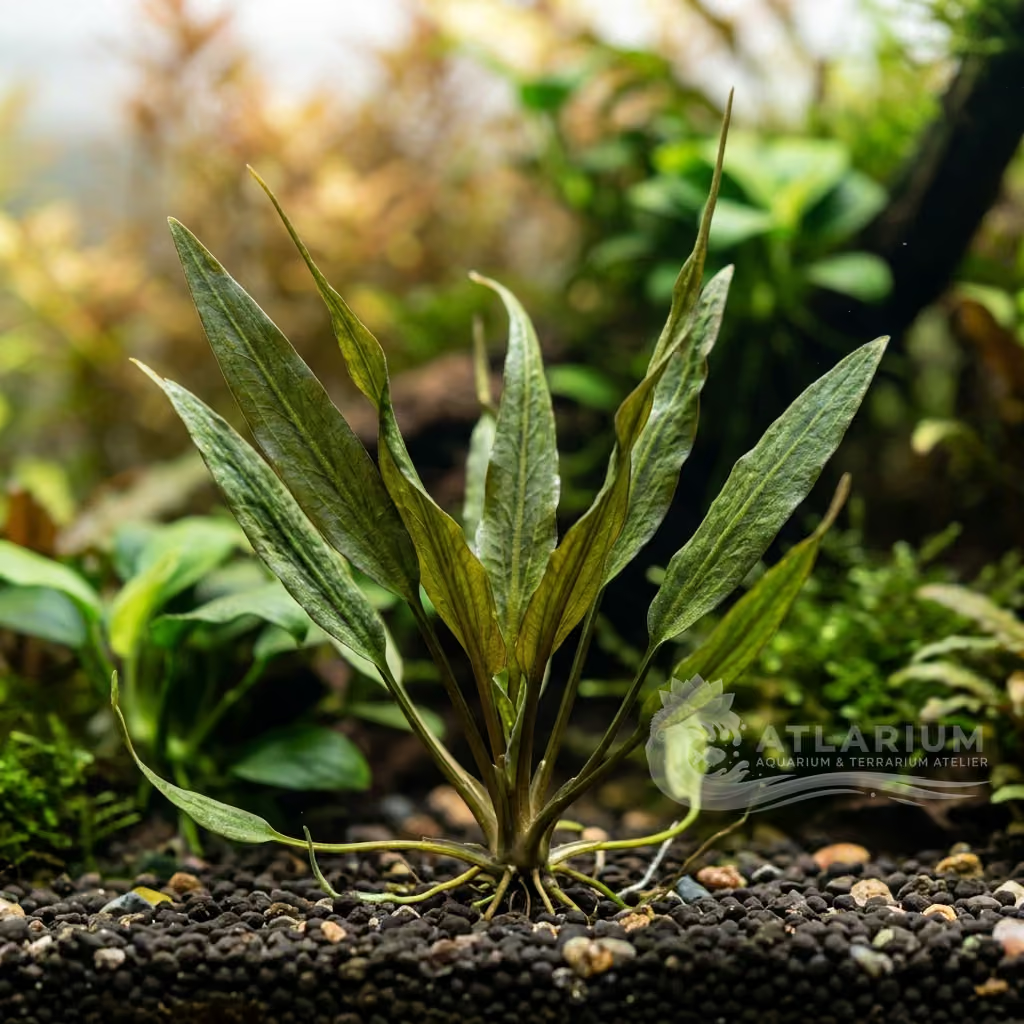
Physical Structure: It features a very compact and small rosette structure, rarely exceeding 10-15 cm in height. The leaves have a characteristic lanceolate-ovate shape, supported by small, leathery petioles arranged in a radial pattern around a short, woody rhizome. The root system is dense and deep, consisting of robust roots that spread into the surrounding substrate to anchor and nourish the plant.
Color & Texture: The leaves exhibit a uniform bright green or olive-green color on the upper side, lacking the typical brown striping found in other Cryptocorynes. The underside is slightly lighter with silvery hues. The texture is smooth, matte, and waxy to the touch, with a thick and rigid leaf blade that gives the plant an extremely neat and robust appearance.

Care, breeding and tankmates
Lighting & CO2: Suitable for aquariums with low to moderate lighting. Under too intense light, the leaves tend to grow extremely flat and close to the substrate, while under weak light they stretch vertically. CO2 injection is not necessary, but a minimal supply (5-10 mg/L) stimulates growth and increases the compactness of the bush.
Nutrition & Substrate: It prefers a fine, clayey or sandy substrate enriched with organic nutrients or root fertilizer tabs. Although it benefits from liquid fertilizers in the
Water Chemistry: Tolerant of chemical parameters, it adapts well to pH between 6.0 and 7.5 and to soft to moderately hard water. The optimal water temperature ranges between 20°C and 28°C. Regular water changes help maintain the parameter stability necessary for the plant.
Space Management & Placement: Due to its small size, it is ideal as a foreground or midground plant in small and nano-aquariums. It is recommended to plant it in small groups spaced 2-3 cm apart; over time, the individual specimens will merge to form a dense, low carpet.
Pruning: Slow growth minimizes the need for pruning. It is sufficient to remove older or damaged leaves by cutting them at the base of the rhizome with fine scissors to maintain a clean appearance and prevent rot.
Risks & Diseases: It is one of the most resistant Cryptocorynes to 'Cryptocoryne melt,' although it is not completely immune. Avoiding sudden temperature and light swings will drastically reduce the risk of leaf decay. Slow growth makes it susceptible to green spot algae on older leaves.

Geographic origin and distribution
Cryptocoryne nevillii is native to the wetlands and coastal marshes of eastern Sri Lanka. In nature, it grows in areas periodically flooded by fresh or slightly brackish water, rooted in very compact clayey or silty soils rich in organic matter. During the rainy season, it lives completely submerged, while in the dry season it partially emerges, reducing its leaf size and producing its characteristic spathe inflorescences.
Origin
South and Southeast Asia

Plant profile
- Placement
- Midground
- When designing an aquascape, Cryptocoryne nevillii excels when used as a foreground carpeting group. The distinct dense rosette with rigid, lanceolate leaves creates a natural, wild appearance that bridges the gap between the foreground and background. Placing it near driftwood or stones highlights its unique texture and visual appeal.
- Botanical form
- Rosette
- Botanically, Cryptocoryne nevillii grows as a dense rosette with rigid, lanceolate leaves. The leaves exhibit characteristic textures and colors that vary slightly depending on environmental conditions. It remains a striking example of the diverse morphology found within the Cryptocoryne genus.
- Growth
- Slow
- Aquarists should expect a slow growth trajectory when cultivating Cryptocoryne nevillii. While high-tech setups with CO2 can push it to grow slightly faster, it fundamentally remains a deliberate grower. This steady pace makes it an excellent choice for low-maintenance scapes that require infrequent trimming.
- Substrate
- High
- A nutrient-rich aquasoil or a mature, deep gravel bed is ideal for this Sri Lanka native. Its extensive root system requires ample space to anchor and access vital minerals. Adding root tabs regularly will prevent nutrient depletion and support long-term health.
- Column fertilization
- Recommended
- Liquid fertilization can be a valuable supplement for the cultivation of Cryptocoryne nevillii. Providing a comprehensive water-column additive ensures that micronutrients are readily available for foliar uptake. Maintaining modest dosing levels prevents unwanted algae from establishing on its broad surfaces.
- Root fertilization
- None
- The secret to a flourishing Cryptocoryne nevillii lies in consistent and potent root fertilization. Iron-rich substrate supplements are specifically recommended to bring out its best colors and leaf textures. A well-fed root zone enables the plant to bounce back quickly from environmental fluctuations.
- Trimming
- Occasional
- Trimming is rarely necessary due to its slow growth and compact nature. When maintenance is required, only remove the oldest, yellowing, or damaged leaves from the outer edge of the rosette. Use sharp scissors to cut the stem as close to the substrate as possible. Avoid pulling or uprooting the plant, as the roots are sensitive to disturbance.
- Propagation
- Runners
- Propagation of Cryptocoryne nevillii occurs naturally through the development of subterranean runners. Once a new plantlet has formed several leaves and a distinct root system, it can be safely severed from the mother plant. The new offshoot should be planted carefully in a nutrient-dense area to encourage rapid establishment.
- Sensitivity
- Moderate
- It is generally a hardy species but remains susceptible to 'Crypt melt' if subjected to sudden changes in water parameters. It prefers stable environments and should not be moved frequently once planted. If the leaves begin to melt, leave the rhizome and roots intact, as it will likely recover over time. Gradual acclimation is the best way to introduce it to a new tank.
- Layout role
- Foreground, Midground, Nano
- Cryptocoryne nevillii acts as an excellent transition plant between low-growing carpets and taller midground plants. Its narrow leaves provide a fine texture that contrasts beautifully against broad-leaved species or smooth stones. It is perfect for creating natural-looking borders and softening hardscape edges. It adds a subtle, refined touch to the foreground of any layout.

Related species
Recommendations grouped by close relatives, companion choices, and similar care.