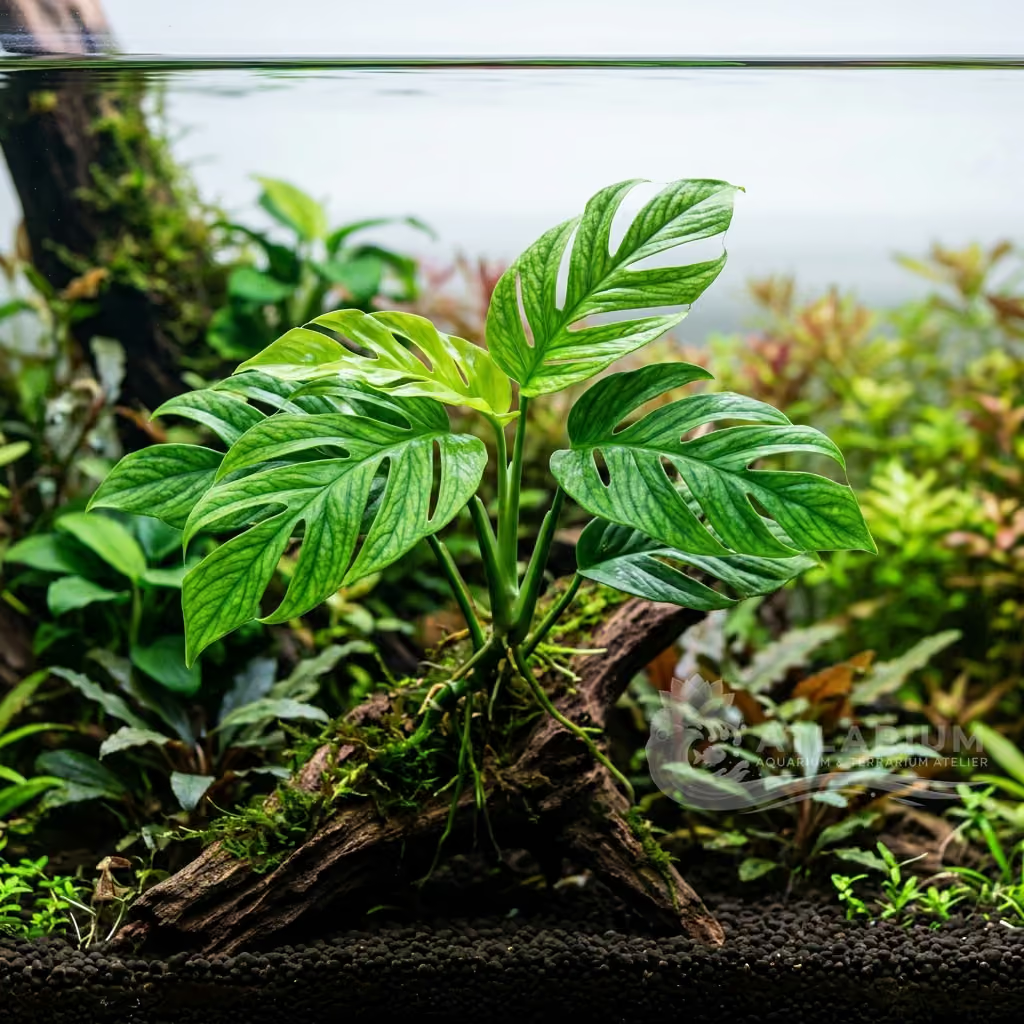
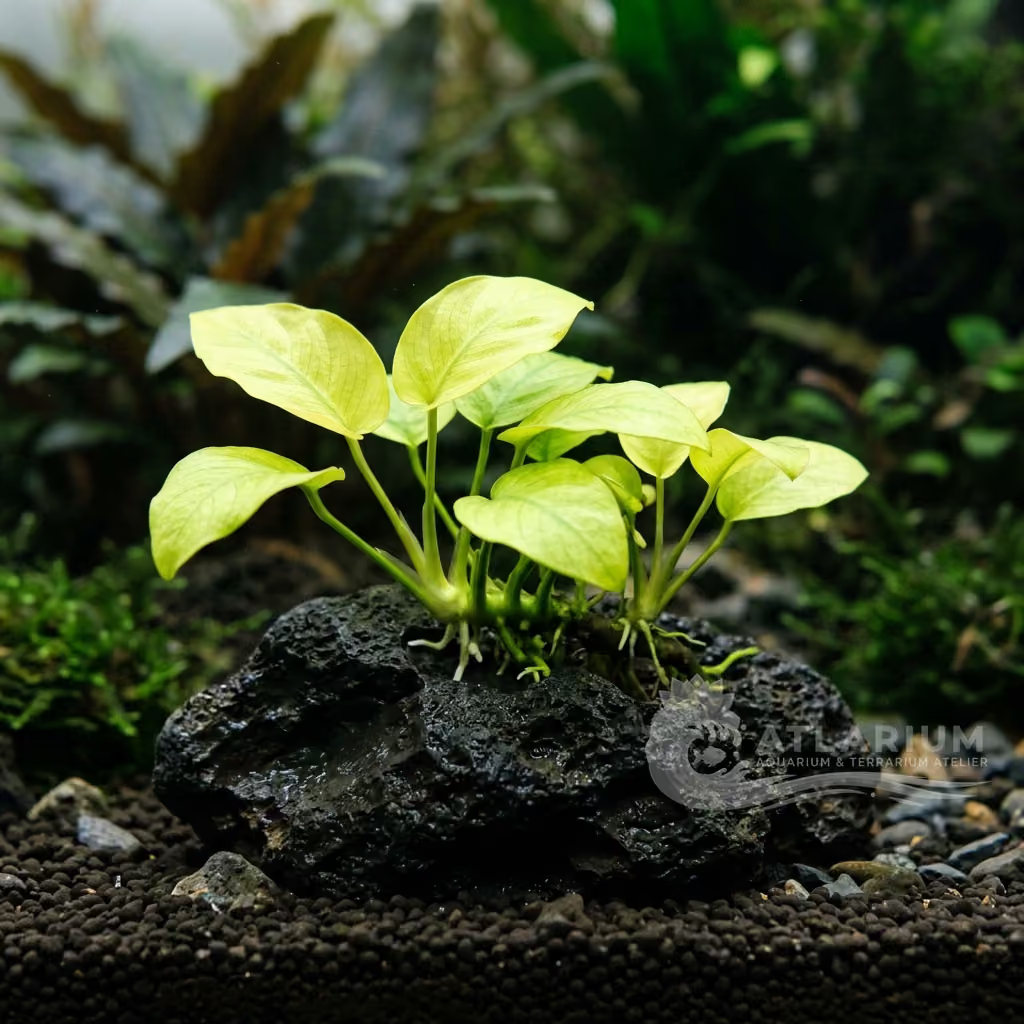
Cryptocoryne walkeri 'Hobbit'
Cryptocoryne walkeri
Cryptocoryne walkeri 'Hobbit': an outstanding dwarf cultivar of C. walkeri with short, olive-green and purple leaves. Perfect for foregrounds and nano tanks. Light: Low to high.
Water Temperature
20 - 28 °C
pH Value
6 - 7.8
Water type
Freshwater
Light
Low to High
CO2
Low - High
Expected height
8 cm
Expected width
8 cm
KH
2 - 15 dKH

Species description
Geographical Origin and Habitat: This dwarf cultivar was selected in cultivation from strains of Cryptocoryne walkeri, a species native to Sri Lanka. In the wild, the type species inhabits wet riverbanks and shaded forest streams in the wet hilly zones of Sri Lanka. The 'Hobbit' form was isolated and stabilized in greenhouses due to its exceptionally small size and compact rosette.
Taxonomy & Genetics: It belongs to the Araceae family, genus Cryptocoryne. It is a registered cultivar propagated vegetatively to preserve its dwarf characteristics. Genetically, it retains the robustness of walkeri but exhibits a marked shortening of internodes and leaf blades, serving as an excellent example of stable dwarfism in aquatic plants.
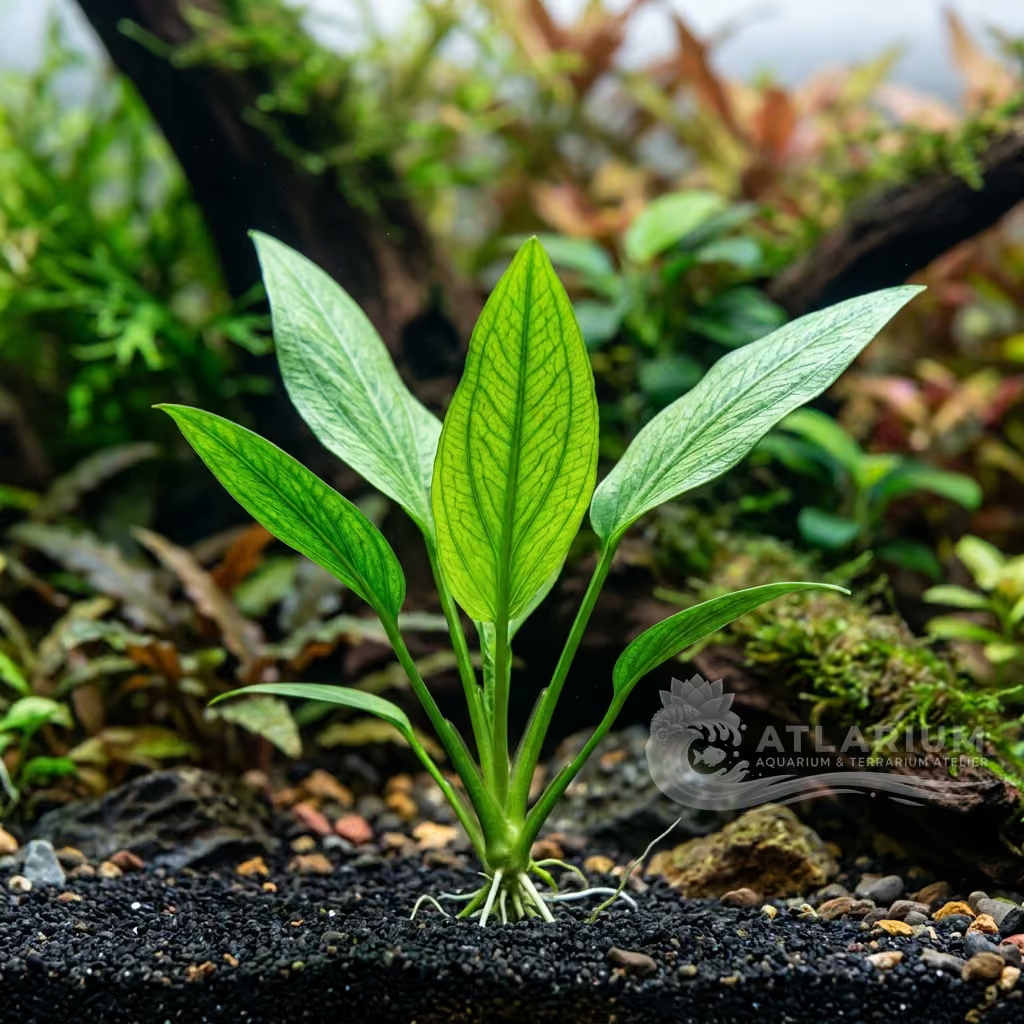
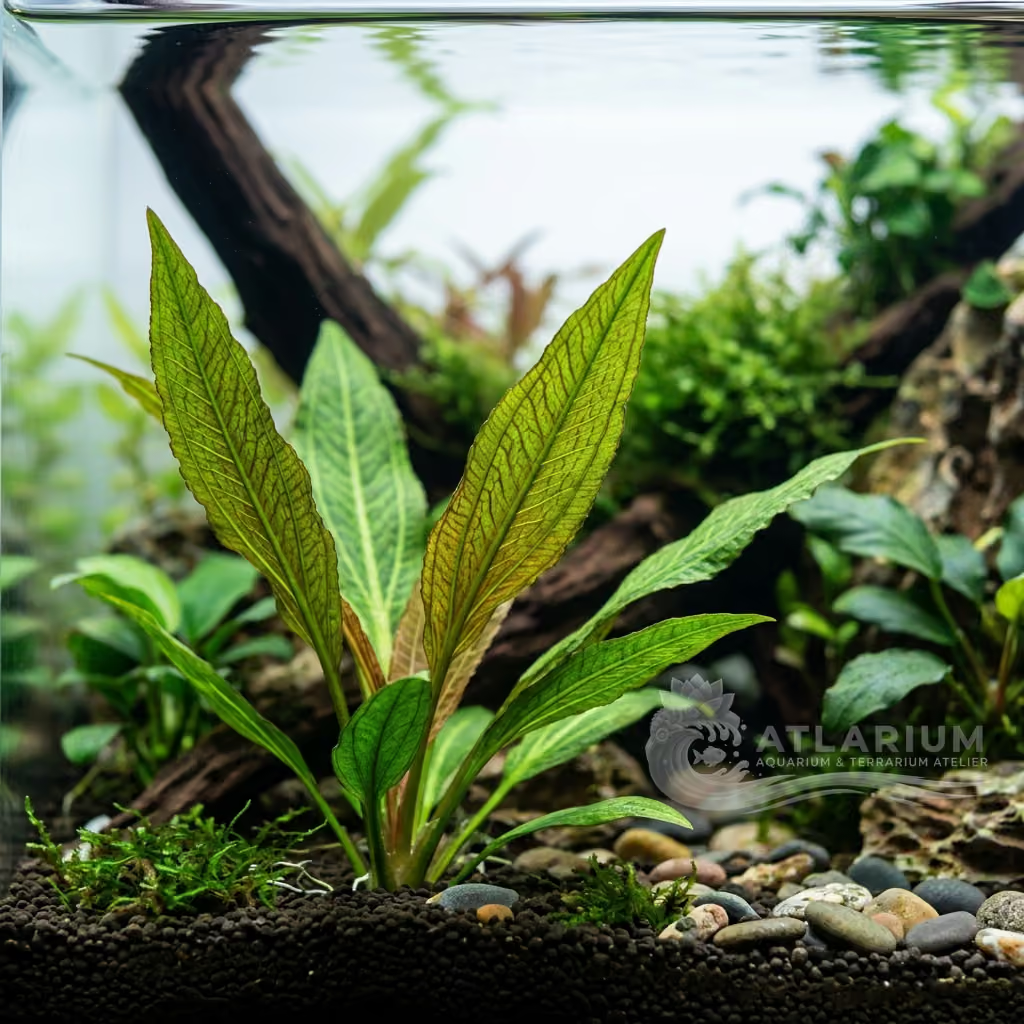
Physical Structure: It develops a very dense and compact rosette that rarely exceeds 8 cm in height and width. The leaves are lanceolate to ovate in shape, with very short, sturdy petioles that keep the blade close to the substrate. The root system, in proportion to its size, is well-developed and anchors firmly to the ground with fibrous roots.
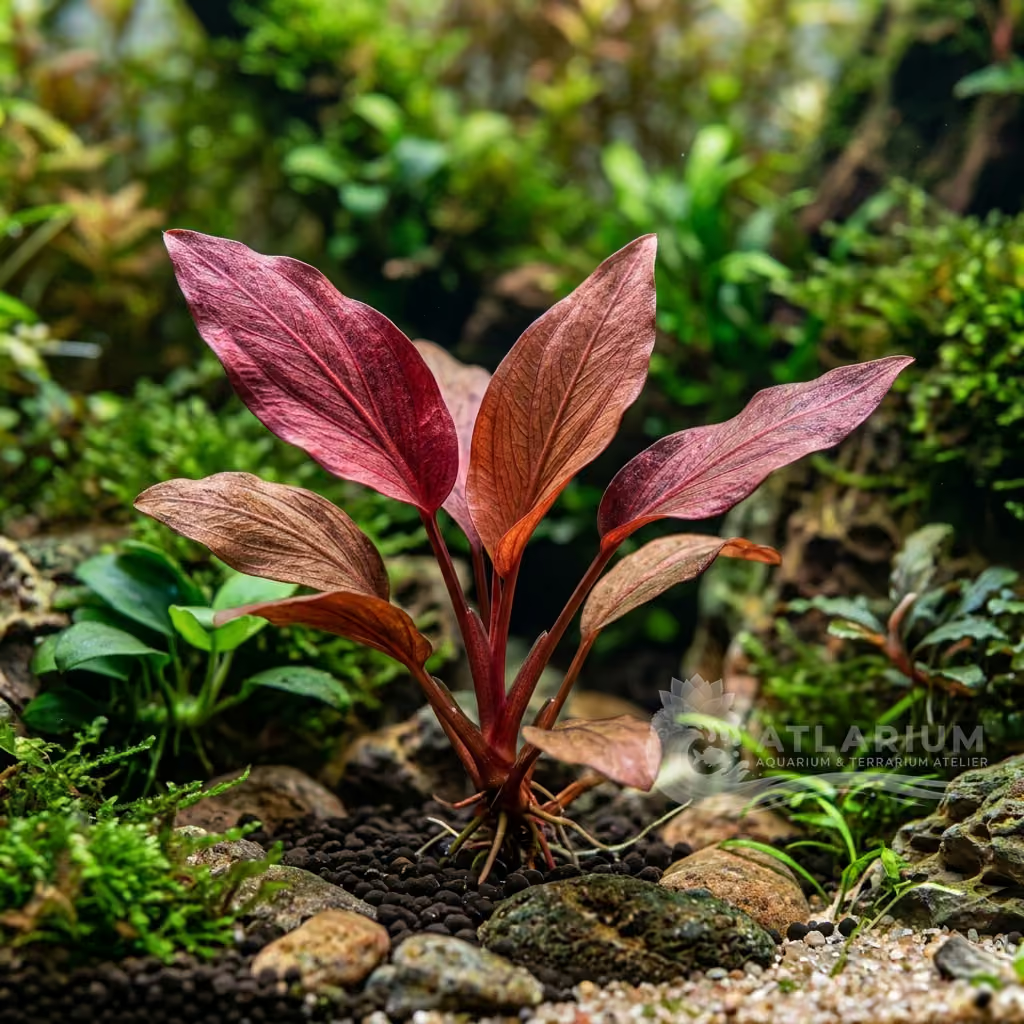
Color & Texture: The leaves display dark olive-green or bronze shades on the upper side, with slightly wavy margins that sometimes turn reddish-brown. The underside presents reddish or purple hues. The leaf surface has a firm and slightly glossy texture.

Care, breeding and tankmates
Lighting & CO2: Very flexible regarding lighting. Under low light, it maintains green leaves and a more upright posture, whereas under intense light, it flattens to the substrate, expanding horizontally and taking on dark coppery tones. CO2 is not essential but promotes a steady growth of new central leaves.
Nutrition & Substrate: It prefers a fine and fertile substrate to facilitate the development of its small roots. Integration with root tabs containing iron is highly recommended. It responds well to balanced but moderate column fertilization.
Water Chemistry: Tolerant and adaptable, it grows well in water ranging from soft to hard (KH 2-15 dKH) and a slightly acidic to slightly alkaline pH (6.0-7.8). The optimal temperature is between 20°C and 28°C; avoid excessive thermal fluctuations.
Space Management & Placement: Thanks to its small size, it is the ideal plant for the foreground of any aquarium, especially in nano-aquariums or smaller layouts. It should be positioned in small groups, spacing individual rosette plants 1-2 cm apart to create a compact, structured carpet.
Pruning: Maintenance is almost nonexistent. Periodically remove decayed outer leaves, cutting them close to the crown using precision scissors. Avoid disturbing the plant once positioned.
Risks & Diseases: It is one of the most resistant Cryptocorynes to leaf melt. However, sudden parameter changes or total shading by taller plants can cause stunted growth and leaf decay.

Geographic origin and distribution
This dwarf cultivar was selected in cultivation from strains of Cryptocoryne walkeri, a species native to Sri Lanka. In the wild, the type species inhabits wet riverbanks and shaded forest streams in the wet hilly zones of Sri Lanka. The 'Hobbit' form was isolated and stabilized in greenhouses due to its exceptionally small size and compact rosette.
Origin
South and Southeast AsiaSelective breeding and cultivars

Plant profile
- Placement
- Foreground
- Its very compact, low-growing stature makes it an excellent choice for the foreground of both large and nano aquariums. It forms dense, low bushes that do not overgrow and obscure hardscape details. It looks highly natural when planted along the edges of rocks or driftwood.
- Botanical form
- Rosette
- As the name implies, it is a dwarf variant that remains very short and compact, rarely exceeding a few inches in height. The leaves are small, somewhat rigid, and typically display an appealing chocolate-brown to bronze coloration. It forms very tight, ground-hugging rosettes.
- Growth
- Slow
- C. walkeri 'Hobbit' has a noticeably slow growth rate, taking considerable time to form a solid carpet or bush. Patience is essential, as it establishes its root system long before showing significant leaf growth. Once settled, it requires very little maintenance due to its slow pace.
- Substrate
- MODERATE
- A fine-grained, nutrient-rich substrate is preferred to allow its small, delicate root system to establish easily. Aquatic soil provides the perfect consistency and nutrient release for this small plant. It can also thrive in sand if properly supplemented with root tabs.
- Column fertilization
- Recommended
- Modest column fertilization is perfectly adequate for this slow-growing plant. Dosing a complete liquid fertilizer sparsely will keep it healthy without encouraging algae to grow on its slow-forming leaves. Ensure adequate iron is available to maintain its rich brown coloration.
- Root fertilization
- Recommended
- Root feeding is vital for its long-term success. Small pieces of root tabs should be placed strategically beneath the plant clusters to ensure a direct nutrient supply. The localized feeding encourages the plant to remain compact and densely leaved.
- Trimming
- Occasional
- Only trim dying, damaged, or heavily algae-covered leaves by cutting them as close to the crown as possible. Avoid cutting healthy leaves midway, as they will simply rot away from the cut point. Minimal pruning is needed due to its slow growth.
- Propagation
- Cuttings
- It multiplies by slowly producing short runners, resulting in a tight cluster of new plantlets immediately adjacent to the mother plant. These form a contiguous patch over time. For deliberate propagation, carefully separate the plantlets only after they have clearly formed their own roots.
- Sensitivity
- LOW
- Susceptible to Crypt melt if parameters shift rapidly, especially temperature or lighting intensity. It may lose leaves when newly introduced to a tank but usually recovers once acclimatized. Stable water conditions are key to preventing sudden leaf loss.
- Layout role
- Midground, Foreground, group
- Acts as a strong structural element that can help define spaces in the planted aquarium. Its distinct appearance makes it a popular choice for Nature Aquarium styles. It adds depth and texture without requiring constant maintenance.

Image gallery
Licensed images linked to the species or, when marked, to the closest representative taxon.

Related species
Recommendations grouped by close relatives, companion choices, and similar care.